Loading...


Part I - Photographs Practice Set - Kaplan
Quiz by Yessenia Gonzalez
Customize this quiz to suit your class
Instantly translate to 100+ languages
Tag the questions with any skills you have. Your dashboard will track each student's mastery of each skill.
Give this quiz to my class
Choose the one statement that best describes the photograph.
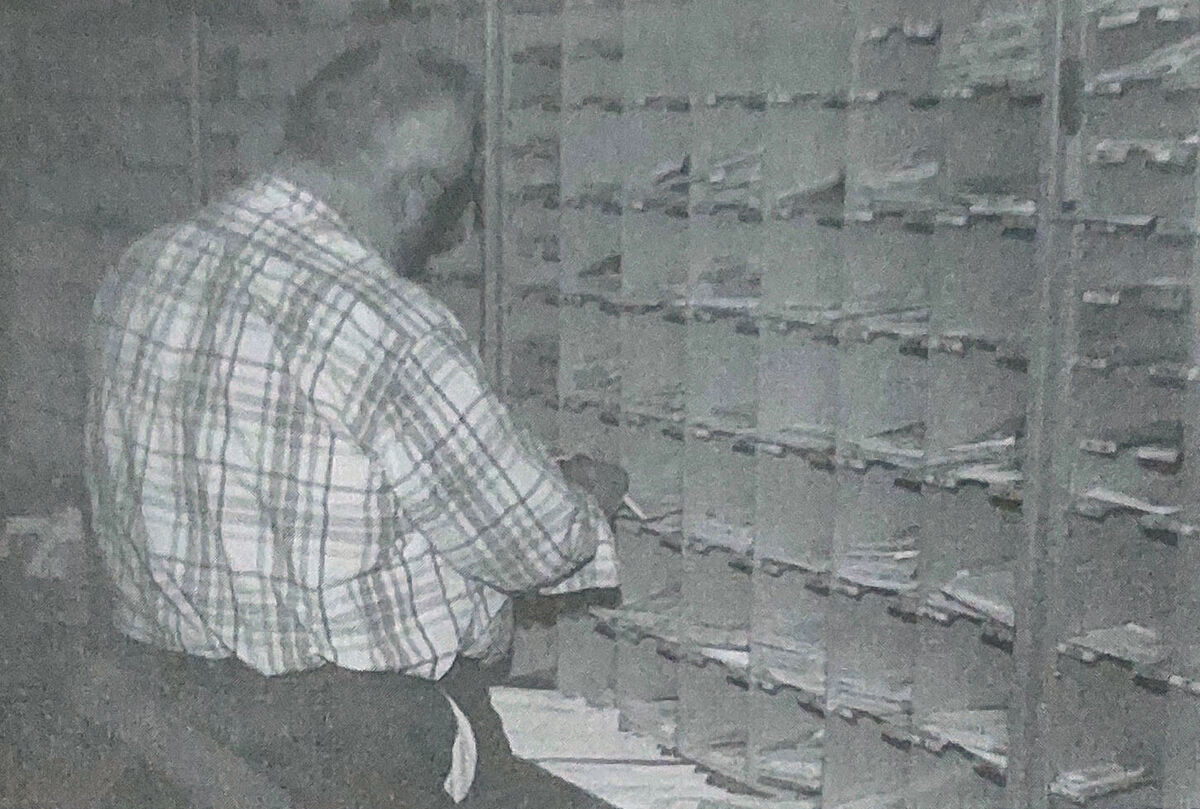
A
B
C
D
Choose the one statement that best describes the photograph.
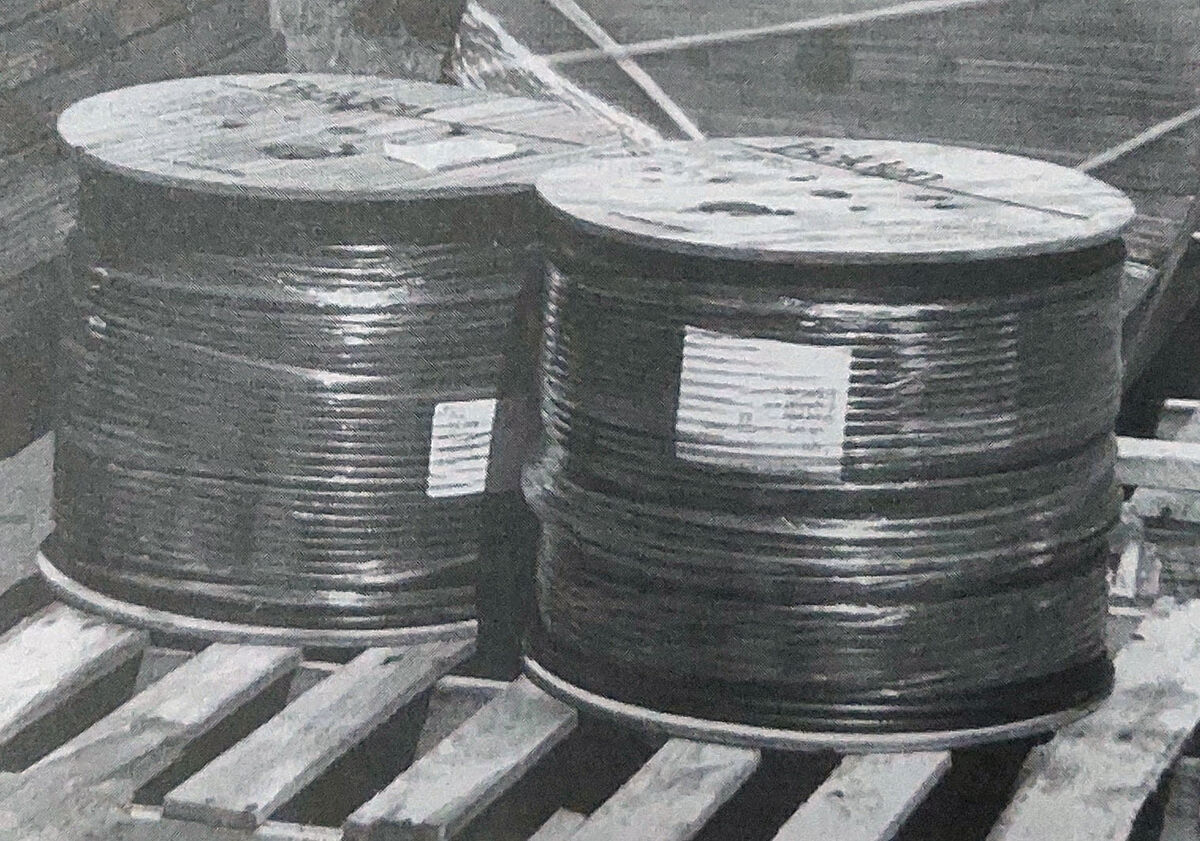
A
B
C
D
Choose the one statement that best describes the photograph.
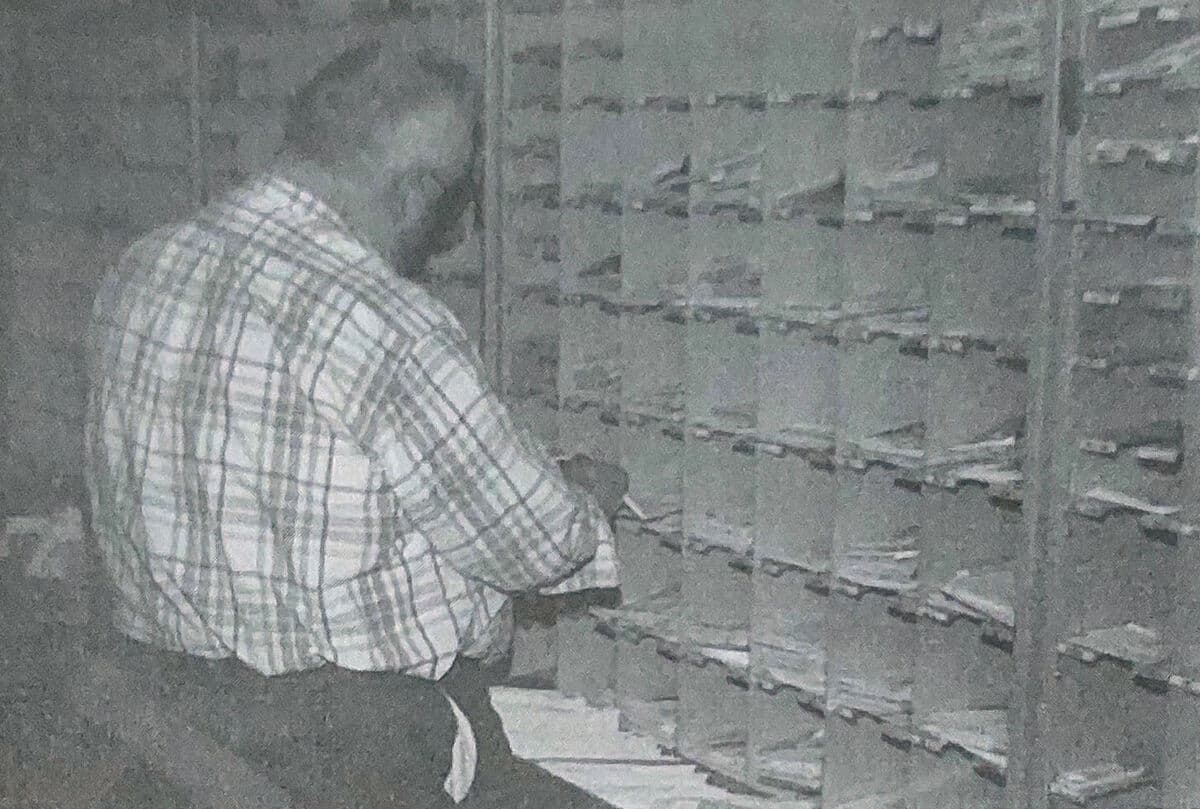
Choose the one statement that best describes the photograph.
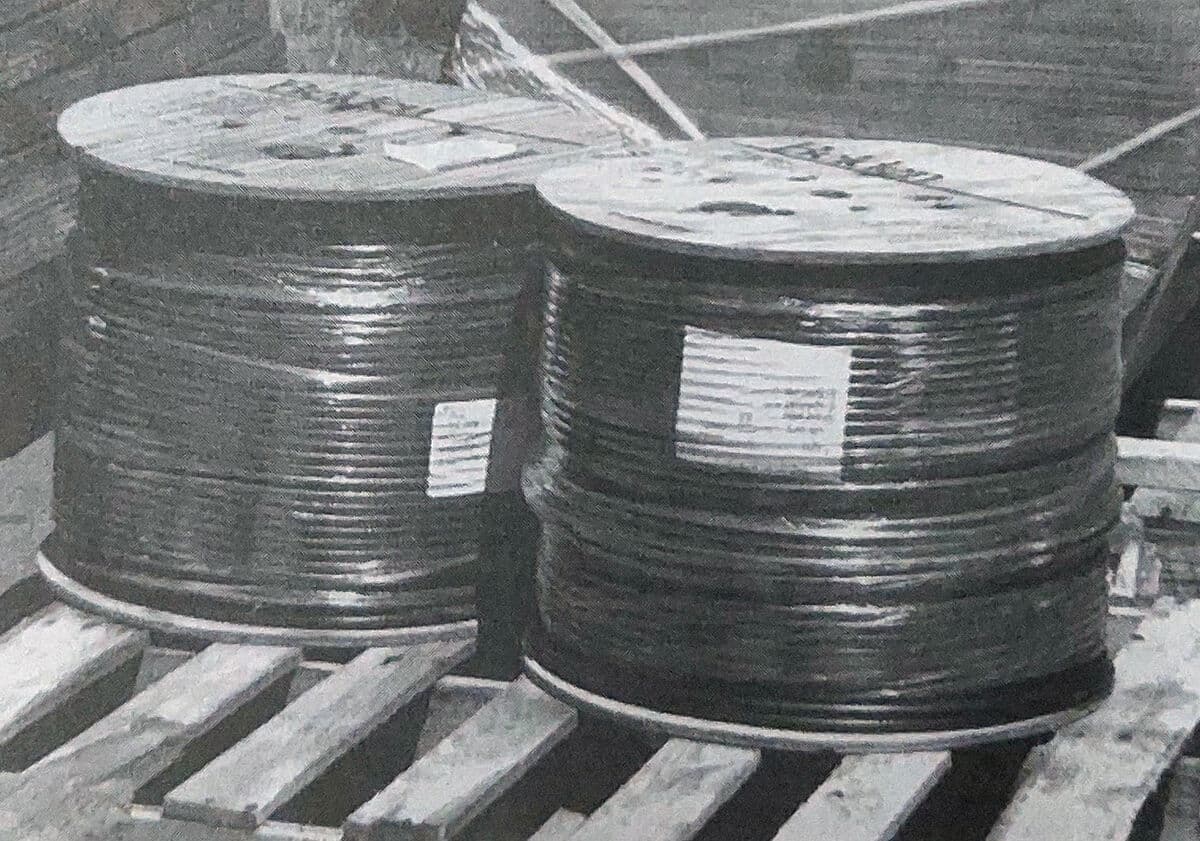
Choose the one statement that best describes the photograph.
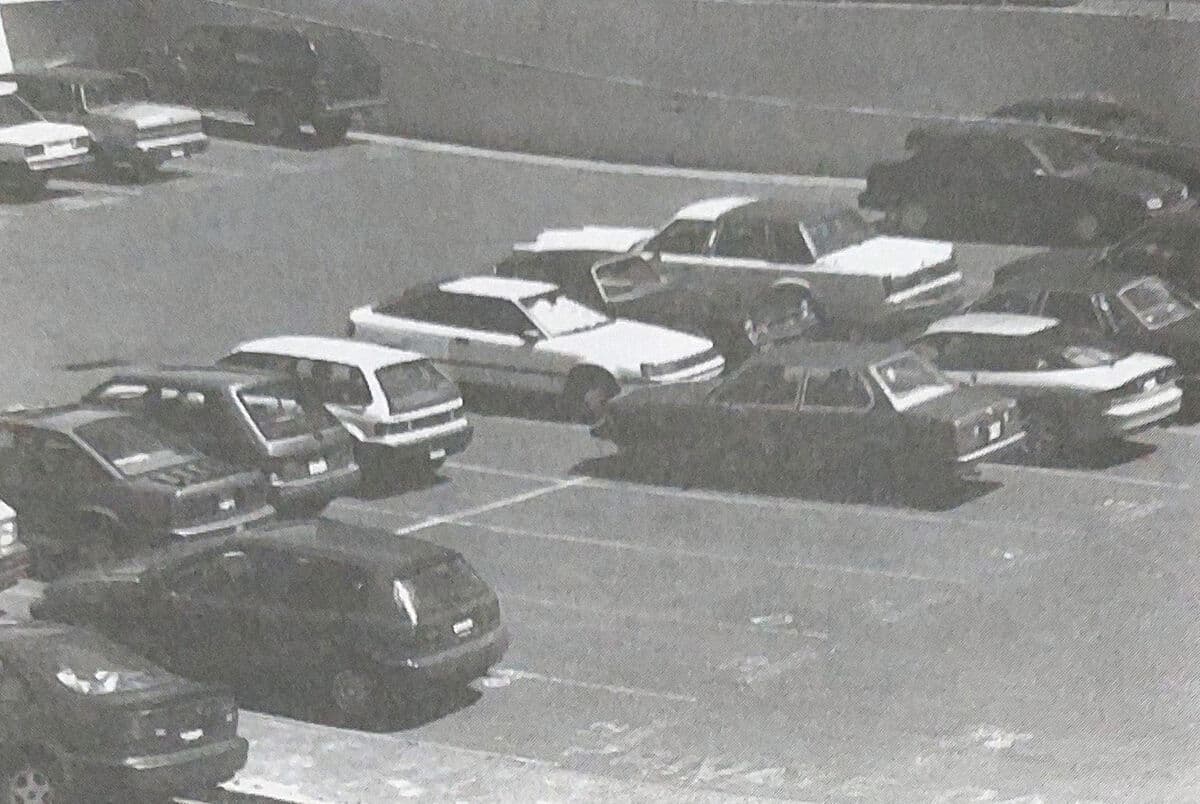
Choose the one statement that best describes the photograph.
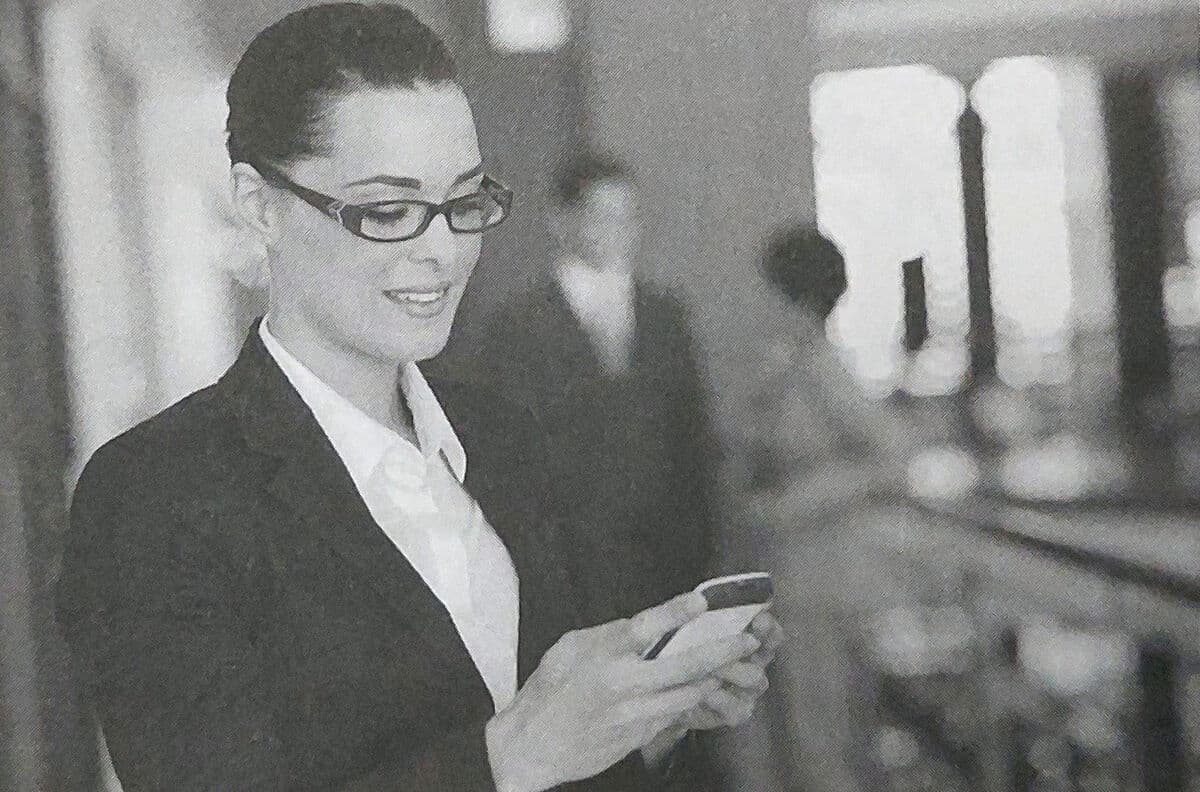
Choose the one statement that best describes the photograph.
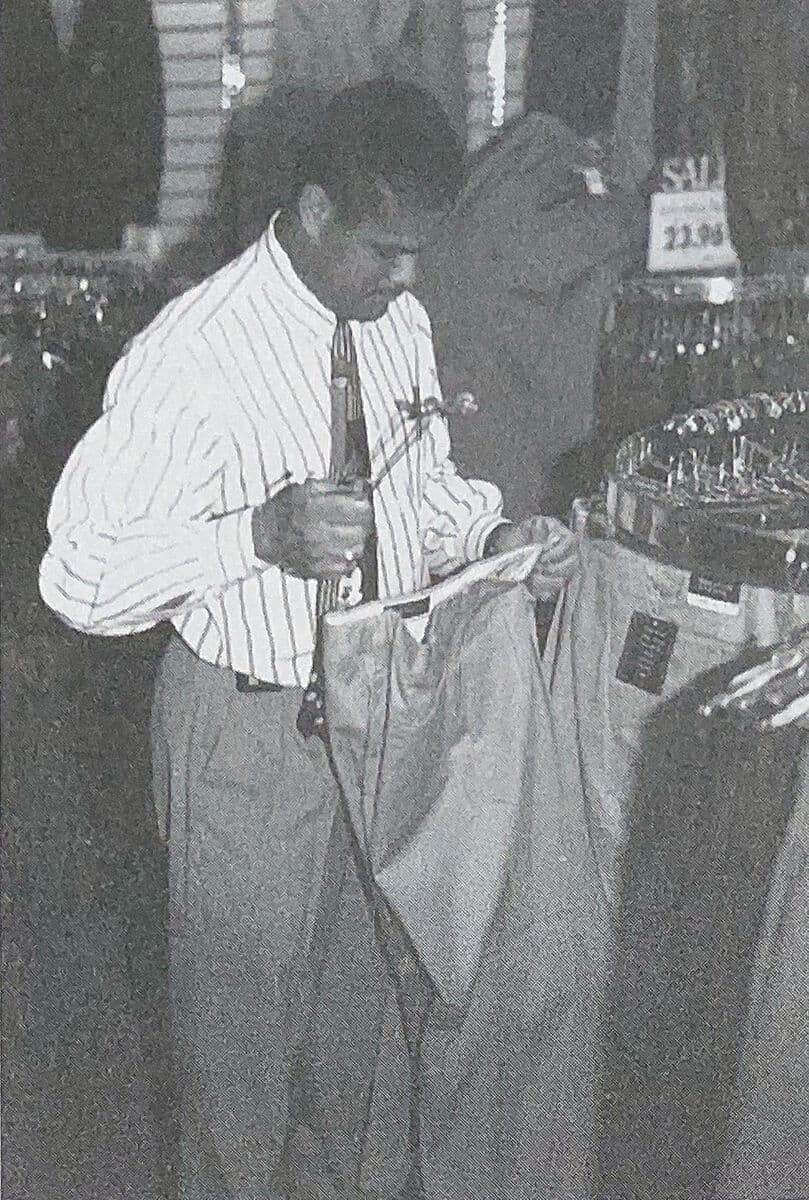
Choose the one statement that best describes the photograph.
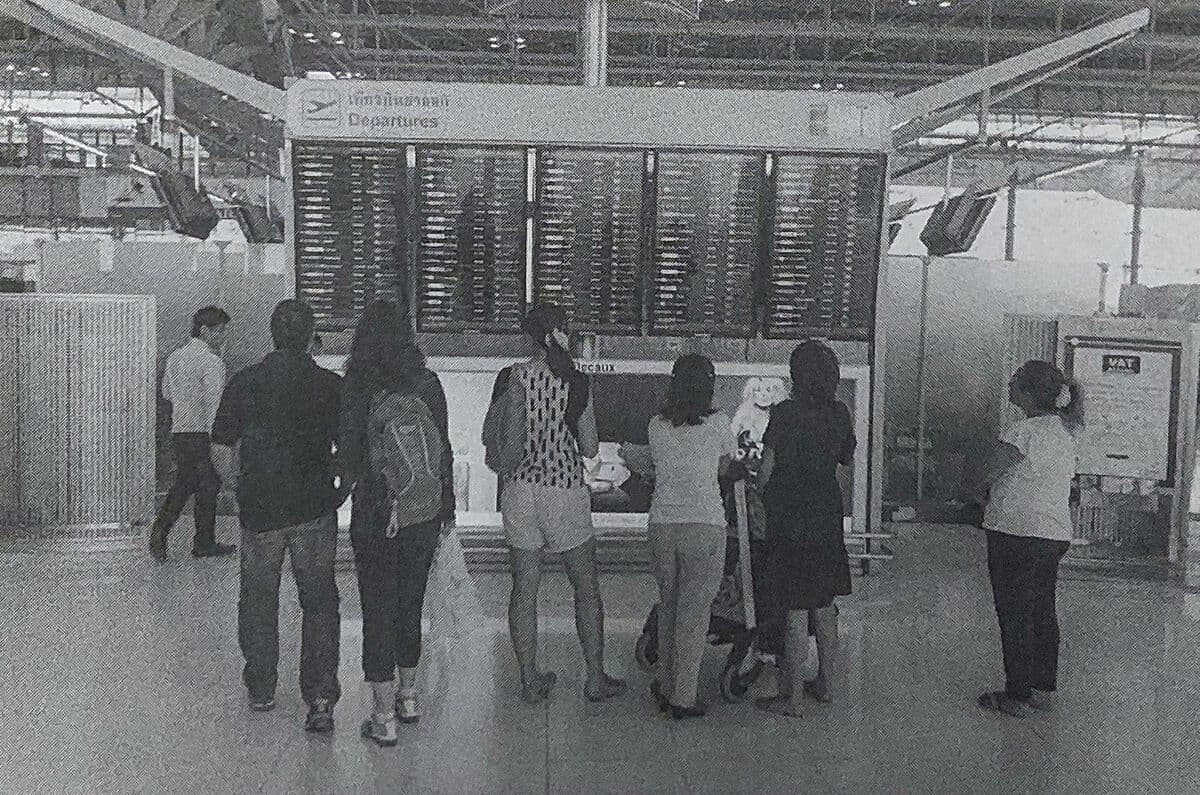
Choose the one statement that best describes the photograph.
Choose the one statement that best describes the photograph.
Choose the one statement that best describes the photograph.
Choose the one statement that best describes the photograph.
Choose the one statement that best describes the photograph.
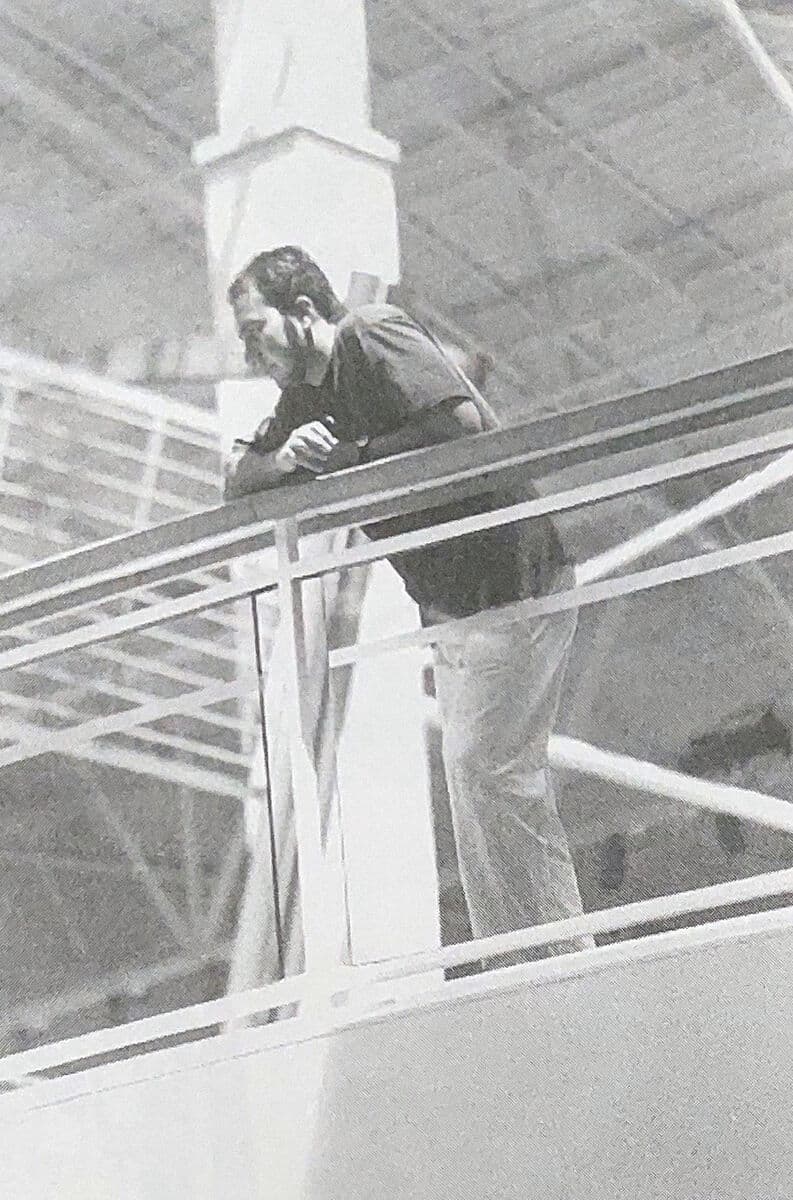
Choose the one statement that best describes the photograph.
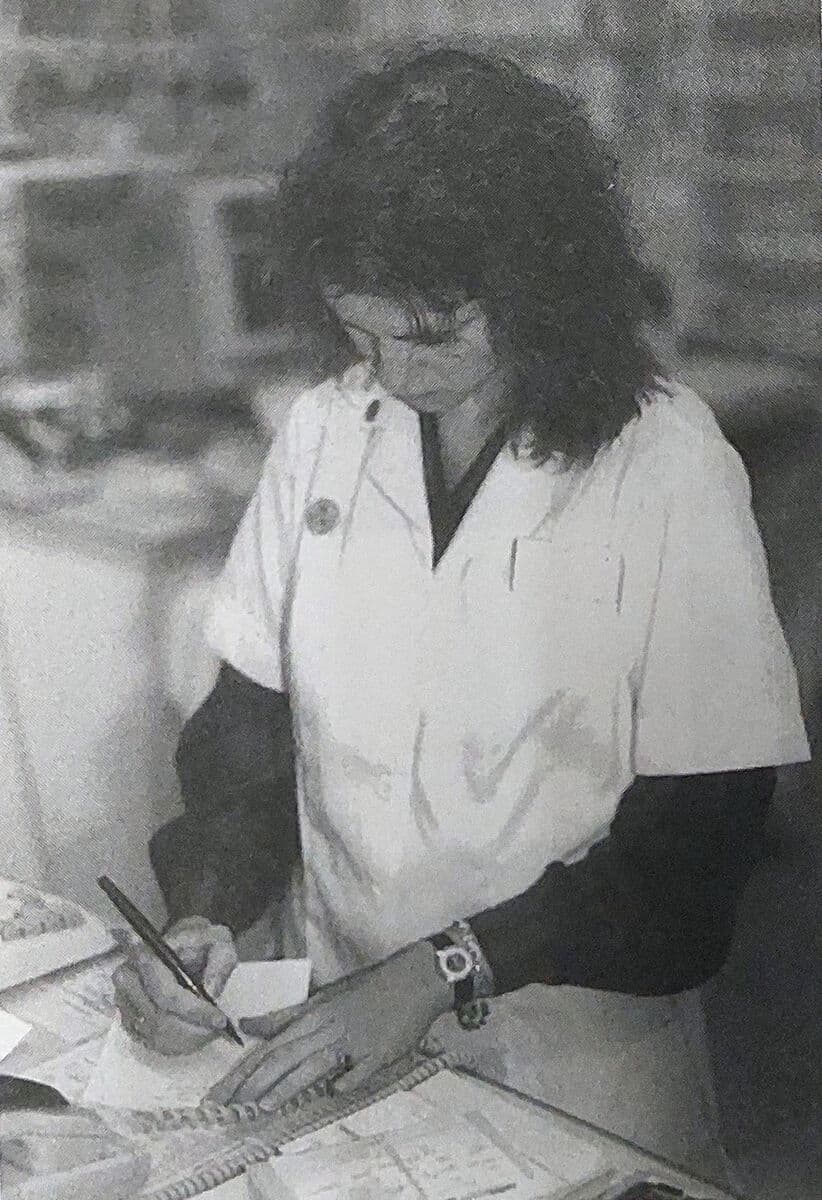
Choose the one statement that best describes the photograph.
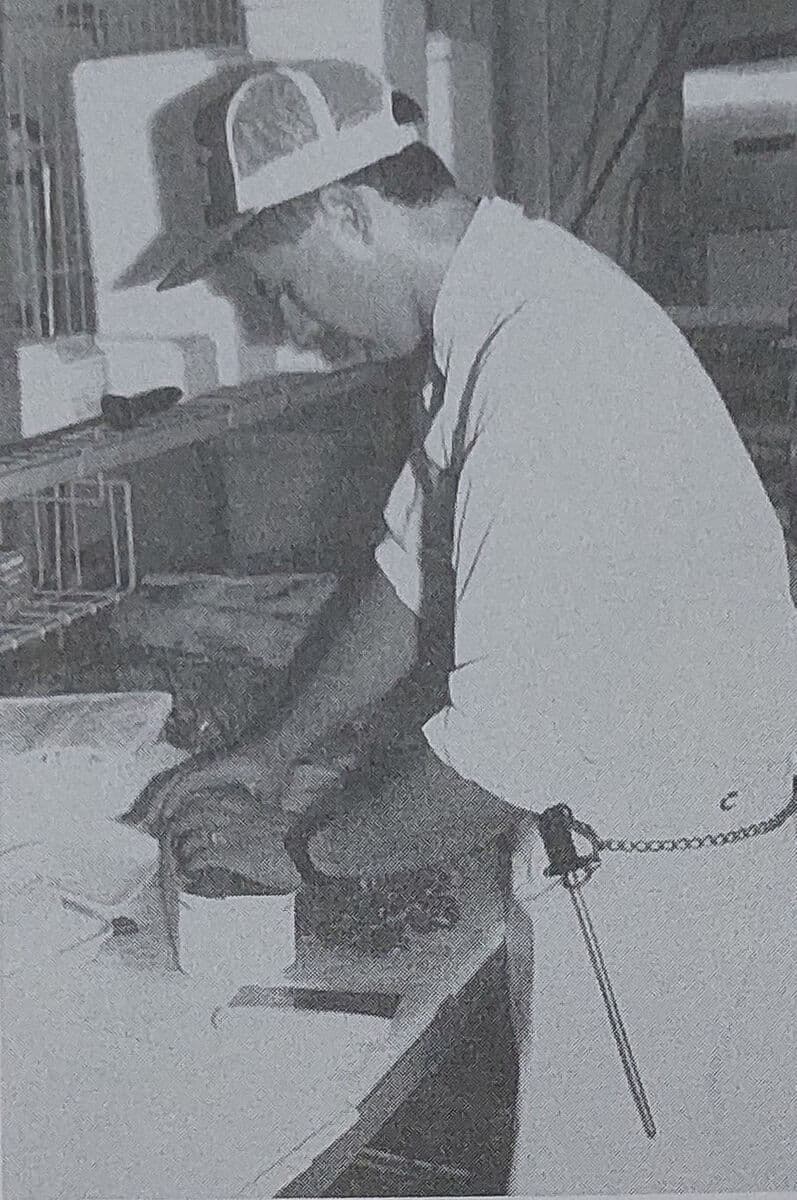
Choose the one statement that best describes the photograph.
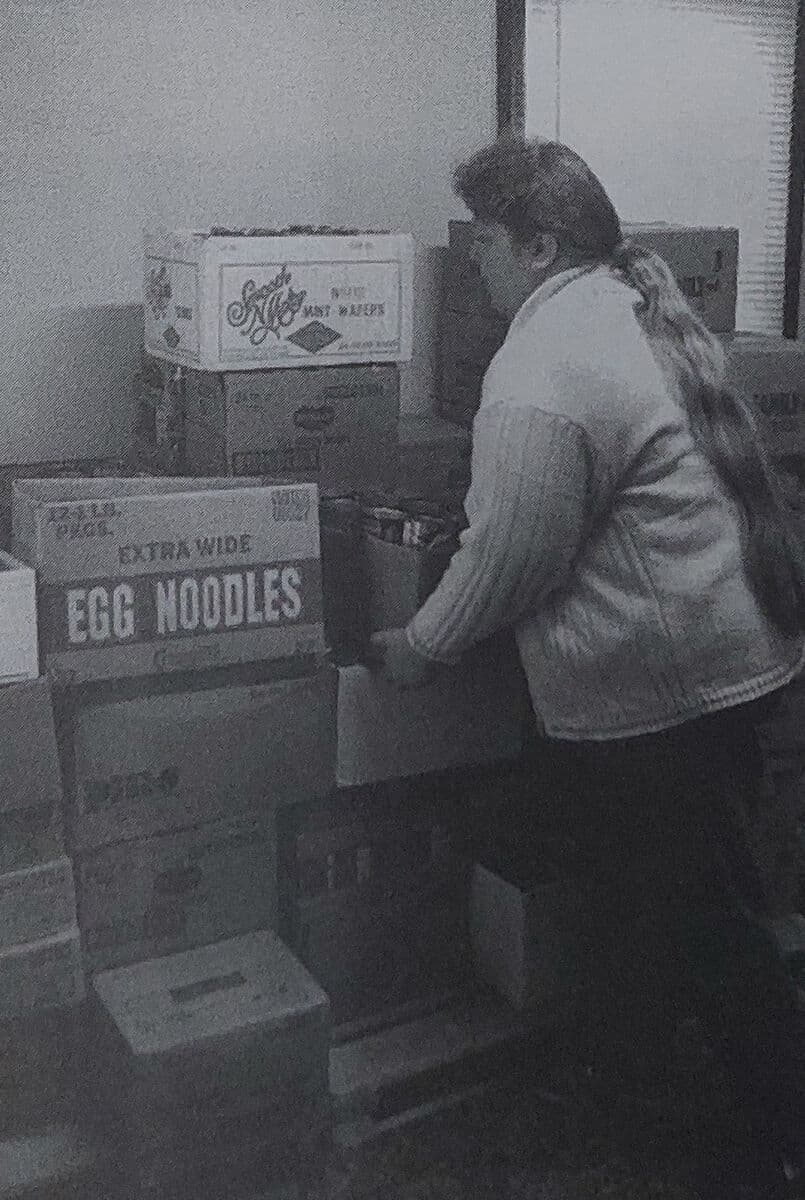
Choose the one statement that best describes the photograph.
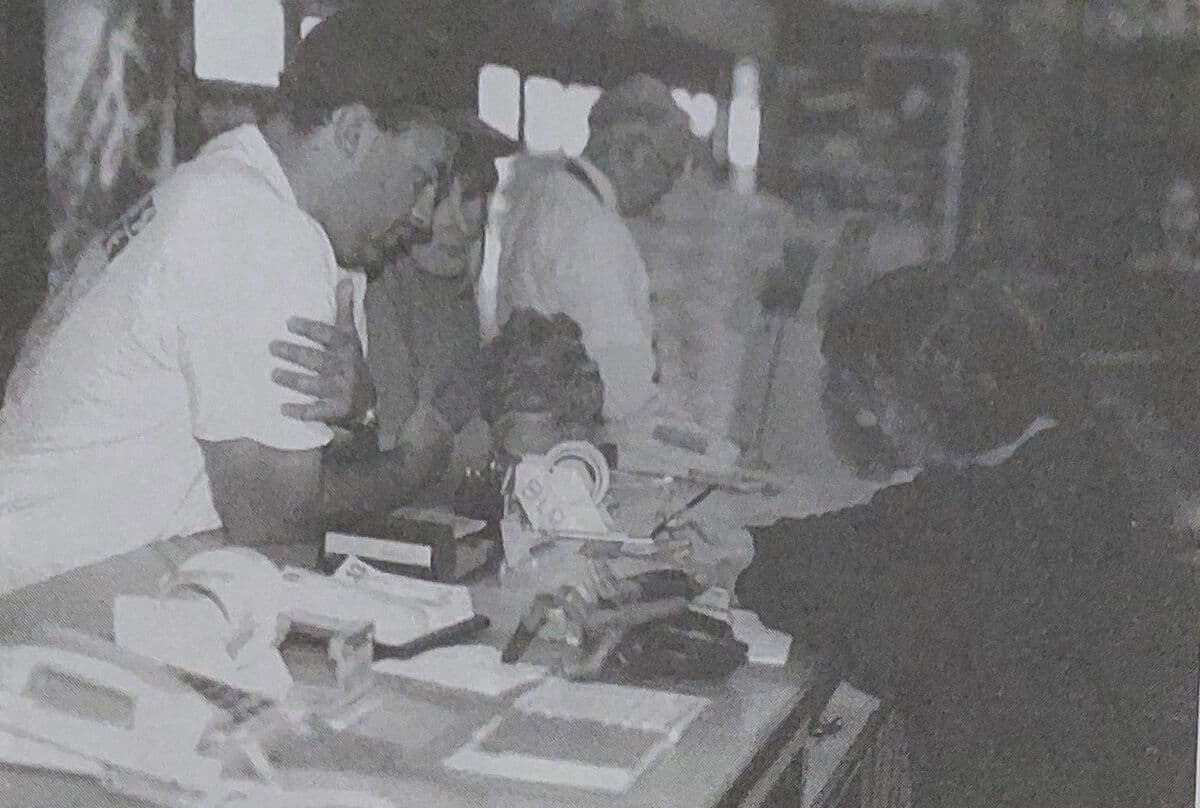
Choose the one statement that best describes the photograph.
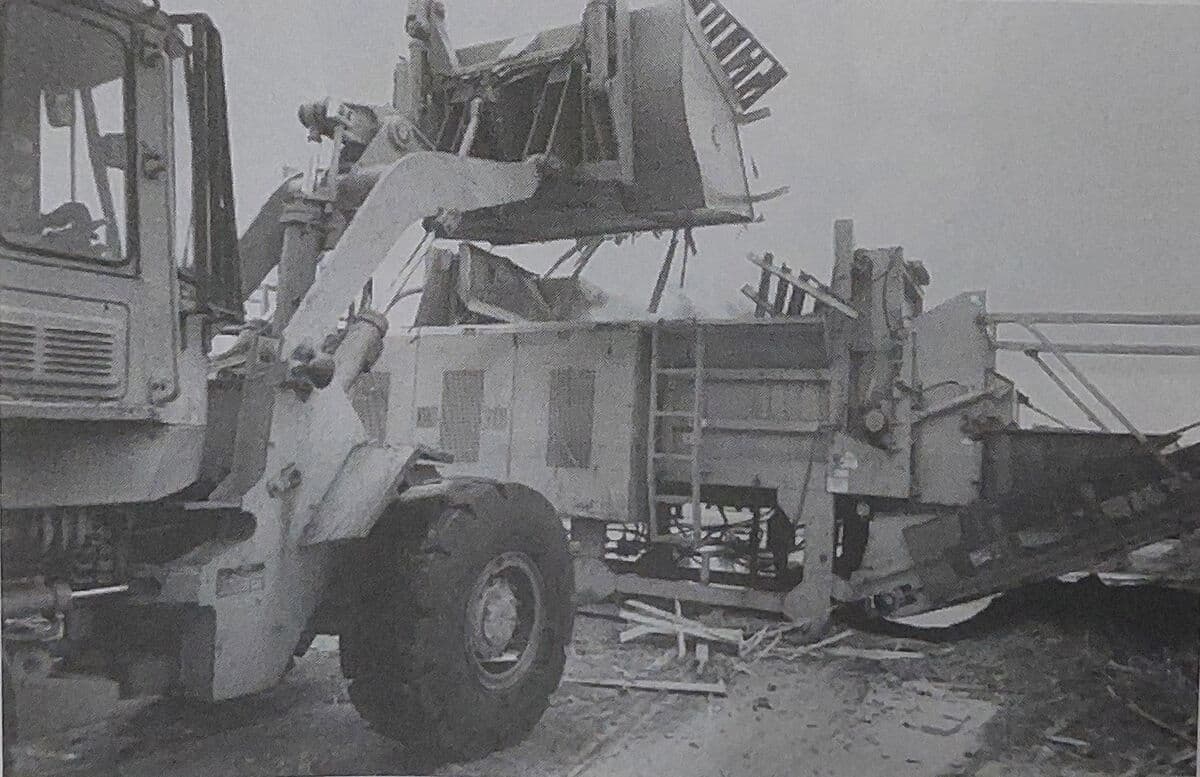
Choose the one statement that best describes the photograph.
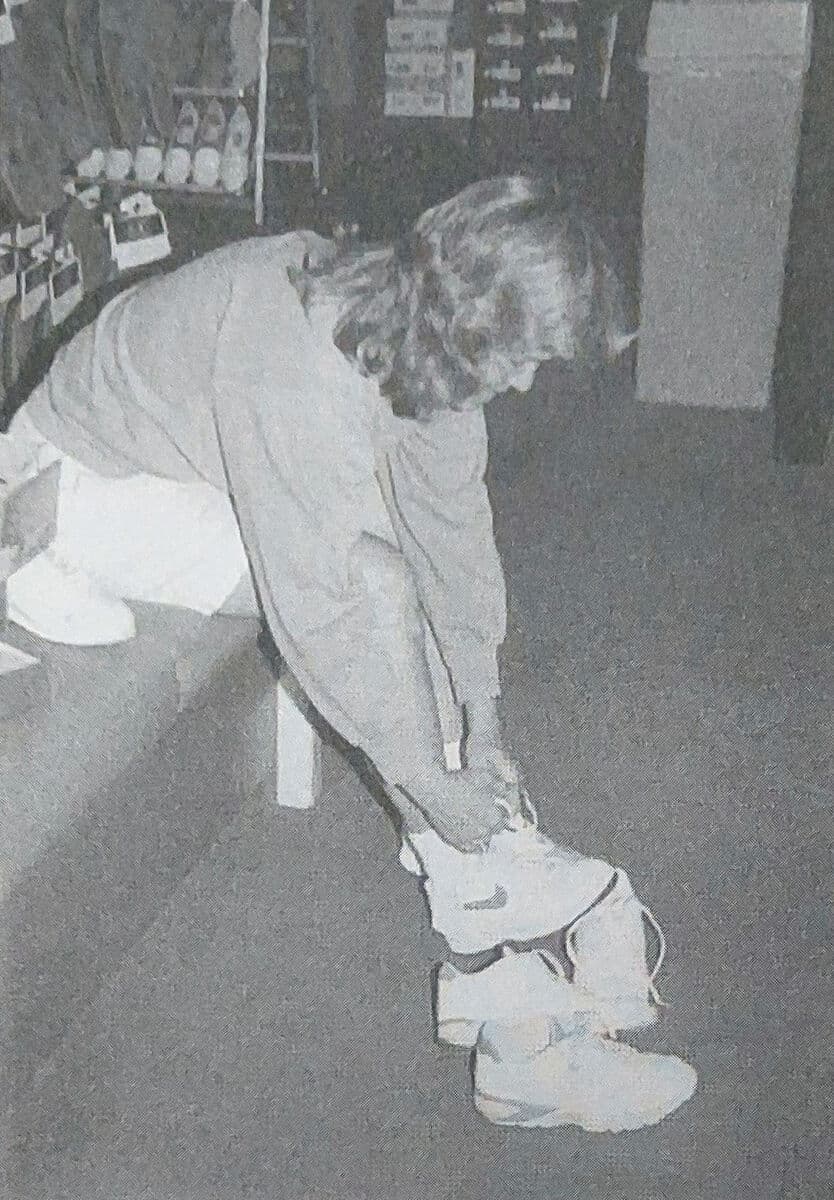
Choose the one statement that best describes the photograph.
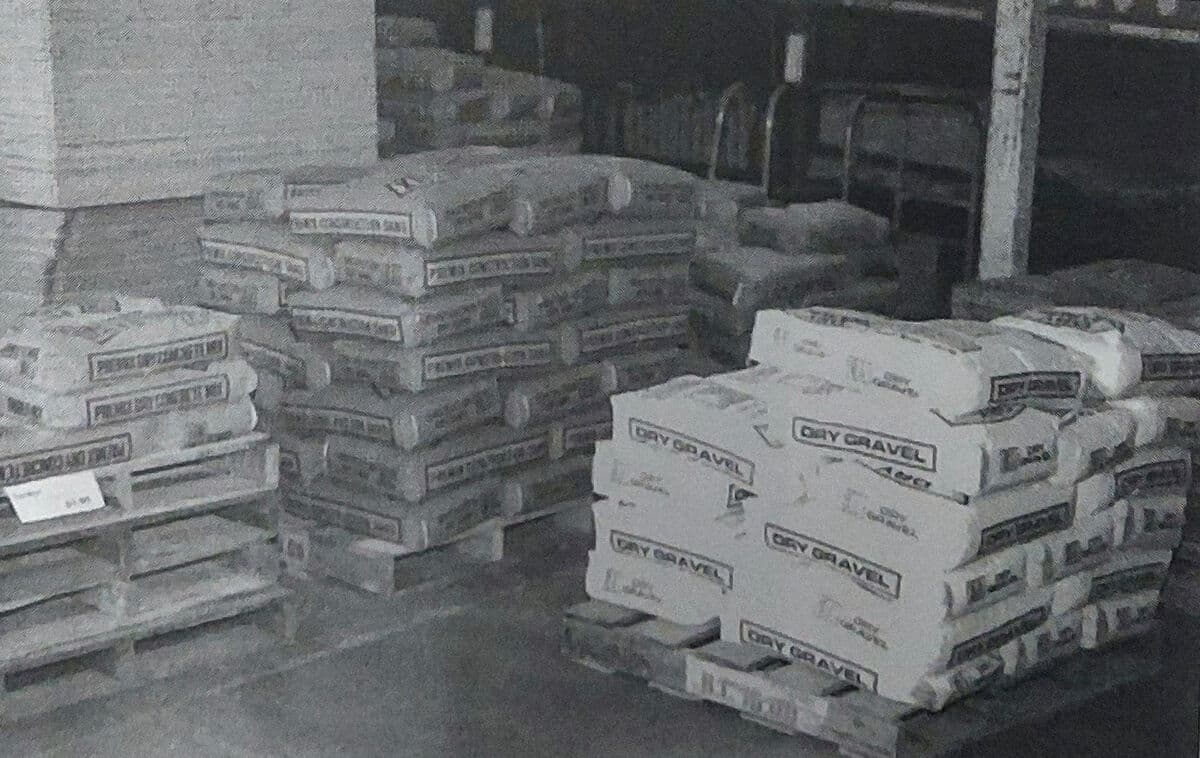
Choose the one statement that best describes the photograph.
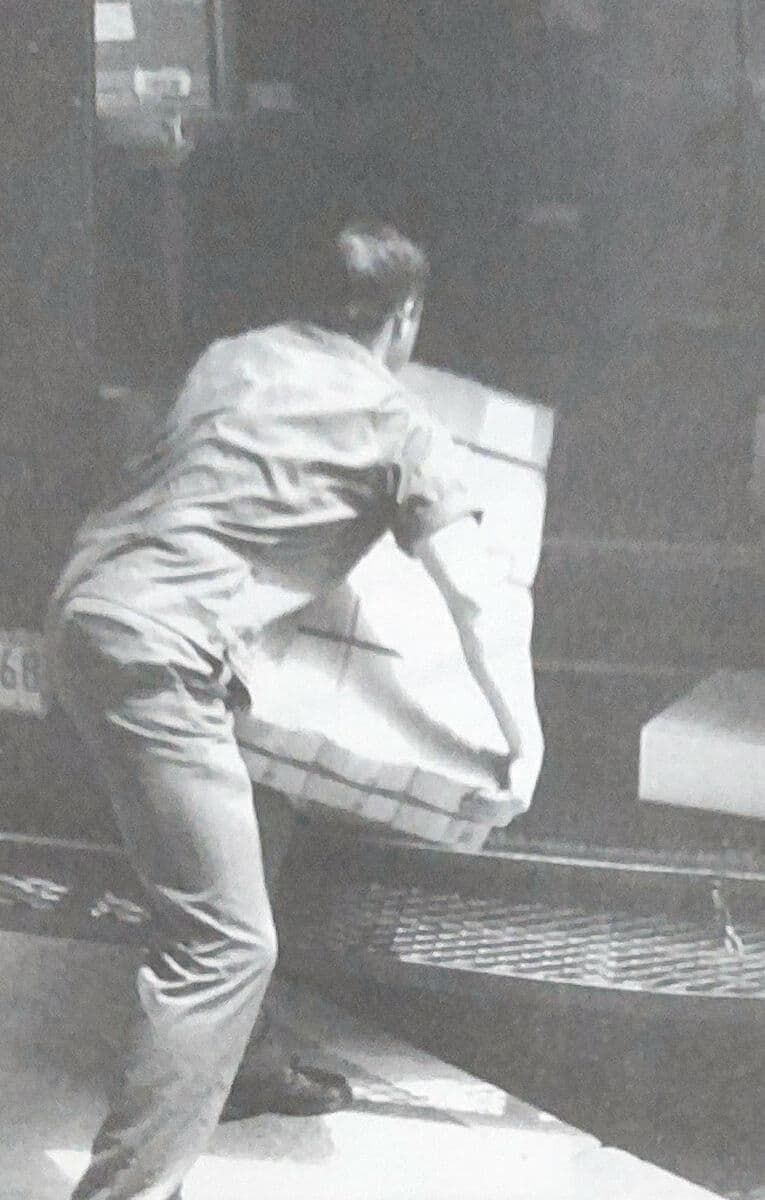
Choose the one statement that best describes the photograph.
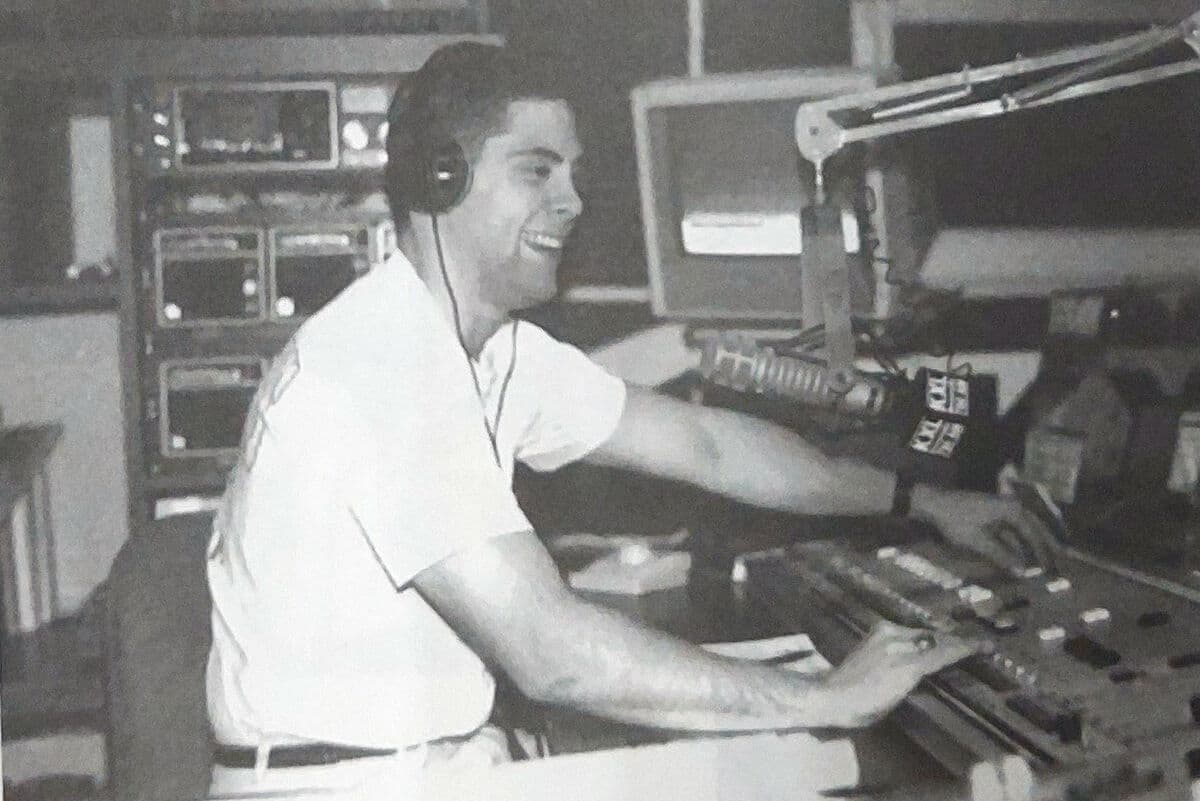
Choose the one statement that best describes the photograph.
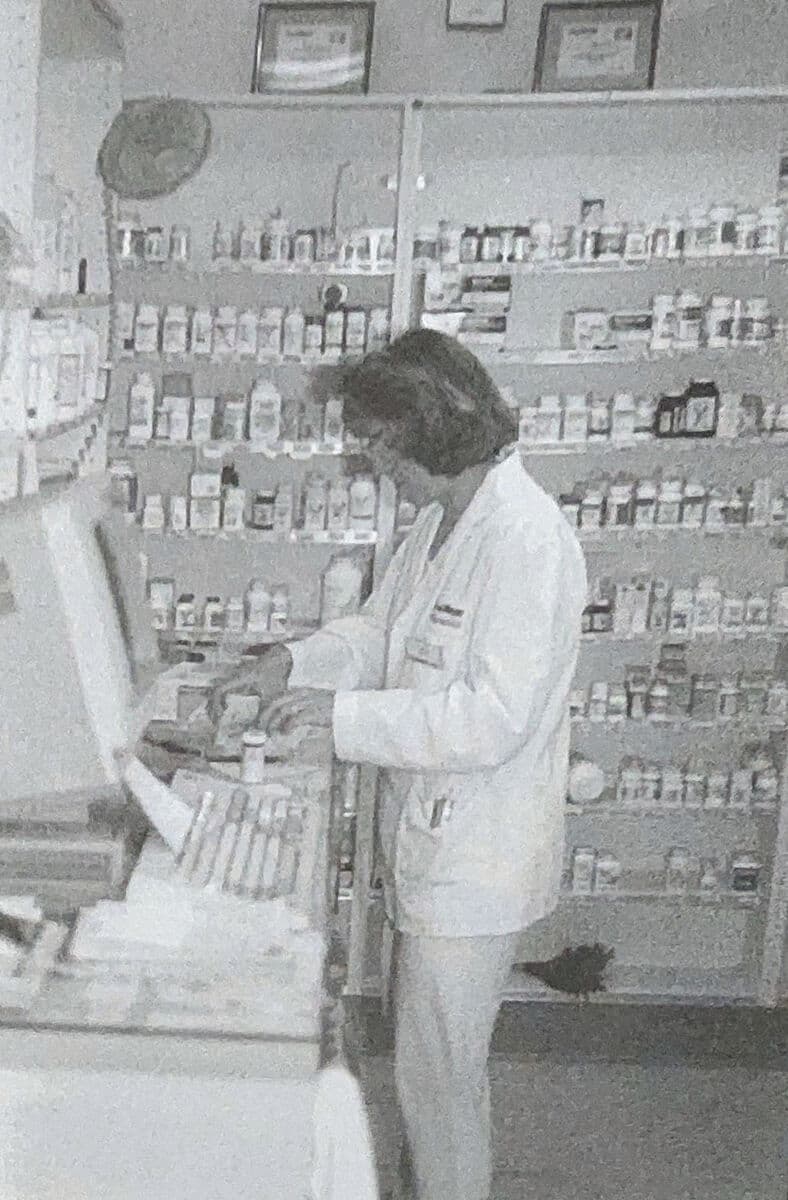
Choose the one statement that best describes the photograph.
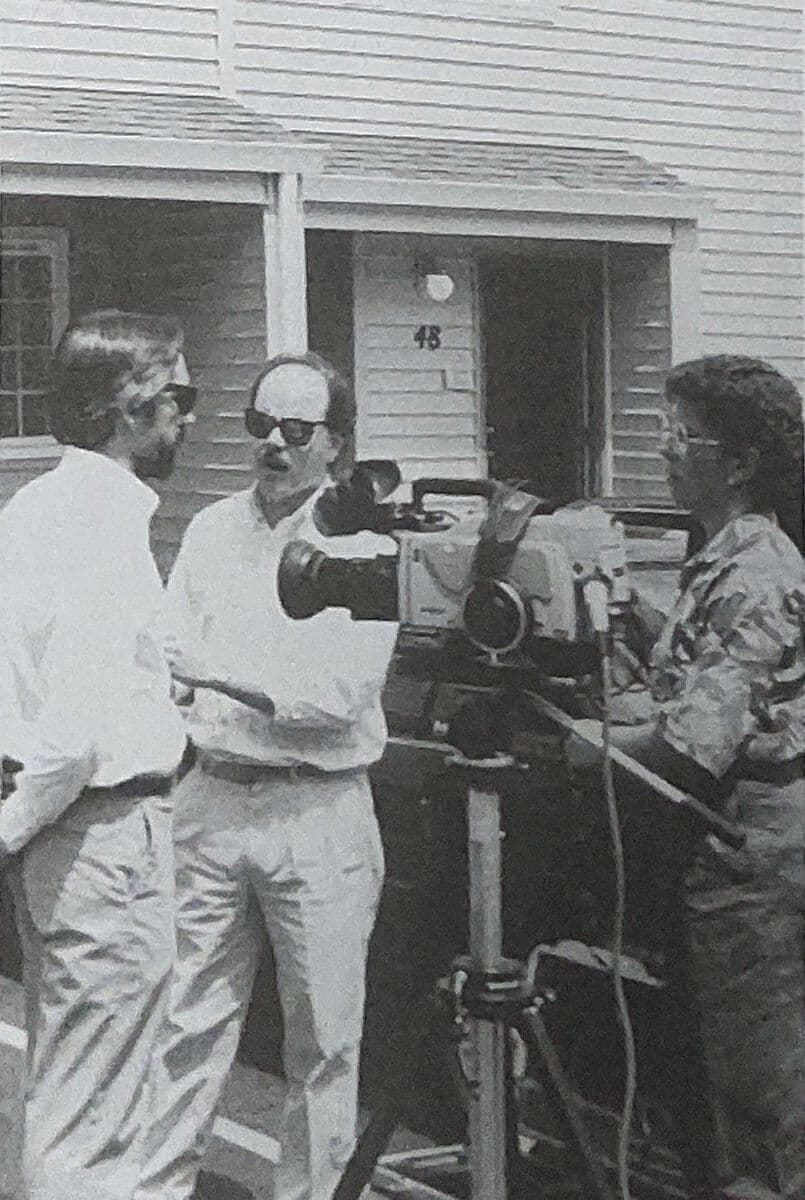
Choose the one statement that best describes the photograph.
Choose the one statement that best describes the photograph.
 Translator: Joseph Geni Reviewer: Morton Bast Before March, 2011, I was a photographic retoucher based in New York City. We're pale, gray creatures. We hide in dark, windowless rooms, and generally avoid sunlight. We make skinny models skinnier, perfect skin more perfect, and the impossible possible, and we get criticized in the press all the time, but some of us are actually talented artists with years of experience and a real appreciation for images and photography. On March 11, 2011, I watched from home, as the rest of the world did, as the tragic events unfolded in Japan. Soon after, an organization I volunteer with, All Hands Volunteers, were on the ground, within days, working as part of the response efforts. I, along with hundreds of other volunteers, knew we couldn't just sit at home, so I decided to join them for three weeks. On May the 13th, I made my way to the town of Ōfunato. It's a small fishing town in Iwate Prefecture, about 50,000 people, one of the first that was hit by the wave. The waters here have been recorded at reaching over 24 meters in height, and traveled over two miles inland. As you can imagine, the town had been devastated. We pulled debris from canals and ditches. We cleaned schools. We de-mudded and gutted homes ready for renovation and rehabilitation. We cleared tons and tons of stinking, rotting fish carcasses from the local fish processing plant. We got dirty, and we loved it. For weeks, all the volunteers and locals alike had been finding similar things. They'd been finding photos and photo albums and cameras and SD cards. And everyone was doing the same. They were collecting them up, and handing them in to various places around the different towns for safekeeping. Now, it wasn't until this point that I realized that these photos were such a huge part of the personal loss these people had felt. As they had run from the wave, and for their lives, absolutely everything they had, everything had to be left behind. At the end of my first week there, I found myself helping out in an evacuation center in the town. I was helping clean the onsen, the communal onsen, the huge giant bathtubs. This happened to also be a place in the town where the evacuation center was collecting the photos. This is where people were handing them in, and I was honored that day that they actually trusted me to help them start hand-cleaning them. Now, it was emotional and it was inspiring, and I've always heard about thinking outside the box, but it wasn't until I had actually gotten outside of my box that something happened. As I looked through the photos, there were some were over a hundred years old, some still in the envelope from the processing lab, I couldn't help but think as a retoucher that I could fix that tear and mend that scratch, and I knew hundreds of people who could do the same. So that evening, I just reached out on Facebook and asked a few of them, and by morning the response had been so overwhelming and so positive, I knew we had to give it a go. So we started retouching photos. This was the very first. Not terribly damaged, but where the water had caused that discoloration on the girl's face had to be repaired with such accuracy and delicacy. Otherwise, that little girl isn't going to look like that little girl anymore, and surely that's as tragic as having the photo damaged. (Applause) Over time, more photos came in, thankfully, and more retouchers were needed, and so I reached out again on Facebook and LinkedIn, and within five days, 80 people wanted to help from 12 different countries. Within two weeks, I had 150 people wanting to join in. Within Japan, by July, we'd branched out to the neighboring town of Rikuzentakata, further north to a town called Yamada. Once a week, we would set up our scanning equipment in the temporary photo libraries that had been set up, where people were reclaiming their photos. The older ladies sometimes hadn't seen a scanner before, but within 10 minutes of them finding their lost photo, they could give it to us, have it scanned, uploaded to a cloud server, it would be downloaded by a gaijin, a stranger, somewhere on the other side of the globe, and it'd start being fixed. The time it took, however, to get it back is a completely different story, and it depended obviously on the damage involved. It could take an hour. It could take weeks. It could take months. The kimono in this shot pretty much had to be hand-drawn, or pieced together, picking out the remaining parts of color and detail that the water hadn't damaged. It was very time-consuming. Now, all these photos had been damaged by water, submerged in salt water, covered in bacteria, in sewage, sometimes even in oil, all of which over time is going to continue to damage them, so hand-cleaning them was a huge part of the project. We couldn't retouch the photo unless it was cleaned, dry and reclaimed. Now, we were lucky with our hand-cleaning. We had an amazing local woman who guided us. It's very easy to do more damage to those damaged photos. As my team leader Wynne once said, it's like doing a tattoo on someone. You don't get a chance to mess it up. The lady who brought us these photos was lucky, as far as the photos go. She had started hand-cleaning them herself and stopped when she realized she was doing more damage. She also had duplicates. Areas like her husband and her face, which otherwise would have been completely impossible to fix, we could just put them together in one good photo, and remake the whole photo. When she collected the photos from us, she shared a bit of her story with us. Her photos were found by her husband's colleagues at a local fire department in the debris a long way from where the home had once stood, and they'd recognized him. The day of the tsunami, he'd actually been in charge of making sure the tsunami gates were closed. He had to go towards the water as the sirens sounded. Her two little boys, not so little anymore, but her two boys were both at school, separate schools. One of them got caught up in the water. It took her a week to find them all again and find out that they had all survived. The day I gave her the photos also happened to be her youngest son's 14th birthday. For her, despite all of this, those photos were the perfect gift back to him, something he could look at again, something he remembered from before that wasn't still scarred from that day in March when absolutely everything else in his life had changed or been destroyed. After six months in Japan, 1,100 volunteers had passed through All Hands, hundreds of whom had helped us hand-clean over 135,000 photographs, the large majority — (Applause) — a large majority of which did actually find their home again, importantly. Over five hundred volunteers around the globe helped us get 90 families hundreds of photographs back, fully restored and retouched. During this time, we hadn't really spent more than about a thousand dollars in equipment and materials, most of which was printer inks. We take photos constantly. A photo is a reminder of someone or something, a place, a relationship, a loved one. They're our memory-keepers and our histories, the last thing we would grab and the first thing you'd go back to look for. That's all this project was about, about restoring those little bits of humanity, giving someone that connection back. When a photo like this can be returned to someone like this, it makes a huge difference in the lives of the person receiving it. The project's also made a big difference in the lives of the retouchers. For some of them, it's given them a connection to something bigger, giving something back, using their talents on something other than skinny models and perfect skin. I would like to conclude by reading an email I got from one of them, Cindy, the day I finally got back from Japan after six months. "As I worked, I couldn't help but think about the individuals and the stories represented in the images. One in particular, a photo of women of all ages, from grandmother to little girl, gathered around a baby, struck a chord, because a similar photo from my family, my grandmother and mother, myself, and newborn daughter, hangs on our wall. Across the globe, throughout the ages, our basic needs are just the same, aren't they?" Thank you. (Applause) (Applause)1.Linguistics is the science that studies language. 2.Linguist:Someone who studies linguistics. 3.The Subfields of Linguistics Phonetics deals with the sounds of language. Phonology deals with how the sounds are organized. Morphology deals with how sounds are put together to form words. Syntax deals with how sentences are formed. Semantics deals with the meaning of words, sentences, and texts. Pragmatics deals with how sentences and texts are used in the world (i.e., in context) Text Linguistics deals with units larger than sentences, such as paragraphs and texts. 4.Prescriptive: This approach consists basically of stating what is considered right and wrong in language. 5.Descriptive: This approach, on the other hand, consists of describing the facts. Descriptive linguistics is dedicated to describing the rules of the language, and the language is seen as essentially rule governed. 6.Language is rule-governed, creative, universal, innate, and learned, all at the same time. 7.Linguists understand language as a system of arbitrary vocal signs. 8.Linguistic signs: involve sequences of sounds which represent concrete objects and events as well as abstractions.Signs may be related to the things they represent in a number of ways. 9.Iconic: which resemble the things they represent (as do, for example, photographs, diagrams, star charts, or chemical models). 10.Indexical: which point to or have a necessary connection with the things they represent (as do, for example, smoke to fire, a weathercock to the direction of the wind, a symptom to an illness, a smile to happiness, or a frown to anger). 11.Describe the characteristics of human language: Creative: (The structural elements of human language can be combined to produce new utterances, which neither the speaker nor his hearers may ever have made or heard before.) Rule-governed: (Language is made of rules.) Universal: (There are some aspects that are present in all languages of the world.) Innate:(all humans possess an innate capacity for language, activated in infancy by minimal environmental stimuli. Chomsky) Uniquely human: (Language is what sets us apart from other species. It is what makes us human.) Learned:(Children acquire language from their natural setting.) 12.Differentiate between iconic, indexical and symbolic signs. A. iconic, which resemble the things they represent (as do, for example, photographs, diagrams, star charts, or chemical models) B. indexical, which point to or have a necessary connection with the things they represent (as do, for example, smoke to fire, a weathercock to the direction of the wind, a symptom to an illness, a smile to happiness, or a frown to anger). c. symbolic, which are only conventionally related to the thing they represent (as do, for example, a flag to a nation, a rose to love, a wedding ring to marriage). 12. Distinguish between different senses of the grammar word. The prescriptivist´s grammar (Grammar is a set of rules that label the different utterances as either right or wrong.) The descriptivist´s grammar (Grammar is a set of rules that govern the langauge spoken by people. ) The linguist´s grammar (Grammar is the subconscious knowledge of the set of rules that enables speakers to use the language) The speaker´s grammar (Grammar is the intrinsic linguistic knowledge within a native speaker) 13.Describe common fallacies about language and grammar: ►One type of grammar is simpler than another. ►Changes in grammar involve deterioration in a language ►Grammars should be logical and analogical (that is, regular) ►People must be taught the grammatical rules of their language. ►Only some languages have grammar. ►Grammars differ from each other in unpredictable ways. 14.Generality: All Languages Have a Grammar 15. Equality: All Grammars Are Equal 16.Changeability: Grammars Change Over Time 17. Universality: Grammars Are Alike in Basic Ways 18.Tacitness: Grammatical Knowledge Is Subconscious 19.Linguistics is defined as the study of language systems. It is the scientific study of language. 20.Historical approach:It is the study of language change. 21.Linguistic Competence: is the unconscious knowledge speakers of a language have about the system that enables them to create and understand novel utterances. 22.Performance: is the use of it. Performance is “the actual use of language in concrete situations.” 23.I-Language (internal language): which is the intrinsic linguistic knowledge within a native speaker. 24.E-Language (external language): which is the observable language—the output from a speaker. 25.Parole ('speech') refers to the concrete instances of the use of langue, including texts which provide the ordinary research material for linguistics. 26.Langue: 27.Language: is a system of communication that is non-stereotyped and non-finite; it is unlimited in its scope. 28.Grammar: to refer to a subconscious linguistic system of a particular type. Grammar makes possible the production and comprehension of a potentially unlimited number of utterances. 29.Communication and animals: Selecting a mode of communication (speech,writing, gesture). Delivering the symbols through a medium, a physical basis for communication, light, air, or ink. Decoding of the symbols to obtain the information. 30.SIGNS: Communication relies on using something to stand for something else. Words are an obvious example of this: You do not have to have a car, a sandwich, or your cousin present in order to talk about them—the words car, sandwich, and cousin stand for them instead. This same phenomenon is found in animal communication as well. 31.The signifier: A signifier is that part of a sign that stimulates at least one sense organ of the receiver of a message.A signifier can also be a picture, a photograph, a sign language gesture, or one of the many other words for tree in different languages. 32.The signified: The signified component of the sign refers to both the real world object it represents and its conceptual content. The first of these is the real world content of the sign, its extension or referent within a system of signs such as English, avian communication, or sign language. 33.Iconic signs or icons: always bear some resemblance to their referent. A photograph is an iconic sign; so too is a stylized silhouette of a female or a male on a restroom door. 34.Some iconic tokens: a. open-mouth threat by a Japanese macaque; b. park recreation signs; c. onomatopoeic words in English. 35.An indexical sign, or index, fulfils its function by pointing out its referent, typically by being a partial or representative sample of it. Indexes are not arbitrary, since their presence has in some sense been caused by their referent. For this reason it is sometimes said that there is a causal link between an indexical sign and its referent.The track of an animal, for example, points to the existence of the animal by representing a part of it. The presence of smoke is an index of fire. 36.Symbolic signs: bear an arbitrary relationship to their referents and in this way are distinct from both icons and indexes. Human language is highly symbolic in that the vast majority of its signs bear no inherent resemblance or causal connection to their referents, as the following words show. 37.Mixed signs Signs: are not always exclusively of one type or another. Symptomatic signs, for example, may have iconic properties, as when a dog opens its mouth in a threat to bite. Symbolic signs such as traffic lights are symptomatic in that they reflect the internal state of the mechanism that causes them to change color. 38.Signals: All signs can act as signals when they trigger a specific action on the part of the receiver, as do traffic lights, words in human language such as the race starter's "Go!", or the warning calls of birds. 39.SIGN STRUCTURE: No matter what their type, signs show different kinds of structure. A basic distinction is made between graded and discrete sign structure. 40.Graded signs convey their meaning by changes in degree. A good example of a gradation in communication is voice volume. The more you want to be heard, the louder you speak along an increasing scale of loudness. There are no steps or jumps from one level to the next that can be associated with a specific change in meaning. 41.Discrete signs are distinguished from each other by categorical (stepwise) differences. There is no gradual transition from one sign to the next. The words of human language are good examples of discrete signs. 42.A VIEW OF ANIMAL COMMUNICATION ►Largely iconic ►Largely symptomatic ►Little arbitrary ►Not deliberate ►Not conscious ►Not symbolic ►Stimulus boundHealth 11/12 Review for Final Exam Core Concepts - Mental and Emotional Health, Substance Abuse Prevention, Safety and Violence Prevention, Family Life and Human Sexuality, Disease Prevention and Control, Healthy Eating Health Education Skills - goal setting, decision making, accessing information/resources, analyzing influences, communication, self-management, advocacy DIMENSIONS of Wellness - social, spiritual, emotional/mental, environmental, financial, intellectual, multicultural, occupational, physical, sexual RISK factors - anything that increases the risk of disease, injury, or illness. PROTECTIVE factors - anything that decreases the risk of disease, injury, or illness. INTERNAL health factors - health factors that can be either hereditary and genetic or acquired elements -- include smoking and personal diet or eating habits. Example – a genetic predisposition to an illness. EXTERNAL health factors - health factors that are part of the direct outer environment, the geographical location, micro-organisms, socio-economic elements that could affect an individual's health. Example – being unable to afford mental health services. Unit 1- Managing Personal and Community Wellness Explain Maslow’s Hierarchy of Needs in your own words using the image provided. Explain how each Social Determinant of Health may impact a person’s health. Levels of Disease Prevention • PRIMARY The goal is to avoid conditions altogether. • SECONDARY The goal is early detection. • TERTIARY The goal is to minimize the damage (manage). Define the following terms. Fads/Trends Sleep hygiene Driver safety Unit 2- Investigating Social Ecological Factors on Well-Being Socio-Ecological Model – The SEM examines how health behaviors form based on characteristics of individuals, communities, nations and levels in between. Each level overlaps with other levels signifying how the best public health strategies are those that encompass and target a wide range of perspectives. Interpersonal (personal) health vs. intrapersonal (relationship) health Health INEQUITY - systemic, ingrained and unjust barriers that prevent segments of the population from having the opportunity of health leading to health disparity. IMPLICIT BIAS - a form of bias that occurs automatically and unintentionally, that nevertheless affects judgments, decisions, and behaviors. Research has shown implicit bias can contribute to unequal access to quality healthcare, negative patient-provider relationships and interactions; and create mistrust in the healthcare system and practitioners among patients. This can contribute to health disparities. Health DISPARITY - represents a difference in health between populations. It is often used to describe disease burden and other negative health outcomes socially disadvantaged groups may face. Health EQUITY - The opposite of health inequity. It describes a system that supports a high standard of health and healthcare for all people. Racism - Beliefs, attitudes, institutional arrangements, and acts that tend to denigrate individuals or groups because of phenotypic characteristics or ethnic group affiliation. DISCRIMINATION - An unjust differential treatment of a person or a group. PRIVILEGE- The unearned access to resources and social power that are only available to some because of their membership within certain social groups. OPPRESSION is the act of taking away choices from others and can be defined as a system that maintains advantage and disadvantage based on social identities and that acts on multiple levels from interpersonal to institutional and societal. (internalized, interpersonal, institutional, structural) Systematic Oppression - Intentional disadvantage of groups of people based on their identity while advantaging members of dominant group (race, gender, sexual orientation, language, size, ability, etc.). Intersectionality - The complex, cumulative way in which the effects of multiple forms of discrimination (such as racism, sexism, and classism) combine, overlap, or intersect especially in the experiences of marginalized individuals or groups Unit 3- Accessing Resources and Communicating to Support Mental and Emotional Health What is anger? What is anxiety? What is stress? STRESSORS are the things that cause stress. Stressors can be internal and external. A stressor may be a one-time or short-term occurrence, or it can happen repeatedly over a long time. INTERNAL Stressors - are made by your belief system and the way you evaluate yourself. Examples include pessimistic attitude, negative self-talk, deep need to be perfect, low self-esteem or body image, unhealthy standards for self. EXTERNAL Stressors - are stressful things that happen in your surroundings and/or in your environment. Examples include busy schedules, work problems, family issues, financial trouble, social problems, injury, unforeseen circumstances. Socio-economic issues are also a part of external stressors such as poverty, violence, and racism. Define the following mental health conditions. Depression Eating disorders NSSI Non-suicidal self-injury Grief/Loss Suicide prevention A.C.T. • ACKNOWLEDGE- Tell them in a caring way that you recognize that they are having a problem • CARE- You can show you care by actively listening - put away anything else you are doing, make eye contact, sit down, ask questions. • TELL-(call 988 for additional help and support) - Tell them it is important that they speak with a trusted adult. Help them figure out who this may be and offer to go with your friend. A social norm is an unwritten, informal rule meant to guide behavior among the of society. It distinguishes between acceptable and unacceptable, good and bad, and so on. Social norms can influence a person with emotional or mental health disorders, access to care and stigmatize their situation. STIGMA- a mark of disgrace associated with a particular circumstance, quality, or person. • Self-stigma - This describes the internalized stigma that people with mental health conditions feel about themselves. • Public stigma - This refers to the negative attitudes around mental health from people in society. • Institutional stigma - This is a type of systemic stigma that arises from corporations, governments, and other institutions. Unit 4- Evaluating Risks of Substance Use and Abuse Harm Reduction - a set of practical strategies and ideas aimed at reducing negative consequences associated with drug use. Explain how each level of the Social Ecological Model is impacted by addiction. Individual Relationship Community Society SEM Level Contributing/Risk Factors to substance use Preventative/Protective Factors for substance use Individual Interpersonal/Relationship Community Society Unit 5- Analyzing Influences to Examine Ways to Increase Safety and Reduce Violence HATE CRIME - a crime, usually violent, motivated by prejudice or intolerance toward an individual’s national origin, ethnicity, color, religion, gender, gender identity, sexual orientation, or disability. Explain how the media influences violence in society. The Pyramid of Hate Explain the escalation of hate using the Pyramid of Hate visual. List several hate crime motivators. Example: age HEALTHY Relationship Signs - comfortable pace, trust, honesty, independence, respect, equality, kindness, taking responsibility, healthy conflict, fun UNHEALTHY Relationship Signs - intensity, possessiveness, manipulation, isolation, sabotage, belittling, guilting, volatility, deflecting responsibility, betrayal Sexual Assault is a sexual behavior WITHOUT consent. Human trafficking - the recruitment, harboring, transportation, provision, or obtaining of a person for labor or services, using force, fraud, or coercion for the purpose of subjection to involuntary servitude, peonage, debt bondage, or slavery. Sex trafficking - commercial sex act induced by force, fraud, or coercion, or in which the person induced to perform such an act has not attained 18 years of age. Trafficking happens using… • Force - using violence to control someone. • Fraud - using lies to control someone. • Coercion - using threats to control someone. Unit 6- Family Life and Human Sexuality Agency - A belief about yourself and the extent to which you can act on that belief. • The ability to choose freely one’s own narrative. • To embrace the idea that I am the cause (or agent) of my own thoughts and actions. • Personal agency is a personal responsibility for who we are, what we experience, what we do about that experience, and how we shape our world to give us more of the experiences we want. SEXUAL Agency • The ability to choose your own interests and desires vs. what we see in the media or others’ perceptions • The ability to identify, communicate, and negotiate one’s sexual needs • The ability to initiate behaviors that allow for the satisfaction of those needs Sexually Explicit Material - photographs, videos, films, magazines, and books whose primary themes, topics, or depictions involve sexuality that may cause sexual arousal. Sexual scripts - thoughts, patterns, or behavior that a person has about themselves in a romantic or sexual context. It is how people picture themselves or want to project themselves in front of others. Reproductive Rights of Teens - In Maryland, teens have the right to an abortion, keep their child, obtain and use birth control, paternity tests, adoption, give up custody of their child within 10 days of birth (Safe Haven Law). • REPRODUCTIVE RIGHTS- legal rights and the freedom of the individual to control decisions regarding contraception, abortion, sterilization and childbirth. • SAFE HAVEN LAW- a distressed parent who is unable or unwilling to care for their infant can safely give up custody of their baby, no questions asked. CONSENT is an agreement between participants to engage in sexual activity. • It is clearly and freely communicated, verbal, and affirmative. Consent CANNOT be given if… • A person is underage, one or both partners is intoxicated or incapacitated by drugs or alcohol, one partner is asleep or unconscious, one partner feels pressured, threatened or intimidated, or one partner holds a position of power or authority over the other. Unit 7- Advocating for Enhanced Nutrition, Food Systems, and Health Outcomes Dietary Guidelines for Americans Guideline 1: Follow a Healthy Dietary Pattern at Every Life Stage Guideline 2: Customize and Enjoy Food and Beverage Choices to Reflect Personal Preferences, Cultural Traditions, and Budgetary Considerations Guideline 3: Focus on Meeting Food Group Needs with Nutrient-Dense Foods and Beverages, and Stay Within Calorie Limits Guideline 4: Limit Foods and Beverages Higher in Added Sugars, Saturated Fat, and Sodium, and Limit Alcoholic Beverages FOOD DESERT- a neighborhood where there is little or limited access to healthy and affordable food such as fruits, vegetables, whole grains, low-fat milk and other foods that make up the full range of a healthy diet. FOOD INSEQURITY lack of access to a sufficient amount of food because of limited funds. More than 49 million American households are considered food insecure and are vulnerable to poor health as a result. PROCCESED FOODS- any raw agricultural commodities that have been washed, cleaned, milled, cut, chopped, heated, pasteurized, blanched, cooked, canned, frozen, dried, dehydrated, mixed or packaged — anything done to them that alters their natural state.Yaama I'm Jack Evans and you're watching BTN. Here's what's coming up. We uncover the story behind this famous photo, learn about First Nations seasons and find out the history of Book Week. What is Statehood? Reporter: Tatenda Chibika INTRO: But first, the Prime Minister Anthony Albanese has announced that Australia will join other countries in recognising Palestine as an independent state. So, what does that mean? Tatenda found out. Anthony Albanese, Prime Minister: Australia will recognise the state of Palestine. Australia will recognise the right of the Palestinian people to a state of their own. We will work with the international community to make this right a reality. Tatenda Chibika, Reporter: That's the moment our Prime Minister said Australia would recognise Palestine as an independent state at the upcoming United Nations General assembly next month. It's something other countries, including France and Canada, have said they'll be doing too. So, what does that mean exactly? To be considered an independent state under international law a place needs to have its own land or territories with defined borders, it needs to have people who permanently live there, have a working government and it has to be able to talk and make deals with other countries. Once a place meets all those rules, it can ask to be recognised by other independent states and countries. But a big step in becoming an independent state is being fully recognised by the United Nations. To do that you first need to get approval from at least nine members of the UN's Security Council. That's a group of countries responsible for maintaining international peace and security. But even then, that tick of approval can still be blocked by one of the Security Council's five permanent members Russia, China, the UK, the US and France. If the Security Council approves, the decision then goes to the UN's General Assembly where at least two thirds of the UN's 193 members have to agree to make it official. Yeah, it's a pretty complex process which is why we've only seen a handful of countries recognised by the UN in recent years like South Sudan and Montenegro. Others like Kosovo are only 'partially' recognised which means they have some recognition but not enough to become a full member state at the UN. Right now, Palestine is recognised by more than 140 countries — that's more than two thirds of the UN General Assembly. So, why hasn't it become a UN member state yet? Well, it came pretty close last year when 12 members of the Security Council voted in favour of it. VANESSA FRAZIER, AMBASSADOR OF MALTA, APRIL 2024 UNSC PRESIDENT: I shall now put the draft resolution to the vote. But the US, a close ally to Israel, used its special powers to block Palestine from becoming a member state. VANESSA FRAZIER: Those against? At the time, the U.S said Palestine and Israel needed to come to an agreement on their own first. Throughout the years, there have been attempts to figure out a way for both Palestine and Israel to exist peacefully alongside each other but that hasn't happened yet. And now Israel has said that recognising Palestine as an independent state would be rewarding Hamas the group in charge of Gaza which was responsible for the terror attacks on October 7th, 2023. But the Palestinian Authority which governs parts of the West Bank says Hamas won't have a role in any future state of Palestine which will exist peacefully alongside Israel. Australia, like the US, had previously said that it wanted Israel and Palestine to figure out things by themselves first but because of how the war has been going the Australian government is worried that if it continues to wait, there might not be a Palestinian state to recognise. ANTHONY ALBANESE, PRIME MINISTER: There has been too many lives lost, both Israeli's and Palestinians and the world is saying we need a solution to this conflict, we need to end the cycle of violence and the way to do that is to have a two-state solution. News Quiz Russia's President Vladimir Putin stepped foot on American Soil for the first time in a decade to meet with US President Donald Trump. What state did they meet in? Alabama, Alaska or Arizona?It's Alaska. The two leaders met to discuss a way to end the war in Ukraine but weren't able to make any final agreements. DONALD TRUMP, US PRESIDENT: There were many, many points that we agreed on. Most of them, I would say, a couple of big ones, that we haven't quite got there, but we've made some headway. There's no deal until there's a deal. A lot of people criticised the two world leaders for not including Ukraine's president Volodymyr Zelenskyy in the meeting. But that didn't seem to worry Mr Trump who said the meeting was a success and Mr Putin even invited the US President to meet up again in Russia. DONALD TRUMP: We'll see you again very soon. Thank you very much, Vladimir. VLADIMIR PUTIN, RUSSIAN PRESIDENT: Next time in Moscow. DONALD TRUMP: Oh, that's an interesting one. No, no, no. I'll get a little heat on that one. Last week thousands of people marked the 80th anniversary of VJ Day. What does VJ Day commemorate? The victory of Allied forces in Europe, the surrender of Japan and the end of World War II or the dropping of the first atomic bomb? VJ Day or Victory over Japan day commemorates the surrender of Japan and the end of World War II on the 15th of August 1945. Around the world, and here in Australia, people marked the anniversary with ceremonies remembering those who fought in the war. REPORTER: Who will you be remembering today? VETERAN: Oh, a lot of fellows that I knew that never made it home. Scientists in the UK have created toothpaste that includes which of these ingredients? Hair, eye lashes or fingernails? Yeah, they're all a bit random and gross but the answer is hair. According to scientists from King's College in London, hair could be the key to good oral health because it contains a protein called Keratin which they say when mixed with saliva forms a crystal-like protective coating similar to enamel. And Swifties rejoice because Taylor Swift has announced her 12th Studio album. It's called life of a show what? Is it show pony, show girl or show bag? It's Life of a Showgirl and it'll be released October 3rd. Vincent Lingiari Reporter: Joseph Baronio INTRO: Now to this very famous photograph. It was taken 50 years ago and depicts a really significant moment in Australian history. Joe found out about the story behind it. On the 16th of August 1975, this famous photo was taken. It shows the former Prime Minister Gough Whitlam pouring sand into the hand of Aboriginal leader Vincent Lingiari. A simple gesture that symbolised handing the land at Wave Hill in the Northern Territory back to the Gurindji people. But the journey to get there was far from simple. It started back in the 1960s. At the time, Wave Hill was the biggest cattle station in the world, controlled by British landowner Lord Vestey. The Gurindji people, who had lived on the land for generations, worked for Vestey, but they weren't paid fairly, and conditions were tough. NEWS REPORTER: The station's 100 aboriginal stockmen, with their 100 dependents, are camped in the dry bed of the Victoria River with little shade from 90-degree heat, dust and flies. Eventually, Gurindji leader Vincent Lingiari said it was time to act. VINCENT LINGIARI: I said, "What was it before Lord Vestey born and I was born?" It was blackfella country. So, on August 23rd, 1966, Mr Lingiari and his fellow Aboriginal workers went on strike. It became known as the Wave Hill Walk Off. They moved their camp away from the Wave Hill station to a sacred site called Daguragu on Wattie Creek. They wanted to set up their own cattle station, and said they wouldn't move until their land was returned to them. For years, petitions and negotiations went on between the Gurindji people, the NT Administration, and the Australian Government in Canberra. CLAPPERS: 31. 32. 33. DAVID QUINN, ABSCOL: Well, it's basic justice that their land is recognised. PROTESTORS: Equal rights! As the news spread across the country, thousands of Aussies joined the campaign, including the leader of the Labor Party, Gough Whitlam, who made this promise during his 1972 election campaign. GOUGH WHITLAM: We will legislate to give Aborigines land rights. Not just because their case is beyond argument, but because all of us as Australians are diminished, while the Aborigines are denied their rightful place in this nation. Later that year, Gough Whitlam became Prime Minister. (Song From Little Things Big Things Grow, Song by Kev Carmody and Paul Kelly, 1993) From little things big things grow,from little things big things grow… But it wasn't until 1975, 9 years after the Wave Hill Walk Off started, that he followed through with his promise. Eight years went by, eight long years of waiting'Til one day a tall stranger appeared in the landAnd he came with lawyers and he came with great ceremony GOUGH WHITLAM: I solemnly hand to you these deeds as proof in Australian law that these lands belong to the Gurindji people. And through Vincent's fingers poured a handful of sandFrom little things big things grow 50 years on, and The Wave Hill Walk Off is seen as a pivotal moment in Australia's history. It led to significant legal and social changes for First Nations people, which is something many agree is worth celebrating. First Nations Seasons Reporter: Saskia Mortarotti INTRO: Recently, Melbourne's Lord Mayor suggested ditching the four-season calendar that most of us are familiar with and adopting a six-season Wurundjeri calendar instead saying it gives a better description of what the weather's actually like there. Sas found out more about the different seasonal calendars used by First Nations people. SASKIA MORTAROTTI, REPORTER: Right now, in most of the country, it's pretty cold. COLD GIRL: Think of somewhere warm. What? It's 32 degrees in Darwin in the middle of winter? But ah, yeah. There are some places where it's, well, quite warm. Which makes you wonder whether the weather actually matches the seasons. You see, Australia is pretty big, and we have lots of different weather patterns. Which is something First Nations people have tracked for thousands of years with their own seasonal calendars. KARL WINDA TELFER, CULTURAL CREATIVE KANYANYAPILLA: Why have we got four seasons when you know that don't make any sense here. It doesn't relate to the country here. This is Karl Telfer. He's an artist and storyteller who produced the Kuri Kurru exhibition at the Museum of Discovery in Adelaide that explores the 6 different seasons of the Kaurna Meyunna. SASKIA MORTAROTTI: So, how do you know when you're in one of those six seasons? KARL WINDA TELFER: Well, there are stars that rise. So, you know, there are certain stars, like in Parnatti, for example. There's a star called Parna, and we know what that star is. So, that talks to us about, okay, the time now is going to be cold on the ground. First Nations calendars like the Kaurna one don't just tell us what's happening with the weather; they're also used to track when certain plants and animals are around. KARL WINDA TELFER: It teaches you about what plants you can, you know, what you can eat what you can't and all that what is ready certain times a year and fruit everything, bird shows you the right time to eat the fruit, perfect time, if you try and go get them the next week they're gone. Karl says we can also use these calendars to see how the environment has changed over time. KARL WINDA TELFER: Kudlilla is the season we're in now and Kudlilla that talks about like the rain but we're not having enough rain these days, well, these times. And this is due to climate and the climate changing. There are many different First Nations seasonal calendars around the country. Like Ngan'gi calendar from the Northern Territory which has 13 seasons that follow the life cycle of the native spear grass. Or the Wurundjeri Calendar in Victoria which has 6 seasons. And recently, Melbourne's Lord Mayor, Nicholas Reece, said Melbourne, or Naarm, would be better off adopting the Wurundjeri calendar because it's more in tune to what's happening with the weather. Something many, including Karl, think we should be doing right across the country. KARL WINDA TELFER: I'm talking about the English four seasons. So, this is totally different systems that we're talking about and weather patterns and currents and all sorts of different things, because it's the sea country too. So, my question is, well, why do we have that? If that doesn't work, you know? Quiz How many seasons are there in the Tiwi Island Calendar? 1, 2 or 3? It's 3, although they also have 13 minor seasons. Book Week Reporter: Wren Gillett INTRO: This week, kids across Australia have been dressing up as their favourite characters to celebrate Book Week. Wren finds out why Book Week began 80 years ago and why it's still important today for getting young Aussies into reading. STUDENT: I read an hour every night, maybe even two hours some nights. STUDENT: My favourite book series are the Harry Potter series and the Keeper of the Lost City series. STUDENT: Probably Bad Guys and Weirdo. STUDENT: I like the Amulet, I've been reading that. STUDENT: I love reading Dork Diaries and Exploding Endings. Whether it's Fantasy, mystery, history — whatever you're into. Book week is a time to celebrate, well, books. STUDENT: Me and my friends are dressing up as Inside Out. STUDENT: I was thinking SpongeBob. STUDENT: I'm dressing up as Winnie the Pooh and it's just a fun way to express what kind of books you like. And guess what, book week has actually been a thing for many, many years. WREN GILLETT, REPORTER: Once upon a time, in a land not so far away, literacy lovers noticed a problem. The year was 1945. The second World War had just ended, and kids were mainly reading books from overseas, in particular the UK. Because, at the time, there weren't many Aussie authors writing books for children. WREN GILLETT: So, a group of passionate teachers, librarians, booksellers, publishers, and book-loving volunteers, decided to create what we now know as The Children's Book Council of Australia. Familiar logo, right? Together, they launched book week, all in an effort to get Aussie kids' reading more. And it seemed to work. The 1960s saw a boom in Australian children's books being published. REPORTER: How many books do you read a week? STUDENT: Well, it really depends on the week. If there's exams, I might read only one or two. But if there's no exams and if I've got plenty of time, I might read up to five or six. WREN GILLETT: But today, it's a slightly different story. Studies show that less than one in five eight to 18-year-olds are reading in their free time, and that only one in three actually enjoy reading for fun. WREN GILLETT: Why do you reckon we're seeing this trend? STUDENT: People are getting sucked into screens and they're like spending hours just scrolling through TikTok and stuff, and they're getting so attached to it that they don't feel the need to pick up books and read them. Yeah, there's a lot of different things competing for our attention these days, but many think books are still worth our time. PETER HELLIER, AUSSIE COMEDIAN AND AUTHOR: Books are the exact opposite of boring. And if you think they're boring, I'm sorry, but you're wrong. This is Peter Hellier, he's a pretty famous Aussie comedian, actor, and the author behind these books. And he's just released another one called Detective Galileo, about a trail horse who dreams of solving crimes. PETER HELLIER: He joins the police force and quickly finds out that the horses don't actually solve the crimes, it's the police officers who solve the crime. So he promptly gets thrown out of the force and begins his own detective agency, which I'm reliably told is the only detective agency in the world run by a horse. Peter actually started writing books when he was a kid. PETER HELLIER: I started writing when I was six, seven, eight years old. In fact, I started my own publishing company called Better Books. And I would write these books, and then I would get a parent or one of my parents or teachers to type them up. And I would read them in front of the class. And, you see, each has the logo, the Better Books logo, there it is — the famous Better Books logo. WREN GILLETT: You weren't mucking around. PETER HELLIER: There all on all of them. There we go. There we go. Many, Including Peter, say there's plenty to get from a good book. They help us learn new words and phrases, get a better understanding of the world around us, and strengthen our imaginations. PETER HELLIER: Books can take you absolutely anywhere. They can take you to countries that you never dreamed about going. Countries that exist, countries that don't exist. Reading just makes the world a much bigger place. It's why for the past 80 years, schools around the country have been taking part in book week. STUDENT: Reading is a place where you can have your own world just to yourself. STUDENT: It's like watching a movie inside your head, but you can choose how it goes. STUDENT: Picking up a book is a good idea, maybe you should start with something that you're interested with and then you can start exploring from there. Quiz What is the title of the book that took out this year's Book of the year Award for younger readers? It's Laughter is the Best Endingby Maryam Master. Some other winners included I'm not really here by Gary Loneborough which took out book of the year for older readers and best picture book went to The Truck Cat, by Deborah Frenkel. Sport Australia's men's national basketball team — the Boomers — have won their third Asia Cup in a row, with an epically narrow victory over China. COMMENTATOR: It is Australia who are celebrating! China started strong, leading 25-17 at quarter time. But Aussie Xavier Cooks led a fierce comeback, shooting 30 points and collecting nine rebounds, earning him the title of MVP. And there seriously couldn't have been a tighter finish. Just as the final buzzer went off, China missed a shot that would have won them the game, leaving Australia with a 90-89 victory. COMMENTATOR: An unbelievable finish. The 2025 AFLW season kicked off last week, and so did a new trick. Yeah, 19-year-old Ash Centra from Collingwood, pulled out this move in the warm-up before their season-opener to Carlton, and since then, a lot of people have been trying to do it, with some success, kind of? FOOTY PLAYER: No, I'm not doing it on camera. But despite the epic warmup, Carlton did end up beating Collingwood by 24 points. Now, the moves from these athletes in China weren't quite so graceful but give 'em a break, okay, they're robots. For the first time ever, humanoid robots from all over the world, competed in their very own games, which featured, soccer, boxing, running, and ahh, lots of falling over. Lots. Luckily though, they did bring their own cheer squad. Young Rapper Reporter: Rylie INTRO: Finally, we're going to meet another winner of this year's Heywire competition — which asks young people in regional areas to share their stories. Rylie's going to tell us how music helped to transform his life. Check it out. Mum and I were homeless. We lived at a caravan park, in motels and tents around Warrnambool. It wasn't pretty. I'm First Nations, and I remember feeling like, my own country is failing me right now. So, we camped right along here. I remember pitching a tent right here and this was actually around the same time I started to get into music which was a good way for me to have something to look forward to. I was raised by the SoundCloud era, listening to a lot of trap music. When I was in school, I'd rap along to songs by Juice World, then I started to make my own. My first track was recorded on my phone. It was bad but a lot of fun to make. Some kids in my school heard it and shamed me. That put me off music for the next couple of years, until a friend of mine bought a microphone and encouraged me to give it another go. There was something about that mic and the energy of the crew around me that gave me confidence. It lit a fire in me. Over time, I was able to focus my flow. My songs are about escapism, living the life, being a success. I rap about stuff that takes me to a better place in my head. I'm manifesting my future. My stage name is Hundo Milli, it's short for hundreds of millions. Money's not really the end goal; it's more about having the freedom to dream big. Mum taught me to never stop believing. Even when times were tough, she kept pushing for us to get housing and eventually we did. We're some of the lucky ones. Today, I'm in a Melbourne studio recording my next single. I remember living in my tent dreaming about this very moment and now I'm here, doing what I love. Ain't nothing going to stop me. Closer Well, that's all we've got for you today, but we'll be back before you know it. In the meantime, you can head to our website, there's plenty to see and do. You can also catch Newsbreak every weeknight and there's BTN High for all you highschoolers out there. Have an awesome week and I'll see you next time. Bye.Filmic Techniques Based on the work of Brad Smilanich Mis-en-Scene: originally a French theatrical term arrangements of all the visual elements of the stage area in film – “the contents of the frame and the way those contents are organized” include: lighting, costume, décor, props, camera movement or distance . . . all photographic decisions etc. Proxemics: Spatial relationship among characters within the mis-en-scene Rule of Thirds: a compositional rule of thumb in painting, design, photography etc. suggests image divided into 9 equal parts with two vertical and two horizontal lines important elements of the mis-en-scene should be placed along these lines and their intersections some suggest aligning with intersections makes for more interesting pictures than just centreing the subject Proxemics Camera Distance: Quite literally, how far the camera is from the subject being filmed The Hand Camera Camera Distance: Quite literally, how far the camera is from the subject being filmed Extreme Close Up: Singles out one small portion of the body or object Used to intensify emotion, or show reaction Camera Distance: Close up Shot: Shows head of character or small significant object Used to show emotions Camera Distance: Medium Shot: shows figures from the waist up allows character to be seen within background Camera Distance: Long Shot: shows figures from feet up similar to the “stage” in live theatre orients audience to figures within a location or surrounding Camera Distance: Extreme Long Shot: Sometimes called an ‘establishing shot’ Panoramic view of an exterior location orients audience to a location Camera Distance: Camera Angle: Camera’s angle of view relative to the subject being photographed High Angle Shot: looks down on the subject often used to make the subject look small and insignificant (in combination with camera distance) puts the camera (audience) in ‘power’ position Camera Angle: Low Angle Shot: looks up at the subject often used to make the subject look large and powerful puts the camera (audience) in a ‘submissive’ position Camera Angle: Flat Angle Shot: camera on same plane as the subject feels most ‘normal’ to an audience Camera Angle: Canted Shot: frame is unbalanced in relation to the subject may indicate a symbolic unbalance in the character Camera Angle: Camera Movement literally the camera moving with or around or to follow the subjects in the mis-en-scene or frame Camera Movement: Tilting Movement camera moves up or down on a horizontal axis similar to head nodding movement may be used to show subjects relation to surroundings Camera Movement: Panning Movement camera moves side to side on a vertical axis similar to head shaking movement may be used to establish setting Camera Movement: Dolly Movement camera mounted on a vehicle that moves along with the subject (camera moves, not pivots) follows the subject to signify something important Camera Movement: Crane Shot camera mounted on a crane or boom permits camera to move in & out, up & down, backward & forward often used for high aerial establishing shots Misc. Shots: Hand Held: camera carried to seem jerky, giving ‘realistic feel’ Push In: camera moves up to a character’s face to indicate an epiphany (realization) Spiral: camera circles subject for effect End for ELA 20-2 and 10-1 Shot Transitions/Editing: artificial editing done to string together multiple shots to create a narrative scene or sequence a cut is the change from one shot to another usually separated in to ‘soft’ and ‘hard’ cuts Jump Cut: an instantaneous change from one shot to another this can be very natural or may disorient the audience, depending on how it is used Transitions/Editing Swish Pan: A pan where the speed of the camera is so fast that images are blurry used often to connect events in different settings that are connected by time Transitions/Editing Dissolve: transition where one shot gradually dissapears while another shot gradually appears often used to suggest change of setting or long time passage i.e. flashbacks Transitions/Editing Fade In/Out: transition where the shot gradually overexposes to white or underexposes to black often used to suggest a lengthy passage of time or change in location Transitions/Editing Wipe: transition where one shot is gradually eliminated as another shot moves onto the screen can be vertically or horizontally often suggests movement of the camera to another location Transitions/Editing Iris In/Out: transition where one shot gradually appears as an expanding circle in the middle of an old image suggests . . .??? Transitions/Editing Shot-Reverse Shot: one character is shown looking (often off-screen) at another character, and then the other character is shown looking "back" at the first character. Since the characters are shown facing in opposite directions, the viewer unconciously assumes that they are looking at each other. Transitions/Editing Two-Shot: Face-up shot of two people. Often used in interviews, or when two presenters are hosting a show. A "One-Shot" could be a mid-shot of either of these subjects. A "Three-Shot", unsurprisingly, contains three people. Transitions/Editing Shot Transitions/Editing: Sound: used to reflect or enhance what is shown visually on the screen can include dialogue, music, sound effects, voiceover etc. Diegetic Sound: sound that has a source in the world of the story dialogue spoken by characters, sound made by objects, or music coming from a source grounded in the story of the film Non-diegetic Sound: sound that has a source outside the world of the story usually part of the score or the soundtrack Parallel Sound: sound that complements the image shown i.e. romantic music during a love scene Counterpoint Sound: sound that contradicts the ‘feeling’ of the image a happy song played while images of graphic violence are portrayed Voiceover: voice of a non-visible narrator laid over the scene often provides some comment about the narrative of the film Sound Bridge: used to ‘soften’ the transition between one scene and another takes sound from the next shot and overlays it on the current shot 2-3 seconds earlier than we see the image Examples of Diegetic/Non-Diegetic: In the first clip, the non-diegetic music changes to diegetic music when the main character moves inside of the convenience store. In the second clip, the “duhn duhn duuuuh” which often is non-diegetic becomes diegetic because it is the band in the passing bus playing that music! End for ELA 20-1 Lighting: Can be used by a director to: Control the mood of a scene guide a viewer’s eye to a specific place in mis-en-scene Emphasize and de-emphasize elements in frame Add texture and color Make people look beautiful, ugly, sinister, or angelic Standard 3-Point Lighting: uses three lights called the key light, fill light and back light forms the basis of most lighting. once you understand three point lighting you are well on the way to understanding all lighting. Key Light: main light usually the strongest and has the most influence on the look of the scene. it is placed to one side of the camera/subject so that side is well lit and other side has shadow. Fill Light: secondary light is placed on the opposite side of the key light used to fill the shadows created by key softer and less bright than key Back Light: placed behind the subject ; lights it from the rear. provides definition and subtle highlights around the subject's outlines. Separates subject from background provides a three-dimensional look. Standard 3-Point Lighting: http://www.zvork.fr/vls/ Try using this simulator to play with lighting with those 3 points. WHAT DOES THE WORLD GAIN WHEN WE PROTECT TIGERS? Tigers are one of the world’s most recognized animals. Throughout history they can be seen in cultural traditions across Asia, as well as in brand images and logos the world over. But while they might be omnipresent across our cultural landscape, their actual existence in the wild has been dramatically reduced to only a few pockets of their historical range. Wild tigers are now found in just 10 countries, their historical range shrunk by over 95%.er / WWF-US If tigers completely disappeared, we’d be losing so much more than an iconic species… Protecting water sources for millions of people Tiger habitats overlap nine of Asia’s most important watersheds which supply water to more than 800 million people. Protecting these tiger forests is the most cost-effective way to prevent droughts, reduce flooding, and limit the impacts of climate change. Protected Areas are proven to reduce deforestation and across Asia tigers are the driving force behind creating and effectively managing protected areas. For example, India recently declared its 51st Tiger Reserve, Srivilliputhur Megamalai, in southern India and this new protected area will safeguard more than 1,000km2 of key river habitat. Lose tigers, and lose entire forests Here in Cambodia, where I photographed the country’s last wild tiger in November 2007, tiger spirits were used by indigenous communities to help regulate the management of forests and wildlife. Harvesting of valuable plants was only permitted in certain times of the year and only after the tiger spirits had been appeased. Failure to adhere would result in wild tigers stalking you in the forest. However, with the extinction of the tiger the spirits have vanished, and the forests become an open free-for-all.aysia / Lau Ching Fong Protecting tigers also protects a multitude of other species Tiger-protected areas save much of Asia’s amazing wildlife. Take, for example, India’s Manas Tiger Reserve in Assam where tiger populations are increasing. In addition to tigers the grasslands and forests of Manas Tiger Reserve support the only viable global population of the world’s smallest, and rarest pig –pygmy hog – and, my personal favorite, the Bengal florican. This critically endangered gamebird, which I studied for my doctorate, finds a mate with an elaborate display involving males shooting themselves into the sky before plummeting down kicking their legs as if riding a bicycle. Without tigers, these and many more species would not be as well protected. A cultural and spiritual icon for millions There are plenty of examples of mythical animals, such as the unicorn, and extinct creatures, like the dodo and dinosaurs, which remain part of international consciousness. Tigers are a global phenomenon, but unless conservation is successful, they will only be known in zoos or in cultural media. A world without tigers would be economically and spiritually a much poorer place. Let us continue focusing our efforts towards doubling wild tigers and ensuring that this species does not become a vanished cultural icon.Part I: Exam Review for 1A, 1B, and 1CFederalism - Part I