Loading...

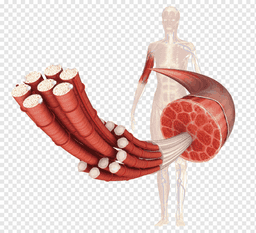
PH Sistem Gerak
Quiz by ANISA PUTERI
Customize this quiz to suit your class
Instantly translate to 100+ languages
Tag the questions with any skills you have. Your dashboard will track each student's mastery of each skill.
Give this quiz to my class
Identifikasikanlah tulang tulang berdasarkan jenisnya !
Identifikasikanlah tulang tulang tersebut berdasarkan nomor dan nama tulangnya !
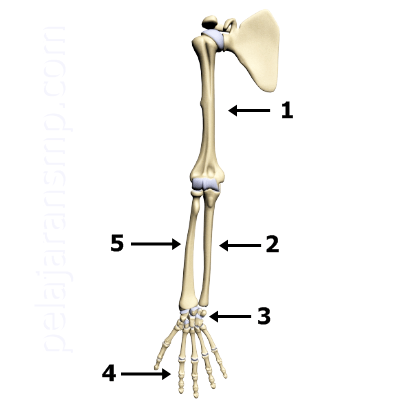
Identifikasikanlah tulang tulang berdasarkan jenisnya !
Identifikasikanlah tulang tulang tersebut berdasarkan nomor dan nama tulangnya !

Tulang merupakan tulang gerak pasif karena ....
Rangka dapat memberi bentuk tubuh manusia
Rangka adalah tempat melekatnya otot dalam tubuh manusia
Rangka menjadi sebuah tempat mengaturnya pergerakan sendi dan otot
Rangka dapat melindungi organ yang terdapat dalam tubuh manusia
Rangka akan meregenarasi sel dari sumsum tulang
Organ yang tersusun atas tulang rawan diantaranya ....
 PH SISTEM PEMBAYARANLife Processes Identify and define the seven life processes (MRS GREN). Classification Group living organisms based on observed similarities and differences. Classify vertebrates into taxonomic groups based on visible physical characteristics. Construct a dichotomous key to classify vertebrates. Cells Compare the structure of generalised plant and animal cells, and selected microbes (e.g. bacteria, fungi and Amoeba) Distinguish among cell wall, cell membrane, nucleus, cytoplasm, temporary and permanent vacuoles, mitochondrion, chloroplast, endoplasmic reticulum and ribosomes. Relate the structure of organelles to their functions; Identify specialised cells such as blood cells, ciliated epithelial cells, nerve cells, root hair cells, sperm cells and egg cells. Explain the importance of cell specialisation in multicellular organisms; include hierarchy of cells, tissues, organs; organ systems and then organism Diffusion, Osmosis, Active transport and Osmoregulation Explain the processes of diffusion, osmosis and active transport. Identify everyday instances of these processes occurring. Discuss the importance of diffusion, osmosis and active transport in living systems. Nutrition in Plants Describe the process of photosynthesis in green plants; test for end products, starch or reducing sugar (glucose). Relate the structure of the leaf of a flowering plant to its function in photosynthesis; draw and label the external features and the internal structure (cross section) of a leaf as seen in cross section under the light microscope. Nutrition in Humans Discuss the importance of a balanced diet in humans. State components of a balanced diet (carbohydrates, fats, proteins, vitamins and minerals, water and roughage and their roles) along with the results of their deficiency or surplus. Suggest dietary recommendations for treating and preventing named deficiency and physiological diseases (such as those outlined in the manual and your notes). Perform tests to distinguish among food substances - Test for proteins (Biuret), fats (grease spot), starch (iodine), reducing sugars (Benedict’s solution). The Digestive System in Humans Relate the structures of the human alimentary canal to their functions; Draw and label simple diagrams of the alimentary canal and internal structure of a tooth required. Describe mastication and the role of teeth in the mechanical breakdown of food to be included. (Compare types of teeth in humans and compare types of teeth in herbivores and carnivores.) Explain the role and importance of enzymes role of digestive enzymes in the mouth, stomach and pancreatic enzymes in the small intestine. Discuss properties of enzymes. Deduce from tables and graphs the effects of temperature and pH on enzyme activity. Experimental Skills Follow all drawing rules as outlined in the drawing skills checklist posted in the classroom (including calculation of magnification).Many of water’s biological functions stem from its chemical struc- ture. Recall that in the water molecule, H2O, the hydrogen and oxygen atoms share electrons to form covalent bonds. However, these atoms do not share the electrons equally. The oxygen atom has a greater ability to attract electrons to it because it pulls hydrogen’s electrons towards its nucleus. As a result, as shown in Figure 2-8, the region of the molecule where the oxygen atom is located has a partial negative charge, denoted with a , while the regions of the molecule where each of the two hydrogen atoms are located have partial positive charges, each of which are denoted with a . Thus, even though the total charge on a water molecule is neutral, the charge is unevenly distributed across the water molecule. Because of this uneven distribution of charge, water is called a polar compound. Notice also in Figure 2-8 that the three atoms in a water mole- cule are not arranged in a straight line as you might expect. Rather, the two hydrogen atoms bond with the single oxygen atom at an angle. SECTION 3 OBJECTIVES ● Describe the structure of a water molecule. ● Explain how water’s polar nature affects its ability to dissolve substances. ● Outline the relationship between hydrogen bonding and the different properties of water. ● Identify the roles of solutes and solvents in solutions. ● Differentiate between acids and bases. VOCABULARY polar hydrogen bond cohesion adhesion capillarity solution solute solvent concentration saturated solution aqueous solution hydroxide ion hydronium ion acid base pH scale buffer Copyright © by Holt, Rinehart and Winston. All rights reserved. (a) Electron cloud model (b) Space-filling model H H O The oxygen region of the water molecule is weakly negative, and the hydrogen regions are weakly positive. Notice the different ways to represent water, H2O. You are familiar with the electron cloud model (a). The space- filling model (b) shows the three- dimensional structure of a molecule. FIGURE 2-8 40 CHAPTER 2 Hydrogen bond H H H H H H H H H O O O O O O H H H H H – – – – – – – + + + + + + + + + + + + + + The dotted lines in this figure represent hydrogen bonds. A hydrogen bond is a force of attraction between a hydrogen atom in one molecule and a negatively charged region or atom in a second molecule. FIGURE 2-10 The positive region of a water molecule attracts the negative region of an ionic compound, such as the Cl portion of NaCl. Similarly, the negative region of the water molecule attracts the positive region of the compound—the Na portion of NaCl. As a result, NaCl breaks apart, or dissolves, in water. FIGURE 2-9 CI– Na+ H2O + + – – Solubility of Water The polar nature of water allows it to dissolve polar substances, such as sugars, ionic compounds, and some proteins. Water does not dissolve nonpolar substances, such as oil because a weaker attraction exists between polar and nonpolar molecules than between two polar molecules. Figure 2-9 shows how water dissolves the ionic compound sodium chloride, NaCl. In your body, ions, such as sodium and chloride, are essential to bodily func- tions, such as muscle contraction and transmission of impulses in the nervous system. In fact, dissolved, or dissociated ions, are pre- sent in all of the aqueous solutions found in living things and are important in maintaining normal body functions. HYDROGEN BONDING The polar nature of water also causes water molecules to be attracted to one another. As is shown in Figure 2-10, the positively charged region of one water molecule is attracted to the negatively charged region of another water molecule. This attraction is called a hydrogen bond. A hydrogen bond is the force of attraction between a hydrogen molecule with a partial positive charge and another atom or molecule with a partial or full negative charge. Hydrogen bonds in water exert an attractive force strong enough so that water “clings” to itself and some other substances. Hydrogen bonds form, break, and reform with great frequency. However, at any one time, a great number of water molecules are bonded together. The number of hydrogen bonds that exist depends on the state that water is in. If water is in its solid state all its water molecules are hydrogen bonded and do not break. As water liquifies, more hydrogen bonds are broken than are formed, until an equal number of bonds are formed and broken. Hydrogen bonding accounts for the unique properties of water, some of which we will examine further. These properties include cohesion and adhesion, the ability of water to absorb a relatively large amount of energy as heat, the ability of water to cool surfaces through evaporation, the density of ice, and the ability of water to dissolve many substances.Biomedical Engineering Flashcard 1 Q: What is biomedical engineering? A: The field that designs medical solutions (devices, implants, machines, medicines) to improve health. Flashcard 2 Q: How many bones does an adult have? A: 206 bones. Flashcard 3 Q: How many bones are humans born with? A: About 270 bones. Flashcard 4 Q: What is a prosthetic? A: An artificial device used to replace a missing body part. Flashcard 5 Q: What must engineers consider when designing prosthetics? A: Connection to the body Communication with the body Life-like movement Flashcard 6 Q: What is internal fixation? A: Hardware attached inside the body directly to the bone to repair it. Flashcard 7 Q: Examples of internal fixation? A: Rods, screws, plates, pins, bone grafts. Flashcard 8 Q: What is external fixation? A: Supports outside the body used to stabilize bones while they heal. Flashcard 9 Q: Examples of external fixation? A: Casts, braces, slings, external screws. Flashcard 10 Q: What is biocompatibility? A: Materials that can safely exist in the body without causing harm or rejection. Circulatory System Flashcard 11 Q: What is the job of the circulatory system? A: Deliver oxygen and nutrients and remove wastes from cells. Flashcard 12 Q: What do arteries do? A: Carry blood away from the heart. Flashcard 13 Q: What do veins do? A: Carry blood back to the heart. Flashcard 14 Q: What do capillaries do? A: Exchange oxygen, nutrients, and waste with tissues. Flashcard 15 Q: What are the 4 main components of blood? A: Plasma Red blood cells White blood cells Platelets Flashcard 16 Q: Name 3 circulatory diseases. A: Arteriosclerosis Hypertension (high blood pressure) Coronary heart disease Flashcard 17 Q: What lifestyle choices increase circulatory disease risk? A: Tobacco use Alcohol use Poor nutrition Physical inactivity Obesity Stem Cells Flashcard 18 Q: What are stem cells? A: Cells that can develop into many different specialized cell types. Flashcard 19 Q: Why is embryonic stem cell research controversial? A: Because it involves destroying embryos, which some believe is destroying human life. pH and Indicators Flashcard 20 Q: What pH number is an acid? A: Below 7. Flashcard 21 Q: What pH number is neutral? A: 7. Flashcard 22 Q: What pH number is a base? A: Above 7. Flashcard 23 Q: Examples of pH indicators? A: Litmus paper Red cabbage indicator Anthocyanins Hydrogels Flashcard 24 Q: What is a hydrogel? A: A material made of polymer chains that can hold large amounts of water. Flashcard 25 Q: Examples of hydrogels? A: Gelatin Collagen Alginate Fireworks Flashcard 26 Q: What are the 4 main parts of fireworks? A: Oxidizer, fuel, binder, metal salt. Flashcard 27 Q: What color does Barium produce? A: Light green. Flashcard 28 Q: What color does Copper produce? A: Blue-green. Flashcard 29 Q: What color does Strontium produce? A: Dark red. Flashcard 30 Q: What color does Potassium produce? A: Light purple. Flashcard 31 Q: What color does Lithium produce? A: Orange-red. Flashcard 32 Q: What effect does Iron produce in fireworks? A: Sparks.A solution is a mixture in which one or more substances are uniformly distributed in another substance. Solutions can be mixtures of liquids, solids, or gases. For example, plasma, the liquid part of blood, is a very complex solution. It is composed of many types of ions and large molecules, as well as gases, that are dissolved in water. A solute (SAHL-YOOT) is a substance dissolved in the solvent. The particles that compose a solute may be ions, atoms, or molecules. The solvent is the substance in which the solute is dissolved. For example, when sugar, a solute, and water, a solvent, are mixed, a solution of sugar water results. Though the sugar dissolves in the water, neither the sugar molecules nor the water molecules are altered chemically. If the water is boiled away, the sugar molecules remain and are unchanged. Solutions can be composed of various proportions of a given solute in a given solvent. Thus, solutions can vary in concentra- tion. The concentration of a solution is the amount of solute dis- solved in a fixed amount of the solution. For example, a 2 percent saltwater solution contains 2 g of salt dissolved in enough water to make 100 mL of solution. The more solute dissolved, the greater is the concentration of the solution. A saturated solution is one in which no more solute can dissolve. Aqueous (AY-kwee-uhs) solutions—solutions in which water is the solvent—are universally important to living things. Marine microorganisms spend their lives immersed in the sea, an aqueous solution. Most nutrients that plants need are in aqueous solutions in moist soil. Body cells exist in an aqueous solution of intercellu- lar fluid and are themselves filled with fluid; in fact, most chemical reactions that occur in the body occur in aqueous solutions. Copyright © by Holt, Rinehart and Winston. All rights reserved. Liquid water Solid water Ice (solid water) is less dense than liquid water because of the structure of ice crystals. The water molecules in ice are bonded to each other in a way that creates large amounts of open space between the molecules, relative to liquid water. FIGURE 2-12 solvent from the Latin solvere, meaning “to loosen” Word Roots and Origins CHEMISTRY OF LIFE 43 ACIDS AND BASES One of the most important aspects of a living system is the degree of its acidity or alkalinity. What do we mean when we use the terms acid and base? Ionization of Water As water molecules move about, they bump into one another. Some of these collisions are strong enough to result in a chemical change: one water molecule loses a proton (a hydrogen nucleus), and the other gains this proton. This reaction really occurs in two steps. First, one molecule of water pulls apart another water molecule, or dissociates, into two ions of opposite charge: H2O ∏ H OH The OH ion is known as the hydroxide ion. The free H ion can react with another water molecule, as shown in the equation below. H H2O ∏ H3O The H3O ion is known as the hydronium ion. Acidity or alkalin- ity is a measure of the relative amounts of hydronium ions and hydroxide ions dissolved in a solution. If the number of hydronium ions in a solution equals the number of hydroxide ions, the solution is said to be neutral. Pure water contains equal numbers of hydro- nium ions and hydroxide ions and is therefore a neutral solution. Acids If the number of hydronium ions in a solution is greater than the number of hydroxide ions, the solution is an acid. For example, when hydrogen chloride gas, HCl, is dissolved in water, its mol- ecules dissociate to form hydrogen ions, H, and chloride ions, Cl, as is shown in the equation below. HCl ∏ H Cl These free hydrogen ions combine with water molecules to form hydronium ions, H3O. This aqueous solution contains many more hydronium ions than it does hydroxide ions, making it an acidic solution. Acids tend to have a sour taste; how- ever, never taste a substance to test it for acidity. In concentrated forms, they are highly corrosive to some materials, as you can see in Figure 2-13. Bases If sodium hydroxide, NaOH, a solid, is dissolved in water, it dissociates to form sodium ions, Na, and hydroxide ions, OH, as shown in the equation below. NaOH ∏ Na OH Copyright © by Holt, Rinehart and Winston. All rights reserved. Eco Connection onnection Acid Precipitation Acid precipitation, more commonly called acid rain, describes rain, snow, sleet, or fog that contains high levels of sulfuric and nitric acids. These acids form when sulfur dioxide gas, SO2, and nitrogen oxide gas, NO, react with water in the atmosphere to produce sulfuric acid, H2SO4, and nitric acid, HNO3. Acid precipitation makes soil and bodies of water, such as lakes, more acidic than normal. These high acid levels can harm plant and animal life directly. A high level of acid in a lake may kill mollusks, fish, and amphibians. Even in a lake that does not have a very elevated level of acid, acid precipitation may leach aluminum and magnesium from soils, poisoning water- dwelling species. Reducing fossil-fuel consump- tion, such as occurs in gasoline engines and coal-burning power plants, should reduce high acid levels in precipitation. Sulfur dioxide, SO2, which is produced when fossil fuels are burned, reacts with water in the atmosphere to produce acid precipitation. Acid precipitation, or acid rain, can make lakes and rivers too acidic to support life and can even corrode stone, such as the face of this statue. FIGURE 2-13 44 CHAPTER 2 This solution then contains more hydroxide ions than hydronium ions and is therefore defined as a base. The adjective alkaline refers to bases. Bases have a bitter taste; however, never taste a substance to test for alkalinity. They tend to feel slippery because the OH ions react with the oil on our skin to form a soap. In fact, commercial soap is the product of a reaction between a base and a fat. pH Scientists have developed a scale for comparing the relative con- centrations of hydronium ions and hydroxide ions in a solution. This scale is called the pH scale, and it ranges from 0 to 14, as shown in Figure 2-14. A solution with a pH of 0 is very acidic, a solution with a pH of 7 is neutral, and a solution with a pH of 14 is very basic. A solution’s pH is measured on a logarithmic scale. That is, the change of one pH unit reflects a 10-fold change in the acidity or alkalinity. For example, urine has 10 times the H3O ions at a pH of 6 than water does at a pH of 7. Vinegar, has 1,000 times more H3O ions at a pH of 3 than urine at a pH of 6, and 10,000 times more H3O ions than water at a pH of 7. The pH of a solution can be measured with litmus paper or with some other chemical indicator that changes color at various pH levels. Buffers The control of pH is important for living systems. Enzymes can function only within a very narrow pH range. The control of pH in organisms is often accomplished with buffers. Buffers are chemi- cal substances that neutralize small amounts of either an acid or a base added to a solution. As Figure 2-14 shows, the composition of your internal environment—in terms of acidity and alkalinity— varies greatly. Some of your body fluids, such as stomach acid and urine, are acidic. Others, such as intestinal fluid and blood, areRiassunto lezione precedente Caratteristiche generali degli epiteli: ● avascolarizzati ● innervati ● capacità rigenerativa Funzioni: ● Barriera ● Secrezione Specializzazioni del dominio apicale: ● Microvilli, orletto a spazzola ● Stereociglia ● Ciglia Specializzazioni del dominio laterale ● Giunzioni cellulari [Qui inizia la lezione di oggi] Classificazione morfo-funzionale degli epiteliali di rivestimento ⮚ Epiteli pavimentosi: se le cellule sono pavimentose ⮚ Epiteli cubici: se le cellule sono cubiche, quindi altezza e larghezza si equivalgono ⮚ Epiteli cilindrici: se le cellule hanno altezza maggiore della larghezza. Possono essere sia monostratificati quindi epiteli semplici, oppure pluristratificati Nell’ epitelio pluristratificato il nome dell’epitelio lo capiamo dall’ultimo strato, per esempio se l’ultimo strato ha cellule appiattite l’epitelio sarà pavimentoso, se l’ultimo strato ha cellule cubiche sarà cubico stratificato. Non importa la forma delle cellule degli strati inferiori. Possono inoltre essere pluristratificati o epiteli di transizione. Classificazione in base alle specializzazioni ⮚ Epiteli ciliati ⮚ Epiteli non ciliati La morfologia dell’epitelio riflette un po’ la sua funzione, per esempio l’epitelio semplice si trova dove non serve una grande protezione da stress meccanico. Per esempio: epitelio squamoso semplice: nel polmone, dove devono essere facilitati gli scambi gassosi di ossigeno e anidride carbonica. Epitelio cubico semplice: nei dotti delle ghiandole esocrine; nei tubuli renali dove abbiamo sempre assorbimento o secrezione Epitelio colonnare semplice: riveste l’intestino, anche qui con funzione di assorbimento. Pseudostratificato: già visto nella lezione precedente, lo troviamo ad esempio nella trachea, ed è un epitelio ciliato, dove le ciglia non servono a spostarsi. Gli epiteli semplici li troveremo in zone non sottoposte a grandi stress meccanici, ma dove c’è bisogno di facilitare la funzione di assorbimento e scambio. Mentre gli epiteli stratificati li troviamo per esempio dell’epidermide, cavità orale dell’esofago, vagina, ovvero sedi anatomiche solitamente esposte a stress meccnici. Epitelio di transizione: tipico della vescica, la cui caratteristica fondamentale è l’estensione. Esempio di epitelio pavimentoso semplice: Endotelio ovvero l’epitelio dei vasi sanguigni I vasi possono essere molto diversi fra loro ⮚ Capillare: epitelio associato alla lamina basale ⮚ Arterie: endotelio e lamina basale, e lamina elastica (formata da elastina, favorisce la dilatazione del vaso) che formano la tonaca intima; strato intermedio, tonaca media dove troviamo cellule muscolari lisce; tonaca avventizia di tessuto connettivo ⮚ Vene: stessa struttura, ma è più abbondante lo strato di tonaca avventizia (tessuto connettivale) rispetto alle arterie, dove la più abbondante è la tonaca media. Nell’immagine si vede come la dimensione di vene e arterie può cambiarne la morfologia. CAPILLARI La funzione dell’epitelio è di favorire gli scambi tra il torrente circolatorio e i tessuti. I capillari sono costituiti da una “barriera” formata dalle cellule dell’endotelio e la lamina sottostante. dall’immagine possiamo vedere all’interno del capillare un globulo rosso, quindi il diametro di un capillare è molto ridotto, può essere anche più piccolo di un globulo rosso, che per passare si deve deformare. Si vede il globulo rosso, la piastrina e la cellula endoteliale a formare la parete del capillare, dove c’è l’asterisco è una zona più elettrondensa che rappresenta la giunzione occludente. Le strutture più sottili sono capillari Le arteriole le riconosciamo dalle cellule muscolari lisce. Possiamo vedere le cellule endoteliali che costituiscono la parete di questi vasi. Classificazione dei capillari A seconda della zona anatomica dove ci troviamo cambia la morfologia dei capillari. ⮚ Capillari continui: cellule endoteliali giustapposte fra loro, giunzioni occludenti, lamina basale contigua, passaggio di sostanze è ampiamente regolato dalla cellula stessa. Possiamo trovare associati al capillare i periciti, che sono cellule staminali e vescicole che fanno pinocitosi (endocitosi di particelle liquide) ⮚ Capillari fenestrati: dove devono essere favoriti gli scambi. Si formano fenestrazioni tra le cellule della parete del capillare. Recenti studi pensano che queste fenestrazioni siano il risultato di un’abbondante pinocitosi. ⮚ Capillari discontinui/sinusoidi: le fenestrazioni sono ancora più grandi e la lamina basale è discontinua, quindi passaggio favorito. Esempio in microscopia elettronica del capillare continuo e fenestrato nella prima immagine il capillare è continuo, non ci sono interruzioni della lamina basale, non ci sono fenestrazioni, sono evidenti le giunzioni cellulari, si vedono le vescicole di pinocitosi. Nella seconda immagine ci sono interruzioni delle cellule endoteliali. In questa immagine invece vediamo un e sinusoide in cui le fenestrazioni sono più grandi, la lamina basale è discontinua, quindi passa anche il plasma. Associato alla cellula endoteliale possiamo trovare il Pericita, cellula staminale mesenchimale (cellula mesenchimale da origine a tessuto osseo, muscolare). Queste cellule hanno capacita di migrare e differenziarsi. Se per esempio rimuoviamo i periciti e induciamo una lesione per esempio a livello della spina dorsale dell'animale c’è impossibilità di rigenerazione del tessuto. CONDIZIONI PATOLOGICHE È importante mantenere la continuità di questo epitelio, infatti la lesione dell’endotelio è patologica, si chiama Arterosclerosi una delle maggiori cause di morte. la lesione parte dalla tonaca intima (endotelio, lamina basale), per esempio causata da alti livelli di colesterolo. Infiltrazione, i monociti si depositano tra lamina elastica ed endotelio, i monociti migrano in questa zona, assorbono lipidi intorno a queste cellule schiumose e si può formare questa lesione che può far sforzare di più il cuore, o provocare un embolo. Istologia di un vaso normale e un vaso con arterosclerosi. La colorazione è la Tricromica di Masson, che colora in viola i nuclei, in rosso il citoplasma e tessuto muscolare, in blu il collagene. Essendo il collagene il principale componente del tessuto connettivo nella seconda immagine notiamo deposizioni di tessuto connettivo in seguito alla lesione. [il professore nomina Histology guide, un sito consultabile online dove troviamo la maggior parte delle sezioni e immagini istologiche che lui spiega a lezione] MESOTELIO Altro esempio di epitelio pavimentoso semplice è il mesotelio, che riveste o le parti interne del corpo: mesotelio parietale; o gli organi: mesotelio viscerale. Per esempio la pleura viscerale riveste direttamente il polmone e la pleura parietale la parete del torace. Mesotelio che riveste il rene: singolo strato di cellule pavimentose. Mesotelio cardiaco: abbiamo una parete esterna: pericardio parietale; poi il liquido pericaridico che riduce l’attrito; e pericardio viscerale: diretto contatto col cuore. Nell’istologia del mesotelio vediamo uno strato di cellule e sotto la lamina basale le grosse cellule bianche sono di tessuto adiposo. Questo tipo di epitelio lo troviamo per esempio nell’intestino. Peritoneo parietale: parte esterna Dopo la parete muscolare c’è la sierosa, mesotelio Viscerale, composto da cellule pavimentose semplici, lamina basale. ALVEOLO POLMONARE Nell’alveolo Polmonare l’epitelio pavimentoso semplice svolge un ruolo fondamentale, perché deve facilitare gli scambi gassosi. Strato sottile: pneumocita dell’epitelio alveolare Capillare con globulo rosso Giunzioni occludenti tra pneumociti PATOLOGIA Rottura degli alveoli polmonari, per esempio inalando particolato, o col fumo di sigaretta, c’è il collasso dell’alveolo polmonare, quindi infiltrazione di particolato: Enfisema; oppure con un’infezione per esempio polmonite vediamo la presenza di essudato ricco di leucociti, quindi le cellule infiammatorie. EPITELIO CUBICO SEMPLICE Il nucleo della cellula è rotondo, non pù schiacciato come nelle cellule pavimentose. La cellula ha larghezza e altezza simili. Questo tipo di tessuto si trova nei dotti di alcune ghiandole, o le cellule secernenti dei follicoli tiroidei. Quindi con funzione di trasporto o secrezione. EPITELIO CILINDRICO SEMPLICE Nucleo solitamente posizionato nella parte più vicina alla lamina basale, la cellula è alta e stretta. Tra le cellule epiteliali troviamo le cellule mucipare caliciformi. Cripte intestinali Spesso troviamo una presenza abbondante di microvilli che formano l’orletto. Nelle immagini vediamo lo stesso tessuto trattato con due colorazioni diverse, nella Tricromica di Masson la struttura colorata di azzurro è la lamina basale. Nelle cripte intestinali abbiamo sia assorbimento e secrezione. ● Enterociti: dedicati all’assorbimento ● Enteroendocrine: disperse nell’epitelio, considerate i maggiori organi esocrini del nostro organismo, rilasciano Somatotossina e istamina ● Cellule di Paneth: secernono sostanze antimicrobiche, funzione di protezione ● Cellule staminali: soprattutto nella parte più basale della cripta ● Cellule caliciformi Quelle indicate dalla freccia sono giunzioni occludenti PATOLOGIA La morfologia egli epiteli è importante, alterazioni di questi tessuti sono associate a patologie. Per esempio perdita di continuità dell’epitelio dell’intestino che è rivelatore di una trasformazione neoplastica. Le cellule epiteliali assumono funzione mesenchimale e possono invadere la sottomucosa. È importante individuare la lesione prima che invada la sottomucosa perché mentre l’epitelio è avascolarizzato nella sottomucosa ci sono i vasi sanguigni, e il tumore può fare metastasi. EPITELIO CILINDRICO SEMPLICE CILIATO nelle tube uterine abbiamo sia cellule ciliate che non ciliate, che provengono dalla stessa cellula iniziale che poi differenzia. [legge la slide accanto] EPITELIO PSEUDOSTRATIFICATO Come si può riconoscere? A prima vista sembra pluristratificato perché i nuclei sono posti su nuclei differenti, ma non è così, perché tutte le cellule poggiano sulla lamina basale. Ma non tutte le cellule arrivano nello strato apicale. Quindi il nucleo è delocalizzato nella parte più grande della cellula. Possono essere ciliati o non ciliati. L’epididimo per esempio ha specializzazioni ma sono Stereociglia, quindi è epitelio pluristratificato non ciliato. Mentre un esempio di epitelio pseudostratificato ciliato è la trachea. Le ciglia sono un po’ più corte. (si riconosce la trachea perché sotto l’epitelio ci sono dischi di cartillagine) All’interno dell’epitelio della trachea possiamo trovare cellule mucipare caliciformi, che secernono muco, e non sono ciliate. Evidente nell’immagine con microscopio elettronico a scansione. TESSUTO EPITELIALE Epiteli pluristratificati Abbiamo visto gli epiteli semplici, quindi un unico strato di cellule e zero stratificazioni. Adesso vedremo alcune delle caratteristiche degli epiteli pluristratificati, che ovviamente presentano più strati di cellule; spesso la forma delle cellule cambia all’interno dei vari strati, e il nome viene dato dallo strato più superficiale. In questo caso abbiamo epitelio pluristratificato pavimentoso, anche se in effetti la cellula dello strato basale è cubica. Qual è il ruolo di questi epiteli? È quello di garantire maggiore protezione. Una delle caratteristiche di questi epiteli è che la rigenerazione, il turn-over che si fa, cioè il cambio del tessuto, è garantito dallo strato basale, perché nello strato profondo abbiamo le cellule staminali. Può essere non cheratinizzato, e lo troviamo nella bocca, nella faringe, nell’esofago, nella vagina e nel retto, oppure cheratinizzato, che è l’epitelio caratteristico dell’epidermide. Ad esempio in questo caso (foto sopra) che tipo di epitelio è? Pluristratificato pavimentoso, perché le cellule circondate di azzurro nell’ultimo strato, danno un epitelio pavimentoso. Nell’esofago abbiamo un epitelio pluristratificato non cheratinizzato. Come si può notare subito sotto l’ultimo strato abbiamo il tessuto connettivo, con la presenza di vasi sanguigni e con la mucosa muscolare. Qual è una delle caratteristiche istologiche che già si può apprezzare, come prima osservazione di questo epitelio? Cosa cambia tra questo strato (1) e questo altro strato (2) ? La densità dei nuclei. L’aspetto dello strato basale, normalmente, è appunto caratterizzato dalla maggior presenza dei nuclei, perché come accennato, sono presenti le cellule staminali, quindi le cellule sono ancora capaci di replicarsi, per rimpiazzare le cellule che sono presenti negli strati più superficiali, che sono sfaldate dallo stress meccanico. In alcuni animali anche l’esofago ha un epitelio cheratinizzato. Una delle tecniche che possiamo utilizzare per rivelare la presenza di cellule staminali, di cellule che stanno proliferando nello strato basale, è l’immunoistochimica, con la quale usiamo un anticorpo, in questo caso un anticorpo rivolto verso una proteina chiamata CD156, che è un marcatore, una proteina, presente solo nelle cellule staminali; quindi se noi coloriamo il tessuto, facciamo un’ibridazione con un anticorpo rivolto verso questa proteina, questo anticorpo è legato ad un enzima, che fa precipitare il substrato (in foto di colore marrone), e al microscopio ottico possiamo vedere dove sono presenti le cellule staminali. L’alternativa è invece coniugare l’anticorpo con il fluoroforo, e andare ad osservare con un microscopio a fluorescenza. La pelle: l’epidermide Spesso troviamo in questo tipo di epiteli, questi ripiegamenti degli strati basali, ma anche negli strati più superficiali, cosa che è evidente anche nell’epidermide. La cute è composta sia da un epitelio chiamato epidermide, sia dal derma sottostante che è un tessuto di natura connettivale. A seconda della sede anatomica che si sta analizzando, possiamo avere una cute sottile o una cute più spessa, quello che cambia è proprio lo spessore dell’epidermide, in particolare dell’ultimo strato. Questo è un esempio di cute sottile (sx), mentre questa è una cute spessa (dx). Si può apprezzare come, ad esempio, siano presenti dei ripiegamenti degli strati basali, ma in parte anche degli strati più superficiali. Dove sono più evidenti queste pieghe, ad esempio? Dove si formano le impronte digitali, viene accentuato il ripiegamento dello strato superficiale. Qui (sempre immagine sopra a dx) possiamo notare che nello strato superficiale, rispetto allo strato basale, non sono presenti i nuclei. A differenza dell’esofago in cui i nuclei sono presenti anche negli strati più superficiali, nell’epidermide le cellule proprie degli strati superficiali (i cheratinociti) perdono i nuclei. Infatti così facendo viene creato lo strato chiamato cheratina. Ovvero nello strato corneo, quello più superficiale, non abbiamo la presenza di nuclei. Quello che cambia all’interno dei vari strati è la presenza o meno di determinati tipi di giunzioni. Nello strato basale sicuramente troviamo una giunzione, che non è presente negli altri strati, ovvero gli emidesmosomi. Questo perché l’emidesmosoma è una giunzione che si trova tra la cellula epiteliale e la lamina basale, che ovviamente è a contatto solo con l’ultimo strato. Quindi l’emidesmosoma qui colorato di verde (immagine sopra), è presente solo nello strato basale. Mentre cominciamo a vedere la presenza di desmosomi tra una cellula e l’altra, che si mantengono nello strato basale ma anche nello strato spinoso. Lo strato granuloso è caratterizzato ad esempio dalla presenza di giunzioni occludenti e aderenti, che quindi rendono impermeabile l’epidermide e impediscono il passaggio di sostanze attraverso questo strato. Questi ultimi tipi di giunzioni le troviamo anche nello strato lucido, mentre i desmosomi corneificati o corneodesmosomi, li troviamo nello strato corneo. Anche il numero di cellule dei vari strati è pressoché costante. Strato basale Tramite questa sezione dell’epidermide andiamo ad ingrandire lo strato basale, a contatto con il tessuto connettivo sottostante, e possiamo vedere, come è rappresentato questo stato, ovvero la presenza massiva di nuclei, dovuti alla proliferazione delle cellule, che infatti sono positive a quest’altro marcatore, che è un importante regolatore del ciclo cellulare Ki67. Se facciamo l'immunoistochimica per questo fattore, le cellule degli strati basali lo respingono, perché sono in attiva proliferazione. Quindi se per esempio abbiamo una lesione dell’epidermide, sicuramente questo marcatore non reagirà. Quindi le cellule perdono la capacità di proliferare, nello strato spinoso e nello strato granuloso la perdono totalmente, e addirittura nello strato corneo perdono proprio il nucleo, quindi è impossibile che la cellula si replichi. E questa è l’importanza dello strato basale, che regola il turnover di questo tessuto che è di circa 30-40 giorni, cioè una cellula passa dallo strato basale a quello corneo in 30-40 giorni, e così facendo si rinnova totalmente l’epidermide. Se guardiamo lo strato basale o germinativo, abbiamo una cellula piuttosto piccola, tondeggiante, prolifera e sono presenti sia desmosomi, sia emidesmosomi. Strato spinoso Nello strato spinoso, è presente uno spazio intercellulare tra una cellula e l’altra. Si possono osservare delle spine, questi sono dei processi citoplasmatici, che servono poi a connettere un cheratinocita e l’altro. Ovvero in queste spine sono presenti i desmosomi. In questo strato inizia il differenziamento cellulare, il cheratinocita inizia ad esprimere le cheratine, quindi perde la capacità di proliferare. Strato granuloso Lo strato granuloso è chiamato così, proprio per il suo aspetto istologico, per la presenza di granuli all’interno del citoplasma in ambiente cellulare. Normalmente dovrebbe riportare 3 file di cellule in questo strato, visualizzando la presenza dei granuli in ogni cellula. Questi granuli contengono proteine come cheratoialina, filegrina e loricrina, sostanze che serviranno, poi, a rendere l’epidermide resistente. Le giunzioni tra una cellula ed un’altra sono desmosomi e giunzioni occludenti, infatti, se noi facciamo l’immunofluorescenza per proteine come la claudina, che colora le giunzioni più immature, possiamo colorare anche cellule degli strati limitrofi; se invece utilizziamo l’immunofluorescenza per l’occludina, che è una giunzione più matura, si può vedere com’è proprio più localizzata e ristretta allo strato granuloso. Inoltre si può notare (foto sotto) anche la microscopia elettronica con le giunzioni occludenti. Qui (sotto) possiamo vedere una bellissima immunoistochimica proprio con la claudina, dove possiamo vedere la sezione dell’epidermide con l’immunoistochimica. E qui già possiamo vedere alcune cellule, che perdono il nucleo negli strati più superiori dello strato granuloso, e la cosa risulta poi evidente nello strato corneo, dove i nuclei sono assenti, che è la caratteristica fondamentale, con la quale si riconosce questo strato. Strato corneo La cellula quindi forma queste lamine, prive di nucleo, il citoplasma è farcito di cheratina aggregata, le giunzioni sono dei desmosomi modificati e sono rivestiti da un involucro cellulare corneificato, ovvero: involucrina, loricrina, filamenti di cheratina e molecole lipidiche, che rendono lo strato impermeabile. La cheratina va classificata tra i filamenti intermedi importanti nel citoscheletro. Infatti si ricordi la presenza dei filamenti sottili di actina, di tubulina e poi a seconda del tessuto possiamo avere dei determinati filamenti intermedi. In particolare, la cheratina forma il filamento intermedio nell'epitelio. I desmosomi, ovvero la giunzione tra un cheratinocita e l’altro, è regolata dal pH. Per questo è importante mantenere il pH della cellula, perché via via che aumentiamo l’acidità del pH, promuoviamo lo sfaldamento dei cheratinociti e quindi il ricambio dello strato più superficiale. In alcune sedi come, ad esempio, il palmo della mano e dei piedi, è presente un ulteriore strato, che è definito lucido, proprio per il suo aspetto istologico, ed è presente tra lo stato corneo e lo strato granuloso. Qui (sotto) abbiamo una microscopia elettronica a trasmissione di una sezione di tessuto di epidermide sottile, dove si possono vedere i cheratinociti nei vari strati. Questa la si può sempre colorare artificialmente e si può così riconoscere la struttura dei vari strati. Quindi sostanzialmente salendo dallo strato basale allo strato corneo, abbiamo il differenziamento dei cheratinociti dalle cellule staminali che sono in grado di replicarsi. Si ricordi infatti che per cellula staminale non si intende solo una cellula che è in grado di differenziarsi ma è anche in grado di autoregolarsi. Dunque da una parte formerà una nuova progenie di cellule staminali in grado di differenziarsi, dall’altra i cheratinociti iniziano il processo di differenziamento passando allo strato spinoso. Iniziano quindi ad esprimere le cheratine, cambiano la forma, cambiano il tipo di giunzione, fino a produrre l’involucro di cheratina nello strato corneo e questo ha un timing ben preciso a seconda della zona. Per capire l’importanza dell’aspetto molecolare di questo differenziamento (non verrà richiesto all’esame) si faccia presente che tutti i geni del differenziamento dell’epidermide sono presenti nei cluster presenti nel cromosoma umano. Ovvero sono presenti tutti i geni necessari per il progredire del differenziamento dei cheratinociti all’interno dell’epidermide. All’interno degli epiteli non abbiamo solo i cheratinociti, ma abbiamo quattro tipi cellulari: -i cheratinociti -i melanociti - le cellule di Langerhans - le cellule di Merkel I melanociti Sono i responsabili della produzione della melanina, che è un pigmento, che viene formato dalla ossidazione della tirosina, ad opera della tirosinasi, viene accumulata all’interno dei melanosomi, di queste vescicole, e poi vengono rilasciate dal melanocita e vanno a fondere con le cellule dei cheratinociti dello strato spinoso, e formano una sorta di barriera, al di sopra del nucleo delle cellule dello strato spinoso. La funzione importante della melanina è (oltre a “renderci più attraenti d’estate”) proteggere il nucleo delle cellule dell’epidermide dai raggi ultravioletti, per impedire l’insorgere di mutazioni. I melanociti si possono identificare nello strato basale, e infatti possiamo mettere in evidenza la presenza dei melanociti con dei marcatori (come, per esempio, le tirosinasi che formano la melanina), che sono localizzati nello strato basale. In questo caso possiamo vedere, nell’epitelio della cornea, la presenza dell’immunofluorescenza, dei melanociti marcati con questo marcatore specifico del melanocita (e che quindi sono proprio nello strato basale). Quest’ultimo in particolare è positivo alla p-caderina che è quindi un marcatore del melanocita della cellula nello strato basale. Mentre la cheratina/la pan cheratina marca gli strati superiori. Cosa succede se abbiamo una iperplasia del melanocita? A cosa ci si sta predisponendo? Al melanoma. Quindi sotto un punto di vista medico istologico, prima di avere la trasformazione tumorale, i melanociti diventano più abbondanti e di dimensioni più irregolari. In particolare li troviamo anche negli strati superiori e non solo nello strato basale quando viene effettuato l’esame istologico. Cellule di Langerhans Le cellule di Langerhans sono delle cellule del sistema immunitario, che derivano dalla famiglia dell’ovocita dei macrofagi, troviamo cellule derivate da questa famiglia in diversi tessuti, e nell’epidermide si differenziano nelle cellule di Langerhans. Per esempio nell’osso differenziano nell’osteoclasto, oppure nel connettivo in macrofagi. Quindi sono tutte cellule che derivano dall’ovocita (da questa famiglia), e che hanno delle caratteristiche comuni, come la capacità di fagocitare, o di presentare l’antigene. Sono marcate ad esempio dall’antigene Cd1, e sono la prima sentinella dell’epidermide per i noxa patogena. Ovvero possono fagocitare e possono attivare la risposta immunitaria in caso di patogeni. Qui possiamo vedere una cellula di Langerhans, all’interno di uno strato spinoso, con questi lunghi processi citoplasmatici, che caratterizzano la cellula di Langerhans, ma anche le altre cellule della stessa famiglia. Cellula di Merkel Infine abbiamo la cellula di Merkel, che è responsabile della percezione sensitiva, quindi tramite il tatto, è più abbondante in alcune zone anatomiche, come ad esempio i polpastrelli e le labbra. In questa microscopia elettronica a trasmissione, possiamo vedere, la cellula di Merkel sopra al nucleo, è presente nello strato basale, perché subito sotto dal tessuto connettivo arrivano le terminazioni nervose, che prendono contatto diretto con la cellula di Merkel. Quindi la cellula di Merkel funziona da meccanorecettore, che trasmette direttamente al sistema nervoso la percezione meccanica. E qui possiamo vedere la giunzione con una cellula nervosa e la presenza delle cellule di Schwann, che sono delle cellule di sostegno associate al neurone, che stabilizzano le giunzioni con le sinapsi dei neuroni, e hanno poi la funzione di formare la guaina mielinica lungo l’assone. Non esistono solo le cellule di Merkel come recettori del tatto associati alla cute (lo vedremo poi con anatomia), esistono terminazioni nervose libere, corpuscoli dei bacilli e altre strutture. Abbiamo poi gli epiteli pluristratificati pavimentosi. Ma abbiamo la distribuzione limitata anche degli epiteli pluristratificati cubici (in foto a dx), che sono presenti in alcuni solchi maggiori e in alcune ghiandole esocrine (la funzione è sempre quella di trasporto). Lo stratificato colonnare, che è molto raro nei mammiferi (in foto a sx), presenta sempre alcuni dotti di alcune ghiandole esocrine. È caratterizzato di solito da due strati: uno di cellule cubiche e uno superiore di cellule cilindriche o colonnari. Infine abbiamo l’epitelio di transizione, che a seconda dello stato rilassato o disteso dell’organo, ha una conformazione differente. Quando la vescica è rilassata, abbiamo un maggior numero di strati, le cellule superficiali hanno questa forma a cupola; quando, invece, la vescica è piena l’epitelio/il tessuto si distende, e questo anche grazie alla presenza delle giunzioni tra una cellula epiteliale e l’altra, le cellule cambiano di forma e ci appaiono più schiacciate, ad esempio negli strati più superficiali (quindi diminuisce il numero di strati). Questa caratteristica permette una grande capacità di distensione. Cosa intendiamo con Metaplasia? Intendiamo un processo che è ancora reversibile, dove la cellula epiteliale passa da un tipo di epitelio a un altro, perché sottoposta, ad esempio a stress, o costante infiammazione o infezione virale. Quindi la metaplasia è il primo passo della trasformazione carcinogenica a cellule squamose o ad adenocarcinoma. Per esempio in foto è presente la cervice uterina, dove l’epitelio colonnare semplice converte, quando abbiamo metaplasia, in epitelio squamoso stratificato, che è ovviamente disfunzionale. Per esempio se si prendesse la trachea di ratto, esposta o meno al fumo di sigaretta (ovvero un fattore stressogeno), le cellule sono sottoposte continuamente a sostanze infiammatorie, che possono causare la mutazione dell’epitelio della trachea, che è pseudostratificato ciliato, ad un epitelio che invece è stratificato. Quindi ovviamente, in questo caso si ha una perdita di funzione dell’epitelio della trachea. Received: 26 November 2019 Revised: 10 January 2020 Accepted: 19 January 2020 DOI: 10.1111/obr.13005 PEDIATRICS/PHYSIOLOGY Adipokines: A gear shift in puberty Desirée Nieuwenhuis | Natàlia Pujol-Gualdo Amanda J. Kiliaan Department of Anatomy, Radboud university medical center, Donders Institute for Brain, Cognition and Behaviour, Preclinical Imaging Center PRIME, Nijmegen, The Netherlands Correspondence Amanda J. Kiliaan, PhD, Associate Professor, Department of Anatomy, Donders Institute for Brain, Cognition, and Behaviour, Preclinical Imaging Center PRIME, Radboud university medical center, 6500 HB Nijmegen, Geert Grooteplein 21N 6525 EZ Nijmegen, The Netherlands. Email: amanda.kiliaan@radboudumc.nl Funding information Europees Fonds voor Regionale Ontwikkeling (EFRO), Grant/Award Number: BriteN 2016 1 | INTRODUCTION The prevalence of obesity in adolescents and children is increasing in | Ilse A.C. Arnoldussen | Summary In this review, we discuss the role of adipokines in the onset of puberty in children with obesity during adrenarche and gonadarche and provide a clear and detailed overview of the biological processes of two major players, leptin and adiponectin. Adipokines, especially leptin and adiponectin, seem to induce an early onset of puberty in girls and boys with obesity by affecting the hypothalamic-pituitary- gonadal (HPG) axis. Moreover, adipokines and their receptors are expressed in the gonads, suggesting a role in sexual maturation and reproduction. All in all, adipokines may be a clue in understanding mechanisms underlying the onset of puberty in child- hood obesity and puberty onset variability. KEYWORDS adipokines, obesity, puberty 1,2 the age of 5 years were overweight or were with obesity in 2016, and 3 Obesity is defined by an excessive accumulation of white adipose tissue (WAT), and it is often indicated by a body mass index (BMI) 4 above 30. Two main types of adipose tissue were described: WAT and brown adipose tissue (BAT), which differ in morphology and func- 5-7 Ilse A.C. Arnoldussen and Amanda J. Kiliaan contributed equally to this work. This is an open access article under the terms of the Creative Commons Attribution License, which permits use, distribution and reproduction in any medium, provided the original work is properly cited. © 2020 The Authors. Obesity Reviews published by John Wiley & Sons Ltd on behalf of World Obesity Federation Obesity Reviews. 2020;21:e13005. wileyonlinelibrary.com/journal/obr 1 of 10 https://doi.org/10.1111/obr.13005 alarming rates. Specifically, worldwide, 41 million children below this number is expected to increase to 70 million in 2025. obesity is associated with various severe health complications, includ- ing increased risk of diabetes mellitus type 2, hypertension, heart dis- eases, and disturbances in sex hormone levels. 5,6 and mitochondria and plays a role in thermogenesis. Adipocytes in tion. BAT consists of adipocytes containing multiple lipid droplets WAT contain only a few mitochondria and a single lipid droplet. Adipose tissue has several functions including the storage of energy, thermogenesis, and the production and secretion of adipokines Generally, two physiological processes, adrenarche and gonadarche, 11,24 Childhood 5,7,8 a key role in puberty onset. Puberty is known as a period through which the body changes physically, being a physiological process resulting in the maturation of children, i.e. they develop sexual characteristics and obtain reproduc- 9,11 Adipokines are involved in a number of physiological processes including blood pressure, metabo- lism, glucose, and vascular homeostasis and may play amongst others 8-10 (hormones, cytokines, and peptides). tive functions. between obesity and puberty,2,12-23 the biological mechanisms under- lying obesity and puberty onset remain unclear. Hereafter, we review in detail the role of adipokines in the onset of puberty in childhood obesity. Although many studies have shown associations 2 | INITIATION OF PUBERTY PHYSIOLOGICAL PROCESSES IN THE interact to regulate the onset of puberty. During adrenarche, the adrenal cortex secretes steroid hormones (including 2 of 10 NIEUWENHUIS ET AL. androstenedione, dehydroepiandrosterone, dehydroepiandrosterone sulfate (DHEAS), androstenedione, and cortisol), insulin-like growth factor, and growth hormone, which contribute to the pubertal insights on new genetic loci (e.g. melanocortin-4 receptor, mitochon- drial carrier 2, and mitogen-activated protein kinase 13) and on sev- eral pathways that regulate the timing of puberty; however, it partly 34 9,24,25 Both adrenarche and gonadarche are involved in the development growth spurt, body odor, skin oiliness, and skeletal maturation. explains puberty timing variation. Thereby, defining the role of 25 adipokines is of importance in elucidating the variability in puberty as the expression of adipokines is sex-specific and is altered with body composition, adiposity, and during growth spurts. Moreover, adipokines and their receptors are expressed in gonads and several brain regions suggesting involvement in the onset of puberty and sex- ual maturation. Lastly, adipokines interfere in processes regulating timing and duration of puberty, for instance in the HPA and HPG axes which are both key players during adrenarche and gonadarche. Involvement of adipokines in the onset of puberty and specifically in individuals with obesity will be further reviewed in the next 2,24 3 | Puberty onset in girls is assessed using different markers, such as thelarche (breast development), menarche (the start of of pubic hair. pituitary-gonadal (HPG) axis is activated,2,26 and several hormones have been identified to participate in the activation of the HPG axis During gonadarche (Figure 1), the hypothalamic- 2,27 Kisspeptin, neurokinin B, and dynorphin are released by specialized including kisspeptin, neurokinin B, dynorphin, leptin, and ghrelin. 28 key regulator of the pulsatile secretion of gonadotropin releasing neurons, the KNDy neurons in the hypothalamus. Kisspeptin is a 29,30 B stimulates, and dynorphin inhibits the release of kisspeptin, which hormone (GnRH) from the hypothalamus. In addition, neurokinin implies that both coordinate a pulsatile release of kisspeptin. 31 Sub- sections. sequently, the activated HPG axis induces the pituitary gland to secrete luteinising hormone (LH) and follicle stimulating hormone (FSH). As a result, gametogenesis occurs, and the gonads will release sex hormones. Consequently, secondary sex characteristics develop including breast development in girls and an increased testicular vol- 2,26,32 is possibly due to differences in levels of body fat, hypothalamic-pitui- THE ONSET OF PUBERTY IN GIRLS ume in boys. The age at puberty onset varies greatly among individuals, which 19 35 menstruation), and pubic hair development. 33 genome-wide association studies have provided important new tary-adrenal (HPA) axis activity, and genetic background. Recent The average age of However, this age differs between cultures and ethnicities, and since 1980, age at menarche is girls at start of menarche is 12.4 years. 36 significantly decreasing. 36-39 F I G U R E 1 Hormonal regulation in the initiation of puberty in boys and girls. The secretion of kisspeptin, neurokinin B, and dynorphin from KNDy neurons initiate the release of gonadotropin releasing hormone (GnRH) from the hypothalamus. This activates the pituitary gland to produce and secrete luteinising hormone (LH) and follicle stimulating hormone (FSH), which in turn stimulate the gonads to produce estrogen and testosterone in girls and boys, respectively 1467789x, 2020, 6, Downloaded from https://onlinelibrary.wiley.com/doi/10.1111/obr.13005, Wiley Online Library on [10/03/2024]. See the Terms and Conditions (https://onlinelibrary.wiley.com/terms-and-conditions) on Wiley Online Library for rules of use; OA articles are governed by the applicable Creative Commons License NIEUWENHUIS ET AL. 3 of 10 T A B L E 1 Summary of included studies Authors Year Country Study Design Primary Outcome Sex Sample Size (n) Age (y) Data Collection Lian et al21 2019 China Cross-sectional Puberty starts earlier in Chinese Han girls with obesity compared with Chinese Han girls with normal weight. Girls 2996 9-19 2012 and 2013 Biro et al12 Lazzeri et al20 2018 USA 2018 Italy Longitudinal Cross-sectional Body mass index had a greater effect on age at menarche than did race and ethnicity. Girls 946 6-16 2004-2014 Li et al23 2018 China Longitudinal For both, boys and girls, a higher BMI (ie, overweight and obese) is associated with earlier onset of puberty Girls Girls Boys Girls 542 Deng et al22 Flom et al15 2017 China Cross-sectional Increased BMI is associated with early timing spermarche and menarche. Boys Girls Girls 1278258 9-15 2005-2012 He et al24 Holmgren et al17 2017 China 2017 Sweden Cross-sectional Longitudinal Onset of puberty is not related to obesity in boys. Boys Boys Girls Girls 782 7-17 972 929 5839 Kelly et al19 2017 UK 2016 Brazil 2016 USA Longitudinal prospective cohort Higher BMI in girls is associated with the onset of menstruation at an earlier age. 11 10-18 11-17 Barcellos Gemelli et al25 Cross-sectional Longitudinal Excess weight is associated with early age of menarche. Girls 727 2014 2003-2009 Glass et al16 Lee et al26 In girls, but not in boys, greater adiposity is associated with the earlier onset of puberty. Boys Girls 135 Cabrera et al27 Leonibus et al14 2014 USA 2013 Italy Cross-sectional Longitudinal Thelarche occurred earlier than recently reported, while age of menarche remained unchanged. Girls 610 3-17.9 2007 2005-2012 Currie et al13 2012 Europe, USA, Canada Cross-sectional Overweight/obesity during childhood predicts the early onset of puberty in girls. Girls 20410 11, 13, 15 2005-2006 2017 USA Prospective birth cohort Overweight/obese status at the age of 7 ye was associated with increased risk of early menarche 788 From birth to menarche occurred Pregnancies 1959-1966 2016 USA Cross-sectional Boys with overweight enter puberty earlier compared with boys with normal weight or obesity, while puberty starts later in boys with obesity compared with boys with normal weight and overweight. Boys 3872 6-16 2005-2010 Overweight during childhood shows a relation with the early onset of puberty in girls. 6535 4259 695 11 15 5.8-12.2 2009/2010 2013/2014 2014-2017 Higher BMI during childhood is associated with early puberty. 2008 and 2009 2000-2002 Obesity during childhood is related to the earlier onset of puberty. Boys Girls 84 123 71 (Continues) 1467789x, 2020, 6, Downloaded from https://onlinelibrary.wiley.com/doi/10.1111/obr.13005, Wiley Online Library on [10/03/2024]. See the Terms and Conditions (https://onlinelibrary.wiley.com/terms-and-conditions) on Wiley Online Library for rules of use; OA articles are governed by the applicable Creative Commons License 4 of 10 NIEUWENHUIS ET AL. 3.1 | Fat storage For the initiation of puberty, the timing of stimulation and/or inhibi- tion of different hormones is important, and additionally, a certain amount and distribution of body fat is needed in order to start menar- che, which emphasizes the importance of body fat. From an evolution- ary point of view, body fat increases in mammalian females during puberty onset, and it highlights the need to guarantee a healthy preg- 40 women with anorexia nervosa. particularly body fat localized predominantly on the gluteofemoral fat depots, is profoundly associated with start of menarche, more than nancy, offspring, and maternal survival. fat, sex-hormones, and neuroendocrine alterations can evolve in men- strual dysfunction, for instance, in women with severe obesity or in 41-43 44-46 to gluteofemoral fat depots suggesting that leptin may convey infor- amount of total body fat. mation on body fat distribution to the hypothalamus during puberty. An improper level of body Importantly, body fat distribution, Blood leptin levels are strongly related 45 3.2 | HPG axis The HPG axis is activated by the release of kisspeptin resulting in the release of GnRH from the hypothalamus, and LH and FSH from the pituitary gland. In girls, FSH is involved in the development of the folli- cles in the ovaries, and it promotes the secretion of estrogen. LH stim- ulates the production of androgen hormones and induces ovulation 48 9,47 the release of kisspeptin and neurokinin B, and kisspeptin thereby (Figure 1). The secretion of estrogen has an inhibitory effect on inhibits the GnRH release from the hypothalamus. pattern of GnRH is important for the regulation of the menstrual cycle. This roughly 28-day-cycle comprises several phases, including the follicular phase and luteal phase. During the follicular phase, increasing levels of FSH stimulate the maturation of follicles and the production of estrogen from the ovaries. This in turn inhibits the release of FSH from the pituitary gland. A high level of estrogen will induce the production of LH by the pituitary gland, resulting in ovula- tion. The matured follicle secretes progesterone thereby inhibiting the release of GnRH. When the corpus luteum is demolished, there is less 48 3.3 | Adipokines According to results from studies reported in Table 1, girls with obe- sity enter puberty earlier compared with girls with normal higher leptin concentrations inhibit the intake of food and increases inhibition of GnRH. As a consequence, the cycle will start again. whole process, starting from the activated HPG axis, results in the development of the secondary sex characteristics in girls including 9,47 thelarche and menarche. 13,14,16-23,49-51 weight. these girls might be found in the secretion of adipokines. For instance, leptin is positively associated with the amount of body fat. Generally, energy expenditure. 9,52-54 An explanation for the early onset of puberty in The expression This TABLE 1 (Continued) Authors Year Country Study Design Primary Outcome Sample Sex Size (n) Age (y) Data Collection Herman-Giddens et al28 2012 USA Cross-sectional Observed mean ages of beginning genital and pubic hair growth and early testicular volumes were earlier than in past studies, depending on the characteristic and race/ethnicity. Boys 4131 6-16 2005-2010 Sorensen et al29 Aksglaede et al30 2010 2009 Denmark Denmark Cross-sectional/longitudinal Longitudinal Puberty onset at earlier ages was associated with an increased BMI in boys. Boys 1528 5.8-19.9 1991-1993/2006-2008 1930-1969 Juul et al31 Ribeiro et al32 2007 2006 Denmark Portugal Retrospective cohort Cross-sectional Higher BMI is associated with early voice break. 11-15 10-15 1990-1999 Kaplowitz et al18 Abbreviation: BMI, body mass USA Cross-sectional The early onset of puberty in Caucasian girls is likely related to an increased BMI. 5-12 1992-1993 2001 index. The higher BMI in boys and girls at 7 y of age, the earlier they enter puberty. Boys 21 612 Girls 135 223 Boys 463 Boys 382 Girls 437 Girls 10 750 Early sexual maturation in boys and girls is associated with overweight. 1467789x, 2020, 6, Downloaded from https://onlinelibrary.wiley.com/doi/10.1111/obr.13005, Wiley Online Library on [10/03/2024]. See the Terms and Conditions (https://onlinelibrary.wiley.com/terms-and-conditions) on Wiley Online Library for rules of use; OA articles are governed by the applicable Creative Commons License NIEUWENHUIS ET AL. 5 of 10 Leptin may possibly play a role in adrenarche as its plasma level increases with higher levels of body fat and as it can modulate both girls. 33 ing adrenarche. In coherence, in children with obesity, the androgen These findings suggested that lower reproductive status was associated with higher total adiponectin concentrations and that a higher reproductive status was related to higher HMW adiponectin the HPA and HPG axes. These axes are functionally integrated dur- DHEAS was positively associated with leptin levels. Nevertheless, concentrations in girls. In addition, individuals with obesity often another study showed that enhanced adrenal androgen secretion in girls with premature adrenarche was not explained by leptin or BMI 55 ated with androgen levels in girls ; however, it was not related to levels. and IL-6. TNF-α alters, and IL-6 inhibits the expression of 56 8 In addition, the adipokine adiponectin was negatively associ- 57 differences of adiponectin seem to develop during the progression of 56 adiponectin (Figure 2). Thereby, a low level of total adiponectin and/or high levels of inflammatory cytokines in individuals with obe- sity can promote the onset of puberty. Many more adipokines are secreted by WAT including omentin, 52,65-67 9,36,62,68 adrenarche in girls with Prader-Willi syndrome. Interestingly, sex puberty. adrenarche; however, both are not required factors. Thus, leptin and adiponectin might be able to influence In gonadarche, leptin can stimulate the secretion of kisspeptin, and subsequently activation of the HPG axis, which eventually increases the expression of estrogen and androstenedione in the ova- 58 2,60 65-67 The expression of these ries (Figure 2). Ob gene in WAT, resulting in the synthesis and secretion of leptin. Thus, high levels of leptin promote onset of puberty in girls via secre- tion of kisspeptin, and estrogen stimulates leptin secretion addition- ally. Moreover, adiponectin can affect the HPG axis due to the expression of adiponectin receptors in the hypothalamus, pituitary In return, estrogen stimulates the expression of the 59 gland, and gonads. onset as it inhibits the secretion of kisspeptin and GnRH in the hypo- thalamus and the release of GH and LH in the pituitary gland, and 2,60-62 52,60 63 girls with central precocious puberty (CPP). Moreover, total adiponectin had negative correlations with progression of puberty in girls (defined by Tanner stages), whereas HMW adiponectin had FIGURE 2 Adipokinesaffectingthe initiation of puberty in girls. Leptin stimulates the release of kisspeptin in KNDy neurons, which activates the hypothalamus to produce gonadotropin releasing hormone (GnRH). In response to the release of GnRH, the pituitary gland secretes follicle stimulating hormone (FSH) and luteinising hormone (LH), which stimulates the ovaries to release estrogen resulting in the formation of secondary sex characteristics in girls. Estrogen stimulates the production of leptin. Adiponectin inhibits GnRH release resulting in reduced levels of GnRH and thereby a delayed onset of puberty. TNF- α and IL-6 inhibit the production of adiponectin and therefore stimulate the onset of puberty In detail, adiponectin is a regulator of puberty thereby inhibiting the onset of puberty (Figure 2). with obesity often have low levels of adiponectin. et al. showed that total adiponectin was significantly lower, whereas high molecular weight (HMW) adiponectin was significantly higher in ment. 55 63 develop a chronic low-grade inflammatory state, which can be indi- cated by a high level of circulating inflammatory cytokines like TNF-α 64 Individuals Sitticharoon positive associations with LH levels and the progression of puberty in 63 visfatin, resistin, and chemerin. and visfatin are expressed in the ovaries. adipokines in the ovaries suggests a role within the reproductive sys- tem; however, the exact biological processes have to be examined. Thus, specifically leptin, adiponectin, and inflammatory cytokines pro- duced by WAT could be permissive key players during an early onset of puberty in girls with obesity. As an exception, HMW adiponectin seems to have a stimulatory effect on peripheral repro- ductive function as HMW is not able to cross the blood brain 63 barrier. 4 | Markers that are used to assess puberty onset in boys are THE ONSET OF PUBERTY IN BOYS spermarche, voice break, testicular volume, and pubic hair develop- 35 spermarche develop in the early stages of puberty onset, voice In women, omentin, chemerin, While pubic hair development, larger testicular volume, and 69 testicular volume increases, which occurs at an average age of break usually appears in later stages of puberty. Generally, first 1467789x, 2020, 6, Downloaded from https://onlinelibrary.wiley.com/doi/10.1111/obr.13005, Wiley Online Library on [10/03/2024]. See the Terms and Conditions (https://onlinelibrary.wiley.com/terms-and-conditions) on Wiley Online Library for rules of use; OA articles are governed by the applicable Creative Commons License 6 of 10 NIEUWENHUIS ET AL. 11.9 years, followed by the development of pubic hair at 12.2 years of average, and lastly, boys experience spermarche around an aver- 55 related with leptin levels. Thereby, leptin plausibly has a minor impact in adrenarche in boys. Since leptin receptors are found in the hypothalamus, pituitary gland, and testes, they might be involved in the onset of puberty by affecting the HPG axis during gonadarche. Leptin stimulates the release of kisspeptin and GnRH, and as a consequence, it accelerates the onset of puberty (Table 1, Figure 3). In contrast, adiponectin inhibits the secretion of GnRH, GH, LH, and FSH therewith delaying the onset of puberty. However, adiponectin levels are generally lower in men compared with women and even lower in men with obe- age age of 13.4 years. 70 4.1 | Fat storage Many aspects of the reproductive physiology are energetically demanding,71 and therefore, an adequate energy level is necessary. In boys, a dynamic change in body composition occurs around the age of 10 to 13 years, in which they gain approximately 40% of sity. culating inflammatory cytokines. levels can stimulate the HPG axis and therewith an early onset of puberty in boys. Nevertheless, leptin can inhibit the production of tes- 72 mostly consisting of lean mass, which causes exhaustion of most of fat. Subsequently, a growth spurt follows in which they gain tissue 72 in boys, an adequate amount of body fat is important in the onset of their body fat. These alterations in amount of body fat indicate that 4.2 | Puberty in boys is initiated by the release of kisspeptin. As mentioned before, this activates the HPG axis, resulting in the release of GnRH from the hypothalamus, and consequently the release of LH and FSH 9,74 puberty. tosterone from the testes, to estrogen (Figure 3). of the development of secondary sex characteristics in boys. Additionally, leptin can affect fertility in men as it can modulate the nutritional support of spermatogenesis, and moreover, dysfunction of spermatogenesis is associated with an increased leptin level and 73 58 2,60-62 HPG axis from the pituitary gland (Figure 1). and LH stimulates the secretion of testosterone from the testes, which inhibits the release of kisspeptin from the KNDy neurons and 9,48 in men, the release of kisspeptin is more consistent, causing a con- 29,48 subsequently GnRH from the hypothalamus. receptors expressed on KNDy neurons. In humans, KNDy neurons Contrarily to women, LH-induced testosterone levels lead to the stant release of LH. development of secondary sex characteristics in boys. differences between sexes in kisspeptin release are related to a sex- specific and sex steroid-dependent kisspeptin system as estrogen and progesterone modulate kisspeptin activity through the sex-steroid 48 in the infundibular nucleus are involved in negative and positive sex- 48 tal exposure to sex steroids and result in sex-specific differences in steroid feedbacks. kisspeptin release. These sexual dimorphisms are induced by perina- 75,76 4.3 | Adipokines The association between obesity and puberty onset in boys is rather controversial compared with findings in girls. Most studies reported an early onset of puberty in boys associated with increased ate adipose tissue from actual breast tissue. stages are more difficult to assess than female stages as boys lack a more determined marker such as menarche. Thirdly, puberty onset can be indicated by the activation of the HPG axis, and the presence of these secondary sex characteristics is the result of hormonal 2 14,17,22,23,50,51,77,78 BMI, 20,49 all while others reported no associations at Current markers used 79 16,80 or a delayed onset of puberty (Table 1). The presence of excessive adipose tissue can be involved in puberty onset in boys as the secretion of adipokines can modulate both adrenarche and gonadarche. Leptin can affect adrenarche by modulating both the HPG and HPA axes,33 and moreover, androgen levels were positively 55 nal androgen secretion in boys with premature adrenarche was not associated with plasma leptin levels. Nevertheless, enhanced adre- 9 In more detail, 61,62 adiponectin, and individuals with obesity often have high levels of cir- Moreover, inflammatory cytokines, TNF-α, and IL-6, inhibit expression of the leptin receptor in the testis. FSH induces spermatogenesis, too. function and role still have to be examined. 64 High leptin and low adiponectin and fat tissue can convert testosterone Both processes might result in the delay 29,61,79 81,82 In men, other adipokines like chemerin are found in the gonads 65 Thus, particularly high leptin and low adiponectin levels stimulate the HPG axis and thereby accelerate the onset of puberty in boys. Additionally, leptin can dysregulate the development of secondary sex characteristics and spermatogenesis by affecting testosterone levels and nutritional sup- port of spermatogenesis. 5 | LIMITATIONS AND FUTURE RESEARCH DIRECTIONS Even though multiple epidemiological studies have shown the link between puberty onset and obesity, there are some important limita- tions. Firstly, determining both the onset and stage of puberty is rather difficult. For instance, assessing the stage of breast develop- ment in girls with obesity is complicated as clinicians should differenti- 2 changes in response to the activated HPG axis. to determine the onset of puberty refer to secondary sex characteris- tics, such as testicular volume in boys and breast development in girls. A more accurate measurement of puberty onset would be to combine secondary sex characteristics with plasma or serum hormone level measurements such as LH, FSH, adipokines, e.g. leptin. Thereby, differences in puberty measurements could explain variations in the age of puberty onset between boys and girls within different Thereby, resistin is expressed in the testes of rats, but its exact 83 Secondly, male pubertal 1467789x, 2020, 6, Downloaded from https://onlinelibrary.wiley.com/doi/10.1111/obr.13005, Wiley Online Library on [10/03/2024]. See the Terms and Conditions (https://onlinelibrary.wiley.com/terms-and-conditions) on Wiley Online Library for rules of use; OA articles are governed by the applicable Creative Commons License NIEUWENHUIS ET AL. 7 of 10 FIGURE 3 Adipokines affecting the initiation of puberty in boys. Leptin activates kisspeptin secretion in KNDy neurons, this activates the production of gonadotropin releasing hormone (GnRH) from the hypothalamus. GnRH stimulates the pituitary gland to secrete follicle stimulating hormone (FSH) and luteinising hormone (LH), activating the production of testosterone from the testes allowing the development of secondary sex characteristics. Leptin also inhibits the production of testosterone, which may cause a delayed onset of puberty. Adiponectin inhibits GnRH release. Low levels of adiponectin, as a result of TNF-α and IL-6 expression, lead to a reduced inhibition of GnRH. In response to GnRH release, the pituitary gland will secrete FSH and LH, and the testes will produce testosterone resulting in the development of secondary sex characteristics in boys countries, and In addition, the inclusion of a of puberty. ferent time points is complicated, as subjects examined several decades ago presented pronounced differences concerning lifestyle patterns such as nutrition and exercise habits. Lastly, obesity or over- weight is often determined by BMI, a classification based on weight and height measurements. Additionally, it is important that all studies studies or across continents, ethnicities proper age range (8-16 years) is important when assessing the onset (Figure 4). 12-15,17,20-23,49,77-79,84,85 30,47 Furthermore, comparison between studies from dif- 86 Specifically in children, BMI is often dependent on age and growth use the same anthropometric standards and sex-specific cut-offs. 13,14,16-23,49-51,77-80 fat and would represent a more accurate measurement in its regard. Based on this review, several suggestions can be made for further research. Firstly, the roles of adipokines like resistin, chemerin, visfatin, and omentin in puberty onset, fertility, and sexual maturation should be examined in detail. Secondly, future research examining the onset of puberty should combine indicators of puberty onset (e.g. breast development or testicular volume) with plasma or serum hor- mone measurements such as LH, FSH, sex-steroids, adipokines (e.g. spurts. ment in case of growth spurts. distribution of body fat should be taken into account in determining puberty and obesity in children. For instance, the body adiposity index (BAI), which was introduced in 2011 by Bergman et al.,87 uses hip cir- cumference and height in order to estimate the percentage of body 87 Thereby, BMI is a less accurate measure- F I G U R E 4 87,88 Therefore, both percentage and Average age of puberty onset in Europe, China, and the United States according to several studies from Table 1. Age of puberty onset ranges from 8.47 to 13.33 years in girls and from 8.63 leptin), and body fat distribution (e.g. BAI,87 waist-hip ratio's and/or dual-energy X-ray absorptiometry (DXA)2). Additionally, defining con- sistent and general measurements of puberty in both boys and girls, combined with a proper age range (8-16 years), would facilitate the comparisons between different studies and their results. 12-15, 17, 20-23, 25-29, 31 to 13.7 years in boys. included if average age of markers used to assess puberty was not reported. Pink: girls. Blue: boys Studies (Table 1) were not 39, 56 1467789x, 2020, 6, Downloaded from https://onlinelibrary.wiley.com/doi/10.1111/obr.13005, Wiley Online Library on [10/03/2024]. See the Terms and Conditions (https://onlinelibrary.wiley.com/terms-and-conditions) on Wiley Online Library for rules of use; OA articles are governed by the applicable Creative Commons License 8 of 10 NIEUWENHUIS ET AL. 6 | CONCLUSION In conclusion, epidemiological data regarding obesity and puberty onset in girls show similar outcomes as adiposity results in the early onset of puberty in girls. The majority of the studies examining boys with obesity indicate an early onset of puberty, while not all reported an earlier onset of puberty. In detail, high leptin, TNF-α, and IL-6 levels combined with low adiponectin levels stimulate the activation of the HPG axis in girls and boys with obesity, and 5, 45, 50, 51 REFERENCES 1. Kumar S, Kelly AS. Review of childhood obesity: from epidemiology, etiology, and comorbidities to clinical assessment and treatment. May- o Clin Proc. 2017;92(2):251-265. 2. Reinehr T, Roth CL. Is there a causal relationship between obesity and puberty? The Lancet Child & adolescent health. 2019;3(1):44-54. 3. WorldHealthOrganization. Facts and figures on childhood obesity. 2017. 4. Guglielmi V, Sbraccia P. Obesity phenotypes: depot-differences in adipose tissue and their clinical implications. Eat Weight Disord. 2018; 23(1):3-14. 5. Gomez-Hernandez A, Beneit N, Diaz-Castroverde S. Escribano O. Dif- ferential role of adipose tissues in obesity and related metabolic and vas- cular complications. 2016;2016:1-15, 1216783. 6. Zwick RK, Guerrero-Juarez CF, Horsley V, Plikus MV. Anatomical, physiological, and functional diversity of adipose tissue. Cell Metab. 2018;27(1):68-83. 7. Gulyaeva O, Dempersmier J, Sul HS. Genetic and epigenetic control of adipose development. Biochimica et Biophysica Acta (BBA)— Molecular and Cell Biology of Lipids. 2019;1864:3-12. 8. Khan M, Joseph F. Adipose tissue and adipokines: the association with and application of adipokines in obesity. Forensic Sci. 2014;2014: 711-724, 328592. 9. Alotaibi MF. Physiology of puberty in boys and girls and pathological disorders affecting its onset. J Adolesc. 2019;71:63-71. 10. Cousminer DL, Stergiakouli E, Berry DJ, et al. Genome-wide associa- tion study of sexual maturation in males and females highlights a role for body mass and menarche loci in male puberty. Hum Mol Genet. 2014;23(16):4452-4464. 11. Ahmed ML, Ong KK, Dunger DB. Childhood obesity and the timing of puberty. Trends in endocrinology and metabolism: TEM. 2009;20(5): 237-242. 12. Biro FM, Pajak A, Wolff MS, et al. Age of menarche in a longitudinal US cohort. J Pediatr Adolesc Gynecol. 2018;31(4):339-345. 13. Currie C, Ahluwalia N, Godeau E, Nic Gabhainn S, Due P, Currie DB. Is obesity at individual and national level associated with lower age at menarche? Evidence from 34 countries in the Health Behaviour in School-aged Children Study. The Journal of adolescent health: official publication of the Society for Adolescent Medicine. 2012;50(6): 621-626. 14. De Leonibus C, Marcovecchio ML, Chiavaroli V, de Giorgis T, Chiarelli F, Mohn A. Timing of puberty and physical growth in obese children: a longitudinal study in boys and girls. Pediatr Obes. 2014; 9(4):292-299. 15. Flom JD, Cohn BA, Tehranifar P, et al. Earlier age at menarche in girls with rapid early life growth: cohort and within sibling analyses. Ann Epidemiol. 2017;27(3):187-93.e2. 16. Glass NA, Torner JC, Letuchy EM, et al. The relationship between greater prepubertal adiposity, subsequent age of maturation, and bone strength during adolescence. Journal of bone and mineral research: the official journal of the American Society for Bone and Min- eral Research. 2016;31(7):1455-1465. 17. Holmgren A, Niklasson A, Nierop AF, et al. Pubertal height gain is inversely related to peak BMI in childhood. Pediatr Res. 2017;81(3): 448-454. 18. Kaplowitz PB, Slora EJ, Wasserman RC, Pedlow SE, Herman- Giddens ME. Earlier onset of puberty in girls: relation to increased body mass index and race. Pediatrics. 2001;108(2):347-353. 19. Kelly Y, Zilanawala A, Sacker A, Hiatt R, Viner R. Early puberty in 11-year-old girls: Millennium Cohort Study findings. Arch Dis Child. 2017;102(3):232-237. 20. Lazzeri G, Tosti C, Pammolli A, et al. Overweight and lower age at menarche: evidence from the Italian HBSC cross-sectional survey. BMC Womens Health. 2018;18(1):168-174. thereby an early onset of obesity. leptin can inhibit the production of testosterone in boys and subse- quently inhibit the development of secondary sex characteristics affecting spermatogenesis. for other adipokines, like resistin and omentin, are present in the testes and ovaries suggesting a role in puberty or reproduction; 58, 71 however, their plausible function is still unknown. that adipokines may be key regulators in an early onset of puberty in both girls and boys with obesity, specifically by affecting the HPG axis during gonadarche. Future research should focus on assessing puberty onset by measuring consistent puberty markers and determine the percentage of body fat and its distribution and adipokines and hormone serum levels particularly involved in the HPG axis. CONFLICTS OF INTEREST The authors declare no conflict of interest. FUNDING INFORMATION This research was funded by Europees Fonds voor Regionale Ontwikkeling (EFRO), project BriteN 2016. ORCID Ilse A.C. Arnoldussen Amanda J. Kiliaan https://orcid.org/0000-0002-7395-5284 https://orcid.org/0000-0002-2158-6210 13, 14, 16-26, 29-32 Furthermore, several receptors Nevertheless, We conclude Search strategy We searched PubMed for articles published before Novem- ber 15th, 2019 using relevant keywords, including ‘onset of puberty and adiposity/obesity’, ‘onset of puberty’, ‘children with obesity’, ‘adipose tissue’, ‘childhood obesity’, ‘adiposity’, ‘obesity’, ‘adipokine(s)’, ‘HPG axis’, ‘adipokines ovary/ova- ries’, or ‘adipokines testes’, either alone or in combination. Selection criteria used were English language, longitudinal or cross-sectional studies assessing the onset of puberty, including menarche, thelarche, spermarche, or voice break, combined with high BMI or obesity/adiposity, and articles assessing or reviewing adipokines and its effects on the reproductive system. 1467789x, 2020, 6, Downloaded from https://onlinelibrary.wiley.com/doi/10.1111/obr.13005, Wiley Online Library on [10/03/2024]. See the Terms and Conditions (https://onlinelibrary.wiley.com/terms-and-conditions) on Wiley Online Library for rules of use; OA articles are governed by the applicable Creative Commons License NIEUWENHUIS ET AL. 9 of 10 21. Lian Q, Mao Y, Luo S, et al. Puberty timing associated with obesity and central obesity in Chinese Han girls. BMC Pediatr. 2019; 19(1):1-7. 22. Deng Y, Liang J, Zong Y, et al. Timing of spermarche and menarche among urban students in Guangzhou, China: trends from 2005 to 2012 and association with Obesity. Sci Rep. 2018;8(1):263-270. 23. Li W, Liu Q. Association of prepubertal obesity with pubertal devel- opment in Chinese girls and boys: a longitudinal study. 2018;30: e23195. 24. Mendle J, Beltz AM, Carter R, Dorn LD. Understanding puberty and its measurement: ideas for research in a new generation. Journal of research on adolescence: the official journal of the Society for Research on Adolescence. 2019;29(1):82-95. 25. Pagani S, Meazza C, Gertosio C, Bozzola E, Bozzola M. Growth hor- mone receptor gene expression in puberty. Hormone and metabolic research = Hormon- und Stoffwechselforschung = Hormones et metabolisme. 2015;47:581-584. 26. Abreu AP, Kaiser UB. Pubertal development and regulation. Lancet Diabetes Endocrinol. 2016;4(3):254-264. 27. Aguirre RS, Eugster EA. Central precocious puberty: from genetics to treatment. Best Pract Res Clin Endocrinol Metab. 2018;32(4): 343-354. 28. Sultan C, Gaspari L, Maimoun L, Kalfa N, Paris F. Disorders of puberty. Best Pract Res Clin Obstet Gynaecol. 2018;48:62-89. 29. Skorupskaite K, George JT, Anderson RA. The kisspeptin-GnRH path- way in human reproductive health and disease. Hum Reprod Update. 2014;20(4):485-500. 30. Dahl SK, Amstalden M, Coolen L, Fitzgerald M, Lehman M. Dynorphin immunoreactive fibers contact GnRH neurons in the human hypothal- amus. Reprod Sci. 2009;16(8):781-787. 31. Navarro VM, Gottsch ML, Chavkin C, Okamura H, Clifton DK, Steiner RA. Regulation of gonadotropin-releasing hormone secretion by kisspeptin/dynorphin/neurokinin B neurons in the arcuate nucleus of the mouse. J Neurosci. 2009;29(38):11859-11866. 32. Zhai L, Liu J, Zhao J, et al. Association of obesity with onset of puberty and sex hormones in chinese girls: a 4-year longitudinal study. PLoS ONE. 2015;10(8):1-12, e0134656. 33. Cizza G, Dorn LD, Lotsikas A, Sereika S, Rotenstein D, Chrousos GP. Circulating plasma leptin and IGF-1 levels in girls with premature adrenarche: potential implications of a preliminary study. Horm Metab Res. 2001;33(3):138-143. 34. Cousminer DL, Widén E, Palmert MR. The genetics of pubertal timing in the general population: recent advances and evidence for sex-spec- ificity. Curr Opin Endocrinol Diabetes Obes. 2016;23(1):57-65. 35. Marshall WA, Tanner JM. Variations in pattern of pubertal changes in girls. Arch Dis Child. 1969;44(235):291-303. 36. Lacroix AE, Whitten R. Physiology. Treasure Island (FL): Menarche. StatPearls. StatPearls Publishing; 2018. 37. McDowell MA, Brody DJ, Hughes JP. Has Age at Menarche Chan- ged? Results from the National Health and Nutrition Examination Sur- vey (NHANES) 1999–2004. J Adolesc Health. 2007;40(3):227-231. 38. de Muinich Keizer SM, Mul D. Trends in pubertal development in Europe. Hum Reprod Update. 2001;7(3):287-291. 39. Talma H, Schönbeck Y, van Dommelen P, Bakker B, van Buuren S, Hirasing RA. Trends in menarcheal age between 1955 and 2009 in the Netherlands. PLoS ONE. 2013;8:e60056-e60056. 40. Kaplan HS, Lancaster JB. An evolutionary and ecological analysis of human fertility, mating patterns, and parental investment. Off- spring: Human fertility behavior in biodemographic perspective. 2003;1: 170-223. 41. Mitan LA. Menstrual dysfunction in anorexia nervosa. J Pediatr Adolesc Gynecol. 2004;17(2):81-85. 42. Xu H, Li P-H, Barrow TM, et al. Obesity as an effect modifier of the association between menstrual abnormalities and hypertension in young adult women: Results from Project ELEFANT. PLoS ONE. 2018; 13(11):e0207929-e0207929. 43. Tauqeer Z, Gomez G, Stanford FC. Obesity in women: insights for the clinician. J Womens Health (Larchmt). 2018;27(4):444-457. 44. de Ridder CM, Thijssen JH, Bruning PF, Van den Brande JL, Zonderland ML, Erich WB. Body fat mass, body fat distribution, and pubertal development: a longitudinal study of physical and hormonal sexual maturation of girls. J Clin Endocrinol Metab. 1992;75(2): 442-446. 45. Lassek W, Gaulin S. Brief communication: menarche is related to fat distribution. Am J Phys Anthropol. 2007;133(4):1147-1151. 46. Loomba-Albrecht LA, Styne DM. Effect of puberty on body composi- tion. Curr Opin Endocrinol Diabetes Obes. 2009;16:10-15. 47. Simonneaux V, Bahougne T. A multi-oscillatory circadian system times female reproduction. Front Endocrinol. 2015;6:1-15. 48. Marques P, Skorupskaite K, George JT, Anderson RA. Physiology of GNRH and gonadotropin secretion. In: Feingold KR, Anawalt B, Boyce A, et al., eds. Endotext. Endotext.org: South Dartmouth (MA); 2000. 49. Barcellos Gemelli IF, Farias EDS, Souza OF. Age at menarche and its association with excess weight and body fat percentage in girls in the Southwestern Region of the Brazilian Amazon. J Pediatr Adolesc Gynecol. 2016;29(5):482-488. 50. Aksglaede L, Juul A, Olsen LW, Sorensen TI. Age at puberty and the emerging obesity epidemic. PLoS ONE. 2009;4:1-6, e8450. 51. Ribeiro J, Santos P, Duarte J, Mota J. Association between over- weight and early sexual maturation in Portuguese boys and girls. Ann Hum Biol. 2006;33(1):55-63. 52. Budak E, Fernandez Sanchez M, Bellver J, Cervero A, Simon C, Pellicer A. Interactions of the hormones leptin, ghrelin, adiponectin, resistin, and PYY3-36 with the reproductive system. Fertil Steril. 2006;85(6):1563-1581. 53. Castellano JM, Tena-Sempere M. Metabolic control of female puberty: potential therapeutic targets. Expert Opin Ther Targets. 2016; 20(10):1181-1193. 54. Venancio JC, Margatho LO, Rorato R, et al. Short-term high-fat diet increases leptin activation of CART neurons and advances puberty in female mice. Endocrinology. 2017;158(11):3929-3942. 55. l'Allemand D, Schmidt S, Rousson V, Brabant G, Gasser T, Gruters A. Associations between body mass, leptin, IGF-I and circulating adrenal androgens in children with obesity and premature adrenarche. Eur J Endocrinol. 2002;146(4):537-543. 56. Böttner A, Jr K, Müller G, et al. Gender Differences of adiponectin levels develop during the progression of puberty and are related to serum androgen levels. J Clin Endocrinol Metabol. 2004;89(8):4053- 4061. 57. Unanue N, Bazaes R, Iñiguez G, Cortes F, Avila A, Mericq V. Adre- narche in Prader-Willi syndrome appears not related to insulin sensi- tivity and serum adiponectin. Horm Res. 2007;67(3):152-158. 58. Michalakis K, Mintziori G, Kaprara A, Tarlatzis BC, Goulis DG. The complex interaction between obesity, metabolic syndrome and repro- ductive axis: a narrative review. Metabolism: clinical and experimental. 2013;62(4):457-478. 59. Machinal-Quelin F, Dieudonne MN, Pecquery R, Leneveu MC, Giudicelli Y. Direct in vitro effects of androgens and estrogens on ob gene expression and leptin secretion in human adipose tissue. Endo- crine. 2002;18(2):179-184. 60. Dobrzyn K, Smolinska N, Kiezun M. Adiponectin: A new regulator of female reproductive system. Int J Endocrinol. 2018;2018:1-12, 7965071. 61. Martin LJ. Implications of adiponectin in linking metabolism to testic- ular function. Endocrine. 2014;46(1):16-28. 62. Mathew H, Castracane VD, Mantzoros C. Adipose tissue and repro- ductive health. Metabolism: clinical and experimental. 2018;86:18-32. 1467789x, 2020, 6, Downloaded from https://onlinelibrary.wiley.com/doi/10.1111/obr.13005, Wiley Online Library on [10/03/2024]. See the Terms and Conditions (https://onlinelibrary.wiley.com/terms-and-conditions) on Wiley Online Library for rules of use; OA articles are governed by the applicable Creative Commons License 10 of 10 NIEUWENHUIS ET AL. 63. Sitticharoon C, Sukharomana M, Likitmaskul S, Churintaraphan M, Maikaew P. Corrigendum to: Increased high molecular weight adiponectin, but decreased total adiponectin and kisspeptin, in central precocious puberty compared with aged-matched prepubertal girls. Reprod Fertil Dev. 2017;29:2506-2517. 64. Das UN. Is obesity an inflammatory condition? Nutrition. 2001; 17(11-12):953-966. 65. Comninos AN, Jayasena CN, Dhillo WS. The relationship between gut and adipose hormones, and reproduction. Hum Reprod Update. 2014; 20(2):153-174. 66. Singh A, Choubey M, Bora P, Krishna A. Adiponectin and chemerin: contrary adipokines in regulating reproduction and metabolic disor- ders. Reproductive sciences (Thousand Oaks, Calif). 2018;25:1462- 1473. 67. Tsatsanis C, Dermitzaki E, Avgoustinaki P, Malliaraki N, Mytaras V, Margioris AN. The impact of adipose tissue-derived factors on the hypothalamic-pituitary-gonadal (HPG) axis. Hormones (Athens). 2015; 14:549-562. 68. Kang MJ, Oh YJ, Shim YS, Baek JW, Yang S. Hwang IT. The usefulness of circulating levels of leptin, kisspeptin, and neurokinin B in obese girls with precocious puberty. 2018;34:627-630. 69. Lee J, Song J, Hootman JM, et al. Obesity and other modifiable fac- tors for physical inactivity measured by accelerometer in adults with knee osteoarthritis: data from the osteoarthritis initiative (OAI). Arthritis Care Res (Hoboken). 2012;53-61. 70. Bramswig J, Dubbers A. Disorders of pubertal development. Deutsches Arzteblatt international. 2009;106:295-303. quiz 04 71. Elias CF, Purohit D. Leptin signaling and circuits in puberty and fertil- ity. Cell Mol Life Sci. 2013;70(5):841-862. 72. Riumallo J, Durnin JV. Changes in body composition in adolescent boys. Eur J Clin Nutr. 1988;42(2):107-112. 73. Siervogel RM, Demerath EW, Schubert C, et al. Puberty and body composition. Horm Res. 2003;60(Suppl 1):36-45. 74. Zhang J. Gong M. Andrologia: Review of the role of leptin in the regu- lation of male reproductive function; 2018. 75. Kauffman AS, Gottsch ML, Roa J, et al. Sexual differentiation of Kiss1 gene expression in the brain of the rat. Endocrinology. 2007;148(4): 1774-1783. 76. Zeydabadi Nejad S, Ramezani Tehrani F, Zadeh-Vakili A. The role of kisspeptin in female reproduction. Int J Endocrinol Metab. 2017;15:1- 11, e44337. 77. Sorensen K, Aksglaede L, Petersen JH, Juul A. Recent changes in pubertal timing in healthy Danish boys: associations with body mass index. J Clin Endocrinol Metab. 2010;95(1):263-270. 78. Juul A, Magnusdottir S, Scheike T, Prytz S, Skakkebaek NE. Age at voice break in Danish boys: effects of pre-pubertal body mass index and secular trend. Int J Androl. 2007;30(6):537-542. 79. Lee JM, Wasserman R, Kaciroti N, et al. Timing of puberty in overweight versus obese boys. Pediatrics. 2016;137(2):137-146, e20150164. 80. He F, Guan P, Liu Q, Crabtree D, Peng L, Wang H. The relationship between obesity and body compositions with respect to the timing of puberty in Chongqing adolescents: a cross-sectional study. BMC Pub- lic Health. 2017;17:664-673. 81. Ishikawa T, Fujioka H, Ishimura T, Takenaka A, Fujisawa M. Expres- sion of leptin and leptin receptor in the testis of fertile and infertile patients. Andrologia. 2007;39(1):22-27. 82. Martins AD, Moreira AC, Sa R, et al. Leptin modulates human Sertoli cells acetate production and glycolytic profile: a novel mechanism of obesity-induced male infertility? Biochim Biophys Acta. 1852;2015: 1824-1832. 83. Morash BA, Willkinson D, Ur E, Wilkinson M. Resistin expression and regulation in mouse pituitary. FEBS Lett. 2002;526(1-3):26-30. 84. Cabrera SM, Bright GM, Frane JW, Blethen SL, Lee PA. Age of thelarche and menarche in contemporary US females: a cross- sectional analysis. Journal of pediatric endocrinology & metabolism: JPEM. 2014;27(1-2):47-51. 85. Herman-Giddens ME, Steffes J, Harris D, et al. Secondary sexual characteristics in boys: data from the Pediatric Research in Office Settings Network. Pediatrics. 2012;130(5):e1058-e1068. 86. WHO. Physical status: the use and interpretation of anthropometry. Report of a WHO Expert Committee. World Health Organ Tech Rep Ser. 1995;854:1-452. 87. Akin I, Tolg R, Hochadel M, et al. No evidence of “obesity paradox” after treatment with drug-eluting stents in a routine clinical practice: results from the prospective multicenter German DES.DE (German Drug-Eluting Stent) Registry. JACC Cardiovasc Interv. 2012;5(2): 162-169. 88. Marcovecchio ML, Chiarelli F. Obesity and growth during childhood and puberty. World Rev Nutr Diet. 2013;106:135-141. How to cite this article: Nieuwenhuis D, Pujol-Gualdo N, Arnoldussen IAC, Kiliaan AJ. Adipokines: A gear shift in puberty. Obesity Reviews. 2020;21:e13005. https://doi.org/ 10.1111/obr.13005 1467789x, 2020, 6, Downloaded from https://onlinelibrary.wiley.com/doi/10.1111/obr.13005, Wiley Online Library on [10/03/2024]. See the Terms and Conditions (https://onlinelibrary.wiley.com/terms-and-conditions) on Wiley Online Library for rules of use; OA articles are goverPh