Loading...


PISA-Bird Migration
Quiz by Henedena Tamba
Tag the questions with any skills you have. Your dashboard will track each student's mastery of each skill.
Migratory species play a vital role in the biodiversity of the Philippines, contributing to ecological balance, tourism, and the local economy. Every year, from September to February, migratory birds from various parts of the world visit the Philippines to escape harsh winter conditions in the northern and southern hemispheres.
During their southward migration in September, these birds stop at Philippine wetlands to rest and feed before continuing their journey. They spend several months in the region, and by March, they begin their northward migration, returning to their breeding grounds as the seasons change.
Why do migratory birds travel to the Philippines every year between September and February?

To escape cold winter conditions in the northern and southern hemispheres and find suitable resting and feeding sites.
To find new breeding grounds during the winter months.
To escape predators that are more active in the northern and southern hemispheres during the winter.
To establish permanent homes in the Philippines where they can live year-round.
A group of scientists is studying the migratory patterns of the Arctic Tern, known for its long-distance travel between the Arctic and Antarctic. They want to evaluate how climate change is affecting these migration routes.
Which research design would be best for studying Arctic Tern migration?

Watch a small group of Arctic Terns in a controlled environment to study their behavior.
Compare old and new data on tern migration patterns.
Survey birdwatchers for their observations on tern sightings.
Use satellite tracking to follow the migration paths of several Arctic Terns over multiple seasons.
Migratory species play a vital role in the biodiversity of the Philippines, contributing to ecological balance, tourism, and the local economy. Every year, from September to February, migratory birds from various parts of the world visit the Philippines to escape harsh winter conditions in the northern and southern hemispheres.
During their southward migration in September, these birds stop at Philippine wetlands to rest and feed before continuing their journey. They spend several months in the region, and by March, they begin their northward migration, returning to their breeding grounds as the seasons change.
Why do migratory birds travel to the Philippines every year between September and February?

A group of scientists is studying the migratory patterns of the Arctic Tern, known for its long-distance travel between the Arctic and Antarctic. They want to evaluate how climate change is affecting these migration routes.
Which research design would be best for studying Arctic Tern migration?
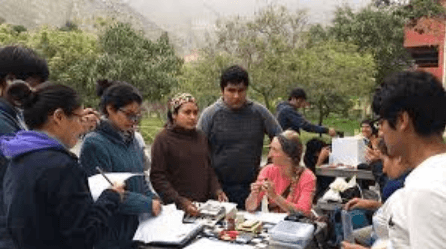
A recent study on bird migration in the Philippines found that climate change changes when certain birds, like the Barn Swallow and Black-crowned Night Heron, migrate. The study suggests three actions:
Protect important habitats for migratory birds.
Do more research to track changes in migration patterns over the next ten years.
Get local communities involved in bird monitoring and conservation.
Based on this information, which action should be prioritized to effectively address the impacts of climate change on bird migration?