Loading...


PLACES IN THE CITY
Quiz by THE ENGLISH CLUB AD
Customize this quiz to suit your class
Instantly translate to 100+ languages
Tag the questions with any skills you have. Your dashboard will track each student's mastery of each skill.
Give this quiz to my class
What's this?

park
Hospital
Apartment
shop
What's this?
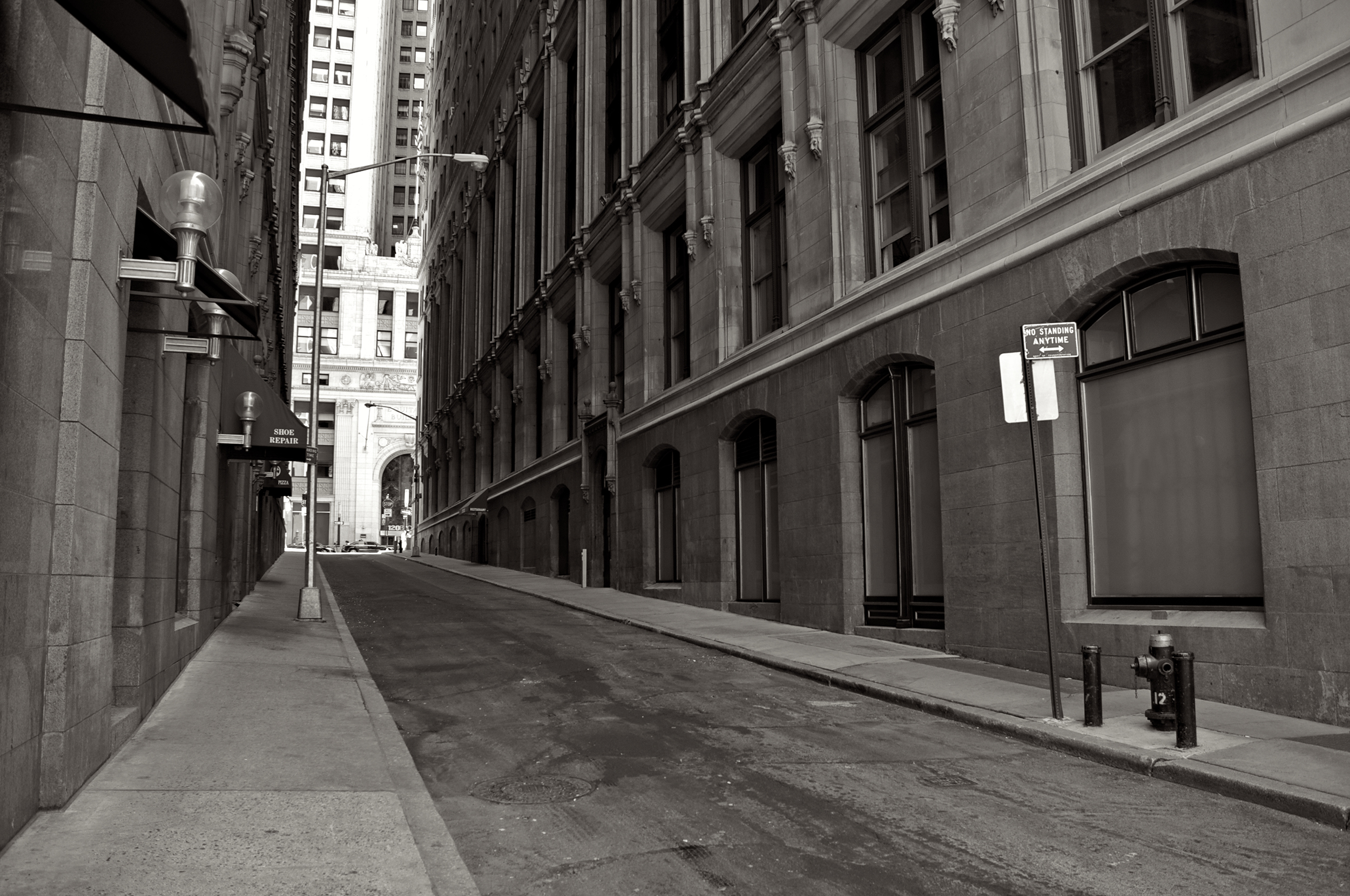
flat
Park
cafè
street
What's this?

What's this?
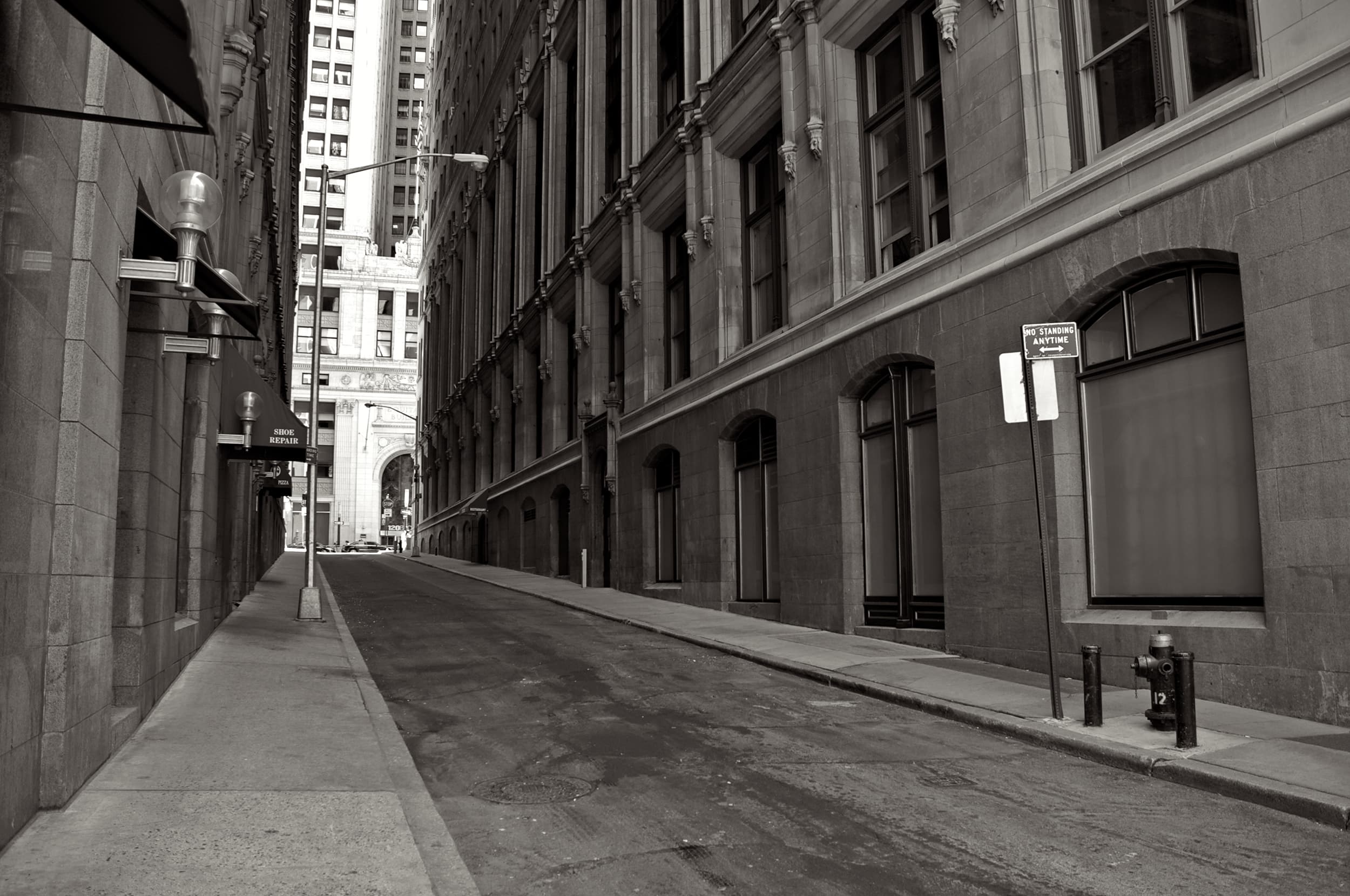
What's this?

What's this?
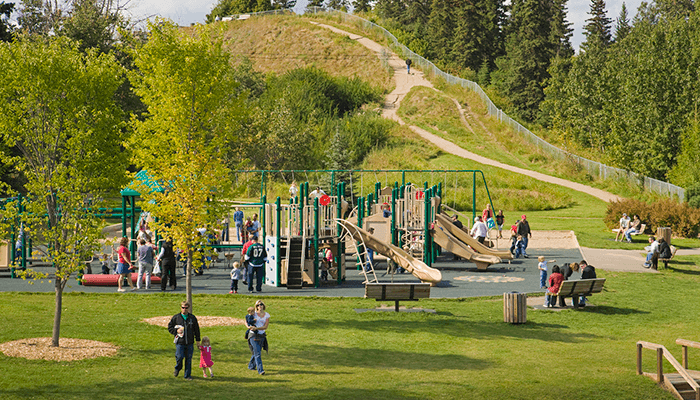
What's this?

What's this?
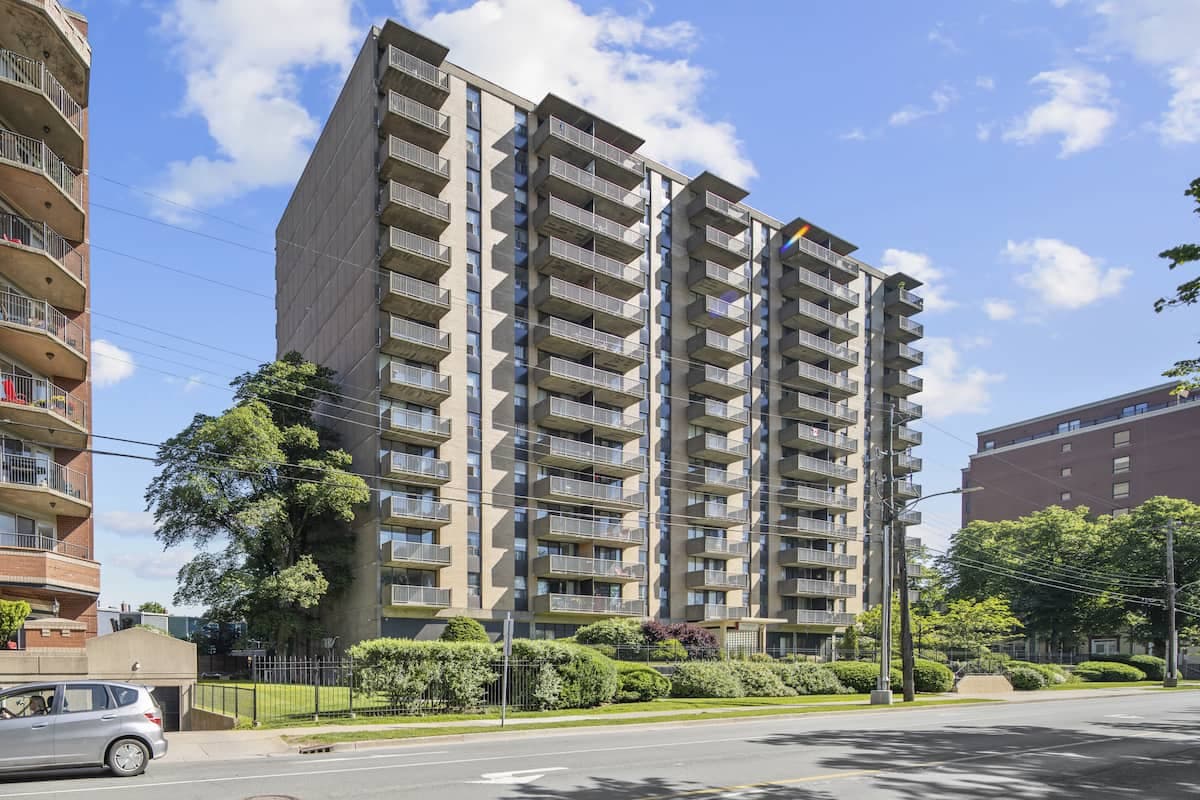 Places in the city in SpanishPlaces in the city 2Realidades 2 3A Places in the CityOptimise B1+, Unit 4, Places in the City What does the National Youth Theatre do? The National Youth Theatre organizes lots of exciting events. In 2006, the organization celebrated its 50th birthday. On the 10th of September, 2006, the members of the National Youth Theatre performed a show in Trafalgar Square, London. The show was on the same date as the National Youth Theatre's first play, fifty years before. The show started at midday, with a parade through the city to Trafalgar Square. Then about 1,500 young actors filled the square with lots of colourful and exciting performances. The smaller performances lasted until 8pm and then there was a final, special performance with amazing music and lights. The show was a great success. In 2007, the NYT started a special season called Generation ID Season. The members of the NYT worked on plays, films and even computer programs to show what life is like for young people today. The NYT does not only perform plays in the UK. The organization often travels to major cities in other countries to perform. The NYT has been to New York, Moscow, Paris, Berlin, Madrid and to lots of places in Holland and Norway. In 2008, the National Youth Theatre travelled to China and 25 members of the organization sang the British National Anthem to an audience of 91,000 at the Beijing Olympics. People all around the world watched their performance on television. This was a special performance because London will be the next city to hold the Olympic Games. Members of the NYT also performed Shakespeare's play, The Merchant of Venice, in Beijing.Where Is It? Russia is a very big country. It is the largest country in the world almost twice as big as the United States. Russia is part of both Europe and Asia. Moscow is the capital of Russia. It is a big city in the European part of the country. More than twelve million people live there. The Russian president lives in a famous group of buildings in Moscow. People. Most people in Russia live and work in cities. The main language is Russian. In the country, jobs have to do with the land and the sea. For example, many people fish, mine oil and coal, and cut trees for wood. Sports such as soccer and ice hockey are popular in Russia. Russia is famous for music and a kind of dance show called ballet. Swan Lake is a famous Russian ballet. Land. The land in Russia is mainly low flatlands, high flatlands, and mountains. The deepest lake in the world, Lake Baikal, is in Russia. Russia has frozen flatlands in the north and wide grassy lands in the south. In between are huge forests. Russia is a cold country, and it is home to the coldest village in the world. But many places in Russia also have beautiful summers. History. In the past, czars, or emperors, ruled Russia. During that time, the peasants in Russia were unhappy. They didn't like the way the czars ruled the people. They fought in 1917 to change their country's ways. After the fight, Russia took control of a group of other nearby countries. Together they formed the Union of Soviet Socialist Republics (USSR). The USSR had many problems, so it broke up in 1991. Today, Russia has a president. Celebrations. Many people celebrate Christmas and Easter in Russia. On Easter, they eat cakes and paint hard-boiled eggs. Russian Easter egg Russians also have a holiday to celebrate the end of winter. For this holiday, people eat pancakes with butter. They also have fun with sleigh rides and snowball fights. Food. A popular soup in Russia is famous around the world. People make the soup from beets and other vegetables. Beets are red, so the soup also has a red color. Many Russians like a homemade drink. The drink has a sour flavor. Conclusion Russia is home to both crowded cities and wild forests. Russia has a long, rich history and many interesting things to do. The Russian people value the traditions of their beautiful homeland.Ideas for more sustainable cities In 2020. over 56% of the world s population lived in urbon arcos. Cities are becoming more and more popular. But why isn't rural life as attractive as city life? The main reasons include work. lifestyle education and Sea th in cities there ore more fun things to see and do, like art galleries, concert hails and sports stadiums, There are a so better hospitals, transport na anueners However, as cities become more overcrowded, they get more polluted. For this reason, urban residents want to make their cities more sustainable. But how? Here are five ways: 1 New York's Central Pork is an island of green in a forest of skyscrapers. City parks like these provide people with a peaceful ploce to connect with nature. and o quiet area for exercise. 2 The moming and evering tush hours lare the busest times in the city. When people commute* to and from work or school, they need frequent, fast public transport, like trams and underground troins. Transport should also be as cheap as possible - and accessible to those with less mobility, like older people or wheelchair users. 3 Cities need pleasant places for people to meet and so shopping. So they should have more pedestr on zones, like in Copenhagen, Denmark, Copenhagen has the world's longest pedestrion street. It's almost 3.2 km long! Pedeston aones encourage ' people to go shopping on foot, instead of driving to shopping malls. 4 1 kes are often the quickest and most susta nable. way to get around, but mony city streets are frenetic and dangerous. Sa susto nable cities have cycle paths, as well as public bikes ond e scooters. They alto have hybrid buses and lots of car charging points. 55 Cities need to encourage residents to care about the environment, with fun ecological exhibitions" and events. The Supertree Gardens in Singapore are amazing, ver fal botanic gardens. They are 50 metres high and the /se solor energy. Eco-festivols - lIke Terroformo in Milan, Italy, and the Secret Solstice in Reykjavik, Iceland - use solar and geothermol energy. They're some of the most sustoinable festiois in the wortdIn a single domesticated grain seed, one might see the bud of great civilizations. The birth of agriculture was a turning point in humans' social development, as stable food supplies enabled people to transcend the constraints of food gained by hunting and gathering. After that, people were able to settle down and experience population booms. As one of the major areas around the globe where agriculture originated, China has contributed to the world's domesticated rice, millet, buckwheat and soybeans. Archaeological studies have unveiled that the planting of rice originated around 10,000 years ago in the lower reaches of the Yangtze River, leading to the eventual replacement there of hunting and gathering practices dating back 5,000 to 6,000 years. "It marked the formation of a rice-based agricultural society in the area," said Zhao Zhijun, an archaeologist at the Chinese Academy of Social Sciences. Archaeological studies of the origins of rice-based agriculture are an important part of a national project tracing the origins of Chinese civilization itself. President Xi Jinping has greatly valued the project. At a group study session of the Political Bureau of the Communist Party of China Central Committee on May 27, 2022, Xi, who is also general secretary of the CPC Central Committee, emphasized the significance of the project and the role that archaeological studies play in better understanding Chinese civilization. The project to trace the origins of Chinese civilization, in addition to finding signs of human activity more than 1 million years ago, has also proved that China's history includes 10,000 years of culture and more than 5,000 years of civilization. The project has provided clear knowledge of the origins and formation of Chinese civilization, the history of its development, the process of the formation and development of its pluralistic and integrated pattern, and the characteristics of the civilization and why it was formed in such a way, he added. This was not the first time that Xi emphasized the importance of the origin-tracing project. Since the 18th National Congress of the CPC in 2012, Xi has toured more than 100 historical and cultural locations and issued many instructions related to archaeology and the origin-tracing project. During the 23rd group study session of the Political Bureau of the CPC Central Committee in 2020, Xi called for giving more attention to archaeological research and letting historical facts speak for themselves. "This will provide strong support for our efforts to carry forward the best of traditional Chinese culture and increase our cultural confidence," said Xi. The origin-tracing project has been carried out since 2002. Its ongoing fifth phase, which started in 2020, involves the participation of more than 500 researchers from 29 institutes across the country. It primarily centers on several ancient capital sites, including the Liangzhu site in Hangzhou, Zhejiang province, the Taosi site in Xiangfen county, Shanxi province, the Shimao site in Shenmu, Shaanxi province, and the Erlitou site in Luoyang, Henan province, from 3,500 to 5,500 years ago, as well as other settlements mainly along the basins of the Yellow, Yangtze and Liaohe rivers. The project has also expanded to a wider geographic and chronological framework to decode how Chinese civilization emerged and how its diverse elements formed a unity. Excavation of the Liangzhu site, which is over 5,000 years old and is one of the major sites covered in the origin-tracing project, has yielded an inner city covering 3 million square meters and an outer city of 6.3 million sq m, making it the world's largest capital at the time. It also had a giant water control system, which contributed to the formation of a rice-based agricultural society. By calculating the earthwork volume, archaeologists found that building the entire ancient city, the water control system and Mojiaoshan — a 10-meter-tall man-made terrace in the center of the city — required 10,000 people working daily for seven-and-a-half years. The discoveries show that Liangzhu had a kingship able to organize people for large-scale public construction, and its social differentiation, emergence of the city concept and existence of a kingship prove that it became a civilized society, said Wang Wei, a veteran archaeologist at the Chinese Academy of Social Sciences. Significant topic Wang said that tracing the origins of a civilization is a significant topic in the research of human history. Over the years, the Chinese project has provided China's answer to how to define civilizations. In 2022, Xi commended the efforts and stressed that the project has made creative contributions to the research on tracing the origins of the world's civilizations. Wang said: "International academia has proposed three indispensable elements for a civilized society based on features of Mesopotamian and Egyptian civilizations: written characters, metallurgy and the city concept. But we can find that some of the three elements were absent in many ancient civilizations. For example, the Mayan civilization had no metallurgy, while the Incan civilization didn't have written characters." Western scholars believe that Chinese civilization began with the Yinxu Ruins in Anyang, Henan province, a capital of the late Shang Dynasty (c.16th century-11th century BC), based on the discovery of inscribed oracle bones from that time. However, Chinese archaeologists don't agree. With continued archaeological research, international academia now believes that places around the world can propose criteria for civilization based on their own ancient social development. China's archaeological studies have shaped the nation's criteria in defining a civilization: the development of productivity, an increase in population, the appearance of cities, social differentiation and the emergence of kingship and state. "These criteria are suitable for identifying other civilizations as well," said Wang. "Civilizations have in common the appearance of kingship and state. They are only different in the ways of imposing kingship and the forms of state." In China, kingship and state "were shown by exquisite jade and bronze ritual artifacts, grand palaces and magnificent mausoleums imitating aboveground palaces", he added. "In Mesopotamia and ancient Egypt, they were demonstrated through superb stone temples, pyramids and large-scale tombs." Multidisciplinary subject President Xi said in 2020 that archaeologists should work closely with researchers from other fields to make an interpretive analysis of material remains. Zhang Chi, a professor of archaeology at Peking University, said that since material remains are often the research focus of archaeological studies, these should not only be observed with the eyes, but also studied using scientific and technological tools. Therefore, from the perspective of research methods, archaeology is by nature a multidisciplinary subject, Zhang added.