Loading...


Police Departments
Quiz by Wafaa Aloush
Customize this quiz to suit your class
Instantly translate to 100+ languages
Tag the questions with any skills you have. Your dashboard will track each student's mastery of each skill.
Give this quiz to my class
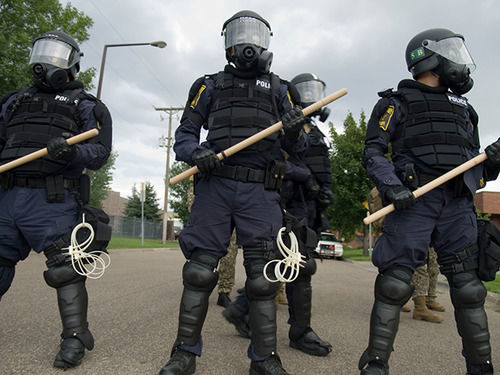



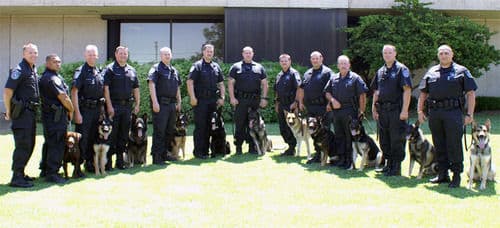



 Community Government Introduction. A community is a place where people live, work, and play. A community can be large, like a city, or small, like a town or village. People run their community with a government. The people in the government are part of the community. City Government Leaders. The mayor is the leader of the community. If someone wants to be mayor, he or she runs in an election. When people vote, they make a choice. People vote for a mayor in an election every two or four years. People vote for the person they think will be the best mayor. The person with the most votes becomes mayor. The mayor is in charge of many departments, such as the police department and the fire department. The mayor is usually in charge of the town or city council. The council decides how money is spent in the community. It might spend money to build or fix roads, buildings, and parks. It has meetings for people to talk about ideas for the community. Laws in a Community. The mayor and council also work together to make laws. Laws are important. A community needs laws to keeр people safe and keep the community clean. Some laws say how fast cars can go on the roads. Other laws say people must not throw their trash on the ground. Police officers make sure people follow the laws. They also help people who are in trouble. When people break the laws, they may go to court. In court, a judge or a jury decides whether someone broke the law. A judge is the head of the court. A jury is a group of people from the community. The jury listens to both sides and decides whether someone broke the law. Sometimes there is no jury, and the judge decides. If the judge or jury decides that someone broke the law, the judge decides the punishment. Other Jobs in the Community Other people in the government also help the community. Firefighters put out fires and help people get away from fires. Emergency workers help people who are sick or hurt. They may take people to a hospital. Conclusion. The community government is important. It makes a difference in the lives of people every day. The government gives people in a community a good and safe place to live. People can make a difference in their government, too. They can run in an election. They can vote. They can speak at community meetings. They can also offer to help in parks and other places. What can you do to make a difference?Fed. 51: To the People of the State of New York: TO WHAT expedient, then, shall we finally resort, for maintaining in practice the necessary partition of power among the several departments, as laid down in the Constitution? The only answer that can be given is, that as all these exterior provisions are found to be inadequate, the defect must be supplied, by so contriving the interior structure of the government as that its several constituent parts may, by their mutual relations, be the means of keeping each other in their proper places. Without presuming to undertake a full development of this important idea, I will hazard a few general observations, which may perhaps place it in a clearer light, and enable us to form a more correct judgment of the principles and structure of the government planned by the convention. In order to lay a due foundation for that separate and distinct exercise of the different powers of government, which to a certain extent is admitted on all hands to be essential to the preservation of liberty, it is evident that each department should have a will of its own; and consequently should be so constituted that the members of each should have as little agency as possible in the appointment of the members of the others. Were this principle rigorously adhered to, it would require that all the appointments for the supreme executive, legislative, and judiciary magistracies should be drawn from the same fountain of authority, the people, through channels having no communication whatever with one another. Perhaps such a plan of constructing the several departments would be less difficult in practice than it may in contemplation appear. Some difficulties, however, and some additional expense would attend the execution of it. Some deviations, therefore, from the principle must be admitted. In the constitution of the judiciary department in particular, it might be inexpedient to insist rigorously on the principle: first, because peculiar qualifications being essential in the members, the primary consideration ought to be to select that mode of choice which best secures these qualifications; secondly, because the permanent tenure by which the appointments are held in that department, must soon destroy all sense of dependence on the authority conferring them. It is equally evident, that the members of each department should be as little dependent as possible on those of the others, for the emoluments annexed to their offices. Were the executive magistrate, or the judges, not independent of the legislature in this particular, their independence in every other would be merely nominal. But the great security against a gradual concentration of the several powers in the same department, consists in giving to those who administer each department the necessary constitutional means and personal motives to resist encroachments of the others. The provision for defense must in this, as in all other cases, be made commensurate to the danger of attack. Ambition must be made to counteract ambition. The interest of the man must be connected with the constitutional rights of the place. It may be a reflection on human nature, that such devices should be necessary to control the abuses of government. But what is government itself, but the greatest of all reflections on human nature? If men were angels, no government would be necessary. If angels were to govern men, neither external nor internal controls on government would be necessary. In framing a government which is to be administered by men over men, the great difficulty lies in this: you must first enable the government to control the governed; and in the next place oblige it to control itself. A dependence on the people is, no doubt, the primary control on the government; but experience has taught mankind the necessity of auxiliary precautions. This policy of supplying, by opposite and rival interests, the defect of better motives, might be traced through the whole system of human affairs, private as well as public. We see it particularly displayed in all the subordinate distributions of power, where the constant aim is to divide and arrange the several offices in such a manner as that each may be a check on the other that the private interest of every individual may be a sentinel over the public rights. These inventions of prudence cannot be less requisite in the distribution of the supreme powers of the State. But it is not possible to give to each department an equal power of self-defense. In republican government, the legislative authority necessarily predominates. The remedy for this inconveniency is to divide the legislature into different branches; and to render them, by different modes of election and different principles of action, as little connected with each other as the nature of their common functions and their common dependence on the society will admit. It may even be necessary to guard against dangerous encroachments by still further precautions. As the weight of the legislative authority requires that it should be thus divided, the weakness of the executive may require, on the other hand, that it should be fortified. An absolute negative on the legislature appears, at first view, to be the natural defense with which the executive magistrate should be armed. But perhaps it would be neither altogether safe nor alone sufficient. On ordinary occasions it might not be exerted with the requisite firmness, and on extraordinary occasions it might be perfidiously abused. May not this defect of an absolute negative be supplied by some qualified connection between this weaker department and the weaker branch of the stronger department, by which the latter may be led to support the constitutional rights of the former, without being too much detached from the rights of its own department? If the principles on which these observations are founded be just, as I persuade myself they are, and they be applied as a criterion to the several State constitutions, and to the federal Constitution it will be found that if the latter does not perfectly correspond with them, the former are infinitely less able to bear such a test. There are, moreover, two considerations particularly applicable to the federal system of America, which place that system in a very interesting point of view. First. In a single republic, all the power surrendered by the people is submitted to the administration of a single government; and the usurpations are guarded against by a division of the government into distinct and separate departments. In the compound republic of America, the power surrendered by the people is first divided between two distinct governments, and then the portion allotted to each subdivided among distinct and separate departments. Hence a double security arises to the rights of the people. The different governments will control each other, at the same time that each will be controlled by itself. Second. It is of great importance in a republic not only to guard the society against the oppression of its rulers, but to guard one part of the society against the injustice of the other part. Different interests necessarily exist in different classes of citizens. If a majority be united by a common interest, the rights of the minority will be insecure. There are but two methods of providing against this evil: the one by creating a will in the community independent of the majority that is, of the society itself; the other, by comprehending in the society so many separate descriptions of citizens as will render an unjust combination of a majority of the whole very improbable, if not impracticable. The first method prevails in all governments possessing an hereditary or self-appointed authority. This, at best, is but a precarious security; because a power independent of the society may as well espouse the unjust views of the major, as the rightful interests of the minor party, and may possibly be turned against both parties. The second method will be exemplified in the federal republic of the United States. Whilst all authority in it will be derived from and dependent on the society, the society itself will be broken into so many parts, interests, and classes of citizens, that the rights of individuals, or of the minority, will be in little danger from interested combinations of the majority. In a free government the security for civil rights must be the same as that for religious rights. It consists in the one case in the multiplicity of interests, and in the other in the multiplicity of sects. The degree of security in both cases will depend on the number of interests and sects; and this may be presumed to depend on the extent of country and number of people comprehended under the same government. This view of the subject must particularly recommend a proper federal system to all the sincere and considerate friends of republican government, since it shows that in exact proportion as the territory of the Union may be formed into more circumscribed Confederacies, or States oppressive combinations of a majority will be facilitated: the best security, under the republican forms, for the rights of every class of citizens, will be diminished: and consequently the stability and independence of some member of the government, the only other security, must be proportionately increased. Justice is the end of government. It is the end of civil society. It ever has been and ever will be pursued until it be obtained, or until liberty be lost in the pursuit. In a society under the forms of which the stronger faction can readily unite and oppress the weaker, anarchy may as truly be said to reign as in a state of nature, where the weaker individual is not secured against the violence of the stronger; and as, in the latter state, even the stronger individuals are prompted, by the uncertainty of their condition, to submit to a government which may protect the weak as well as themselves; so, in the former state, will the more powerful factions or parties be gradnally induced, by a like motive, to wish for a government which will protect all parties, the weaker as well as the more powerful. It can be little doubted that if the State of Rhode Island was separated from the Confederacy and left to itself, the insecurity of rights under the popular form of government within such narrow limits would be displayed by such reiterated oppressions of factious majorities that some power altogether independent of the people would soon be called for by the voice of the very factions whose misrule had proved the necessity of it. In the extended republic of the United States, and among the great variety of interests, parties, and sects which it embraces, a coalition of a majority of the whole society could seldom take place on any other principles than those of justice and the general good; whilst there being thus less danger to a minor from the will of a major party, there must be less pretext, also, to provide for the security of the former, by introducing into the government a will not dependent on the latter, or, in other words, a will independent of the society itself. It is no less certain than it is important, notwithstanding the contrary opinions which have been entertained, that the larger the society, provided it lie within a practical sphere, the more duly capable it will be of self-government. And happily for the REPUBLICAN CAUSE, the practicable sphere may be carried to a very great extent, by a judicious modification and mixture of the FEDERAL PRINCIPLE. PUBLIUS.Use this to make a quiz: Excellent! Using an online game is a fantastic way to boost engagement. Here is a list of scenarios you can use. I've designed them to be clear and concise for a game format. I've also added a few "challenge" scenarios at the end that could fit more than one theory to really get your students thinking critically. You can copy and paste these right into platforms like Kahoot!, Blooket, or Gimkit. --- ### **Scenarios for Your Online Game** **Instructions for Students:** Read the scenario and choose the theory that BEST explains why the crime was committed. 1. **Scenario:** An accountant has been secretly stealing small amounts of money from his clients' accounts for years. He has a system that he believes is foolproof, and he has calculated that the potential reward is worth the small risk of being caught. * **Best Fit:** Choice Theory 2. **Scenario:** A high school student who lives in a neighborhood with high unemployment and rundown buildings begins to vandalize property with a group of friends who feel ignored by the city. * **Best Fit:** Social Disorganization Theory 3. **Scenario:** A young woman desperately wants the new smartphone and designer clothes she sees all over social media, but she has no way to afford them. She decides to start stealing packages from front porches to get what she wants. * **Best Fit:** Strain Theory 4. **Scenario:** A man is arrested for assault after getting into a fight at a restaurant. His family tells the police that he has always had a "short fuse" and has struggled with anger and aggression since he was a child, a trait that his father also had. * **Best Fit:** Biological/Psychological Theory 5. **Scenario:** The youngest child in a family of well-known burglars is caught breaking into a house. When questioned, he says he learned everything he knows from watching and helping his older siblings. * **Best Fit:** Learning Theory 6. **Scenario:** A corporate executive is caught illegally dumping toxic waste to save his company money. He decided that the cost of proper disposal was too high and the chance of being caught was low. * **Best Fit:** Choice Theory 7. **Scenario:** After her parents' messy divorce, a teenager starts skipping school and shoplifting. A counselor suggests her actions stem from untreated anxiety and depression. * **Best Fit:** Biological/Psychological Theory 8. **Scenario:** In a community where the local factory closed down and police presence is low, a group of residents forms a vigilante group to "patrol" the streets, often resorting to violence and intimidation. * **Best Fit:** Social Disorganization Theory --- ### **Challenge Scenarios (Could fit multiple theories)** 9. **Scenario:** A college student starts selling forged concert tickets to pay for their tuition. They learned how to make the fake tickets from a video online and felt it was the only way to stay in school. * **Possible Answers:** Strain Theory (can't afford tuition), Learning Theory (learned online), Choice Theory (weighed the risks). 10. **Scenario:** A person living on the streets with no job prospects is arrested for stealing a warm coat from a department store during a blizzard. * **Possible Answers:** Strain Theory (no means to achieve the goal of being warm), Choice Theory (made a rational decision to steal to survive). These scenarios should give you great content for your game. Have fun with it, and let me know if you need any more!I. Introduction: A. Welcome and Purpose of Training Welcome to the ABA Clinic Fire and Evacuation Safety Training. The purpose of this training is to ensure the safety and well-being of everyone in the clinic by preparing staff for effective response to fire emergencies and evacuation situations. B. Importance of Evacuation and Fire Safety Understanding the gravity of evacuation and fire safety is paramount. Compliance with safety standards not only meets regulatory requirements but also safeguards the lives of our clients, staff, and visitors. II. Overview of Fire Safety Standards: A. Explanation of Relevant Fire Safety Codes and Standards Our clinic strictly adheres to [Insert Relevant Fire Safety Codes and Standards], including guidelines from the National Fire Protection Association (NFPA) and local fire authorities. Familiarity with these standards is essential for maintaining a safe environment. B. Importance of Compliance Compliance with fire safety standards is a commitment to the well-being of our community. It sets the foundation for a secure and prepared clinic, ensuring a proactive approach to fire safety. III. Fire Prevention Measures: A. Identifying Fire Hazards in the Clinic Regular inspections, conducted quarterly, will identify potential fire hazards, including faulty wiring, overheating equipment, or improperly stored flammable materials. Staff is encouraged to report any potential hazards immediately. B. Proper Storage of Flammable Materials Flammable materials are stored in designated areas equipped with fire-resistant cabinets and safety measures. These areas are clearly marked, and staff is trained on proper storage procedures. C. Electrical Safety Tips Staff is trained to recognize and report any electrical issues promptly. Furthermore, electrical equipment undergoes regular maintenance checks to prevent electrical fires. D. Smoking Policy Smoking is strictly prohibited within the clinic premises. Designated smoking areas, equipped with fire-resistant receptacles, are provided outside the building, ensuring compliance with safety regulations. IV. Emergency Communication: A. Overview of Communication Systems Our clinic utilizes a robust communication system, including intercoms and a mass notification system, to relay emergency information promptly to all staff members. B. Designation of Emergency Contacts Emergency contact information for all staff members is regularly updated. Designated individuals are responsible for initiating emergency communication and ensuring all staff are informed. C. Internal Communication Protocols Clear internal communication protocols are established, outlining the chain of command and communication channels during emergency situations. Staff members are familiarized with these protocols during onboarding. V. Evacuation Procedures: A. Evacuation Routes Evacuation routes are clearly marked throughout the clinic, indicating the shortest and safest paths to exit points. These routes are reviewed annually and updated as needed. B. Emergency Exits and Assembly Points Staff is familiarized with the location of emergency exits and assembly points during regular drills. These drills, conducted quarterly, ensure that all staff are well-practiced in evacuation procedures. C. Evacuation Drills Evacuation drills are conducted quarterly, simulating various emergency scenarios. These drills include scenarios involving individuals with special needs, ensuring staff are equipped to assist everyone during evacuations. D. Assistance for Individuals with Special Needs Staff members receive specialized training on providing assistance to individuals with special needs during evacuations. This includes utilizing evacuation chairs, providing verbal guidance, and ensuring a calm and supportive approach. VI. Fire Extinguisher Training: A. Types of Fire Extinguishers Staff is trained on the different types of fire extinguishers available in the clinic, including ABC and CO2 extinguishers. Training includes recognizing the appropriate use for each type. B. Proper Use and Handling Hands-on demonstrations are provided to staff, allowing them to practice the proper use and handling of fire extinguishers. Emphasis is placed on safety precautions, including maintaining a safe distance and using the PASS method (Pull, Aim, Squeeze, Sweep). C. Location of Fire Extinguishers in the Clinic A map indicating the locations of all fire extinguishers is prominently displayed throughout the clinic. Staff is familiarized with these locations during training sessions. VII. Emergency Response Team: A. Designation of Emergency Response Team Members An Emergency Response Team is designated, comprising individuals from different departments. Team members receive specialized training and are identified by distinctive vests during emergencies. B. Roles and Responsibilities Clear roles and responsibilities for Emergency Response Team members are outlined in the Emergency Response Plan. This includes responsibilities such as assisting with evacuations, providing first aid, and coordinating with emergency services. C. Training for First Aid and CPR Emergency Response Team members receive regular training in first aid and CPR. Training sessions are conducted semi-annually to ensure team members are proficient in life- saving techniques. VIII. Mock Scenarios: A. Conducting Simulated Fire Drills Simulated fire drills are conducted quarterly, involving all staff members. These drills include various fire scenarios, such as small fires, smoke-filled areas, and evacuations of different areas within the clinic. B. Addressing Various Emergency Scenarios Staff members engage in discussions and practical exercises addressing various emergency scenarios, fostering a proactive mindset. Scenarios include power outages, medical emergencies, and coordination with external emergency services. C. Feedback and Improvement Strategies Feedback from drills is collected and analyzed to identify areas for improvement. Regular meetings are held to discuss feedback and implement necessary changes to enhance emergency response strategies. IX. Documentation and Record-Keeping: A. Importance of Documentation Accurate and detailed documentation of all safety-related activities is maintained, including inspection reports, drill records, and incident reports. This documentation is crucial for compliance and continuous improvement. B. Incident Reporting Procedures Staff is trained on the proper procedures for reporting incidents. Incident reports include details such as the nature of the incident, individuals involved, and actions taken. A designated individual reviews and addresses incident reports promptly. C. Regular Audits and Reviews Regular audits and reviews of safety procedures are conducted annually by an external safety consultant. This ensures that the clinic's safety protocols align with the latest standards and identifies areas for continuous improvemeHEALTH EDUCATION 3. SPECIFIC OBJECTIVES: Students should able to know about_______ 1. definition of health education 2. aims of health education 3. objectives of health education 4. principles of health education 5. scope of health education 6. planning of health education 7. steps in planning health education 8. levels of health education 9. doctors s responsibility 4. INTRODUCTION: Health education is a term frequently used by health care professional. its aims at individual and community health. Health education is the translation of what is known about health into desirable individual and community behaviour pattern by means of an education process. Definition: “A process aimed at encouraging people to want to be healthy , to know how to stay healthy, to do what they can individually and collectively to maintain health And seek help when needed”. OBJECTIVES - To inform people or disseminate scientific knowledge about prevention of disease and promotion of health - To motivate people to change their habits and lifestyle that are harmful to their health also motivate people to adopt habits and ways of living conducive to healthy living. - To guide the people who need help to adapt and maintain healthy practices and lifestyle by showing proper community resources. --- PRINCIPLES OF HEALTH EDUCATION - Credibility Of Message: It is the degree to which the message to be communicated is perceived as trustworthy by the receiver. - Creating interest among participants: It is a psychological principle that people are unlikely to listen to things that are not of their interest. If a health programme is based on the felt needs, people will participate in the programme willingly. - Motivating the participants: Motivation is like a petrol engine that drives the mental engine. It is the fundamental desire in every person to learn. Motivation is contagious; one motivated person may spread motivation throughout the group. 13. - Enhance comprehension of content: It means health education should be based on the level of understanding, education and literacy of people at whom the teaching is directed. Teaching should be within the mental capacity of the audience. - Ensure reinforcement: Repetition at intervals is necessary to promote learning. Without reinforcement and feedback, students can go back to the pre-awareness stage. - Encourage active participation: Health education should aim at encouraging people to work actively with health workers and others in identifying their own health problems and also in developing solutions. 14. - Learning by doing: Teaching is effective when individuals actively participate in health education. Learning becomes active and quicker if the individuals are made active physically as well as psychologically. - Known to unknown: The people in a community know something and the health educator enlarges this knowledge. If the health educator links new knowledge with the old knowledge, it can enhance learning. - Maintaining good human relations: Sharing of information, ideas and feelings happens most easily between people who have a good relationship. 15. - Setting an example: The health educators should set a good example in the topic they are dealing with as it fosters better understanding. - Regular feedback: Feedback is one of the key concepts of the system approach. The health educator can modify the elements of the system in light of the feedback from his audience. For effective communication, feedback is of paramount importance - Efficient leadership: Leaders are agents of change and they can be made use of in health education work. Psychologists have shown and established that we learn best from people we respect and regard. 16. The essential attributes of a leader are as follows - Understands the needs of the community. - Provides proper guidance. - Takes initiative. - Is receptive to the views and suggestions of people. - Identifies himself with the community. Is selfless, honest, impartial, considerate and sincere. - Is easily accessible to people. 17. SCOPE OF HEALTH EDUCATION 1. Nutrition 2. Hygiene 3. Family health 4. Disease prevention and cantrol 5. Psychological health 6. Prevention of accident 7. Use of health services 8. Human biology 19. - Nutrition: The aim of nutrition education is to guide people to choose optimum and balanced diets, remove prejudices and promote good dietary habits. nutrition education is a major intervention for the prevention of malnutrition, promotion of health and improving the quality of life. 20. - Hygiene: This has two aspects: personal and environmental. Personal: The aim of personal hygiene is to promote standards of personal cleanliness . Environmental: Has two aspects: Domestic and community. All environmental sanitation programmes should include health education 21. - Family health: The family is the first defence as well as the chief reliance for the well-being of its members. One of the main tasks of health education is to promote family self-reliance, especially regarding the family's responsibilities in child bearing, child rearing, self-care and in influencing their children to adopt a healthy lifestyle. 22. - Disease prevention and control: Drugs alone will not solve health problems. Without health education, a person may fall sick again and again from the same disease. Educating the people about the prevention and control of locally endemic diseases is the first of the eight essential activities in primary health care. 23. - Psychological health: Psychological health problem can occur everywhere. There is a tendency to an increase in the prevalence of psychological diseases when there is a change in society from agriculture to an industrial economy and when people move from the warm intimacy of a village. 24. - Prevention of accidents: Accidents are a feature of the complexity of modern life. Accidents can occur in home, road and place of work. The predominant factor in accidents is carelessness that can be tackled by health education. 25. - Use of health services: Many people, particularly in rural areas, do not know what health services are available and many more do not know. There is a communication gap between the public and state health administration in the form of feedback for further improvement of health services. One of the declared aims of health education is to inform people about the health services available in their community. 26. PLANNING FOR HEALTH EDUCATION planning: is the process of making thoughtful and systemic decision about what needs to be done , how it has to be done, by whom And with what sources. 27. Principles of planning health education 1) Focus on actual current needs and context of community: It is important that plans are made with the needs and context of the community in mind. Health education should try to understand what is currently happening in the community one works in. 2) Plan for basic needs and interest of the community: Consider the basic needs and interests of the community. If the local needs and interests are not kept under consideration, the plans may not be effective. 28. 3) Planning with actual beneficiaries of health education: Plan with the people involved in the implementation of an activity. If people are included in planning, they will be more likely to participate and the plan will be more likely to succeed. 4) Identify and use all relevant community resources: It is essential that the health educator identify all the relevant resources that are locally available which could be used for benefit of people receiving the health education. 29. 5) Follow principle of flexibility: Planning should be flexible, not rigid. One should be able to modify the plans when necessary. For example, you would have to change your priorities if a new problem needing an urgent response arose. 6) A realistic plan not hypothetical: The planned activity should be achievable and take into consideration the financial, personal resources available and time constraints. Planning must be realistic; do not plan unachievable activities. 30. Steps in planning health education Planning is a continuous process. It does not just happen at the start of project . Health education must be well planned to actually improve and promote individual, family and community health 31. - Needs assessment: Conducting needs assessment is the first and probably the most important step in any successful planning process. assessment is the process of identifying and understanding the health problems of the community and their possible causes. - Identify priorities: After identifying the needs and resources of the community, the next is to identify their priorities because each community may have several problems but the urgent have to be given top priority in health education. For example: goitre 32. - Set the goals and objectives: In planning the process of health education, setting goals and objectives is the third and most essential step because these goals and objectives serve as consciously thought baseline parameters to be achieved during health education. - Develop strategies: Prior to the implementation of the health education intervention one must plan, develop and evaluate the several alternative strategies to achieve the set goals and objectives of health education because each problem and target community is quite unique. 33. - Implementation: This is the core phase of the health education process which includes carrying out the planned strategies so that the set goals and objectives of health education may be achieved. - Monitor and evaluation: This is the final step of the planning process of health education where continuous monitoring as well as end evaluation is carried out to ensure the degree to which stated goals and objectives have been achieved. 34. LEVELS/APPROACH OF HEALTH EDUCATION 35. INDIVIDUAL LEVEL - Individual Approach: The health education must first create an atmosphere of friendship and allow the individual to talk as much as possible. In this individual teaching we can discuss, argue and persuade the individual to change his behaviour. But by this we can reach to a small population and who come in contact with us. Methods of individual health education 1) Home visit 2) Personal contact/ counselling 3) Personnel letters 36. 1) Home visit: A home visit is one of the best approaches for individual health education because it can become one of the best opportunities for health education with individuals and their families. Home visits are important to understand the real background of families, their living conditions and the environment in which they live. 37. 2) Personal contact/counseling : Personal contacts or counselling (one-to-one communication) is a helping process where one person explicitly and purposefully gives his or her time to assist people explore their situations and act on a solution. After this the counsellor needs to work together with the person to find solutions that are appropriate to their situation. 38. 3) personal letters: Personal letters may also be used for individual health education, where health educators may get an opportunity to dispatch letters or printed education material to the people in a target community. 39. GROUP LEVEL Group health education may be useful way to deliver health education massages in efficient manner. A well organized group permits sharing of experiences and skills so that people are able to learn from each other. 40. Methods of group discussion 1)Lecture method: (Chalk & Talk ) A lecture may be defined as carefully prepared oral presentation of facts organized thoughts and ideas by a qualified person. The group should not be more than 30 and talk should not exceed 15-20 minutes. By using suitable audiovisual aids. 2) Group discussion: A group is an aggregation of people interacting in a face to face situation. It is a very effective method of health communication. 41. 3) Demonstration: A demonstration is a carefully prepared presentation to show how to perform a skill. This procedure is carried out step by step before an audience. 4) Panel discussion: In a panel discussion 4-8 qualified persons talk about the topic. Sit and discuss a given topic in front of a large group/audience. The chairman opens the meeting. Panel comprises of a chair person and 4-8 speakers. After the main aspect of the subject are explored, the audience is invited to take part. 42. 5) Symposium: It is a series of speeches on a selected subject. Each expert person present it briefly and at the end of session the chair person make a comprehensive summary. Audience are allowed to raise question. 6) Workshops : It consists of series of meetings usually 4 or more with emphasis on an individual work, within the group and with the help of consultants and response personnel. 7) Role play: This is a brief acting out of an actual situation for the benefit of the audience for better understanding. 43. 8) Conference and seminars: This programmes are usually held on a regional, state/national level. Where several experts from different disciplines meet to deliberate on a particular theme, to appraise others of latest knowledge and research in a particular field. 9) Open forum: It refers to the public meeting which are held for various purposes in the community, for example: gram sabha 44. COMMUNITY LEVEL It is meant for a defined community and is not only to create awareness but also to help people understand their health problems and needs, find alternatives solutions to their problems and needs , implement them, evaluate and get feedback and accordingly do the needful. For health education at the community level, it is better to approach local leaders who are influential and who have the people’s confidence. These may include local officers such as gramsevak, panchayat sarpanch ,police officer or block development officer etc . 45. HOSPITAL LEVEL 1) Health Education in OPD/Outdoor: The patient and his attendants have to spend a lot of time in the outpatient department for health check-up, treatment, registration, diagnosis, admission procedure etc. This period can be utilised for health education. For this, the following means/devices can be used: - Exhibiting pictures, posters, charts, bulletin board and models in the waiting hall. - Arranging group discussion, slide show, or documentary film in a proper place and on a proper topic. - Giving health education on a personal level in the consulting room. This mainly includes nutrition clinic, family planning clinic, psychiatric clinic etc. 46. - Distributing pamphlets. - Arranging street plays or nukkad naatak in the outpatient department or its neighbourhood. 47. 2) Health Education in wards/ IPD: While taking care of the patients the indoor patients, doctors s have the opportunities to educate them. This period can be fully utilised to give health education to the patients. For this the following methods can be effective: - Conversation with the patient and motivating him for change in his behaviour. - Imparting health education by arranging live demonstration for nutrition, treatment, diagnosis etc. - Providing clinical or bedside teaching. - Providing incidental teaching to patient and his attendants. 48. - Presenting examples. To describe the gains of health education in an individual suffering from the same health education in an individual suffering from the same disease and arranging a meeting between the patient and the cured old patients.GUIDELINES ON THE ESTABLISHMENT AND IMPLEMENTATION OF THE RESULTS-BASED PERFORMANCE MANAGEMENT SYSTEM IN THE DEPARTMENT OF EDUCATION I. Rationale 1. The Civil Service Commission (CSC), through the issuance of Memorandum Circular (MC) No. 06, series of 2012, sets the guidelines on the establishment and implementation of the Strategic Performance Management System (SPMS) in all government agencies. The SPMS gives emphasis to the strategic alignment of the agency’s thrusts with the day-to-day operation of the units and individual personnel within the organization. It focuses on measures of performance vis-a-vis the targeted milestones, and provides a credible and verifiable basis for assessing the organizational outcomes and the collective performance of the government employees. 2. As a learner-centered institution, the Department of Education (DepEd) is committed to continuously improve itself to better serve the Filipino learners and the community. The adoption of the SPMS in DepEd strengthens the culture of performance and accountability in the agency, with the DepEd’s mandate, vision and mission at its core. 3. There is a need to concretize the linkage between the organizational thrusts and the performance management system. It is important to ensure organizational effectiveness and track individual improvement and efficiency by cascading the institutional accountabilities to the various levels, units and individual personnel, as anchored on the establishment of a rational and factual basis for performance targets and measures. Finally, it is necessary to link the SPMS with other systems relating to human resources and to ensure adherence to the principle of performance-based tenure and incentives. 4. In view of the above, this Order aims to adopt the SPMS as the Results-based Performance Management System (RPMS). II. Scope of Policy 5. This DepEd Order provides for the establishment and implementation of the RPMS in all DepEd schools and offices, covering all officials and employees, school-based and non school-based, in the Department holding regular plantilla positions. It stipulates the specific mechanisms, criteria and processes for the performance target setting, monitoring, evaluation and development planning. IV. Policy Statement 9. The DepEd hereby sets the guidelines on the establishment and implementation of the Results-based Performance Management System (RPMS) in the Department, stipulating the strategies, methods, tools and rewards for assessing the accomplishments vis-a-vis the commitments. This will be used for measuring and rewarding higher levels of performance of the various units and development planning of all personnel in all levels. 10. For non school-based personnel, the RPMS shall provide for an objective and verifiable basis for rating and ranking the performance of units and individual personnel in view of the granting of the Performance-Based Bonus (PBB) starting 2015. 11. For school-based personnel, the RPMS shall be used only as an appraisal tool, which shall be the basis for training and development. The granting of PBB shall be governed by the existing PBB guidelines. 12. The Department shall adopt the RPMS framework shown in Annex B. 13. The DepEd RPMS shall follow the four-stage performance management system cycle as prescribed by the CSC: i. Performance planning and commitment (Phase I); ii. Performance monitoring and coaching (Phase II); iii. Performance review and evaluation (Phase III); and iv. Performance rewarding and development planning (Phase IV). V. Performance Cycle/Process 14. The RPMS shall align the performance targets and accomplishments with the Department’s mandate, vision, mission and strategic goals. It shall ensure 100% results orientation vis-a-vis the planned targets. On the other hand, the ratee’s demonstration of the required competencies shall be monitored for developmental purposes only. 15. The RPMS cycle shall cover performance for one whole year. All school-based personnel shall follow a performance cycle starting in April of the current year and ending in March of the following year; while non school-based personnel shall follow a performance cycle starting in January and ending in December. Annexes C and D illustrate the performance cycles which shall apply to school-based and non school-based personnel, respectively. 16. The performance planning and commitment shall be done prior to the beginning of the performance cycle; while the performance monitoring and coaching shall take place immediately after Phase I, and continue throughout the performance cycle. The performance review and evaluation, as well as the performance rewarding and development planning shall be done at the end of the performance cycle. A. Phase I: Performance Planning and Commitment 17. The performance planning and commitment shall be done prior to the start of the performance cycle where the rater meets with the ratee to discuss and agree on the following: i. Office KRAs, Objectives and Performance Indicators as anchored to the overall organizational outcomes; and ii. Individual KRAs, Objectives and Performance Indicators as anchored to the Office KRAs and Objectives. 18. The Office Performance Commitment and Review Form (OPCRF) shall be accomplished by the head of office to reflect the Office KRAs, Objectives and Performance Indicators. The head of office, in coordination with the Planning Office, shall ensure alignment of the office plans and commitments to the overall organizational outcomes. The OPCRF shall be equivalent to the IPCRF of the head of office. A sample of the filled out OPCRF, including the instructions for accomplishing the form, is shown in Annex E. 19. The Individual Performance Commitment and Review Form (IPCRF) shall be accomplished by the individual personnel to reflect the agreed Individual KRAs, Objectives and Performance Indicators. A sample of the filled out IPCRF, including the instructions for accomplishing the form, is shown in Annex F. 20. Defining the Key Result Areas. The head of office, in coordination with the Planning Office, shall define the office KRAs as anchored on the overall organizational outcomes. The rater and the ratee shall discuss and agree on the break down of the office KRAs into individual KRAs. Three (3) to five (5) KRAs shall be defined for each office and individual employee. KRAs are broad categories of general outputs or outcomes. It is the mandate or function of the office and/or individual employee. The KRA is the reason why an office and/or job exist. It is an area where the office and/or individual employee are expected to focus on. 21. Setting the Objectives. The head of office shall set three (3) objectives per office KRA. The rater and the ratee shall discuss and agree on three (3) objectives per individual KRA. Objectives are specific tasks, which an office and/or employee need to do to achieve their specific KRAs. In objective setting, the SMART criteria, which stands for Specific, Measurable, Attainable, Relevant, Time Bound, shall be applied. The SMART criteria are illustrated in Annex G. 22. Setting the Timeline. The timeline shall define the target date for accomplishing each of the Objectives. The timeline for the office Objectives shall be set by the head of office in coordination with the Planning Office and School Planning Team; while the timeline for the individual Objectives shall be discussed and agreed by the rater and the ratee. 23. Assigning the Weight. Assigning of weights shall be done per KRA. Weights for each office KRA shall be assigned by the head of office in coordination with the Planning Office; while the weights for each of the individual KRAs shall be discussed and agreed upon by the rater and the ratee. 24. Identifying the Performance Indicators. Using a five (5)-point rating scale, the head of office shall identify a performance indicator for each of the office objectives, while the rater and the ratee shall identify and agree on the performance indicator for each of the individual objectives. Performance indicators are exact quantification of objectives expressed through rubrics. They are assessment tools, which gauge whether a performance is positive or negative. In identifying the performance indicator, the operational definition or meaning of each numerical rating shall be indicated under each relevant dimension (i.e., quality, efficiency, or timeliness) per performance target or success indicator. This shall ensure that the rating is objective, impartial and verifiable. Table 1 below discusses the performance measures by which the indicator must satisfy. Table 1. Performance Measures CATEGORY DEFINITION Effectiveness/Quality The extent to which actual performance compares with targeted performance. The degree to which objectives are achieved and the extent to which targeted problems are solved. In management, effectiveness relates to getting the right things done. Efficiency The extent to which time or resources is used for the intended task or purpose. Measures whether targets are accomplished with a minimum amount or quantity of waste, expense, or unnecessary effort. Timeliness Measures whether the deliverable was done on time based on the requirements of the rules and regulations, and/or clients/stakeholders. Time-related performance indicators evaluate such things as project completion deadlines, time management skills and other time-sensitive expectations. Some Performances are only rated on quality and efficiency, some on quality and timeliness, and others on efficiency only. You need not use all three (3) categories. 25. Demonstration of Competencies. During Phase I, the rater shall discuss with the ratee the competencies required of the individual personnel. Competencies are defined as the knowledge, skills and behavior that individuals demonstrate in achieving one’s results. Competencies shall uphold the DepEd’s core values. They represent the way individuals define and live the values. 26. DepEd shall adopt four classes of competencies as follows: i. Core behavioral competencies are competencies, which cut across the organization; ii. Leadership competencies are competencies intended for managerial positions; a. Third level officials b. Chiefs and Assistant Chiefs c. School Heads and Department Heads iii. Staff Core Skills are competencies intended for staff and teaching-related personnel; and iv. Teaching competencies are competencies intended for teachers. The DepEd-required competencies are illustrated in Annex I. 27. The ratee’s demonstration of the required competencies shall be monitored to effectively plan the interventions needed for behavioral and professional development. The assessment in the demonstration of competencies shall not be reflected in the final rating. 28. Reaching Agreement. Once the office and individual KRAs, Objectives and Performance Indicators are clearly defined, the rater and the ratee shall commit and reach an agreement by signing the OPCRF and IPCRF. The signed/approved OPCRF and IPCRF shall be the basis for monitoring and assessment, which shall take place in Phases II and III, respectively. B. Phase II: Performance Monitoring and Coaching 29. The performance monitoring and coaching shall commence after the rater and the ratee commit on the KRAs, Objectives and Performance Indicators, and sign the OPCRF and IPCRF. This shall be done throughout the year. 30. The two (2) main components of Phase II are the following: i. Performance monitoring; and ii. Coaching and feedback. 31. Performance monitoring shall provide key inputs and objective basis for rating. It shall facilitate feedback and provide evidence of performance. Performance monitoring shall be the responsibility of both the rater and the ratee who agree to track and record significant incidents through the use of the Performance Monitoring and Coaching Form (PMCF) shown in Annex J. Significant incidents are actual events and behaviors in which both positive and negative performances are observed and documented. 32. Coaching and feedback shall be a continuous process. Coaching and feedback shall be provided by the rater and/or shall be sought by the ratee to improve work performance and behavior. The rater, as the coach or mentor of the ratee, playing a critical role in the performance monitoring and coaching, shall provide an enabling environment and intervention to improve the office performance and to manage and develop individual potentials. 33. The PMCF shall capture the significant incidents. It shall provide a record of demonstrated behaviors, competencies and performance, and shall be an effective substitute in the absence of quantifiable data. The rater and the ratee shall sign each significant incident recorded in the PMCF to ensure that agreement has been reached. C. Phase III: Performance Review and Evaluation 34. The performance review and evaluation shall be done at the end of the performance cycle to assess the office and individual employee’s performance level based on the commitments and measures as contained in the signed OPCRF and IPCRF. 35. A mid-year review is prescribed to determine the progress in achieving the Objectives. In exceptional cases, and only if the situation warrants, a one-time recalibration of office and individual Objectives shall be allowed during the mid-year review. Exceptional cases shall include instances when high level decisions are taken into effect such as changes in strategic directions, and circumstances beyond the control of the ratee such as natural and/or man-made calamities, including typhoon, earthquake and other fortuitous events. During the mid-year review, the rater shall inform in writing the ratee of the status of performance, in case of an Unsatisfactory or Poor performance. Coaching, feedback and appropriate interventions shall be provided where necessary. 36. The RPMS shall put premium on KRAs towards the realization of organizational vision, mission, strategic priorities and the OPIF logframe. Hence, rating for planned and/or intervening tasks shall always be supported by reports, documents or any output as proofs of actual performance. In the absence of said bases or proofs, a particular task shall not be rated and shall be disregarded. 37. Office and Individual Performance Assessment. The head of office, in coordination with the Planning Office, shall assess the performance of the office vis-a-vis the committed targets at the beginning of the performance cycle. The rater and the ratee shall discuss and agree on the individual assessment based on the actual accomplishments of each of the KRAs and Objectives. The final rating shall be based solely on the accomplishment of the specific objectives as measured by the Performance Indicators. The OPCRF and IPCRF shall be accomplished and completed by the rater and the ratee to: i. Reflect actual accomplishments and results; ii. Rate each of the objectives; iii. Compute for the score per objective; iv. Determine the overall rating for accomplishments; v. Reach an agreement; and vi. Assess the competencies. 38. Initial self-rating shall be encouraged prior to the rater-ratee discussion. 39. Third Level Officials, as heads of offices, shall accomplish the OPCRF for submission to the Planning Office. The individual assessment of Third Level Officials shall be contained in the CESPES Forms for submission to the Career Executive Service Board (CESB). The BHROD and Personnel Division shall be furnished a copy of both forms. 40. Actual Results. The rater and the ratee shall discuss and agree on the actual accomplishments and results based on the performance commitments and measures made at the beginning of the rating period. They shall evaluate each objective whether it has been achieved or not. The significant incidents as reflected in the PMCF shall be considered for the actual results. 41. Rating the Objectives. Based on the actual accomplishments and results, each of the Objectives shall be rated using the rating scale specified below: Table 2. The RPMS Rating Scale NUMERICAL RATING ADJECTIVAL RATING DESCRIPTION OF MEANING OF RATING 5 Outstanding Performance represents an extraordinary level of achievement and commitment in terms of quality and time, technical skills and knowledge, ingenuity, creativity and initiative. Employees at this performance level should have demonstrated exceptional job mastery in all major areas of responsibility. Employee achievement and contributions to the organization are of marked excellence. 4 Very Satisfactory Performance exceeded expectations. All goals, objectives and targets were achieved above the established standards. 3 Satisfactory Performance met expectations in terms of quality of work, efficiency and timeliness. The most critical annual goals were met. 2 Unsatisfactory Performance failed to meet expectations, and/or one or more of the most critical goals were not met. 1 Poor Performance was consistently below expectations, and/or reasonable progress toward critical goals was not made. Significant improvement is needed in one or more important areas. The final assessment shall correspond to the adjectival description of Outstanding, Very Satisfactory, Satisfactory, Unsatisfactory or Poor. The range of adjectival rating is as per attached in Forms A, B, and C. 42. Process for Computing the Score per KRA. i. The rater and ratee shall ensure that each KRA has been assigned weight according to priority. ii. As an option, the rater and ratee may assign weights to objectives which shall be equal to the total weight assigned to a particular KRA. KRA 1 – Weight assigned is 40% Objective 1 is 20% Objective 2 is 10% Objective 3 is 10% iii. The score per KRA shall be computed using the following formula: 43. Plus Factor. The plus factor shall be considered as another KRA. These are value adding accomplishments, which are not covered within the regular duties and responsibilities. The weight on the plus factor shall not exceed the weight of the highest mandated KRA. For teachers, the plus factor shall be limited to work/activities, which contribute to the teaching-learning process. 44. Determining the Overall Rating for Accomplishments. The overall rating/assessment for the accomplishments shall fall within the following adjectival ratings and shall be in three (3) decimal points: Table 3. Adjectival Ratings RANGE ADJECTIVAL RATING 4.500-5.000 Outstanding 3.500-4.499 Very Satisfactory 2.500-3.499 Satisfactory 1.500-2.499 Unsatisfactory below 1.499 Poor 45. Reaching Agreement. Upon determining the overall rating for the actual accomplishments and results, the rater and the ratee shall reach an agreement by signing the OPCRF and IPCRF. The average rating of individual staff members should not go higher than the collective performance assessment of the office. 46. Assessing the Competencies. The rater shall discuss with the ratee the set of competencies observed during the performance cycle. The competencies shall not be reflected in the final rating. Competencies shall be monitored for developmental purposes. In evaluating the individual’s demonstration of competencies, the rating scale in Table 4 shall apply: Table 4. The DepEd Competencies Scale SCALE DEFINITION 5 Role model 4 Consistently demonstrates 3 Most of the time demonstrates 2 Sometimes demonstrates 1 Rarely demonstrates 5 (role model) – all competency indicators 4 (consistently demonstrates) – four competency indicators 3 (most of the time demonstrates) – three competency indicators 2 (sometimes demonstrates) – two competency indicators 1 (rarely demonstrates) – one competency indicator D. Phase IV: Performance Rewarding and Development Planning 47. The results of the performance review and evaluation shall be used in performance rewarding and development planning. This phase shall be done after Phase III. 48. The rater shall discuss and provide qualitative comments, observations and recommendations in the individual employee’s performance commitment, competency assessment and significant incidents which shall be used for training and professional development. These can be written under the strengths and development needs column of the Part IV-Development Plans of the IPCRF. 49. The rater and the ratee shall identify and discuss the individual’s strengths and development needs, and reflect them in the Part IV-Development Plans of the IPCRF. The competencies which the ratee demonstrated consistently and the areas, where the ratee meet or exceed expectations shall be referred to as the ratee’s strengths. The competencies, which the ratee rarely demonstrates and the areas where the ratee has room for improvement and has not met the expectations, shall be identified as the ratee’s development needs. Make a situational SOLO-based questions in the context of school leadership7.012 Employee Health The Center provides a safe working environment for all employees through a collaborative effort with them and the organization’s infection control program to identify infectious conditions that may put staff, patients and visitors at risk. Health evaluations, immunity testing for measles, mumps rubella and chickenpox, tuberculosis screening and immunity testing for hepatitis B and if not immune either signs declination form or accepts 3 dose vaccine series. (Rrefer to the Employee and Occupational Health Section policy Chapter 3.21) It is the center’s policy to monitor Health Care Associated Infections (HAI) in patients and personnel working in the Center as part of its ongoing program in Infection Prevention and Control. Staff should be encouraged to stay home when they have signs and symptoms of an infectious disease. If a staff develops signs and symptoms while at work, the person of other personnel and patients who may have been exposed to a staff member with a communicable disease should be taken into consideration. Patients and personnel can be told that they were exposed to a certain disease without disclosing the index case’s identity. In addition we work together to provide an annual influenza vaccination program that includes all staff who have patient contact, and licensed independent practitioners. Environmental Rounds - Environmental rounds are performed daily by assigned staff members, ie. “safety officer”. Feedback on opportunities for improvement is given to the Infection Control Coordinator and QAPI committee and then reported to the board Education – Employee education includes: General information about infections Techniques for prevention, surveillance, investigation and control Review of policies and procedures related to infection control: (See attachment B, policy and procedure reference list) Employee health practices; refer to Administration 3.16 Orientation and Training Offer of Hepatitis B vaccination & post exposure evaluations Annual TB skin testing Provides access to influenza vaccinations. Educates staff and licensed independent practitioners about influenza vaccination; non-vaccine infection control measures (such as the use of Droplet Precautions); and diagnosis, transmission, and potential impact of influenza. Annually evaluates vaccination participation and non-participation in the influenza immunization program and reports to Department of Health. Why and How Managers Plan Importance of planning The planing process Benefits of planning Planning and time management Types of PLans used by managers Long term and short term plans Strageic and tactical plans Operational plans Planning Tools and Techiqunes Forecasting Contrigency planning Scenario planning Benchmaking Use of staff planners Implementing Plans to Achive Results Goal setting Goal management Goal alignment Participation and involvement Planning Def: The process of setting objectives and determining how best to accomplish them Planning at Eaton Corporation “Making the hard decision before events force them upon you, an anticipating the future needs of the market before the demand asset itself Objectives and goals Identifity the specific results or desired outcomes that one intends to achieve Plan Def: A statement of action steps to be taken in order to accomplish the objectives (goals) Steps in the planning process: Define your objectives Determine where you stand vis-a-vis objectives Develpo premises reagrdsing future conditions Analyze alternatives and make a plan Implement the plan and evaluate results What are the benefits of planning Improves focus and flexibility Imporves action orteitation Imporves coordination and control Imporves time management Time Managment Personal time management tips Do say “no” to request that distract you form what you should be doing Dont get bogged down inn details that can be addressed later Do screen telephone calls, emails and meeting request Dont let drop in visitors, text messaging use up your time Do prioritize your important and urgent work Dont become calendar bound by letting other control your schedule Do follow priorities; do most important and urgent work first Some 77% of mangers in one survey said that digital age has increased th number of decisions they have to make 43% said there was less time available to make these decisions Types of plans used by Managers What is teh time horizon Long term vs Short term Long term Look three or more years into teh future Short term plans Typically cover one year or less However: the increasing environmental complexity and dynamism of recent years has severely tested the concept of “long-term” planning Plans are subject to frequent revisions Most executives would likely agree that these complexities adn uncertainties challenge how er actually go about planning and how far ahead we can really plan At the very least we can conclude that there is a lot less permanency to long term plans today and that tey are subject to frequent revision Managment reaeracher Eillot Jaques believes tha people vary in their capability to think with different time horizons Types of Plans used by Managers (3 of 5) Strategic plans Set broad, comprehensive and linger term action directions for teh entire organization or major division Vision Clarifies purpose of the organization and what it hopes to be on the future Typical plans Specify how the organizations resources are used to implement strategy Tactical plans in business often take the form of functional plans Functional plans Incidate how different component within the organiztion will help accompnlish the overall strategy Production plans Finacial plans Facilites Plans Logisitc plans Marketing plans Human Resource Plans Operation plans Describe short-term activities to implement strategic plans Policies: Are standing plans that communicate guidelines for decisions Ex: Policies on office romances: The media is quick to report when a top executive or public figures runs into trouble over an office affair. Are there ant policies on office romances? Employer polices on office raltioshiis vary. One survey find teh following: 24% prohibit relationships among employees in the same department 13% prohibit relationships among employees who have the smae supervisor 80% prohibit relationships between supervisors and subordinates 5% have no restrictions on office romances Procedures: Are rules that describe actions to be taken in specific situations Budgets: are single use plans that commit resources to projects or activities Zero based budgets: allocate resources as if each budget were brand new There is no guarantee that any past funding will be renwer. All propsales, old and new, must compete for available funds at teh start of each new budget cycle Forcasting Attempts to predict the future Qualitaive forecasting uses expert opinions Quantitative forecasting uses mathematical models and statiscal aanylsis of historical data dna surveys Contingency planning Identify alternative course of action to take when things go wrong Anticipate changing conditions Contain trigger points to indicate when to activate plan (or a specific course of action) Scenario planning A long term version of contingency planning Identifying alternative future scenarios Plans made for each future scenario Increases organizations flexibility and preparation for future shocks Benchmarking Use of external and internal comparisons to better evaluate current performance Adopting best practices: things people adn organization do that lead to superior performance Staff Planners Experts who assist in all steps of the planning process They help bring focus and expertise to a wide variety of planning tasks Important: Communication between staff planers landline managers is essential for teh success of teh planning process Goal Setting - Always set SMART goal The solution: Goal Aligment Between Team Leader and Team Member Jonintly plan: Set objectives, set standards, choose actions Individually acy: Perform tasks (member), provide support (leader) Jointly control: Review results, discuss implications, renew cycle x4 Collective effort and commitment Participatroy planning Includes in all planning steps that people who will be affected by the plans adn askedd to help implement them Unloacks motivational potential of goal setting Management by objective (MBO) promotes participation Participation increases understanding and acceptance of plan and commitment to success Participatory planning - Number of people involved in teh decision making process Amazon is intensely focused on what it does. It believes in creating tight single-threaded teams, also known as “2 pizza team.” Data and Decision Making What are some of the important competencies managers must have today? Delegate Marketing and technology Manager must have Technological competency Ability to understand new technologies and to use them to their best advantage Information competency Ability to locate, gather, organize and display information for decision-making and problem solving Analytical competency Ability to evaluate and analyze information to make actual decisions and solve real problems What is the difference between Data and Information Data Raw facts and observation Information Data made useful and meaningful for decision-making Important concepts Big data Exists in huge quantities and is difficult to process without sophisticated mathematical and analytical techniques Data production today Bernard Marr is an internationally best-selling author. He helps organizations improve their business performance, use data more intelligently Data mining The process of analyzing data to produce useful information for decision-makers Management Analytics The systematic evaluation and analysis of data to make informed decision Information drives management Bad Data Refers to information that can be erroneous, misleading, and without general formatting The challenge: Can er use the data that is available in the “Big Data” Needs to be valid Can not trust everything out there Being ethical Look at the trends Data is structured and unstructured Data BIg Data = Structured + Unstructured Information Drive Management decision making What are the characteristics of useful information Easy to access If its credible Accurate Characteristics of useful information: Timely High quality Complete Relevant Understandable What about bad data It's not credible Miss information If it is not structured/ organized Bias based on opinions Confusing If its updated Bad data Refers to information that can be erroneous miss What are some examples of Management information system Business intelligence -BI Information systems to extract and report data in organized ways that are useful to decision-makers Executive dashboards Visually update and display key performance metrics (or Key Performance Indicators -KPIs) and information on a real-time basis Information needs in organization External Environment Information exchanges with the external environment Gather intelligence information Provide public information Information needs within the organizations (internal Enviroement) Information exchange within the organization Facilitate decision making Facilitate problem-solving Managers as information processors Continually gather, share and receive information Now as much electronic as it is face-to-face Always on, always connected How many people telecommute at least once a week 70% of people globally work remotely at least once a week, Work at home after covid 19 our forecast Our best estimate it that 25-30% of the workforce will be working form home multiple days a week by the end of 2021 As of 2023, 12.7% of full time employees work from home, while 28.2% work a hybrid model Managers as problem solvers Problem-solving The process of identifying a discrepancy between actual and desired performance and taking action to resolve it Ishikawa Fishbone diagram To identify the cause of problems Decision A choice among possible alternative courses of action Performance threat Something is wrong or has the potential to go wrong Performance opportunity The situation offers the chance for a better future if the right steps are taken Problem-solving approaches or style - from textbook Problem avoiders Inactive in information gathering and solving problems Problem seekers Proactive in anticipation of problems and opportunities and taking appropriate action to gain an advantage Problem solvers Reactive in gathering information and solving problem Managers - can approach problems in a systematic or intuitive manner Systematic thinking approaches problem in rational, step-by-step and analytical fashion Intuitive thinking approaches problems in a flexible and spontaneous fashion Multidimensional thinking- applies both intuitive and systematic thinking Managers face structured and unstructured problems Structure problems Are ones that are familiar, straight forward, and clear with respect to information needs Program decisions apply solutions that are readily available from past experiences to solve structured problems Know how to solve them Familiar Know what we are dealing with Unstructured problems Are ones that are full of ambiguities and information deficiencies Nonprogrammed decisions apply a specific solution to meet the demands of a unique problem Commonly faced by higher-level management Crisis decision making A crisis involves an unexpected problem that can lead to disaster if not resolved quickly and appropriately Ruled for crisis management Figure out what is going on Remember that speed matters Remember that slow counts, too Respect the danger of the unfamiliar Value the skeptic Be ready to “fight fire with fire” Managers make decisions with various amounts of information Certain environment Offers complete information on possible action alternatives and their consequences Risk environment Lacks complete information but offers probabilities of the likely outcomes for possible action alternatives Uncertain environment Lacks so much information that it is difficult to assign probabilities to the likely outcomes of alternative Ex: Certain and uncertain environments: The worldwide Governance Indicators for over 200 countries, comparing distinct environments (Canada-Brazil) Step 1-Identify and define the problem Focuses on information gathering information processing and deliberation Decision objectives should be established What are some common mistakes in definding problems? Common mistakes in defining problems Defining the problem too broadly or too narrowly Focusing on symptoms instead of causes Choosing the wrong problem to deal with Step 2- Generate and Evaluate Alternative Courses of Action Potential solutions are formulated and more information is gathered, data are analyzed, the advantages and disadvantages of alternative solutions are identified Common mistakes: Abandoning the search for alternatives too quickly Step 3- Decide on a preferred course of Action Two different approaches Behavioural model leads to satisficing decisions Classical model les to optimising decisions Behavioural Model Rationality is bounded because: There are limits our thinks capacity Available information (incomplete) Time constraints Step 4-Implement the decision Involves taking action to make sure the solution decided upon becomes a reality Managers need to have the willingness and ability to implement action plans Problems: Lack of participation error should be avoided Step 5 - Evaluate Results Involves comparing actual and desired results The positive and negative consequences of the chosen course of action should be examined If actual results fall short desire results, the manager returns to earlier steps in the decision-making process At all steps, check ethical reasoning Ask these spotlight questions Utility Does teh decision satisfy all constituents or stakeholders Rights Does the description respect the rights and duties of everyone? Justice Is the decision consistent with the canons of justice Caring Is the decision consistent with my responsibilities to care? Issues in decision-making How do errors happen? Heuristics: are strategies for simplifying decision-making Availability Bias: Bases a decision on recent information or events Representativeness bias: Bases a decision on similarity to other situations Anchoring and Adjustment Bias: Bases a decision on incremental adjustment from a prior decision point Framing error: Tring to solve a problem in the context perceived, positive or negative Confirmation Error: Focusing on information that confirms a decision already made Escalating commitment: Continuing a course of action even though it is not working Creative Decision making Creativity is the generation of a novel idea or unique approach that solves a problem or crafts an opportunity Big C: Creativity occurs when extraordinary things are done by exceptional people Little C: Creativity occurs when average people come up with unique ways to deal with daily events and situations The three types of situational creativity drivers Chapter review What are objectives and goals? The specific results or desired outcomes What are the 5 characteristics of great (SMART) goals? Forecasting - Attempts Qualitative forecasting uses options Quantitative forecasting uses mathematical models and statistical analysis of historical data and surveys Scenarios-Oracle’s crystal ball combines qualitative and quantitative methods