Loading...


Polymers 2
Quiz by Cecilio Decolongon
Customize this quiz to suit your class
Instantly translate to 100+ languages
Tag the questions with any skills you have. Your dashboard will track each student's mastery of each skill.
Give this quiz to my class
A large molecule that consists of many repeating structural units.
polypetide
polymer
monomer
polyethelyne
Each unit molecule that comes together to form a polymer is called a __________.
polypeptide
polymer
monomer
polyethelyne
A large molecule that consists of many repeating structural units.
Each unit molecule that comes together to form a polymer is called a __________.
Which is not a reason polymers are so popular?
The reactions in which polymers are created are called --- reactions.
Thermoplastic polymers can only be melted once.
An example of a natural polymer is --.
The first synthetic polymer is called __.
Which one of these is NOT true?
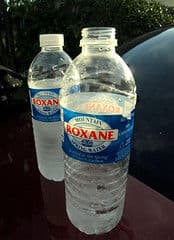
The plastic bottles shown in this picture are made of what TYPE of polymer?
Which one of the following polymer structures is known to be the STRONGEST?
GC2 Quiz No. 2 - Functional Groups and PolymersOrigin recognition ORC,MCM proteins helicase activity, ssDNA RPA, Primer synthesis polymers alpha/primase,Sliding clamp PCNA, primer removal RNase H, FEN1.Pol α/Primase synthesizes an RNA chain of 10 nucleotides followed by another 20 nucleotides of initiator DNA (iDNA). Because Pol α/Primase has no proofreading ability, this whole section of RNA/iDNA is removed. The exonucleases RNase H removes the RNA and Fen1 removed the iDNA. The gap is filled in by Pol δ and DNA ligase joins the 2 ends.Eukaryotic DNA Replication All have 5’ to 3’ Polymerase activity. What is a Plant Cell? Plant cells are eukaryotic cells that vary in several fundamental factors from other eukaryotic organisms. Both plant and animal cells contain a nucleus along with similar organelles. One of the distinctive aspects of a plant cell is the presence of a cell wall outside the cell membrane. Plant Cell Structure Just like different organs within the body, plant cell structure includes various components known as cell organelles that perform different functions to sustain itself. These organelles include: Cell Wall It is a rigid layer which is composed of polysaccharides cellulose, pectin and hemicellulose. It is located outside the cell membrane. It also comprises glycoproteins and polymers such as lignin, cutin, or suberin. The primary function of the cell wall is to protect and provide structural support to the cell. The plant cell wall is also involved in protecting the cell against mechanical stress and providing form and structure to the cell. It also filters the molecules passing in and out of it. The formation of the cell wall is guided by microtubules. It consists of three layers, namely, primary, secondary and the middle lamella. The primary cell wall is formed by cellulose laid down by enzymes. Cell membrane It is the semi-permeable membrane that is present within the cell wall. It is composed of a thin layer of protein and fat. The cell membrane plays an important role in regulating the entry and exit of specific substances within the cell. For instance, cell membrane keeps toxins from entering inside, while nutrients and essential minerals are transported across. Nucleus The nucleus is a membrane-bound structure that is present only in eukaryotic cells. The vital function of a nucleus is to store DNA or hereditary information required for cell division, metabolism and growth. 1. Nucleolus: It manufactures cells’ protein-producing structures and ribosomes. 2. Nucleopore: Nuclear membrane is perforated with holes called nucleopore that allow proteins and nucleic acids to pass through. Plastids They are membrane-bound organelles that have their own DNA. They are necessary to store starch and to carry out the process of photosynthesis. It is also used in the synthesis of many molecules, which form the building blocks of the cell. Some of the vital types of plastids and their functions are stated below: Leucoplasts They are found in the non-photosynthetic tissue of plants. They are used for the storage of protein, lipid and starch. Chromoplasts They are heterogeneous, colored plastid which is responsible for pigment synthesis and for storage in photosynthetic eukaryotic organisms. Chromoplasts have red-, orange- and yellow-colored pigments which provide color to all ripe fruits and flowers. Central Vacuole It occupies around 30% of the cell’s volume in a mature plant cell. Tonoplast is a membrane that surrounds the central vacuole. The vital function of the central vacuole apart from storage is to sustain turgor pressure against the cell wall. The central vacuole consists of cell sap. It is a mixture of salts, enzymes and other substances. Golgi Apparatus They are found in all eukaryotic cells, which are involved in distributing synthesized macromolecules to various parts of the cell. Ribosomes They are the smallest membrane-bound organelles which comprise RNA and protein. They are the sites for protein synthesis, hence, also referred to as the protein factories of the cell. Mitochondria They are the double-membraned organelles found in the cytoplasm of all eukaryotic cells. They provide energy by breaking down carbohydrate and sugar molecules, hence they are also referred to as the “Powerhouse of the cell.” Lysosome Lysosomes are called suicidal bags as they hold digestive enzymes in an enclosed membrane. They perform the function of cellular waste disposal by digesting worn-out organelles, food particles and foreign bodies in the cell. In plants, the role of lysosomes is undertaken by the vacuoles. Chloroplasts It is an elongated organelle enclosed by phospholipid membrane. The chloroplast is shaped like a disc and the stroma is the fluid within the chloroplast that comprises a circular DNA. Each chloroplast contains a green colored pigment called chlorophyll required for the process of photosynthesis. The chlorophyll absorbs light energy from the sun and uses it to transform carbon dioxide and water into glucose. Structure of Chloroplast Chloroplasts are found in all higher plants. It is oval or biconvex, found within the mesophyll of the plant cell. The size of the chloroplast usually varies between 4-6 µm in diameter and 1-3 µm in thickness. They are double-membrane organelle with the presence of outer, inner and intermembrane space. There are two distinct regions present inside a chloroplast known as the grana and stroma. • Grana are made up of stacks of disc-shaped structures known as thylakoids or lamellae. The granum of the chloroplast consists of chlorophyll pigments and are the functional units of chloroplasts. • Stroma is the homogenous matrix which contains grana and is similar to the cytoplasm in cells in which all the organelles are embedded. Stroma also contains various enzymes, DNA, ribosomes, and other substances. Stroma lamellae function by connecting the stacks of thylakoid sacs or grana. The chloroplast structure consists of the following parts: Membrane Envelope It comprises inner and outer lipid bilayer membranes. The inner membrane separates the stroma from the intermembrane space. Intermembrane Space The space between inner and outer membranes. Thylakoid System (Lamellae) The system is suspended in the stroma. It is a collection of membranous sacs called thylakoids or lamellae. The green colored pigments called chlorophyll are found in the thylakoid membranes. It is the sight for the process of light-dependent reactions of the photosynthesis process. The thylakoids are arranged in stacks known as grana and each granum contains around 10-20 thylakoids. Stroma It is a colorless, alkaline, aqueous, protein-rich fluid present within the inner membrane of the chloroplast present surrounding the grana. Grana Stack of lamellae in plastids is known as grana. These are the sites of conversion of light energy into chemical energy. Chlorophyll It is a green photosynthetic pigment that helps in the process of photosynthesis. Functions of Chloroplast Following are the important chloroplast functions: • The most important function of the chloroplast is to synthesize food by the process of photosynthesis. • Absorbs light energy and converts it into chemical energy. • Chloroplast has a structure called chlorophyll which functions by trapping the solar energy and is used for the synthesis of food in all green plants. • Produces NADPH and molecular oxygen (O 2 ) by photolysis of water. • Produces ATP – Adenosine triphosphate by the process of photosynthesis. • The carbon dioxide (CO2) obtained from the air is used to generate carbon and sugar during the Calvin Cycle or dark reaction of photosynthesis. Mitochondria “Mitochondria are membrane-bound organelles present in the cytoplasm of all eukaryotic cells, that produce adenosine triphosphate (ATP), the main energy molecule used by the cell.” What are Mitochondria? Popularly known as the “Powerhouse of the cell,” mitochondria (singular: mitochondrion) are a double membrane-bound organelle found in most eukaryotic organisms. They are found inside the cytoplasm and essentially function as the cell’s “digestive system.” They play a major role in breaking down nutrients and generating energy-rich molecules for the cell. Many of the biochemical reactions involved in cellular respiration take place within the mitochondria. The term ‘mitochondrion’ is derived from the Greek words “mitos” and “chondrion” which means “thread” and “granules-like”, respectively. It was first described by a German pathologist named Richard Altmann in the year 1890. Structure of Mitochondria • The mitochondrion is a double-membraned, rod-shaped structure found in both plant and animal cell. • Its size ranges from 0.5 to 1.0 micrometers in diameter. • The structure comprises an outer membrane, an inner membrane, and a gel-like material called the matrix. • The outer membrane and the inner membrane are made of proteins and phospholipid layers separated by the intermembrane space. • The outer membrane covers the surface of the mitochondrion and has a large number of special proteins known as porins. Cristae The inner membrane of mitochondria is rather complex in structure. It has many folds that form a layered structure called cristae, and this helps in increasing the surface area inside the organelle. The cristae and the proteins of the inner membrane aid in the production of ATP molecules. The inner mitochondrial membrane is strictly permeable only to oxygen and ATP molecules. A number of chemical reactions take place within the inner membrane of mitochondria. Mitochondrial Matrix The mitochondrial matrix is a viscous fluid that contains a mixture of enzymes and proteins. It also comprises ribosomes, inorganic ions, mitochondrial DNA, nucleotide cofactors, and organic molecules. The enzymes present in the matrix play an important role in the synthesis of ATP molecules. Functions of Mitochondria The most important function of mitochondria is to produce energy through the process of oxidative phosphorylation. It is also involved in the following process: 1. Regulates the metabolic activity of the cell 2. Promotes the growth of new cells and cell multiplication 3. Helps in detoxifying ammonia in the liver cells 4. Plays an important role in apoptosis or programmed cell death 5. Responsible for building certain parts of the blood and various hormones like testosterone and estrogen 6. Helps in maintaining an adequate concentration of calcium ions within the compartments of the cell 7. It is also involved in various cellular activities like cellular differentiation, cell signaling, cell senescence, controlling the cell cycle and in cell growth. Disorders Associated with Mitochondria Any irregularity in the way mitochondria function can directly affect human health, but often, it is difficult to identify because symptoms differ from person to person. Disorders of the mitochondria can be quite severe; in some cases, they can even cause an organ to fail.LARGE CARBON MOLECULES Many carbon compounds are built up from smaller, simpler molecules known as monomers (MAH-ne-mers), such as the ones shown in Figure 3-3. As you can also see in Figure 3-3, monomers can bond to one another to form polymers (PAWL-eh-mer). A polymer is a molecule that consists of repeated, linked units. The units may be identical or structurally related to each other. Large polymers are called macromolecules. There are many types of macromolecules, such as carbohydrates, lipids, proteins and nucleic acids. Monomers link to form polymers through a chemical reaction called a condensation reaction. Each time a monomer is added to a polymer, a water molecule is released. In the condensation reac- tion shown in Figure 3-4, two sugar molecules, glucose and fruc- tose, combine to form the sugar sucrose, which is common table sugar. The two sugar monomers become linked by a C—O—C bridge. In the formation of that bridge, the glucose molecule releases a hydrogen ion, H, and the fructose molecule releases a hydroxide ion, OH. The OH and H ions that are released then combine to produce a water molecule, H2O. In addition to building polymers through condensation reac- tions, living organisms also have to break them down. The break- down of some complex molecules, such as polymers, occurs through a process known as hydrolysis (hie-DRAHL-i-sis). In a hydrolysis reaction, water is used to break down a polymer. The water molecule breaks the bond linking each monomer. Hydrolysis is the reverse of a condensation reaction. The addition of water to some complex molecules, including polymers, under certain con- ditions can break the bonds that hold them together. For example, in Figure 3-4 reversing the reaction will result in sucrose breaking down into fructose and glucose. 2H2O Monomers Polymer C C O H OH C OH H CH2OH C H CH2OH C HO H C O H C OH H C CH2OH H C H OH O Sucrose C C O H OH C OH H CH2OH C H CH2OH C HO H C OH OH H C OH H C CH2OH H C H OH O Glucose Fructose H2O The condensation reaction below shows how glucose links with fructose to form sucrose. One water molecule is produced each time two monomers form a covalent bond. FIGURE 3-4 monomer from the Greek mono, meaning “single or alone,” and meros, meaning “a part” Word Roots and Origins A polymer is the result of bonding between monomers. In this example, each monomer is a six-sided carbon ring. The starch in potatoes is an example of a molecule that is a polymer. FIGURE 3-3 Copyright © by Holt, Rinehart and Winston. All rights reserved. 54 CHAPTER 3 ENERGY CURRENCY Life processes require a constant supply of energy. This energy is available to cells in the form of certain compounds that store a large amount of energy in their overall structure. One of these com- pounds is adenosine (uh-DEN-uh-SEEN) triphosphate, more commonly referred to by its abbreviation, ATP. The left side of Figure 3-5 shows a simplified ATP molecule struc- ture. The 5-carbon sugar, ribose, is represented by the blue carbon ring. The nitrogen-containing compound, adenine, is represented by the 2 orange rings. The three linked phosphate groups, —PO4 , are represented by the blue circles with a “P.” The phospate groups are attached to each other by covalent bonds. The covalent bonds between the phosphate groups are more unstable than the other bonds in the ATP molecule because the phosphate groups are close together and have negative charges. Thus, the negative charges make the bonds easier to break. When a bond between the phosphate groups is broken, energy is released. This hydrolysis of ATP is used by the cell to provide the energy needed to drive the chemical reactions that enable an organism to function.Make mcq quiz with 4 option in which one is correct -'10 Basis of Material Science • .....;;;";;;"~~;;,,;;,,,,;.;.,,;;,,,;,,;.;,.,------------ 6. Temporary materials: Some materials are meant to be placed in the oral cavity for a short period of time for different reasons. • Temporary crowns: While a permanent crown is prepared in the dental laboratory, the patient must wait for few days before it can be fabricated and cemented into place. Does patient experience any problems during this time period? If the tooth is vital (the pulp is alive), the patient is likely to experience pain and sensitivity while eating and drinking, also it looks unesthetic. What can be done to solve this problem? A temporary crown is placed before the patient leaves the clinic. It is constructed and luted in the same appointment in which the crown preparation is done. Temporary crowns are not very strong or esthetic but they serve adequately till the permanent crown is ready to be cemented. • Temporary restorations: Sometimes it is difficult to decide immediately the best line of treatment for a particular tooth. The exact condition of the pulp may not be obvious to the dentist from the patient's symptoms. A dentist removes all or part of the decay and then places a temporary restoration to have time to observe the behaviour of the pulp or to give the pilip time to heal before deciding the further treatment required. Classification based on Location of Fabrication 4,9 Materials can be classified based on the location of fabrication into: • Direct restorative materials. • Indirect restorative materials Direct restorative materials: They include those materials which are used to restore cavity preparations directly in the oral cavity (Box 1.5). Box 1.5: Examples of direct restorative materials Amalgam, composites, glass ionomer and other materials, which set by chemical reactions in the mouth. Indirect restorative materials: It includes those restorations which must be fabricated outside the mouth, indirectly on a cast/ model/ die, because their processing condition would harm oral tissues. Materials used in the construction of such prosthesis are called indirect restorative materials (Box 1.6). Box 1.6: Examples of indirect restorative materials Gold inlays, crowns of metal, ceramic and polymers, which are processed at elevated temperatures. Some indirect composite restorations can be processed under specific wavelength of light, e.g. Ceramage. Classification based on Longevity of Use 1. Permanent restorations: These restorations are not planned to be replaced for a particular time period. Though they are referred to as permanent, actually they are not, e.g. fillings, crowns, bridges and dentures do not last forever (Fig. 1.5). 2. Temporary restorations: These restorations are planned to be replaced in a short period of time, such as few days to weeks. For ~ Permanent C/) c c -.2 0 c- :;::; Cll co Interim ~ Q; 0 .8ll::1iJ C/) o~ Cll a:: c:=:J Temporary Time period Fig. 1.5: Diagram depicting the time period of use of a restoration. (Arrow in permanent restoration depicts that such restorations are not planned to be replaced for a long period of time.) Introducton to Dental Materials Dental materials Box 1.7: Characteristics of metals 1. High thermal and electrical conductivity 2. Ductility (pure metals are very soft and they can be bent without breaking) 3. Opacity (they do not transmit light) 4. Luster (they have a surface that strongly reflects light and appears bright and shiny) 5. They tend to dissolve to some extent in water or other aqueous solutions, producing cations. 6. All metals are white (actually gray) except for gold, which is yellow, and copper, which is reddish. 7. All metals are solid at room temperature except mercury, which is liquid at room temperature and is used with silver alloys as amalgam. 8. All metals have high melting temperatures because of high strength of the metallic bond that holds the atoms together. 3. Polymers 4. Composites Composites are mixtures of two or more of the first three classes in which the different components remain distinct from one another in the final structure. A common example is composite resin. Fig. 1.7a: Three-dimensional structure of iron (metal) Metals Metals are the oldest of the three classes of materials that have been used as dental materials. Metals are characterized by metallic bonds (Box 1.7) which will be discussed in the next chapter. Metals solidify with their atoms in a regular or crystalline arrangement (see Chapter 2), often in the form of a cube (Fig. 1.7a). example, temporary fillings done in a tooth during root canal treatment, which have to be replaced within 2-4 days during subsequent visits. They are used to protect the tooth and provide function till the final restoration is done. 3. Interim restoration: At times, dental treatment requires "long-term" definite temporary restorations or "interim" restorations. For examle, a 7-year-old child, met with trauma and fractured one of his central incisors. A large composite build- up may serve his immediate requirement until the root formation is completed and a permanent crown is placed. 5 Classification based on the Chemical Nature of the Material These are the atoms that make up a material and the way they are bonded together determine the properties of that materiaLS Weak bonds make for weak materials and vice versa (Table 1.4). Materials can be classified into different categories based on their primary atomic bonds (Fig. 1.6): 1. Metals 2. Ceramics Fig. 1.6: Classification of dental materials based on chemical nature 12 Basis of Material Science Box 1.9: Benefits of ceramics in dentistry 1. Many ceramic oxides are used as pigmenting agents. These oxides produce good range of colors. Due to this characteristic, we are able to match almost any tooth color with good esthetic results. 2. They are inert, i.e. not chemically reactive. This quality provides ceramics with good bio- compatibility. 3. Ceramic materials are translucent, like natural teeth. This translucency gives the ceramic crown a more natural appearance than any other dental material. Fig. 1.7b: Internal arrangement of tetrahedral structure of ceramic (silica) four large oxygen atoms surround smaller silicon atom Ceramics A ceramic is a compound formed by the union of a metallic and a non-metallic element (Box 1.8). Most of these materials are oxides, formed by the union of oxygen with metals such as silicon, aluminum, calcium and magnesium (Fig.1.7b). Ceramics may be simple or complex. Examples of simple ceramics are alumina and silica. Examples of complex ceramics are feldspar (potassium aluminum silicate) and kaolin (hydrated aluminum silicate). Ceramics may be crystalline or non- crystalline (i.e. amorphous). Porcelain is a specific type of ceramic used extensively in dentistry (Box 1.9). Box 1.8: Characteristics of ceramics 1. High melting points. 2. Brittleness, which means they cannot be bent or deformed (no sliding) to any extent without actually cracking and breaking. 3. They are poor conductor of heat and electricity. 4. They are chemically inert. 5. They have excellent esthetic result in terms of matching natural teeth. Fig. 1.8: Stucture of synthetic polymer Polymers They are the latest addition (early to mid- 1900s) to dental materials. Most of the polymers are nowadays synthesized by humans. Polymers are giant, long-chain organic molecules (Fig. 1.8). Polymers are characterized by covalent bonds within each molecule, giving them tremendous strength in a single direction. Try to break a nylon rope by pulling it! They are poor conductors of heat and electri- city. Most polymers have a structure containing thousands of carbon atoms linked together like beads on a string. Others, such as silicone polymers are formed with silicon-oxygen bonds. Introducton to Dental Materials Table 1.4: Characteristics of different materials 13 Characteristics Bond Properties Crystal structure Metals Metallic bonding High strength and hardness, high electrical and thermal conductivity BCC, FCC, or HCP unit cells Ceramics Ionic or covalent bonding, or both High hardness and stiffness, electrically insulating, refractory, and chemically inert Crystalline or amorphous Polymers Covalent bonding Low sensitivity, high electrical resistivity, and low thermal conductivity, strength and stiffness vary widely Amorphous and crystalline Composites Composites are combinations of any of the basic ceramic, metallic and polymeric materials (Box 1.10). Each material that makes up composites is called a phase. Their properties tend to be somewhere between those of their basic constituents and are used to enhance their performance, longevity and handling chracterstics. Box 1.10: Types of composites in dentistry 1. Ceramic - metallic composite: Tungsten carbide bur. 2. Metal - polymer composite: Die materials in dental laboratory. 3. Ceramic - polymer composite: Enamel, dentin, bone and restorative composites. A composite is a kind of "combination" of materials, which compliment each other. The properties lacking in one material are compensated by those of the other material. For example, restorative composite has two phases, namely resin and fillers. Teeth and bones are examples of natural composites. Enamel is a composite of hydroxyapatite (which is a ceramic material) and protein (which is a polymer). EVALUATION OF DENTAL MATERIALS Most manufacturers of dental materials maintain a quality assurance programme (As per international standard like ADA specifications) and materials are thoroughly tested before being released into the market for dental practitioner (Fig. 1.9). Laboratory Evaluations Most ADA/ ANSI specifications involve laboratory tests. The tests performed as per these specifications are useful but they all are performed in vitro, (carried out in the laboratory away from the clinical conditions) which have a lot of limitations in clinical practice.lO Clinical Notes 1. For example, most of the direct restorative materials are tested for their compressive strength but ultimately the material is subjected to a combination of compressive, tensile and shear stresses, which may decide the final success or failure of the material under masticatory load. 2. Similarly upper dentures mostly fracture along the midline because of bending. Hence a bending or transverse strength ~B-a-s-is-o-f-M-a-t-e-ria-I-S~c-ie-n-c-e-------------- ---------. test is far more meaningful for denture base materials than a compression test. Clinical Trials The majority of new materials are subjected to extensive clinical trials normally in co-operation with a dental college or hospital departments prior to their release. CONCLUSION As the number of available materials is going up, it is important that the dentist remains more aware about new products so that their judgement about the selection of material remains successful. Materials which have not been thoroughly evaluated should be avoided, specially with clinical dentistry falling under Consumer Protection Act (CPA). I Research and development I iI Manufacturer/analysis Ideal requirements for clinical use: Thermal, optical, mechanical, chemical, biological Available materials and their properties are evaluated Launch of new I product Choice and selection of material by the dentist Critical assessment based on clinical performance I I H feedback to ILipids are large, nonpolar organic molecules. They do not dissolve in water. Lipids include triglycerides (trie-GLIS-uhr-IEDZ), phospho- lipids, steroids, waxes, and pigments. Lipid molecules have a higher ratio of carbon and hydrogen atoms to oxygen atoms than carbohydrates have. Because lipid molecules have larger numbers of carbon-hydrogen bonds per gram than other organic com- pounds do, they store more energy per gram. Fatty Acids Fatty acids are unbranched carbon chains that make up most lipids. Figure 3-10 shows that a fatty acid contains a long carbon chain (from 12 to 28 carbons) with a carboxyl group, —COOH, attached at one end. The two ends of the fatty-acid molecule have different properties. The carboxyl end is polar and is thus hydrophilic or attracted to water molecules. In contrast, the hydro- carbon end of the fatty-acid molecule is nonpolar. This end tends not to interact with water molecules and is said to be hydrophobic (HIE-droh-FOH-bik), or “water fearing.” In saturated fatty acids, such as palmitic acid, which is shown in Figure 3-10, each carbon atom is covalently bonded to four atoms. The carbon atoms are in effect full, or saturated. In contrast, linoleic acid, also shown in Figure 3-10, has carbon atoms that are not bonded to the maximum number of atoms to which they can bond. Instead, they have formed double bonds within the carbon chain. This type of fatty acid is said to be unsaturated. Triglycerides Three classes of lipids important to living things contain fatty acids: triglycerides (fats), phospholipids, and waxes. A triglyceride is composed of three molecules of fatty acid joined to one molecule of the alcohol glycerol. Saturated triglycerides are composed of saturated fatty acids. They typically have high melting points and tend to be hard at room temperature. Common dietary saturated triglycerides include butter and fats in red meat. In contrast, unsaturated triglycerides are composed of unsaturated fatty acids and are usually soft or liquid at room temperature. Unsaturated triglycerides are found primarily in plant seeds where they serve as an energy and carbon source for germinating plants. Phospholipids Phospholipids have two, rather than three, fatty acids attached to a molecule of glycerol. They have a phosphate group attached to the third carbon of the glycerol. As shown in Figure 3-11, the cell membrane is made of two layers of phospholipids, called the lipid bilayer. The inability of lipids to dissolve in water allows the mem- brane to form a barrier between the inside and outside of the cell. Hydrophilic “head” Phospholipids Hydrophobic “tail” Phospholipids Water Water The lipid bilayer of a cell membrane is a double row of phospholipids.The “tails” face each other.The “head” of a phospholipid, which contains a phosphate group, is polar and hydrophilic.The two tails are two fatty acids and are nonpolar and hydrophobic. FIGURE 3-11 H C H C O OH H C H H C H H C H H C H H C H H C H H C H H C H H C H H C H H C H H C H C H H H H C H H C H H C H H C H H C H C O OH H C H H C H H C H C H C H C H H C H H C H C H H C H H C H C H H H H C H Fatty acids have a polar carboxyl head, highlighted in purple, and a nonpolar hydrocarbon tail, highlighted in green. FIGURE 3-10 Palmitic acid Linoleic acid mb06se_bchs02.qxd 5/18/07 10:49 AM Page 59 60 CHAPTER 3 1. Compare the structure of monosaccharides, dis- accharides, and polysaccharides. 2. How are proteins constructed from amino acids? 3. How do amino acids differ from one another? 4. Describe a model of enzyme action. 5. Why do phospholipids orient in a bilayer when in a watery environment, such as a cell? 6. Describe how the three major types of lipids differ in structure from one another. 7. What are the functions of the two types of nucleic acids? CRITICAL THINKING 8. Applying Information Before a long race, run- ners often “carbo load.” This means that they eat substantial quantities of carbohydrates. How might this help their performance? 9. Recognizing Relationships High temperatures can weaken bonds within a protein molecule. How might this explain the effects of using a hot curling iron or rollers in one’s hair? 10. Applying Information You want to eat more unsaturated than saturated fats. Name examples of foods you would eat more of and less of. SECTION 2 REVIEW Waxes A wax is a type of structural lipid consisting of a long fatty-acid chain joined to a long alcohol chain. Waxes are waterproof, and in plants, form a protective coating on the outer surfaces. Waxes also form protective layers in animals. For example, earwax helps pre- vent microorganisms from entering the ear canal. Steroids Unlike most other lipids, which are composed of fatty acids, steroid molecules are composed of four fused carbon rings with various functional groups attached to them. Many animal hor- mones, such as the male hormone testosterone, are steroid com- pounds. One of the most familiar steroids in humans is cholesterol. Cholesterol is needed by the body for nerve and other cells to func- tion normally. It is also a component of the cell membrane. NUCLEIC ACIDS Nucleic acids are very large and complex organic molecules that store and transfer important information in the cell. There are two major types of nucleic acids: deoxyribonucleic acid and ribonucleic acid. Deoxyribonucleic acid, or DNA, contains information that deter- mines the characteristics of an organism and directs its cell activi- ties. Ribonucleic (RIE-boh-noo-KLEE-ik) acid, or RNA, stores and transfers information from DNA that is essential for the manufactur- ing of proteins. Some RNA molecules can also act as enzymes. Both DNA and RNA are polymers, composed of thousands of linked monomers called nucleotides (NOO-klee-uh-TIEDS). As shown in Figure 3- 12, each nucleotide is made of three main components: a phosphate group, a five-carbon sugar, and a ring-shaped nitrogenous base.Structure of polymersMaterials and composites: including metals, ceramics and polymers