Loading...


Principal of induction and binomial theorem part-1
Quiz by Prabha Jacob
Customize this quiz to suit your class
Instantly translate to 100+ languages
Tag the questions with any skills you have. Your dashboard will track each student's mastery of each skill.
Give this quiz to my class
1
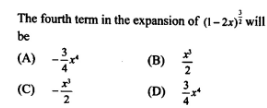
C
B
A
D
2
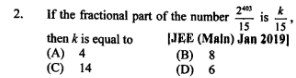
C
D
A
B
1
2
3
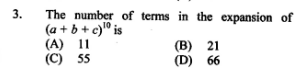
4
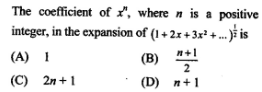
5
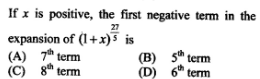
6
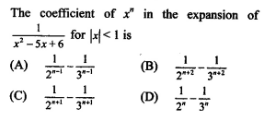
7
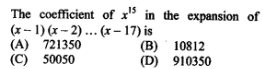
8
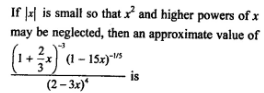
9
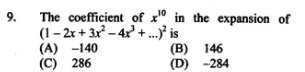
10
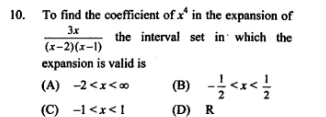
11
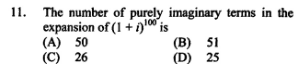
12
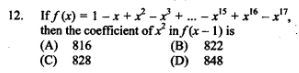
13
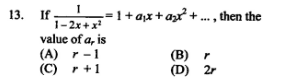
14
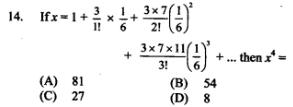
15
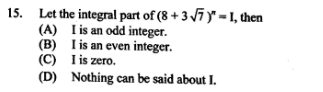
16
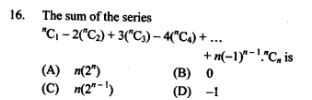
17
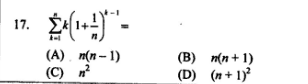
18
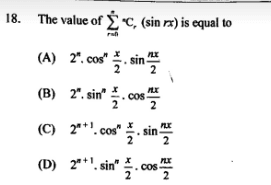
19
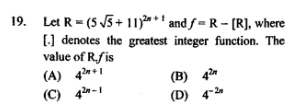
20
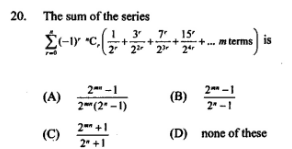
21
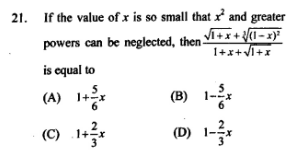
22
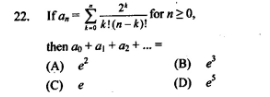
23
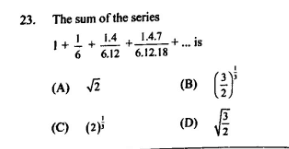
24
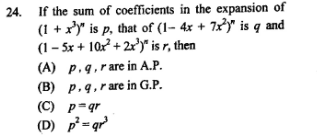
25
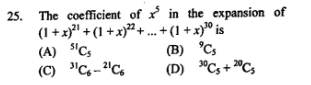
26
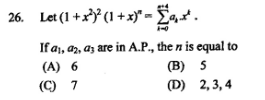
27
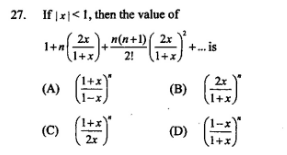
28
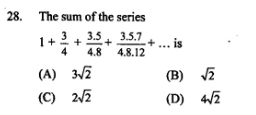
29
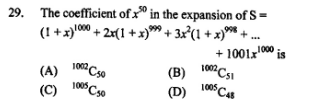
30
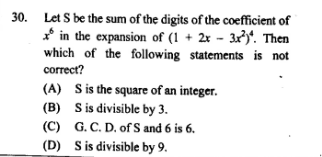
31
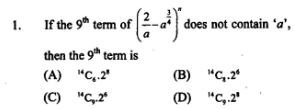
32
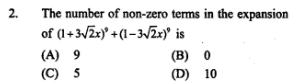
33
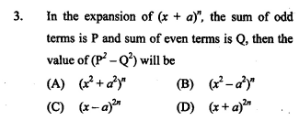
34
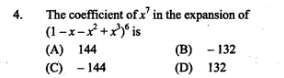
35
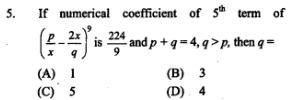
36
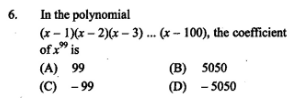
37
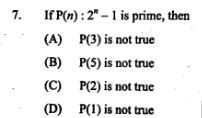
38
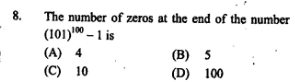
39
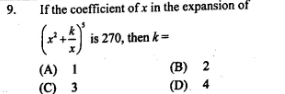
40
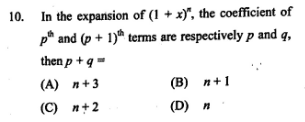
41
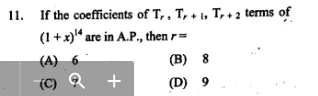
42
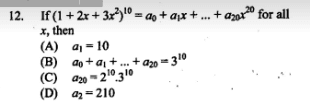
43
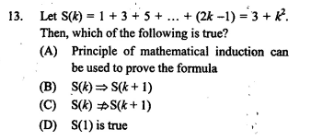
44
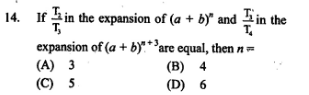
45
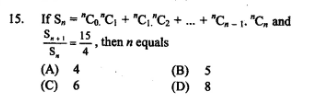
46
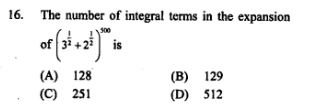
47
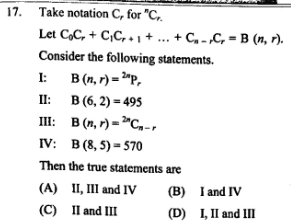
48
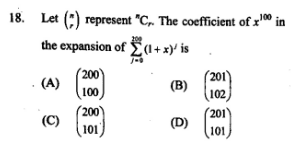
49
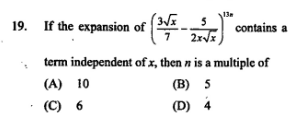
50
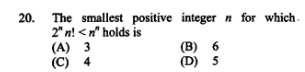
51
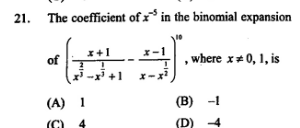
52
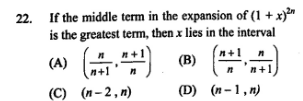
53
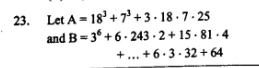
54
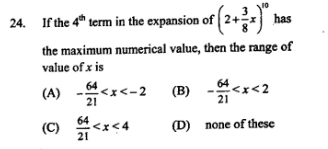
55
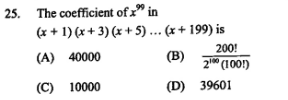
56
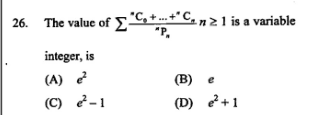
57
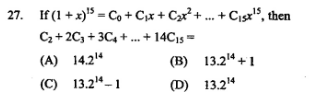
58
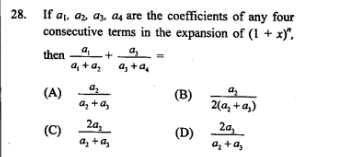
59
 principal of induction and binomial theorem part-2Act as a teacher and using the following create a quiz: " Management refers to the manner in which a situation is handled. In order to manage an event, the manager must plan what must be done, organise to get the resources needed for the work that needs to be done, lead his/her people and then check and control the outcome of the event. Planning -The manager looks at the future and then decides how to approach it. Different plans must always be considered and the best one chosen. The second / alternative plan is called a contingency plan, i.e. a plan B if plan A does not work. Critical question during planning ○ Why must the plan be executed? ○ What activities are required? ○ Where must the planned activities take place? ○ When will the activities commence? ○ Who will participate in these activities? ○ How is the plan to be executed? Planning is a management tool. This means the plan must help the business to achieve its goals. The plan is not the goal, but an indication of HOW the goal will be achieved. It is therefore important that management must not stop after planning, but make sure plans are implemented. Plans are aimed at achieving objectives. However, it should always be flexible because if there are changes in the business environment (e.g. changes regarding competitors, suppliers, demands of target market etc), the original plan may no longer be suitable. Plans should be accurate. It is important to consider all factors and alternatives before the plan is finalized. Planning must be realistic. This means it should be possible to achieve the outcome of the plan. KISS Principal - Keep it (the plan) short and simple. Organisation as a component of management is all about resources, which means the entrepreneur has to combine the other three factors of production (raw material, labour and capital) in such a way that the objectives of the business are met. Leading is the third step of business management. Plans will be carried out in order to achieve objectives (i.e. work will be done) through effective leadership and guidance. A good leader will never just be task orientated, but will always keep in mind that he is leading people and that people should be treated with dignity and respect. Controlling is ensuring that everything goes according to plan. The actual results are compared with the standards set during the planning stage. Control is important because it gives feedback to management on the performance in the business.Principal Parts of verbsPrincipal Parts of Irregular Verbs Gr, 6Principal parts of irregular verbs• Landscape management A landscape is the evident factor of a land, its landforms, and the combined features of natural or artificial elements. Landscape management includes maintenance and integration of physical elements, water bodies, land cover, indigenous vegetation, human elements, such as structures and buildings, and climatic conditions. • Soil Preparation In the list of farming practices, soil preparation is placed second because of its importance for seed germination. Before a crop is grown, the soil is leveled and plowed a bit deeply to prepare it for the sowing of seed. After plowing, the soil loosens and develops proper aeration in the soil. • Sowing Seed selection from good quality varieties is the principal step of sowing. After preparing the soil, seeds are spread over the field, called sowing. Manual and mechanical (seeders) methods of sowing can be used. Some plants, such as rice, are first grown as seedlings in a small space and later transplanted to fields. • Manuring Plants need nutrients for their growth and fruit/seed production. Therefore, nutrients must be consumed at even intervals. Fertilization is the stage at which nutrients are introduced into the lands. These nutrients can be natural manure or artificial fertilizers. Decomposed products and waste of plants and animals are used as manure because of their nutrient richness. • Irrigation Irrigation means supplying water to plants. Water sources can be dams, ponds, wells, canals, etc. Excessive irrigation can damage crops and lead to waterlogging. The irrigation interval and frequency must be monitored, as they vary with the crop. • Weeding Unwanted plants grown alongside field crops are known as weeds. These plants are removed with the help of weed killers (weedicides), manually plucking with hands. Several weeds can be removed with better soil preparation techniques. • Integrated Pest Management • IPM – Integrated Pest Management, is a successful and ecologically sensitive technique to manage pests using combined sustainable practices. IPM is a series of methods including pest assessment, decision, and control techniques • Integrating Crops and Livestock Integrating crops and livestock increases the diversity and environmental sustainability of both sectors. In the meantime, it will offer opportunities to increase overall agricultural production and profitability. • Storage/Selling In the end steps of agricultural practices, the resulting grains are stored in warehouses for later use and selling purposes. Therefore, better plant protection methods must be used to protect grains from rodents and insect pests. The stores should be cleaned, dried, well-fumigated, etc., before storing grains. • Harvesting Among steps of farming practices, harvesting needs significant care otherwise it will result in yield reduction. When the crop reaches maturity, the cutting starts, and the produce will be stored in a dry place. This process is known as harvesting. After harvesting, manual or mechanical thrashing is done to separate grains from the plants.Syntaxes in Old German and Roman languages PLAN: 1. The syntactic structure of Old German and Roman languages 2. Principal features of Old German and Roman languages Key words: syntax, Indo-European language, Old German language syntax,Some government policies affect the supply and price of food together with its availability. Without transportation of food from where it is grown to the market place, people would eat only foods grown and processed locally. Transportation systems make selection of food possible all year round. In the food industry, technology provides scientific methods of preserving food and processing it, so that it is available throughout the year. Here are some government agencies concerning food and health programs: Department of Education ( DepEd) Educates the youth and gives information regarding health and food nutrition. Department of Health ( DOH ) Creates program about nutrition and gives preventive measures against diseases. Food and Nutrition Research Institute ( FNRI ) FNRI is the principal research institute of the government in food and nutrition. It conducts researches, distributes publication and provides program services.