Develop descriptions, explanations, predictions, and models using evidence.
Use evidence, observations, or a variety of scales (e.g., mass, distance, volume, temperature) to describe relationships.
Use space/time relationships, define concepts operationally, raise testable questions, or formulate hypotheses.
Use evidence from investigations to clearly communicate and support conclusions.
Apply appropriate measurement systems (e.g., time, mass, distance, volume, temperature) to record and interpret observations under varying conditions.
Describe how engineers use models to develop new and improved technologies to solve problems.
Use characteristic physical or chemical properties to distinguish one substance from another (e.g., density, thermal expansion/contraction, freezing/melting points, streak test).
Explain how energy is transferred from one place to another through convection, conduction, or radiation.
Compare the time span of renewability for fossil fuels and the time span of renewability for alternative fuels.
Explain how fossils provide evidence about plants and animals that once lived throughout Pennsylvania’s history (e.g., fossils provide evidence of different environments).
Describe potential impacts of human- made processes (e.g., manufacturing, agriculture, transportation, mining) on Earth’s resources, both nonliving (i.e., air, water, or earth materials) and living (i.e., plants and animals).
Distinguish among different water systems (e.g., wetland systems, ocean systems, river systems, watersheds) and describe their relationships to each other as well as to landforms.
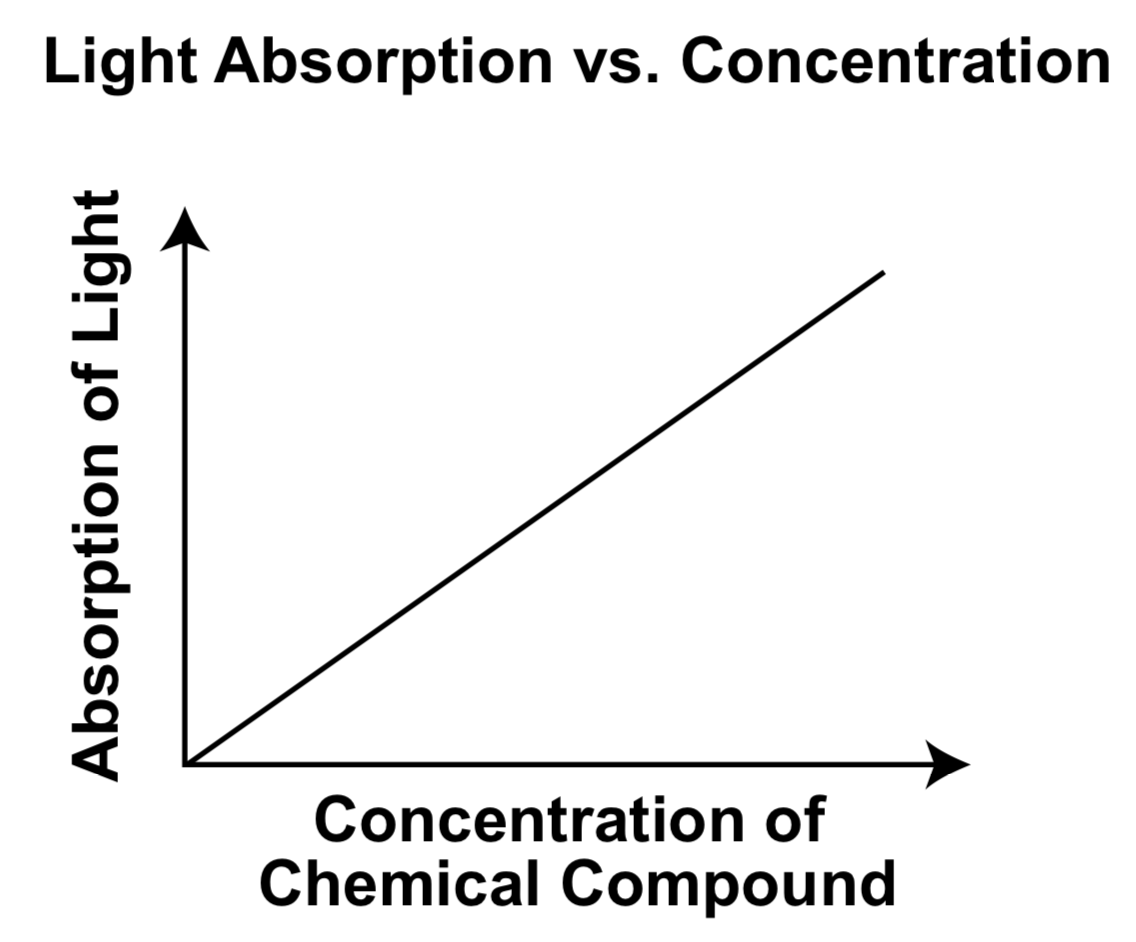
Use evidence, such as observations or experimental results, to support inferences about a relationship.
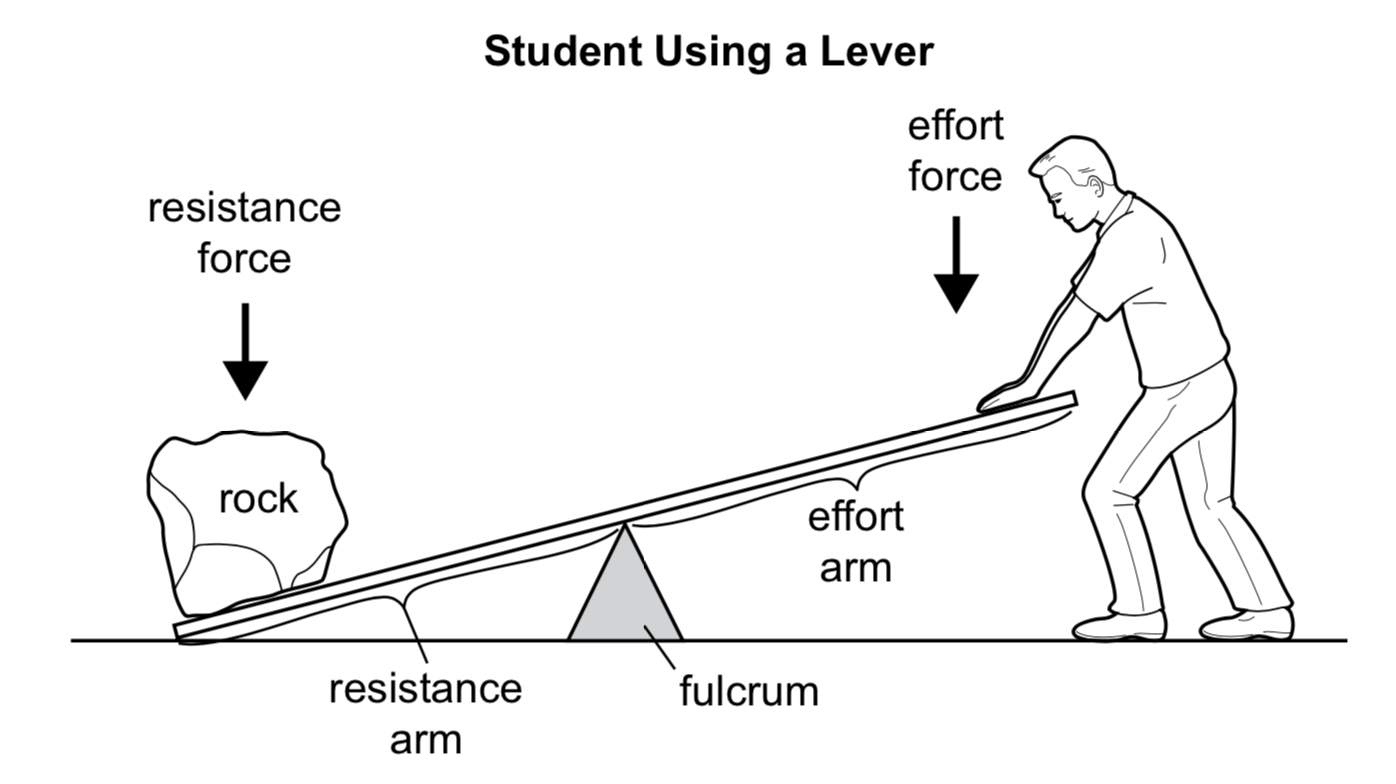
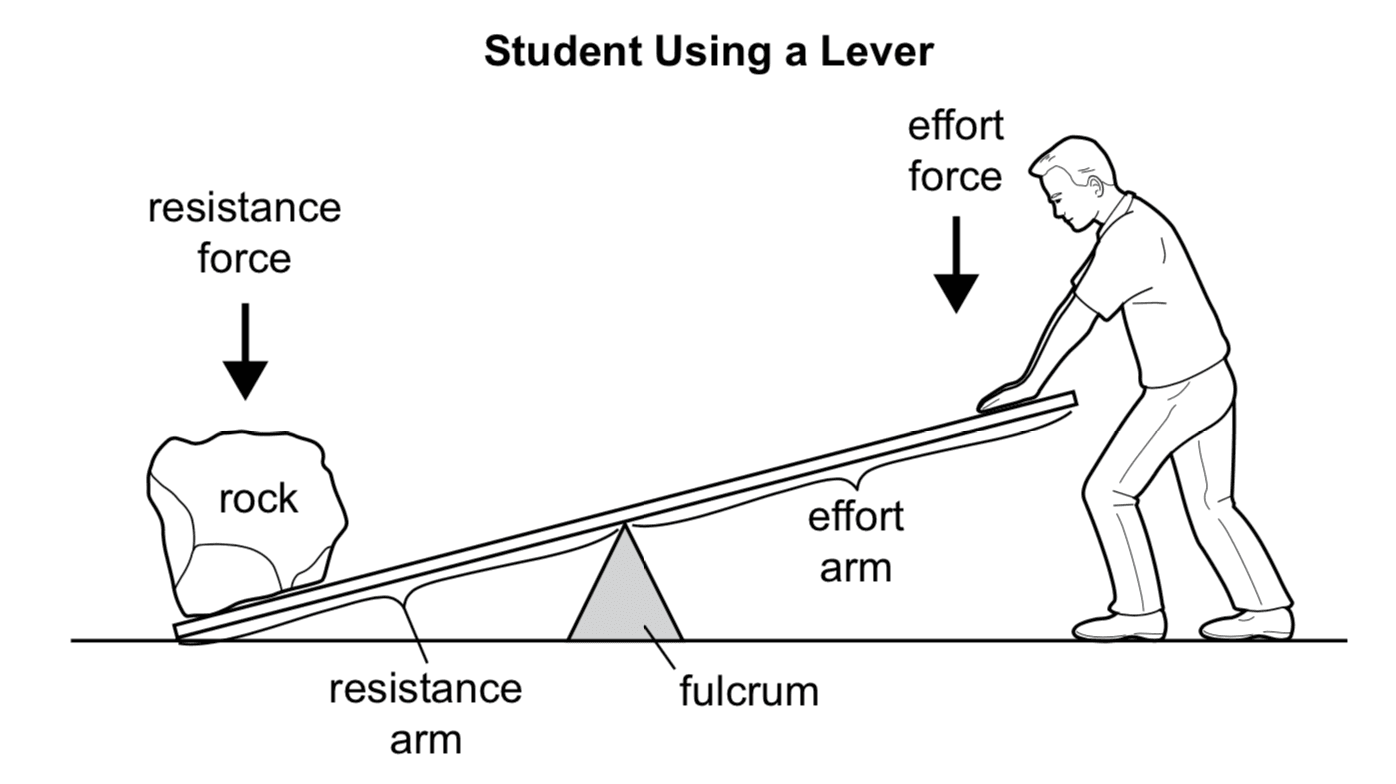
Use ratio to describe change (e.g., percents, parts per million, grams per cubic centimeter, mechanical advantage).
Compare similarities and differences in internal structures of organisms (e.g., invertebrate/vertebrate, vascular/nonvascular, single- celled/multi-celled) and external structures (e.g., appendages, body segments, type of covering, size, shape).
Identify and explain differences between inherited and acquired traits.
Track each student's skills and progress in your Mastery dashboards