Loading...

Q2_LESSON 4: CIVIL SOCIETY AND SOCIAL MOVEMENT
Quiz by DARYL FAUSTINO
Tag the questions with any skills you have. Your dashboard will track each student's mastery of each skill.
The following are true about the concept of civil society except;
Well known in championing issues of the marginalized members of the society and others such as human rights, labor rights, environmental protection and poverty.
Primarily considered as non-government members of the society that promote the interest of the public.
Unanimous in terms of degree in formality, autonomy and power. Aspects never vary.
It is an aggregate of non-governmental; organizations and institutions that shows the will and interest of the citizens.
Which does not belong to the group? (Civil Societies’ Interest Groups and Characteristics)
I. Formal structure of the organization.
II. Articulation and aggregation of interest.
III. Acting within the political system.
IV. Influencing external power.
V. Representation of political interest.
VI. Lobbying (e.g. building public pressure using media, organizing rallies, and demonstration, forming alliances and coalition)
None
II and III
I and II
III and VI
The following are true about the concept of civil society except;
Which does not belong to the group? (Civil Societies’ Interest Groups and Characteristics)
I. Formal structure of the organization.
II. Articulation and aggregation of interest.
III. Acting within the political system.
IV. Influencing external power.
V. Representation of political interest.
VI. Lobbying (e.g. building public pressure using media, organizing rallies, and demonstration, forming alliances and coalition)
Which of the following is not true about Non-Governmental Organizations (NGOs)?
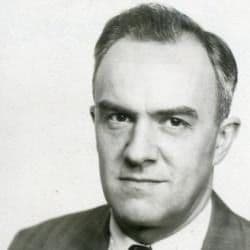
In reference with several theoretical proponents, who said that "organized groups are structures of power; politics is the struggle of groups?"
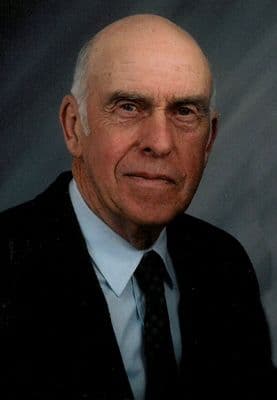
In reference with several theoretical proponents, who said that "group is the basic unit of all political life?"
In reference with several theoretical proponents, who wrote the book "The Governmental Process: Political Interest and Public Opinion" which he said that uniformities of behavior are through these groups?
The following are true about INTEREST GROUPS except;

The following are reasons for NGOs emergence except;
The following are some of the roles of the NGOs except;
Which of the following is wrong about the typology of Philippine NGOs?
The following are areas for NGO rightful participation in the electoral process except;
Civil Society Organizations are groups that enhances democracy and considered as an important institutional vehicle with the ability to influence, therefore these serve as:
1. As organizers: Forming community and popular grassroots organization.
2. As advocates: Mobilizing and articulating people’s interests, political demands and institutional reforms.
3. As mediators: Linking the powerful and empower strata of the society.
4. As deliverers: Alternative mechanism for delivery of social services.
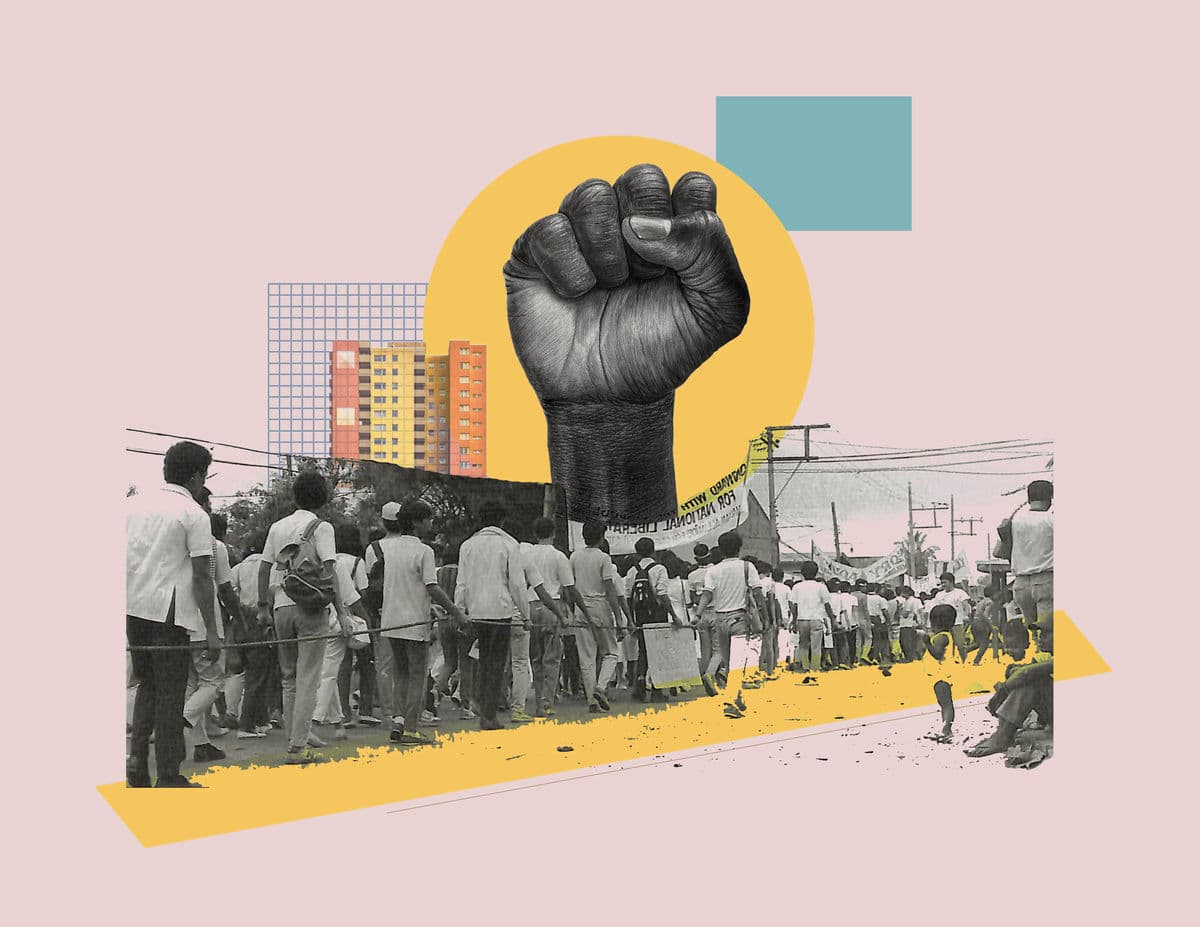
The following are examples of civil society organizations except;
The following are examples of civil society organizations except;
Civil Societies should be;
I. An instrument for securing rights of the people.
II. An instrument for securing interest of the people.
III. Needed in a state with democratic system and to replace it with authoritarian system.
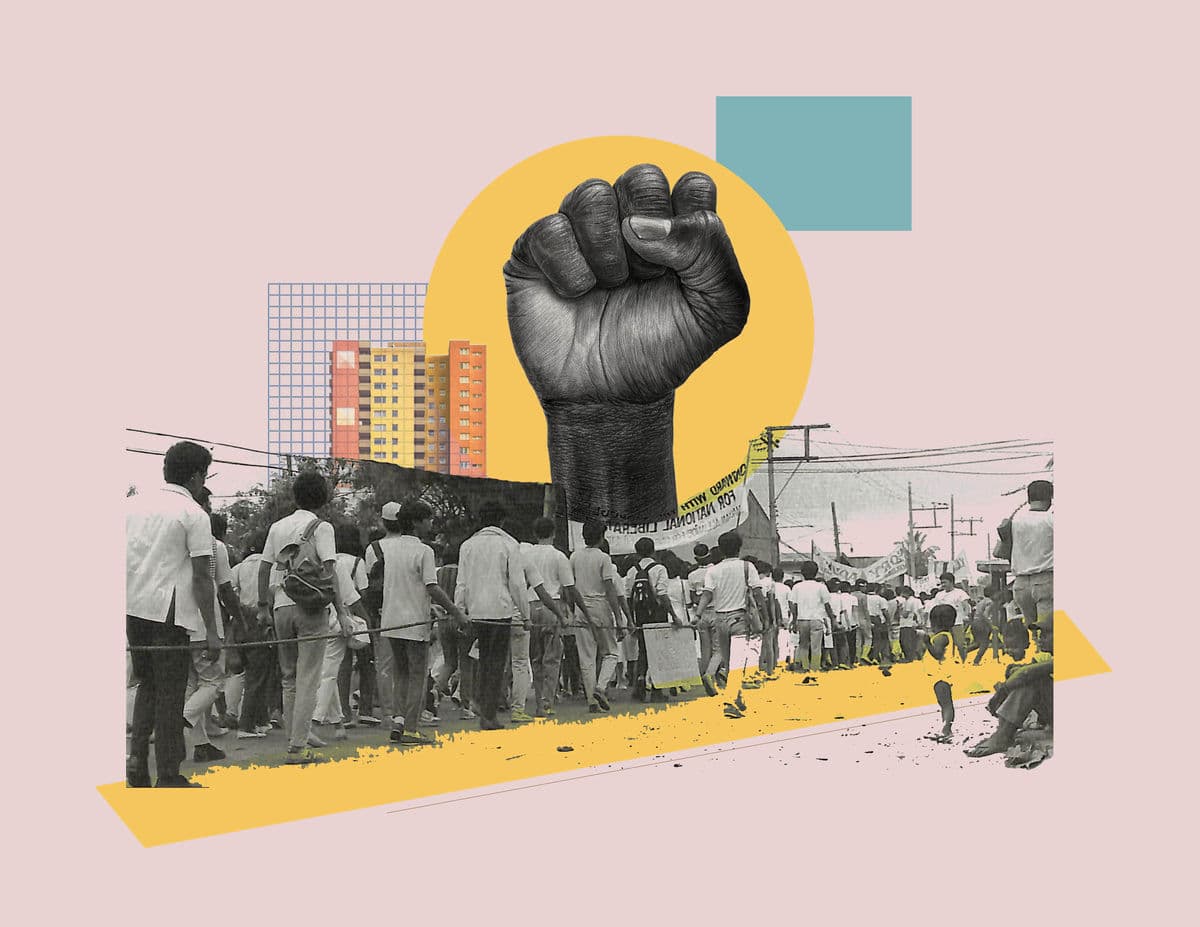
Civil society works for discharging several economic, cultural, moral and other responsibilities which fall in the domain of government and state activities.
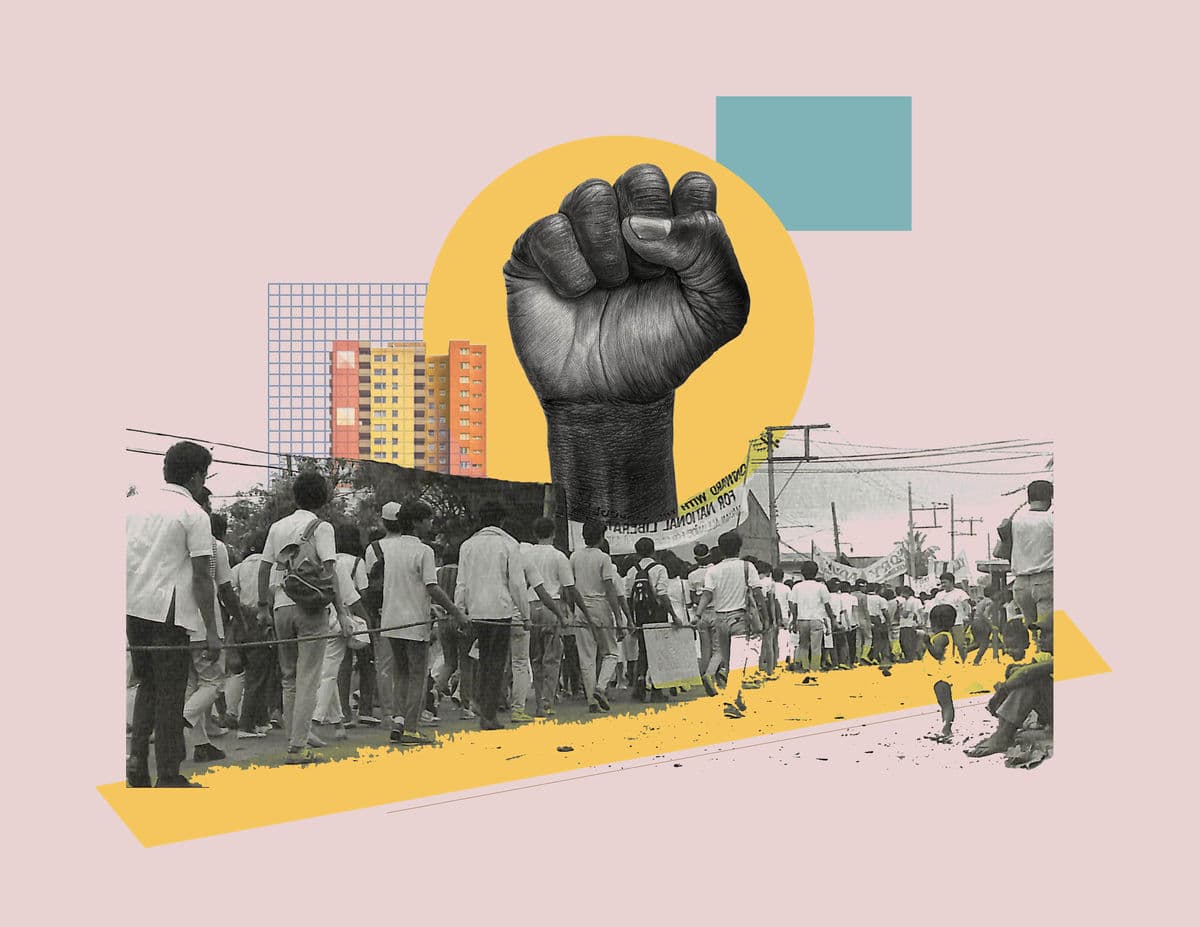
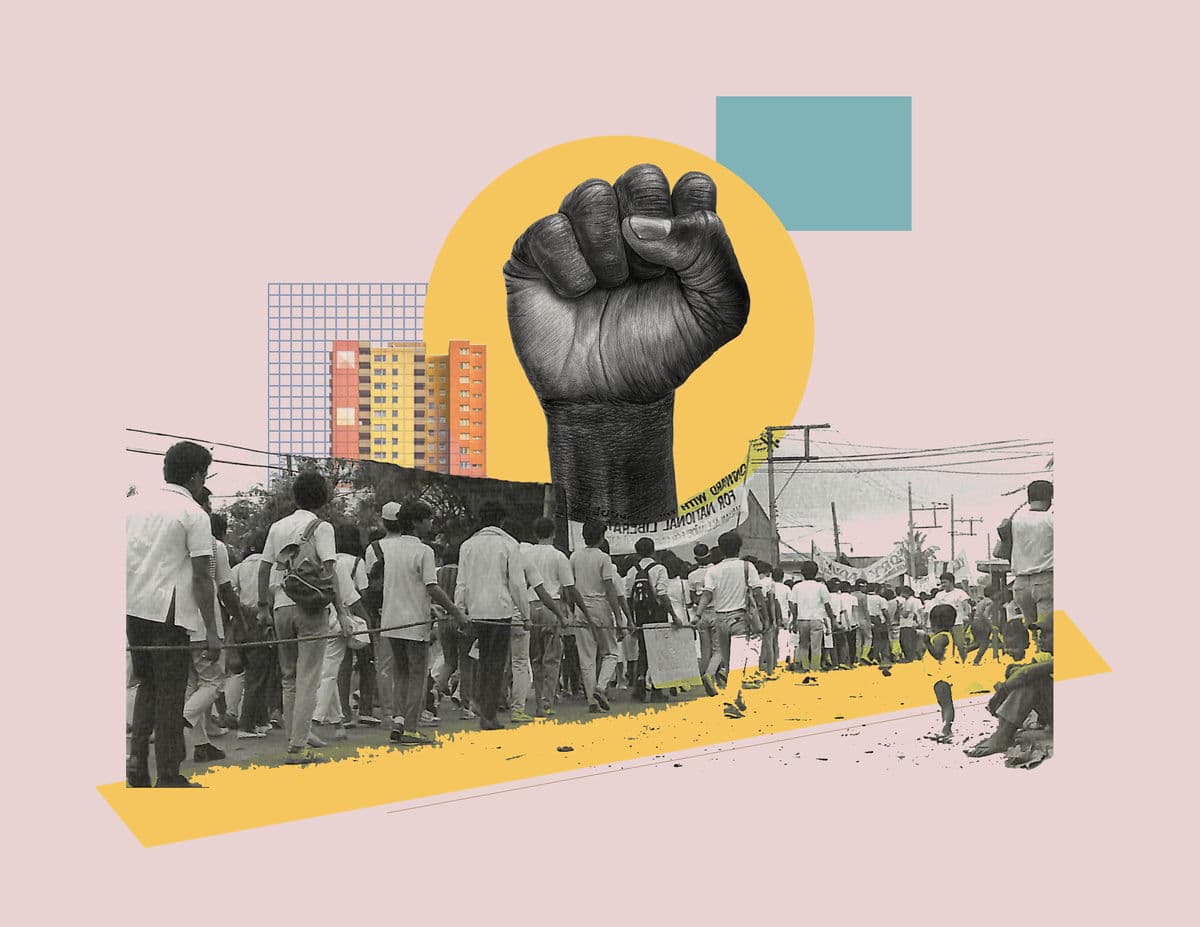
Social movements are large formal groupings of individuals and organizations which focuses on specific political or social issues.
Cultural Anthropologist David F. Aberle identified four kinds of social movements which includes;
For Social Movement; Which of the following are at the INDIVIDUAL LEVEL and advocate for MINOR CHANGES?
For Social Movement; Which of the following are at the INDIVIDUAL LEVEL and advocate for RADICAL CHANGES?
For Social Movement; Which of the following occur at a BROADER GROUP or SOCIETAL LEVEL and advocate for MINOR CHANGES?
For Social Movement; Which of the following occur at a BROADER GROUP or SOCIETAL LEVEL and advocate for RADICAL CHANGES?
Can the government establish partnership with civil society organizations?
Is there a need for civil society organizations to be accredited?
What government agency is in-charge of issuing accreditation certificate to co-implement programs or projects in the locality without using government funds?
