Loading...

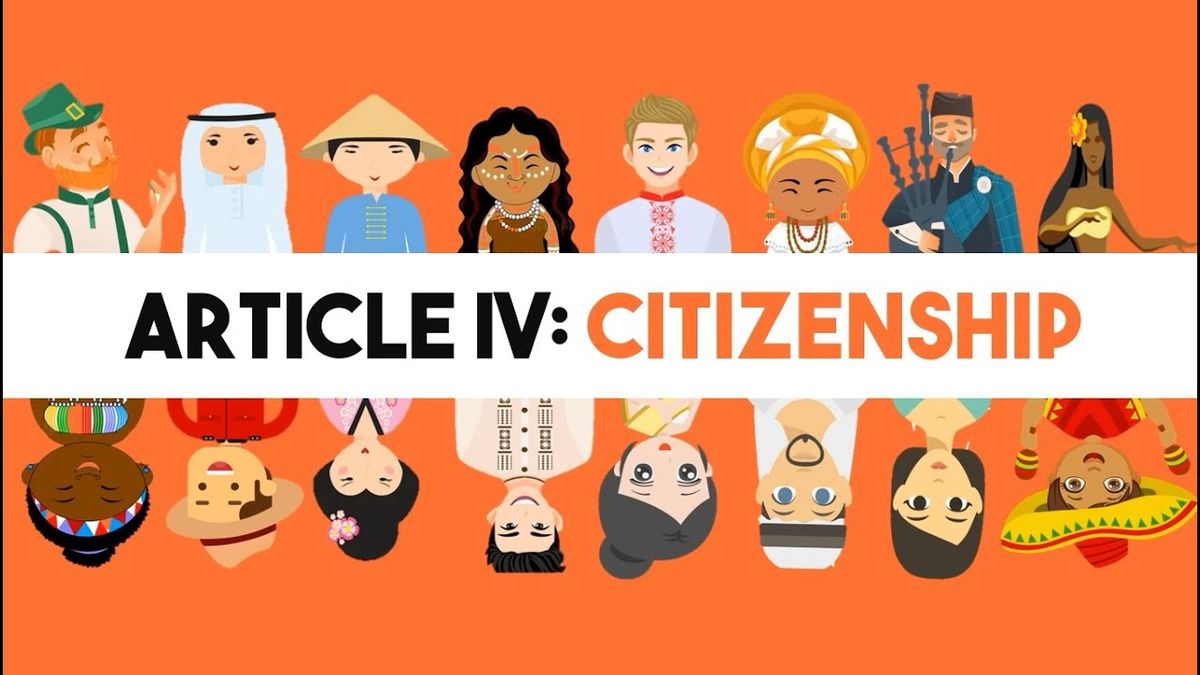
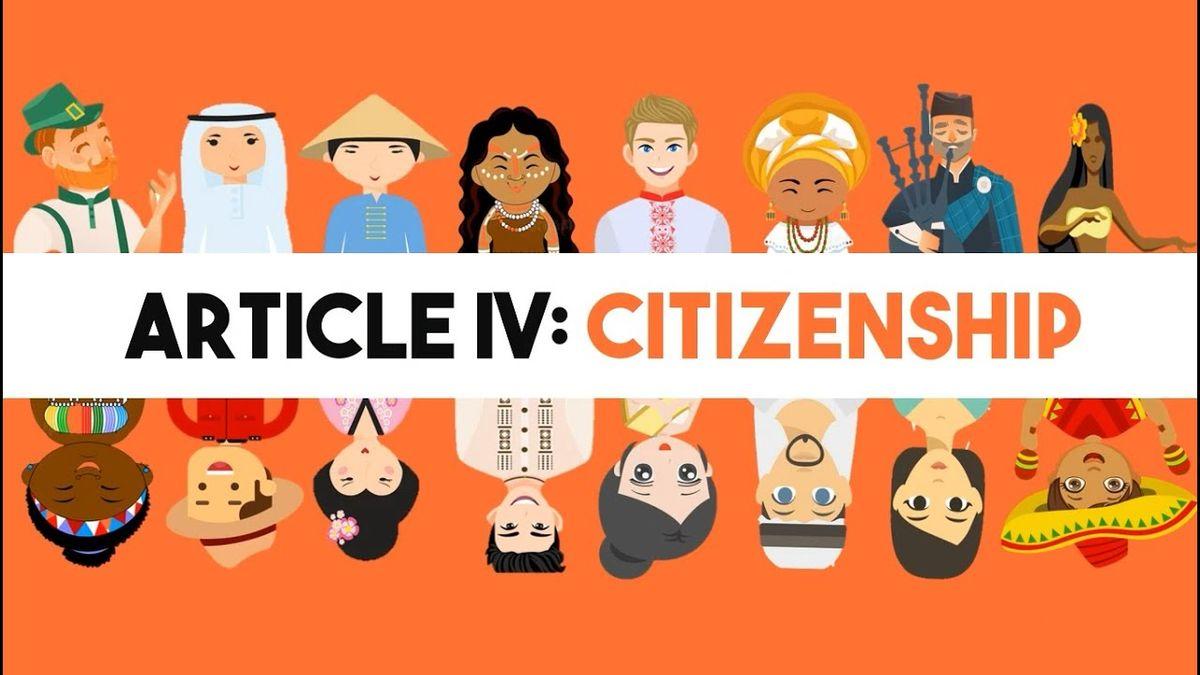
Q2_LESSON 5: CITIZENSHIP
Quiz by DARYL FAUSTINO
Tag the questions with any skills you have. Your dashboard will track each student's mastery of each skill.
Which of the following is not true about Philippine Citizenship in reference to Article IV of the 1987 Constitution?
Those whose fathers or mothers are citizens of the Philippines.
Those who are citizens of the Philippines at the time of the adoption of this Constitution.
Those individuals who made oath an allegiance with other countries.
Those who are naturalized in accordance with law.
Which of the following is not true about Philippine Citizenship in reference to Article IV of the 1987 Constitution?
The Philippines is following Jus Soli (Law of the Soil) in citizenship.
Citizens of the Philippines who marry aliens shall retain their citizenship, unless by their act or omission, they are deemed, under the law, to have renounced it.
Those born before January 17, 1973, of Filipino mothers, who elect Philippine citizenship upon reaching the age of majority are citizens of the Philippines.
Philippine citizenship may be lost or reacquired in the manner provided by law.
Which of the following is not true about Philippine Citizenship in reference to Article IV of the 1987 Constitution?
Which of the following is not true about Philippine Citizenship in reference to Article IV of the 1987 Constitution?
A Filipino may loss his citizenship voluntarily on the following situations except;
Citizenship in the Philippines may be reacquired.
What is Dual Citizenship?
Is Dual Citizenship allowed in the Philippines.
The unmarried child, whether legitimate, illegitimate or adopted, below eighteen (18) years of age, of those who re-acquire Philippine citizenship upon effectivity of RA 9225 shall be deemed citizens of the Philippines.
Those who retain or re-acquired Philippine Citizenship are eligible to vote and run for government office.
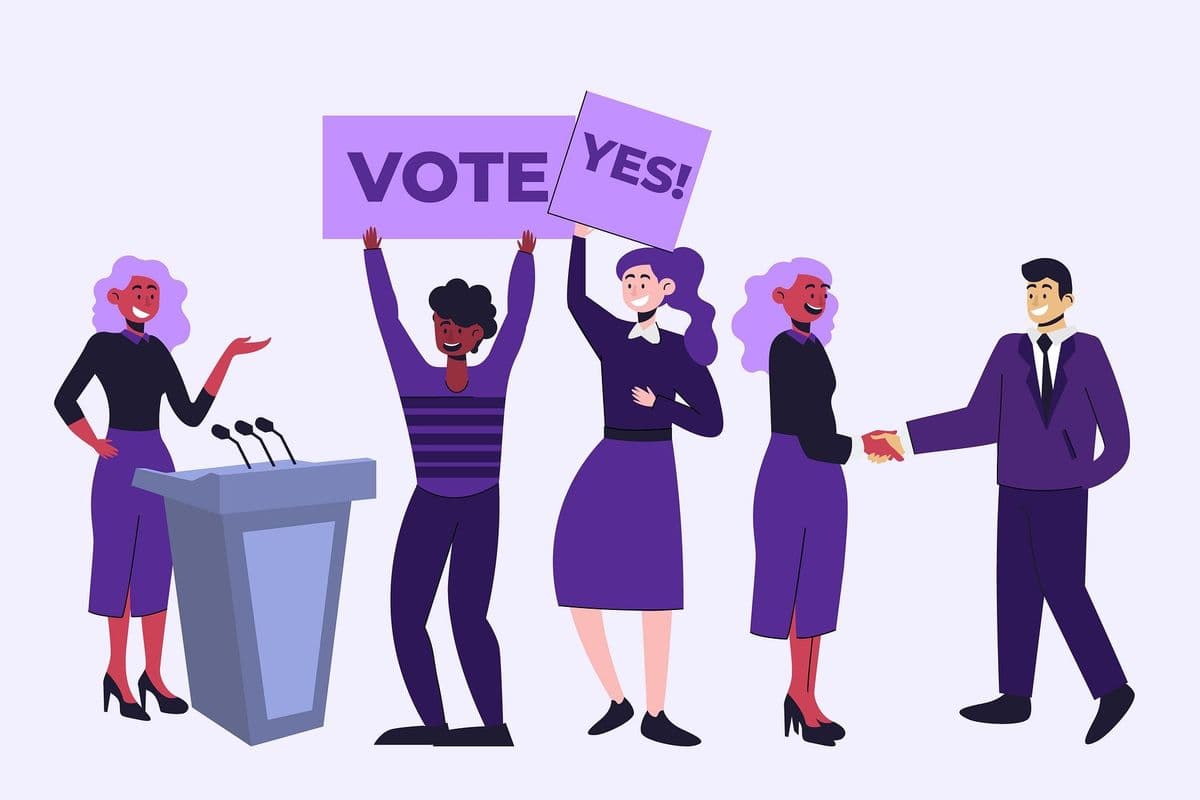
Duties and obligations of citizens:
I. To be loyal to the republic.
II. To defend the state.
III. To contribute to the development and welfare of thestate.
IV. To uphold the constitution and obey the laws.
V. To cooperate with duly constituted authorities.
VI. To exercise rights responsibility and with due regardsfor the rights of others.
VII. To engage in gainful work.
VIII. To register and to vote.

They are those who develop their skills, knowledge and understanding to be able to make informed decisions about their communities and workplace with the aim of improving the quality of life.

Which of the following is not true about active citizenship?

What are the characteristics of active citizenship?
I. Developing knowledge, understanding, critical thinking and independent judgment of local, national and global levels.
II. Encourages participation in the community like involvement in a voluntary activity or engaging with local government agencies.
III. This implies actions whether individually or collectively and empowerment.
IV. People are empowered to play a part of in the decisions and processes that affect them, particularly public policies and services.
In the practice of active citizenship, individuals will be able to challenge policies or actions and existing structures on the basis of principles which includes:
I. Equality
II. Inclusiveness
III. Diversity
IV. Social Justice
V. Socio-Economic Status
This refers to understanding civic duties and responsibilities that are essential components of any social studies curriculum.
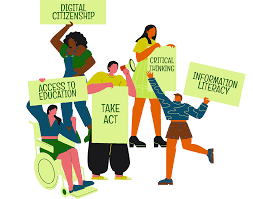
Citizenship education is essential for preparing young people for shared democratic life. Democracy needs active, informed and responsible citizens. The following are true about democracy and how it will depend upon citizens who are equipped with the following except;
Why educators should teach citizenship?

What is the citizenship education approach that is not limited to schools but an integral part of all education for young people?

A type of citizenship education approach that is an entitlement for all young people regardless of their ability or background.
A type of citizenship education approach that is continuing throughout life.
When citizenship issues can affect people at a personal level especially involved family or friends, these issues are;

People have disagreements and hold strong opinion about them, citizenship issues are;
When people relate to what people think is right or wrong, good or bad, important or unimportant in the society, citizenship issues are;
If learning in citizenship education is through discussion and debate, the form of learning is;

If citizenship education employs group work and co-operative learning, the form of learning is;
If citizenship education encourage young people to think for themselves, the form of learning is;
