Loading...


Quantifiers and Food containers
Quiz by Katerina Panoutsou
Customize this quiz to suit your class
Instantly translate to 100+ languages
Tag the questions with any skills you have. Your dashboard will track each student's mastery of each skill.
Give this quiz to my class
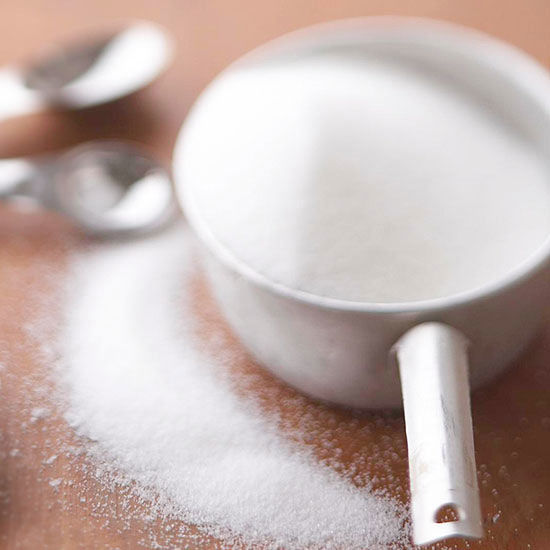
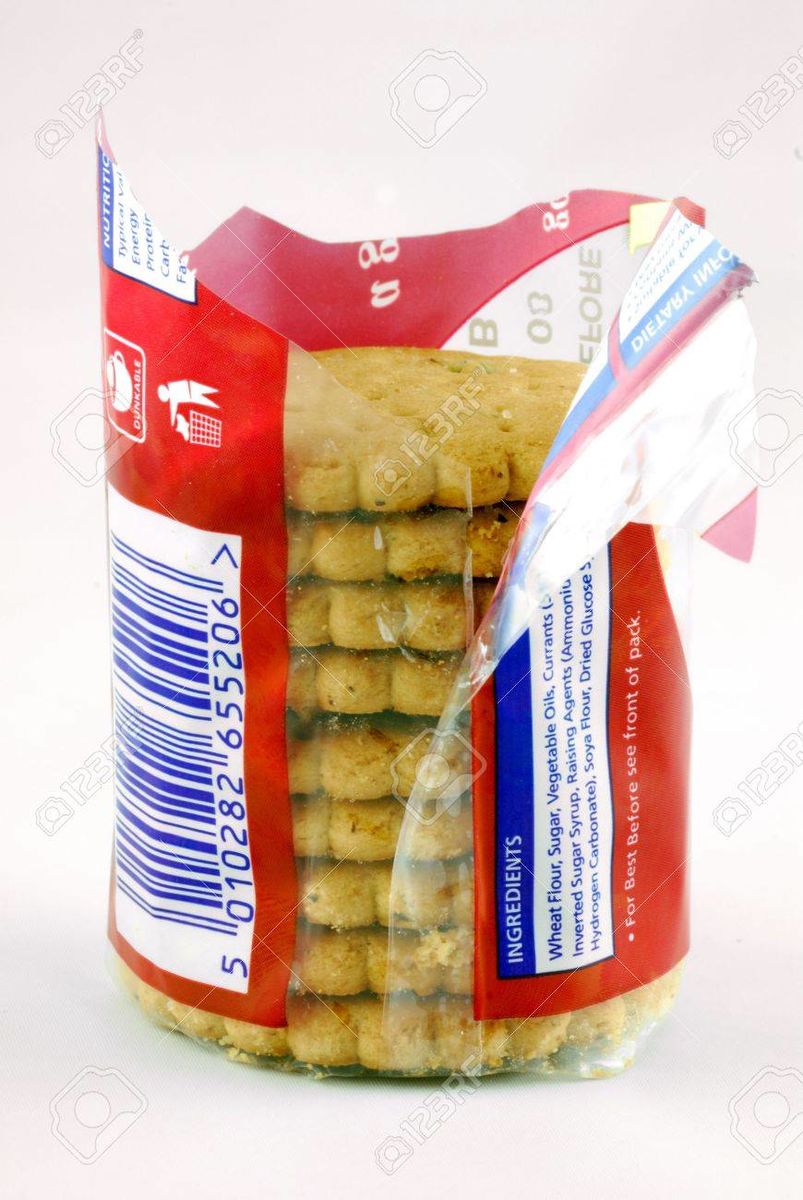
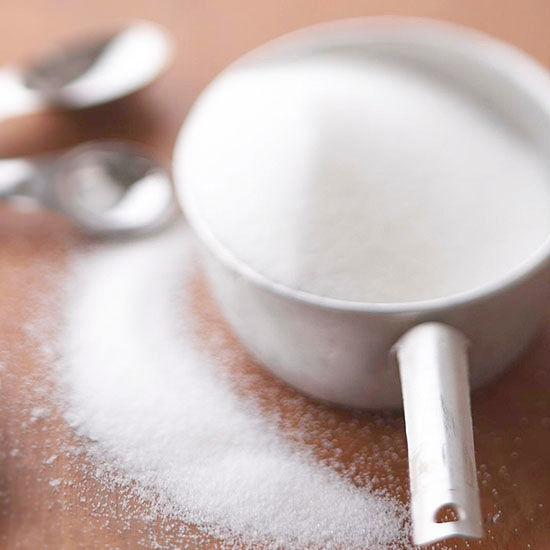
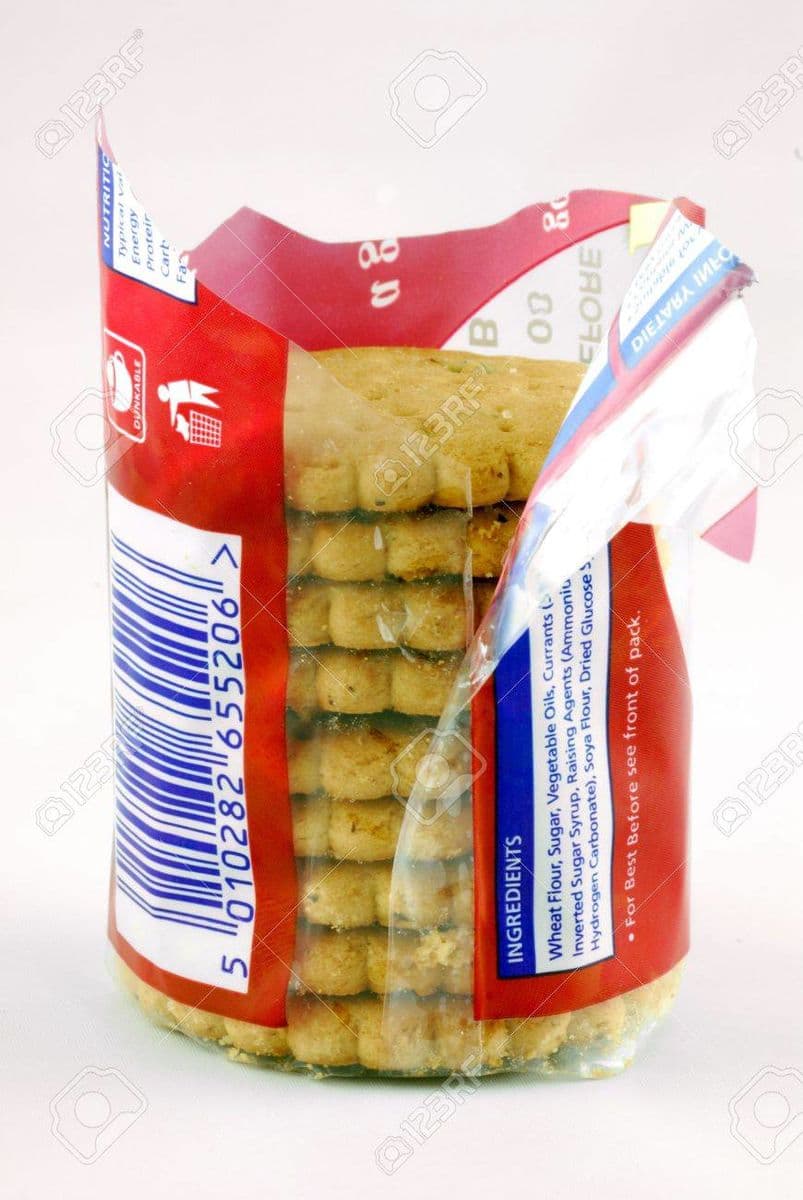
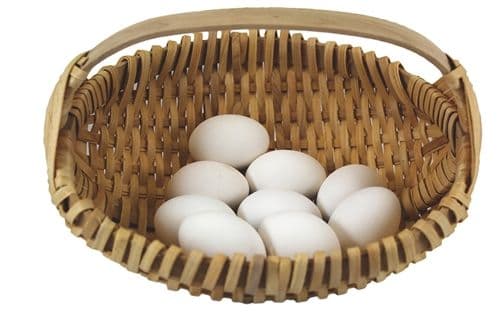
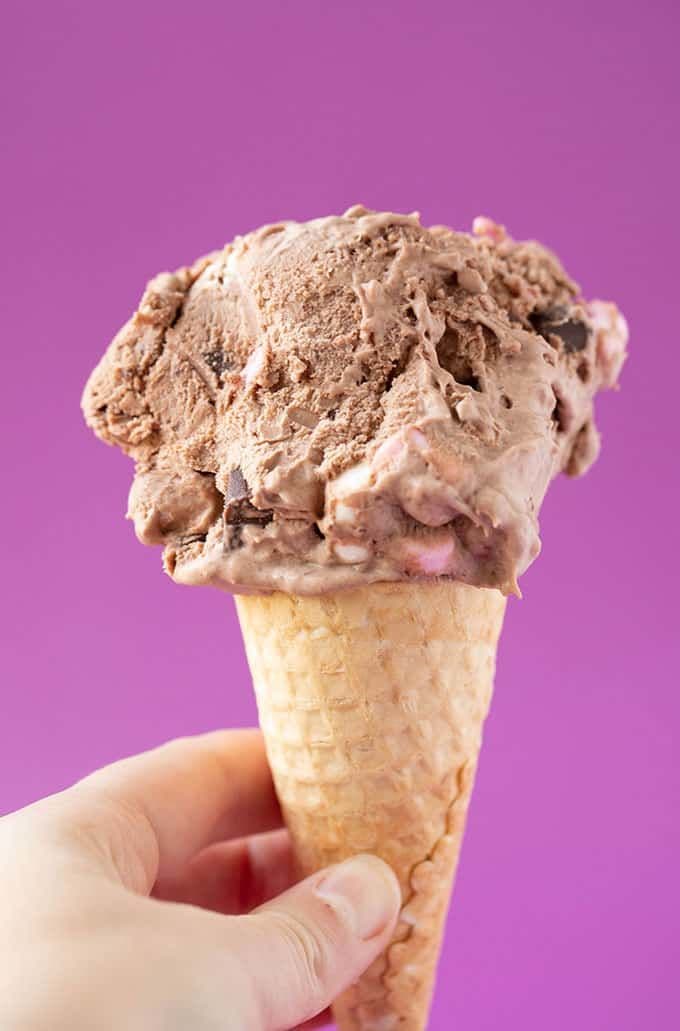


 Grade 5th Food and drink quantifiersCountable/uncountable nouns/quantities and food- making arrangementsThe cytoskeleton is a network of thin tubes and filaments that crisscrosses the cytosol. The tubes and filaments give shape to the cell from the inside in the same way that tent poles support the shape of a tent. The cytoskeleton also acts as a system of internal tracks, shown in Figure 4-18, on which items move around inside the cell. The cytoskeleton’s functions are based on several struc- tural elements. Three of these are microtubules, microfilaments, and intermediate filaments, shown and described in Table 4-2. Microtubules Microtubules are hollow tubes made of a protein called tubulin. Each tubulin molecule consists of two slightly different subunits. Microtubules radiate outward from a central point called the centrosome near the nucleus. Microtubules hold organelles in place, maintain a cell’s shape, and act as tracks that guide organelles and molecules as they move within the cell. Microfilaments Finer than microtubules, microfilaments are long threads of the beadlike protein actin and are linked end to end and wrapped around each other like two strands of a rope. Microfilaments con- tribute to cell movement, including the crawling of white blood cells and the contraction of muscle cells. Intermediate Filaments Intermediate filaments are rods that anchor the nucleus and some other organelles to their places in the cell. They maintain the inter- nal shape of the nucleus. Hair-follicle cells produce large quantities of intermediate filament proteins. These proteins make up most of the hair shaft. 84 CHAPTER 4 TABLE 4-2 The Structure of the Cytoskeleton Property Microtubules Microfilaments Intermediate filaments Structure hollow tubes made of two strands of intertwined protein fibers coiled into coiled protein protein cables Protein subunits tubulin, with two subunits: å actin one of several types of and ∫ tubulin fibrous proteins Main function maintenance of cell shape; cell maintenance and changing of maintenance of cell shape; motility (in cilia and flagella); cell shape; muscle contraction; anchor nucleus and other chromosome movement; movement of cytoplasm; cell organelles; maintenance of organelle movement motility; cell division shape of nucleus Shape Microtubules provide a path for organelles and molecules as they move throughout the cell. FIGURE 4-18 Microtubules Nucleus Endoplasmic reticulum Mitochondrion Ribosomes Copyright © by Holt, Rinehart and Winston. All rights reserved. Copyright © by Holt, Rinehart and Winston. All rights reserved. CELL STRUCTURE AND FUNCTION 85 1. Explain how the fluid mosaic model describes the plasma membrane. 2. List three cellular functions that occur in the nucleus. 3. Describe the organelles that are found in a eukaryotic cell. 4. Identify two characteristics that make mitochon- dria different from other organelles. 5. Contrast three types of cytoskeletal fibers. CRITICAL THINKING 6. Relating Concepts If a cell has a high energy requirement, would you expect the cell to have many mitochondria or few mitochondria? Why? 7. Analyzing Information How do scientists think that mitochondria originated? Why? 8. Analyzing Statements It is not completely accurate to say that organelles are floating freely in the cytosol. Why not? SECTION 3 REVIEW During cell division, centrioles organize microtubules that pull the chromosomes (orange) apart. The centrioles are at the center of rays of microtubules, which have been stained green with a fluorescent dye. FIGURE 4-20 Cilia and Flagella Cilia (SIL-ee-uh) and flagella (fluh-JEL-uh) are hairlike structures that extend from the surface of the cell, where they assist in movement. Cilia are short and are present in large numbers on certain cells, whereas flagella are longer and are far less numerous on the cells where they occur. Cilia and flagella have a membrane on their outer surface and an internal structure of nine pairs of micro- tubules around two central tubules, as Figure 4-19 shows. Cilia on cells in the inner ear vibrate and help detect sound. Cilia cover the surfaces of many protists and “row” the protists through water like thousands of oars. On other protists, cilia sweep water and food particles into a mouthlike opening. Many kinds of protists use flagella to propel themselves, as do human sperm cells. Centrioles Centrioles consist of two short cylinders of microtubules at right angles to each other and are situated in the cytoplasm near the nuclear envelope. Centrioles occur in animal cells, where they organize the microtubules of the cytoskeleton during cell division, as shown in Figure 4-20. Plant cells lack centrioles. Basal bodies have the same structure that centrioles do. Basal bodies are found at the base of cilia and flagella and appear to organize the devel- opment of cilia and flagella.**Tools and Equipment** * **Spatula:** Used for leveling ingredients and spreading fillings. * **Butter Knife:** Used for spreading butter, peanut butter, and cream cheese. * **Chef's Knives:** Come in various sizes, used for general cutting. * **Deli Knife:** Designed for thick sandwiches, with an offset blade for easy slicing. * **Lettuce Knife:** Serrated knife specifically designed for slicing lettuce. * **Paring Knife:** Small knife with a sharp blade, used for peeling and coring foods. * **Sandwich Knife:** Similar to a deli knife but shorter, used for slicing sandwiches. * **Serrated Knife:** Used for slicing bread with hard crusts and soft insides. * **Cutting Board:** A surface for cutting and preparing food. * **Mixing Bowls:** Used for mixing ingredients. * **Rubber Scraper:** Used for scraping down bowls and pans. * **Measuring Cups:** Used for measuring liquids and solids. * **Utility Tray:** Used for holding food in place. * **Strainer:** Used for separating liquids from solids. * **Mixing Spoon:** Used for combining ingredients. * **Can Opener:** Used for opening cans. * **Measuring Spoons:** Used for measuring small quantities of ingredients. * **Grills/Griddles:** Flat heated surfaces for direct cooking. * **Ovens:** Enclosed equipment for heating food with hot air or infrared radiation. * **Microwave Ovens:** Use microwave radiation to heat food. * **Salamanders:** Small broilers used for browning or glazing. * **Bread Toaster:** Used for toasting bread. * **Slicer:** Used for slicing food evenly. * **Chillers:** Used for chilling sandwiches and other foods. * **Freezer:** Used for storing food for extended periods. * **Refrigerator:** Used for storing food at a temperature below room temperature.Industry of Southeast Asia Industrialization in Southeast Asia is a relatively recent phenomenon, much of the development having occurred only since the early 1960s. As mentioned above, industrialization policies have been critical goals in the market economies of the ASEAN countries; and, in all of them except Brunei, industry’s share of the GDP has grown considerably. The most significant increases have occurred in Singapore, Thailand, and the Philippines. Manufacturing in particular has accounted for the greatest changes, with Indonesia, Malaysia, and Thailand making especially large gains during the 1980s. Small factories dominate, both in terms of the number of companies and the number of workers employed. Agricultural processing is most important in virtually all nations. The notable exception is Singapore, where the manufacture of a variety of products, headed by electrical and electronic and transport equipment, is dominant. In Thailand, Myanmar, and the Philippines, textiles and clothing are significant, as is the chemical industry in Thailand and Indonesia. Light, labour-intensive goods, such as electrical and electronic products, are increasingly important. It is in the manufacture of these products and textiles that the most employment has been gained. Tin is the most important metallic mineral in the region in terms of value, and Thailand, Malaysia, and Indonesia account for more than half of world production. In Malaysia and elsewhere, however, alluvial lodes are becoming depleted, and the remaining concentrations are less economical to mine. Fluctuating market prices have also discouraged tin production. Nickel, copper, and chromite are also mined, although the quantities produced in the region are minor in terms of world production. Southeast Asia has considerable reserves of oil and natural gas, notably in Indonesia, Malaysia, and Brunei. Trade Given Southeast Asia’s strategic location and the early development of trade there, it is not surprising that trade is especially important to all nations in the region. The value of regional trade is about one-third that of the United States. Most striking is the almost total dominance of trade by the market economies. Exports, as a percentage of the GDP, are small in Cambodia, Myanmar, Vietnam, and Laos and moderately so in Thailand, the Philippines, and Indonesia. Countries with a relatively large proportion of export trade are Singapore, Malaysia, and Brunei. Composition of exports is important. In this respect, Indonesia—the trade structure of which long has been dominated by oil—has been relatively successful in diversifying its exports toward plywood, rattan, coffee, rubber, and textiles. Conversely, Malaysia, with a trade pattern of exporting palm oil, tropical hardwoods, and tin, now derives the majority of its export income from petroleum products. This revenue has been used to build up the country’s industrial base. Thailand exhibits a much less diverse export structure, where food and manufactured goods account for nearly all of its total trade. Likewise, Brunei relies almost entirely on its petroleum exports. Singapore, however, has utilized its unique geographic position and highly educated labour force to attract multinational corporations. As a result, investment in the manufacturing and, increasingly, service sectors has greatly expanded. Intraregional trade among the ASEAN members, while important, accounts for only about one-fifth of Southeast Asia’s total trade. Philippine trade within the region is especially small, reflecting its long-term orientation toward the United States. Far more important, therefore, is the trade with countries outside the region, dominated by that with Japan, Europe, and the United States; increasingly significant, however, is the trade with Taiwan, China (especially Hong Kong), and South Korea. 1 .Sand soil • Has course/ large particles • they are larger than those of clay • Loses water quickly • Has less organic matter • Has good aeration • Allows good root penetration • Leaching of nutrients is more in sand soil. • Does not stick when wet 2. Clay soil • Has very fine particles which are closely packed • The soil is sticky when wet and can be moulded into any shape • It holds more water than sand and loam • It has poor drainage • It cracks when dry • It has poor aeration • It does not allow good root penetration 2 .Loam soil • Is a mixture of sand and clay particles • It half clay half sand • It can be easily moulded into a shape but easily crumbles • Holds water for a longer time than sand • It sticks on the hands when wet • It has good drainage • It has good aeration • It allows good root penetration • Loam is the best soil Soil Fertility • When soil has enough plant nutrients it is fertile • Soil fertility is the presence of nutrients in the soil • A farmer can add nutrients to the soil to make it fertile • This is done by applying fertilizers and compost. • A fertiliser is a substance that is added to the soil to increase fertility • Nutrients found in the soil include Nitrogen, Phosphorus and Potassium ( NPK ) • They are called major nutrients or macro nutrients because they are needed in large quantities Minor nutrients • Minor nutrients are needed in smaller quantities • Minor nutrients are also called micro nutrients or trace elements • Examples of minor nutrients are boron, iron, zinc, manganese, magnesium and molybdenum Soil erosion • Is the washing away of top soil by agents such as Water Wind Animals Humans 1. Water: • Water washes away soil when it rains. • Loose soil is washed away into dams and rivers. • Steep slopes also lead to soil erosion. • Ploughing 2 . Wind • The blowing away of soil by wind causes soil erosion. • When people cut down trees wind erosion easily takes place. • Type of soil also leads to wind erosion. Which soil type is easily eroded by wind? 3 . Animals • Animal cause soil erosion by overgrazing. • Overgrazing is when animals eat plant or vegetation leaving the ground surface bare. • Animals walking on the same pathway for a long time make the soil loose. • Animals that live underground also burrow loosening the soil. • This makes soil break easily and get washed away. WATER WATER CONSERVATION Water • Water is important in agriculture • It is used to: Clean farm tools Mould bricks Wash milking equipment Cool machines Provide homes(habitat) for fish Give animals drinking and bathing water Sources of Water Natural sources 1. Natural rains: • rain water from the clouds is a primary source of water. • It is used to water crops such as maize, millet, sorghum and so on during the rainy season. • Rain water that collects into the rivers and dams is used by animals and people for drinking. 2 . Rivers : • Rivers are some of the major sources of water for different activities such as fishing, boat cruising and irrigation. 3 . Streams : • A stream is a small river. • Streams supply water for irrigating garden crops especially in rural areas. • They are also a source of water for animals to drink and bath. Sources of Water 4 . Springs : • Springs are usually found on hilly areas. • They result from pressure of underground streams. • The pressure forces water underground to form a channel to the surface of the soil and flow above the ground. Sources of Water Man made sources Man discovered that water for agriculture was not enough during the rain and cool dry seasons. They decided to make structures which would harvest or collect and store water for future use. 1.Protected well: • Wells are dug in the ground by hand. • They are often lined with bricks and concrete so that they do not cave in. • Protected wells are covered, therefore are safe to drink from. 2 . borehole : • They are deep holes made by drilling machines. • Drilling can be done up to 70 metres deep. • Water is pumped using an electric pump or hand pump. Sources of Water 3 . Dams : • A dam is a large wall or barrier built to hold water to save it for future use. 4 . Weir : • A weir is made by construction a cement brick wall or concrete wall across a river to trap water and eroded soil. • water flows over the wall when the river is inflood. 5 .Water tank : • Is a temporary manmade water source. • Water from a water tank is usually harvested from roof tops or it works along a borehole or protected well as temporary storage. • Water is pumped from the borehole or protected well into the water tank. 6 . reservoir : • A large natural or manmade lake used as a source of water. PLANTS Uses of plants • Fibre for making clothes • Oil for cooking, making paint and chemicals • Sugar for tea • Wood for timber • Refreshing drinks and alcohol • Food for people and animals • Protect the soil from erosion • Plants supply us with fresh oxygen for breathing. • Some plant parts are used as medicine.Some substances, such as macromolecules and nutrients, are too large to pass through the cell membrane by the transport processes you have studied so far. Cells employ two other transport mecha- nisms—endocytosis and exocytosis—to move such substances into or out of cells. Endocytosis and exocytosis are also used to transport large quantities of small molecules into or out of cells at a single time. Both endocytosis and exocytosis require cells to expend energy. Therefore, they are types of active transport. Endocytosis Endocytosis (EN-doh-sie-TOH-sis) is the process by which cells ingest external fluid, macromolecules, and large particles, including other cells. As you can see in Figure 5-7, these external materials are enclosed by a portion of the cell’s membrane, which folds into itself and forms a pouch. The pouch then pinches off from the cell membrane and becomes a membrane-bound organelle called a vesicle. Some of the vesicles fuse with lysosomes, and their con- tents are digested by lysosomal enzymes. Other vesicles that form during endocytosis fuse with other membrane-bound organelles. Two main types of endocytosis are based on the kind of material that is taken into the cell: pinocytosis (PIEN-oh-sie-TOH-sis) involves the transport of solutes or fluids, and phagocytosis (FAG-oh-sie-TOH-sis) is the movement of large particles or whole cells. Many unicellular organisms feed by phagocytosis. In addition, certain cells in animals use phagocytosis to ingest bacteria and viruses that invade the body. These cells, known as phagocytes, allow lysosomes to fuse with the vesicles that contain the ingested bacteria and viruses. Lysosomal enzymes then destroy the bacteria and viruses before they can harm the animal. CYTOSOL EXTERNAL ENVIRONMENT During endocytosis, the cell membrane folds around food or liquid and forms a small pouch. The pouch then pinches off from the cell membrane to become a vesicle. FIGURE 5-7 vesicle from the Latin vesicula, meaning “bladder” or “sac” Word Roots and Origins www.scilinks.org Topic: Endocytosis Keyword: HM60505 mb06se_homs02.qxd 5/18/07 11:03 AM Page 105 106 CHAPTER 5 1. Explain the difference between passive trans- port and active transport. 2. What functions do carrier proteins perform in active transport? 3. What provides the energy that drives the sodium-potassium pump? 4. Explain the difference between pinocytosis and phagocytosis. 5. Describe the steps involved in exocytosis. 6. How do endocytosis and exocytosis differ? How can that difference be seen? CRITICAL THINKING 7. Analyzing Information During intense exercise, potassium tends to accumulate in the fluid surrounding muscle cells. What membrane protein helps muscle cells counteract this tendency? Explain your answer. 8. Evaluating Differences How does the sodium- potassium pump differ from facilitated diffusion? 9. Relating Concepts The vesicles formed during pinocytosis are much smaller than those formed during phagocytosis. Explain. SECTION 2 REVIEW Vesicle Cell membrane EXTERNAL ENVIRONMENT CYTOSOL During exocytosis, a vesicle moves to the cell membrane, fuses with it, and then releases its contents to the outside of the cell. FIGURE 5-8 INSIDE OF CELL Vesicle OUTSIDE OF CELL Exocytosis Exocytosis (EK-soh-sie-TOH-sis) is the process by which a substance is released from the cell through a vesicle that transports the sub- stance to the cell surface and then fuses with the membrane to let the substance out of the cell. This process, illustrated in Figure 5-8, is basically the reverse of endocytosis. During exocytosis, vesi- cles release their contents into the cell’s external environment. Figure 5-8 also shows a photo of a vesicle during exocytosis. Cells may use exocytosis to release large molecules such as pro- teins, waste products, or toxins that would damage the cell if they were released within the cytosol. Recall that proteins are made on ribosomes and packaged into vesicles by the Golgi apparatus. The vesicles then move to the cell membrane and fuse with it, deliver- ing the proteins outside the cell. Cells in the nervous and endocrine systems also use exocytosis to release small molecules that control the activities of other cells.THE BATTLE OF THE PHILIPPINE SEA Occured in the Philippine Sea and Marinas The battle engaged the bulk of thepagan American forces, and prevented the Japanese from reinforcing, their fleet in the •Marianas. •A month after, the Japanese LOST THEIR 4 best aircraft carriers in the Battle of Midway, an island northwest of Pearl "Harbor. 1. The Batle of the Philipine Sea lasted just one day June 19- June 20 1944 3. is also called the "Marianas Turkey Shoot” The Battle of the Coral Sea The Coral Sea is Between New Guinea and Australia The Japanese Were Trying to Attack Australia! The U.S. Navy and the Japanese Navy Fought! Nobody Won! U.S. Was Able to STOP the Attack on Australia! (Victory!) The American fleet defeated the Japanese. American planes bombarded Japanese installation in Manila from the air. Air strikes were also carried out in the Visayas. Battle of Okinawa: Battle Details The attack on Okinawa took heavy toll on both sides of the fighting... The Americans lost 7,373 men killed and 32,056 wounded on land. At sea, the Americans lost 5,000 killed and 4,600 wounded. The Japanese lost 107,000 killed and 7,400 men taken prisoner. The Japanese may have lost another 20,000 dead as a result of American tactics whereby Japanese troops were incinerated where they fought. The Americans also lost 36 ships. 368 ships were also damaged. 763 aircraft were destroyed. The Japanese lost 16 ships sunk and over 4,000 aircraft were lost. battle facts -the japanese launched fierce kamikaze attacks l-arge amouunts of civillian deaths -japanese soldiers using civilians as human shields Americans ended with more triumphs in the battles like in: General MacArthur and the Allies next turned to the Island of Iwo Jima The island was critical to the Allies as a base for an attack on Japan It was called the most heavily defended spot on earth Allied and Japanese forces suffered heavy casualties IWO JIMA American soldiers plant the flag ol the Island of Iwo Jima after their victory Battle of Leyte Gulf "Second Battle of the Philippine Sea". Time: October 23 - 26, 1944 during WW. Location: Leyte Gulf in Philippines (East coast), Philippine islands of Leyte, Samar, and Luzon. Largest naval battle in WWII. Leyte was secured and was liberated from the hands of the Japanese Americans decided to launch their attack in Leyte since the weak side of the Japanese fleet was in Visayas. Heavy bombing at the Leyte beaches cleared the way for the landing in Palo, Leyte. Leading the American troops were General Douglas MacArthur and President Osmeña, who took over after the death of President Quezon in Saranak Lake in New York. the battle for the liberation of manila The commonwealth government capital was transferred from tacloban to Manila. Manila once again became the seat of the national leadership. ON july 4, 1945, general macarthur announced the total liberation of the Philippines • The Commonwealth government capital was transferred from Tacloban to Manila. Manila once again became the seat of the national leadership. On July 4, 1945, General MacArthur announced the total liberation of the Philippines. Americans surprised the Japanese with the landing of troops in Lingayen Gulf in Pangasinan. • The Filipino guerillas had already cleared the area and neutralized many of the Japanese forces. The first target was the UST, which was used by the Japanese as a camp for civilian prisoners of war, and they were able to free them. • More than 1000 POWs from Bataan and Corregidor were also freed from the Bilibid Prisons. • The battle of Manila was recorded as the fiercest urban fighting in the entire Pacific War. WATERLOO DAILY COURIER-NEWSPAPER “PEACE! WAR ENDS; JAPANESE ACCEPT ALLIED TERMS. ON EMPEROR" On August 6, due to persistent refusal of Japan to yield, another atomic bomb was dropped in the shipbuilding city of Nagasaki. On August 15, V-J Day (Victory in Japan), Emperor Hirohito finally admitted defeat and on September 3, 1945 the document of surrender was signed on board of the U.S. battleship Missouri in Tokyo Bay. With the liberation of the Philippines, the Americar troops moved on to finally end the war in Asia. The Japanese cities of Tokyo, Osaka, Nagoya and Kure were bombed. In July 26, the allies demanded surrender but the Japanese continued to hold on to their belief that surrender is a dishonor. Atomic bomb was dropped on the populous city of Hiroshima, 60% of the city was destroyed. It was estimated that there were more than 80 000 people died on the spot and more than 37 000 suffered severe injuries. Today, the HIROSHIMA SHRINE serves as a reminder of th horrors of war and the need to preserve PEACE in the world. THE POSTWAR PHILIPPINE COMMONWEALTH-• Philippine Commonwealth resumed. Osmeña was confronted with a war - ravaged country with no financial resources for PROBLEMS • Poverty • Destruction of Properties • Unemployment • Price Increase • Hoarding • Graft and Corruption HINDRANCES -Rehabilitation of INDUSTRIES COULD NOT BE DONE BECAUSE OF LACK OF FUND -RAILWAYS WERE DESTROYED THAT LED TO SLOW PRODUCTION AND TRANSPORTATION SOLUTION -PCAU (Philippine Civil Affairs Unit) was established by MacArthur to provide emergency relief in areas liberated by the Americans. - It organized food distribution centers. CHALLENGES TO INDEPENDENCE • On April 30, 1946, the Philippine the US President. BIASED AGREEMENTS: Rehabilitation or the Tydings Act of 1946, passed by the US Congress, was approved by Commission • This Act created the US Philippine War Damage The Act also provided for the transfer of $100,000,000 surplus property of the United States to the Philippines. The Philippine Armed Forces received large quantities of valuable military equipment and supplies. BIASED AGREEMENTS: • The United States Congress offered $800 million for post World War Il rebuilding funds if the Bell Trade Act was ratified by the Philippine Congress Parity rights granting U.S. citizens and corporations rights to Philippine natural resources equal to (in parity with) those of Philippine citizens The Philippines used to celebrate its Independence Day on July 4, and not June 12, by virtue of the Truman Proclamation in 1946. In the early 1960s, however, the Philippine Historical Association lobbied to bring back June 12 as our Independence Day. In 1962, President Diosdado Macapagal issued a proclamation to make the change official. DECLARATION OF PHILIPPINE INDEPENDENCE • On July 4, 1946, the Americans granted independence to the Philippines.