Loading...


Quiz time for Mentees
Quiz by Sudharsanan Muralidharan
Customize this quiz to suit your class
Instantly translate to 100+ languages
Tag the questions with any skills you have. Your dashboard will track each student's mastery of each skill.
Give this quiz to my class
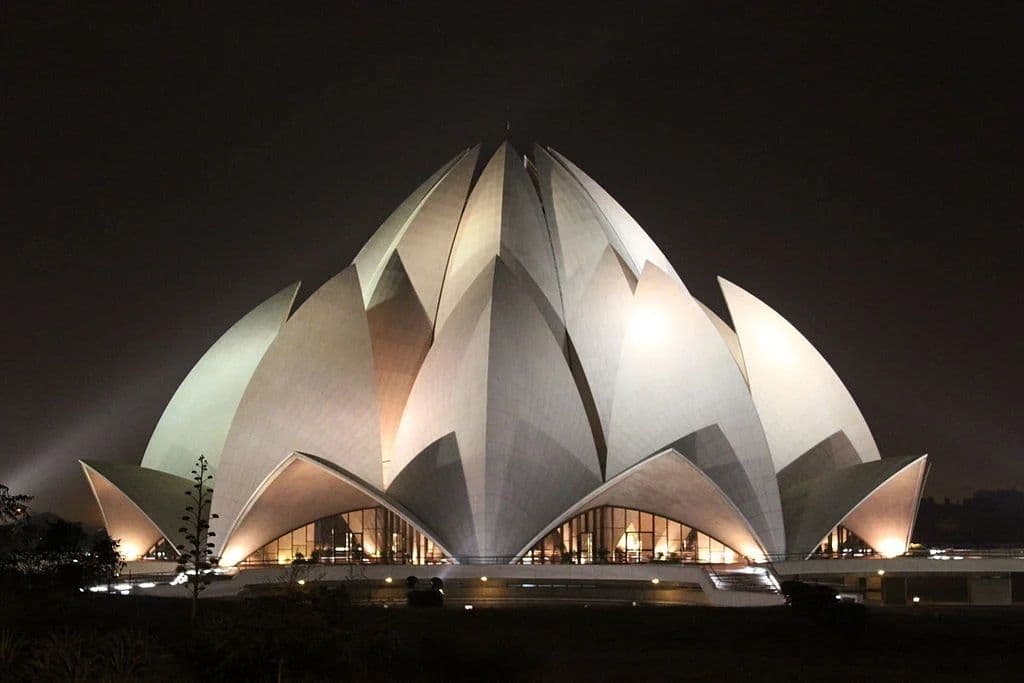
In which city is this distinctive and famous building located?
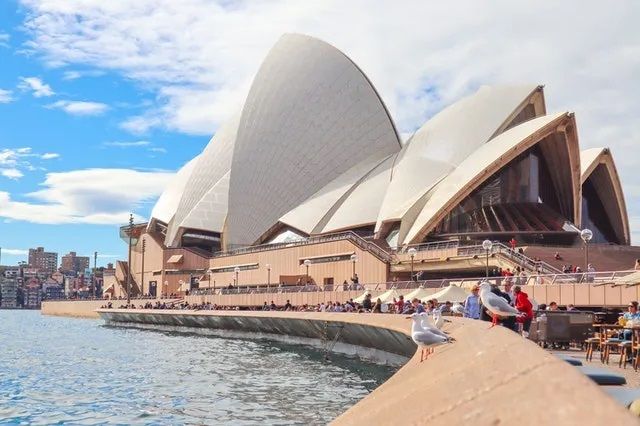
Auckland, New Zealand
Sydney, Australia
Bali, Indonesia
What is the name of this world-known tourist destination in Italy?
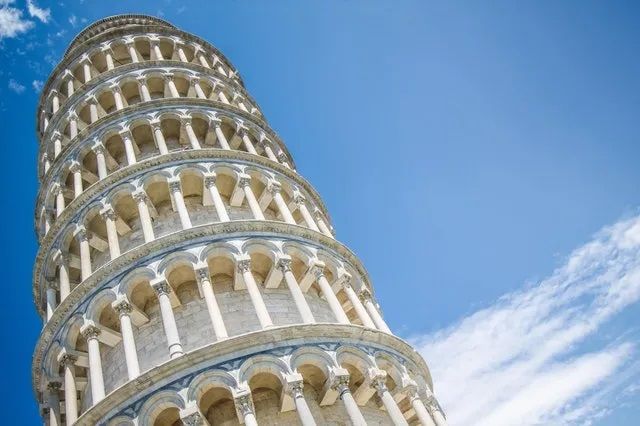
Leaning Tower of Pisa
Ponte Vecchio
Milan Cathedral
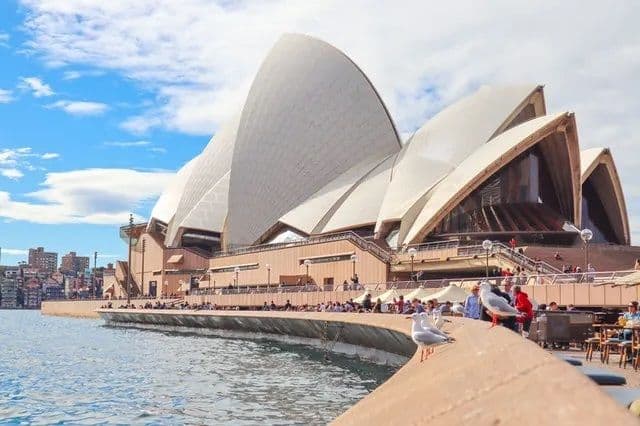
In which city is this distinctive and famous building located?
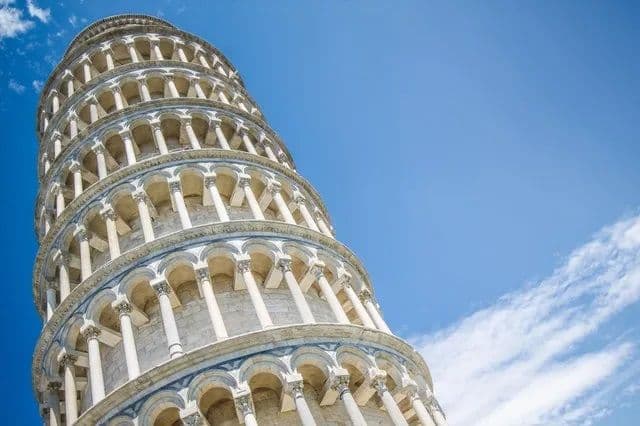
What is the name of this world-known tourist destination in Italy?
How high is the Burj Khalifa in Dubai, United Arab Emirates?
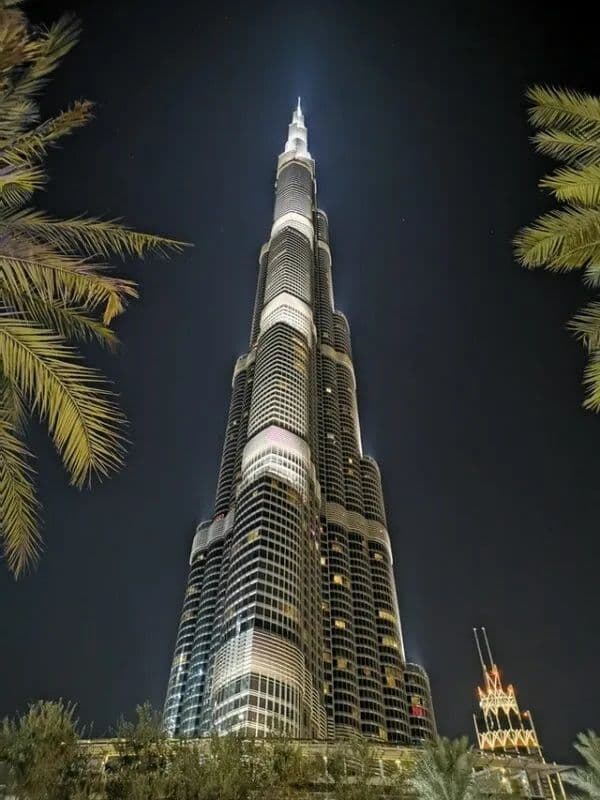
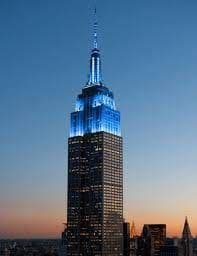
Name this famous building in USA
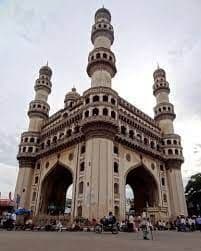
Name this famous monument in India
Name this famous temple in India
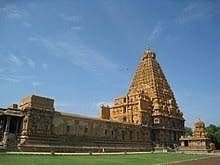
Name the famous building in India

Name this famous structure
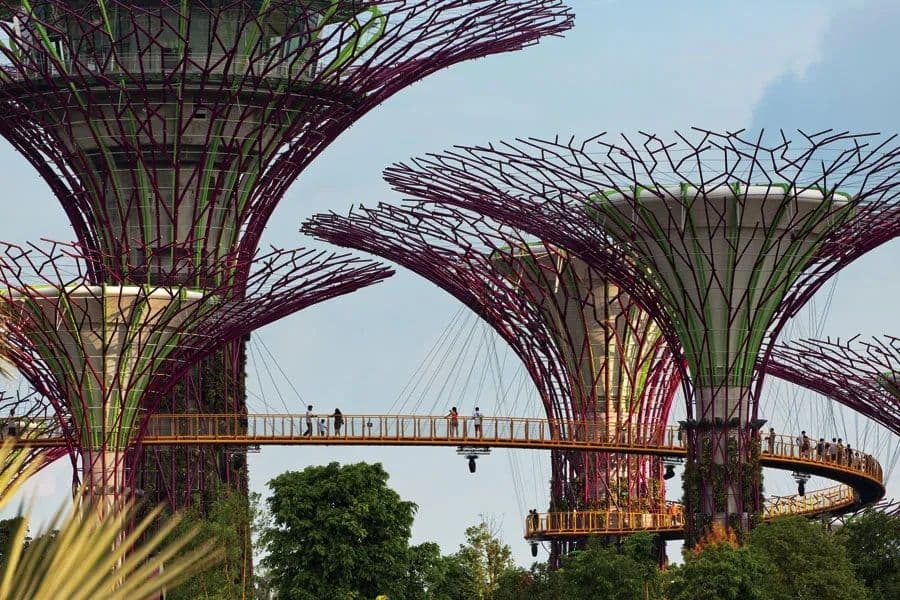
Name the location at where the botanical bay(Gardens by the Bay) constructed.
The name of the building situated in Mississauga, Canada is___
 Quiz time (for kids)Yay, time for a quiz!Make mcq quiz with 4 option in which one is correct -'10 Basis of Material Science • .....;;;";;;"~~;;,,;;,,,,;.;.,,;;,,,;,,;.;,.,------------ 6. Temporary materials: Some materials are meant to be placed in the oral cavity for a short period of time for different reasons. • Temporary crowns: While a permanent crown is prepared in the dental laboratory, the patient must wait for few days before it can be fabricated and cemented into place. Does patient experience any problems during this time period? If the tooth is vital (the pulp is alive), the patient is likely to experience pain and sensitivity while eating and drinking, also it looks unesthetic. What can be done to solve this problem? A temporary crown is placed before the patient leaves the clinic. It is constructed and luted in the same appointment in which the crown preparation is done. Temporary crowns are not very strong or esthetic but they serve adequately till the permanent crown is ready to be cemented. • Temporary restorations: Sometimes it is difficult to decide immediately the best line of treatment for a particular tooth. The exact condition of the pulp may not be obvious to the dentist from the patient's symptoms. A dentist removes all or part of the decay and then places a temporary restoration to have time to observe the behaviour of the pulp or to give the pilip time to heal before deciding the further treatment required. Classification based on Location of Fabrication 4,9 Materials can be classified based on the location of fabrication into: • Direct restorative materials. • Indirect restorative materials Direct restorative materials: They include those materials which are used to restore cavity preparations directly in the oral cavity (Box 1.5). Box 1.5: Examples of direct restorative materials Amalgam, composites, glass ionomer and other materials, which set by chemical reactions in the mouth. Indirect restorative materials: It includes those restorations which must be fabricated outside the mouth, indirectly on a cast/ model/ die, because their processing condition would harm oral tissues. Materials used in the construction of such prosthesis are called indirect restorative materials (Box 1.6). Box 1.6: Examples of indirect restorative materials Gold inlays, crowns of metal, ceramic and polymers, which are processed at elevated temperatures. Some indirect composite restorations can be processed under specific wavelength of light, e.g. Ceramage. Classification based on Longevity of Use 1. Permanent restorations: These restorations are not planned to be replaced for a particular time period. Though they are referred to as permanent, actually they are not, e.g. fillings, crowns, bridges and dentures do not last forever (Fig. 1.5). 2. Temporary restorations: These restorations are planned to be replaced in a short period of time, such as few days to weeks. For ~ Permanent C/) c c -.2 0 c- :;::; Cll co Interim ~ Q; 0 .8ll::1iJ C/) o~ Cll a:: c:=:J Temporary Time period Fig. 1.5: Diagram depicting the time period of use of a restoration. (Arrow in permanent restoration depicts that such restorations are not planned to be replaced for a long period of time.) Introducton to Dental Materials Dental materials Box 1.7: Characteristics of metals 1. High thermal and electrical conductivity 2. Ductility (pure metals are very soft and they can be bent without breaking) 3. Opacity (they do not transmit light) 4. Luster (they have a surface that strongly reflects light and appears bright and shiny) 5. They tend to dissolve to some extent in water or other aqueous solutions, producing cations. 6. All metals are white (actually gray) except for gold, which is yellow, and copper, which is reddish. 7. All metals are solid at room temperature except mercury, which is liquid at room temperature and is used with silver alloys as amalgam. 8. All metals have high melting temperatures because of high strength of the metallic bond that holds the atoms together. 3. Polymers 4. Composites Composites are mixtures of two or more of the first three classes in which the different components remain distinct from one another in the final structure. A common example is composite resin. Fig. 1.7a: Three-dimensional structure of iron (metal) Metals Metals are the oldest of the three classes of materials that have been used as dental materials. Metals are characterized by metallic bonds (Box 1.7) which will be discussed in the next chapter. Metals solidify with their atoms in a regular or crystalline arrangement (see Chapter 2), often in the form of a cube (Fig. 1.7a). example, temporary fillings done in a tooth during root canal treatment, which have to be replaced within 2-4 days during subsequent visits. They are used to protect the tooth and provide function till the final restoration is done. 3. Interim restoration: At times, dental treatment requires "long-term" definite temporary restorations or "interim" restorations. For examle, a 7-year-old child, met with trauma and fractured one of his central incisors. A large composite build- up may serve his immediate requirement until the root formation is completed and a permanent crown is placed. 5 Classification based on the Chemical Nature of the Material These are the atoms that make up a material and the way they are bonded together determine the properties of that materiaLS Weak bonds make for weak materials and vice versa (Table 1.4). Materials can be classified into different categories based on their primary atomic bonds (Fig. 1.6): 1. Metals 2. Ceramics Fig. 1.6: Classification of dental materials based on chemical nature 12 Basis of Material Science Box 1.9: Benefits of ceramics in dentistry 1. Many ceramic oxides are used as pigmenting agents. These oxides produce good range of colors. Due to this characteristic, we are able to match almost any tooth color with good esthetic results. 2. They are inert, i.e. not chemically reactive. This quality provides ceramics with good bio- compatibility. 3. Ceramic materials are translucent, like natural teeth. This translucency gives the ceramic crown a more natural appearance than any other dental material. Fig. 1.7b: Internal arrangement of tetrahedral structure of ceramic (silica) four large oxygen atoms surround smaller silicon atom Ceramics A ceramic is a compound formed by the union of a metallic and a non-metallic element (Box 1.8). Most of these materials are oxides, formed by the union of oxygen with metals such as silicon, aluminum, calcium and magnesium (Fig.1.7b). Ceramics may be simple or complex. Examples of simple ceramics are alumina and silica. Examples of complex ceramics are feldspar (potassium aluminum silicate) and kaolin (hydrated aluminum silicate). Ceramics may be crystalline or non- crystalline (i.e. amorphous). Porcelain is a specific type of ceramic used extensively in dentistry (Box 1.9). Box 1.8: Characteristics of ceramics 1. High melting points. 2. Brittleness, which means they cannot be bent or deformed (no sliding) to any extent without actually cracking and breaking. 3. They are poor conductor of heat and electricity. 4. They are chemically inert. 5. They have excellent esthetic result in terms of matching natural teeth. Fig. 1.8: Stucture of synthetic polymer Polymers They are the latest addition (early to mid- 1900s) to dental materials. Most of the polymers are nowadays synthesized by humans. Polymers are giant, long-chain organic molecules (Fig. 1.8). Polymers are characterized by covalent bonds within each molecule, giving them tremendous strength in a single direction. Try to break a nylon rope by pulling it! They are poor conductors of heat and electri- city. Most polymers have a structure containing thousands of carbon atoms linked together like beads on a string. Others, such as silicone polymers are formed with silicon-oxygen bonds. Introducton to Dental Materials Table 1.4: Characteristics of different materials 13 Characteristics Bond Properties Crystal structure Metals Metallic bonding High strength and hardness, high electrical and thermal conductivity BCC, FCC, or HCP unit cells Ceramics Ionic or covalent bonding, or both High hardness and stiffness, electrically insulating, refractory, and chemically inert Crystalline or amorphous Polymers Covalent bonding Low sensitivity, high electrical resistivity, and low thermal conductivity, strength and stiffness vary widely Amorphous and crystalline Composites Composites are combinations of any of the basic ceramic, metallic and polymeric materials (Box 1.10). Each material that makes up composites is called a phase. Their properties tend to be somewhere between those of their basic constituents and are used to enhance their performance, longevity and handling chracterstics. Box 1.10: Types of composites in dentistry 1. Ceramic - metallic composite: Tungsten carbide bur. 2. Metal - polymer composite: Die materials in dental laboratory. 3. Ceramic - polymer composite: Enamel, dentin, bone and restorative composites. A composite is a kind of "combination" of materials, which compliment each other. The properties lacking in one material are compensated by those of the other material. For example, restorative composite has two phases, namely resin and fillers. Teeth and bones are examples of natural composites. Enamel is a composite of hydroxyapatite (which is a ceramic material) and protein (which is a polymer). EVALUATION OF DENTAL MATERIALS Most manufacturers of dental materials maintain a quality assurance programme (As per international standard like ADA specifications) and materials are thoroughly tested before being released into the market for dental practitioner (Fig. 1.9). Laboratory Evaluations Most ADA/ ANSI specifications involve laboratory tests. The tests performed as per these specifications are useful but they all are performed in vitro, (carried out in the laboratory away from the clinical conditions) which have a lot of limitations in clinical practice.lO Clinical Notes 1. For example, most of the direct restorative materials are tested for their compressive strength but ultimately the material is subjected to a combination of compressive, tensile and shear stresses, which may decide the final success or failure of the material under masticatory load. 2. Similarly upper dentures mostly fracture along the midline because of bending. Hence a bending or transverse strength ~B-a-s-is-o-f-M-a-t-e-ria-I-S~c-ie-n-c-e-------------- ---------. test is far more meaningful for denture base materials than a compression test. Clinical Trials The majority of new materials are subjected to extensive clinical trials normally in co-operation with a dental college or hospital departments prior to their release. CONCLUSION As the number of available materials is going up, it is important that the dentist remains more aware about new products so that their judgement about the selection of material remains successful. Materials which have not been thoroughly evaluated should be avoided, specially with clinical dentistry falling under Consumer Protection Act (CPA). I Research and development I iI Manufacturer/analysis Ideal requirements for clinical use: Thermal, optical, mechanical, chemical, biological Available materials and their properties are evaluated Launch of new I product Choice and selection of material by the dentist Critical assessment based on clinical performance I I H feedback to IMake a vocabulary quiz with below.Crisis: a very difficult situation or emergency; “Investors are worried that continuing problems in the stock market might lead to another financial crisis.” Short-staffed: not having enough employees or workers; “We laid off dozens of employees to save money, but now we’re short-staffed and can’t fill orders quickly.” To drive someone nuts: to make someone upset or annoyed; “The autocorrect feature on my mobile phone really drives me nuts.” To arise: to happen or start to develop, especially for problems or situations; “Problems arose for the developers when local residents voted against construction of the new shopping mall.” To moan: to complain about something, especially in a way that bothers other people; “Every Monday morning my colleagues moan about having to come to the office so early.” Optimism: the feeling or belief that good things will happen; “Analysts are expressing optimism that the real estate market will bounce back quickly.” Pessimism: the tendancy or belief that the worst will happen. “Now is not the time for pessimism, we need to believe we can do this or we will fail.” Hurdle: a problem that must be overcome or dealt with in order to reach a goal or do something; “Lack of capital is a major hurdle for many young entrepreneurs with good business ideas.” © 2013 All rights reserved: www.businessenglishpod.com 2 To give up: to stop trying to do or achieve something; “After being rejected by over a dozen universities, Roger gave up on his plans to study for an MBA.” To keep your eye on the prize: to stay motivated and focused on your final goal or reward; “Okay folks, I know things have been really busy, but let’s keep our eye on the prize and we’ll get this done before Christmas.” Down the road: in the future; “Sales our good in our retail outlets, but 10 years down the road we’re going to have to be more competitive in the online market.” To overcome: to deal with a problem successfully; “You are going to have to overcome your lack of confidence if you want to be a good salesman.” Decisiveness: having the ability to make decisions and act firmly. “Decisiveness is a quality we look for in new managers.” Bumpy: we can use “bumpy” to describe a road or process that has many problems; “We had a pretty bumpy start-up phase, but we finally managed to turn a profit in our fifth year of operations.” To display: to show a feeling, emotion, or characteristic; “David displayed tremendous preparation and diplomacy during the negotiations.” On the fence: someone who is “on the fence” is having difficulty making a decision or taking a position; “While the executives support expansion wholeheartedly, the shareholders are still on the fence about it.” All-in: in poker, if you are “all-in” you put all your money on one bet, but we can use this expression more generally to say you are completely committed to something, especially a plan; “This sounds like a good idea, but before I go all-in I need to know more about the project partners.” To have what it takes: to have the ability or intelligence to do something; “I thought I’d enjoy law, but after a few years as a junior lawyer I realized I don’t really have what it takes.### Quizalize Script: **"Millennial TV & Celeb Quiz Challenge"** #### Quiz Introduction: - **Title**: "Millennial TV & Celebrity Quiz Challenge 📺✨" - **Description**: "Are you ready to prove your 2000s pop culture expertise? Answer these fun questions to show off your TV and celebrity knowledge! Invite your friends and see who comes out on top!" - **Gamified Element**: - Enable Quizalize’s leaderboard feature to track scores as users compete in real-time. #### Question 1: - **Prompt**: "Who said this iconic line? *‘How YOU doin’?’* 👀" - **Answer Options**: 1. Ross (Friends) 2. Joey (Friends) 3. Chandler (Friends) - **Correct Answer**: Joey (Friends) - **Feedback**: - **Correct**: "🎉 You got it! Joey Tribbiani’s catchphrase is unforgettable. 👏🍕" - **Incorrect**: "❌ Oops! It’s Joey from *Friends*! Now we need to binge-watch, don’t we?" - **Gamified Feature**: Award bonus points for quick answers, encouraging fast responses. #### Question 2: - **Prompt**: "Which show features these 4 iconic New Yorkers? 👠✨" - **Answer Options**: 1. Gossip Girl 2. The OC 3. Sex and the City - **Correct Answer**: Sex and the City - **Feedback**: - **Correct**: "👏 Yesss! It’s *Sex and the City*! Samantha, Carrie, Miranda, and Charlotte are forever icons. 💅" - **Incorrect**: "Oh no! It’s *Sex and the City*. Make some time for a glam-filled NYC binge session!" - **Visual Add-on**: Include an animated NYC skyline background or glittery graphics for correct answers. #### Question 3: - **Prompt**: "Which celeb famously shaved her head in the 2000s? 👩🎤" - **Answer Options**: 1. Britney Spears 2. Christina Aguilera 3. Lindsay Lohan - **Correct Answer**: Britney Spears - **Feedback**: - **Correct**: "👏 Yep, it’s Britney! A legendary moment in pop culture history. 👸🎤" - **Incorrect**: "Not quite! The answer is Britney Spears. That iconic moment is unforgettable!" - **Audio Elements**: Add a drumroll sound for suspense before revealing the answer. #### Final Score Screen: - **Score Tiers**: - **High Score (100%)**: "🎉 You’re a 2000s pop culture master! Share your score and challenge your friends to top it!" - **Medium Score (50-99%)**: "👏 Not bad! You’re almost an expert. Share your score and invite others to play!" - **Low Score (Below 50%)**: "😅 Looks like you need a refresh on 2000s pop culture. Share your score and dare your friends to do better!" - **Gamified Feature**: - Enable the "Challenge a Friend" option in Quizalize to spark competition. - Include a timer extension for players to decrease stress during tricky questions. #### Call-to-Action: - **Prompt**: "How well did you do? Share your results and invite your friends to join the fun! 👇" - **End Message**: "✨ Follow us for more fun quizzes! Who’s ready for the next challenge?" #### Design & Interactive Elements: - **Visual Enhancements**: Use animated GIFs or static pop culture images (e.g., retro TV screenshots, Britney Spears visuals) to visually set the tone for the quiz. - **Audio Elements**: Add celebratory sound effects when revealing correct answers or upon quiz completion. - **Gamified Elements**: Reward streak bonuses for consecutive correct answers to keep players engaged and competitive. This script is tailored for Quizalize, leveraging its gamification features and interactive design options to create a fun and engaging quiz that users will enjoy while fostering friendly competition!Title: The Adventures of Max and the Magical Computer (Shortened Version) Once upon a time, in a small town called Techville, there lived a curious fourth-grader named Max. One day, while exploring his grandma’s attic, he found an old, dusty computer. As he cleaned it, the screen lit up, and a cheerful voice said, “Hello, Max! I’m Compy, your magical computer. Let’s learn about operating systems, files, and folders!” Max was thrilled. “A talking computer? Let’s go!” Chapter 1: The World of Windows Compy explained, “I run on Windows, the brain of the computer. It uses a Graphical User Interface (GUI), so you can interact with me using icons, menus, and buttons. Let’s start by changing my desktop background—the image on the screen.” Max chose a spaceship picture. “Cool! Can I add a screen saver too?” “Of course!” said Compy. “It’s an image that appears when I’m inactive. Try this swirling galaxy!” Max set the screen saver and giggled as it appeared. “This is fun!” Chapter 2: Organizing with Folders and Files Compy’s screen filled with random icons. “Oh no! My files are a mess. Can you help?” “Sure! What are files and folders?” asked Max. “A file is information, like a picture or document. Files have names, like ‘Homework.docx.’ The part after the dot, like .docx, is the file extension. It tells you the file type,” Compy explained. Max pointed to “Game.exe.” “So, this is a program file?” “Yes!” said Compy. “To organize, we use folders—like drawers for files. You can even put folders inside folders!” Max created a “School” folder, added his homework files, and made a “Projects” folder inside it. “Now everything’s neat!” Chapter 3: The File Explorer Adventure Compy’s screen flickered. “Some files are missing. Let’s use Windows Explorer to find them. It’s like a map for files and folders.” Max opened Windows Explorer and saw a tree-like list of folders. “This is like a tree with branches!” “Exactly!” said Compy. “Search for the missing files and move them to the right folders.” Max found the files in “Downloads” and moved them. “I feel like a computer detective!” Chapter 4: The Final Challenge Compy’s screen turned into a game board. “Time for a quiz! What’s the purpose of an operating system? How do you change the desktop background? What’s the difference between a file and a folder?” Max answered all the questions correctly, and fireworks lit up the screen. “Congratulations, Max! You’re a computer whiz!” The End Max smiled. “Thanks, Compy! I can’t wait to teach my friends!” Compy replied, “Remember, Max, learning is an adventure. Keep exploring!” As Max turned off the computer, he knew his journey into technology had just begun.The Pedestrian (adapted) by Ray Bradbury Mr. Leonard Mead loved to walk outside at night. The city was quiet at eight o’clock on a misty November evening. He liked to put his hands in his pockets and stroll along the cracked sidewalks, stepping over grass that grew between the concrete. He would stop at the corners, look down the empty streets, and choose which way to go. It didn’t really matter which way he picked, because he was always alone in the year 2053. Sometimes, Mr. Mead would walk for hours and miles, coming home only at midnight. As he walked, he saw houses with their windows dark, like he was walking through a graveyard. Sometimes, he saw tiny flashes of light from behind curtains or heard soft voices from open windows. Mr. Mead wore sneakers so his footsteps wouldn’t make noise. If he wore shoes with hard heels, the dogs would bark and people might look out their windows. He liked being quiet and unnoticed as he walked in the cool November air. On this night, Mr. Mead walked west, toward the sea. The air was cold and frosty, making his nose sting and his lungs feel fresh. He listened to the sound of his shoes in the fallen leaves and sometimes picked up a leaf to look at it under the streetlights. As he walked, he whispered to the houses, “Hello in there. What’s on TV tonight? Where are the cowboys? Is the cavalry coming?” But the street was silent and empty, with only his shadow moving. He checked his watch. “Eight-thirty. Is it time for a quiz show? Or a funny show?” He thought he heard laughter from a house, but nothing else happened. He kept walking, sometimes stumbling over the broken sidewalk. In all his years of walking, he had never seen another person out at night. He reached a big intersection where two highways crossed. During the day, it was full of cars, but now it was empty and quiet, like a dry riverbed. Mr. Mead turned onto a side street, heading home. Suddenly, a police car turned the corner and shined a bright light on him. He stood still, surprised by the light. A metallic voice from the car said, “Stand still. Don’t move! Put up your hands!” Mr. Mead obeyed. The police car asked, “What’s your name?” “Leonard Mead,” he answered. “What’s your job?” “I guess I’m a writer,” Mr. Mead said. The police car replied, “No profession.” Mr. Mead hadn’t written anything in years, since people didn’t buy books or magazines anymore. People just stayed inside their houses, watching TV. The car asked, “What are you doing out?” “I’m walking,” Mr. Mead said. “Walking? Just walking?” the car repeated. “Yes,” he said. “Where are you walking? Why?” “For air. To see things,” Mr. Mead answered. “Your address?” “Eleven South Saint James Street.” “Do you have air in your house? An air conditioner?” “Yes.” “Do you have a TV?” “No.” “No?” The car was quiet for a moment. “Are you married?” “No,” Mr. Mead said. “Not married,” the car said. The night was cold and quiet. “Just walking, Mr. Mead?” “Yes.” “But why?” “I told you. For air, to see, and just to walk.” “Do you do this often?” “Every night for years.” The police car was silent for a moment. Then it said, “Get in.” The back door opened. “Wait, I haven’t done anything!” Mr. Mead protested. “Get in,” the car repeated. Mr. Mead looked into the car. There was no one inside, just an empty front seat. The back seat was like a small jail cell, cold and hard. “Where are you taking me?” he asked. The car answered, “To the Psychiatric Center for Research on Regressive Tendencies.” Mr. Mead got in. The door closed, and the car drove away through the empty streets. As they passed his house, he saw that all the lights were on. “That’s my house,” he said, but no one answered. The car drove off into the night, leaving the streets empty and silent for the rest of the cold November night.Quiz for i-time