Loading...


Quiz Vocabulary Like and Dislikes
Quiz by Profe Eduardo Cuello
Customize this quiz to suit your class
Instantly translate to 100+ languages
Tag the questions with any skills you have. Your dashboard will track each student's mastery of each skill.
Give this quiz to my class
My brothers ______________ playing soccer. They like playing basketball.
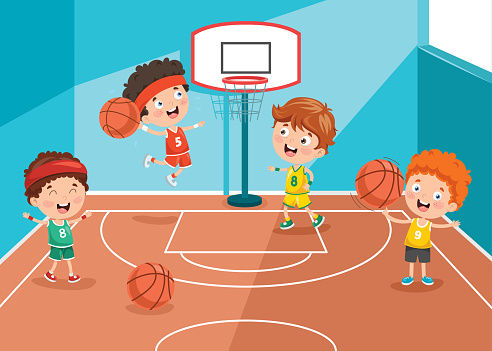
do like
doesn't like
don't like
like
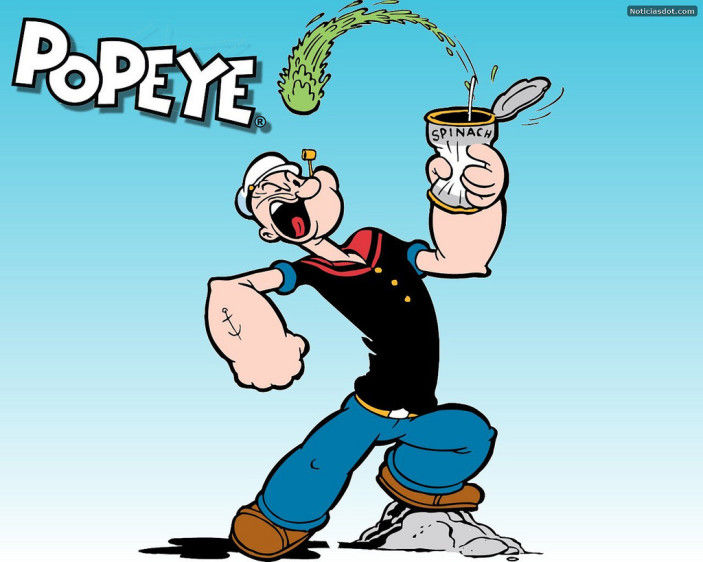
Does he like spinach?
My brothers ______________ playing soccer. They like playing basketball.

Does he like spinach?
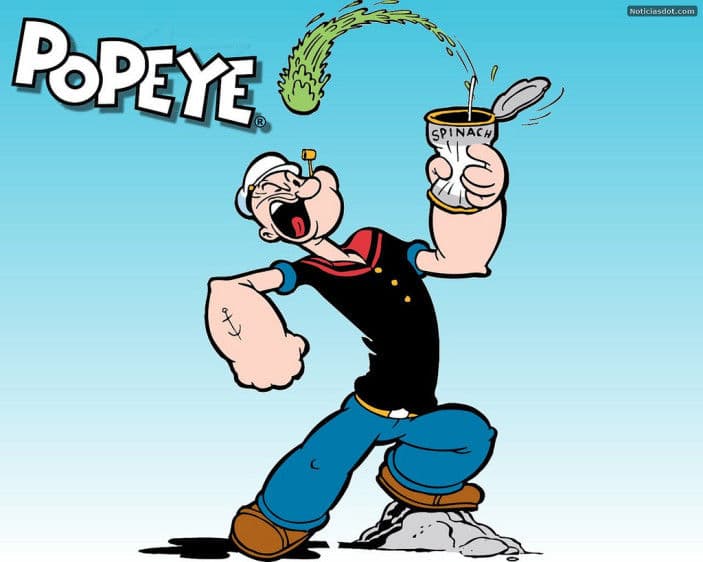
Traduce la expresión: Me gusta la ensalada.
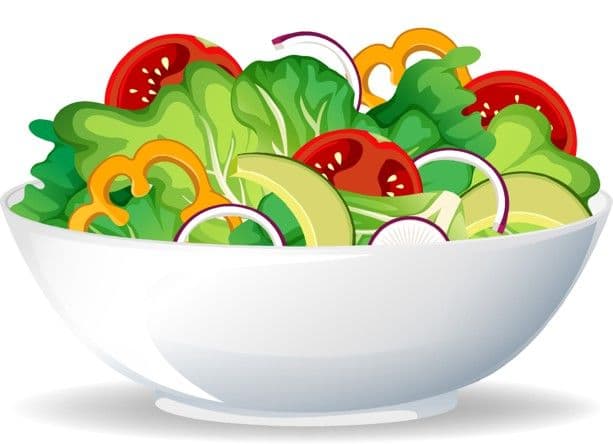
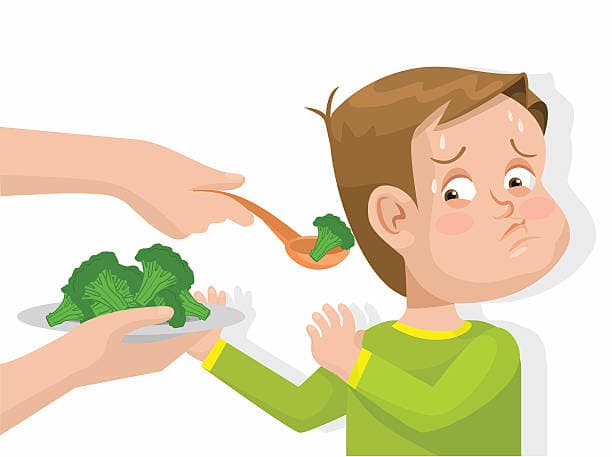
He likes broccoli.
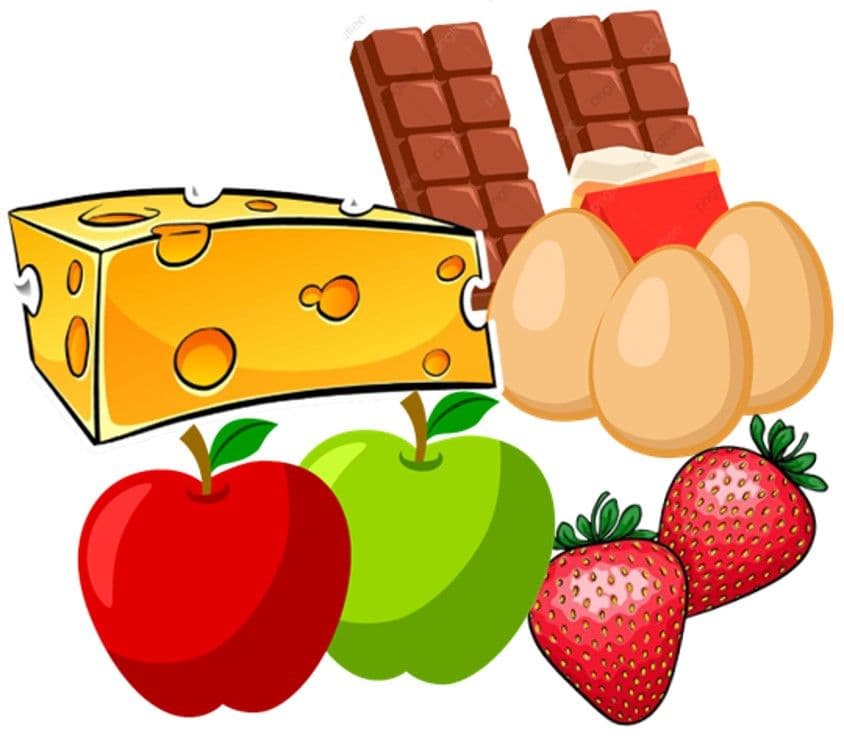
I like chocolate, apples, eggs and strawberries, but I really don't like cheese.
Ordena las palabras mezcladas para formar una oración correcta.

Do you like eating chicken?

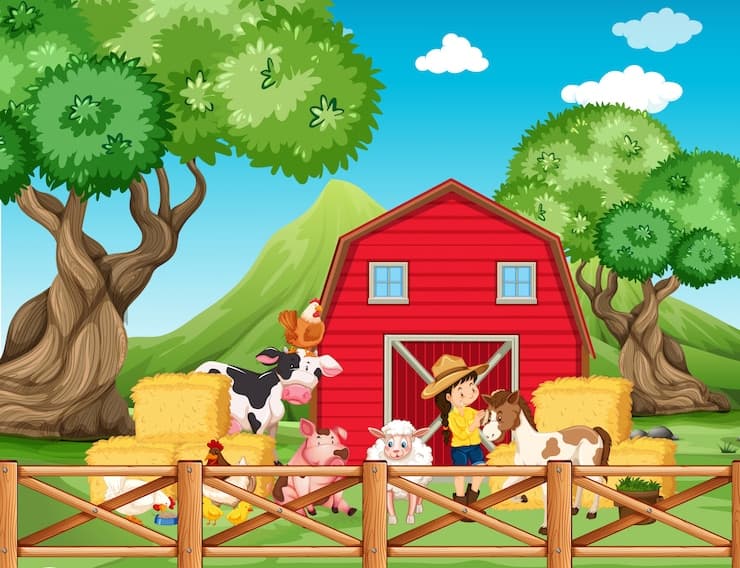
Observa la imagen. Luego, ordena en el orden correcto la siguiente oración.

Does she like vegetables?
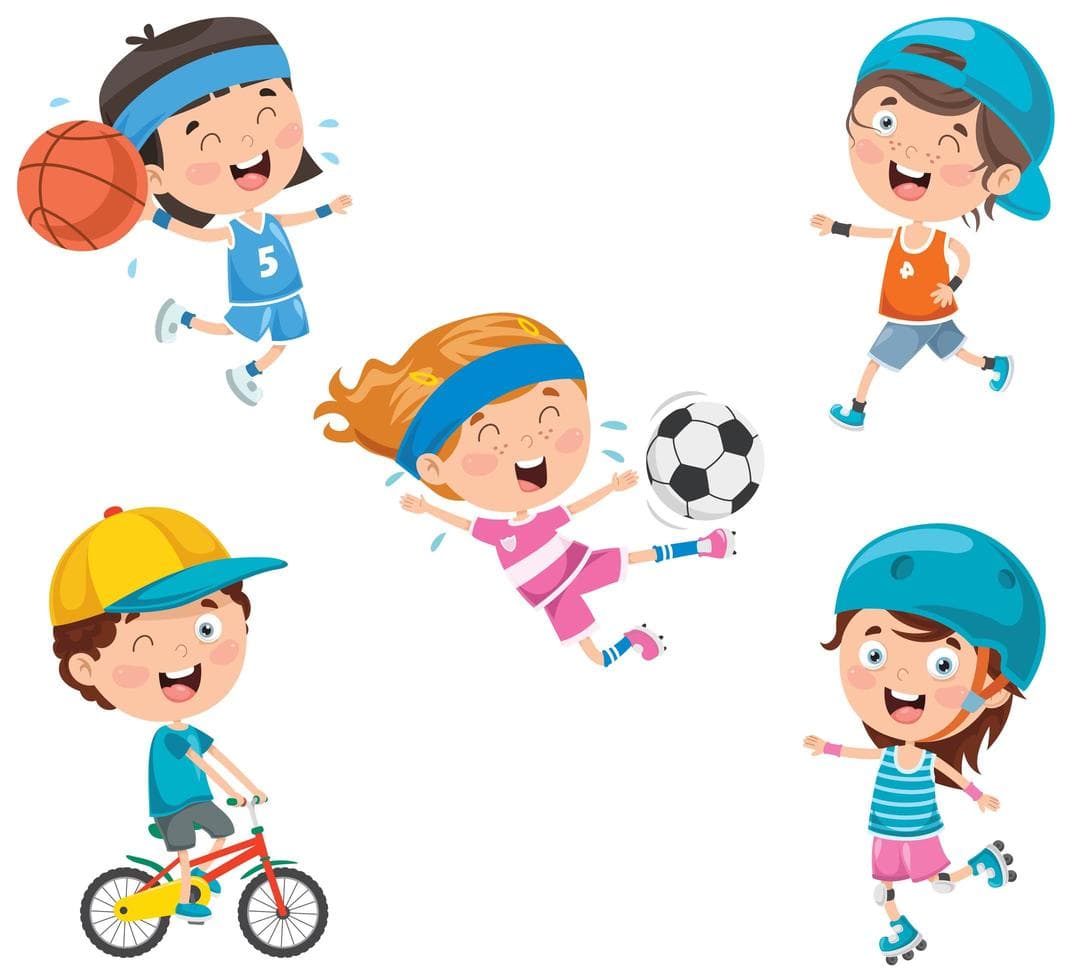
Do they like sports?
 Make a vocabulary quiz with below.Crisis: a very difficult situation or emergency; “Investors are worried that continuing problems in the stock market might lead to another financial crisis.” Short-staffed: not having enough employees or workers; “We laid off dozens of employees to save money, but now we’re short-staffed and can’t fill orders quickly.” To drive someone nuts: to make someone upset or annoyed; “The autocorrect feature on my mobile phone really drives me nuts.” To arise: to happen or start to develop, especially for problems or situations; “Problems arose for the developers when local residents voted against construction of the new shopping mall.” To moan: to complain about something, especially in a way that bothers other people; “Every Monday morning my colleagues moan about having to come to the office so early.” Optimism: the feeling or belief that good things will happen; “Analysts are expressing optimism that the real estate market will bounce back quickly.” Pessimism: the tendancy or belief that the worst will happen. “Now is not the time for pessimism, we need to believe we can do this or we will fail.” Hurdle: a problem that must be overcome or dealt with in order to reach a goal or do something; “Lack of capital is a major hurdle for many young entrepreneurs with good business ideas.” © 2013 All rights reserved: www.businessenglishpod.com 2 To give up: to stop trying to do or achieve something; “After being rejected by over a dozen universities, Roger gave up on his plans to study for an MBA.” To keep your eye on the prize: to stay motivated and focused on your final goal or reward; “Okay folks, I know things have been really busy, but let’s keep our eye on the prize and we’ll get this done before Christmas.” Down the road: in the future; “Sales our good in our retail outlets, but 10 years down the road we’re going to have to be more competitive in the online market.” To overcome: to deal with a problem successfully; “You are going to have to overcome your lack of confidence if you want to be a good salesman.” Decisiveness: having the ability to make decisions and act firmly. “Decisiveness is a quality we look for in new managers.” Bumpy: we can use “bumpy” to describe a road or process that has many problems; “We had a pretty bumpy start-up phase, but we finally managed to turn a profit in our fifth year of operations.” To display: to show a feeling, emotion, or characteristic; “David displayed tremendous preparation and diplomacy during the negotiations.” On the fence: someone who is “on the fence” is having difficulty making a decision or taking a position; “While the executives support expansion wholeheartedly, the shareholders are still on the fence about it.” All-in: in poker, if you are “all-in” you put all your money on one bet, but we can use this expression more generally to say you are completely committed to something, especially a plan; “This sounds like a good idea, but before I go all-in I need to know more about the project partners.” To have what it takes: to have the ability or intelligence to do something; “I thought I’d enjoy law, but after a few years as a junior lawyer I realized I don’t really have what it takes.Create a comprehension quiz for the following vocabulary; To be getting on in age: Growing older; advancing in years. Pet peeve: Something that annoys or bothers someone significantly. Pinhead: A small-minded or foolish person. Nit-pick: To find fault with small or trivial details. Whilst/while: During the time that; at the same time as. On a dig: Engaged in archaeological excavation. Mad vs crazy: "Mad" typically refers to anger or insanity, while "crazy" can denote insanity or extreme enthusiasm. Twitch: A sudden, quick movement or spasm. Dreamt/dreamed: Past tense forms of the verb "to dream." Eaves: The part of a roof that overhangs the walls. Burly man: A strong, muscular man. She’s a looker: A woman who is attractive or visually appealing. Breech birth: A birth in which the baby is delivered feet first instead of head first. Being too forward: Acting too boldly or presumptuously. Gooey: Soft and sticky, often used to describe certain textures or emotional situations. Spare tire: Excess fat around the waistline; a protruding belly. Twists and turns of fate: Unexpected changes or developments in life. Pompous: Self-important or arrogant. Play a prank on someone: To carry out a mischievous trick or joke on someone. Scamps: Mischievous or playful individuals, often used affectionately. To tend one's resignation: To formally submit one's resignation from a job. A sound judgment: A wise or rational decision. To set someone up with someone else: To arrange a meeting or date between two people. Loon: A colloquial term for a crazy or eccentric person. Duvet: A type of blanket filled with feathers, down, or synthetic fibers, used as a bed covering. Don't Meddle: Do not interfere or intervene. Croquet mallet: A hammer-like instrument used to strike croquet balls. Cut it out: Stop doing something annoying or inappropriate. Pop over: Visit briefly or unexpectedly. It was a riot: It was extremely funny or enjoyable. Spit Tspat spat: Sounds indicating a quick, spat-out expulsion of saliva. A hoot: Something that is amusing or enjoyable. Overhear: To unintentionally hear what others are saying without their knowledge. You're quite a package: You possess many appealing qualities or attributes. I'm quite a catch: I am an attractive or desirable partner. Limper: A person who walks with a limp. A hanky: A handkerchief, a small piece of cloth carried for personal hygiene or used as a fashion accessory.Sure! Here's a solid list of **AP English Literature vocabulary**—terms that often come up in class, essays, and the AP exam. I'll break it down into categories to make it easier to study. --- ### 📚 **Literary Devices & Techniques** 1. **Alliteration** – Repetition of initial consonant sounds 2. **Allusion** – A reference to another text, event, or figure 3. **Anaphora** – Repetition of a word or phrase at the beginning of successive clauses 4. **Antithesis** – Contrast of ideas in a balanced or parallel construction 5. **Apostrophe** – Addressing someone absent, dead, or nonhuman as if present and able to respond 6. **Assonance** – Repetition of vowel sounds within nearby words 7. **Asyndeton** – Omission of conjunctions between parts of a sentence 8. **Consonance** – Repetition of consonant sounds, often at the end of words 9. **Diction** – Word choice (formal, informal, colloquial, etc.) 10. **Enjambment** – Continuation of a sentence without pause beyond the end of a line in poetry --- ### 🧠 **Figurative Language** 1. **Hyperbole** – Extreme exaggeration 2. **Imagery** – Descriptive language that appeals to the senses 3. **Irony** - *Verbal*: Saying the opposite of what’s meant - *Situational*: When the outcome is the opposite of what's expected - *Dramatic*: Audience knows something characters don’t 4. **Metaphor** – A direct comparison without using "like" or "as" 5. **Metonymy** – Substituting the name of one thing with something closely related (e.g. "The crown" for royalty) 6. **Synecdoche** – A part representing the whole (e.g. "All hands on deck") 7. **Personification** – Giving human traits to nonhuman things 8. **Simile** – A comparison using "like" or "as" 9. **Symbol** – An object, character, or color that represents something beyond itself --- ### ✍️ **Poetic & Rhetorical Terms** 1. **Caesura** – A pause in a line of poetry, often marked by punctuation 2. **Couplet** – Two lines of poetry that usually rhyme 3. **Iambic Pentameter** – A line with five iambs (unstressed-stressed syllables) 4. **Blank Verse** – Unrhymed iambic pentameter 5. **Free Verse** – Poetry with no fixed meter or rhyme 6. **Elegy** – A mournful poem, often for the dead 7. **Ode** – A lyric poem expressing emotion, often in honor of something 8. **Sonnet** – A 14-line poem with a specific rhyme scheme (Shakespearean or Petrarchan) --- ### 📖 **Narrative & Structure Terms** 1. **Tone** – The author's attitude toward the subject 2. **Mood** – The feeling or atmosphere the reader experiences 3. **Theme** – The central idea or message in a work 4. **Motif** – A recurring element that has symbolic significance 5. **Foil** – A character who contrasts with another character to highlight traits 6. **Foreshadowing** – Clues or hints about what will happen later 7. **Juxtaposition** – Placing two elements side by side to present a contrast 8. **Point of View** – Perspective from which the story is told (1st, 2nd, 3rd person) 9. **Stream of Consciousness** – Narrative style that mimics thoughts and feelings 10. **Frame Narrative** – A story within a story --- Want me to make flashcards, a quiz, or a PDF study guide with these? Or need help using them in a literary analysis essay?Quiz VocabularyQUIZ VOCABULARYQUIZ - Vocabulary Set 11Quiz- vocabulary p.94QUIZ Vocabulary 5-8 class