Loading...


READING SHORT STORY
Quiz by Margie Diwa
Customize this quiz to suit your class
Instantly translate to 100+ languages
Tag the questions with any skills you have. Your dashboard will track each student's mastery of each skill.
I have a dog.
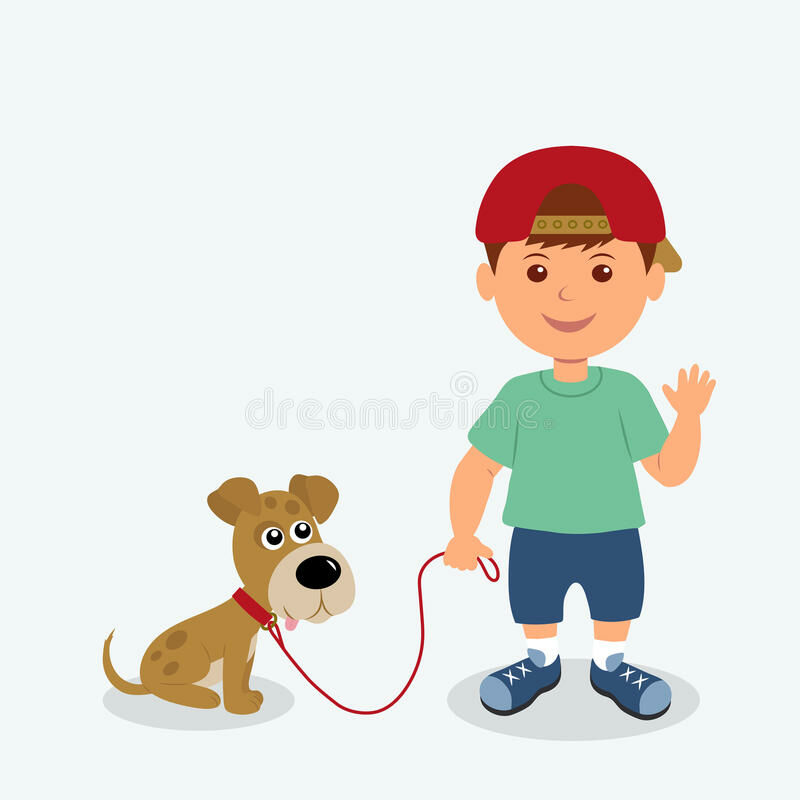
The boy is sad.

I have a dog.
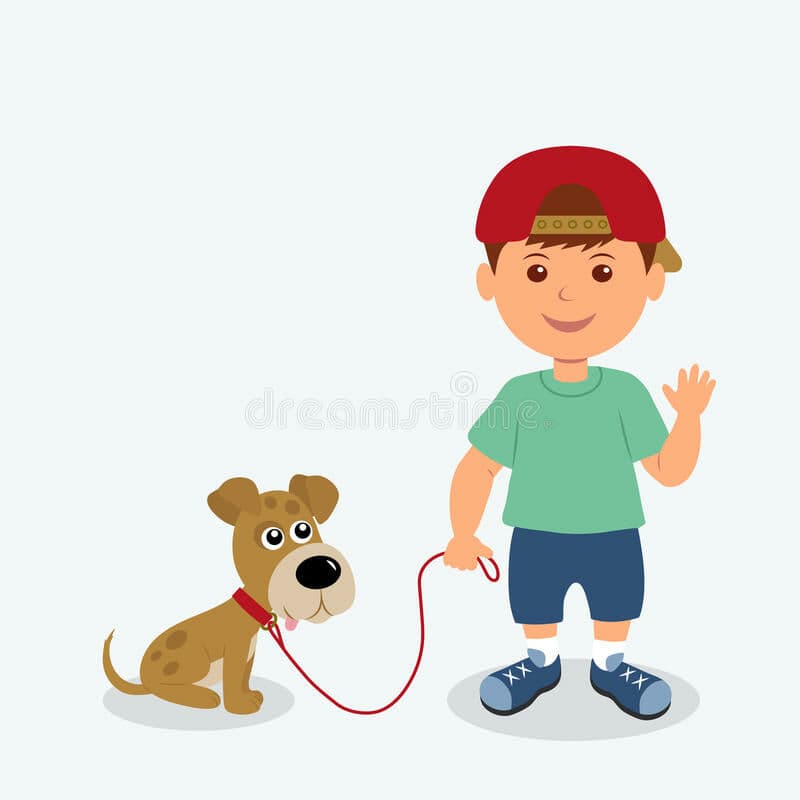
The boy is sad.

The cake is color red.

The boat is big.
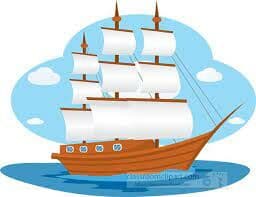
I have a rake.

Give this quiz to my class
 No morning short story reading comprehensionNo morning after short story reading comprehension quizReading Katherine Mansfield’s short story, ‘The Fly’ (1922)Reading quiz with a short story and questionsUnit 1 Vocabulary - Reading Strategies in a short storyReading 'Propping Up the Line', a short story about World War One by Ian BeckThis assessment is designed for Grade 6–7 students. It includes a listening activity about note-taking strategies and a reading comprehension activity based on a short story. Students will listen, read, and answer different types of questions to demonstrate their understanding and comprehension skills. Listening Section 🎧 The Secret Codes of Note-Taking Listen carefully and answer the questions. Multiple Choice 1. What should you do first? a) Write everything b) Relax and listen c) Ask a friend 2. Which words are important in note-taking? a) Heavy words b) Small words c) All words 3. Which word can you ignore? a) Dragon b) Cave c) The 4. What does “&” mean? a) Because b) And c) With 5. What does “w/” mean? a) With b) Without c) Very important Short Answer 6. Write one secret code from the lesson. ⸻ 7. Why do we use secret codes? ⸻ ⸻ Reading Section 📖 The Mystery at the Beach Read the story carefully and answer the questions. Multiple Choice 1. Who arrived at the beach early? a) Mia and Leo b) Mia, Leo, and Sara c) Sara and her family 2. Where did the friends walk? a) Between two large rocks b) Through the forest c) Into the sea 3. What did Mia and Sara collect? a) Stones b) Crabs c) Shells 4. Where did the children find shiny stones? a) In a cave b) Near the café c) Under the rocks 5. What did the friends find at the end of their search? a) Treasure b) Nothing c) A boat Short Answer 6. What did the children discover inside the cave? ⸻ 7. Why were the children happy at the end of the story? ⸻Create 5 questions with 4 multiple choices A, B, C and D of the following text Understanding a text may require constant practice and good technique. One of the techniques is using an advanced organizer. Examples of advanced organizers include metaphors, analogies, flowchart, graphs, tables, illustrations, or even pictures. Understanding is synonymous to interpreting. When you interpret an advance organizer, you need to draw relationships of data, thus, forming a certain message or meaning out of the relationship drawn. It is vital for any advance organizer to use appropriate figures or symbols to stand for a certain data or idea. Just like writing like a short story, poem or song, it is important to label it with a title that usually bears the main idea in the whole graphic presentation. Using an advance organizer is like transferring what you have understood from the text with much lesser word used. As a result, you are summing up the bulk of information written in long sentences and paragraphs, synthesizing it into more important concepts or ideas in what you are reading.