Explain how opportunity and mobility impacted various groups within American society since Reconstruction (e.g., Americanization movement, settlement house movement, Dust Bowl, the Great Migration, suburbia, etc.).
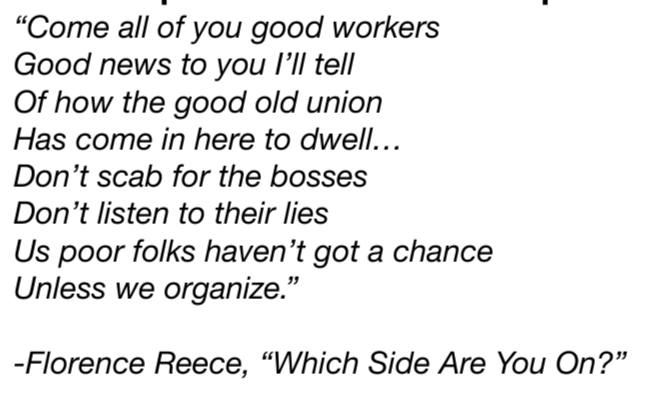
Analyze the political issues and conflicts that impacted the United States since Reconstruction and the compromises that resulted (e.g., Populism, Progressivism, working conditions and labor unrest, New Deal, Wilmington Race Riots, Eugenics, Civil Rights Movement, Anti-War protests, Watergate, etc.).
Analyze the economic issues and conflicts that impacted the United States since Reconstruction and the compromises that resulted (e.g., currency policy, industrialization, urbanization, laissez-faire, labor unrest, New Deal, Great Society, supply-side economics, etc.).
Analyze how economic, political, social, military and religious factors influenced United States imperialism (e.g., passing of the western frontier, new markets, Spanish American War, Open Door Policy, Monroe Doctrine, Roosevelt Corollary, canal routes, etc.).
Analyze voluntary and involuntary immigration trends since Reconstruction in terms of causes, regions of origin and destination, cultural contributions, and public and governmental response (e.g., new immigrants, ports of entry, ethnic neighborhoods, settlement houses, immigration restrictions, etc.).
Analyze the relationship between innovation, economic development, progress and various perceptions of the “American Dream” since Reconstruction (e.g., Gilded Age, assembly line, transcontinental railroad, highway system, credit, etc.).
Evaluate the extent to which a variety of groups and individuals have had opportunity to attain their perception of the “American Dream” since Reconstruction (e.g., immigrants, Flappers, Rosie the Riveter, GIs, blue collar worker, white collar worker, etc.).
Track each student's skills and progress in your Mastery dashboards