

Revision
Quiz by asmaafify
Feel free to use or edit a copy
includes Teacher and Student dashboards
Measure skillsfrom any curriculum
Tag the questions with any skills you have. Your dashboard will track each student's mastery of each skill.
- edit the questions
- save a copy for later
- start a class game
- automatically assign follow-up activities based on students’ scores
- assign as homework
- share a link with colleagues
- print as a bubble sheet


- Q1
Different beak sizes and shapes allow birds to _______
move
breathe
molt
gather food
30s - Q2
Look at the fossil. Where would be the BEST place to find it?
desert
forest
near the ocean
jungle
30s - Q3
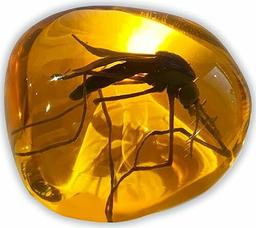
What kind of fossil is shown in the picture?
Cast
Mold
Amber
Trace
30s - Q4
What kind of fossil is shown in the picture?
Amber
Trace fossil
Cast fossil
Mold fossil
30s - Q5
Choose the correct statements about the picture.
The shell is a trace fossil
The shell is a fossil cast
The fossil was made when a shelled animal became trapped in sap.
The shell is a fossil mold
30s - Q6
Look at the picture. It shows four layers of rock. Each layer has a fossil. Which layer is most recent?
B
C
A
D
30s - Q7
If scientists found this fossil, what could they infer?
The area was once covered in desert.
The area was once covered in water.
What fish are like today.
That is a fish lacked oxygen.
30s - Q8
What can NOT become a fossil?
soft body parts
plants
rocks
animals
30s - Q9
Zebra's stripes help protect them from their
parents
predators
zookeepers
prey
30s - Q10
Sea lions have a layer of _______ under the skin to stay warm.
Coat
fur
fat
hair
30s - Q11
An ____________ is any trait that helps a living thing survive.
teeth
prey
adaptation
predator
30s - Q12
Lions, bears, and owls all hunt other animals for their food. They are examples of
prey
predators
enemies
children
30s - Q13
What are the 4 things that living things need to survive?
protection, air, space
food, water, space, air
protection, water, meat, plants
air, food, protection
30s - Q14
A resting state through the winter.
Adaptation
Molting
Migration
Hibernation
30s - Q15
A polar bear has thick fur to keep it warm so it can survive the cold. This is called
adaptation
locomotion
camouflage
molting
30s


