Loading...


School item locations - Listening/pictures
Quiz by Greg Williford
Customize this quiz to suit your class
Instantly translate to 100+ languages
Tag the questions with any skills you have. Your dashboard will track each student's mastery of each skill.
Give this quiz to my class
Answer the questions based on what you hear.
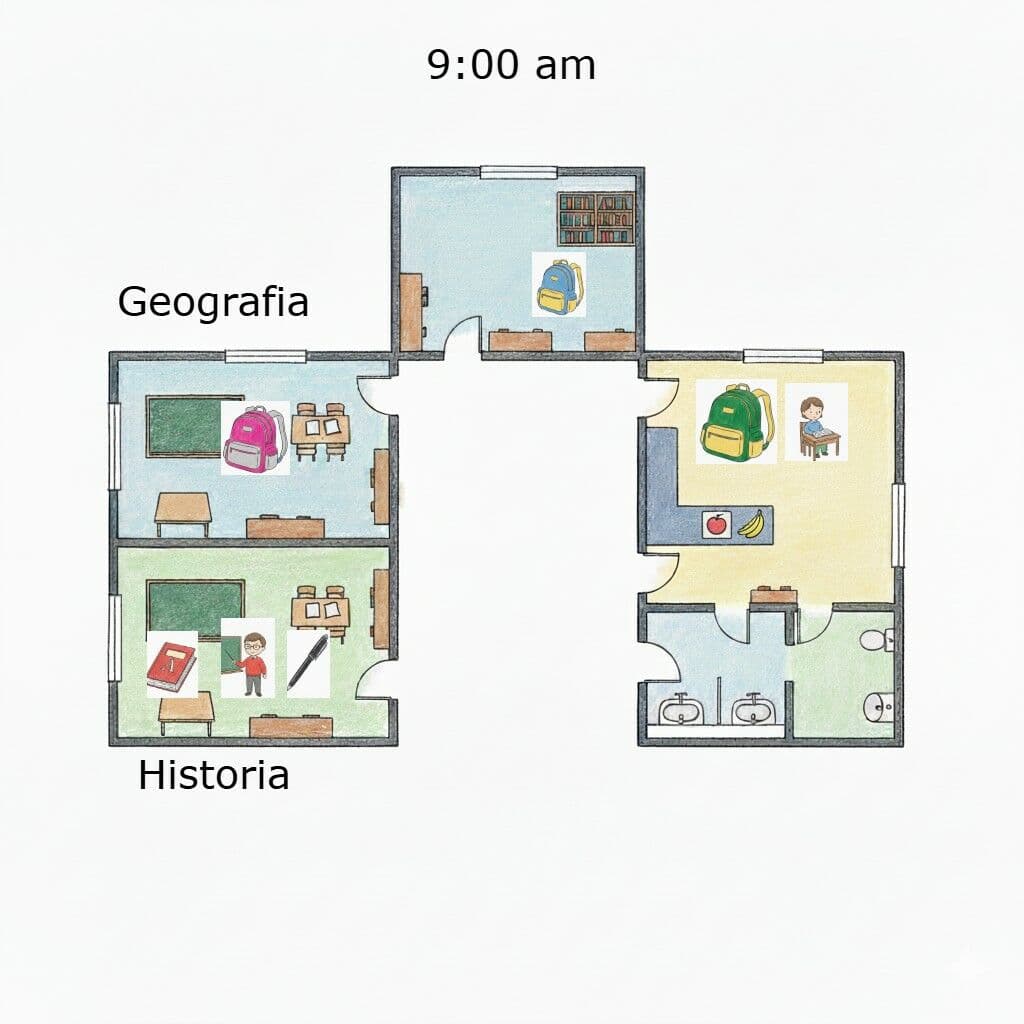
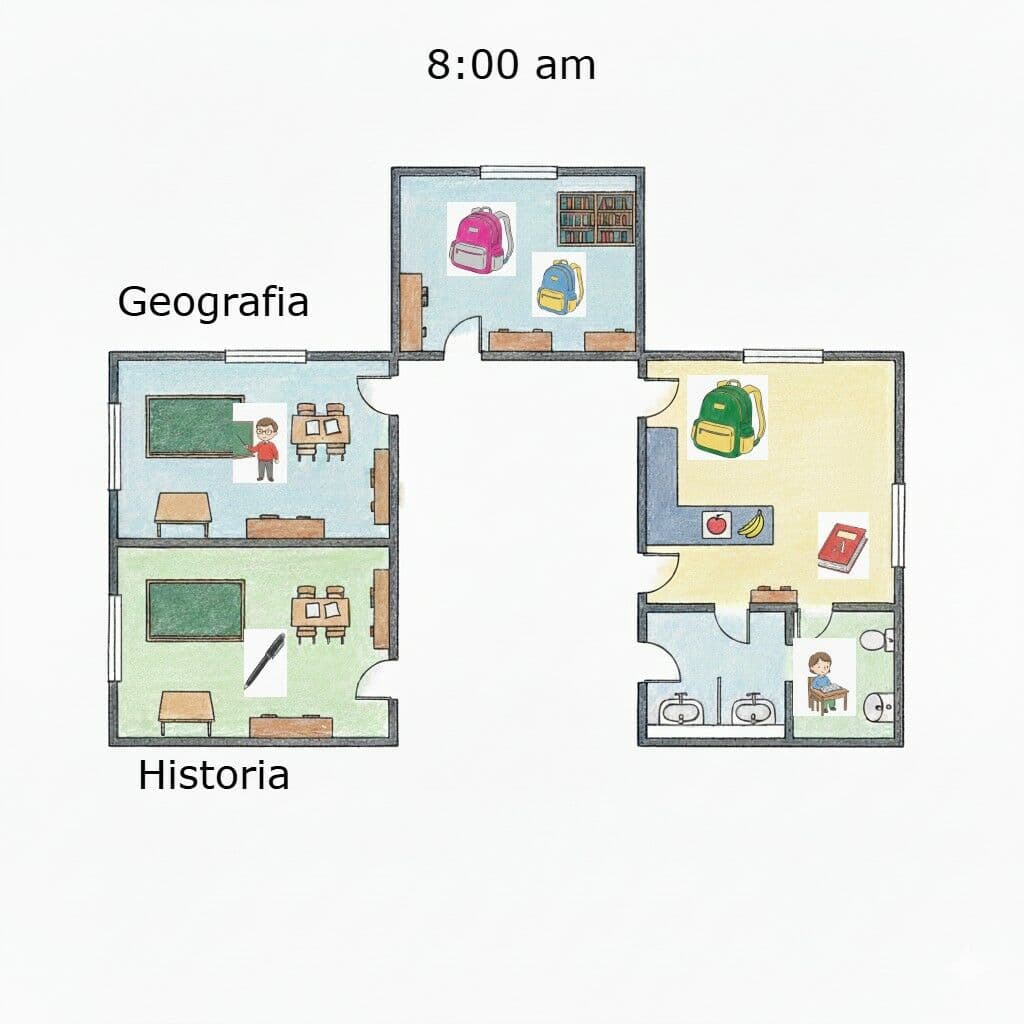
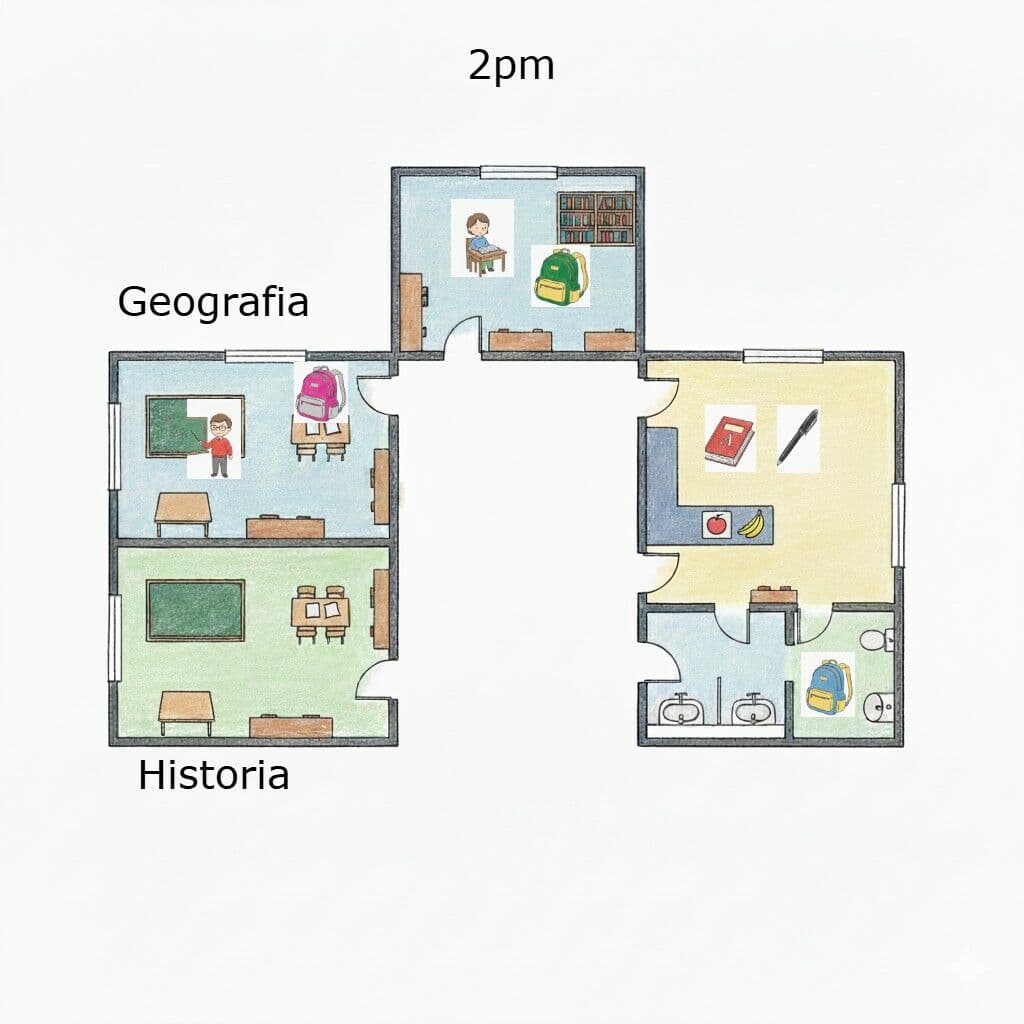
Answer the questions based on what you hear.
Answer the questions based on what you hear.
Answer the questions based on what you hear.
Answer the questions based on what you hear.
Answer the questions based on what you hear.
Answer the questions based on what you hear.
Answer the questions based on what you hear.
Answer the questions based on what you hear.
Answer the questions based on what you hear.
Answer the questions based on what you hear.
Answer the questions based on what you hear.
1. Flammable materials, like alcohol, should never be dispensed or used near A. an open door. B. an open flame. C. another student. D. a sink. 2. If a laboratory fire erupts, immediately A. notify your instructor. B. run for the fire extinguisher. C. throw water on the fire. D. open the windows. 3. Approved eye protection devices (such as goggles) are worn in the laboratory A. to avoid eye strain. B. to improve your vision. C. only if you don’t have corrective glasses. D. any time chemicals, heat or glassware are used. 4. If you wear contact lenses in the school laboratory, A. take them out before starting the lab. B. you do not have to wear protective goggles. C. advise your science instructor that you wear contact lenses. D. keep the information to yourself. 5. If you do not understand a direction or part of a lab procedure, you should A. figure it out as you do the lab. B. try several methods until something works. C. ask the instructor before proceeding. D. skip it and go on to the next part. 6. After completing an experiment, all chemical wastes should be A. left at your lab station for the next class. B. disposed of according to your instructor’s directions. C. dumped in the sink. D. taken home. 7. If a lab experiment is not completed, you should A. discuss the issue with your instructor. B. sneak in after school and work alone. C. come in during lunch and finish while eating lunch. D. make up some results. 8. You are heating a substance in a test tube. Always point the open end of the tube A. toward yourself. B. toward your lab partner. C. toward another classmate. D. away from all people. Science Laboratory Safety teSt 9. You are heating a piece of glass and now want to pick it up. You should A. use a rag or paper towels. B. pick up the end that looks cooler. C. use tongs. D. pour cold water on it. 10. You have been injured in the laboratory (cut, burn, etc.). First you should A. visit the school nurse after class. B. see a doctor after school. C. tell the science instructor at once. D. apply first aid yourself. 11. When gathering glassware and equipment for an experiment, you should A. read all directions carefully to know what equipment is necessary. B. examine all glassware to check for chips or cracks. C. clean any glassware that appears dirty. D. All of the above. 12. You want to place a piece of glass tubing into a rubber stopper after the tubing has been fire polished and cooled. This is best done by A. lubricating the tubing with water or glycerin. B. using a towel or cotton gloves for protection. C. twisting the tubing and stopper carefully. D. all of the above. 13. Personal eyeglasses provide as much protection as A. a face shield. B. safety glasses. C. splashproof chemical goggles. D. none of the above. 14. Long hair in the laboratory must be A. cut short. B. held away from the experiment with one hand. C. always neatly groomed. D. tied back or kept entirely out of the way with a hair band, hairpins, or other confining device. 15. In a laboratory, the following should not be worn. A. loose clothing. B. dangling jewelry. C. sandals. D. all of the above. 16. The following footwear is best in the laboratory. A. sandals B. open-toed shoes C. closed-toed shoes D. shoes appropriate for the weather3 © 2017 Flinn Scientific, Inc. All Rights Reserved. 17. Horseplay or practical jokes in the laboratory are A. always against the rules. B. okay. C. not dangerous. D. okay if you are working alone. 18. If a piece of equipment is not working properly, stop, turn it off, and tell A. the custodian. B. your lab partner. C. your best friend in the class. D. the science instructor. 19. If an acid is splashed on your skin, wash at once with A. soap. B. oil. C. weak base. D. plenty of water. 20. When you finish working with chemicals, biological specimens, and other lab substances, always A. treat your hands with skin lotion. B. wash your hands thoroughly with soap and water. C. wipe your hands on a towel. D. wipe your hands on your clothes. True—False T F 22. ■ ■ Hot glass looks the same as cold glass. 23. ■ ■ All chemicals in the lab are to be considered dangerous. 24. ■ ■ Return all unused chemicals to their original containers. 25. ■ ■ Work areas should be kept clean and tidy. 26. ■ ■ Pipets are used to measure and dispense small amounts of liquids. You should draw the liquid into the pipet using your mouth. 27. ■ ■ Laboratory work can be started immediately upon entering the laboratory even if the instructor is not yet present. 28. ■ ■ Never remove chemicals or other equipment from the laboratory. T F 29. ■ ■ Chipped or cracked glassware is okay to use. 30. ■ ■ Read all procedures thoroughly before entering the laboratory. 31. ■ ■ All unauthorized experiments are prohibited. 32. ■ ■ You are allowed to enter the chemical preparation/storage area any time you need to get an item. 33. ■ ■ Laboratory aprons should be worn during all lab activities. 34. ■ ■ It’s okay to pick up broken glass with your bare hands as long as the glass is placed in the trash. 35. ■ ■ Never leave a lit burner unattended. 21. Draw a diagram of your science room and label the locations of the following: ■ Fire Blanket ■ Fire Extinguisher(s) ■ Exits ■ Eyewash Station ■ Emergency Shower ■ Closest Fire Alarm Station ■ Waste Disposal Container(s)4 © 2017 Flinn Scientific, Inc. All Rights Reserved. Name: ________________________________________________ Date: ______________________________________________ 1. Flammable materials, like alcohol, should never be dispensed or used near A. an open door. B. an open flame. C. another student. D. a sink. 2. If a laboratory fire erupts, immediately A. notify your instructor. B. run for the fire extinguisher. C. throw water on the fire. D. open the windows. 3. Approved eye protection devices (such as goggles) are worn in the laboratory A. to avoid eye strain. B. to improve your vision. C. only if you don’t have corrective glasses. D. any time chemicals, heat or glassware are used. 4. If you wear contact lenses in the school laboratory, A. take them out before starting the lab. B. you do not have to wear protective goggles. C. advise your science instructor that you wear contact lenses. D. keep the information to yourself. 5. If you do not understand a direction or part of a lab procedure, you should A. figure it out as you do the lab. B. try several methods until something works. C. ask the instructor before proceeding. D. skip it and go on to the next part. 6. After completing an experiment, all chemical wastes should be A. left at your lab station for the next class. B. disposed of according to your instructor’s directions. C. dumped in the sink. D. taken home. 7. If a lab experiment is not completed, you should A. discuss the issue with your instructor. B. sneak in after school and work alone. C. come in during lunch and finish while eating lunch. D. make up some results. 8. You are heating a substance in a test tube. Always point the open end of the tube A. toward yourself. B. toward your lab partner. C. toward another classmate. D. away from all people. Science Laboratory Safety teSt 9. You are heating a piece of glass and now want to pick it up. You should A. use a rag or paper towels. B. pick up the end that looks cooler. C. use tongs. D. pour cold water on it. 10. You have been injured in the laboratory (cut, burn, etc.). First you should A. visit the school nurse after class. B. see a doctor after school. C. tell the science instructor at once. D. apply first aid yourself. 11. When gathering glassware and equipment for an experiment, you should A. read all directions carefully to know what equipment is necessary. B. examine all glassware to check for chips or cracks. C. clean any glassware that appears dirty. D. All of the above. 12. You want to place a piece of glass tubing into a rubber stopper after the tubing has been fire polished and cooled. This is best done by A. lubricating the tubing with water or glycerin. B. using a towel or cotton gloves for protection. C. twisting the tubing and stopper carefully. D. all of the above. 13. Personal eyeglasses provide as much protection as A. a face shield. B. safety glasses. C. splashproof chemical goggles. D. none of the above. 14. Long hair in the laboratory must be A. cut short. B. held away from the experiment with one hand. C. always neatly groomed. D. tied back or kept entirely out of the way with a hair band, hairpins, or other confining device. 15. In a laboratory, the following should not be worn. A. loose clothing. B. dangling jewelry. C. sandals. D. all of the above. 16. The following footwear is best in the laboratory. A. sandals B. open-toed shoes C. closed-toed shoes D. shoes appropriate for the weather5 © 2017 Flinn Scientific, Inc. All Rights Reserved. 17. Horseplay or practical jokes in the laboratory are A. always against the rules. B. okay. C. not dangerous. D. okay if you are working alone. 18. If a piece of equipment is not working properly, stop, turn it off, and tell A. the custodian. B. your lab partner. C. your best friend in the class. D. the science instructor. 19. If an acid is splashed on your skin, wash at once with A. soap. B. oil. C. weak base. D. plenty of water. 20. When you finish working with chemicals, biological specimens, and other lab substances, always A. treat your hands with skin lotion. B. wash your hands thoroughly with soap and water. C. wipe your hands on a towel. D. wipe your hands on your clothes. 21. Draw a diagram of your science room and label the locations of the following: ■ Fire Blanket ■ Fire Extinguisher(s) ■ Exits ■ Eyewash Station ■ Emergency Shower ■ Closest Fire Alarm Station ■ Waste Disposal Container(s) True—False T F 22. ■ ■ Hot glass looks the same as cold glass. 23. ■ ■ All chemicals in the lab are to be considered dangerous. 24. ■ ■ Return all unused chemicals to their original containers. 25. ■ ■ Work areas should be kept clean and tidy. 26. ■ ■ Pipets are used to measure and dispense small amounts of liquids. You should draw the liquid into the pipet using your mouth. 27. ■ ■ Laboratory work can be started immediately upon entering the laboratory even if the instructor is not yet present. 28. ■ ■ Never remove chemicals or other equipment from the laboratory. T F 29. ■ ■ Chipped or cracked glassware is okay to use. 30. ■ ■ Read all procedures thoroughly before entering the laboratory. 31. ■ ■ All unauthorized experiments are prohibited. 32. ■ ■ You are allowed to enter the chemical preparation/storage area any time you need to get an item. 33. ■ ■ Laboratory aprons should be worn during all lab activities. 34. ■ ■ It’s okay to pick up broken glass with your bare hands as long as the glass is placed in the trash. 35. ■ ■ Never leave a lit burner unattended.You are an elementary school teacher. Create a 20 item multiple choice quiz using the story below. Include the key answers below the questions. "Many years after God made everything, the people of the earth became plenty in number. These people forgot about God and they became very bad. God became very sad. So God said, “I will wipe out all the people on the earth. | will destroy all the animals, birds and fish, and all the trees and plants. | am so hurt by what they do that | feel sorry that | made them.’ Yet, there was a man named Noah. He was a very good man among the people of that time. He obeyed God with all his heart and did not sin against God. Noah found favor in the eyes of the Lord. Noah had a wife and three sons named Ham, Shem, and Japheth. Unlike the people around them, Noah's family lived doing what was right in God's eyes, They loved each other as one family and they never forgot to pray to God. One day, the Lord God called Noah and told him about His plan to punish all His creation and put an end to all the people of the earth. God said, “Noah, make a giant ark with many, many rooms. Put a door on the side of the ark. Make a roof on it and a small window on one side. | am going to bring floodwaters on earth to destroy all living things. Gather all kinds of animals—two of every kind: one male and one female. When the floodwaters would come, you have to bring into the ark all kinds of animals. You are to take every kind of food that is to be eaten for you and for the animals.’ The bad people made fun of Noah’s family who were making a giant ark when in fact the weather was very good. There were no dark clouds and not even a drop of rain was falling down. They continued to do bad things while Noah did everything just as God commanded him. ™ Soon after the ark was finished, the floodgates of heaven were gPened and heavy rain fell on the earth. On that day, Noah and his family entered the ark together with all the different kinds of animals, both big and small. While Noah's family and all the animals were inside the ark, the heavy rain fell non-stop for forty days and forty nights. All the living things outside the ark were destroyed. When the rain stopped, there was a great flood all over the earth. The whole land was covered with water. The waters flooded the earth for 150 days. After 150 days, dry land started to appear so God told Noah to open the door and come out of the ark for the land was already dry. Then Noah sent out all the animals from the ark, too. Then God said to Noah, “I will make a promise to you. Never again will | bring great flood on the earth to destroy all creation. | will set a rainbow in the clouds as a sign of My promise to you and to all the people of the earth.’ So, every time the rainbow appears on the sky, just remember God's promise that He will never again destroy the earth by a flood."Comprehension Test: Superbook – Revelation Theme: Forgiveness, Salvation, and God’s Victory 🔹 Remembering (Items 1–4) What mistake did Chris make at the beginning of the episode? A. He lied to his parents B. He started a fire accidentally C. He broke a valuable item D. He skipped school Answer: B Who are the three main characters in the episode? A. Peter, Mary, and John B. Chris, Joy, and Gizmo C. David, Sarah, and Eli D. Paul, Ruth, and Micah Answer: B Where does Superbook transport the children? A. To the Garden of Eden B. To the time of Jesus’ birth C. To the end times D. To the Exodus Answer: C Who receives visions in heaven during the episode? A. Moses B. Apostle Paul C. Apostle John D. King Solomon Answer: C 🔹 Understanding (Items 5–8) Why does Chris believe his mistake is unforgivable? A. He was punished severely B. He hurt someone intentionally C. He fears the consequences are too great D. He doesn’t understand forgiveness Answer: C What does the descent of the New Jerusalem symbolize? A. The end of all prophecy B. The beginning of war C. Eternal life and God’s promise D. The destruction of the earth Answer: C What lesson does Chris learn from his father? A. That mistakes are permanent B. That forgiveness is earned C. That God’s mercy is unconditional D. That punishment is necessary Answer: C What theme is emphasized throughout the episode? A. Justice and revenge B. Power and control C. Forgiveness and salvation D. Wealth and prosperity Answer: C 🔹 Applying (Items 9–12) If a student feels guilty for a mistake, what lesson from the episode could help them? A. Avoid responsibility B. Seek revenge C. Trust in God’s forgiveness D. Hide the truth Answer: C How might Joy’s experience in heaven help her understand God’s plan? A. She sees the consequences of sin B. She learns about ancient history C. She witnesses God’s ultimate victory D. She meets famous prophets Answer: C What action could reflect the message of salvation in daily life? A. Ignoring others’ mistakes B. Offering forgiveness to someone who hurt you C. Avoiding difficult conversations D. Seeking personal gain Answer: B How could Gizmo’s role support the group’s understanding of Revelation? A. By distracting them with jokes B. By translating the visions C. By guiding them through spiritual truths D. By fixing technical problems Answer: C 🔹 Analyzing (Items 13–16) What contrast is shown between Chris’s fear and the final message of the episode? A. Fear leads to punishment; forgiveness leads to peace B. Fear is stronger than faith C. Mistakes are never forgiven D. God ignores human emotions Answer: A Why is the battle between angels and Satan significant? A. It shows the power of war B. It represents the struggle for heaven C. It symbolizes the victory of good over evil D. It predicts future disasters Answer: C What does the episode suggest about the nature of sin? A. It is always punished B. It can be forgiven through God’s mercy C. It is inherited D. It defines a person’s worth Answer: B How do Chris’s emotions evolve throughout the episode? A. From joy to anger B. From guilt to hope C. From confusion to pride D. From fear to rebellion Answer: B 🔹 Evaluating (Items 17–18) Do you agree that no sin is too great for God’s forgiveness? Why might this be important for viewers? A. Yes, it teaches hope and redemption B. No, some sins are unforgivable C. Yes, but only for believers D. No, forgiveness must be earned Answer: A How effective is the use of apocalyptic imagery in teaching moral lessons? A. It confuses young viewers B. It dramatizes the message of salvation C. It distracts from the core message D. It promotes fear Answer: B 🔹 Creating (Items 19–20) If you were to write a reflection based on this episode, what theme would you focus on? A. The importance of punishment B. The beauty of heaven C. The power of forgiveness D. The fear of judgment Answer: C What title would best capture the message of the episode? A. “The Fire Within” B. “Mercy Wins” C. “The End of Days” D. “Judgment and Justice” Answer: BFamilies Work! Ellen Yung had a busy day at work! She put a cast on a broken arm, used a bandage to cover a deep cut, and helped twenty patients. Ellen is a doctor for children. Customers can get sick at any time, so pediatricians work long hours. They have hard jobs. Ellen's husband works long hours, too. Steve is a firefighter. At the fire house, he makes sure the tools work properly. He checks the hoses and fire trucks. At the fire, Steve rescues people from hot flames and smoke. The firefighters all work together to put out the fire. At home, the Yung family works together too. Hanna sets the table for dinner. She also helps wash the dishes. Everyone has weekly chores. Mom and Hanna do the dusting and mopping. Dad and her brother, Zac, do the laundry. They wash, dry, and fold the clothes. Mom makes a shopping list each week. She lists items they need and things they want. A short time ago, Zac wanted a new laptop. The family needed a new washing machine. They could only spend money on one item. Both cost the same. They had to choose. Clean clothes are needed for school and work. A new laptop is nice, but did Zac need it? Ellen and Steve thought about their family's needs. They decided to buy the washing machine. Zac knows that his parents have busy jobs. They bring home money to pay for their needs and wants. They needed that washing machine. Zac still wants a laptop. The family has decided to save some money each week so they can buy it in the future.Classroom Expectations and Policies Assessment 1. What should students bring to class every day? a. Only a positive attitude b. Charged Chromebook, writing utensil, and positive attitude c. Just their books d. Snacks and drinks 2. What is the consequence for bullying in the classroom? a. A warning b. A violation card c. Extra homework d. A meeting with the principal 3. If a student breaks a personal item, what must they do? a. Ignore it b. Apologize c. Buy a new one for the teacher d. Ask for forgiveness 4. How should students handle using the futon during class? a. Sit on it every day b. Use it without asking c. Ask first and only use it during work time d. Sit on it during lectures 5. Where will all assignments be posted? a. On the classroom wall b. On Canvas c. Only verbally d. In a textbook 6. What happens if an assignment is submitted late? a. It will be graded normally b. It will not be accepted c. It will drop a letter grade each day it is late d. It will be given extra credit 7. After how many days of lateness will a student receive only half credit for an assignment? a. 1 day b. 2 days c. 3 days d. 4 days 8. What is the policy for retaking tests? a. No retakes allowed b. Students must schedule the retake themselves c. Retakes are given automatically d. Only the teacher can decide on retakes 9. What constitutes cheating in this classroom? a. Asking for help b. Claiming credit for someone else's work c. Working with a partner d. Participating in study groups 10. What is the penalty for cheating? a. A warning b. A failing grade on the assignment and notification of parents c. Extra assignments d. A detention 11. How will grades be determined? a. By participation only b. By points, with tests and quizzes weighted more than classwork c. By effort d. By attendance 12. Where can students use their cell phones? a. In class anytime b. In the commons and hallways during passing time and lunch c. In the restroom d. In the cafeteria only 13. What happens if a student uses their phone during class? a. They will receive a warning b. The phone will be confiscated immediately c. They can keep it if they ask d. They will lose points on their grade 14. What should a student do if they know they will be absent? a. Ignore it and hope for the best b. Come to the teacher at least three days before c. Ask a friend for notes d. Just show up later 15. If a student is sick and cannot do work, what should they focus on? a. Completing all missed assignments b. Getting better c. Emailing the teacher every hour d. Asking for extra credit 16. What is the policy on bringing food or drinks to class? a. It's not allowed at all b. It’s allowed as long as it’s not a distraction c. Only water is allowed d. Students must share their food 17. How should students contact the teacher with questions? a. Only during class time b. Through social media c. By email or in person d. By sending a friend 18. What happens if a student emails after 9 PM? a. The teacher will respond immediately b. The teacher will respond the next day at 7:45 AM c. The email will be ignored d. The teacher will call the student 19. How do violations accumulate for cell phone use? a. They reset every trimester b. They accumulate throughout the school year c. They reset every week d. They do not count 20. What should students do if they have concerns while the teacher is on maternity leave? a. Contact the principal b. Contact the substitute teacher for assistance c. Wait until the teacher returns d. Handle it on their own Answer Key (Always review AI generated answers for accuracy - Math is more likely to be inaccurate) b. Charged Chromebook, writing utensil, and positive attitude b. A violation card c. Buy a new one for the teacher c. Ask first and only use it during work time b. On Canvas c. It will drop a letter grade each day it is late c. 3 days b. Students must schedule the retake themselves b. Claiming credit for someone else's work b. A failing grade on the assignment and notification of parents b. By points, with tests and quizzes weighted more than classwork b. In the commons and hallways during passing time and lunch b. The phone will be confiscated immediately b. Come to the teacher at least three days before b. Getting better b. It’s allowed as long as it’s not a distraction c. By email or in person b. The teacher will respond the next day at 7:45 AM b. They accumulate throughout the school year b. Contact the substitute teacher for assistance 10-item quiz about solving word problems on volume of solid figuresSCHOOL110.31.b.17.C