Loading...


Science Q2
Quiz by Manelyn Jimenez
Tag the questions with any skills you have. Your dashboard will track each student's mastery of each skill.
Our body has its shape and form. We can also sit and stand alone. Which of the following organs give the body its shape, forms and support our body?
When you eat food, it will be digested after several hours. In whatpart of the digestive tract is food completely digested?
What is the function of the lungs?
The heart is the center of the circulatory system. It is a muscular organ about the size of your fist. How does the heart function?
The heart pumps blood to distribute oxygen and nutrients to all parts of the body. What do you call the process by which blood transport the needed nutrients from the heart and to the rest of body?
How do the heart and lungs work together?
Your friend had an accident which damaged his brain. After the accident, he cannot move both of his legs. Why did this happen?
What do you call the disease that makes the bone brittle and weak due to lack of calcium?
The following shows good habits in taking care of our internal organs, EXCEPT?
How can you take good care of your stomach and intestines?
What is one of the primary functions of a plant's root system?
What is the main function of stems in the shoot system of a plant?
What type of root is in the picture?
When you observe a plant with well-developed root and shoot systems, you can conclude that:
Why is it important for a plant to have both root and shoot systems?
Animals live in arboreal habitat have stout body, strong muscle and sharp claws. Which of the following animals can live in arboreal habitat?
What plant is common in wetlands?
What type of habitat do plants and animals living in the ocean belong to?
Look at the Venn Diagram. What animals can live both land and water?
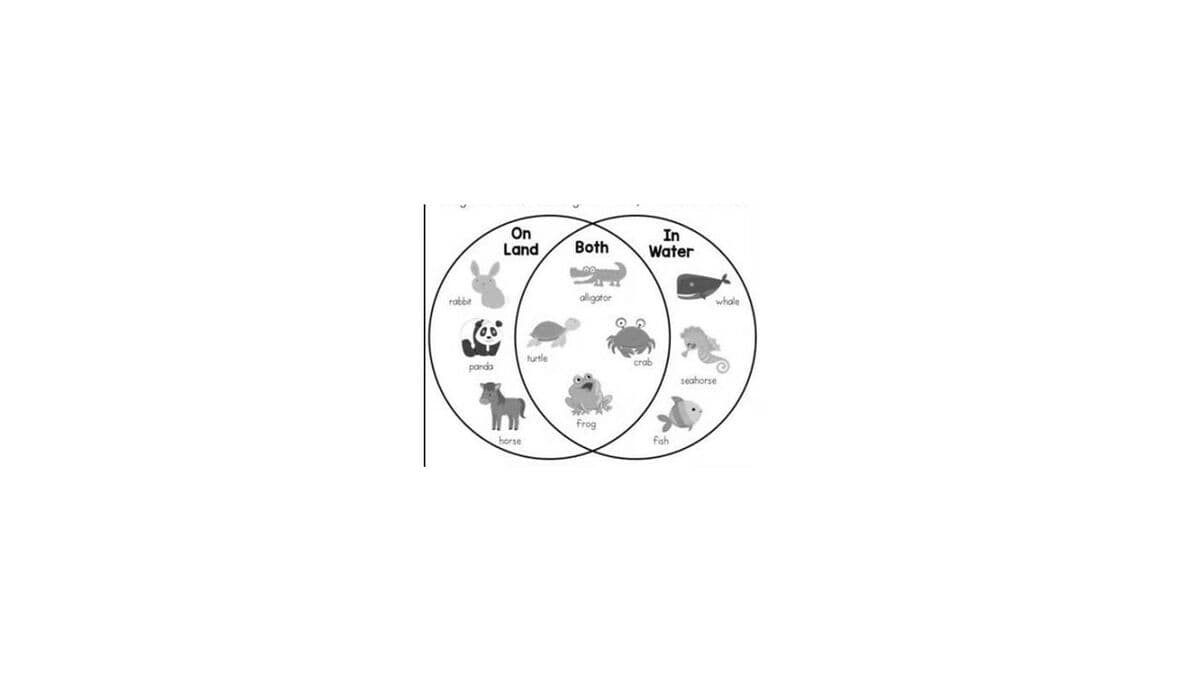
Where would you expect to see a camel in its natural habitat?
Which of the following is an example of an ornamental plant commonly found in Philippine gardens?
Which animals are commonly found in forests?
Based on the bar chart, what animal has many living species in the Philippines?

What is the primary crop grown in rice fields in the Philippines?
Which fruit tree is NOT commonly found in Philippine gardens?
This animal goes through three stages namely, egg, nymph and adult only. What animal is this?
In what stage does an insect sleep for a long time?
Which among these stages is NOT a part of a complete metamorphosis?
The life cycle of a butterfly follows a complete metamorphosis and these are _______________.
The order in the life cycle of a cockroach is as follows_____.
What are herbivores?
What are omnivores?
What is the difference between herbivores, carnivores, and omnivores?
Which of the following animals use smooth and flat teeth to eat leaves and stem?
Which of the following animal uses a long tongue and sticky saliva to catch insects?
What is a food chain?
Which organism is the producer in this food chain?
How does a food chain show the flow of energy in an ecosystem
These relationships establish a long chain of events. They always begin with a producer and end with consumers. What animal is the secondary consumer?
In the food chain, which of the following organism will be the fourth consumer?