Loading...


Small Animal Care Midterm
Quiz by Melissa Sease
Customize this quiz to suit your class
Instantly translate to 100+ languages
Tag the questions with any skills you have. Your dashboard will track each student's mastery of each skill.
Give this quiz to my class

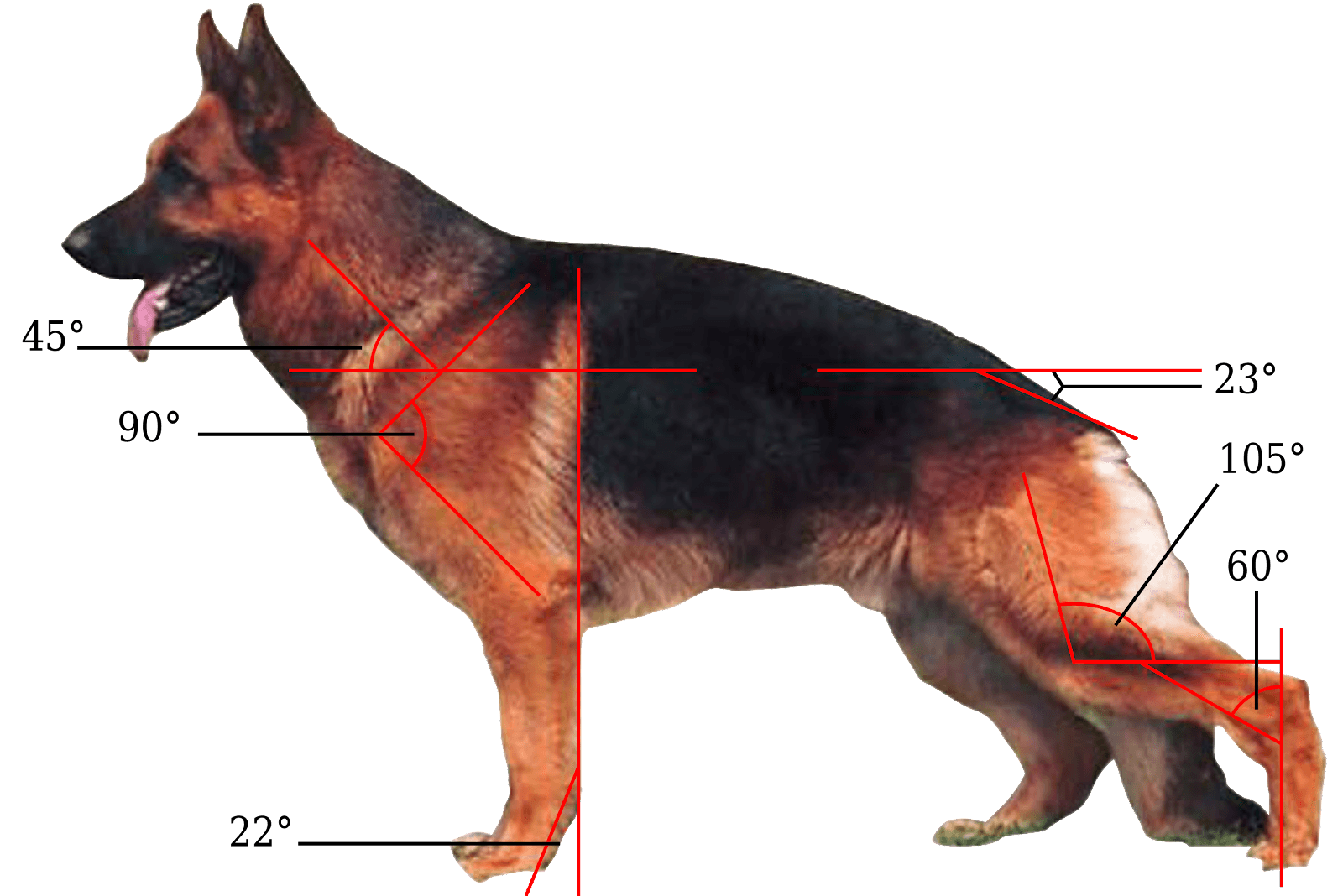
 Small Animal Care & Management Ch 1-2 Review The advantage of direct method is that the teacher can control the class and fit in a lot of activity into a short class period. This leaves plenty of opportunities for the students to hone their skills, especially new ones. On the other hand, because the class is centered around the teacher, some students may not receive proper feedback, and creativity is limited. Also, the lesser talented athletes often tend to get lost in the shuffle while the great athletes shine. However, there are now a multitude of various teaching strategies that can be employed in addition to that method. Ex: Announcements, Module/Unit introductions, Descriptions/modeling of assignments and learning activities, Written or video lectures, Demonstration videos, Presentations, Discussions moderated by instructors, Interactive tutorials. Indirect Method The Indirect Teaching Style allows students to be involved in their own learning through experience and other peer’s knowledge. Students can use critical thinking to expand their learning capabilities by seeing what others may be doing correct and adjusting this to their own knowledge. The Indirect approach is the opposite of what the direct style suggests, but they are both strictly related, meaning you can’t have one without the other. Direct teaching: The instructor stands in front of the class or group and lectures or advises. Indirect teaching: The instructor assumes a more passive role and guides the student interactions. Movement exploration: Incorporates the use of equipment that involves movement. Movement Exploration The movement exploration class is founded on developing a strong, positive association to physical activity. Classes are aimed at developing movement skills and foundational strength through fun and engaging activities. The activities are age appropriate and include games, challenges, and exploration that positively challenge children’s competency while improving their physical capabilities. Skills such as the ability to climb, hold animal shapes, gymnastic style activities, and the introduction to athletic motor skill competencies are the foundations to youth training. This class provides the introduction to strength training to give children the opportunity to learn the skills required to safely and confidently engage in resistance training. Cooperative Skills Cooperative activities teach students to work together for their group's common good. By participating in these activities, students can learn the skills of listening, discussing, thinking as a group, group decision making, and sacrificing individual wants for the common good. There are two primary objectives guiding the teaching of cooperative activities. First, cooperative activities allow students to apply a variety of fundamental motor skills in a unique setting. Students are typically asked to perform motor skills in a specific way, such as “skip in general space” or “balance on one foot and one elbow.” Cooperative activities ask students to perform different activities such as skip with their hands on the shoulders of someone in front of them, walk with big steps while placing their feet on small spots, or walk across an area blindfolded while someone directs their moves. Due to the uniqueness of such experiences, students often find cooperative activities exciting and motivating. Second, cooperative activities are a wonderful medium for teaching social and emotional learning (SEL). SEL offers students an opportunity to understand and manage their emotions. In addition, such activities offer an opportunity to show empathy for others and develop positive relationships. Cooperative activities demand that all students play a role in completing the task or solving the movement problem. Every student, regardless of ability level, is important and contributes to group goals. 9 traits a PE teacher often needs Here are nine essential traits of an effective PE teacher: 1. Athletic ability Athletic ability is an essential trait for a PE teacher because they're often showing kids how to perform exercises. To demonstrate proper form and encourage the kids to continue their fitness education, it's important they can perform the exercises themselves. Having experience with fitness training can enhance a PE teacher's lesson planning because they're familiar with how each exercise affects a person's body. Athletic ability can also refer to an aptitude for sports and games. PE teachers can instruct students on how to play these games or lead after-school activities involving them, like soccer or basketball. An aptitude for sports and games can help a PE teacher encourage students to participate in the activities during class. If the PE teacher enjoys physical activity, they may make the lessons more enjoyable for the student. 2. Teaching ability A PE teacher is a member of a school faculty, so it's essential they have the teaching ability that allows them to communicate lessons to students. There are various skills involved in teaching, including the technical capabilities associated with each professional's particular field. Learning these skills can help PE teacher plan their lessons effectively and connect with their students, meaning they can encourage students to practice fitness skills in optimal ways for their health. Here are some important teaching skills for PE teachers: Having an engaging classroom presence Real-world learning Project building Lesson planning Technology 3. Interpersonal skills PE coaches are part of faculty teams, so working alongside other teachers is an essential part of their job. They often collaborate with a student's general education teacher to address any behavioral issues that arise. They can also team up with other classes to plan activities for students, like field days and special field trips. Communicating with peers can ensure these interactions remain productive and create opportunities for more fulfilling lessons. Teachers can also model emotional skills for their students by displaying positive social interactions. Interpersonal skills can also help PE teachers interact with students and their families. If a student can make a student feel comfortable expressing their needs and preferences, they can often perform physical exercises or play games to the best of their individual capacities. Understanding how to soothe nerves and support students' emotional needs are important examples of interpersonal skills. When interacting with family members, you may use some of these same techniques to communicate effectively and best uplift students. 4. Written and verbal communication Both verbal and written communication is important for PE teachers because they often communicate with students, families and various personnel on a day-to-day basis. For example, a PE teacher uses their communication skills in a lesson plan to describe any student assignments or expectations accurately. They may also write instructions in a document, then explain them in a classroom lecture. They also use communication skills to share their lesson plans with other PE teachers during conferences or classroom development exercises. Many teachers continue to learn their trade even after working as a teacher for many years. They may share tips with each other or special lessons they've developed if they feel another teacher may benefit from it. Creating a community can help PE teachers continue to expand their teaching methodology and receive feedback on their lessons. 5. Patience and adaptability Working with children can require patience and adaptability because they're encountering many new concepts at the same time and learning how to regulate their emotions. As a result, it's important to treat them with patience and care while they're in your class so they can feel comfortable and feel motivated to complete assignments. As children become teenagers, they may require patience and adaptability to account for their changing bodies and attention spans. Like any job where you perform tasks in real-time, certain circumstances may occur that require you to adapt lesson plans. For example, if the weather turns from sunshine to rain on a day you planned for students to run a mile outside, you may need to adapt the lesson plan so they can practice endurance sports inside a gymnasium instead. 6. Organization PE teachers can use organization skills to improve their lesson planning sessions. For example, they can keep their plans in one place, and determine which parts of a semester or quarter to introduce new concepts. Throughout the year, these objectives may change because of unforeseen setbacks, but organizational skills can help PE teachers control the trajectory of their class curriculum. PE teachers can also use organizational skills to maintain their classroom space. Physical education frequently requires balls, equipment and tools to play games that may be on a lesson plan. They also organize equipment and decide where to store it within their classroom or storage space. 7. Creativity Creativity can help a PE teacher develop fun ways to introduce new material to their students or reinforce previous lessons. They can teach new games or devise interesting ideas to change the rules of a game to help keep students engaged. To find inspiration for their lesson plans, they can turn to personal hobbies or media aspects they enjoy, like movie scenes, songs or dances. A varied lesson plan can foster more engagement among students who prefer action- based learning activities, rather than lectures. 8. Focus Focus is an essential trait of a PE teacher because students often require their full attention during class, especially if they're learning a complicated physical task. You can focus your lesson plans around specific elements of physical education you believe are essential for students of a certain age group or skill level. If students require mentorship, you can also focus on each student's needs to supply them with a steady support system. Focusing on your students can help guide your career purpose. It can give you a core value system that informs your lesson plans and mentorship activities. This passion for your student's well-being can also help you become an advocate for each student in your class. You can also help organize funding for different field trips or establish after-school activities to support their interests. 9. Enthusiasm for teaching sports and fitness Enthusiasm is essential for a PE teacher. Many physical education activities require high energy and may suit someone who enjoys teaching them to others. Being an effective PE teacher also requires an enthusiasm for working with kids and making a positive impact on their lives.Some Arctic Dinos Lived in Herds
By Sid Perkins
Just as interesting, however, is how this was discovered. Scientists didn’t look at a single fossil bone.
Instead, they analyzed a large number of preserved footprints on a mountainside located toward the
southern end of central Alaska.
Anthony Fiorillo works at the Perot Museum of Nature and Science in Dallas, Texas. As a vertebrate
paleontologist, he studies the fossils of creatures with backbones. In 2007, he was part of a research
team exploring Denali National Park. “We rounded the corner and there they were,” he recalls.
Thousands of footprints had been preserved in stone. “It was amazing.”
Dinosaurs died out more than 65 million years ago (not
counting birds, their modern-day relatives). So, it’s a bit
surprising that scientists know so much about these
ancient creatures. Now, a new study reveals that a certain
type of duckbilled dinosaur lived in the Arctic year-round.
These animals also traveled in herds that included many
age groups, they find. The creatures even appear to have
gone through a “teenage growth spurt.”
Those tracks pepper a steep patch of exposed rock about twice as
long as a football field and up to 60 meters (roughly 200 feet) wide.
They sit at least 160 kilometers (100 miles) north of the Gulf of Alaska.
Between 69 million and 72 million years ago, that now-rocky material
was muddy sediment on a floodplain near a seacoast, Fiorillo explains.
The hadrosaurs walked across the squishy mud. Later, the footprints
they left turned to stone.
Previous studies suggested adult duckbills took care of their young,
says Fiorillo. The new evidence that these dinosaurs truly traveled in
herds with multiple age groups confirms that parents cared for their
young well beyond the time they left the nest, his team concludes. The
researchers published their findings June 30 in Geology.
© Science News for Students
Thousands of tracks cover this
rocky mountainside in Alaska’s
Denali National Park. They
provide a wealth of information
about the size, age and lifestyle
of certain dinosaurs.
COURTESY OF PEROT MUSEUM OF
NATURE AND SCIENCE
EVIDENCE FOR HERDS O F DINOSAURS
Small meat-eating dinosaurs called theropods had left behind a few of the tracks that Fiorillo’s team
found in Denali. Birds had left some others. But the vast majority came from creatures called
hadrosaurs. These large plant-eating duckbilled dinosaurs had been quite common during the
Cretaceous Period. That helps explain one of their nicknames: “cattle of the Cretaceous.”
For the new study, the researchers focused only on the hadrosaur tracks. More than half of the
footprints were preserved so well that they had clear impressions of the skin on the dinosaurs’ feet.
Most tracks had a similar level of preservation. That suggests all were probably left within a short
period. Other fossils in the nearby rocks, including insect burrows, suggest these hadrosaurs had left
their footprints during the summer. These are trace fossils — evidence of ancient life other than a
preserved carcass or bone.
At the time these dinosaurs lived, Fiorillio says, the average temperature in the warmest months was
between 10° and 12° Celsius (50° and 54° Fahrenheit). That’s about what conditions are like today
along the border between Canada and the lower 48 U.S. states, he notes.
The team measured a large sample of the duckbills’ footprints. They fell into four distinct size ranges.
The largest tracks, presumably made by adults, measured about 64 centimeters (25 inches) across. The
smallest tracks, 8 centimeters (3 inches) wide, were likely left by young duckbills. They would have
been no more than a year old. Tracks of two other size groups were probably made by juveniles and
near-adults.
These data suggest the community of hadrosaurs included four different age groups.
© Science News for Students
A hadrosaur footprint made
roughly 70 million years ago. For
scale, the long blue bar at right is
10 centimeters long; each small
blue or white bar measures 1
centimeter.
COURTESY OF PEROT MUSEUM OF NATURE
AND SCIENCE
© Science News for Students
THESE DINOSAURS DIDN’T MIGRATE
About 84 percent of the tracks sampled for the new study had been left by older hadrosaurs — adults or
near-adults. Roughly 13 percent came from the youngest members of the herd. And a mere 3 percent
came from herd members considered to be juveniles, says Fiorillo. The rarity of tracks by these tweens
suggests that the young of this species had a rapid growth spurt. If true, they would have spent relatively
little time at this vulnerable size — and therefore left very few tracks.
“What’s really neat is how many small tracks there are,” notes Anthony Martin. An ichnologist — or
expert in trace fossils — he works at Emory University in Atlanta, Ga.
Other scientists had analyzed fossil bones from duckbills. These studies had hinted that the equivalent of
adolescent hadrosaurs would have experienced growth spurts. But the new findings are “the best
evidence that I’ve seen,” says Eric Snively. He’s a vertebrate paleontologist at the University of Wisconsin-
La Crosse. “This is a great study,” he adds, “and further evidence that juvenile hadrosaurs grew up in an
eye-blink.”
Also previously, researchers had proposed that Arctic dinosaurs migrated farther south for the winter.
That’s because even if the region was much warmer than it is today, nights in the high Arctic would have
been 24 hours long. So, with no sunshine for several months, Alaska would have had long periods of very
bleak, chilly weather.
But finding juveniles in the herd
strongly suggests that these
dinosaurs remained in the Arctic all
year. That’s because adolescents and
preadolescents wouldn’t have had
the strength or stamina to make
those long treks, Fiorillo maintains.
Field work is often harsh. Paleontologists studying the dinosaur
footprints here on an Alaskan mountainside sometimes worked
in cold and fog.
COURTESY OF PEROT MUSEUM OF NATURE AND SCIENCE
© Science News for Students
The presence of very young dinosaurs might have been expected, he notes: If this were a nesting region,
the babies would have hatched sometime just before summer. And remember, that’s when these tracks
were left. But that wouldn’t explain the juveniles, he says.
The team’s findings “suggest that these dinosaurs were overwintering in Alaska somehow,” says Snively.
At the time, the average temperature in the region remained above freezing even during the winter, he
notes. But, he adds, “this study raises interesting issues about how the dinosaurs could live in the region
when it was pretty dark for several months at a time.”Rent a Llama When Marcos slept, he dreamed. He dreamed of Ecuador. He dreamed of riding among sheep and llamas. When Marcos woke, he worried. Life was so different in America. Would it ever feel like home? Marcos's mother worried, too. She wanted him to be happy. "Marcos, today is your class trip to a ranch," she said one morning. Marcos said, "We used to live on a ranch, Mamá." "An American ranch will be different," she said. "Yes, just like everything else here," Marcos sighed. When Marcos got to school, he saw students excited about the trip. Mr. Perkins chose seat partners for the bus ride. Marcos sat with a boy named Ben. "Have you ever been to a ranch?" asked Ben. "Only in Ecuador," Marcos replied. "I go to this ranch every week to care for Mabel," said Ben. Marcos asked, "Who is Mabel?" "You'll see," said Ben. Soon they arrived at the ranch. The class met Ms. Vega, the owner. "Hello, everyone," said Ms. Vega. "And hi there, Ben," she added. Everyone looked at Ben. How did Ms. Vega know him? "Ben takes care of Mabel, one of our cows," said Ms. Vega. "I am in City to Farm," Ben explained. "It is a club where grownups help city kids learn about farms," he added. Ben continued, "I want to learn about cows, but I live in an apartment." "I can't keep a cow there," he joked. The class laughed. Ben added, "Ms. Vega rents Mabel to me for free, and I care for her." "Let's meet Mabel," said Ms. Vega. Ben led the class into a large barn with many stalls. When Marcos looked around, he got a surprise. In the second stall was a llama. Marcos spoke softly to the animal in Spanish. The llama stretched its long neck toward Marcos as if it understood. Marcos stroked its fur. Ms. Vega watched Marcos. "Do you like Ilamas?" she asked. Marcos nodded. "Sí. I mean, yes," he replied shyly. "My grandfather had llamas in Ecuador," he added. "Расо сame from Ecuador, too," said Ms. Vega. She smiled and asked, "Would you like to help care for him?" "Like Ben takes care of Mabel?" Marcos asked. Ms. Vega said, "Exactly." Marcos's heart sang. Ranches were different herebut llamas were the same!• Landscape management A landscape is the evident factor of a land, its landforms, and the combined features of natural or artificial elements. Landscape management includes maintenance and integration of physical elements, water bodies, land cover, indigenous vegetation, human elements, such as structures and buildings, and climatic conditions. • Soil Preparation In the list of farming practices, soil preparation is placed second because of its importance for seed germination. Before a crop is grown, the soil is leveled and plowed a bit deeply to prepare it for the sowing of seed. After plowing, the soil loosens and develops proper aeration in the soil. • Sowing Seed selection from good quality varieties is the principal step of sowing. After preparing the soil, seeds are spread over the field, called sowing. Manual and mechanical (seeders) methods of sowing can be used. Some plants, such as rice, are first grown as seedlings in a small space and later transplanted to fields. • Manuring Plants need nutrients for their growth and fruit/seed production. Therefore, nutrients must be consumed at even intervals. Fertilization is the stage at which nutrients are introduced into the lands. These nutrients can be natural manure or artificial fertilizers. Decomposed products and waste of plants and animals are used as manure because of their nutrient richness. • Irrigation Irrigation means supplying water to plants. Water sources can be dams, ponds, wells, canals, etc. Excessive irrigation can damage crops and lead to waterlogging. The irrigation interval and frequency must be monitored, as they vary with the crop. • Weeding Unwanted plants grown alongside field crops are known as weeds. These plants are removed with the help of weed killers (weedicides), manually plucking with hands. Several weeds can be removed with better soil preparation techniques. • Integrated Pest Management • IPM – Integrated Pest Management, is a successful and ecologically sensitive technique to manage pests using combined sustainable practices. IPM is a series of methods including pest assessment, decision, and control techniques • Integrating Crops and Livestock Integrating crops and livestock increases the diversity and environmental sustainability of both sectors. In the meantime, it will offer opportunities to increase overall agricultural production and profitability. • Storage/Selling In the end steps of agricultural practices, the resulting grains are stored in warehouses for later use and selling purposes. Therefore, better plant protection methods must be used to protect grains from rodents and insect pests. The stores should be cleaned, dried, well-fumigated, etc., before storing grains. • Harvesting Among steps of farming practices, harvesting needs significant care otherwise it will result in yield reduction. When the crop reaches maturity, the cutting starts, and the produce will be stored in a dry place. This process is known as harvesting. After harvesting, manual or mechanical thrashing is done to separate grains from the plants.Orchard / fruit trees Importance of fruit trees • Fruit trees are important for the following uses: They are a source of food, they produce fruits Some are used for making medicines Others provide shade and can also act as wind breakers. Those with beautiful flowers are very decorative. They contain vitamins which means they have nutritional value. Classification of fruit trees • Fruit trees are classified as indigenous and exotic. Indigenous fruit trees • are those that natural grow in a country. • They take longer to grow. • Examples of indigenous fruit trees are: English name Shona Name Snot apple Water berry Red ivory Fig Monkey orange Wild custard apple Mobola fruit Exotic fruit trees • These are trees that were brought from other countries. • They are commercially grown in orchards. • Common exotic fruit trees include: • Exotic fruit trees grow faster than indigenous. Ornamental horticulture • It deals with the growing of decorative plants. • Decorative plants are collectively called ornamental plants. • They include trees, shrubs, flowers and lawn grasses. Importance of ornamental plants They beautify the environment. Flowers often produce a pleasing fragrance. Flowers attract insects like bees that are responsible for pollination. Plants produce oxygen that we need for breathing. • Some are used for making medicines. • Lawn grasses prevent soil erosion. • Plants provide shelter for birds and insects. Classification of ornamental plants • There are four classes of ornamental plants. Trees Shrubs Flowers Lawn Trees: • Ornamental trees are very useful as decorative plants. • This is because most of these trees produce beautiful flowers and some are ever green. • Examples of decorative trees include flamboyant, jacaranda, pines, Cyprus. Shrubs: • A shrub is a woody plant with many branches but smaller than a tree. • Some of them are ornamentals because they produce beautiful flowers. • Others can be cut into decorative shapes. • The golden duranta is good example because it can be cut into nice shapes. • The bougainvillea is another example of a decorative plant because: It can act as a climbing plant. It produces decorative flowers. It can also be cut into any shape using a hedge shear. Flowers: • Flowers have the following functions: They are used for decorations at weddings, hotels and parties. They are used as an expression of love and appreciation such as valentine’s day and get well soon messages. They are useful in bee farming called apiculture as they are a source of nectar used for making honey. Flowers produce a pleasant fragrance used in the production of soaps and scents for perfumes, deodorant and lotions. Lawn: • A lawn is an area of grass that is kept cut short and is usually part of someone's garden or backyard, or part of a park. • Some lawn grasses grown in Zimbabwe are Durban, kikuyu, couch and buffalo lawn. • They prevent soil erosion. • They also provide a comfortable outdoor resting place. Forestry Importance of trees • Trees are important to us and animals. • The Forestry Commission is responsible for taking care of trees in Zimbabwe. • Trees are also important to the environment because: They are a source of fuel in the form of firewood. They are used for making most of the furniture we use. Most medicines come from both exotic and indigenous trees, for example pine trees and gum trees are used for making cough medicines. Trees provide browsing animals like the kudu and giraffe with food. Fruits from both exotic and indigenous fruit trees are a rich source of vitamins Trees give out oxygen which we need for breathing. Trees provide timber that can be used for roofing. • Trees are grouped according to where they come from. • The groups are indigenous and exotic. 1 . Indigenous trees : • These are local trees that have always been grown in their country. Shona name English name Mutohwe Snot apple Mususu Yellow wood Mubvamaropa Blood wood Muuyu Baobab Muonde Fig tree Musasa msasa Characteristics of indigenous trees take longer to mature Do not produce straight poles Grow on their own Hard wood 2 .Exotic trees : • These are trees that have been brought from another country to be grown in Zimbabwe. Characteristics of exotic trees They are brought in a country from another country. Grow very fast. Have soft woods Usually grow straight Usually grown in orchards and plantations Common exotic trees in Zimbabwe are: Gum trees Pine trees Wattle Cyprus Date palm Mango Apple pawpaw Causes of plant damage • plant damage is when cultivated crops are kept from normal growth that leads to reduced yields. • plant damage is caused by both living and non living things. • Some of the common causes of crop damage are: (a)Pests • These are living organisms that cause physical damage to crops. • Examples of pests are weevils, army worm, aphids, cutworms and locusts. (b) Diseases • Plant diseases are caused by living organisms called pathogens. • These pathogens infest the plant and take away nutrients. • Fruit rot and bacteria spot are some of the examples of plant diseases. (c) Weeds • these are plant which grow where they are not wanted. • For example if black jack grows in a groundnut field, it is a weed. • Weeds compete for nutrients with cultivated plants. (d) Very high temperatures • High temperatures may cause crops to wither. • High temperatures may also lead to lightning and fires. • This can burn up crops. ( e) Frost • Frost damages crops in winter. • Tomatoes, potatoes, and beans are easily damaged by frost. (f) Drought • drought is when there is no rainfall in a season where it supposed to be raining. • It is one of the most serious forms of crop damage. • Plants wither and die if there is no rainfall. ( g) Animals • Wild animals like baboons often eat maize crops before they mature. • Birds also are a problem to crops like sorghum. Signs of plant damage • There are various signs that show plant damage. • Some can be corrected but some lead to total loss. • Some signs of plant damage include: Lodged plants Flowers and small fruits blown to the ground Dull leaf color Wilted plants Stunted growthSmall Animal Vaccination Protocols - Starter QuizWhose Tracks Are These? Animal Visitors. How do we know whether an animal has visited a place? One way we know is because it may leave tracks, or marks in the soil. Tracks show where the animal's body has touched the ground. Let's find out who has visited us today! Large Animals. A large animal that likes honey made these tracks. This animal is a good climber. It has strong claws for digging up plants, and it eats animals, too. Can you guess who it is? A black bear made these tracks. Black bears sleep all winter and wake up hungry in the spring. A large animal with hooves made these tracks. This animal can eat ten pounds of leaves, bark, and twigs each day. Can you guess who it is? A deer made these tracks. Male deer grow antlers in the spring and shed them in late winter. Baby deer have spots that disappear when they grow up. A large, strong cat made these tracks. This hunter runs fast and jumps far. It eats other animals, such as deer. birds, and rabbits. Can you guess who it is? A mountain lion made these tracks. Adult mountain lions live alone most of the time. Babies must learn to hunt before they can leave their mothers. Small Animals. A smart bird made these tracks. It has a curved beak and sharp claws. It hunts at night and eats many kinds of animals. Can you guess who it is? An owl made these tracks. It has large yellow eyes and can see well in the dark. It makes a noise called a hoot. A small animal made these tracks. Its tail made the line between the footprints. This animal must run very fast to escape being eaten. Can you guess who it is? A mouse made these tracks. Mice are food for owls, snakes, and other animals. But this one got away! Many Kinds of Tracks. Each kind of animal has its own special tracks. Look for tracks when you are in nature. Have fun finding out who has been visiting!
Small Animal Care & Management Ch 1-2 Review The advantage of direct method is that the teacher can control the class and fit in a lot of activity into a short class period. This leaves plenty of opportunities for the students to hone their skills, especially new ones. On the other hand, because the class is centered around the teacher, some students may not receive proper feedback, and creativity is limited. Also, the lesser talented athletes often tend to get lost in the shuffle while the great athletes shine. However, there are now a multitude of various teaching strategies that can be employed in addition to that method. Ex: Announcements, Module/Unit introductions, Descriptions/modeling of assignments and learning activities, Written or video lectures, Demonstration videos, Presentations, Discussions moderated by instructors, Interactive tutorials. Indirect Method The Indirect Teaching Style allows students to be involved in their own learning through experience and other peer’s knowledge. Students can use critical thinking to expand their learning capabilities by seeing what others may be doing correct and adjusting this to their own knowledge. The Indirect approach is the opposite of what the direct style suggests, but they are both strictly related, meaning you can’t have one without the other. Direct teaching: The instructor stands in front of the class or group and lectures or advises. Indirect teaching: The instructor assumes a more passive role and guides the student interactions. Movement exploration: Incorporates the use of equipment that involves movement. Movement Exploration The movement exploration class is founded on developing a strong, positive association to physical activity. Classes are aimed at developing movement skills and foundational strength through fun and engaging activities. The activities are age appropriate and include games, challenges, and exploration that positively challenge children’s competency while improving their physical capabilities. Skills such as the ability to climb, hold animal shapes, gymnastic style activities, and the introduction to athletic motor skill competencies are the foundations to youth training. This class provides the introduction to strength training to give children the opportunity to learn the skills required to safely and confidently engage in resistance training. Cooperative Skills Cooperative activities teach students to work together for their group's common good. By participating in these activities, students can learn the skills of listening, discussing, thinking as a group, group decision making, and sacrificing individual wants for the common good. There are two primary objectives guiding the teaching of cooperative activities. First, cooperative activities allow students to apply a variety of fundamental motor skills in a unique setting. Students are typically asked to perform motor skills in a specific way, such as “skip in general space” or “balance on one foot and one elbow.” Cooperative activities ask students to perform different activities such as skip with their hands on the shoulders of someone in front of them, walk with big steps while placing their feet on small spots, or walk across an area blindfolded while someone directs their moves. Due to the uniqueness of such experiences, students often find cooperative activities exciting and motivating. Second, cooperative activities are a wonderful medium for teaching social and emotional learning (SEL). SEL offers students an opportunity to understand and manage their emotions. In addition, such activities offer an opportunity to show empathy for others and develop positive relationships. Cooperative activities demand that all students play a role in completing the task or solving the movement problem. Every student, regardless of ability level, is important and contributes to group goals. 9 traits a PE teacher often needs Here are nine essential traits of an effective PE teacher: 1. Athletic ability Athletic ability is an essential trait for a PE teacher because they're often showing kids how to perform exercises. To demonstrate proper form and encourage the kids to continue their fitness education, it's important they can perform the exercises themselves. Having experience with fitness training can enhance a PE teacher's lesson planning because they're familiar with how each exercise affects a person's body. Athletic ability can also refer to an aptitude for sports and games. PE teachers can instruct students on how to play these games or lead after-school activities involving them, like soccer or basketball. An aptitude for sports and games can help a PE teacher encourage students to participate in the activities during class. If the PE teacher enjoys physical activity, they may make the lessons more enjoyable for the student. 2. Teaching ability A PE teacher is a member of a school faculty, so it's essential they have the teaching ability that allows them to communicate lessons to students. There are various skills involved in teaching, including the technical capabilities associated with each professional's particular field. Learning these skills can help PE teacher plan their lessons effectively and connect with their students, meaning they can encourage students to practice fitness skills in optimal ways for their health. Here are some important teaching skills for PE teachers: Having an engaging classroom presence Real-world learning Project building Lesson planning Technology 3. Interpersonal skills PE coaches are part of faculty teams, so working alongside other teachers is an essential part of their job. They often collaborate with a student's general education teacher to address any behavioral issues that arise. They can also team up with other classes to plan activities for students, like field days and special field trips. Communicating with peers can ensure these interactions remain productive and create opportunities for more fulfilling lessons. Teachers can also model emotional skills for their students by displaying positive social interactions. Interpersonal skills can also help PE teachers interact with students and their families. If a student can make a student feel comfortable expressing their needs and preferences, they can often perform physical exercises or play games to the best of their individual capacities. Understanding how to soothe nerves and support students' emotional needs are important examples of interpersonal skills. When interacting with family members, you may use some of these same techniques to communicate effectively and best uplift students. 4. Written and verbal communication Both verbal and written communication is important for PE teachers because they often communicate with students, families and various personnel on a day-to-day basis. For example, a PE teacher uses their communication skills in a lesson plan to describe any student assignments or expectations accurately. They may also write instructions in a document, then explain them in a classroom lecture. They also use communication skills to share their lesson plans with other PE teachers during conferences or classroom development exercises. Many teachers continue to learn their trade even after working as a teacher for many years. They may share tips with each other or special lessons they've developed if they feel another teacher may benefit from it. Creating a community can help PE teachers continue to expand their teaching methodology and receive feedback on their lessons. 5. Patience and adaptability Working with children can require patience and adaptability because they're encountering many new concepts at the same time and learning how to regulate their emotions. As a result, it's important to treat them with patience and care while they're in your class so they can feel comfortable and feel motivated to complete assignments. As children become teenagers, they may require patience and adaptability to account for their changing bodies and attention spans. Like any job where you perform tasks in real-time, certain circumstances may occur that require you to adapt lesson plans. For example, if the weather turns from sunshine to rain on a day you planned for students to run a mile outside, you may need to adapt the lesson plan so they can practice endurance sports inside a gymnasium instead. 6. Organization PE teachers can use organization skills to improve their lesson planning sessions. For example, they can keep their plans in one place, and determine which parts of a semester or quarter to introduce new concepts. Throughout the year, these objectives may change because of unforeseen setbacks, but organizational skills can help PE teachers control the trajectory of their class curriculum. PE teachers can also use organizational skills to maintain their classroom space. Physical education frequently requires balls, equipment and tools to play games that may be on a lesson plan. They also organize equipment and decide where to store it within their classroom or storage space. 7. Creativity Creativity can help a PE teacher develop fun ways to introduce new material to their students or reinforce previous lessons. They can teach new games or devise interesting ideas to change the rules of a game to help keep students engaged. To find inspiration for their lesson plans, they can turn to personal hobbies or media aspects they enjoy, like movie scenes, songs or dances. A varied lesson plan can foster more engagement among students who prefer action- based learning activities, rather than lectures. 8. Focus Focus is an essential trait of a PE teacher because students often require their full attention during class, especially if they're learning a complicated physical task. You can focus your lesson plans around specific elements of physical education you believe are essential for students of a certain age group or skill level. If students require mentorship, you can also focus on each student's needs to supply them with a steady support system. Focusing on your students can help guide your career purpose. It can give you a core value system that informs your lesson plans and mentorship activities. This passion for your student's well-being can also help you become an advocate for each student in your class. You can also help organize funding for different field trips or establish after-school activities to support their interests. 9. Enthusiasm for teaching sports and fitness Enthusiasm is essential for a PE teacher. Many physical education activities require high energy and may suit someone who enjoys teaching them to others. Being an effective PE teacher also requires an enthusiasm for working with kids and making a positive impact on their lives.Some Arctic Dinos Lived in Herds
By Sid Perkins
Just as interesting, however, is how this was discovered. Scientists didn’t look at a single fossil bone.
Instead, they analyzed a large number of preserved footprints on a mountainside located toward the
southern end of central Alaska.
Anthony Fiorillo works at the Perot Museum of Nature and Science in Dallas, Texas. As a vertebrate
paleontologist, he studies the fossils of creatures with backbones. In 2007, he was part of a research
team exploring Denali National Park. “We rounded the corner and there they were,” he recalls.
Thousands of footprints had been preserved in stone. “It was amazing.”
Dinosaurs died out more than 65 million years ago (not
counting birds, their modern-day relatives). So, it’s a bit
surprising that scientists know so much about these
ancient creatures. Now, a new study reveals that a certain
type of duckbilled dinosaur lived in the Arctic year-round.
These animals also traveled in herds that included many
age groups, they find. The creatures even appear to have
gone through a “teenage growth spurt.”
Those tracks pepper a steep patch of exposed rock about twice as
long as a football field and up to 60 meters (roughly 200 feet) wide.
They sit at least 160 kilometers (100 miles) north of the Gulf of Alaska.
Between 69 million and 72 million years ago, that now-rocky material
was muddy sediment on a floodplain near a seacoast, Fiorillo explains.
The hadrosaurs walked across the squishy mud. Later, the footprints
they left turned to stone.
Previous studies suggested adult duckbills took care of their young,
says Fiorillo. The new evidence that these dinosaurs truly traveled in
herds with multiple age groups confirms that parents cared for their
young well beyond the time they left the nest, his team concludes. The
researchers published their findings June 30 in Geology.
© Science News for Students
Thousands of tracks cover this
rocky mountainside in Alaska’s
Denali National Park. They
provide a wealth of information
about the size, age and lifestyle
of certain dinosaurs.
COURTESY OF PEROT MUSEUM OF
NATURE AND SCIENCE
EVIDENCE FOR HERDS O F DINOSAURS
Small meat-eating dinosaurs called theropods had left behind a few of the tracks that Fiorillo’s team
found in Denali. Birds had left some others. But the vast majority came from creatures called
hadrosaurs. These large plant-eating duckbilled dinosaurs had been quite common during the
Cretaceous Period. That helps explain one of their nicknames: “cattle of the Cretaceous.”
For the new study, the researchers focused only on the hadrosaur tracks. More than half of the
footprints were preserved so well that they had clear impressions of the skin on the dinosaurs’ feet.
Most tracks had a similar level of preservation. That suggests all were probably left within a short
period. Other fossils in the nearby rocks, including insect burrows, suggest these hadrosaurs had left
their footprints during the summer. These are trace fossils — evidence of ancient life other than a
preserved carcass or bone.
At the time these dinosaurs lived, Fiorillio says, the average temperature in the warmest months was
between 10° and 12° Celsius (50° and 54° Fahrenheit). That’s about what conditions are like today
along the border between Canada and the lower 48 U.S. states, he notes.
The team measured a large sample of the duckbills’ footprints. They fell into four distinct size ranges.
The largest tracks, presumably made by adults, measured about 64 centimeters (25 inches) across. The
smallest tracks, 8 centimeters (3 inches) wide, were likely left by young duckbills. They would have
been no more than a year old. Tracks of two other size groups were probably made by juveniles and
near-adults.
These data suggest the community of hadrosaurs included four different age groups.
© Science News for Students
A hadrosaur footprint made
roughly 70 million years ago. For
scale, the long blue bar at right is
10 centimeters long; each small
blue or white bar measures 1
centimeter.
COURTESY OF PEROT MUSEUM OF NATURE
AND SCIENCE
© Science News for Students
THESE DINOSAURS DIDN’T MIGRATE
About 84 percent of the tracks sampled for the new study had been left by older hadrosaurs — adults or
near-adults. Roughly 13 percent came from the youngest members of the herd. And a mere 3 percent
came from herd members considered to be juveniles, says Fiorillo. The rarity of tracks by these tweens
suggests that the young of this species had a rapid growth spurt. If true, they would have spent relatively
little time at this vulnerable size — and therefore left very few tracks.
“What’s really neat is how many small tracks there are,” notes Anthony Martin. An ichnologist — or
expert in trace fossils — he works at Emory University in Atlanta, Ga.
Other scientists had analyzed fossil bones from duckbills. These studies had hinted that the equivalent of
adolescent hadrosaurs would have experienced growth spurts. But the new findings are “the best
evidence that I’ve seen,” says Eric Snively. He’s a vertebrate paleontologist at the University of Wisconsin-
La Crosse. “This is a great study,” he adds, “and further evidence that juvenile hadrosaurs grew up in an
eye-blink.”
Also previously, researchers had proposed that Arctic dinosaurs migrated farther south for the winter.
That’s because even if the region was much warmer than it is today, nights in the high Arctic would have
been 24 hours long. So, with no sunshine for several months, Alaska would have had long periods of very
bleak, chilly weather.
But finding juveniles in the herd
strongly suggests that these
dinosaurs remained in the Arctic all
year. That’s because adolescents and
preadolescents wouldn’t have had
the strength or stamina to make
those long treks, Fiorillo maintains.
Field work is often harsh. Paleontologists studying the dinosaur
footprints here on an Alaskan mountainside sometimes worked
in cold and fog.
COURTESY OF PEROT MUSEUM OF NATURE AND SCIENCE
© Science News for Students
The presence of very young dinosaurs might have been expected, he notes: If this were a nesting region,
the babies would have hatched sometime just before summer. And remember, that’s when these tracks
were left. But that wouldn’t explain the juveniles, he says.
The team’s findings “suggest that these dinosaurs were overwintering in Alaska somehow,” says Snively.
At the time, the average temperature in the region remained above freezing even during the winter, he
notes. But, he adds, “this study raises interesting issues about how the dinosaurs could live in the region
when it was pretty dark for several months at a time.”Rent a Llama When Marcos slept, he dreamed. He dreamed of Ecuador. He dreamed of riding among sheep and llamas. When Marcos woke, he worried. Life was so different in America. Would it ever feel like home? Marcos's mother worried, too. She wanted him to be happy. "Marcos, today is your class trip to a ranch," she said one morning. Marcos said, "We used to live on a ranch, Mamá." "An American ranch will be different," she said. "Yes, just like everything else here," Marcos sighed. When Marcos got to school, he saw students excited about the trip. Mr. Perkins chose seat partners for the bus ride. Marcos sat with a boy named Ben. "Have you ever been to a ranch?" asked Ben. "Only in Ecuador," Marcos replied. "I go to this ranch every week to care for Mabel," said Ben. Marcos asked, "Who is Mabel?" "You'll see," said Ben. Soon they arrived at the ranch. The class met Ms. Vega, the owner. "Hello, everyone," said Ms. Vega. "And hi there, Ben," she added. Everyone looked at Ben. How did Ms. Vega know him? "Ben takes care of Mabel, one of our cows," said Ms. Vega. "I am in City to Farm," Ben explained. "It is a club where grownups help city kids learn about farms," he added. Ben continued, "I want to learn about cows, but I live in an apartment." "I can't keep a cow there," he joked. The class laughed. Ben added, "Ms. Vega rents Mabel to me for free, and I care for her." "Let's meet Mabel," said Ms. Vega. Ben led the class into a large barn with many stalls. When Marcos looked around, he got a surprise. In the second stall was a llama. Marcos spoke softly to the animal in Spanish. The llama stretched its long neck toward Marcos as if it understood. Marcos stroked its fur. Ms. Vega watched Marcos. "Do you like Ilamas?" she asked. Marcos nodded. "Sí. I mean, yes," he replied shyly. "My grandfather had llamas in Ecuador," he added. "Расо сame from Ecuador, too," said Ms. Vega. She smiled and asked, "Would you like to help care for him?" "Like Ben takes care of Mabel?" Marcos asked. Ms. Vega said, "Exactly." Marcos's heart sang. Ranches were different herebut llamas were the same!• Landscape management A landscape is the evident factor of a land, its landforms, and the combined features of natural or artificial elements. Landscape management includes maintenance and integration of physical elements, water bodies, land cover, indigenous vegetation, human elements, such as structures and buildings, and climatic conditions. • Soil Preparation In the list of farming practices, soil preparation is placed second because of its importance for seed germination. Before a crop is grown, the soil is leveled and plowed a bit deeply to prepare it for the sowing of seed. After plowing, the soil loosens and develops proper aeration in the soil. • Sowing Seed selection from good quality varieties is the principal step of sowing. After preparing the soil, seeds are spread over the field, called sowing. Manual and mechanical (seeders) methods of sowing can be used. Some plants, such as rice, are first grown as seedlings in a small space and later transplanted to fields. • Manuring Plants need nutrients for their growth and fruit/seed production. Therefore, nutrients must be consumed at even intervals. Fertilization is the stage at which nutrients are introduced into the lands. These nutrients can be natural manure or artificial fertilizers. Decomposed products and waste of plants and animals are used as manure because of their nutrient richness. • Irrigation Irrigation means supplying water to plants. Water sources can be dams, ponds, wells, canals, etc. Excessive irrigation can damage crops and lead to waterlogging. The irrigation interval and frequency must be monitored, as they vary with the crop. • Weeding Unwanted plants grown alongside field crops are known as weeds. These plants are removed with the help of weed killers (weedicides), manually plucking with hands. Several weeds can be removed with better soil preparation techniques. • Integrated Pest Management • IPM – Integrated Pest Management, is a successful and ecologically sensitive technique to manage pests using combined sustainable practices. IPM is a series of methods including pest assessment, decision, and control techniques • Integrating Crops and Livestock Integrating crops and livestock increases the diversity and environmental sustainability of both sectors. In the meantime, it will offer opportunities to increase overall agricultural production and profitability. • Storage/Selling In the end steps of agricultural practices, the resulting grains are stored in warehouses for later use and selling purposes. Therefore, better plant protection methods must be used to protect grains from rodents and insect pests. The stores should be cleaned, dried, well-fumigated, etc., before storing grains. • Harvesting Among steps of farming practices, harvesting needs significant care otherwise it will result in yield reduction. When the crop reaches maturity, the cutting starts, and the produce will be stored in a dry place. This process is known as harvesting. After harvesting, manual or mechanical thrashing is done to separate grains from the plants.Orchard / fruit trees Importance of fruit trees • Fruit trees are important for the following uses: They are a source of food, they produce fruits Some are used for making medicines Others provide shade and can also act as wind breakers. Those with beautiful flowers are very decorative. They contain vitamins which means they have nutritional value. Classification of fruit trees • Fruit trees are classified as indigenous and exotic. Indigenous fruit trees • are those that natural grow in a country. • They take longer to grow. • Examples of indigenous fruit trees are: English name Shona Name Snot apple Water berry Red ivory Fig Monkey orange Wild custard apple Mobola fruit Exotic fruit trees • These are trees that were brought from other countries. • They are commercially grown in orchards. • Common exotic fruit trees include: • Exotic fruit trees grow faster than indigenous. Ornamental horticulture • It deals with the growing of decorative plants. • Decorative plants are collectively called ornamental plants. • They include trees, shrubs, flowers and lawn grasses. Importance of ornamental plants They beautify the environment. Flowers often produce a pleasing fragrance. Flowers attract insects like bees that are responsible for pollination. Plants produce oxygen that we need for breathing. • Some are used for making medicines. • Lawn grasses prevent soil erosion. • Plants provide shelter for birds and insects. Classification of ornamental plants • There are four classes of ornamental plants. Trees Shrubs Flowers Lawn Trees: • Ornamental trees are very useful as decorative plants. • This is because most of these trees produce beautiful flowers and some are ever green. • Examples of decorative trees include flamboyant, jacaranda, pines, Cyprus. Shrubs: • A shrub is a woody plant with many branches but smaller than a tree. • Some of them are ornamentals because they produce beautiful flowers. • Others can be cut into decorative shapes. • The golden duranta is good example because it can be cut into nice shapes. • The bougainvillea is another example of a decorative plant because: It can act as a climbing plant. It produces decorative flowers. It can also be cut into any shape using a hedge shear. Flowers: • Flowers have the following functions: They are used for decorations at weddings, hotels and parties. They are used as an expression of love and appreciation such as valentine’s day and get well soon messages. They are useful in bee farming called apiculture as they are a source of nectar used for making honey. Flowers produce a pleasant fragrance used in the production of soaps and scents for perfumes, deodorant and lotions. Lawn: • A lawn is an area of grass that is kept cut short and is usually part of someone's garden or backyard, or part of a park. • Some lawn grasses grown in Zimbabwe are Durban, kikuyu, couch and buffalo lawn. • They prevent soil erosion. • They also provide a comfortable outdoor resting place. Forestry Importance of trees • Trees are important to us and animals. • The Forestry Commission is responsible for taking care of trees in Zimbabwe. • Trees are also important to the environment because: They are a source of fuel in the form of firewood. They are used for making most of the furniture we use. Most medicines come from both exotic and indigenous trees, for example pine trees and gum trees are used for making cough medicines. Trees provide browsing animals like the kudu and giraffe with food. Fruits from both exotic and indigenous fruit trees are a rich source of vitamins Trees give out oxygen which we need for breathing. Trees provide timber that can be used for roofing. • Trees are grouped according to where they come from. • The groups are indigenous and exotic. 1 . Indigenous trees : • These are local trees that have always been grown in their country. Shona name English name Mutohwe Snot apple Mususu Yellow wood Mubvamaropa Blood wood Muuyu Baobab Muonde Fig tree Musasa msasa Characteristics of indigenous trees take longer to mature Do not produce straight poles Grow on their own Hard wood 2 .Exotic trees : • These are trees that have been brought from another country to be grown in Zimbabwe. Characteristics of exotic trees They are brought in a country from another country. Grow very fast. Have soft woods Usually grow straight Usually grown in orchards and plantations Common exotic trees in Zimbabwe are: Gum trees Pine trees Wattle Cyprus Date palm Mango Apple pawpaw Causes of plant damage • plant damage is when cultivated crops are kept from normal growth that leads to reduced yields. • plant damage is caused by both living and non living things. • Some of the common causes of crop damage are: (a)Pests • These are living organisms that cause physical damage to crops. • Examples of pests are weevils, army worm, aphids, cutworms and locusts. (b) Diseases • Plant diseases are caused by living organisms called pathogens. • These pathogens infest the plant and take away nutrients. • Fruit rot and bacteria spot are some of the examples of plant diseases. (c) Weeds • these are plant which grow where they are not wanted. • For example if black jack grows in a groundnut field, it is a weed. • Weeds compete for nutrients with cultivated plants. (d) Very high temperatures • High temperatures may cause crops to wither. • High temperatures may also lead to lightning and fires. • This can burn up crops. ( e) Frost • Frost damages crops in winter. • Tomatoes, potatoes, and beans are easily damaged by frost. (f) Drought • drought is when there is no rainfall in a season where it supposed to be raining. • It is one of the most serious forms of crop damage. • Plants wither and die if there is no rainfall. ( g) Animals • Wild animals like baboons often eat maize crops before they mature. • Birds also are a problem to crops like sorghum. Signs of plant damage • There are various signs that show plant damage. • Some can be corrected but some lead to total loss. • Some signs of plant damage include: Lodged plants Flowers and small fruits blown to the ground Dull leaf color Wilted plants Stunted growthSmall Animal Vaccination Protocols - Starter QuizWhose Tracks Are These? Animal Visitors. How do we know whether an animal has visited a place? One way we know is because it may leave tracks, or marks in the soil. Tracks show where the animal's body has touched the ground. Let's find out who has visited us today! Large Animals. A large animal that likes honey made these tracks. This animal is a good climber. It has strong claws for digging up plants, and it eats animals, too. Can you guess who it is? A black bear made these tracks. Black bears sleep all winter and wake up hungry in the spring. A large animal with hooves made these tracks. This animal can eat ten pounds of leaves, bark, and twigs each day. Can you guess who it is? A deer made these tracks. Male deer grow antlers in the spring and shed them in late winter. Baby deer have spots that disappear when they grow up. A large, strong cat made these tracks. This hunter runs fast and jumps far. It eats other animals, such as deer. birds, and rabbits. Can you guess who it is? A mountain lion made these tracks. Adult mountain lions live alone most of the time. Babies must learn to hunt before they can leave their mothers. Small Animals. A smart bird made these tracks. It has a curved beak and sharp claws. It hunts at night and eats many kinds of animals. Can you guess who it is? An owl made these tracks. It has large yellow eyes and can see well in the dark. It makes a noise called a hoot. A small animal made these tracks. Its tail made the line between the footprints. This animal must run very fast to escape being eaten. Can you guess who it is? A mouse made these tracks. Mice are food for owls, snakes, and other animals. But this one got away! Many Kinds of Tracks. Each kind of animal has its own special tracks. Look for tracks when you are in nature. Have fun finding out who has been visiting!