Loading...


Spot or Scan/ Look or Observe
Quiz by Jennifer Edelson
Customize this quiz to suit your class
Instantly translate to 100+ languages
Tag the questions with any skills you have. Your dashboard will track each student's mastery of each skill.
Give this quiz to my class
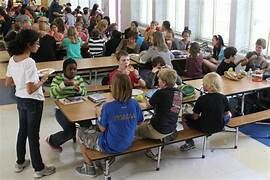
Marin ____________the lunchroom, looking for her friends.
spotted
scaned
scanned
spot
After a few minutes, she finally _____________ her friend sitting at the back table.

scan
spoted
scanned
spotted
Marin ____________the lunchroom, looking for her friends.
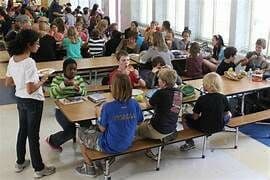
After a few minutes, she finally _____________ her friend sitting at the back table.

The teacher asked the students to spot the passage for key or important words.

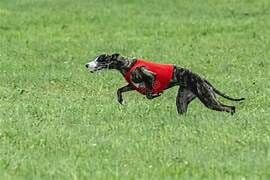
From across the field, I could easily spot the bright red jacket.
At the airport, security officers carefully ____________ everyone's luggage.

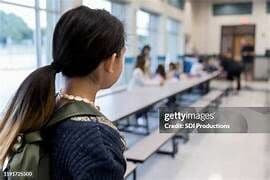
Marin _______ around the lunchroom to see if her friends were there.
The students carefully _______________ the teacher's demonstration to understand the experiment.

I observed the painting, but I didn't notice many details.
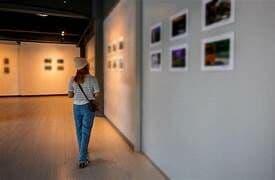
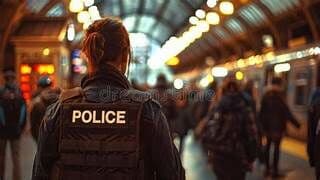
The police officer ______________ the crowd to notice who was acting suspicious.
She quickly ______________ at her phone before putting it away.

The ________ student noticed that her friend had a haircut.

Spot means to see something quickly. True or false?
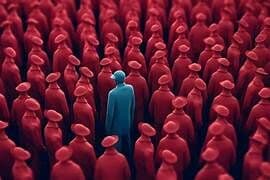
Scan means to look for something ________________________-

What do you spot in this picture? Describe at least one thing. Begin with "I spot_____________.

Spot, scan, observe, look are different words for ________
 Alaska: A special place Where can you find mountains, glaciers, and volcanoes? Alaska is the location you would visit. Alaska has different regions. In each part of the state, there are different features. Land Features The tallest mountain in the United States is in Alaska. It is called Mt. McKinley. Some people go to Alaska just to climb it. Alaska also has the biggest glaciers in all of the United States. Glaciers are made when one layer of snow falls on top of another. The snowfall becomes very thick. It turns to ice. The growth of a glacier takes many years to form. Temperature Changes Alaska has different temperatures. Northern Alaska is called the Arctic region. The temperatures are much colder than inside your freezer. The ground, lakes, and rivers are almost always frozen. As a result, most people live in the south of Alaska. It is warmer there. Crops grow well in the rich soil there. Animals Alaska has many different animals. You may spot a walrus or polar bear among the glaciers. You can see a black or brown bear fishing in a river or stream. In another region, you can see a moose or caribou. Daylight and Darkness The seasons are special here, too. In summer, people celebrate the mild temperate weather. These lively people also celebrate the sunlight because the sun does not set for many days. In one village, the Sun doesn't set for more than 80 days! You might be in bed and still see the sun shining. In winter, the Sun doesn't rise in some places in Alaska. These places have more than 60 days of winter darkness. You could have afternoon soccer practice in the dark! You might think this would be eerie, but Alaskans don't think this is weird. They are used to the dark winter days. Alaska is a very interesting place to live! Accidents are unexpected events or happening at home, school, on the road or at work which can lead to injuries or death. It can cause pain, sorrow, discomfort or deformation of the body. Some accidents are caused by mistakes, stubbornness, carelessness or disobedience. The accident at home is called domestic accident. TYPES OF ACCIDENT 1) BURNS: These are caused by hot objects like hot iron. Burns could be caused through fire incidents. 2) BITES: These are caused by animals such as snakes, dogs, insects etc. Some insect’s bites may lead to itching of the spot and its surroundings. This may later lead to a serious discomfort. 3) BRUISES: These are marks on the skin which results when one falls of hit by a person in a fight. This action causes the swelling of the skin. 4) SCALDS: Scalds are caused by hot water, hot oil or acid if it mistakenly touches or pours on the body. 5) CUTS: These are caused by sharp objects such as knife, blades, scissors. 6) ROAD ACCIDENTS: These are caused by Reckless driving, bad roads(potholes). 7) AIR AND SEA ACCIDENTS: These are mainly caused by poor weather and engine failure. It can lead to materials and human beings lost. 8) RAIL ACCIDENTS: These are caused by bad railways and careless crossing by motorists. THE FOLLOWING ARE THE WAYS OF PREVENTING ACCIDENTS. 1. Do not play near an open fire or flame. 2. Do not run up the staircase but walk smartly. 3. Do not dare a strange dog. 4. Do not play with sharp objects likes blades, knives and scissors. 5. Do not play with harmful insects. 6. Avoid rough plays to prevent bruises and wounds and other forms of accidents. 7. Remove all objects that can cause a fall on the way. 8. Wear dry rubber slippers before operating an electrical appliance like Television, refrigerator and pressing iron. 9. Always obey your parents’ instructions. 10. Always keep the floor clean at all time. Digestive System. Teeth help break down the food to small pieces. Tongue moves food to the back of the mouth and to the opening of the esophagus. Saliva is 99% water and enzymes that begin to chemical digestion. Small Intestine is a coiled tube like organ is 20feet long. This is when nutrients are taken up by the body. Villus is the spot that nutrients are pass out of the small intestine to the body. Liver is a large organ that produces bile to digest fat. Gallbladder produces bile as needed into the small intestine. Pancreas is an organ that produces enzymes and release directly into the small intestine. Colon or large intestine is an organ that absorbs most of the liquid from undigested food. Rectum is where solid waste is stored. Anus is the opening to the out side . The main function of the digestive system is to turn the food into simple sugars, amino acids, and carbohydrates. This is fuel for the human body. The first stage of the digestive system is the mouth and teeth. The teeth grid up the food. Which saliva is mix with the food to break the food down. The food is swallowed and wave like motion moves the food to the stomach. The second stage is the stomach breaks down the food. The stomach churns the food. Mixing the food with the gastric juices. This is done with the gastric juices are mix in the stomach. The glands in the stomach produce the juices. The gastric juices break down the proteins. Then the food is passed into the small intestine. In the small intestine which is about 20ft long. This is where the small intestine absorbs the nutrients from the food. Most digestion takes place in the duodenum of the small intestine. Small finger like projections called villus that collect the nutrients. These nutrients are passed into the bloodstream. The three organs that help in digesting the food. Liver, and gallbladder. Liver produces bile , a substance that aids in digestion of fats. Gallbladder holds and releases bile into the small intestine as needed. Pancreas lies across the back of the abdomen. The pancreas produces enzymes that are necessary to break down carbohydrates, proteins, and fats. Cells in the pancreas are called Islet of Langerhans, which produce two hormones (glucagon, and insulin. These regulate sugar in the blood. Insulin is a hormone that stimulates the liver to convert glucose to glycogen. Glucagon is a hormone that stimulates the liver to convert glycogen to glucose. Into the Sea What Is Erosion? Have you ever made a sand castle at the beach? You must pick a good spot for it. If it is too close to the water, waves will quickly wash it away. Ocean waves and wind can also wash away land. They can change the shape of an island, which is land circled by water. When wind and water change the shape of Earth, it is called erosion. Waves are the biggest cause of erosion at the beach. Ocean waves are always active and moving onto the shore. They carry the sand away bit by bit. Strong waves are one of the properties of big storms. These waves explode as they crash onto the beach. Storm waves can move a lot of sand quickly. Erosion of Beaches. Some people build houses near the ocean. Waves take away the sand between the houses and the sea. As the beach disappears, the water gets closer to houses and other solid buildings on the beach. Some buildings can even be washed away. Erosion of Rocks. Erosion also happens on steep, rocky cliffs or sharp slopes. First, waves smash into the bottom of the cliffs. Then they carry away tiny pieces of rock. Over time, many small pieces of rock wash away from the bottom of the cliff. This makes the top of the cliff weak.The cliff can crumble and fall into the sea. Stopping Erosion. Some local communities work to stop erosion to nearby beaches. These towns have built sea walls of large boulders or rocks. The rocks are placed in a row in the sea. When waves hit the sea wall, they slow down. Then the waves can't pull sand away.Some towns make rules about buildings on the beach. New buildings must be far from the water. Then they won't wash away like a sand castle.Hey, Dr. Binocs! Hey there. Hello, Dr. Binocs. Hello. Oh, hello! Friends, did you spot any kinda difference between these two? I'll give you 10 points if you do! No? Well, don't worry. I'll tell you how they are different from each other. But for that I need to tell you all about the Animal Kingdom! Come with me! Zoom in! The Animal Kingdom is divided into two groups. Invertebrates and Vertebrates. And today, we will talk about the invertebrates. Animals without a backbone are called Invertebrates. Which are further classified into.. Worms! Sea Jellies! Mollusks! Anthropods! And Sponges! Now, let us explore a little into their worlds! Worms! They have long, soft bodies with no legs. Oh, and two body openings. You've seen earthworms, right? If you haven't, rush to your nearest garden! Sea Jellies! Jellyfish is a good example here. They have soft and long stinging bodies. Stinging because they use their stingers to stun their prey.. ..before pulling them into their stomach. Mollusks! They have soft and warm bodies. Many of them have hard shells, like the snail. Other examples are Octopus and Squid. Anthropods! These animals form the largest group of the Invertebrates. They have their skeleton on the outside of their bodies. Creepy crawlies such as cockroaches, spiders are anthropods. Sponges! They generally live in saltwater and don't move from place to place. They filter nutrients and tiny organisms out of water, for food. TRIVIA TIME! The Invertebrates will eat almost anything that was or is alive. 97% of all animal species are invertebrates. Well, that keeps a very tiny space for the vertebrates. So do one thing, check this video out, to know more about them! So this is me zoooming out! Tune in next time, for more fun facts.La Isla de Pascua This 64-square mile island off Chile’s west coast goes by many names. Its English name is Easter Island, marking the day in 1722 when it was discovered by a European. In Spanish, it is called Isla de Pascua. The Rapa Nui, its first inhabitants, called it “The Navel of the World.” Experts do not agree on the history of Easter Island. It is unclear where the first people came from or when they arrived. Many people believe they came from neighboring Polynesia around AD 300. This culture built 900 enormous stone statues for which the island is famous. The statues are known as moai. Most of the moai are made of volcanic tuff. Tuff is a soft rock made from the ash that is forced out during a volcanic eruption. It is easier to carve than hard stones like marble, but it is not ideal for carving small details. The moai are considered megaliths (large stones that form prehistoric monuments). They stand up to 33 feet high when on their ceremonial platform (the average height is about 13 feet), and they weigh up to 82 tons. They usually have a trunk (body), inset arms, and an exaggerated head with angular edges. The head of each moai takes up about one-third of the total figure. It all shows that the people who created them could engineer monumental structures. Many moai stand with their backs to the sea. They watch the island like protective markers. Some low-relief carvings of religious deities were added to the backs of the moai at a later date. Experts are still trying to understand how they were carved and moved, and what they might mean. Chile took control of the island in 1888. At that time, its population was less than 200. The government used it for grazing livestock. Today, the mystery of Easter Island makes it a popular tourist spot. Valparaíso Valparaíso is a colorful blend of old and new traditions in Chile. This port city is an interesting example of daily life in Chile. Before the Panama Canal was opened in 1914, all ships traveling east to west had to pass all the way around South America. Valparaíso was ideally positioned as a stopping point in the Southern Pacific. Valparaíso has a long history of playing host to a large array of cultures and ideas. The city was known around the world as a place that embraced learning and new ideas. Pablo Neruda had a home in Valparaíso in the 1920s. After the Panama Canal was completed, shipping traffic declined significantly. Valparaíso was forgotten and fell upon hard times. In the 1990s, the government of Chile made an effort to revitalize the colorful port. Today it is a UNESCO (United Nations Educational, Scientific and Cultural Organization) World Heritage site. True to its history of embracing learning, it is also home to four universities. Tourists can visit the first stock exchange in Latin America. Valparaíso also has Chile’s first public library. Visitors stroll through cobblestone streets in the historic district. Here they can also view the city’s iconic colorful buildings. At night, music and street performers liven the experience. Try It Yourself Two Spanish words comprise the name of this city. Val means valley. Paraiso means paradise. The name Valparaíso means Paradise Valley. Can you recognize descriptive Spanish words in other Spanish place names? Start with names of places around you. Las Comidas Tradicionales To Chileans, nothing says home like pastel de choclo, a type of casserole made of beef and corn. The body of the casserole is flavorful. It contains beef, onions, raisins, and roasted chicken. It is topped off with a layer of creamed corn and then baked. Baking it brings out the sweetness in the corn, adding a contrast to the savory meat. The preferred type of corn is called choclo. This variety is grown in rugged conditions in the Andes. The kernels are large and hearty compared to other varieties. Another favorite dish in Chile is a type of meat stew called cazuela. Originally a native dish, it is now known as comfort food in Chile. Pork, beef, lamb, or chicken still on the bone is boiled in a traditional clay pot. To that, corn, potatoes, and other local vegetables are added. It is seasoned with onion and garlic. Pablo Rogat/Shutterstock When Chileans think about dessert, manjar is the first ingredient on their minds. It is a caramel sauce made from cooking milk, sugar, and vanilla. It is found in many desserts. It is used as filling in cakes, pies, and cookies. It is refrigerated to make puddings and custards. People even use it to sweeten their coffee.Bhir Mind: At Bhir Mound however we find ourselves at a surer ground leaving hypothetical reconstructions behind This name is obviously very recent but the city of Bhir Mound belongs to the time of the Achaeme-nian rulers of Iran. The oldest structural remains at this site comprise rough stone structures which cannot be ascribed to a date earlier than the fifth or the sixth century B.C. The actual rule of this Iranian dynasty lasted from abour 518 B.C. to 359 B.C. Among the legacies they left behind, the most notable was the use of the Aramaic writing. It was from this script that the local writing called 'kharoshth .commonly employed in the north west to about the 5th century A.D., was derived. Bhir Mound was a flourishing city at the time of Alexander's 326 BC) He i He is even said to have left a Greek ear changed the whole outlook and the Greeks were soon driven out or destroyed by Chandragupta Maurya who extended his dominions as far as Afghanistan. Under the Mauryas the Bhir Mound city of Taxila rose to a pre-eminent position among the cities of the North West)It was here that Ashoka afterwards ruled as a viceroy on visit in the spring of 326 garrison here but his death the following year behalf of his father Bindusara, and here, too, that in the his father/According to Tibetan tradition Ashoka died at Taxila and was succeeded by his son. Kunala)(c. 237 229 B.C.). The name of this prince was perpetuated at Taxila by a commemorative stupa which, as Hiuen Tsiang says, was erected to mark the spot where the young viceroy had his eyes put out through the evil machinations of his stepmother. For three generations Taxila remained the administrative headquarters of the Mauryan viceroys and then in about 189 B.C passed into the hands of the Greeks of Bactria.commonly known as "Indo-GreeksRainbows Introduction. When the Sun comes out after it rains, run outside. You may see a rainbow in the sky. Rainbows are tricks made by light. We can see them, but we can't touch them or walk around them. They seem to move away when we try to get close to them. Science can explain how rainbows happen. Where and When Rainbows Appear. Look around the next time you see a rainbow. The Sun will be shining from behind you. There will be rain in front of you, where you'll see the rainbow. Rainbows need water drops and sunlight to form. They can even form under a bright moon. These are called moonbows. We usually see a rainbow as a half circle. It actually forms a full circle. From the ground, we can only see the top half. How Rainbows Form. Years ago, a French scientist studied rainbows. He found that to see a rainbow, you must be in the right spot. Knowing how light moves helps explain rainbows. Think of running on land. Now think of trying to run through water. You will move more slowly through water because it is thicker than air. This pencil seems to bend where it enters the water. In the same way, light moves faster through air than through water. As the light moves through water, it slows down and bend. Rainbows form when water drops meet sunlight. The light bends when it goes into each drop. Then it reflects, or bounces, off the back of each drop. The light bends again as it leaves the drop. This happens in millions of water drops at once, making the colors of a rainbow. The Colors of the Rainbow. Sunlight is made up of many colors. Water drops split the sunlight into different colors. Splitting light makes a rainbow. You have to be in the right spot to see a rainbow. Each water drop reflects colored light at a slightly different angle. The colors of the rainbow always appear in the same order. The name ROY G. BIV can help you remember the seven main colors. They are red, orange, yellow, green, blue, indigo, and violet. Conclusion. Rain stops and the Sun comes out. A beautiful rainbow sweeps across the sky. Most people find it hard not to stop and stare when a rainbow appears. Science explains how rainbows form. Still, a rainbow is always a magical sight to see.