Revise drafts to improve style, word choice, figurative language, sentence variety, and subtlety of meaning after rethinking how well questions of purpose, audience, and genre have been addressed;
Write an analytical essay of sufficient length that includes:
Use a variety of correctly structured sentences (e.g., compound, complex, compound-complex).
Use conventions of capitalization;
Edit drafts for grammar, mechanics, and spelling;
Use correct punctuation marks including:
Oral and Written Conventions/Spelling. Students spell correctly. Students are expected to spell correctly, including using various resources to determine and check correct spellings.
Analyze isolated scenes and their contribution to the success of the plot as a whole in a variety of works of fiction;
Reading/Comprehension of Literary Text/Theme and Genre. Students analyze, make inferences and draw conclusions about theme and genre in different cultural, historical, and contemporary contexts and provide evidence from the text to support their understanding. Students are expected to:
Evaluate the connection between forms of narration (e.g., unreliable, omniscient) and tone in works of fiction;
Analyze differences in the characters' moral dilemmas in works of fiction across different countries or cultures;
Reading/Comprehension of Literary Text/Fiction. Students understand, make inferences and draw conclusions about the structure and elements of fiction and provide evidence from text to support their understanding. Students are expected to:
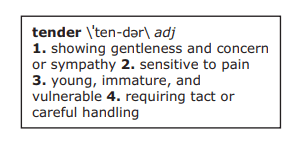
Use a dictionary, a glossary, or a thesaurus (printed or electronic) to determine or confirm the meanings of words and phrases, including their connotations and denotations, and their etymology.
Reading/Comprehension of Literary Text/Literary Nonfiction. Students understand, make inferences and draw conclusions about the varied structural patterns and features of literary nonfiction and provide evidence from text to support their understanding. Students are expected to evaluate the role of syntax and diction and the effect of voice, tone, and imagery on a speech, literary essay, or other forms of literary nonfiction.
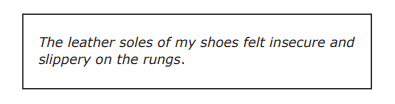
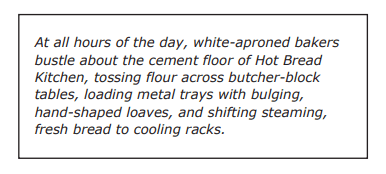
Reading/Comprehension of Literary Text/Sensory Language. Students understand, make inferences and draw conclusions about how an author's sensory language creates imagery in literary text and provide evidence from text to support their understanding. Students are expected to explain the function of symbolism, allegory, and allusions in literary works.
Reading/Comprehension of Informational Text/Persuasive Text. Students analyze, make inferences and draw conclusions about persuasive text and provide evidence from text to support their analysis. Students are expected to:
Reading/Comprehension of Informational Text/Culture and History. Students analyze, make inferences and draw conclusions about the author's purpose in cultural, historical, and contemporary contexts and provide evidence from the text to support their understanding. Students are expected to analyze the controlling idea and specific purpose of a passage and the textual elements that support and elaborate it, including both the most important details and the less important details.
Reading/Comprehension of Informational Text/Procedural Texts. Students understand how to glean and use information in procedural texts and documents. Students are expected to:
Analyze textual context (within a sentence and in larger sections of text) to distinguish between the denotative and connotative meanings of words;
Make and defend subtle inferences and complex conclusions about the ideas in text and their organizational patterns;
Distinguish among different kinds of evidence (e.g., logical, empirical, anecdotal) used to support conclusions and arguments in texts;
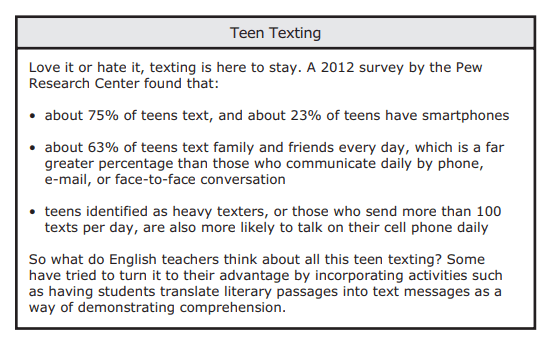
Evaluate how messages presented in media reflect social and cultural views in ways different from traditional texts;
Track each student's skills and progress in your Mastery dashboards