identify the literary language and devices used in memoirs and personal narratives and compare their characteristics with those of an autobiography
explain how authors create meaning through stylistic elements and figurative language emphasizing the use of personification, hyperbole, and refrains
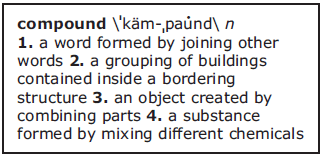
use a dictionary, a glossary, or a thesaurus (printed or electronic) to determine the meanings, syllabication, pronunciations, alternate word choices, and parts of speech of words
infer the implicit theme of a work of fiction, distinguishing theme from the topic
compare and contrast the stated or implied purposes of different authors writing on the same topic
summarize the main ideas and supporting details in text, demonstrating an understanding that a summary does not include opinions
synthesize and make logical connections between ideas within a text and across two or three texts representing similar or different genres
use context (e.g., cause and effect or compare and contrast organizational text structures) to determine or clarify the meaning of unfamiliar or multiple meaning words
analyze various digital media venues for levels of formality and informality
determine the meaning of grade-level academic English words derived from Latin, Greek, or other linguistic roots and affixes
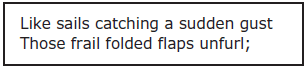
explain how figurative language (e.g., personification, metaphors, similes, hyperbole) contributes to the meaning of a poem
use and understand the function of the following parts of speech in the context of reading, writing, and speaking (i) verbs (irregular verbs and active and passive voice), (ii) non-count nouns (e.g., rice, paper), (iii) predicate adjectives (She is intelligent.) and their comparative and superlative forms (e.g., many, more, most), (iv) conjunctive adverbs (e.g., consequently, furthermore, indeed), (v) prepositions and prepositional phrases to convey location, time, direction, or to provide details, (vi) indefinite pronouns (e.g., all, both, nothing, anything), (vii) subordinating conjunctions (e.g., while, because, although, if), (viii) transitional words and phrases that demonstrate an understanding of the function of the transition related to the organization of the writing (e.g., on the contrary, in addition to)
compare and contrast the structure and viewpoints of two different authors writing for the same purpose, noting the stated claim and supporting evidence
identify simply faulty reasoning used in persuasive texts
summarize the elements of plot development (e.g., rising action, turning point, climax, falling action, denouement) in various works of fiction
recognize dialect and conversational voice and explain how authors use dialect to convey character
describe different forms of point-of-view, including first- and third-person
Track each student's skills and progress in your Mastery dashboards