use context (within a sentence and in larger sections of text) to determine or clarify the meaning of unfamiliar or ambiguous words
synthesize and make logical connections between ideas within a text and across two or three texts representing similar or different genres, and support those findings with textual evidence
assess the correct level of formality and tone for successful participation in various digital media
use different organizational patterns as guides for summarizing and forming an overview of different kinds of expository text
evaluate a summary of the original text for accuracy of the main ideas, supporting details, and overall meaning
follow multi-dimensional instructions from text to complete a task, solve a problem, or perform procedures
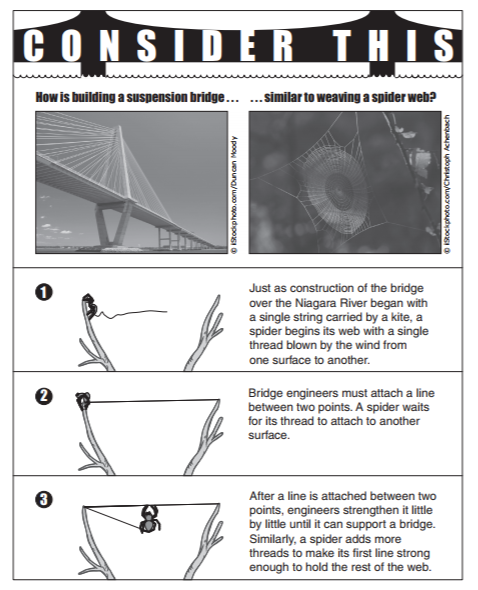
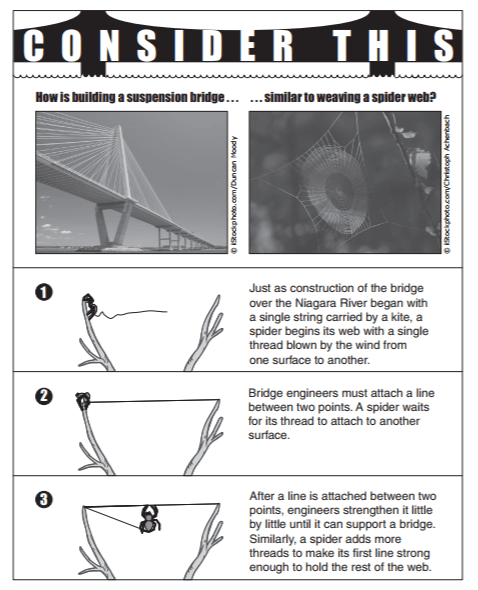
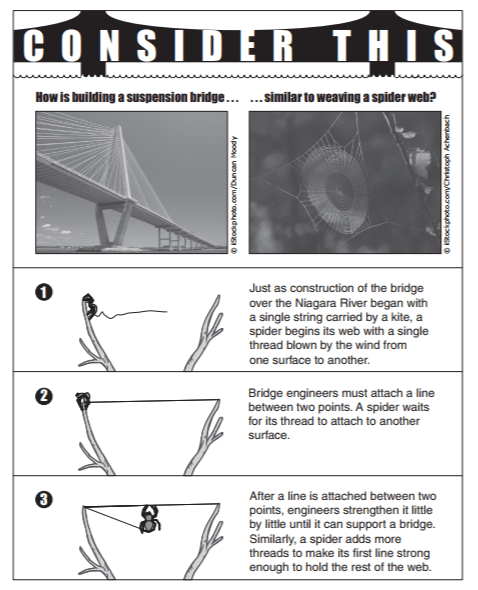
explain the function of the graphical components of a text
describe the structural and substantive differences between an autobiography or a diary and a fictional adaptation of it
determine the figurative meaning of phrases and analyze how an author's use of language creates imagery, appeals to the senses, and suggests mood
analyze the importance of graphical elements (e.g., capital letters, line length, word position) on the meaning of a poem.
identify, use, and understand the function of the following parts of speech in the context of reading, writing, and speaking: (i) verbs (perfect and progressive tenses) and participles, (ii) appositive phrases, (iii) adverbial and adjectival phrases and clauses, (iv) conjunctive adverbs (e.g., consequently, furthermore, indeed), (v) prepositions and prepositional phrases and their influence on subject-verb agreement, (vi) relative pronouns (e.g., whose, that, which), (vii) subordinating conjunctions (e.g., because, since), (viii) transitions for sentence to sentence or paragraph to paragraph coherence
analyze the development of the plot through the internal and external responses of the characters, including their motivations and conflicts
explain the influence of the setting on plot development
determine the meaning of grade-level academic English words derived from Latin, Greek, or other linguistic roots and affixes
describe multiple themes in a work of fiction
explain the difference between the theme of a literary work and the author's purpose in an expository text
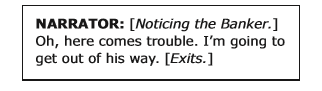
explain a playwright's use of dialogue and stage directions
Track each student's skills and progress in your Mastery dashboards