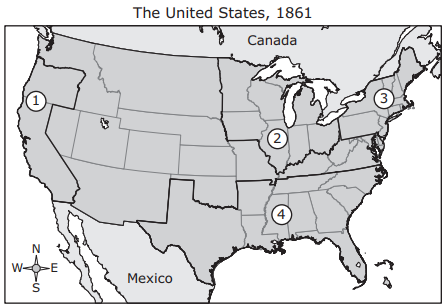
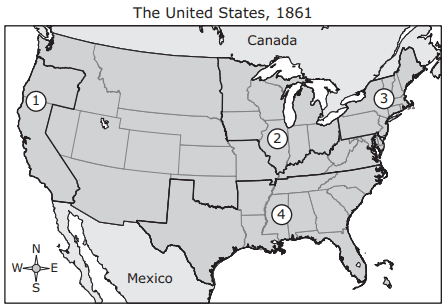
identify economic differences among different regions of the United States
describe the impact of 19th-century amendments, including the 13th, 14th, and 15th amendments, on life in the United States
identify the political, social, and economic contributions of women to American society
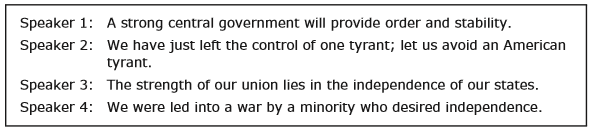
analyze the arguments of the Federalists and Anti-Federalists, including those of Alexander Hamilton, Patrick Henry, James Madison, and George Mason
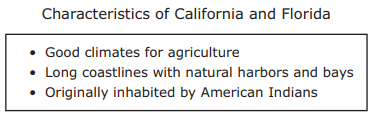
compare places and regions of the United States in terms of physical and human characteristics
explain the issues surrounding important events of the American Revolution, including declaring independence; writing the Articles of Confederation; fighting the battles of Lexington, Concord, Saratoga, and Yorktown; enduring the winter at Valley Forge; and signing the Treaty of Paris of 1783
locate places and regions of importance in the United States during the 17th, 18th, and 19th centuries
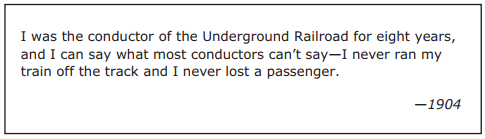
describe the historical development of the abolitionist movement
analyze the War of 1812 as a cause of economic changes in the nation
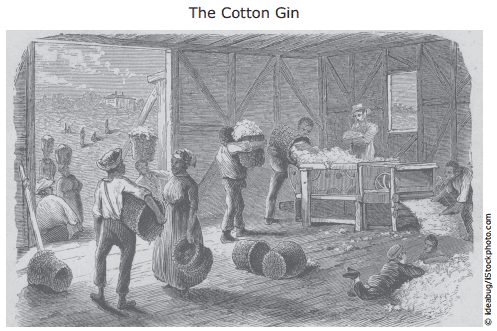
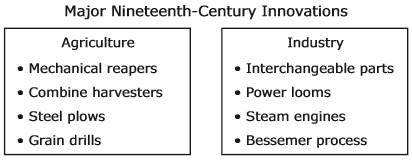
explain the effects of technological and scientific innovations such as the steamboat, the cotton gin, and interchangeable parts
identify examples of how industrialization changed life in the United States
explain the political, economic, and social roots of Manifest Destiny
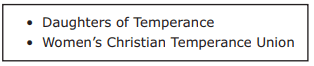
evaluate the impact of reform movements, including educational reform, temperance, the women's rights movement, prison reform, abolition, the labor reform movement, and care of the disabled
compare the effects of political, economic, and social factors on slaves and free blacks
explain the reasons for the growth of representative government and institutions during the colonial period
explain how the Northwest Ordinance established principles and procedures for orderly expansion of the United States
compare political, economic, religious, and social reasons for the establishment of the 13 English colonies
explain the causes and effects of the U.S.-Mexican War and their impact on the United States
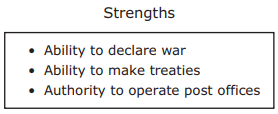
summarize the strengths and weaknesses of the Articles of Confederation
explain the economic, political, and social problems during Reconstruction and evaluate their impact on different groups
analyze the effects of physical and human geographic factors on major historical and contemporary events in the United States
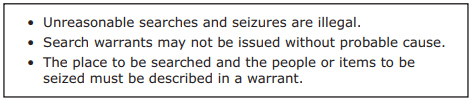
summarize rights guaranteed in the Bill of Rights
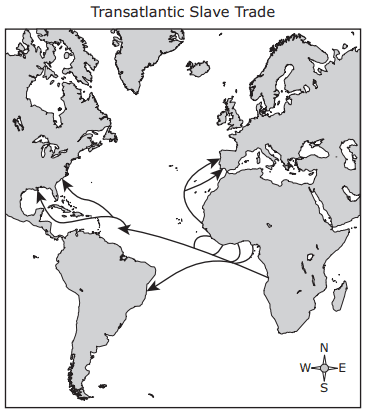
explain reasons for the development of the plantation system, the transatlantic slave trade, and the spread of slavery
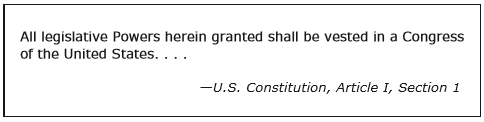
analyze how the U.S. Constitution reflects the principles of limited government, republicanism, checks and balances, federalism, separation of powers, popular sovereignty, and individual rights
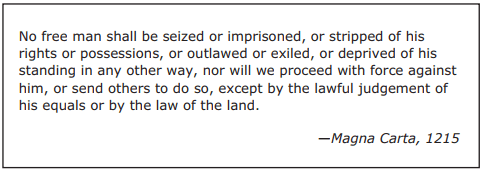
identify the influence of ideas from historic documents, including the Magna Carta, the English Bill of Rights, the Mayflower Compact, the Federalist Papers, and selected Anti-Federalist writings, on the U.S. system of government
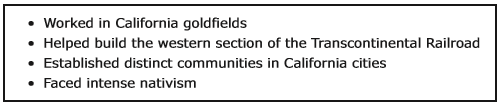
identify selected racial, ethnic, and religious groups that settled in the United States and explain their reasons for immigration
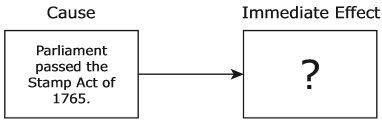
analyze causes of the American Revolution, including the Proclamation of 1763, the Intolerable Acts, the Stamp Act, mercantilism, lack of representation in Parliament, and British economic policies following the French and Indian War
explain the causes of the Civil War, including sectionalism, states' rights, and slavery, and significant events of the Civil War, including the firing on Fort Sumter; the battles of Antietam, Gettysburg, and Vicksburg; the announcement of the Emancipation Proclamation; Lee's surrender at Appomattox Court House; and the assassination of Abraham Lincoln
explain the impact of the election of Andrew Jackson, including expanded suffrage
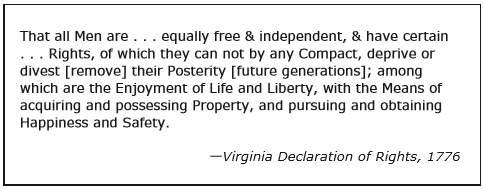
define and give examples of unalienable rights
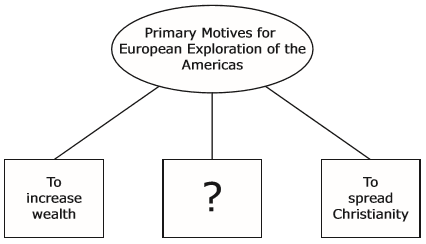
identify reasons for European exploration and colonization of North America
summarize the purposes for and process of amending the U.S. Constitution
analyze how physical characteristics of the environment influenced population distribution, settlement patterns, and economic activities in the United States during the 17th, 18th, and 19th centuries
identify the effects of legislative acts such as the Homestead Act, the Dawes Act, and the Morrill Act
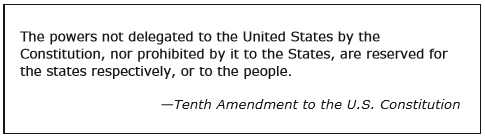
explain constitutional issues arising over the issue of states' rights, including the Nullification Crisis and the Civil War
describe how different immigrant groups interacted with the environment in the United States during the 17th, 18th, and 19th centuries
explain the origin and development of American political parties
demonstrate safe practices during laboratory and field investigations as outlined in the Texas Safety Standards
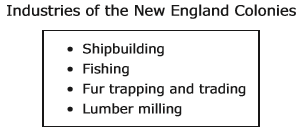
analyze the causes and effects of economic differences among different regions of the United States at selected times in U.S. history
describe developments in art, music, and literature that are unique to American culture such as the Hudson River School artists, John James Audubon, "Battle Hymn of the Republic," transcendentalism, and other cultural activities in the history of the United States
analyze the arguments for and against ratification
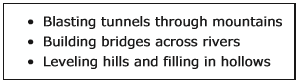
describe the positive and negative consequences of human modification of the physical environment of the United States
summarize a historical event in which compromise resulted in a peaceful resolution
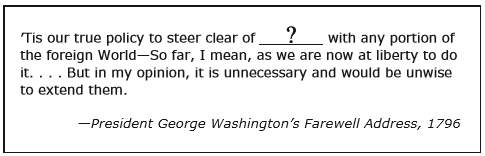
identify the foreign policies of presidents Washington through Monroe and explain the impact of Washington's Farewell Address and the Monroe Doctrine
analyze the impact of the First Amendment guarantees of religious freedom on the American way of life
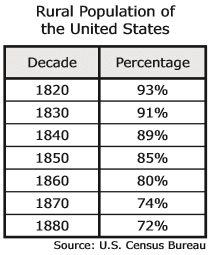
identify the economic factors that brought about rapid industrialization and urbanization
identify colonial grievances listed in the Declaration of Independence and explain how those grievances were addressed in the U.S. Constitution and the Bill of Rights
identify the origin of judicial review and analyze examples of congressional and presidential responses
describe major domestic problems faced by the leaders of the new republic such as maintaining national security, building a military, creating a stable economic system, setting up the court system, and defining the authority of the central government
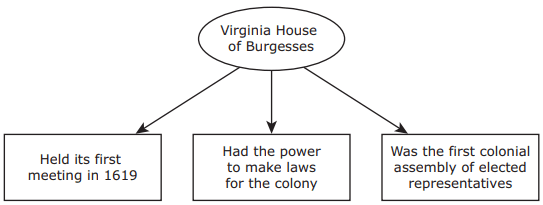
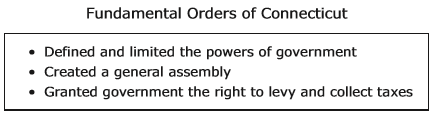
analyze the importance of the Mayflower Compact, the Fundamental Orders of Connecticut, and the Virginia House of Burgesses to the growth of representative government
analyze the relationship between the concept of Manifest Destiny and the westward growth of the nation
compare the effects of scientific discoveries and technological innovations that have influenced daily life in different periods in U.S. history
Track each student's skills and progress in your Mastery dashboards