compose and decompose numbers up to 100,000 as a sum of so many ten thousands, so many thousands, so many hundreds, so many tens, and so many ones using objects, pictorial models, and numbers, including expanded notation as appropriate
describe the mathematical relationships found in the base-10 place value system through the hundred thousands place
represent a number on a number line as being between two consecutive multiples of 10; 100; 1,000; or 10,000 and use words to describe relative size of numbers in order to round whole numbers
compare and order whole numbers up to 100,000 and represent comparisons using the symbols >, <, or =
compose and decompose a fraction a/b with a numerator greater than zero and less than or equal to b as a sum of parts 1/b
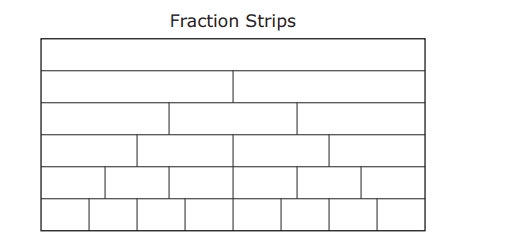
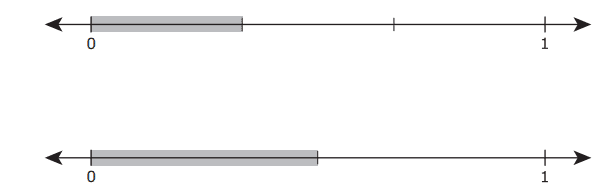
represent equivalent fractions with denominators of 2, 3, 4, 6, and 8 using a variety of objects and pictorial models, including number lines
explain that two fractions are equivalent if and only if they are both represented by the same point on the number line or represent the same portion of a same size whole for an area model
compare two fractions having the same numerator or denominator in problems by reasoning about their sizes and justifying the conclusion using symbols, words, objects, and pictorial models
solve with fluency one-step and two-step problems involving addition and subtraction within 1,000 using strategies based on place value, properties of operations, and the relationship between addition and subtraction
recall facts to multiply up to 10 by 10 with automaticity and recall the corresponding division facts
solve one-step and two-step problems involving multiplication and division within 100 using strategies based on objects; pictorial models, including arrays, area models, and equal groups; properties of operations; or recall of facts
represent one- and two-step problems involving addition and subtraction of whole numbers to 1,000 using pictorial models, number lines, and equations
represent and solve one- and two-step multiplication and division problems within 100 using arrays, strip diagrams, and equations
describe a multiplication expression as a comparison such as 3 x 24 represents 3 times as much as 24
determine the unknown whole number in a multiplication or division equation relating three whole numbers when the unknown is either a missing factor or product
represent real-world relationships using number pairs in a table and verbal descriptions
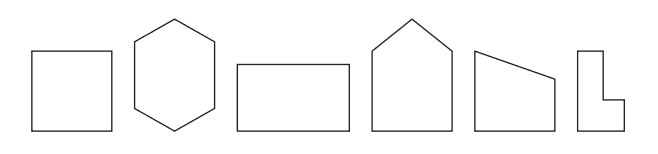
classify and sort two- and three-dimensional figures, including cones, cylinders, spheres, triangular and rectangular prisms, and cubes, based on attributes using formal geometric language
determine the area of rectangles with whole number side lengths in problems using multiplication related to the number of rows times the number of unit squares in each row
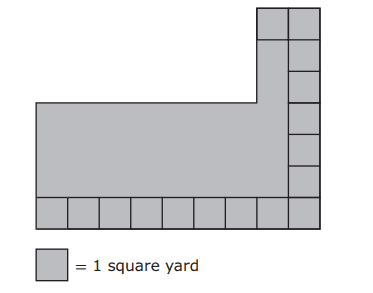
decompose composite figures formed by rectangles into non-overlapping rectangles to determine the area of the original figure using the additive property of area
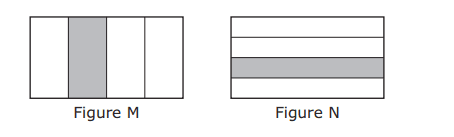
decompose two congruent two-dimensional figures into parts with equal areas and express the area of each part as a unit fraction of the whole and recognize that equal shares of identical wholes need not have the same shape
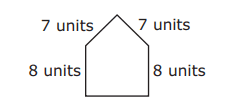
determine the perimeter of a polygon or a missing length when given perimeter and remaining side lengths in problems
determine when it is appropriate to use measurements of liquid volume (capacity) or weight
summarize a data set with multiple categories using a frequency table, dot plot, pictograph, or bar graph with scaled intervals
describe the relationship between the availability or scarcity of resources and how that impacts cost
explain that credit is used when wants or needs exceed the ability to pay and that it is the borrower's responsibility to pay it back to the lender, usually with interest
Track each student's skills and progress in your Mastery dashboards