Analyze social issues affecting women, minorities, children, immigrants, urbanization, the Social Gospel, and philanthropy of industrialists.
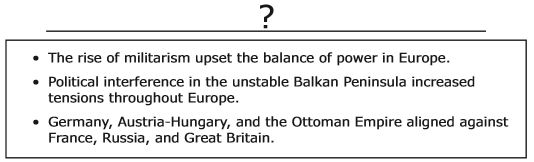
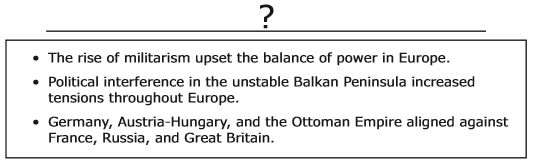
Identify the causes of World War I and reasons for U.S. entry.
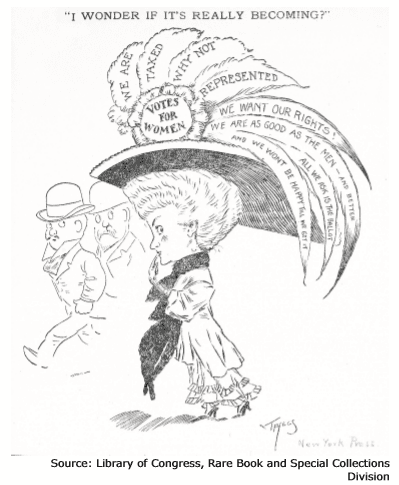
Explain actions taken by people to expand economic opportunities and political rights, including those for racial, ethnic, and religious minorities as well as women, in American society.
Describe U.S. involvement in world affairs, including the end of the Cold War, the Persian Gulf War, the Balkans Crisis, 9/11, and the global War on Terror.
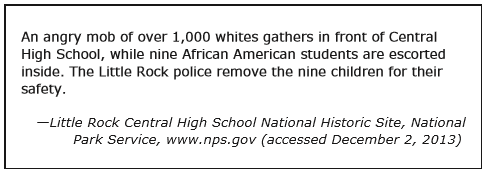
Analyze the effects of landmark U.S. Supreme Court decisions, including Brown v. Board of Education, and other U.S. Supreme Court decisions such as Plessy v. Ferguson, Hernandez v. Texas, Tinker v. Des Moines, Wisconsin v. Yoder, and White v. Regester.
Evaluate the impact of Progressive Era reforms, including initiative, referendum, recall, and the passage of the 16th, 17th, 18th, and 19th amendments.
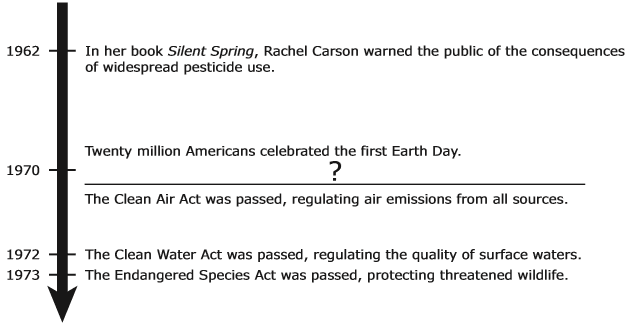
Identify the roles of governmental entities and private citizens in managing the environment such as the establishment of the National Park System, the Environmental Protection Agency (EPA), and the Endangered Species Act.
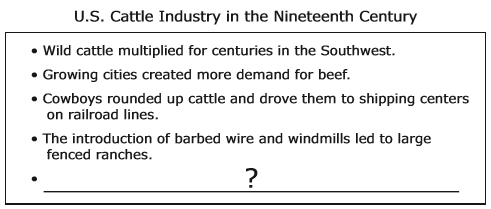
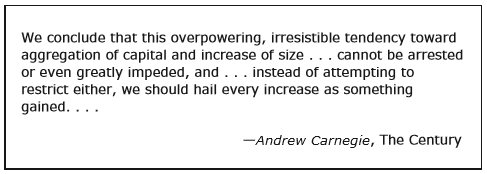
Analyze economic issues such as industrialization, the growth of railroads, the growth of labor unions, farm issues, the cattle industry boom, the rise of entrepreneurship, free enterprise, and the pros and cons of big business.
Analyze political issues such as Indian policies, the growth of political machines, civil service reform, and the beginnings of Populism.
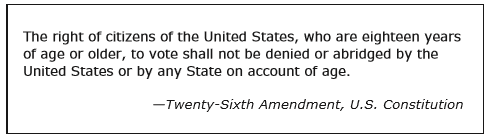
Describe the responses to the Vietnam War such as the draft, the 26th Amendment, the role of the media, the credibility gap, the silent majority, and the anti-war movement.
Describe both the positive and negative impacts of significant examples of cultural movements in art, music, and literature such as Tin Pan Alley, the Harlem Renaissance, the Beat Generation, rock and roll, the Chicano Mural Movement, and country and western music on American society.
Explain how specific needs result in scientific discoveries and technological innovations in agriculture, the military, and medicine, including vaccines.
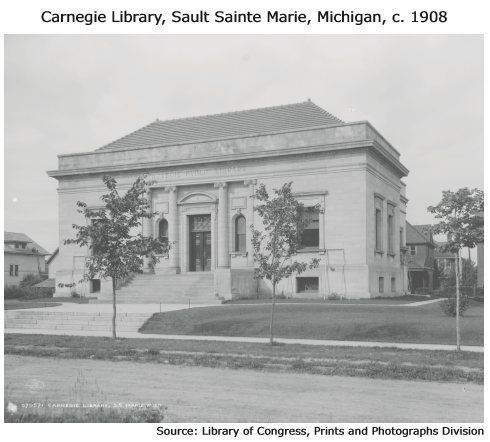
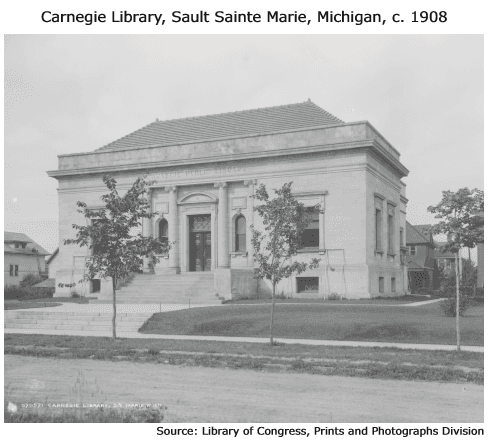
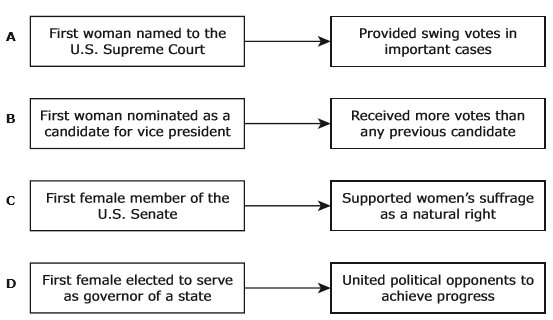
Evaluate the contributions of significant political and social leaders in the United States such as Andrew Carnegie, Thurgood Marshall, Billy Graham, Barry Goldwater, Sandra Day O'Connor, and Hillary Clinton.
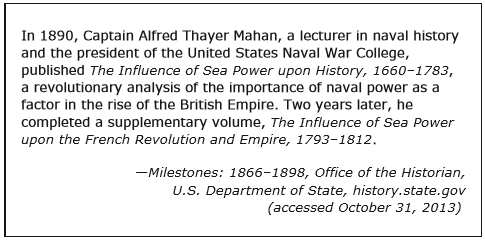
Explain why significant events, policies, and individuals such as the Spanish-American War, U.S. expansionism, Henry Cabot Lodge, Alfred Thayer Mahan, Theodore Roosevelt, Sanford B. Dole, and missionaries moved the United States into the position of a world power.
Describe presidential actions and congressional votes to address minority rights in the United States, including desegregation of the armed forces, the Civil Rights acts of 1957 and 1964, and the Voting Rights Act of 1965.
Analyze the impact of physical and human geographic factors on the settlement of the Great Plains, the Klondike Gold Rush, the Panama Canal, the Dust Bowl, and the levee failure in New Orleans after Hurricane Katrina.
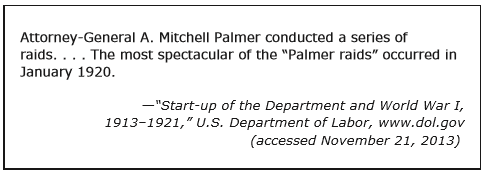
Analyze causes and effects of events and social issues such as immigration, Social Darwinism, eugenics, race relations, nativism, the Red Scare, Prohibition, and the changing role of women.
Identify and explain reasons for changes in political boundaries such as those resulting from statehood and international conflicts.
Analyze the causes and effects of changing demographic patterns resulting from legal and illegal immigration to the United States.
Analyze causes of economic growth and prosperity in the 1920s, including Warren Harding's Return to Normalcy, reduced taxes, and increased production efficiencies.
Analyze the effects of the Great Depression on the U.S. economy and society such as widespread unemployment and deportation and repatriation of people of European and Mexican heritage and others.
Evaluate the impact of relationships among the legislative, executive, and judicial branches of government, including Franklin D. Roosevelt's attempt to increase the number of U.S. Supreme Court justices and the presidential election of 2000.
Evaluate the impact of New Deal legislation on the historical roles of state and federal government.
Identify and analyze methods of expanding the right to participate in the democratic process, including lobbying, non-violent protesting, litigation, and amendments to the U.S. Constitution.
Describe U.S. responses to Soviet aggression after World War II, including the Truman Doctrine, the Marshall Plan, the North Atlantic Treaty Organization, the Berlin airlift, and John F. Kennedy's role in the Cuban Missile Crisis.
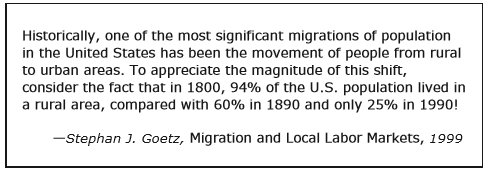
Analyze the causes and effects of changing demographic patterns resulting from migration within the United States, including western expansion, rural to urban, the Great Migration, and the Rust Belt to the Sun Belt.
Explain reasons and outcomes for U.S. involvement in the Korean War and its relationship to the containment policy.
Describe the economic effects of World War II on the home front such as the end of the Great Depression, rationing, and increased opportunity for women and minority employment.
Describe U.S. involvement in the Middle East such as support for Israel, the Camp David Accords, the Iran-Contra Affair, Marines in Lebanon, and the Iran Hostage Crisis.
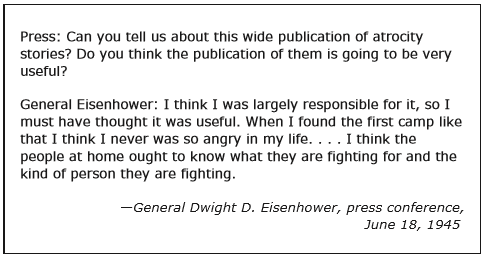
Analyze major military events of World War II, including the Battle of Midway, the U.S. military advancement through the Pacific Islands, the Bataan Death March, the invasion of Normandy, fighting the war on multiple fronts, and the liberation of concentration camps.
Explain how the contributions of people of various racial, ethnic, gender, and religious groups shape American culture.
Identify the major eras in U.S. history from 1877 to the present and describe their defining characteristics.
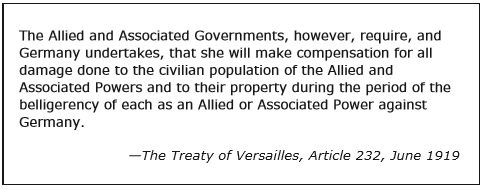
Analyze major issues such as isolationism and neutrality raised by U.S. involvement in World War I, Woodrow Wilson's Fourteen Points, and the Treaty of Versailles.
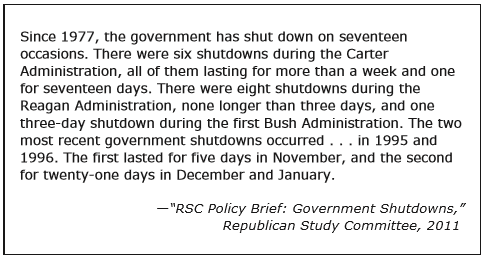
Describe the effects of political scandals, including Teapot Dome, Watergate, and Bill Clinton's impeachment, on the views of U.S. citizens concerning trust in the federal government and its leaders.
Analyze the impact of significant technological innovations in World War I such as machine guns, airplanes, tanks, poison gas, and trench warfare that resulted in the stalemate on the Western Front.
Analyze major issues of World War II, including the Holocaust; the internment of German, Italian, and Japanese Americans and Executive Order 9066; and the development of conventional and atomic weapons.
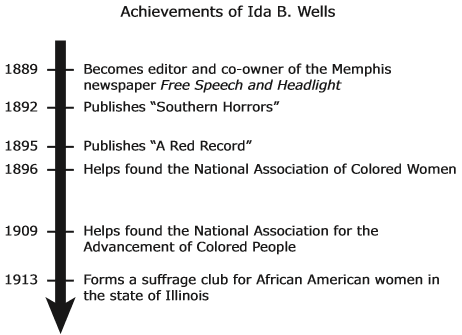
Evaluate the impact of muckrakers and reform leaders such as Upton Sinclair, Susan B. Anthony, Ida B. Wells, and W. E. B. DuBois on American society.
Discuss the role of contemporary government legislation in the private and public sectors such as the Community Reinvestment Act of 1977, USA PATRIOT Act of 2001, and the American Recovery and Reinvestment Act of 2009.
Describe the optimism of the many immigrants who sought a better life in America.
Identify the effects of population growth and distribution on the physical environment.
Describe how Cold War tensions were intensified by the arms race, the space race, McCarthyism, and the House Un-American Activities Committee (HUAC), the findings of which were confirmed by the Venona Papers.
Identify the causes of the Great Depression, including the impact of tariffs on world trade, stock market speculation, bank failures, and the monetary policy of the Federal Reserve System.
Explain reasons and outcomes for U.S. involvement in foreign countries and their relationship to the Domino Theory, including the Vietnam War.
Describe the changing relationship between the federal government and private business, including the costs and benefits of laissez-faire, anti-trust acts, the Interstate Commerce Act, and the Pure Food and Drug Act.
Explain the home front and how American patriotism inspired exceptional actions by citizens and military personnel, including high levels of military enlistment; volunteerism; the purchase of war bonds; Victory Gardens; the bravery and contributions of the Tuskegee Airmen, the Flying Tigers, and the Navajo Code Talkers; and opportunities and obstacles for women and ethnic minorities.
Explain how space technology and exploration improve the quality of life.
Compare and contrast the approach taken by some civil rights groups such as the Black Panthers with the nonviolent approach of Martin Luther King Jr.
Understand the impact of technological and management innovations and their applications in the workplace and the resulting productivity enhancements for business and labor such as assembly line manufacturing, time-study analysis, robotics, computer management, and just-in-time inventory management.
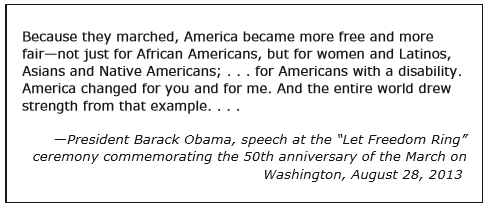
Evaluate changes and events in the United States that have resulted from the civil rights movement, including increased participation of minorities in the political process.
Identify reasons for U.S. involvement in World War II, including Italian, German, and Japanese dictatorships and their aggression, especially the attack on Pearl Harbor.
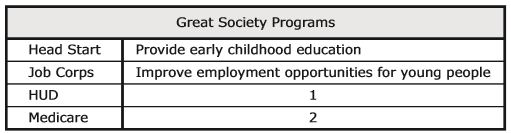
Identify actions of government and the private sector such as the Great Society, affirmative action, and Title IX to create economic opportunities for citizens and analyze the unintended consequences of each.
Identify the impact of popular American culture on the rest of the world over time.
Explain constitutional issues raised by federal government policy changes during times of significant events, including World War I, the Great Depression, World War II, the 1960s, and 9/11.
Evaluate the pros and cons of U.S. participation in international organizations and treaties.
Analyze how scientific discoveries, technological innovations, and the application of these by the free enterprise system, including those in transportation and communication, improve the standard of living in the United States.
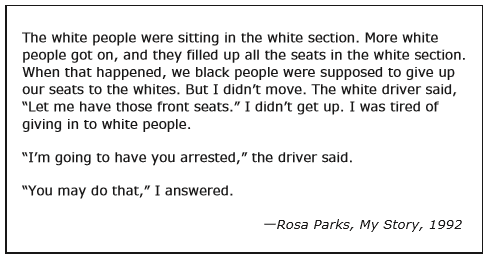
Trace the historical development of the civil rights movement in the 19th, 20th, and 21st centuries, including the 13th, 14th, 15th, and 19th amendments.
Describe how various New Deal agencies and programs, including the Federal Deposit Insurance Corporation, the Securities and Exchange Commission, and the Social Security Administration, continue to affect the lives of U.S. citizens.
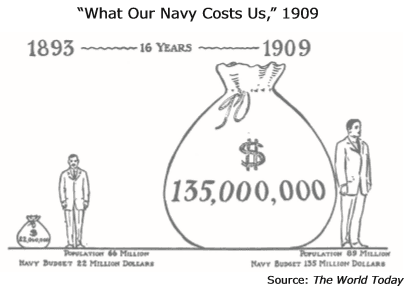
Describe the economic effects of international military conflicts, including the Spanish-American War and World War I, on the United States.
Explain the effects of scientific discoveries and technological innovations such as electric power, telephone and satellite communications, petroleum-based products, steel production, and computers on the economic development of the United States.
Identify the causes of prosperity in the 1950s, including the Baby Boom and the impact of the GI Bill (Servicemen's Readjustment Act of 1944), and the effects of prosperity in the 1950s such as increased consumption and the growth of agriculture and business.
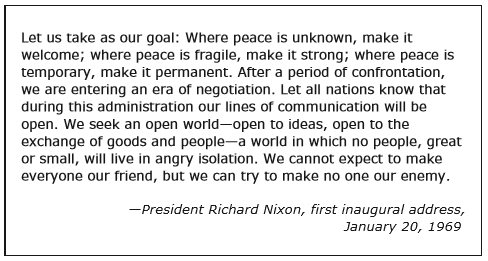
Describe Richard M. Nixon's leadership in the normalization of relations with China and the policy of détente.
Discuss the importance of congressional Medal of Honor recipients, including individuals of all races and genders such as Vernon J. Baker, Alvin York, and Roy Benavidez.
Explain how participation in the democratic process reflects our national ethos, patriotism, and civic responsibility as well as our progress to build a "more perfect union."
Analyze the major issues and events of the Vietnam War such as the Tet Offensive, the escalation of forces, Vietnamization, and the fall of Saigon.
Identify the impact of international events, multinational corporations, government policies, and individuals on the 21st century economy.
Describe the dynamic relationship between U.S. international trade policies and the U.S. free enterprise system such as the Organization of Petroleum Exporting Countries (OPEC) oil embargo, the General Agreement of Tariffs and Trade (GATT), and the North American Free Trade Agreement (NAFTA).
Track each student's skills and progress in your Mastery dashboards