Feel free to use or edit a copy
includes Teacher and Student dashboards
Measures 1 skill from
Track each student's skills and progress in your Mastery dashboards
- edit the questions
- save a copy for later
- start a class game
- automatically assign follow-up activities based on students’ scores
- assign as homework
- share a link with colleagues
- print as a bubble sheet
- Q1
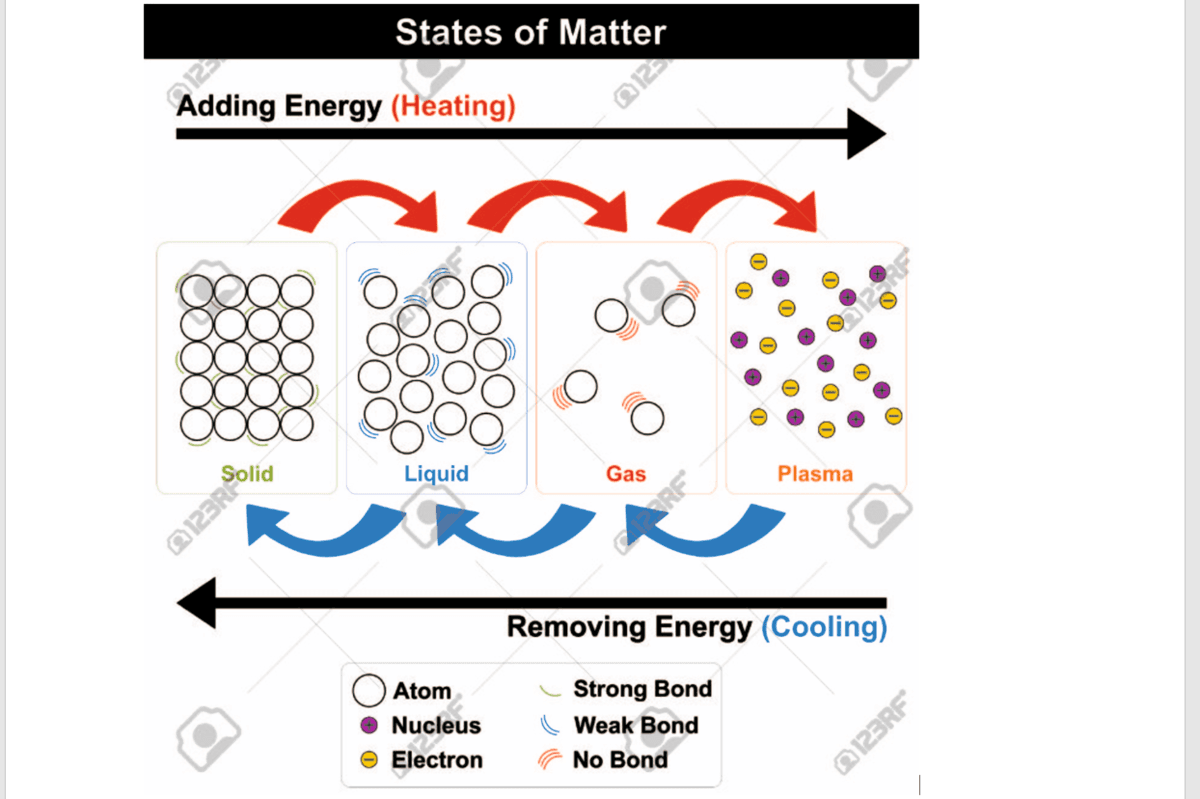
As heat is added, what happens to the atoms in a solid?
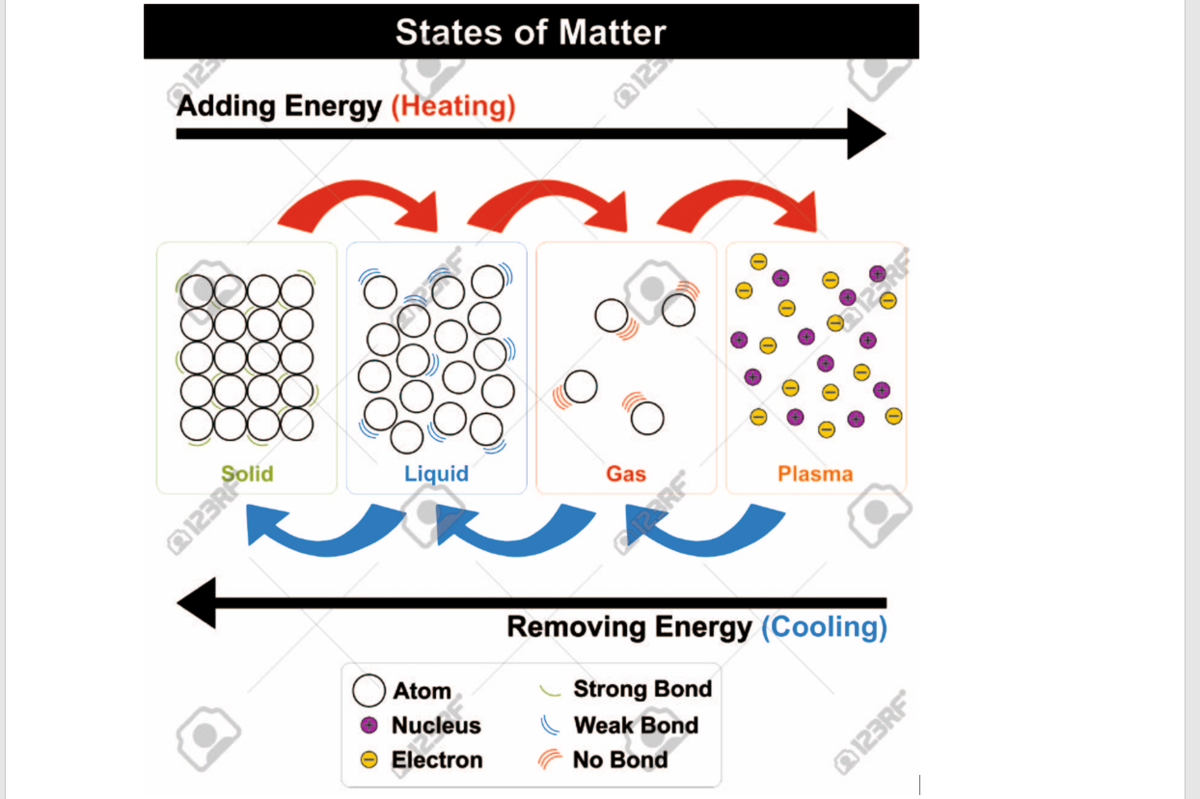
They begin to vibrate rapidly
They begin to contract.
They begin to expand.
They begin to slow down
30s6.P.2.2 - Q2
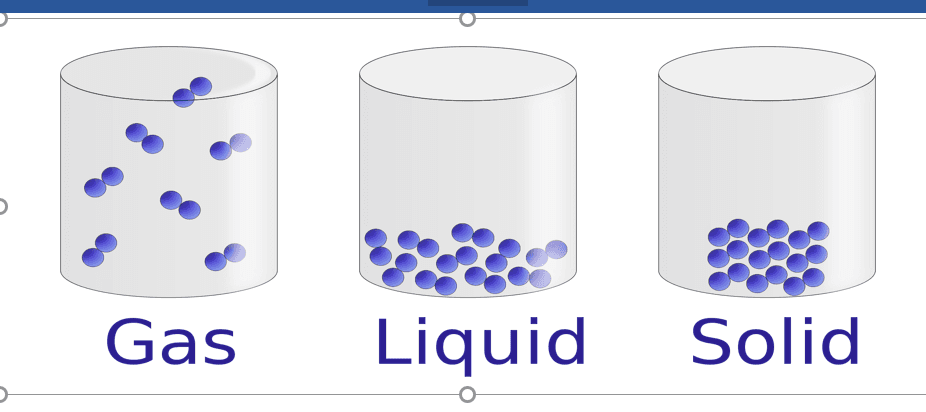
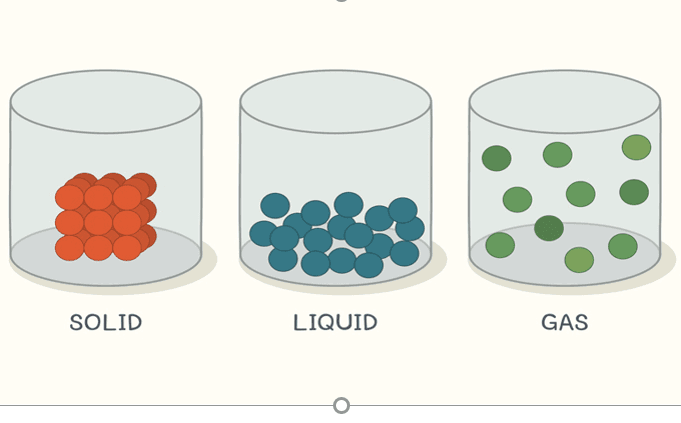
A substance is able to flow freely within a container. What state of matter is the substance in?
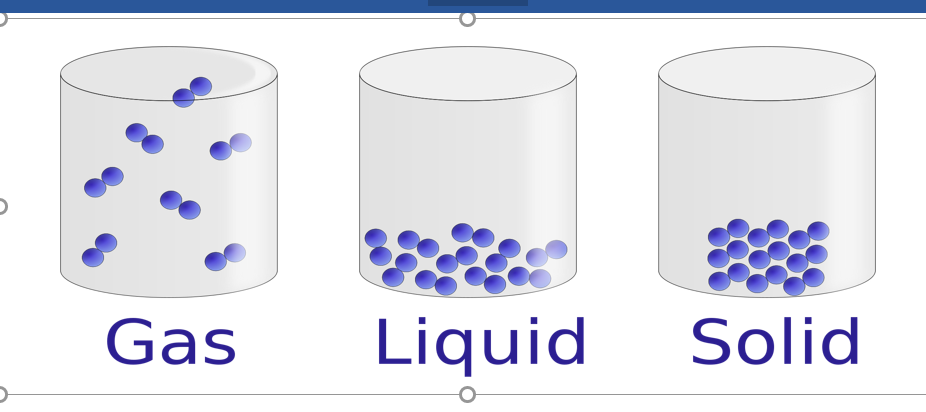
Gas
Plasma
Solid
Liquid
30s - Q3
What are the characteristics of a solid?
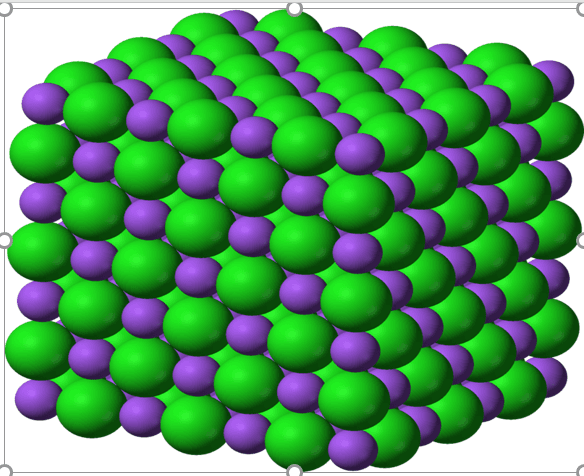
Solids have a definite shape and definite volume.
Solids have a definite shape and no definite volume.
Solids have an indefinite shape and no definite volume.
Solids have an indefinite shape and definite volume.
30s - Q4
How are solids and liquids similar?
Solids and liquids both can not move freely.
Solids and liquids both have particles that touch.
Solids and liquids both have no definite shape.
Solids and liquids both take the shape of their container.
30s - Q5
When heat is added to a liquid, what occurs?
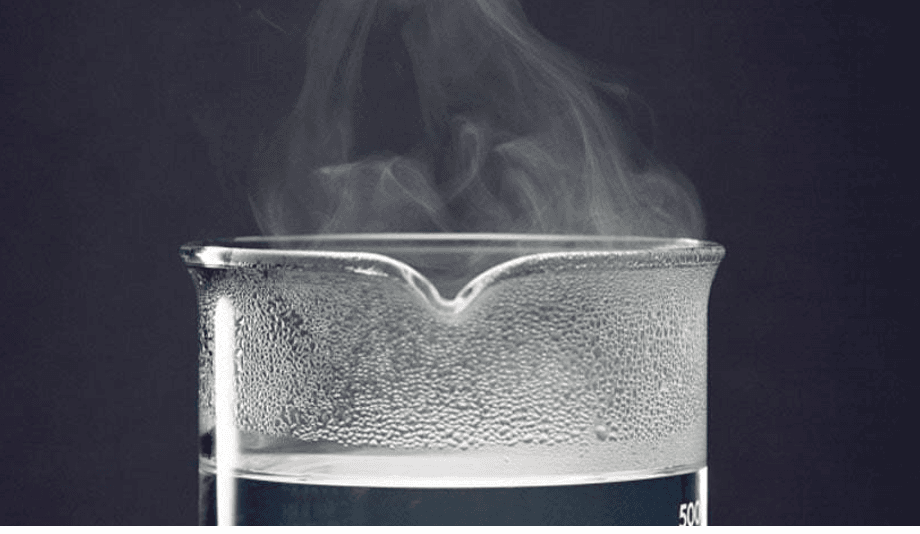
Liquid molecules begin to spread out indefinitely to become a gas.
Liquid molecules being slow down to become a gas.
Liquid molecules begin to slow down to become a solid.
Liquid molecules begin to condense to form a solid.
30s - Q6
When heat energy and temperature are at their lowest, what state of matter is a substance in?
Vapor
Liquid
Gas
Solid
30s - Q7
When heat is added to a liquid, what occurs?
Liquid molecules begin to condense to form a solid.
Liquid molecules begin to slow down to become a solid.
Liquid molecules being slow down to become a gas.
Liquid molecules begin to spread out indefinitely to become a gas.
30s - Q8
According to the phase change diagram, what happens as temperature and heat energy increase?
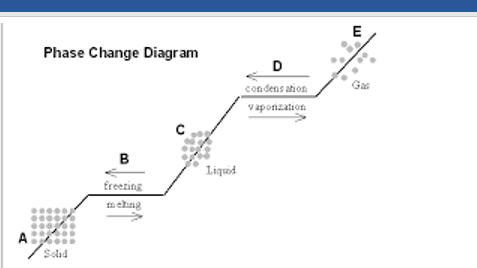
Phase change slows down
Atoms become less active
Matter condenses
Substances expand when heated
30s - Q9
Why do atoms in a solid still vibrate?
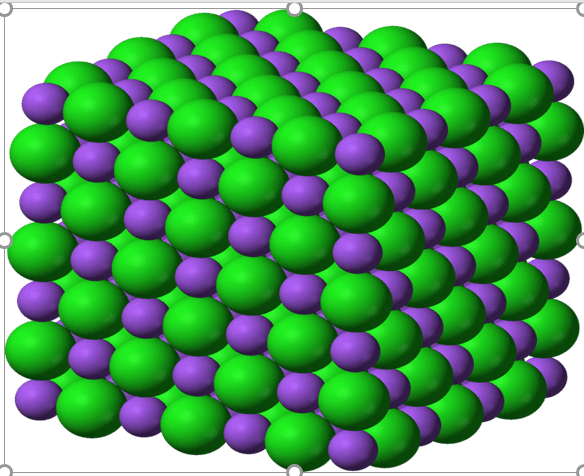
Some solids have some thermal energy, and some do not.
None of the above.
All solids have some thermal energy.
Atoms in a solid do not vibrate.
30s - Q10
What do the small particles protons, neutrons, and electrons compose?
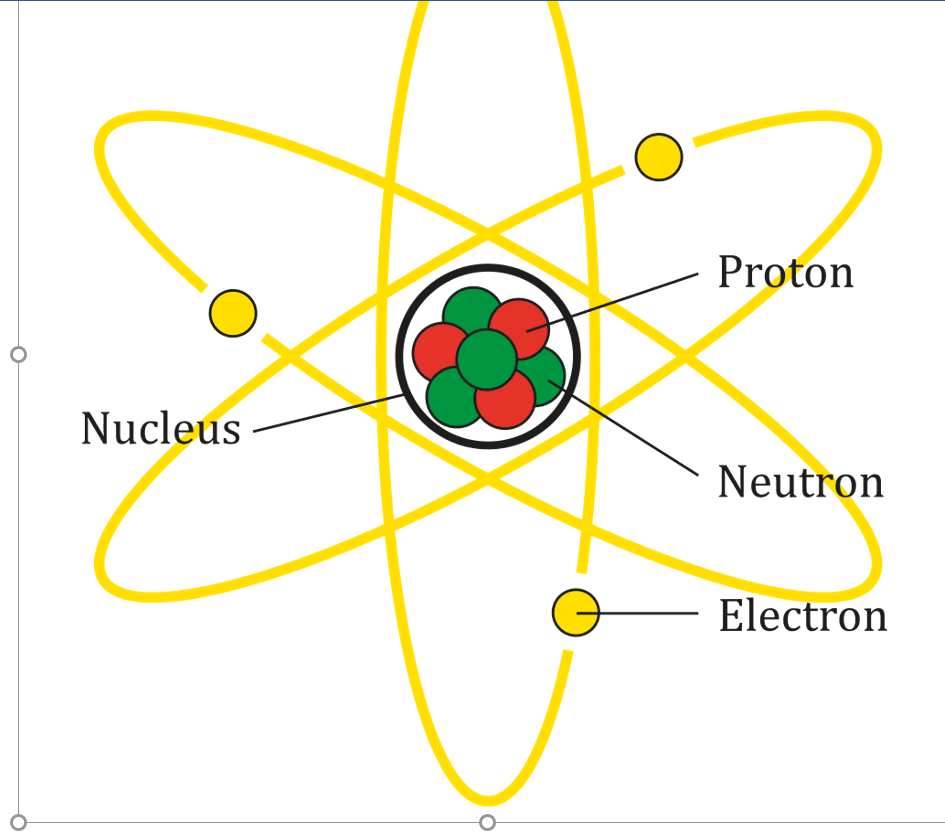
Cells
Electricity
Atoms
Space
30s