Loading...


SURFACE TENSION
Quiz by Vaibhav Shinde
Customize this quiz to suit your class
Instantly translate to 100+ languages
Tag the questions with any skills you have. Your dashboard will track each student's mastery of each skill.
Give this quiz to my class
Q 1
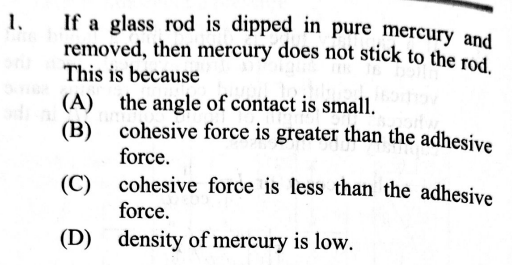
C
D
B
A
Q 2
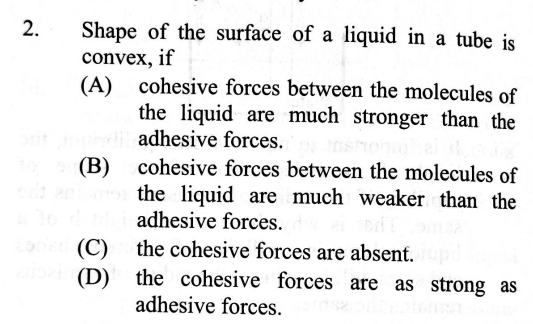
C
A
D
B
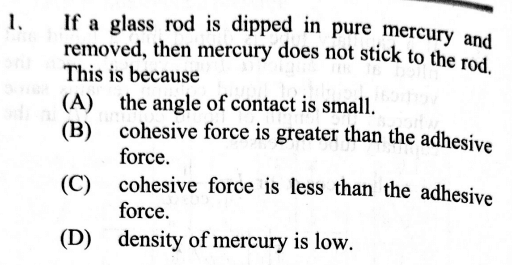
Q 1
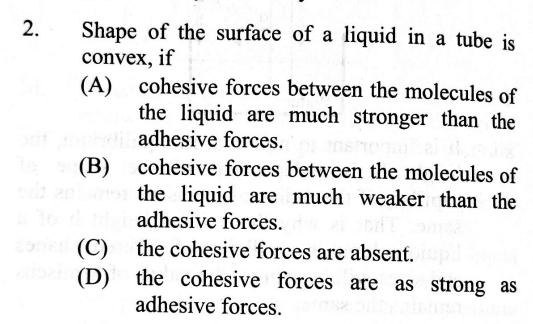
Q 2
Q 3

Q 4

Q 5

Q 6
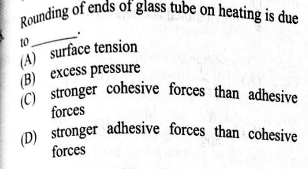
Q 7
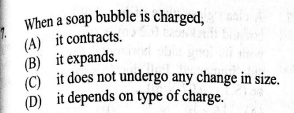
Q 8
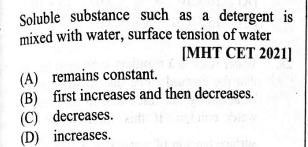
Q 9

Q 10

Q 11

Q 12

Q 13

Q 14
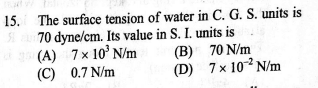
Q 15
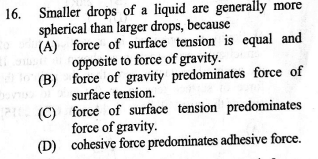
Q 16
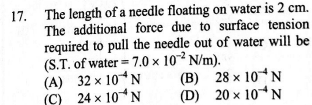
Q 17
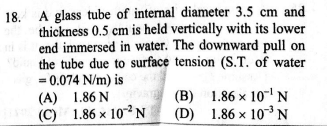
Q 18
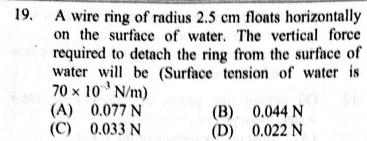
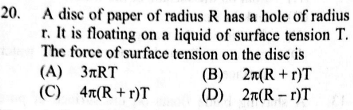
Q 20
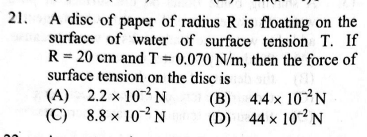
Q 21
Q 22

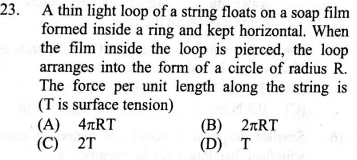
Q 23
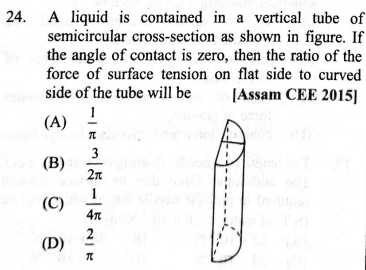
Q 24
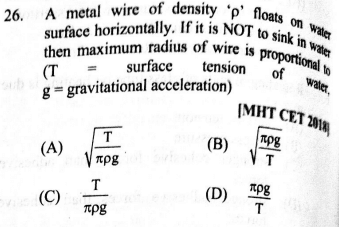
Q 26
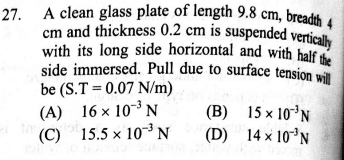
Q 27
Q 28

Q 29

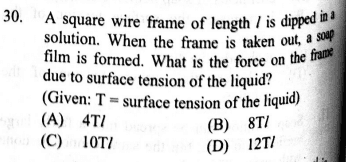
Q 30
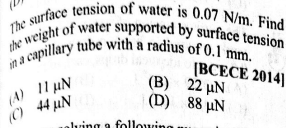
Q 32
Q 33
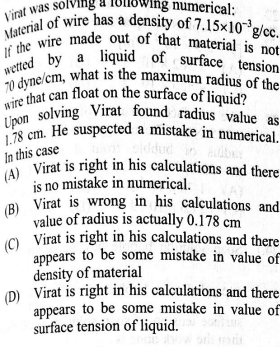
Q 34
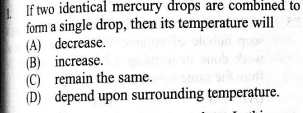
Q 35

Q 36
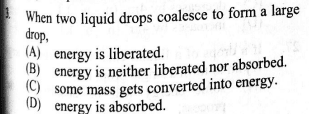
Q 37
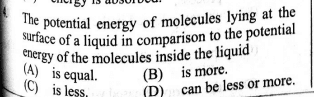
Q 38
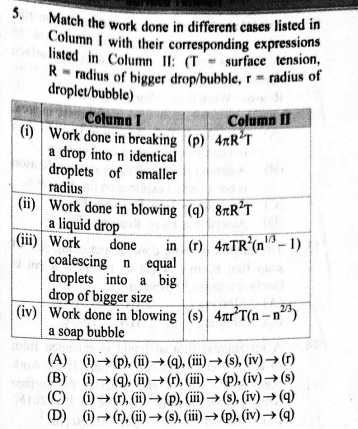
Q 39 - 6
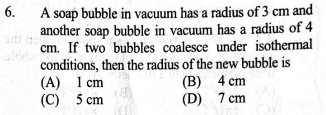
Q 40 - 7
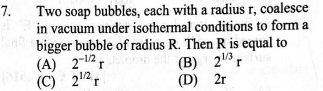
Q 41 -8

Q 42 -9

Q 43 -10
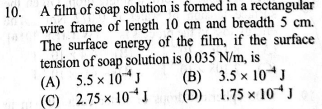
Q 44 -11
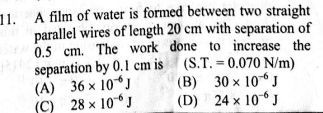
Q 45 -12
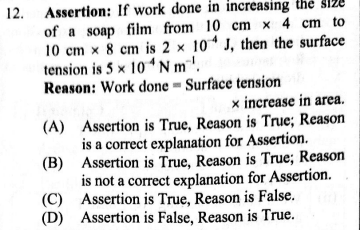
Q 46 - 13

Q 47 -14
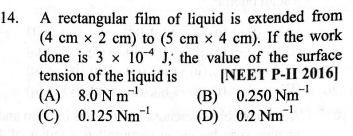
Q 48 -15

Q 49 -16
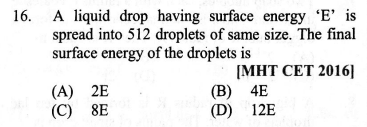
Q 50 -17

Q 51-18
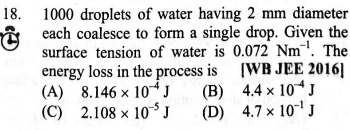
Q 52- 19
 Cohesion,Adhesion and Surface tensionBell Ringer Quiz 3 (Unit1 Week2) – TEKS 8.6C: Surface Tension8.6C Cohesion, Adhesion, and Surface TensionCohesion and Adhesion Water molecules stick to each other as a result of hydrogen bond- ing. An attractive force that holds molecules of a single substance together is known as cohesion. Cohesion due to hydrogen bonding between water molecules contributes to the upward movement of water from plant roots to their leaves. Related to cohesion is the surface tension of water. The cohe- sive forces in water resulting from hydrogen bonds cause the mol- ecules at the surface of water to be pulled downward into the liquid. As a result, water acts as if it has a thin “skin” on its sur- face. You can observe water’s surface tension by slightly overfill- ing a drinking glass with water. The water will appear to bulge above the rim of the glass. Surface tension also enables small crea- tures such as spiders and water-striders to run on water without breaking the surface. Adhesion is the attractive force between two particles of differ- ent substances, such as water molecules and glass molecules. A related property is capillarity (KAP-uh-LER-i-tee), which is the attrac- tion between molecules that results in the rise of the surface of a liquid when in contact with a solid. Together, the forces of adhe- sion, cohesion, and capillarity help water rise through narrow tubes against the force of gravity. Figure 2-11 shows cohesion and adhesion in the water-conducting tubes in the stem of a flower. Temperature Moderation Water has a high heat capacity, which means that water can absorb or release relatively large amounts of energy in the form of heat with only a slight change in temperature. This property of water is related to hydrogen bonding. Energy must be absorbed to break hydrogen bonds, and energy is released as heat when hydrogen bonds form. The energy that water initially absorbs breaks hydro- gen bonds between molecules. Only after these hydrogen bonds are broken does the energy begin to increase the motion of the water molecules, which raises the temperature of the water. When the temperature of water drops, hydrogen bonds reform, which releases a large amount of energy in the form of heat. Therefore, during a hot summer day, water can absorb a large quantity of energy from the sun and can cool the air without a large increase in the water’s temperature. At night, the gradually cooling water warms the air. In this way, the Earth’s oceans stabilize global temperatures enough to allow life to exist. Water’s high heat capac- ity also allows organisms to keep cells at an even temperature despite temperature changes in the environment. As a liquid evaporates, the surface of the liquid that remains behind cools down. A relatively large amount of energy is absorbed by water during evaporation, which significantly cools the surface of the remaining liquid. Evaporative cooling prevents organisms that live on land from overheating. For example, the evaporation of sweat from a person’s skin releases body heat and prevents over- heating on a hot day or during strenuous activity. Adhesion Cohesion Hydrogen bonds Cohesion, adhesion, and capillarity contribute to the upward movement of water from the roots of plants. FIGURE 2–11 www.scilinks.org Topic: Hydrogen Bonding Keyword: HM60777 mb06se_cols03.qxd 5/18/07 10:47 AM Page 41 42 CHAPTER 2 Density of Ice Unlike most solids, which are denser than their liquids, solid water is less dense than liquid water. This property is due to the shape of the water molecule and hydrogen bonding. The angle between the hydrogen atoms is quite wide. So, when water forms solid ice, the angles in the molecules cause ice crystals to have large amounts of open space, as shown in Figure 2-12. This open space lattice structure causes ice to have a low density. Because ice floats on water, bodies of water such as ponds and lakes freeze from the top down and not the bottom up. Ice insulates the water below from the cold air, which allows fish and other aquatic crea- tures to survive under the icy surface.[19/07, राजू दादास म्हणाला "ए दादा, मला मदत कर ना रे ! आईने सांगितल्याप्रमाणे मला कुलरच्या टाकीतलं पाणी काढून टाकायचं आहे. पण बघ ना रे, मला कुलर उचलतासुद्धा येत नाही. सांग काय करू मी!" दादा म्हणाला, "अरे एवढेच ना? थांब जरा." दादाने [19/07, 23:21] 😎😎😎😎😎😎😎: जवळची नळी घेऊन तिचे तोंड बाहेर नळाला जोडले आणि दुसरे टोक कुलरच्या टाकीत पाण्यात खोलवर बुडवले. नळीचे टाकीत बुडवलेले टोक बाहेर वर येणार नाही याची काळजी घेतली. आता दादाने नळ सुरू केला. त्याबरोबर नळीतून पाणी कुलरच्या टाकीत जाऊ लागले. ते पाहून राजू म्हणाला, "अरे दादा, आपल्याला कुलरच्या टाकीतले पाणी बाहेर काढायचे आहे. तू तर काढण्याऐवजी आणखी भरतो आहे." राजूचे बोलणे ऐकून दादा हसला. दादाने नळाला लावलेले नळीचे टोक नळ बंद न करताच काढून खाली जमिनीवर सोडून दिले. याबरोबर काय आश्चर्य ! त्या खाली सोडलेल्या टोकातून कुलरच्या टाकीतले पाणी झपाट्याने वाहू लागले. टाकी रिकामी झाली. दादा म्हणाला, "राजू ही सायफोन (SIPHON) पद्धत आहे. टाकीतल्या पाण्याच्या वरच्या पातळीवरून पाणी खालच्या पातळीवर आणायचे असेल तरच ही काम करते. पाण्याच्या थेंबाच्या [19/07, 23:21] 😎😎😎😎😎😎😎: पृष्ठभागाच्या ताणामुळे (Surface tension) आणि जमिनीची गुरुत्वाकर्षण शक्तीमुळे (Gravity) हे साध्य होते. तसेच, जसे डोंगरावरून पाणी खाली वाहत येते. याकरिता आधी नळीत पाणी भरणे गरजेचे होते. नाहीतर टाकीतून पाणी बाहेर येऊ शकले नसते. या पद्धतीला सायफोन असे म्हणतात. ही पद्धत सन १९४८ साली माल्कम नोक्स (Malcolm Nokes) याने शोधून काढली होती. पाणी टाकीच्या वरच्या पातळीवर नेऊन वर जमा करण्यासाठी मात्र पंपाचा वापर करावा लागेल. दादाचं हे बोलणं ऐकून राजू थक्क होऊन म्हणाला, “दादा, तू ग्रेट आहेस रे!" दोघांनी मिळून कुलर उचलून बाजूला आडोशाला नेऊन ठेवला. लांबून आई दोघांचे बोलणे ऐकत होती. तिला दोघाही मुलांचे कौतुक आणि अभिमान वाटला. म्हणाली, "अरे - या रे! दोघेही थकले असाल. छान गरम गरम पोहे केले आहेत, खाऊन घ्या." पोह्यांचं नाव ऐकताच दोघेही स्वयंपाकघराकडे धावत सुटले. शब्दार्थ जमीन भूमी (land) पद्धती तंत्र (method) पृष्ठभाग बाह्य स्वरूप (surface) पातळी स्तर (level) डोंगर पहाड (mountain) अभिमान - गर्व (pride)What is an earthquake? Would you be surprised to learn that several million earthquakes happen every year? Seriously. Most are so small in magnitude or size that we cannot even feel them. In fact, only 20 earthquakes are efficiently reported each year in the United States Geological Survey. Wow! That is a huge difference! The Earth has four major layers. Inner core, outer core, mantle, and crust. Think of the crust and top of the mantle like the skin of the earth. This skin is made up of different pieces of rock called tectonic plates. There are about 15 major slabs that join together, kind of like a puzzle. The edges around the tectonic plates are called plate boundaries. These massive pieces of rock slide back and forth under the Earth's surface, bumping up against each other and creating a lot of tension. This tension and movement create faults, which are basically huge cracks in the rock. When the faults get stuck, they build up pressure. And when they get unstuck, you guessed it, an earthquake. So basically, an earthquake is caused by the shifting and sliding of tectonic plates on the Earth's upper mantle and crust. There are three ways that tectonic plates shift or slide. They are subduction, lateral sliding, and spreading. Subduction happens when plates crash into each other. This can cause one plate to slide under another and be destroyed. Or the edges of the plate may rise up and form mountains. Lateral sliding means that the plates slide alongside each other, which can create lots of friction. And like you might have guessed, spreading happens when plates move apart from each other. When they do, melted rock between the plates rises and cools, forming new crust. Here's an interesting fact. Nearly 90% of all earthquakes begin in the Pacific Ocean, in an area called the Ring of Fire. It's called the Ring of Fire because along with earthquakes, it's filled with many active volcanoes. More than 450! Earthquakes can be powerful enough to change the surface of the earth and can do a lot of damage. And sometimes earthquakes can even cause other natural disasters, like avalanches, landslides, and tsunamis. Pretty wild, right? The epicenter is the location of an earthquake on the Earth's surface. The closer you are to the epicenter, the more of the earthquake you will feel. Earthquakes lose intensity as they travel away from the epicenter. Scientists measure the intensity of an earthquake using a special device called a seismograph. Seismometers detect and measure the vibrations given off by an earthquake. Magnitude is the number given to record the size of an earthquake. For example, a magnitude 5.5 is considered moderate. Above 8.0 is considered a major earthquake and we see one every year or two. Earthquakes measured at 2.5 or less are usually not felt, but can be recorded. And believe it or not, there are millions that happen each year. You can make a model of a seismograph at home, and we are going to show you how. It's activity time! You can print off directions for this one on our website at learnbright.org. You'll need a cardboard box, string, a plastic cup, a marker, small heavy objects, a long strip of paper, and a friend because this is an activity for at least two people. Now comes the fun part. One friend shakes the box, alternating between hard and soft and slow and fast, while the other friend is pulling the strip of paper through the bottom. Watch the marker as it records the movement. This is exactly what a seismograph does during an earthquake. So, in a way, we have not only created our own seismograph, but our own earthquake as well. Now, we can analyze the data just like scientists. Can you tell how hard the box was shaking based on the line? Can you tell when it was barely shaking at all? You are on your way to becoming a seismologist. A seismologist is a person that studies earthquakes. It's pretty cool to watch the process, but it's even more exciting to do it yourself. You can head on over to our website to get detailed instructions for this activity. Just download the lesson plan and as always have fun! Hope you had fun learning with us! Visit us at learnbright.org for thousands of Hope you had fun learning with us! Visit us at learnbright.org for thousands of free resources and turnkey solutions for teachers and homeschoolers.Surface area and rate: practicalSurface Area Composite Shapes