Loading...


Surgery_Subspecialty
Quiz by MarizFernandez
Tag the questions with any skills you have. Your dashboard will track each student's mastery of each skill.
A 45-year-old with a renal mass confined to the capsule: which fibro-fatty layer investing the kidney may limit tumor spread?
A 29-year-old male presents with 36 hours of unilateral testicular pain and swelling. Ultrasound shows increased blood flow to the testis and epididymis. What is the most likely diagnosis?
A 55-year-old male is diagnosed with a large, staghorn calculus in his right renal pelvis, visible on plain abdominal radiograph. Which type of stone is most commonly associated with a staghorn appearance and an alkaline urinary pH (pH >7)?
A 40-year-old male is admitted after a motorcycle accident. He has a pelvic fracture. On PE, blood is noted at the urethral meatus. What is the immediate diagnostic step indicated before attempting Foley catheter placement?
A 35-year-old man with a straddle injury and blood at the meatus—what urethral segment is typically injured?
A 55-year-old male with a rising PSA after definitive treatment for localized prostate cancer is concerned about recurrence. How reliable is a rising PSA as an indicator of recurrence or progression?
A 50-year-old man with diabetes and BPH presents with painful acute urinary retention. After catheterization, what immediate step should be taken to manage BPH as the underlying cause?
A 68-year-old man with severe LUTS , smooth enlarged prostate, and normal UA. What is the best initial pharmacologic treatment?
A 24-year-old woman has dysuria, frequency, and urgency without fever or flank pain. UA shows pyuria, bacteriuria, nitrites, and leukocyte esterase. What is the best initial treatment?
A 55-year-old patient develops an unprovoked deep vein thrombosis (DVT). Which component of Virchow’s triad is the most important contributing factor spontaneous VTE?
A patient with extensive lower limb DVT, severe pain, massive pitting edema, and a pale, cold limb from arterial insufficiency. What is this presentation is called?
A patient presents with characteristic hyperpigmentation and chronic edema of the lower leg, suggesting Chronic Venous Insufficiency (CVI). Which noninvasive test has become the "gold standard" for evaluating venous function by assessing reflux in individual venous segments?
A 45-year-old with symptomatic CVI (heaviness, pigmentation, edema, no ulcer), what is the mainstay of treatment?
A 45-year-old male sustains a deep laceration to his forearm. Which phase of wound healing is primarily characterized by the production of extracellular matrix by fibroblasts?
Skin graft healing, or "take," occurs in three phases. During which phase is the graft most at risk for failure due to mechanical shear, seroma/hematoma formation, or bacterial contamination?
What is the mechanism by which healing of split-thickness skin graft (STSG) donor sites occur?
What is the distinguishing feature of a surgical flap (compared to a skin graft)?
A patient sustains a mandibular fracture. What is considered the most important basic relationship to understand about midface and mandibular fractures?
A patient presents with a frontal sinus fracture involving only the anterior table, which is depressed and causing a visible deformity. What is the recommended treatment approach?
A patient presents with a zygomaticomaxillary complex (ZMC) fracture. What physical examination finding is almost always associated with ZMC fractures?
After massive weight loss, a patient develops excess skin and subcutaneous tissue of the anterior abdominal wall that hangs over the pubic region. What is this condition called?
A patient is considering liposuction for focal adipose deposits resistant to diet and exercise. What key patient characteristic directly relies on the sought-after skin retraction over the lipoaspirated adipose depot?
When performing liposuction using tumescent local anesthesia, what is a crucial component of the solution that helps limit blood loss during the procedure?
A patient presents with symptoms of macromastia, including upper back pain, bra strap grooving, and skin rashes under the breast folds. What surgical procedure is indicated to treat these symptoms?
A female patient undergoes breast augmentation surgery. What specific recommendation applies to her routine cancer screening mammograms after the procedure?
In facial aesthetic surgery, which non-surgical approach uses biocompatible materials such as collagen or hyaluronic acid to restore volume and reduce wrinkles?
Flaps in reconstructive surgery may be classified by their relation to the defect. Which term refers to a flap in which the blood supply is divided and then re-anastomosed to vessels at or near the recipient site?
What is the primary goal of palatoplasty (cleft palate repair)?
When is lip repair typically performed in infants with cleft lip?
Which orbital bone is most commonly fractured in an "orbital blow-out" fracture due to direct impact to the globe?
A patient with orbital fracture has ptosis, proptosis, ophthalmoplegia, and sensory loss in the supraorbital/trochlear regions. This presentation is most consistent with?
Which preoperative psychological disorder, marked by excessive concern over minimal or unnoticeable flaws, can negatively impact aesthetic surgery outcomes?
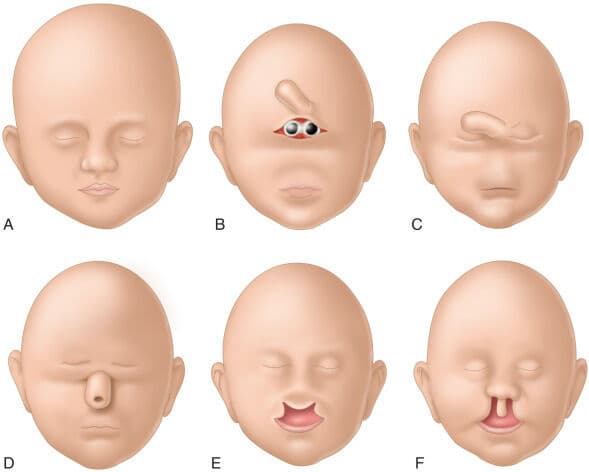
Which condition is characterized by midline tissue deficiency causing variable degrees of hypotelorism, upper lip, and nasal deformity, and is associated with a failed cleavage of the prosencephalon?
During the final phase of wound healing, what is the principal change in collagen composition?
A 6-month-old infant presents with an inguinal hernia. Which statement best reflects appropriate management in children?
A 4-year-old presents with a painless flank mass. CT shows a large renal tumor. What is the most common primary malignant kidney tumor in children?
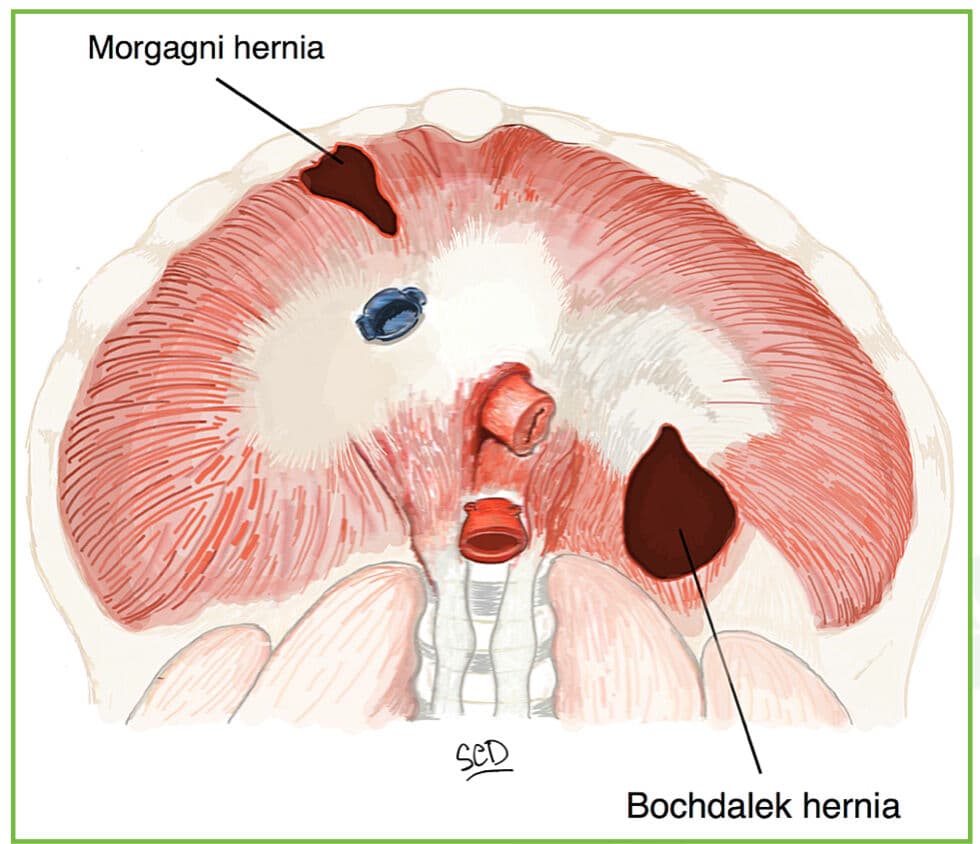
A newborn presents with respiratory distress due to a congenital diaphragmatic hernia (CDH). What is considered the key determinant of survival in infants with Bochdalek-type congenital diaphragmatic hernia?
A 2-day-old preterm infant has recurrent apnea and desaturation from saliva pooling in an upper esophageal pouch. What is the recommended initial management?
A 1-year-old boy with constipation, distention, failure to thrive, and delayed meconium undergoes rectal biopsy. What finding confirms Hirschsprung’s disease?
A 2-month-old with recurrent pneumonia and bronchospasm undergoes barium esophagography showing a tracheoesophageal fistula without esophageal atresia. Which TEF type, often presenting beyond the newborn period, is this?
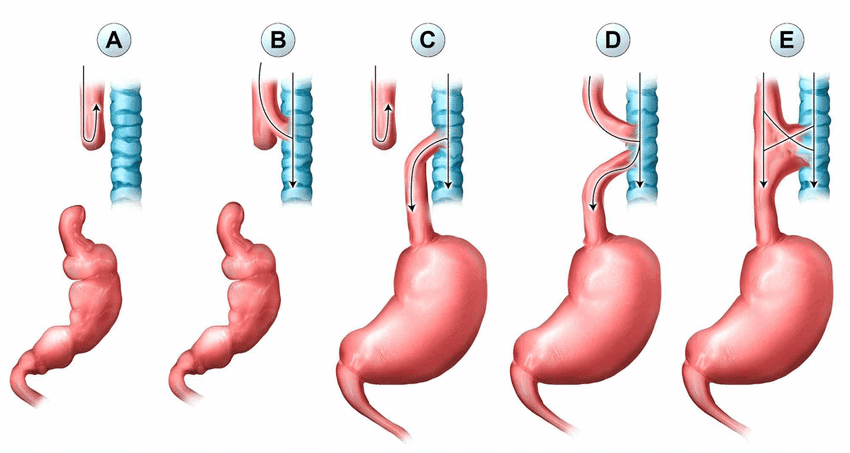
A newborn with EA and distal TEF (Type C) develops abdominal distention from air passing into the stomach, impairing respiration. What is the main pulmonary consequence?
A neonate is born with a posterolateral diaphragmatic defect, allowing abdominal viscera to fill the chest cavity. Both lungs are hypoplastic. This anomaly is encountered more commonly on the left side. What is this type of congenital diaphragmatic hernia?
A 3-day-old infant is found to have jaundice. The pediatrician needs to determine if it is pathologic. By definition, jaundice that persists beyond what duration is considered pathologic in newborns?
A 1-year-old has recurrent abdominal pain with knee-chest positioning and currant-jelly stools. What is the most common cause of intestinal obstruction in this age group that matches this presentation?
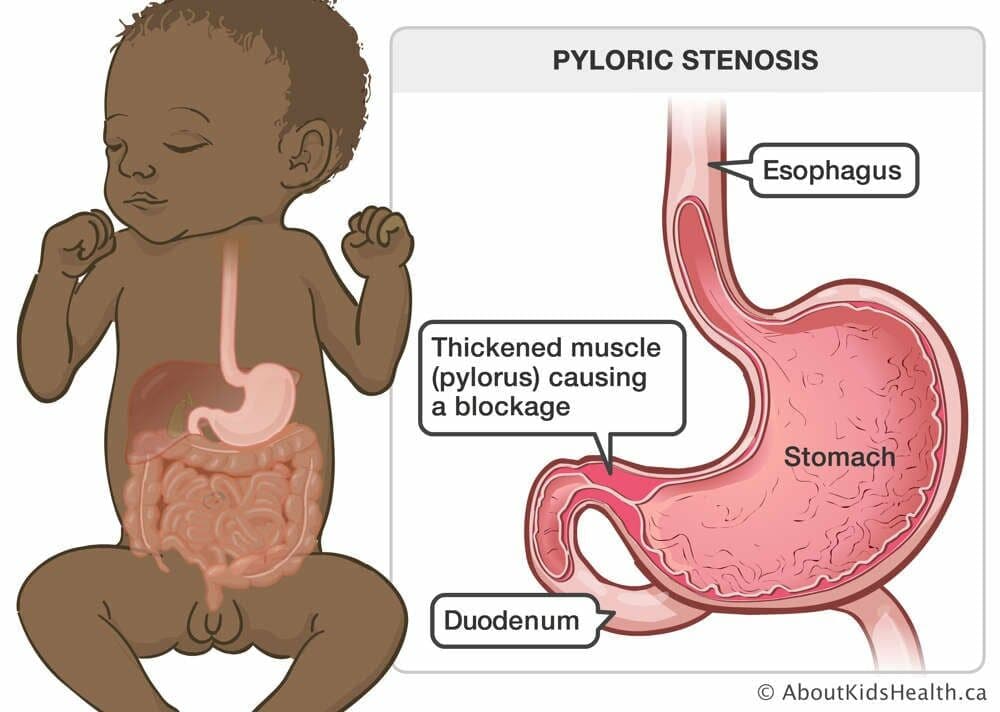
A 10-month-old infant presents with projectile vomiting after feeding, and a palpable olive-shaped RUQ mass. What is the standard initial test for diagnosing hypertrophic pyloric stenosis?
In an infant with esophageal atresia, what is considered the most important predictor of survival among coexisting anomalies?
An infant with jaundice is noted to have acholic, pale gray stools. What diagnosis is strongly suggested by this characteristic stool appearance?
A neonate presents with jaundice that persists beyond 2 weeks of life. What classification is given to this type of jaundice?
A 2-day-old term newborn has not passed meconium, presents with abdominal distension and bilious vomiting. A rectal exam causes explosive passage of stool. What is the most likely diagnosis?
What is the cardinal symptom of intestinal obstruction in the newborn?
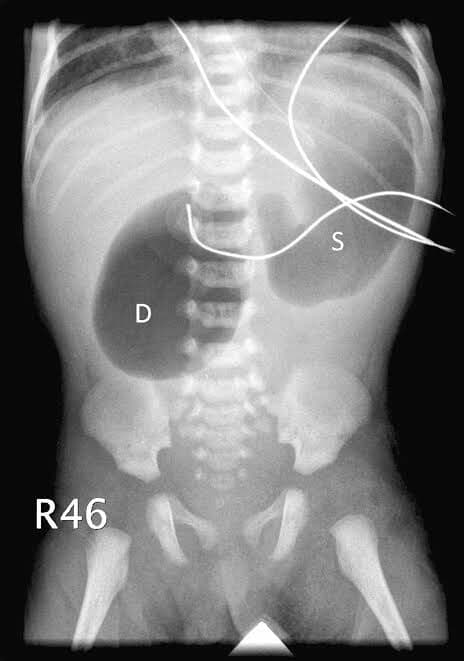
A newborn's abdominal X-ray shows the "double bubble" sign. What is this classic finding indicative of?
A 78-year-old man with BPH and recent catheterization develops altered mental status with urinary symptoms. UA shows pyuria and bacteriuria. What is the most likely diagnosis and treatment duration?
A 35-year-old female presents with fever, right flank pain, nausea, vomiting, and CVA tenderness. Lab evaluation shows leukocytosis. Urinalysis demonstrates pyuria and bacteriuria. Patient is stable for outpatient management. Which antibiotic should be avoided due to poor renal parenchyma penetration?
Which is identified as a risk factor for urethral carcinoma?
A 68-year-old man with hematuria, irritative voiding, and smoking history has a bladder mass on cystoscopy. What is the most common bladder cancer type?
Adenocarcinoma
Small cell cancer
Urothelial carcinoma
Which is the most common cause of postmenopausal bleeding?
Endometrial cancer
Atrophic vaginitis
Cervical cancer
Hormone replacement therapy
A 25-year-old trauma patient develops clear otorrhea after a fall. This suggests a skull base fracture communicating between the subarachnoid space and the middle ear through which structure?
Contusions often occur in brain tissue opposite the site of impact, resulting from the deceleration of the brain against the skull. What type of injury pattern is this?
Uncal herniation resulting from an Epidural Hematoma (EDH) classically causes which focal neurologic sign combination?
Why is functional recovery after acute subdural hematoma (SDH) generally worse than after epidural hematoma (EDH)?
A patient presents with a sudden-onset focal neurologic deficit that resolves completely within 12 hours. What is the correct classification of this event?
A patient develops rapid neurological decline with a CT showing the “Mount Fuji” sign, consistent with tension pneumocephalus. What is the most appropriate definitive intervention?
A patient has paralysis and bilateral loss of pain and temperature below a thoracic injury, with preserved proprioception. Which syndrome is this?
Which clinical feature is more suggestive of intracranial hemorrhage from abnormal or diseased vessels, compared to ischemic stroke?
Which location for an intracranial hemorrhage is associated with the classic symptom of contralateral hemiparesis?
What is the most common site of cerebral aneurysms (30–35% of cases)?
Which imaging feature is most characteristic of metastatic brain tumor lesions and prompts a metastatic work-up?
Pituitary apoplexy, a neurosurgical emergency, is defined as which acute event within a pituitary tumor?
What is the condition called when irritative cyst contents from a cerebellopontine angle epidermoid tumor enter the subarachnoid space and cause recurrent aseptic meningitis?
A patient with small varicose veins undergoes injection sclerotherapy using sodium tetradecyl sulfate. What is the primary action of sclerotherapy that achieves therapeutic effect?
A woman develops significant unilateral arm swelling years after cancer treatment and is diagnosed with secondary lymphedema. What is the most likely cause?
What is the primary indication for placing an indwelling pleural catheter in malignant pleural effusion?
A young male patient presents with an anterior mediastinal mass. Suspecting a germ cell tumor, which serum markers are crucial for diagnosis and differentiation?
Which type of nerve sheath tumor accounts for more than 95% of nerve sheath tumors in the mediastinum and is generally benign?
For a mediastinal mass suspicious for lymphoma, which needle biopsy approach is preferred to maximize diagnostic yield?
A 3 y/o child presents with a hyperactive precordium, a widened pulse pressure, and a continuous "machinery murmur" on auscultation.
Chest x-ray: Increased pulmonary vascularity and cardiomegaly. Which is the most likely diagnosis?
A 6-month-old with Tetralogy of Fallot develops sudden cyanosis and dyspnea after crying. Squatting helps relieve symptoms. What is the primary mechanism of this "tet spell"?
A child with a large Ventricular Septal Defect (VSD) is being evaluated. What factor is inversely related to the probability of spontaneous VSD closure?
A 5-year-old presents with absent femoral pulses and upper extremity hypertension. What physical finding would likely show on chest X-ray?
Which type of true aortic aneurysm is characterized by symmetrical dilatations of the aorta and is more common?
Chest pain radiating to the neck and jaw, mimicking angina, is most commonly seen with aneurysms of which aortic segment?
Thoracic aortic aneurysms, particularly those involving the descending and thoracoabdominal aorta, can lead to which distal complication due to the shedding of mural thrombus?
A 40-year-old has snuffbox tenderness after a fall on an outstretched hand. X-rays are negative. What complication must be ruled out, and what is the next best step if suspicion remains high?
A 35-year-old has a closed mid-shaft humerus fracture and wrist drop. What is the likely cause and initial treatment?
A trauma patient is suspected of having a spinal column injury. Why is CT preferred over X-ray for evaluating suspected spinal injury in trauma patients?
Which injury combo defines the elbow’s "terrible triad" and usually needs surgery?
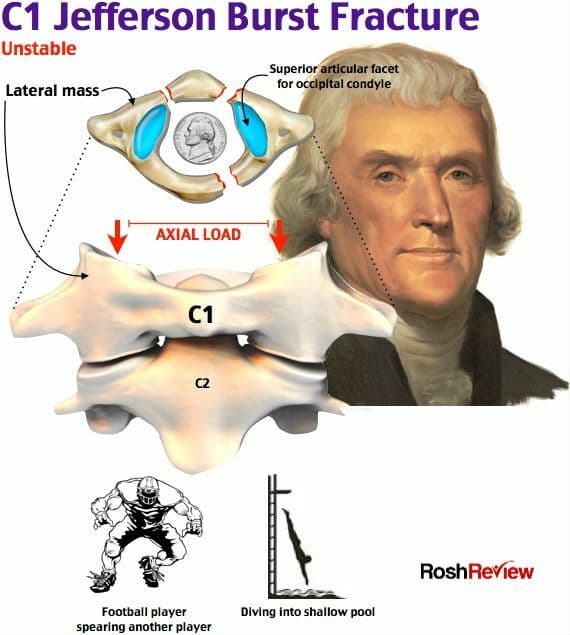
Which statement regarding stability assessment and treatment of C1 (Jefferson) fractures is CORRECT?
A patient has severe leg pain after motor vehicle accident, worsened by passive stretch. What is the likely emergency and key diagnostic finding?
Which type of primary bone tumor is characterized by an "onion skin" periosteal reaction on radiographs and can be confused with an infection due to associated pain, fever, and elevated sedimentation rate?
After shoulder dislocation reduction, a young patient can't raise their arm. What is the most likely cause?
A patient suffers a high-energy forearm injury with a proximal ulnar fracture and radial head dislocation. What is the diagnosis?
Which malignant bone tumor occurs most commonly in the axial skeleton, presenting with multiple punched-out lytic lesions on X-ray, and is the most common primary bone malignancy overall?
In a newborn, which test detects a dislocated hip that reduces with gentle elevation and abduction, producing a palpable click?
Which malignant tumor is a low-grade malignancy usually seen in the tibia, characterized by multiple lucent lesions on the cortex, and has Osteofibrous Dysplasia as a precursor lesion?
When making an incision in an area of previous scarring, such as during a scar revision, what is the preferable approach regarding the old scar?
Which tumor marker is most useful for monitoring epithelial ovarian cancer?
A 40-year-old woman has heavy menstrual bleeding with normal pelvic exam. What is the most appropriate initial diagnostic test?
What is the most common type of ovarian cancer?
What is the most significant risk factor for endometrial cancer?
What is the most common site of cervical cancer?