Trace the historical development of the civil rights movement in the 19th, 20th, and 21st centuries, including the 13th, 14th, 15th, and 19th amendments.
Track each student's skills and progress in your Mastery dashboards
Give this quiz to my class
Q 1/6
Score 0
In the late 1800s, the Supreme Court's decision in Plessy v. Ferguson -
60
recognized public protests as a legal form of civil disobedience
affirmed the legality of federal regulation of state elections
created a legal justification for segregation laws
established a legal remedy for victims of discrimination
Q 2/6
Score 0
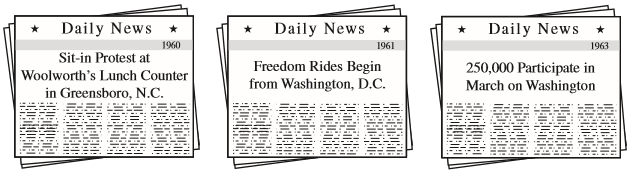
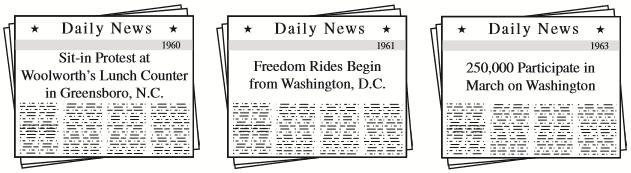
What was the main result of the events referred to in these headlines?
30
The expansion of political and economic opportunities for minority citizens
The growth of radical political parties on the East Coast
The growth of insurance and welfare programs for elderly citizens
The expansion of economic cooperation between northern and southern states
6 questions
Q.
In the late 1800s, the Supreme Court's decision in Plessy v. Ferguson -
1
60 sec
H.9.A: Civil Rights Movement
Q.
What was the main result of the events referred to in these headlines?
2
30 sec
H.9.A: Civil Rights Movement
Q.
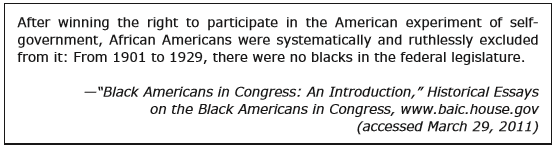
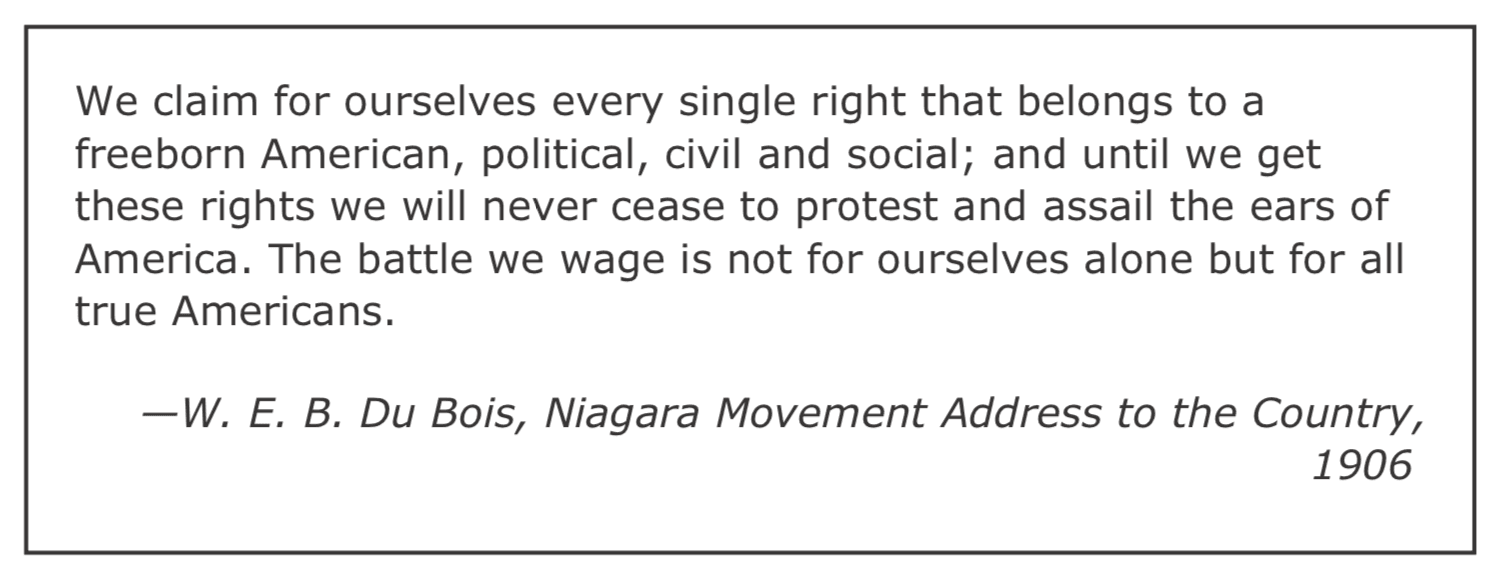
How did W. E. B. Du Bois combat prejudice like that described in the excerpt?
3
60 sec
H.9.A: Civil Rights Movement
Q.
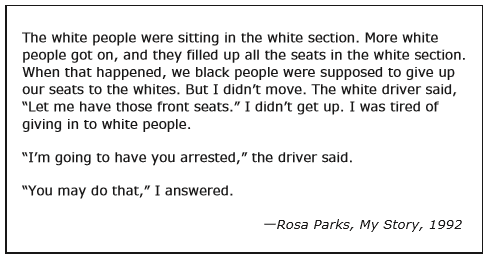
How did the event described by Rosa Parks in this excerpt affect the Civil Rights movement?
4
60 sec
H.9.A: Civil Rights Movement
Q.
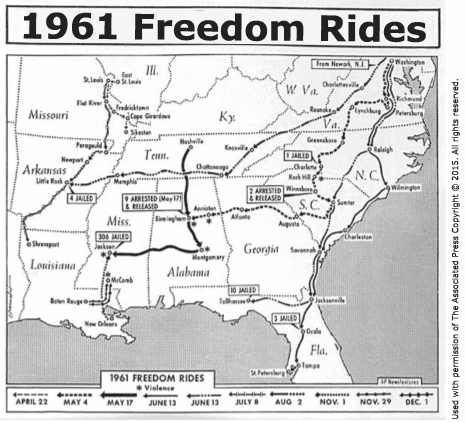
What was the goal of the protests depicted on this map?
5
60 sec
H.9.A: Civil Rights Movement
Q.
How did the ideas presented in this address affect the early Civil Rights movement in the
United States?