Analyze the effects of landmark U.S. Supreme Court decisions, including Brown v. Board of Education, and other U.S. Supreme Court decisions such as Plessy v. Ferguson, Hernandez v. Texas, Tinker v. Des Moines, Wisconsin v. Yoder, and White v. Regester.
Discuss the role of contemporary government legislation in the private and public sectors such as the Community Reinvestment Act of 1977, USA PATRIOT Act of 2001, and the American Recovery and Reinvestment Act of 2009.
Explain constitutional issues raised by federal government policy changes during times of significant events, including World War I, the Great Depression, World War II, the 1960s, and 9/11.
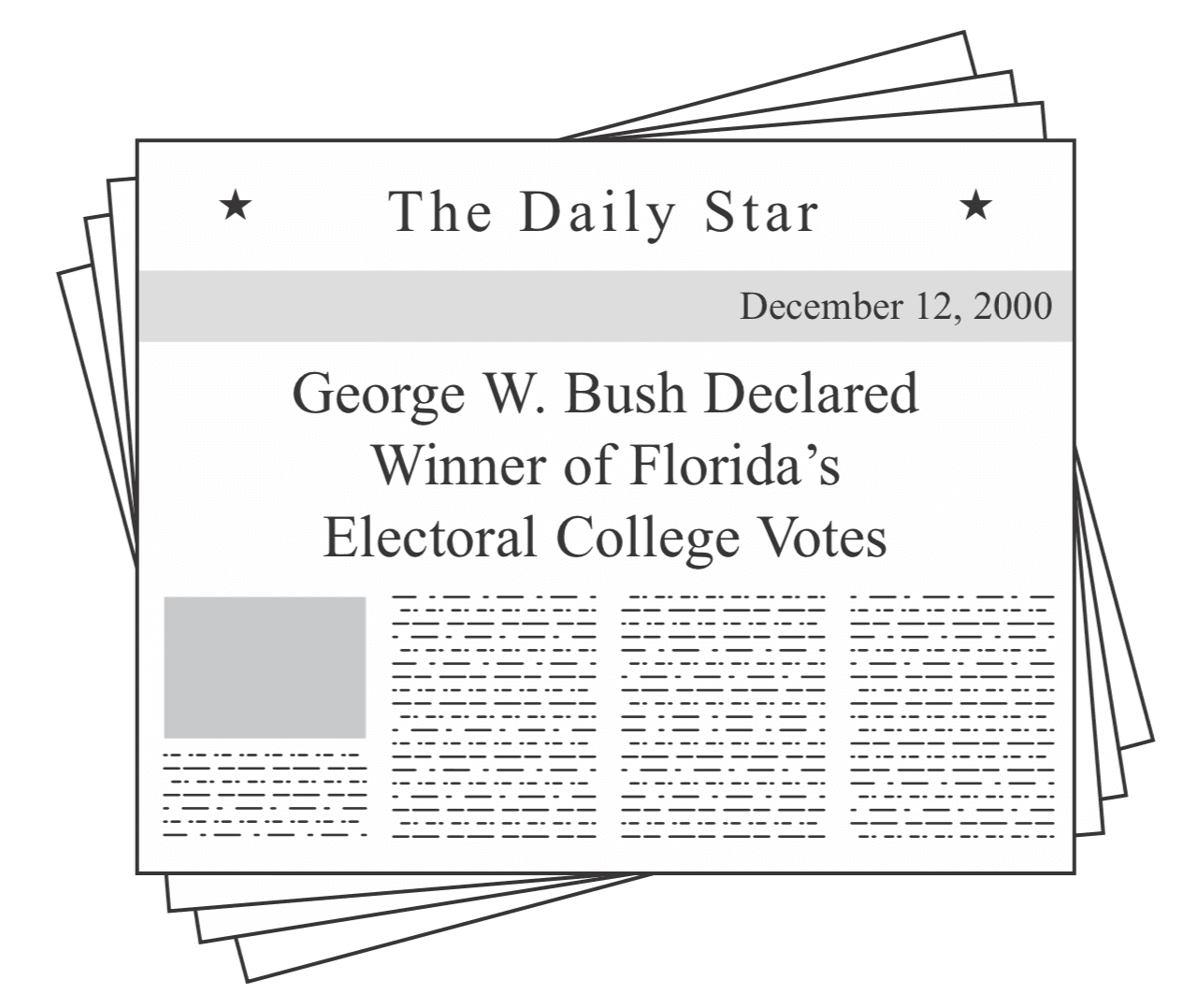
Evaluate the impact of relationships among the legislative, executive, and judicial branches of government, including Franklin D. Roosevelt's attempt to increase the number of U.S. Supreme Court justices and the presidential election of 2000.
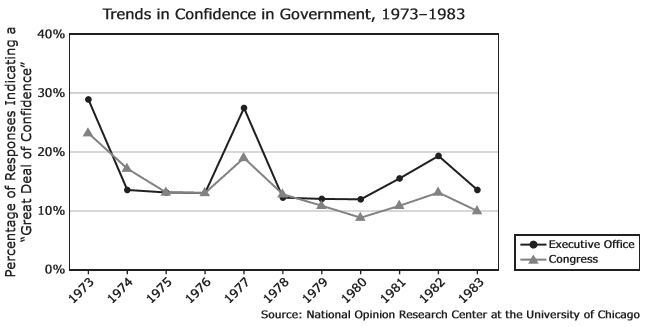
Describe the effects of political scandals, including Teapot Dome, Watergate, and Bill Clinton's impeachment, on the views of U.S. citizens concerning trust in the federal government and its leaders.
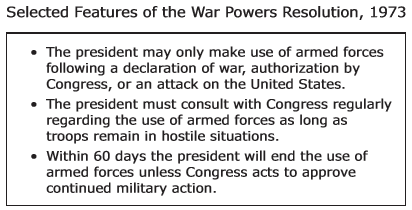
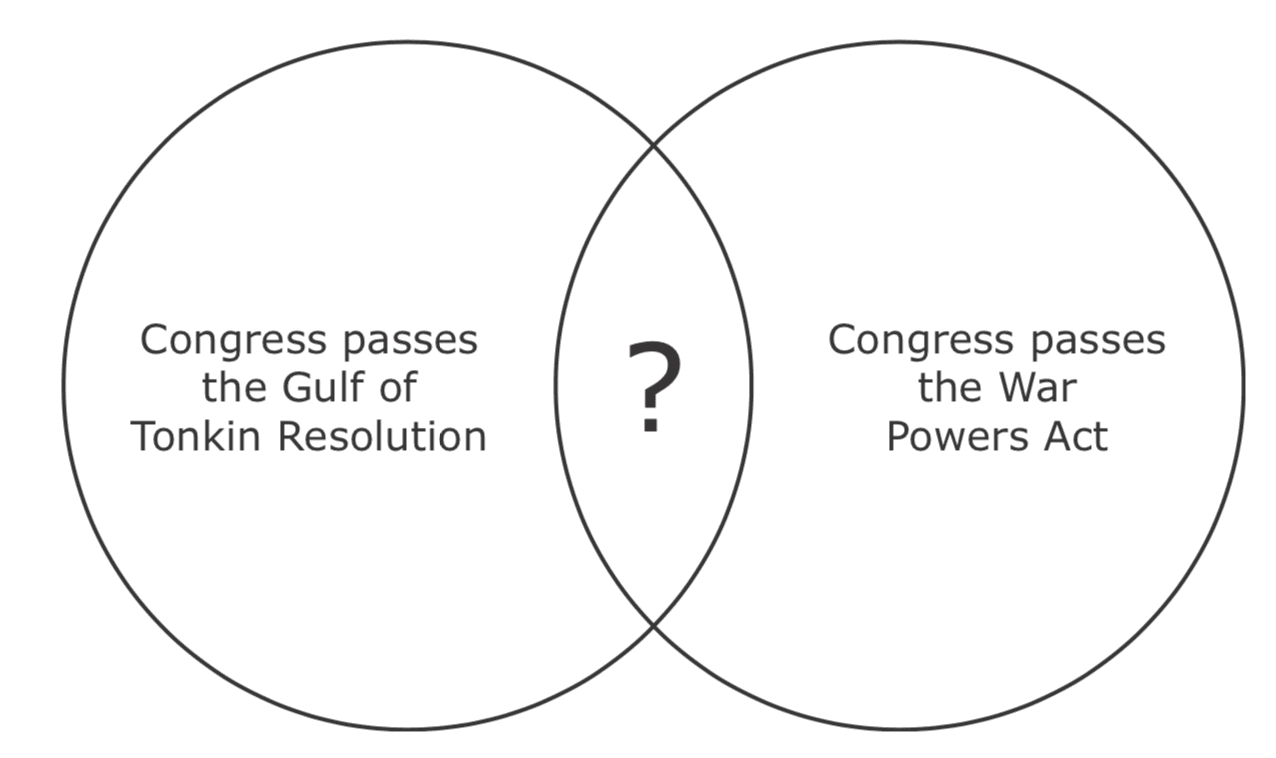
Describe the impact of events such as the Gulf of Tonkin Resolution and the War Powers Act on the relationship between the legislative and executive branches of government.
Evaluate the pros and cons of U.S. participation in international organizations and treaties.
Track each student's skills and progress in your Mastery dashboards
Give this quiz to my class
Q 1/40
Score 0
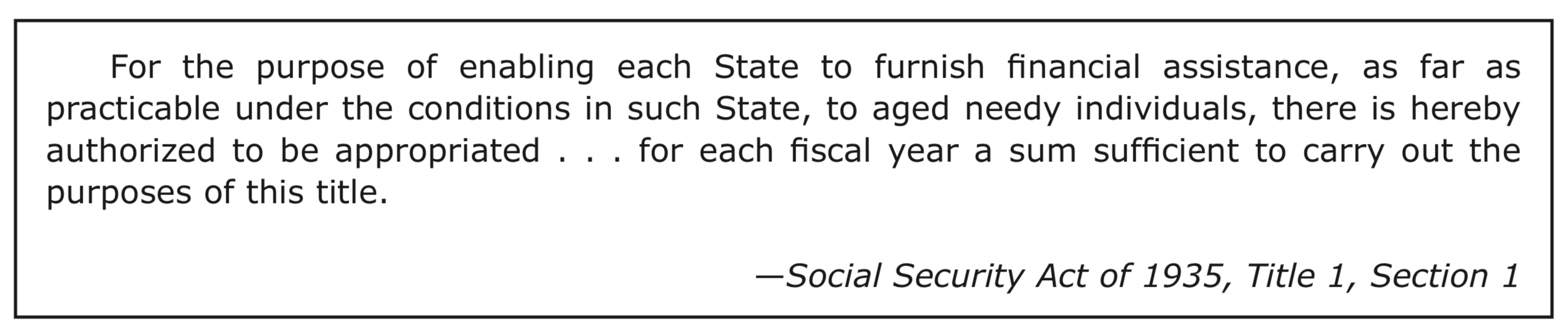
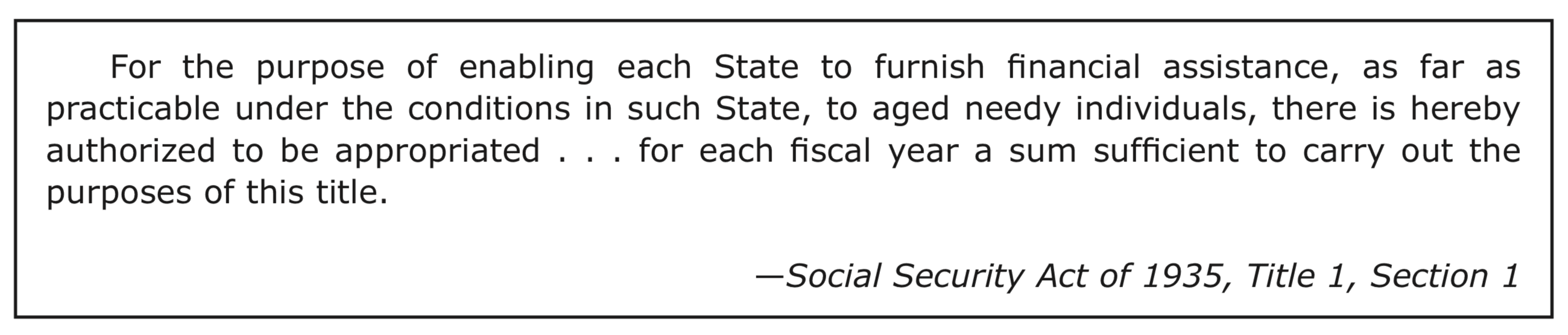
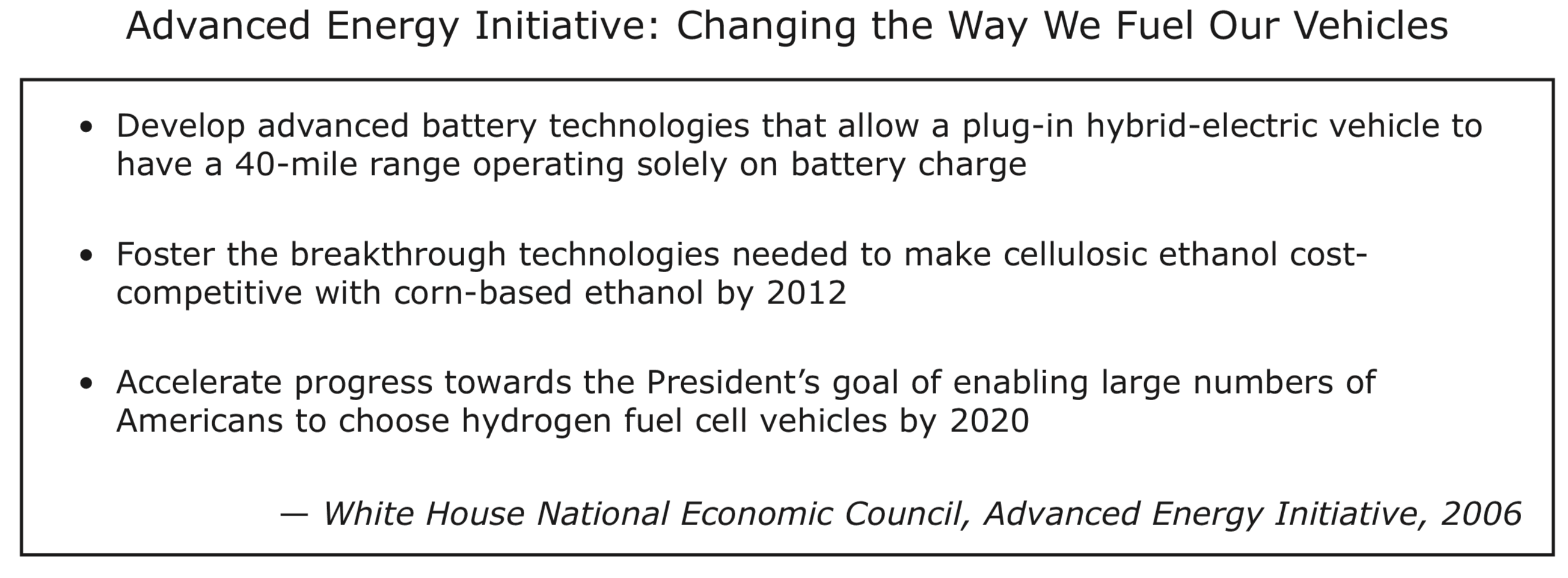
How did the legislation excerpted above affect the relationship between the U.S. government and its citizens?
60
It made most people distrust the power of the government.
It allowed people to have more direct input in government decisions.
It made the government more responsible for the people's economic welfare.
It allowed the government to tax investment income.
Q 2/40
Score 0
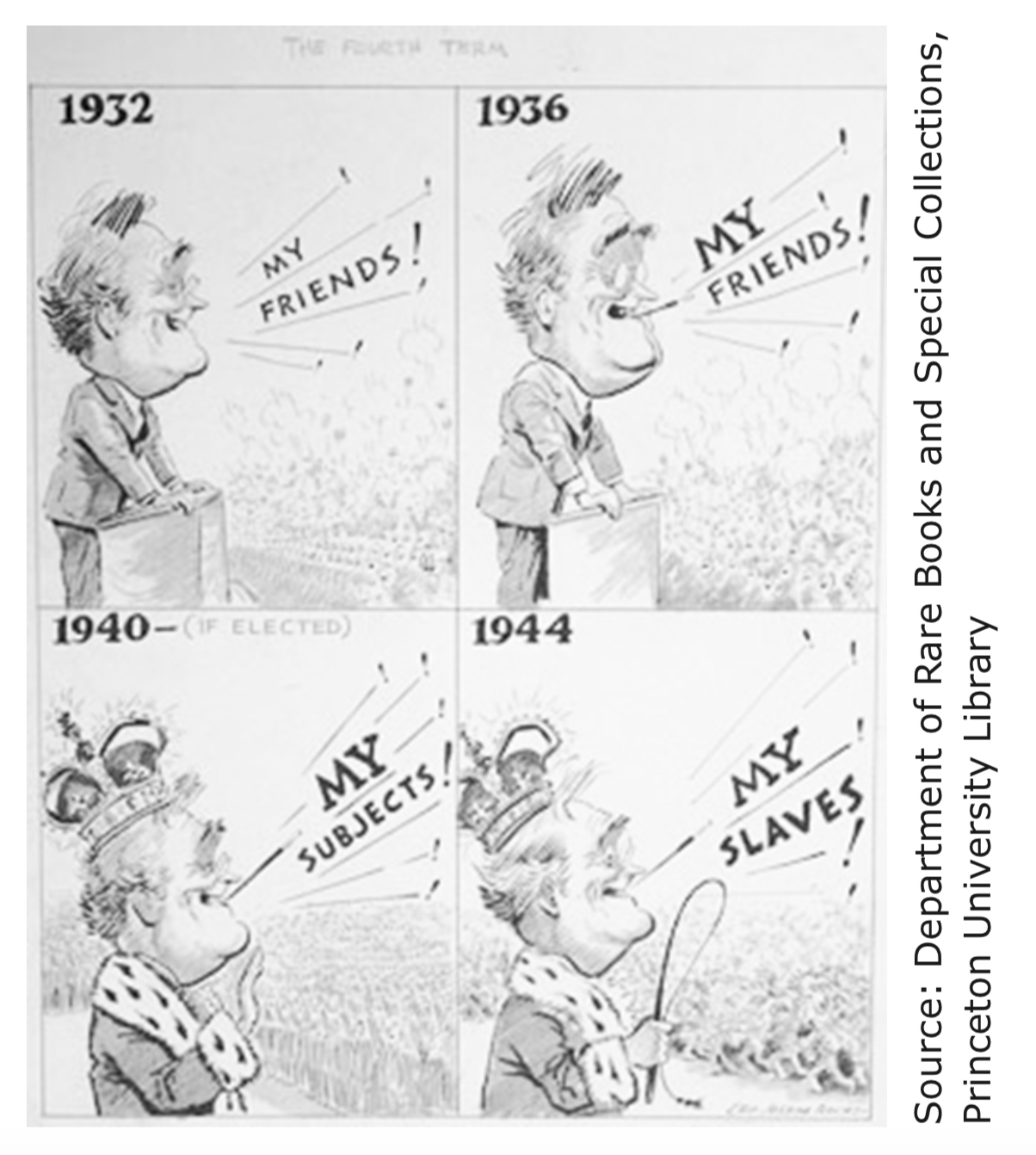
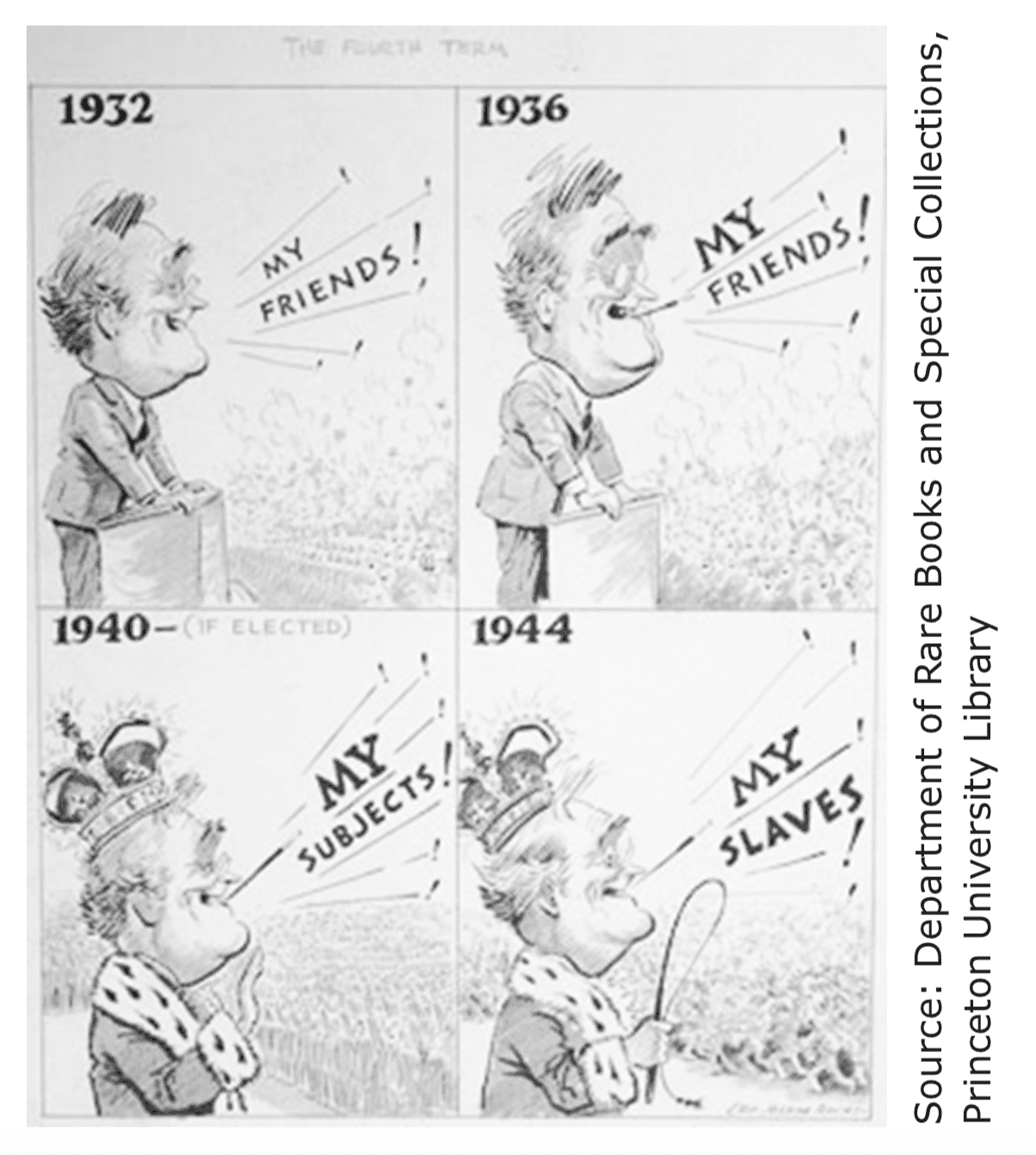
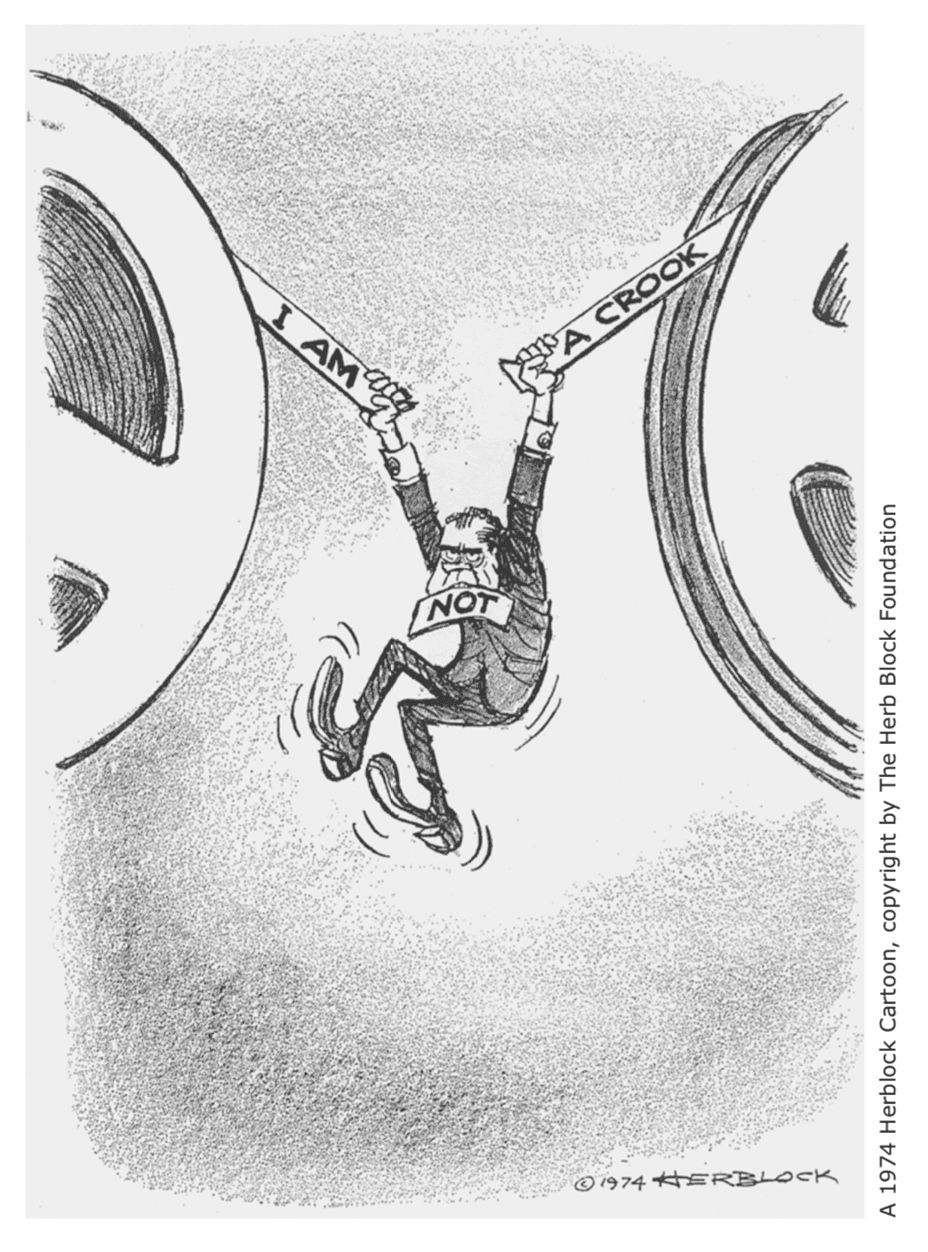
This satirical cartoon expresses a sentiment that eventually contributed to -
60
the issuance of a Supreme Court ruling declaring it unconstitutional for members of the same political party to serve consecutive terms as president
the ratification of a constitutional amendment establishing term limits for presidents
the establishment of a congressional committee to investigate private presidential conduct
the passage of a federal statute prohibiting foreign companies from contributing to presidential campaigns
40 questions
Q.
How did the legislation excerpted above affect the relationship between the U.S. government and its citizens?
1
60 sec
H.19.A: New Deal Legislation
Q.
This satirical cartoon expresses a sentiment that eventually contributed to -
2
60 sec
H.21.B: Historical Reasoning
Q.
How does the 1966 Supreme Court decision in Miranda v. Arizona continue to affect society?
3
60 sec
H.21.A: Landmark U.S. Supreme Court Decisions
Q.
These proposals most clearly reflect the federal government's developing role in -
4
60 sec
H.19.D: Contemporary Government Legislation
Q.
This law demonstrates that at one time the federal government was willing to -
5
60 sec
H.19.B: Constitutional Issues
Q.
Many members of Congress disagreed with President Roosevelt's proposed solution to the problem described above because -
6
60 sec
H.20.B: Government Relationships
Q.
The incident illustrated by this cartoon increased cynicism toward the U.S. government because -
7
60 sec
H.19.C: Political Scandals
Q.
An employee contacts his supervisor to request time off guaranteed to him under the Family and Medical Leave Act. Under which circumstance do the provisions of this law apply?
8
30 sec
H.19.D: Contemporary Government Legislation
Q.
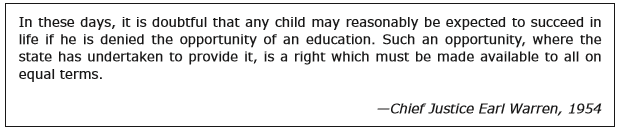
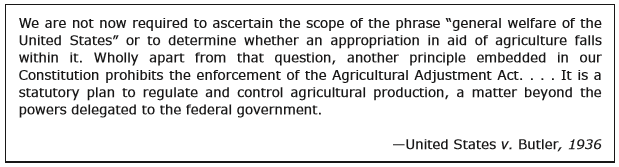
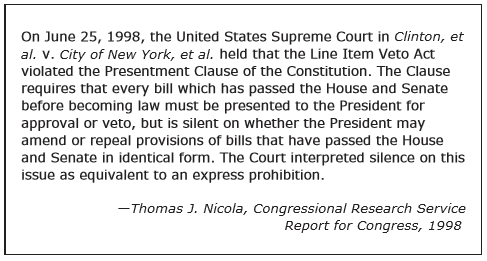
Which action occurred as a result of the Supreme Court decision excerpted above?
9
30 sec
H.21.A: Landmark U.S. Supreme Court Decisions
Q.
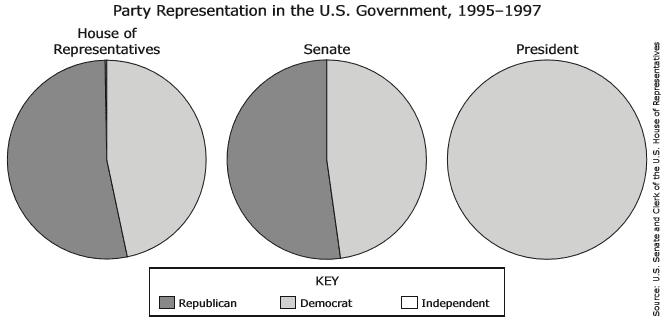
How does the pattern of distribution of political representation shown in these graphs affect relationships within the government?
10
30 sec
H.20.B: Government Relationships
Q.
Which constitutional amendment did the Supreme Court use as a basis of this ruling?
11
30 sec
H.19.B: Constitutional Issues
Q.
What is one ongoing result of the New Deal?
12
30 sec
H.19.A: New Deal Legislation
Q.
What does President Bill Clinton's impeachment trial reflect about modern U.S. politics?
13
30 sec
H.19.C: Political Scandals
Q.
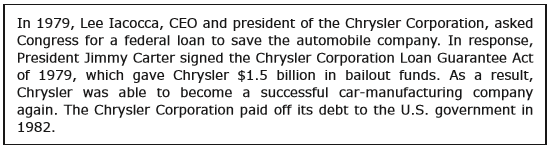
The primary justification for giving Chrysler this federal loan was that it would -
14
60 sec
H.19.D: Contemporary Government Legislation
Q.
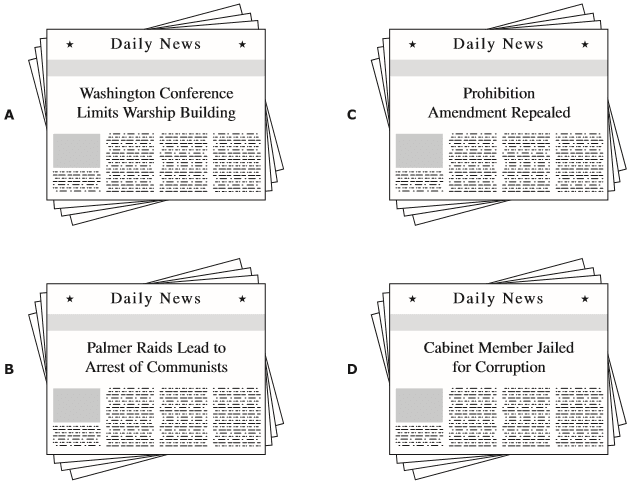
Which headline describes a consequence of the Teapot Dome scandal?
15
60 sec
H.19.C: Political Scandals
Q.
What prompted Congress to pass the War Powers Resolution?
16
60 sec
H.20.A: Impact Of Political Events
Q.
The ruling in Miranda v. Arizona most affected the procedure in which step of this process?
17
60 sec
H.21.A: Landmark U.S. Supreme Court Decisions
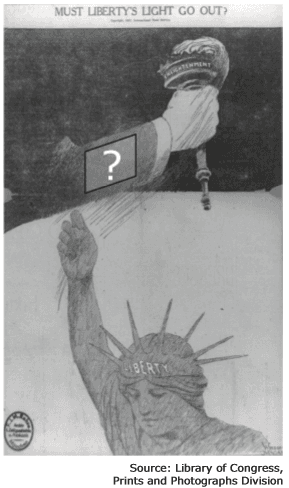
Q.
This 1917 illustration was published as a commentary on a proposed piece of legislation. Which of the following best replaces the question mark in the illustration?
18
60 sec
H.19.B: Constitutional Issues
Q.
In response to the national crisis posed by the Great Depression, the U.S. government -
19
60 sec
H.19.A: New Deal Legislation
Q.
In which organization do the United States and other member nations confront the problems mentioned in this excerpt?
20
60 sec
H.19.E: U.S. Participation In International Organizations/Treaties
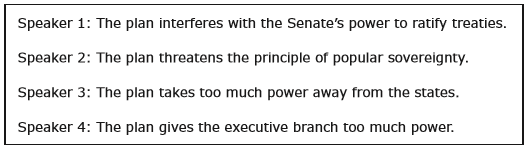
Q.
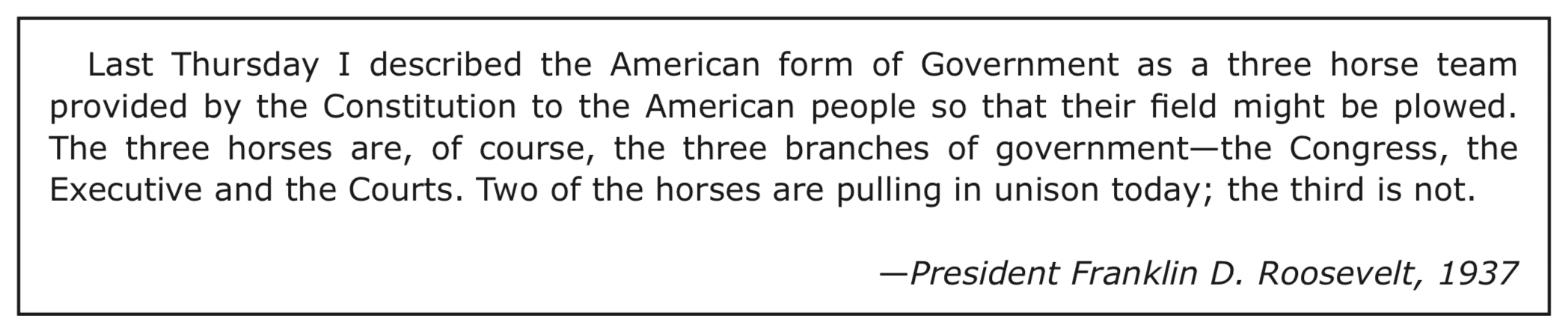
Which speaker expresses the main argument against President Franklin D. Roosevelt's plan to increase the number of justices on the Supreme Court?
21
60 sec
H.20.B: Government Relationships
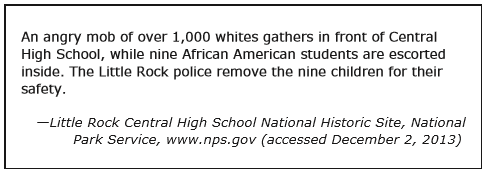
Q.
This confrontation centered around -
22
60 sec
H.21.A: Landmark U.S. Supreme Court Decisions
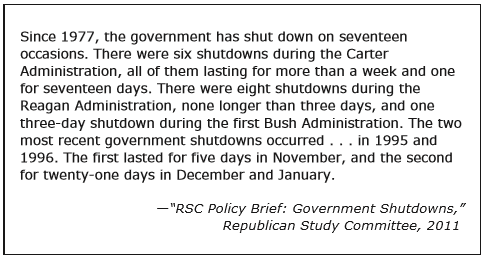
Q.
The events described in this excerpt provide evidence of which political situation?
23
60 sec
H.20.B: Government Relationships
Q.
The Social Security Act affected the role of the federal government by -
24
60 sec
H.19.A: New Deal Legislation
Q.
This 1924 cartoon satirizes a scandal that led to -
25
60 sec
H.19.C: Political Scandals
Q.
What is the primary aim of the USA PATRIOT Act of 2001?
26
60 sec
H.19.D: Contemporary Government Legislation
Q.
Which constitutional issue was debated after the release of the Pentagon Papers?
27
60 sec
H.19.B: Constitutional Issues
Q.
What was a major reason Congress rejected this treaty?
28
60 sec
H.19.E: U.S. Participation In International Organizations/Treaties
Q.
What was one impact of this ruling?
29
60 sec
H.21.A: Landmark U.S. Supreme Court Decisions
Q.
How does this resolution demonstrate the principle of checks and balances?
30
60 sec
H.20.A: Impact Of Political Events
Q.
Some of President Franklin D. Roosevelt's New Deal programs were declared unconstitutional when the Supreme Court held that they -
31
60 sec
H.19.B: Constitutional Issues
Q.
The Supreme Court's actions in agreeing to hear this case illustrate -
32
60 sec
H.20.B: Government Relationships
Q.
Which of the following was the primary reason for the trends in public confidence from 1973 to 1976?
33
60 sec
H.19.C: Political Scandals
Q.
The goals of these New Deal agencies support the conclusion that the New Deal -
34
60 sec
H.19.A: New Deal Legislation
Q.
What role did the Supreme Court play in this declaration?
35
30 sec
H.20.B: Government Relationships
Q.
How did the Brown v. Board of Education decision influence the Civil Rights movement?
36
30 sec
H.21.A: Landmark U.S. Supreme Court Decisions
Q.
Which similarity completes this Venn diagram?
37
30 sec
H.20.A: Impact Of Political Events
Q.
What was the reaction of many Americans to the Watergate scandal?
38
30 sec
H.19.C: Political Scandals
Q.
In 1919, Charles Schenck was charged with violating the Espionage Act. The Supreme Court ruled that Schenck's actions created a "clear and present danger."
How did the decision in this case affect the rights of U.S. citizens?
39
30 sec
H.19.B: Constitutional Issues
Q.
Which of the following was a significant effect of New Deal legislation?