


Test for Unit 10a: Chordates & Fish
Quiz by Andrea Rigdon
Feel free to use or edit a copy
includes Teacher and Student dashboards
Measure skillsfrom any curriculum
Measure skills
from any curriculum
Tag the questions with any skills you have. Your dashboard will track each student's mastery of each skill.
With a free account, teachers can
- edit the questions
- save a copy for later
- start a class game
- automatically assign follow-up activities based on students’ scores
- assign as homework
- share a link with colleagues
- print as a bubble sheet
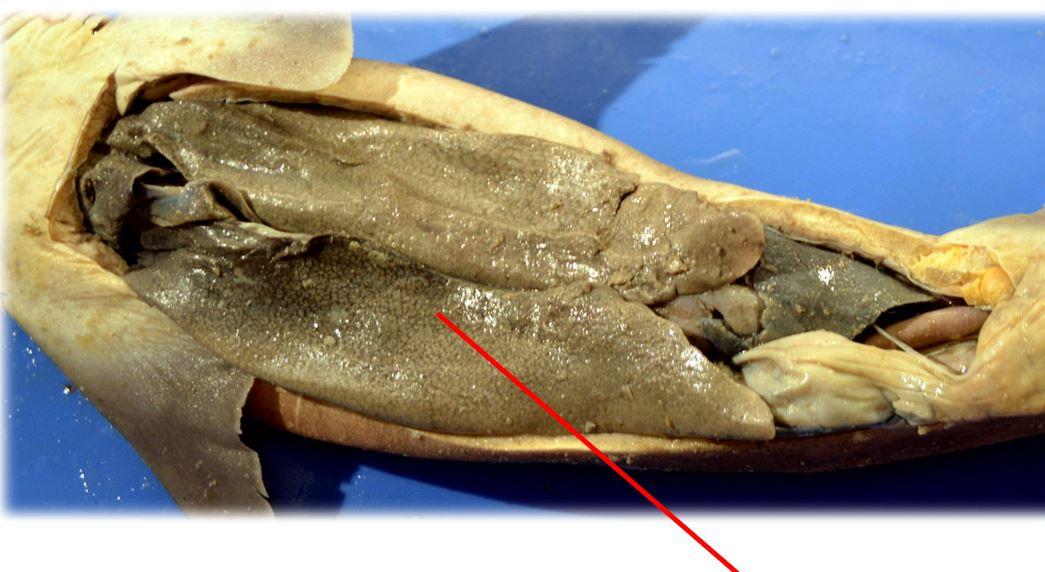
- Q 1/23Score 0Identify the structure.29spleenheartlivercloaca


23 questions
Show answers
- Q1Identify the structure.spleenheartlivercloaca30s
- Q2Identify structure #6.stomachcloacaliveroviduct30s
- Q3Identify the structure.spleenliverintestinerectal gland30s
- Q4Bony fish use this gas-filled organ for buoyancy:kidneyliverurinary bladderswim bladder30s
- Q5Which fin is the main propelling fin for fish?analpectoral1st dorsalcaudal30s
- Q6Which fin is found on the underside of the fish and helps with stability?caudalanal1st and 2nd dorsalpectoral30s
- Q7Which fin is responsible for side to side movement?analcaudal1st & 2nd dorsalpectoral30s
- Q8These fish get oxygen by gulping air into a sac.lungfishhagfishlampreyssharks30s
- Q9All of the following are characteristics of fish except:pharyngeal gill slitsscalesfinsregeneration30s
- Q10Chordata refers tospinal cordnotocordchorusbackbone30s
- Q11These fish are parasitic and leave a large wound on the side of their hosts.hagfishlungfishlampreysskates30s
- Q12These fish feed on dead or dying fish from the inside out.anglerfishrayshagfishlampreys30s
- Q13The difference between animals in Protochordata and Vertebrata is:animals in Vertebrata have a skull and those in Protochordata do not.animals in Protochordata are not in the Phylum Chordata.animals in Protochordata have a skull and those in Vertebrata do not.There is no difference between them.30s
- Q14The evolution of _______ allowed fish to defend themselves and eat more variety.lungsgillsjawslateral lines30s
- Q15Sharks and other cartilaginous fish use this lipid-filled organ for buoyancy:liverkidneyurinary bladderswim bladder30s

