Loading...

Test of the West
Quiz by Charles Kohler
Customize this quiz to suit your class
Instantly translate to 100+ languages
Tag the questions with any skills you have. Your dashboard will track each student's mastery of each skill.
Give this quiz to my class



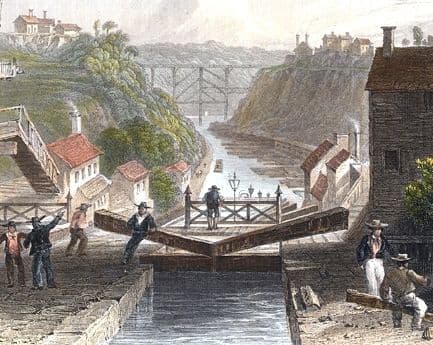
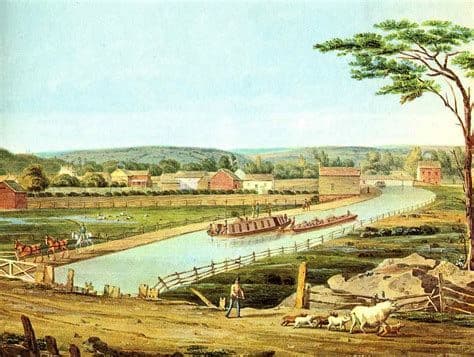
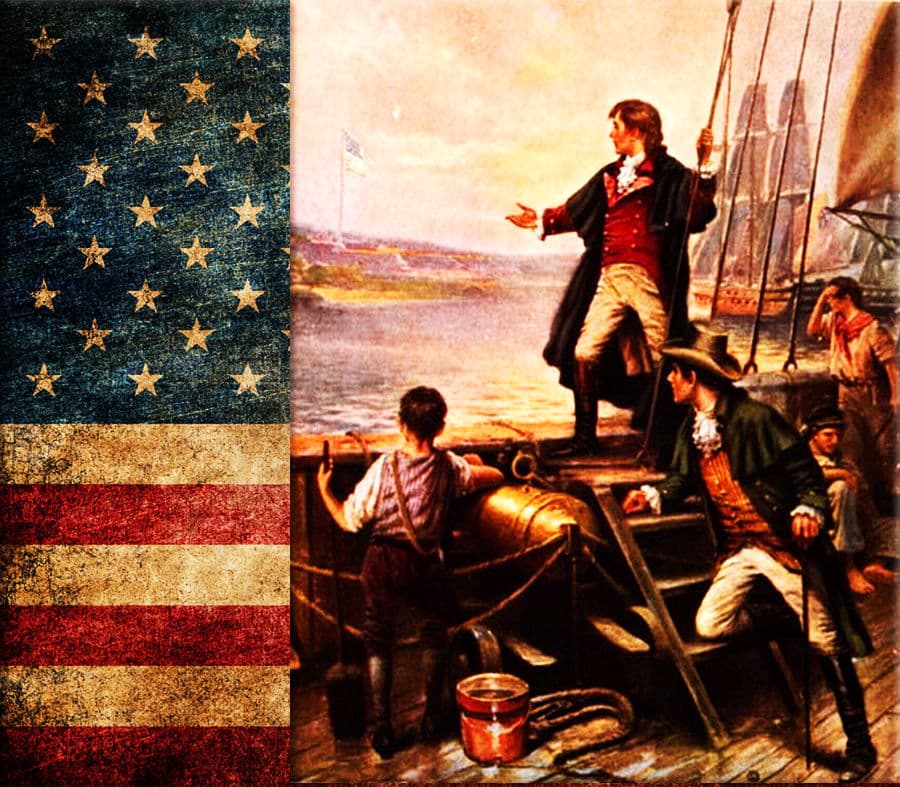
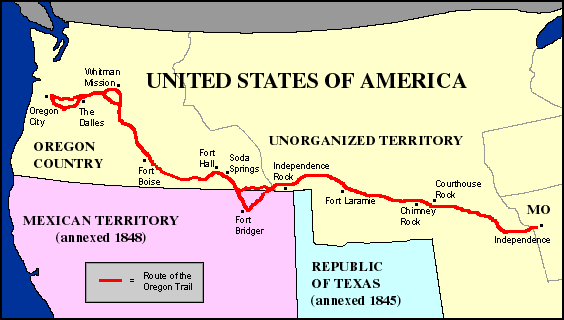
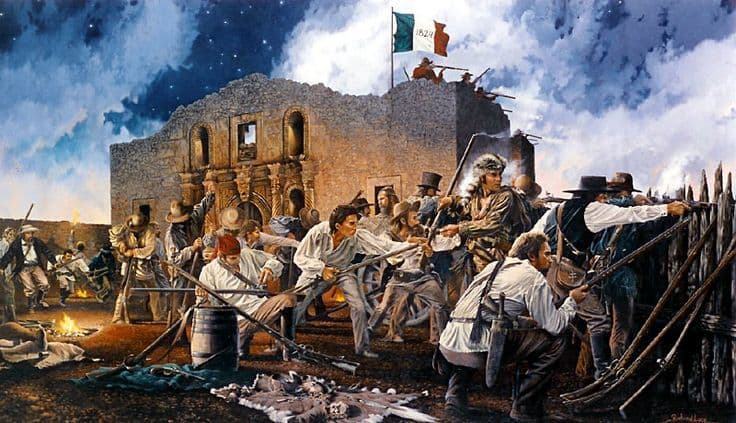
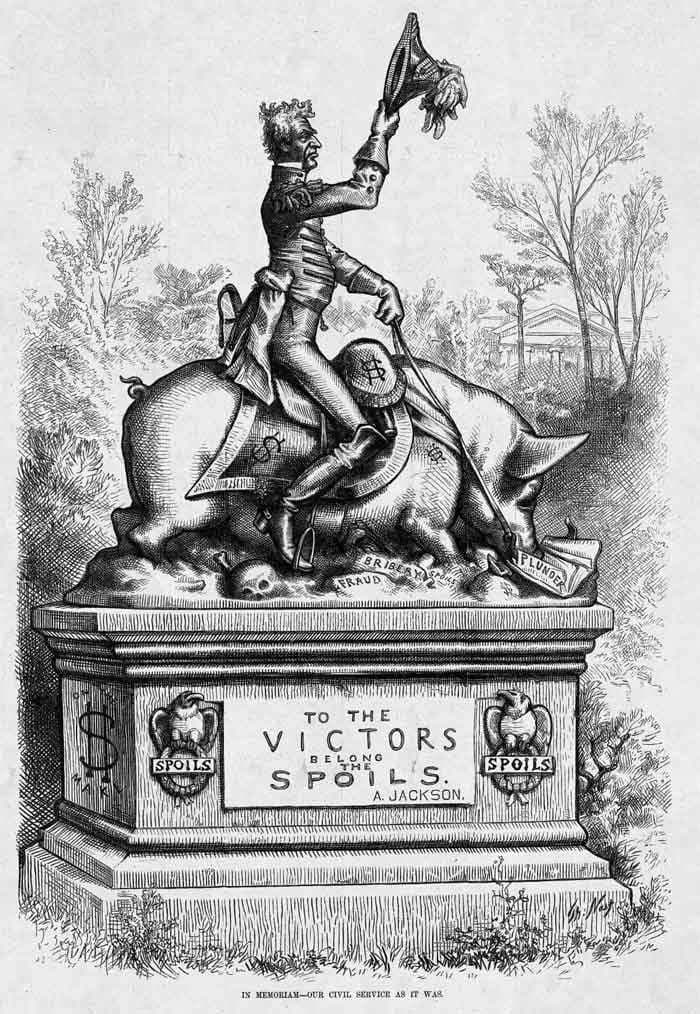
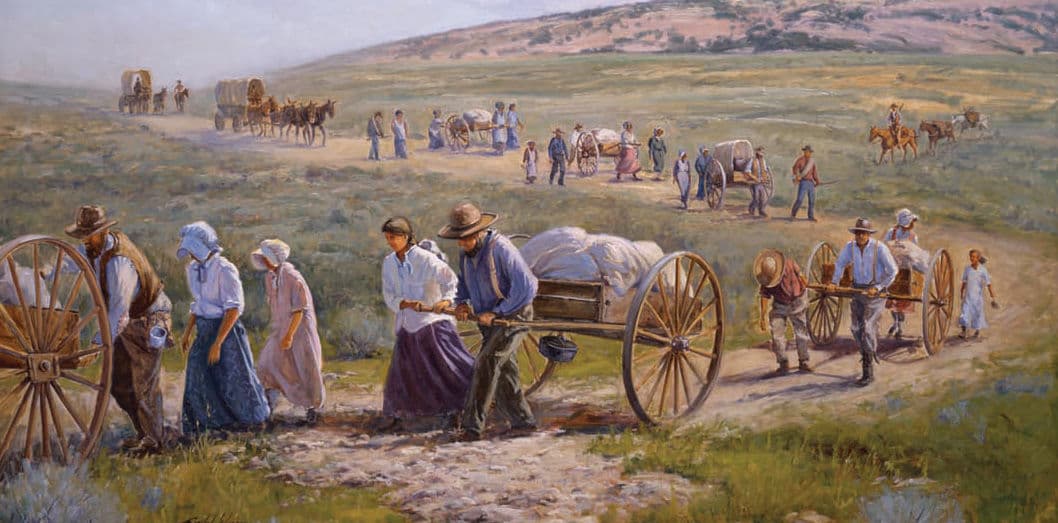
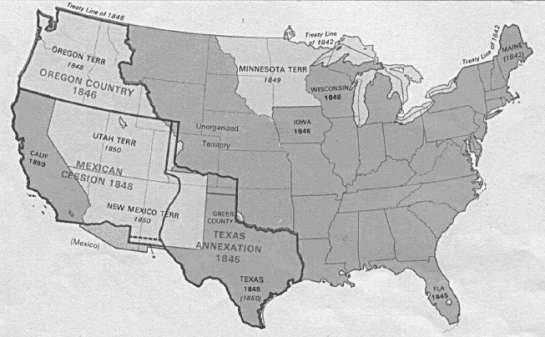
Chapter 12 Test: The Land and People of the West
HW/EC SS 11/20/24 Peoples of the West Coast TEST PREP
Growing up in Sioux Falls, South Dakota, a small city surrounded by endless plains, I've found unexpected echoes of home in China's smaller towns — from the warmth of locals in Huaihua, Central China's Hunan province, to the quiet charm of Yangshuo, South China's Guangxi Zhuang autonomous region. With an itch to see more of China's lesser-visited regions, I began planning a trip to the northwest with seven friends — five Americans, one Pakistani, one Zimbabwean, and one Colombian. We bought round-trip tickets from Shanghai to Yinchuan, Ningxia Hui autonomous region, for less than $120 each. From there, we planned to rent a car and drive to Xining in Qinghai, then on to Qinghai Lake, and finally to Lanzhou, Gansu. To make that possible, several of us applied for Chinese driver's licenses, a process that involved translating our US licenses into Mandarin and passing a short test on traffic laws. Within a day, we were licensed. As we piled into two rental cars in late March to begin our eight-day journey, it became clear that this wasn't just a road trip — it was the culmination of our four years in China, the Mandarin we had so diligently studied, and our ongoing effort to contribute to US-China people-to-people relations. Right away, we drew curious reactions. At the Yinchuan airport, taxi drivers offered us rides into the city, only to stare in astonishment when we told them we had rented cars. "You're driving? In China?" one driver asked, visibly surprised. It was a reaction we'd encountered multiple times during our trip, as foreign drivers are rare in China, especially in remote regions. In Yinchuan, we stocked up on snacks and adjusted to the chilly desert air. From there, we headed west, navigating wide highways framed by dramatic landscapes: arid plains, jagged mountains, and occasionally, a herd of sheep crossing the road. The vastness of the Northwest was humbling — and as someone who grew up on the wide-open prairies of South Dakota, it felt oddly familiar. One of the highlights of our trip was camping by Qinghai Lake, the largest saltwater lake in China. A few summers ago, Santiago Solano, one of my classmates from the US, cycled from Xi'an in Shaanxi to Urumqi in the Xinjiang Uygur autonomous region over the course of a month and met many kind strangers along the way. One of them was Geng San, a Tibetan lamb herder who managed a piece of land right next to Qinghai Lake and graciously invited us to camp there. "That's what China is — it's the people. The quiet generosity of an old Tibetan nomad who, years after we first met, still offered us a place to rest on his land," said Solano, who is also part of the group on this trip. But apparently, we underestimated just how cold it would be to camp next to Qinghai Lake in late March. It was deathly freezing. In preparation for the trip, we had ordered two tent kits and eight sleeping bags. However, when the temperature eventually dropped to — 10 C, all of us piled into the cars and turned the heaters on. So much for camping. From Qinghai Lake, we drove to Lanzhou, where we visited many food markets and tried every type of noodle on offer. Since we are college students, we rented a gaming hotel room — something I've only ever seen in China. At night, instead of attending local parties as we had before, we stayed in the hotel and gamed late into the morning. For me, the trip was as much about the journey as it was about the destinations. Driving through Northwest China gave us a unique perspective on the region's natural beauty and its people. At gas stations, shopkeepers greeted us with curiosity and kindness, often offering recommendations for nearby attractions. At roadside carts, we sampled local specialties, grabbing a quick skewer and a mango for the road. And at every stop, we were touched by the warmth and hospitality that make traveling in China so rewarding. As an American who has lived in China for several years, I'm often asked about my experiences here. Trips like this one remind me of the similarities between the two countries, despite their differences. Just as road trips are a quintessential part of American culture, they've become my favorite way to explore China. Whether it's driving through the rolling hills of South Dakota or the deserts of Ningxia, there's something universal about the freedom and camaraderie that come with having complete control over where you end up. Written by Charlie Howes, a 22-year-old American who has lived in China since 2019. He completed his final year of high school at Beijing No 80 High School and is currently studying at New York University Shanghai. He has founded a company in China focused on facilitating US-China trade and plans to continue living in Shanghai long term. He enjoys road trips, cycling around the world, learning languages, and meeting new people.
The Ultimate Test of the Charismatic Movement
Please create a comprehension test of the book Miss Rumphius, the author is Barbara Coovey. The test has 10 Multiple questions.
Creating a test of eight question about the subject of the five senses and the type of a question is optional from the multiple
Create a quiz over the following topic: Visual Art: Elements of Art, Music, Dance, and Drama A. Elements of Visual Art: There are seven primary elements of art (line, shape, form, space, color, value, texture), the components from which any artwork can be built. Any artwork that can stand the test of time will contain these elements. Element 1 – Line Line is the most fundamental concept in art. This element leads the viewer’s eye around the artwork, communicating the piece’s meaning to the viewer. Without this element, none of the other elements could exist. At its most basic foundation, a line is simply a moving dot. When these dots overlap, the line is solid. When they do not overlap, the line is dotted or dashed. These “incomplete” lines can represent movement or hidden material behind the primary figure. Repeated lines create patterns, and these patterned lines create a rhythm for the work. Lines can be: • Curved • Zigzag • Horizontal • Vertical • Diagonal • Implied • Gesture • Varied thicknesses • Varied lengths Examples of lines and their meaning in art: Thick Lines – give emphasis and advance Thin Lines – recede and cause the eye to “lose interest” Straight Lines – rarely found in nature, thus are inorganic. Straight lines are dynamic and mechanistic. Curved Lines – gently change directions and have no sharp angles, suggesting calmness – Curved lines are more readily found in nature and are thus considered organic lines Works with pronounced curved lines include Van Gogh’s The Starry Night (1889). Note the movement across the sky.
The Pleiades, also known as the Seven Sisters, is a famous star cluster located in the constellation of Taurus. It is made up of a group of seven bright stars that are visible to the naked eye in the night sky. The stars in the Pleiades cluster are relatively young, being only about 100 million years old, which is young in astronomical terms. The Pleiades cluster has been observed and admired by cultures all around the world for thousands of years. In Greek mythology, the Pleiades were seven sisters who were pursued by the hunter Orion. To protect them, Zeus transformed them into stars, forming the star cluster we see today. Different cultures have their own stories and legends associated with the Pleiades, making it a fascinating object of study for astronomers and a source of inspiration for artists and storytellers. The Pleiades cluster is often used as a test of eyesight, as people are challenged to count how many stars they can see with the naked eye. Most people can see six or seven stars, but those with particularly sharp vision may be able to see more. The Pleiades is also a popular target for amateur astronomers with telescopes, as the cluster reveals even more stars and details when viewed through a telescope. In addition to being a beautiful sight in the night sky, the Pleiades cluster also serves a practical purpose for astronomers. By studying the stars in the Pleiades, scientists can learn more about how stars form and evolve, as well as gain insights into the structure and composition of the Milky Way galaxy. The Pleiades cluster continues to be an important object of study for astronomers, both amateur and professional, and its beauty and significance will continue to capture the imaginations of people for generations to come. Matariki is the Maori name for the Pleiades star cluster. The Pleiades is a group of stars that can be seen in the night sky, and Matariki is a special time of year when the star cluster is visible in the sky. In Maori culture, Matariki is seen as the beginning of the Maori New Year, and it is a time to celebrate and give thanks for the past year and look forward to the year ahead. So basically, Matariki is related to the Pleiades because it is a special time of year when those stars are visible in the sky and it has cultural significance for the Maori people. The Pleiades star cluster is known by different names in various cultures around the world. Here are some of the names by which the Pleiades are referred to in different countries: 1. Maori culture in New Zealand and Polynesia: Matariki 2. Greek mythology: The Seven Sisters 3. Japan: Subaru 4. Native American tribes: The Dancers or The Little Eyes 5. Inca civilization: Collca 6. Ancient Persia: Parvin 7. India: Krittika 8. Aboriginal Australians: The Seven Sisters or Djulpan These different names reflect the diverse cultural significance and interpretations of the Pleiades cluster in various societies throughout history.