Loading...

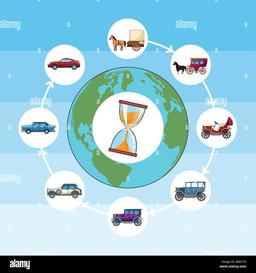
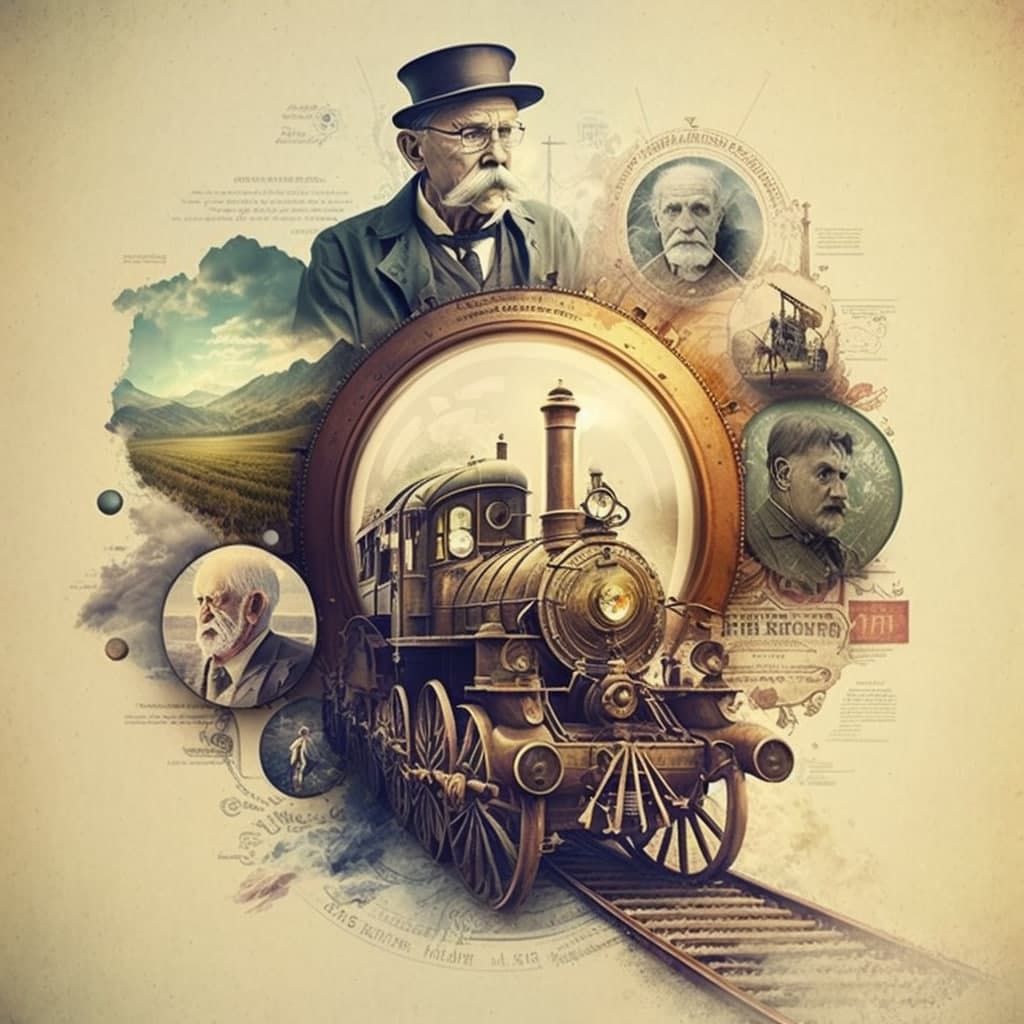
The history of transportation on land
Quiz by Kyra Jade Smit
Customize this quiz to suit your class
Instantly translate to 100+ languages
Tag the questions with any skills you have. Your dashboard will track each student's mastery of each skill.
Give this quiz to my class
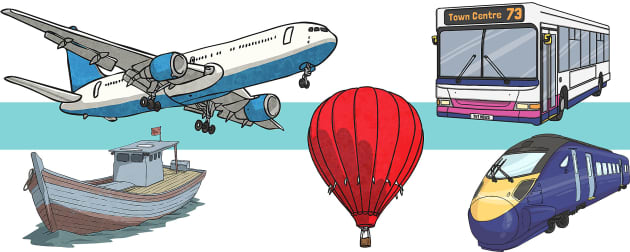
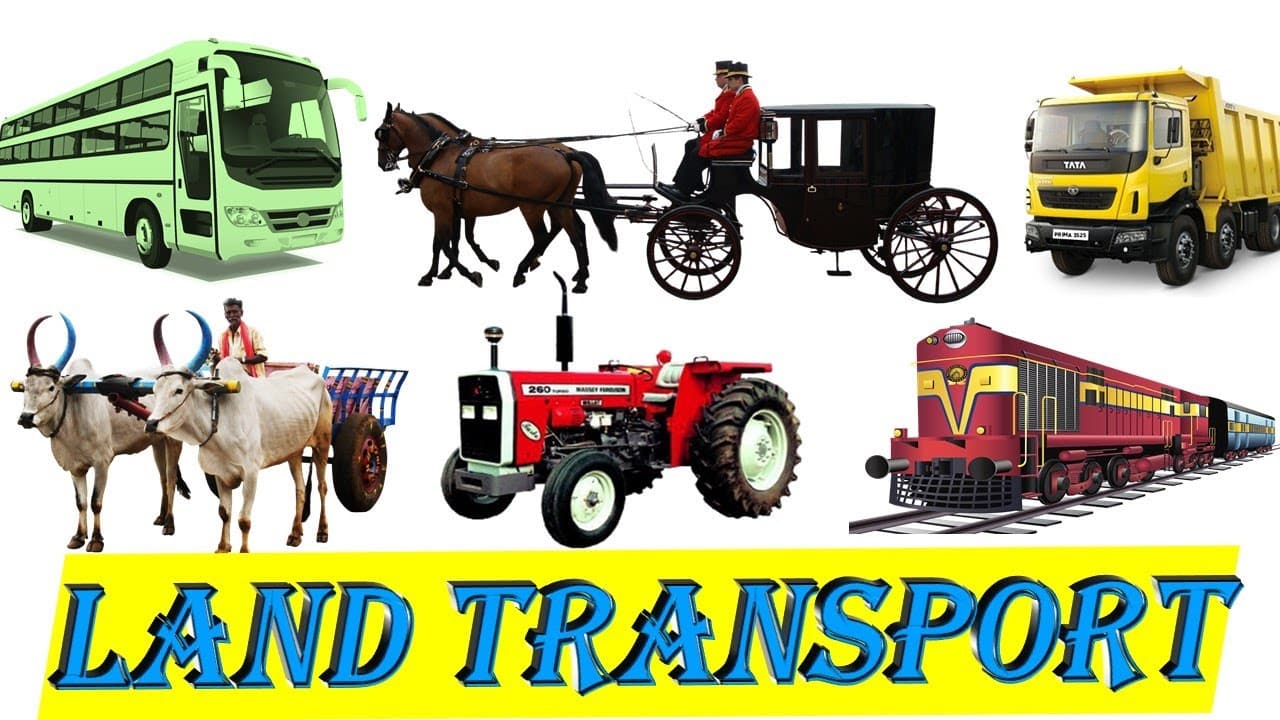
Group the following vehicles under the correct type of transportation:
What invention revolutionized land transportation?
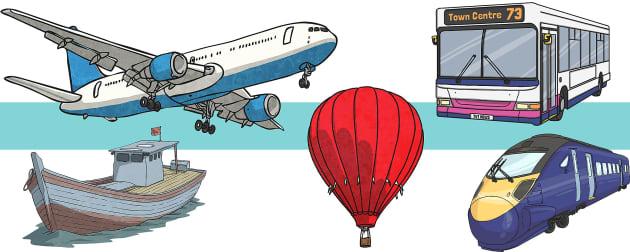
Group the following vehicles under the correct type of transportation:
What invention revolutionized land transportation?
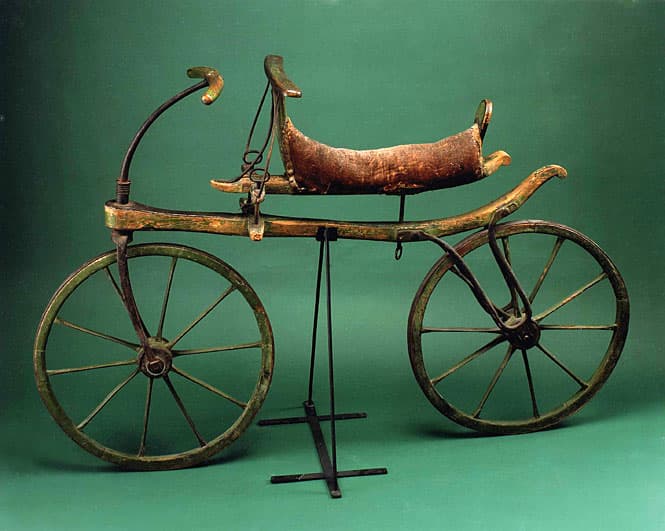
Was the first invented bicycle called " the running machine?"
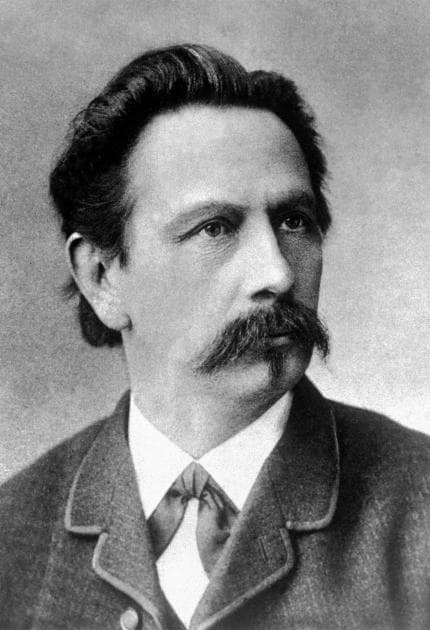
Match the inventor with the correct invention:
 WHAT IS SCIENCE? - is a way in which answers related to NATURAL events are proposed. - a way in which people can learn and UNDERSTAND events in the NATURAL WORLD - based on OBSERVABLE EVENTS - a study of the NATURAL WORLD - a method of DISCOVERY and UNDERSTANDING by using a PROBLEM-SOLVING process called the?? - A systematic body of knowledge based on observation and experimentation. FOUR COMMON CHARACTERISTICS OF SCIENCE: 1. It focuses on the NATURAL WORLD. 2. Goes through experiment. 3. Relies on evidence. 4. Passes through the scientific community. WHAT IS TECHNOLOGY? Brian Arthur (2009) defined technology as: 1. a means to fulfill a human purpose 2. assemblage of practices and components 3. a collection of devices and engineering practices available to a culture. SOCIETY ST (Science Technology) would not exist without society. WHAT IS STS? Science and Technology and Society (STS) is the study of how society, politics and culture affect scientific research and technological innovation and how these, in turn affects society, politics and culture. EVENTS IN THE HISTORY OF SCIENCE AND TECHNOLOGY THAT TRANSFORMED THE SOCIETY (IN THE WORLD) ANCIENT PERIOD 3500 BC. - 500 AD EUROPE - use of fire by Homo Erectus CA 750,000 - Stone Headed Spears CA 45,000 - Wooden bow and arrow CA 20,000 - The Minoans build palaces in Crete CA 2,000 THE AMERICAS - The Folsom people living on eastern side of the Rocky Mountain developed sophisticated tools CA 8,000. - Pottery is made in South America CA 6,000 - Olmec sculpture carves figurines and giant human heads. CA 1200 ASIA AND OCEANA - Earliest known clay pots are made in Japan CA 11,000. - Bronze is first made in Thailand CA 4000 - A lunar calendar is developed in China CA 2950 - Chinese doctors begin using acupuncture CA 2500 - The Hindu calendar of 360 days was introduced in India CA 1000 AFRICA AND MIDDLE EAST - Homo erectus uses stone tools CA 1000000 - CA 15000 in Africa, bone harpoons are used for fishing. - Clay tokens are used for record keeping in Mesopotamia CA 7500 - Mesopotamian mathematicians discover the Pythagorean Theorem MEDIEVAL PERIOD CA 500 -1500 - Dark ages because few written records and evidences remained - Scholastic tradition was established by Charlemagne - Vertical windmills, spectacles, mechanical clock, water mills, gothic style were invented - Johannes Gutenberg invented the printing press RENAISSANCE PERIOD 14TH – 17TH CENTURY - Rebirth of revival - Printing with movable type allowed Bible, secular books made in large amount - Nicolas Copernicus presented a heliocentric theory - Galileo Galilei invented telescope INDUSTRIAL REVOLUTION 18TH CENTURY - Skilled workers were set aside because of the machines - Iron production, steam engine and textile flourished - Scottish James Watt improved steam engine Robert Fulton (steam boat) - The following were invented: Light bulb, telephone, first steam powered locomotive 19TH CENTURY - Age of machine and tools - Herman Helmholtz (law of conservation of energy) - James Clark Maxwell (light as electro-magnetic wave) - Henry Becquerel (radioactivity) - Marie and Pierre Curie (radium) - Hans Christian Oersted (electric current near the magnet) - Michael Faraday (magnet produces electricity) - Atomic Theory proposed by John Dalton - Electron discovered by JJ. Thomson - Telegraph developed by Samuel Morse 20TH CENTURY - Communication, transportation, military research were developed - Personal computer was created - Intel developed microprocessor - Apple was introduced by Steve Jobs and Steve Wozniak - Internet was created (ARPANET) - Henry Ford's mass production of cars - Artificial Intelligence was invented SCIENCE, TECHNOLOGY AND SOCIETY (PHILIPPINE HISTORY) Stone Age - Archeological findings show that modern man from Asian mainland first came over land on across narrow channels to live in Batangas and Palawan about 48,000 B.C. - Subsequently they formed settlement in Sulu, Davao, Zamboanga, Samar, Negros, Batangas, Laguna, Rizal, Bulacan and Cagayan. Inventions - They made simple tools and weapons of stone flakes and later developed method of sawing and polishing stones around 40,000 B.C. - By around 3,000 B.C. they were producing adzes ornaments of seashells and pottery. Pottery flourished for the next 2,000 years until they imported Chinese porcelain. Soon they learned to produce copper, bronze, iron, and gold metal tools and ornaments. Iron Age - The Iron Age lasted from the third century B.C. to 11th century A.D. During this period Filipinos were engaged in extraction smelting and refining of iron from ores, until the importation of cast iron from Sarawak and later from China. INVENTIONS AND DISCOVERIES - They learn to weave cotton, make glass ornaments, and cultivate lowland rice and dike fields of terraced fields utilizing spring water in mountain regions. - They also learned to build boats for trading purposes. - Spanish chronicles noted refined plank built warships called caracoa suited for interisland trade raids 10TH CENTURY A.D. - Filipinos from the Butuan were trading with Champa (Vietnam) and those from Ma-I (Mindoro) with China as noted in Chinese records containing several references to the Philippines. These archaeological findings indicated that regular trade relations between the Philippines, China and Vietnam had been well established from the 10th century to the 15th century A.D. TRADING - The People of Ma-I and San-Hsu (Palawan) traded bee wax, cotton, pearls, coconut heart mats, tortoise shell and medicinal betel nuts, panie cloth for porcelain, leads fishnets sinker, colored glass beads, iron pots, iron needles and tin. SOME PRESPANISH FILIPINO SCIENCE AND TECHNOLOGY - Curative values of plants extract use as medicine - Alphabet (Alibata) - Counting Methods - Weights - Measuring system (isang gatang) - Calendar based on the periods of moon - Banaue Rice Terraces SPANISH REGIME Religion the Catholic Church - The latter part of the 16th Century Development of schools: - Colegio de San Ildefonso-Cebu-1595 - Colegio de San Ignacio-Manila-1595 - Colegio De Nuestra Senora del Rosario-Manila 1597 - Colegio De San Jose-Manila-1601 Colegio De San Ildefonso De Cebu - In 1863 the colonial authorities issued a royal degree to reform the existing educational system. In 1871 the school of medicine and pharmacy were opened to UST, after 15 years it had granted the degree Of Licenciado En Medicina to 62 graduates. Medicine - Development of hospitals San Juan Lazaro hospital the oldest in the far east was founded in 1578. Roads and Bridges Among other Spanish contributions: - Arithmetic - Algebra - Geometry - Trigonometry - Physics - Hydrography - Meteorology - Navigation - Pilotage American Period and Post Commonwealth Era - BUREAU OF GOVERNMENT LABORATORIES (1901) - BUREAU OF SCIENCE (1905) - INSTITUTE OF SCIENCE (1946) RA 2067 OTHERWISE KNOWN AS THE “SCIENCE ACT OF 1958”. - This was enacted to integrate, coordinate, and intensify scientific and technological research and development and to foster invention including allocation of funds and other purposes. NATIONAL RESEARCH COUNCIL WAS ESTABLISHED ON DECEMBER 8, 1933. - Its Mandate (Nrcp) Promotes And Supports Fundamental Or Basic Research For The Continuing Total Improvement Of The Research Capability Of Individual Scientists Or Group Of Scientists; Provides Advice On Problems And Issues Of National Interest; Promotes Scientific And Technological Culture To All Sectors Of Society; And Fosters Linkages With Local And International Scientific Organizations For Enhanced Cooperation In The Development And Sharing Of Information NATIONAL RESEARCH COUNCIL WAS ESTABLISHED IN DECEMBER 8, 1933. - Its Mandate (NRCP) promotes and supports fundamental or basic research for the continuing total improvement of the research capability of individual scientists or group of scientists; provides advice on problems and issues of national interest; promotes scientific and technological culture to all sectors of society; and fosters linkages with local and international scientific organizations for enhanced cooperation in the development and sharing of information. It was during the American Period when Science was inclined towards: - Agriculture - Food Processing - Forestry - Medicine - Pharmacy - NursingTo the Lakota, and other indigenous people on North America's Great Plains, the bison was an essential part of their culture ( expressed in the quote on the previous page). The bison provided meat for nutrition, a hide for clothing and shelter, bones for tools, and fat for soap. The bison was also central to their religious beliefs. So, when European settlers hunted the bison nearly to extinction, Lakota culture suffered. Culture is central to a society and the identity of its people, as well as its continued existence. Therefore, geographers study culture as a way to understand similarities and differences among societies across the world, and in some cases, to help preserve these societies. Analyzing Culture All of a group's learned behaviors, actions, beliefs, and objects are a part of culture. It is a visible force seen in a group's actions, possessions, and influence on the landscape. For example, in a large city you can see people working in offices, factories, and stores, and living in high-rise apartments or suburban homes. You might observe them attending movies, concerts, or sporting events. Culture is also an invisible force guiding people through shared belief systems, customs, and traditions. Culture is learned, in that it develops through experiences, and not merely transmitted through genetics. For example, many people in the United States have developed a strong sense of competitiveness in school and business, and believe that hard work is a key to success. These types of elements, visible and invisible, are cultural traits. A series of interrelated traits make up a cultural complex, such as the process of steps and acceptable behaviors related to greeting a person in different cultures. A single cultural artifact, such as an automobile, may represent many different values, beliefs, behaviors and traditions and be representative of a cultural complex. Since culture is learned there are many ways that one generation passes its culture to the next. Children and adults learn traits three ways: • imitation, as when learning a language by repeating sounds or behaviors from a person or television • informal instruction, as when a parent reminds a child to say "please" • formal instruction, as when students learn history in school 132 HUMAN GEOGRAPHY: AP" EDITION CULTURAL COMPLEX OF THE AUTOMOBILE The automobile provides much more than just transportation, as it reflects many values that are central to American culture. Origins of Culture The area in which a unique culture or a specific trait develops is a culture hearth. Classical Greece was a culture hearth for democracy more than 2,000 years ago. New York City was a culture hearth for rap music in the 1970s. Geographers study how cultures develop in hearths and diffuse-or spread-to other places. Geographers also study taboos, behaviors heavily discouraged by a culture. For example, many cultures have taboos against eating certain foods, such as pork or insects. What is considered taboo changes over time. In the United States, marriages between Protestants and Catholics were once taboo, but they are not widely opposed now. Traditional, Folk, and Indigenous Cultures With the beginning of the Industrial Revolution in the late 18th century, modern transportation and communication connected people as never before and led to extensive cultural mixing, especially as cities have grown. The world prior to this time was very different; however, remnants of the past are still evident in our modern cultures. Traditional, folk, and indigenous cultures share some important characteristics and are often grouped together, but they do have some subtle differences. Traditional Culture Recently, the meanings of traditional, folk, and indigenous culture have begun to merge, causing geographers to debate when each should be used. Increasingly, the term traditional culture is used to encompass all three cultural designations. All three types share the function of passing down long-held beliefs, values, and practices and are generally resistant to rapid changes in their culture. Folk Culture The beliefs and practices of small, homogenous groups of people, often living in rural areas that are relatively isolated and slow to change, are known as folk cultures. Like all cultures, they demonstrate the diverse ways that people have adapted to a physical environment. For example, people around the world learned to make shelters out of available resources, whether 3.1: INTRODUCTION TO CULTURE 133 it was snow or mud bricks or wood. However, people used similar resources such as wood differently. In Scandinavia, people used trees to build cabins. In the American Midwest, people processed trees into boards, built a frame, and attached the boards to it. Many traits of folk culture continue today. Corn was first grown in Mexico around 10,000 years ago, and it is still grown there today. While many elements of folk culture exist side by side with modern culture, there are people whose societies have changed little, if at all, from long ago. These people practice traditional cultures, those which have not been affected by modern technology or influences. They often live in remote regions, such as some small tribes in the Amazon rainforest, and have scant knowledge of the outside world. As the lines continue blurring between cultural designations, the Amish of Pennsylvania are often referenced as both folk and traditional culture. Indigenous Culture When members of an ethnic group reside in their ancestral lands, and typically possess unique cultural traits, such as speaking their own exclusive language, they are considered an indigenous culture. Some indigenous peoples have been displaced from their native lands, but still practice their indigenous culture. Native Americans in the United States, such as the Navajo, have kept indigenous cultural practices. First Nations of Canada, such as the Inuit, have also retained their indigenous culture. Globalization and Popular Culture As a result of the Industrial Revolution, improvements in transportation and communication have shortened the time required for movement, trade, or other forms of interaction between two places. This development, known as space-time compression (see Topics 1.4 and 3.6), has accelerated culture change around the world. In 1817, a freight shipment from Cincinnati needed 52 days to reach New York City. By 1850, because of canals and railroads, it took half that long. And by 1852, it took only 7 days. Today, an airplane flight takes only a few hours, and digital information takes seconds or less. Similar change has occurred on the global scale. People travel freely across the world in a matter of hours, and communication has advanced to a point where people share information instantaneously across the globe. The increased global interaction has had a profound impact on cultures, from spreading English across the world to instant sharing of news, events and music. Globalization specifically refers to the increased integration of the world economy since the 1970s. The process of intensified interaction among peoples, governments, and companies of different countries around the globe has had profound impacts on culture. The culture of the United States is intertwined with globalization. Through the influence of its corporations, Hollywood movies, and government, the United States exerts widespread influence in other countries. But other countries also shape American culture. For example, in 2019, the National Basketball Association included players from 38 countries or territories. When cultural traits- such as clothing, music, movies, and types of 134 HUMAN GEOGRAPHY: AP. EDITION businesses-spread quickly over a large area and are adopted by various groups, they become part of popular culture. Elements of popular culture often begin in urban areas and diffuse quickly through globalization processes such as the media and Internet. These elements can quickly be adopted worldwide, making them part of global culture. People around the world follow European soccer, Indian Bollywood movies, and Japanese animation known as anime. With people in many nations wearing similar clothes, listening to similar music, and eating similar food, popular cultural traits often promote uniformity in beliefs, values, and the cultural landscape across many places The cultural landscape, also known as the built environment (see Topic 3.2), is the modification of the environment by a group and is a visible reflection of that group's cultural beliefs and values. Traditional Culture to Popular Culture Popular culture emphasizes trying what is new rather than preserving what is traditional. Many people, especially older generations or those who follow a folk culture, openly resist the adoption of popular cultural traits. They do this by preserving traditional languages, religions, values, and foods. While older generations often resist the adoption of popular culture, they seldom are successful in keeping their traditional cultures from changing, especially among the young people of their society. One clash between popular and traditional culture is occurring in Brazil. As the population expands to the interior of the rain forest, many indigenous cultures, like the Yanamamo tribe, have more contact with outside groups. Remaining isolated by the forest is becoming increasingly difficult as many young people from the indigenous cultures become exposed to popular culture and begin to integrate into the larger Brazilian society. As the young people leave their communities, they are more likely to accept popular culture at the expense of their indigenous cultural heritage, which threatens the very existence of their folk culture. Traditional culture typically exhibits horizontal diversity, meaning each traditional culture has its own customs and language that makes it distinct from other culture groups. Yet, people people within each group are usually homogeneous, or very similar to each other. By contrast, popular culture typically exhibits vertical diversity, meaning that modern urban societies are usually heterogeneous, or exhibiting differences, within the society and usually contain numerous multiethnic neighborhoods. However, on a global scale popular cultures are relatively similar with the same type of malls, shops, fast food, and clothing. Urban global culture centers are not identical, yet, global cities often do not have as much horizontal diversity across space as folk cultures. 3.1: INTRODUCTION TO CULTURE 135 COMPARING TRADITIONAL AND POPULAR CULTURE Trait Traditional Culture Popular or Global Culture Society • Rural and isolated location • Urban and connected location • Homogeneous and • Diverse and multiethnic indigenous population population • Most people speak an • Many people speak a global indigenous or ethnic local language such as English or language Arabic • Horizontal diversity • Vertical diversity Social • Emphasis on community and • Emphasis on individualism and Structure conformity making choices • Families live close to each • Dispersed families other • Weakly defined gender roles • Well-defined gender roles Diffusion • Relatively slow and limited • Relatively rapid and extensive • Primarily through relocation • Often hierarchical • Oral traditions and stories • Social media and mass media Buildings and • Materials produced locally, • Materials produced in distant Housing such as stone or grass factories, such as steel or glass • Built by community or owner • Built by a business • Similar style for community • Variety of architectural styles • Different between cultures • Similar between cities • Traditional architecture • Postmodern / contemporary architecture Food • Locally produced • Often imported • Choices limited by tradition • Wide range of choice • Prepared by the family or • Purchased in restaurants community Spatial Focus • Local and regional • National and global Artifacts, Mentifacts, and Sociofacts Whether a cultural attribute is considered traditional, folk, indigenous, or popular in nature, it is valuable to differentiate between elements of culture that can be seen and those that can not. There are artifacts that comprise the material culture, which consists of tangible things, or those that can be experienced by the senses. Art, clothing, food, music, sports, and housing types are all tangible elements of culture. Another element of the study of artifacts is understanding the techniques to use or build a specific artifact. Artifacts can be unique to a particular culture, or can be shared. For example, people of all cultures need to communicate through language, yet there are many groups that possess languages unique to their culture. The ability to read, write and understand the English language is an artifact of importance for much of popular global culture. 136 HUMAN GEOGRAPHY: AP" EDITION Mentifacts comprise a group's nonmaterial culture and consist ofintangible concepts, or those not having a physical presence. Beliefs, values, practices, and aesthetics (pleasing in appearance) determine what a cultural group views as acceptable and desirable. Mentifacts can also be unique or shared. People of many cultures possess an belief in one or many deities, and often the deities are unique to that culture. The belief in a god is a mentifact-the religious building or symbols are artifacts. Cultural groups also possess sociofacts, which are the ways people organize their society and relate to one another. Taken altogether, people tend to see the whole of their culture as greater than the sum of its individual parts. Sociofacts are embodied through families, governments, sports teams, religious organizations, education systems, and other social constructs. As with artifacts and mentifacts, sociofacts may also be unique or similar to other societies. Families are the foundations of most societies, yet what constitutes the structure of a family may vary widely between cultural groups. For example, Western cultures tend to view the nuclear family, consisting of the parents and their children as the basic family unit. By contrast, in many Western African cultures the norm is the extended family, consisting of several generations and other family members such as cousins living under one roof.The Northeast is characterized by its long coast along the Atlantic Ocean, making it a defining landform of the region. There are no deserts or Rocky Mountains in the Northeast, and the Mississippi River does not play a significant role in the region's geography. A sound is a body of water that separates a mainland and an island. For example, Long Island Sound is located between New York and Connecticut. The coastal areas of the Northeast are known for their many islands and attract more visitors and tourists compared to the mountain areas. The mountain areas, on the other hand, are made up of older landforms and ranges such as the Appalachian Mountains. Evidence of glaciers once covering the Northeast includes the numerous lakes and ponds found in the mountain areas, which were left behind after the glaciers receded. The Northeast region’s four largest rivers drain into the Atlantic Ocean. This geographic feature contributed to the development of major cities along the Atlantic coast, as these rivers provided access for transportation and trade. Maple syrup is an example of a forest resource found in the Northeast region. It is made from the sap of sugar maple trees, which thrive in the region’s forests. New Hampshire is nicknamed the Granite State because of its rock quarries, which have been a significant part of the state’s history and economy. Vermont is well-known for its dairy farms, while Massachusetts is famous for its cranberry bogs, which are a unique feature of the state’s agriculture. Snow is considered a resource in the Northeast because it attracts skiers and tourists to states like Vermont, boosting the local economy. Tourism in the Northeast is most directly influenced by attractions such as historic homes in Rhode Island, which showcase the region’s rich history and culture.1. Settlements Importance of Rivers Fertile Land: The soil near rivers was great for farming, thanks to regular flooding that added nutrients. Trade and Travel: Rivers made moving things and people easy, which helped trade and communication. Protection: Rivers could act as natural barriers, making it harder for enemies to attack. Food: Rivers were full of fish and other food, adding to what people could eat. Energy: People used the river's flow to power machines, for example, grinding grain. Cleanliness: Rivers were used to wash away waste, keeping settlements cleaner. Culture: Rivers often had spiritual importance, and ceremonies and stories revolved around them. Common Geographic Features of Ancient Civilizations Mesopotamia: the Tigris and Euphrates Rivers in central Iraq Indus River Valley: the river runs in the northwestern part of India Nile River Valley: the major river of Egypt Yellow River Valley: a major river flowing through the southern part of China Rivers provided water, food, transportation, and shaped the way of life and development of these ancient civilizations. Impact of Mountains on Settlements Mountains served as barriers to early settlement due to the lack of technology to cross them. The Himalayan Mountains isolated much of India and China during their early development. Impact of Deserts on Migration Deserts posed significant challenges to people who wanted to migrate due to their harsh and unforgiving conditions. Notable deserts include the Empty Quarter in Saudi Arabia and the Sahara Desert in Africa. Changes in Migration and Cultural Blending Advancements in transportation technology post-Industrial Revolution increased cultural blending. Transportation advancements enabled global migration. Before, cultures were isolated, focusing on beliefs and local adaptations. The Industrial Revolution transformed migration and cultural blending. 2. How Humans Modify and Adapt to Their Environment Ways Humans Modify Their Environment Mining: Removing the earth's surface for precious metals. Irrigation: Diverting water for farming. Transportation: Moving goods with trains, cars, airplanes, and boats. Mining Strip mining removes large layers of the earth. Can impact the environment by removing plants and polluting water sources. Irrigation Diverting water for farming and urban development. Transportation Moving goods using trains, cars, airplanes, and boats. Human Adaptation to the Environment Adjusting to environmental conditions by changing behavior. Examples: Wearing specific clothing, using specific building materials. Human Modification of the Environment Changing the earth to meet human needs by physically altering the environment. Examples: Dams, canals, roads, bridges. Impact of Weather and Geological Events on Humans Events like earthquakes, hurricanes, and cold weather affect human settlements. Examples: Building earthquake-resistant buildings, creating levees, using ice for tourism. 3. Understanding Culture Introduction to Culture Culture refers to the way of life of a group of people who live in a particular place. It includes traditions, beliefs, values, and the way they do things. Cultural Characteristics Religious traditions Language Family values Laws Cultural characteristics make each culture unique. Cultural Representations Art Architecture Music Literature Cultural representations express a culture's creativity and show their beliefs and history to the world. Government and Culture Types of government reflect cultural beliefs and traditions. Examples: democratic republic, communist state. The way a country is governed tells a lot about its culture. Economic Systems and Cultures Economic systems reflect cultural values. Examples: bartering, modern economies (e.g., United States, China). How people earn and spend money also reflects their culture. Spread of Cultural Ideas Trade: Spreading ideas through interactions during trade. Travel: Visitors bringing new ideas. War: Conquering armies imposing beliefs. Cultural ideas spread through trade, travel, and war. Multicultural Societies Blending of multiple cultural and ethnic groups. Common in advanced societies with immigration. Multicultural societies create something new by bringing together different cultures. Cultural Adaptation Cultures can change and adapt by taking new ideas and blending them with their own traditions. Example: 'Tex-Mex' food, which blends Mexican and Texan traditions.Earlier in 2019 there was a lot of femicide uh girls being killed by their boyfriends because they did one or two things there are also cultures of if there is violence in terms of a marital relationship that that is fine if there's a marital rape that that is fine so you find such situations being normalized and it being also a taboo to speak about those issues the 2030 agenda for sustainable development is grounded in respect for human rights and the power of people to change the world every individual on the planet has the right to health and well-being in all aspects of their sexuality their body and their reproductive choices ensuring these rights is integral to addressing poverty education violence against women and gender equality sexual and reproductive health rights are agreed in international law they were fought for by courageous women's rights activists and advocates across a broad range of professional fields and frontline experiences by movements of all ages levels and backgrounds they are still being fought for while progress has been made globally many barriers remain especially for those most marginalized excluded or discriminated against human rights are central to delivering the 17 sustainable development goals in the sustainable development agenda indeed each sdg target is simultaneously a metric and a claim for human rights the interplay between these political commitments and human rights obligations is particularly important when it comes to achieving sexual and reproductive health rights for decades human rights-based tactics have been used to drive progress in this episode of right to a better world experts share challenges they have faced and tactics they have used to address them the challenges they describe occur in settings all around the world the strategies used are ones that they have found to be successful in their own settings viewers are encouraged to learn from these experiences and consider how tactics could be adapted to their own context when sexual and reproductive health begins with equality the discussions decisions programs and policies which follow can build towards a future where every individual is not only born free but lives free and equal in dignity and rights without violence or discrimination the time to take action is now violence against women is any act that results in or is likely to result in physical sexual or psychological harm or suffering to women this includes threats of such acts coercion or arbitrary deprivation of liberty in public or private life it happens everywhere in every country in the home in communities at work and at school crises including health and humanitarian crises frequently contribute to higher rates of violence against women violence against women is directed at women because of their status as women the consequences are dire jeopardizing women's health including sexual and reproductive health and mental health hampering their ability to participate fully in society causing tremendous physical and psychological suffering for both women and their children the majority of women survivors of violence do not disclose or seek any type of services efforts to address violence against women must recognize the many different contexts in which it occurs and the many different forms it can take the majority of violence against women is committed by an intimate partner her current or previous boyfriend or husband globally around 30 of women have experienced physical and or sexual violence by an intimate partner in their lifetime this increases the risk of acquiring an sti or in some regions hiv by 1.5 fold when a woman is experiencing violence especially from her partner she's really unable to keep safe from hiv men have power to decide how when and where sex should be done and the woman is at risk of being infected because she cannot say no schools are another setting where violence against girls can take place assault and harassment during their commute bullying sexual harassment and mental or physical abuse on school property are all challenges across various country contexts this has a direct impact on girls access to inclusive quality education a target of sdg4 and an indirect impact on many of their other human rights young girls are taking advantage of at a very young age and they do not understand the choices and the avenues whereby they can exercise their rights when it comes to sexual productive health and rights and so you find a lot of dropouts and a lot of girls also going through a lot of traumatic experiences that would be avoided if they had guidance promoting a safe and secure working environment for all is a cornerstone of sdg 8. this includes a workplace free from sexual harassment and violence but for many women especially women migrant workers and others in precarious employment this is far from reality so we went to naivasha which is a flower farm and we've met the informal workers the casual liberals working for the flower farms when for example the sexual violence cases are reported companies don't take them very seriously a wide range of tactics have been used to prevent and address violence against women and girls and to recognize it as a fundamental violation of human rights prevention of intimate partner violence is possible when interventions are informed by evidence of what works we started out by describing the problem we've now moved to research on what works what are the kinds of interventions that are successful both for preventing the problem from happening in the first place and also from interventions to respond the respect women framework on preventing violence against women developed by the who un women ohchr and other international agencies promotes seven strategies which focus on relationship skills strengthening empowerment of women services for health justice police and social sector poverty reduction environments made safer including schools workplaces and public spaces child and adolescence abuse prevented and transformation of gender attitudes beliefs and norms this action-oriented framework can enable policy makers and health implementers to design plan implement monitor and evaluate interventions and programs to prevent violence against women we have come a long way for sure we still have some ways to go and we need to do more to stop this violence from happening in the first place this involves addressing the social norms that still prevail in many settings that make this form of violence acceptable women are not exposed to gender-based violence by accident all because of an inbuilt vulnerability violence against women is rooted in discriminatory social norms and power dynamics dismantling these underlying causes of violence against women and girls is at the heart of achieving gender equality and empowering all women and girls as set out in the targets and indicators of sdg 5 ensuring healthy lives in sdg3 and reducing inequalities in sdg 10. women and men are valued differently society has heap privileges on the men while the women are looked at as subordinate power is not only the problem but also the solution to preventing violence against women we are making it personal everyone connects with power every day people living with power or grappling with power they find themselves within this whole conversation if you're working to create gnome change there has to be change at all levels strategies to raise awareness in communities about violence against women and girls are critical as there is still a lot of stigma and shame which inhibits many women and girls from talking about it intervention is like a big complicated word sometimes it's just about talking about dialogue i mean the fact that we went into schools and just began a conversation with parents um bringing them together in the school along with the school personnel and then having the conversation start from there and we also sort of train providers within schools to appropriately refer children to health facilities for care what we found was that this dialogue began to spark other conversations in the community and i guess they just felt that oh it's actually okay to talk about this openly rather than pretend that nothing is going on sassa is a community mobilization approach to prevent violence against women and hiv and aids it is activist led it's not workshop heavy based it comes away from the traditional programming of organizations going to do things themselves instead they support activists who do the activities with their friends and neighbors health systems play a critical role in responding to violence wherever it occurs supporting health workers to respond appropriately to violence as well as ensuring their work environment enables them to provide safe effective and quality survivor centred care are important strategies for better addressing violence against women and girls um we came to learn not to ask direct questions not to give our opinion or our judgment on them and let her speak and once with that flow starts once that connection is established that doctor-patient relationship emotionally is established she will actually tell you the whole history legal frameworks to promote enforce and monitor equality and non-discrimination on the basis of sex are an important sdg 5 indicator but putting laws in place does not automatically make them effective there are existing protections for women in the workplace or for individuals in the workplace in relation to harassment but we know from our call for evidence that they are not actually addressing the problem the recommendations that we developed included government implementing a mandatory duty for employers to take preventative steps to address harassment in the workplace so what we would like to see is government implement a much stronger legislative duty it has taken decades of struggle by the women's rights movement to persuade the international community to view violence against women as a human rights concern and a sustainable development priority not a private matter governments have obligations to respect protect and fulfill the right to a life free of violence and to provide for sanctions when they fail when seeking accountability the priority consideration must always be the safety and well-being of survivors respecting their wishes and autonomy and supporting them to make informed choices about the type of justice they want context is vitally important there are many strategies to hold perpetrators accountable including strategic litigation and public campaigns when the teachers impregnate the girls that means the system has failed and okay what they do is they blacklist the teachers and they are always removed from the payroll but we think that is not enough the case that was quite interesting is where one of the judges she did find a ruling against the teacher service commission the commission that is responsible for hiring teachers asking them that they must take responsibility and they were ordered to pay compensation to the girls who had gotten pregnant while in school the justice police issue came about a few years back when a young girl was raped and the punishment for her being ripped was that harappa she was gang-ripped and therapists were told to slash grass feminist organizations and young women organizations came back to the police and the police commissioner to ask and request that the people who are found to be perpetrators should be punished according to our constitution and according to the laws of the land and those are very big campaigns to get better justice so consequently they were jailed but also it was a sign that the system the police system had to be checked in terms of when someone reports a case any case of violence what happens and how is it followed through the maria pedra is another example of litigation that became a political mobilizer so this was a case from the inter-american commission that really galvanized a change in public policy a huge change because it was a case that addressed gender-based violence intimate partner violence it called on responsibility of brazil also for not having prevented this kind of violence the reality of a case that says you have the right to not be bruised you have the right to be free of physical psychological violence it's powerful it can change women's lives investing in autonomous women's movements has been one of the most important drivers of changes in laws and policies to address violence against women over the past 40 years according to data from over 70 countries women organizing to advance women's status define the very concept of violence against women raised awareness of the issue and put it on national and global policy agendas often we thought that it takes generations or centuries to change working intensely with the communities we can actually see change coming violence against women and girls is a violation of fundamental human rights to life and to physical and psychological integrity not to be tortured or treated in an inhuman and degrading way to respect for private and family life and the right not to be discriminated against this understanding is more than theoretical human rights-based tactics can offer a practical route to addressing systemic challenges across all the circumstances where violence against women and girls occurs including but not limited to at the hands of their partners at school and in the workplace by using evidence-informed prevention strategies addressing power relations and social norms community mobilizing and dialogue supporting health systems and professionals putting in place strong legal frameworks accessing justice and ending impunity feminist organizing and mobilizing every individual can help to deliver the 2030 agenda for sustainable development building a world in which women and girls are free from all forms of violence and discrimination [Music] youRichard Bland College (RBC), Virginia’s selective, two-year, residential, liberal arts transfer institution, was born through innovation. In 1959, years before the Virginia Community College system was imagined, Frank Ernst – a Gateway region native, entrepreneur, and retired executive of Hopewell’s Allied Chemical Plant – proposed the creation of an institution grounded in the liberal arts tradition with opportunities for specialized training in in-demand fields such as engineering to the State Council of Higher Education. After discussions with Virginia Tech and the University of Virginia, Ernst found a willing partner in the College of William & Mary, the second-oldest university in the United States, who founded Richard Bland College in 1960. RBC has since offered multiple certificates and university-parallel two-year degrees. The College was named for the Virginia statesman and champion of public rights, Richard Bland. Son and grandson of successful planters, Richard Bland was educated at The College of William and Mary. From 1742 until his death in 1776, he represented the area in which the College is now located, first in the House of Burgesses, and later, with the adoption of a state constitution, in the House of Delegates. He also served as a delegate from Virginia in both the First and Second Continental Congresses. It seems fitting, therefore, that an institution of higher learning located in an area served for so many years by this distinguished Virginia patriot and scholar, should derive its name from one whom Jefferson described “as the most learned and logical man of those who took prominent lead in public affairs.” Before the Civil War, the property on which the College is now located was a plantation owned by the Gurley family. It became an important part of the Union-occupied territory during the 1864-1865 Siege of Petersburg. The present campus was the scene of two battles during that campaign. Shortly after the turn of the century, Hatcher Seward established a dairy and cattle farm on the former Gurley property and constructed two farmhouses. Today they serve as the President’s residence and the Hospitality House. In the early 1900s, the still-beautiful grove of pecan trees was planted. The farm was used as a work camp for about twenty conscientious objectors during World War I. The Commonwealth of Virginia authorized Central State Hospital to purchase the land in 1932 for use as the Petersburg Training School and Hospital for African-American Youth. That institution was moved in 1959, and the land, still owned by the Commonwealth, became the location for the establishment of Richard Bland College of The College of William and Mary. Under the guidance of Colonel (Ret.) James M. Carson, the former hospital and training facility was transformed into Richard Bland College, and classes were held beginning in 1961. In the late 1960s, Ernst Hall (named for a local business leader influential in the establishment of the college) was added to the original campus. In addition, a Student Center Library building and a gymnasium also were constructed in the early 1970s. Colonel Carson retired as the founding President of the College in 1973. From 1973 through 1975, Dr. Cornelius Laban, Professor of Biology, Emeritus, served as the Acting President of Richard Bland College. In 1975, Dr. Clarence Maze succeeded Colonel Carson as Richard Bland College’s second President. During his tenure, Richard Bland College expanded its academic programs, added an Asian water garden that was designed by Dr. Maze and expanded international programs and travel. In recognition of his service to the College, the renovated administration building was named Maze Hall upon his retirement in 1996. In 1996, Dr. James B. McNeer succeeded Dr. Clarence Maze as Richard Bland College’s third President. Dr. McNeer introduced a residential life program and oversaw the addition of the Residential Village in 2008. The Residential Village was comprised of two dormitories, Freedom Hall and Patriot Hall, which housed 250 students. A new Science and Technology Building was added in 2010, and in recognition of his service to the College, this building was named James B. McNeer Hall. Dr. McNeer retired in 2012. In 2012, Dr. Debbie L. Sydow succeeded Dr. James McNeer as Richard Bland College’s fourth president. Dr. Sydow expanded the reach, range and diversity of students attending Richard Bland College. She oversaw a physical campus transformation through extensive building renovation and new construction, creation of a Business Innovation Park, and conservation of the iconic pecan grove and water garden. President Sydow reinstituted intercollegiate athletics in 2013 and has since hailed three NJCAA national championship teams. She supported the Foundation’s emergence as a vibrant, entrepreneurial organization led by a Board of Directors composed largely of alumni, and she secured the largest private gift in College history to launch the W&M Promise Scholars program. By effectively leveraging partnerships, President Sydow boosted work-based learning and expanded academic and career pathways for students.A Brief History of Washington’s Crossing of the Delaware River, Christmas Night 1776... In the fall of 1776, General George Washington and his army had suffered a series of defeats at the hands of the British Army. The Continental Army had lost every battle with the British in the New York campaign: Long Island, Manhattan, Brooklyn Heights, Harlem and White Plains and had surrendered Fort Washington and Fort Lee. At Fort Lee, the army barely escaped and was forced to leave behind its store of provisions, ammunition, and many of its weapons. A sense of defeat had settled around Washington as he was forced to retreat across New Jersey in November and finally to Pennsylvania on December 8, 1776. The British, at least, considered the war over. By December 11th, the only reason the British had not taken Philadelphia, the seat of the Continental Congress, was that Washington had ordered every boat in the Delaware River on the New Jersey side to be brought to the Pennsylvania side, thus denying the British army transportation. Washington knew that the British would be capable of resuming an offensive by crossing the Delaware once it iced over. As the harsh winter set in, the morale of the American troops was at an all-time low. The soldiers were forced to deal with a lack of both food and warm clothing, while Washington watched his army shrink because of desertions and expiring enlistments. Now, more than ever, a victory was desperately needed. Washington devised a courageous plan to take the offensive and cross the Delaware River on Christmas night and attack the Hessian garrison at Trenton, New Jersey, nine miles south of his encampment near McConkey's Ferry. The original plan called for three divisions to cross the Delaware under the cover of darkness. Lt. Col. John Cadwalader's division was to cross at Bristol and engage the southern most contingent of British forces — Hessian troops under the command of Colonel von Donop. General James Ewing's division was to cross at Trenton Ferry and take a position south of Assunpink Creek below Trenton and hold the bridge over that stream. Washington's division was to cross at McConkey's Ferry and then divide into two corps under General Nathanael Greene and General John Sullivan. Their point of attack was Trenton and the Hessian troops quartered there under the command of Colonel Johann Gottlieb Rall. The boats to be used for the crossing were gathered earlier in the month in compliance with General Washington's orders, primarily as a defensive measure. Various types of boats had been collected, most notably the large Durham boats used to carry pig iron down the Delaware to the Philadelphia markets. There were a number of problems in moving a large number of men, cannons, and supplies in an age when overland transportation was by foot and animal power. The roads were rutted and winding. There were no bridges over major rivers because the technology did not exist to span great distances. A river like the Delaware was crossed by ferry, sometimes out of service because of ice floes or floods, and certainly not designed to carry masses of men and equipment across quickly. A river could be a formidable natural barrier to an army on the move. Washington had several logistical concerns for the crossing. In addition to the troops were the cannon; each of which required at least two horses to pull it. The heavier twelve pounders, and probably the eight pounders, had four horses. There would have been between four and six ammunitions wagons. Officers of the rank of colonel or higher may have had horses. In sum, Washington had to move 2,400 men, eighteen cannons, at least four ammunition wagons and fifty to seventy-five horses across the Delaware River the night of December 25, 1776. Fully expecting to be supported by Cadwalader's and Ewing's divisions south of Trenton, Washington assembled his own troops near McKonkey's Ferry in preparation for the crossing. By 6:00 pm, 2,400 men had begun crossing the ice-chocked river. There was an abrupt change in the weather, forcing the men to fight their way through sleet and a blinding snowstorm. The river was flooded with sheets of ice moving at eleven or twelve miles per hour. These obstacles proved to be too much for the two supporting divisions led by Generals Cadwalader and Ewing, who did not cross at their assigned points along the river. It was Washington's pure force of will and determination that led to his troops' successful crossing of the river. Increasing Washington's odds were the sailors of Marblehead, Massachusetts. This group of hardened seamen, led by Col. John Glover, were used to the Nor'easters of New England. Sheer determination and muscles conditioned to the demands of rowing under the weather conditions now facing the Continental army enabled the Marbleheaders to row back and forth across the Delaware countless times. During the time of the Revolution, American soldiers marched single file along the margins of the roads. They were only assembled into a battle line (three deep) when they reached the battlefield. The battle plan had Washington's army marching in two divisions... General Greene's and General Sullivan's. They made a night march in two columns on separate roads, a very tricky operation that was prone to failure since the columns needed to arrive at the battlefield at the same time to carry out the surprise attack planned by Washington. The American army carried out the march flawlessly. Against all odds, Washington and his men successfully completed the crossing and marched to Trenton on the morning of December 26th and, in the resulting battle, achieved a resounding victory over the Hessians. By moving ahead with his bold and daring plan, General Washington reignited the cause of freedom and gave new life to the American Revolution.History of policing Pre-confederation Mostly informal policing by community residents First police officers Quebec city, mid 17th century Upper Canada, early 19th century Mandate Police conflicts between ethinc groups and employes/labours Maintain moral standards (drunkenness, alcoholism) Apprehend criminals Provincal Police Force Response to disorder resulting form gold strikes in 19th century Replaced by RCMP during 20th century Currently, Ontario,Quebec and parts of Newfoundland have their own provincal police force History of RCMP North-Wesr Mounted Police Founded in 1873 Maintain law and order Ensure orderly settlement in prairies Many problems: desertion, resignation and improper conduct Replaced by Royal Canadain Mounted Police Police Today About 70,000 police officers across Canada 199 police officers per 100,000 population Lower than Scotland (337), England(244), U.S (238) NUmber increased over past decade NUmber of female officers increased 1 out of 5 officers is a women Contemporary Policing Structure of policing Four levels Federal, Provincial, municipal, and First nations Also public transportation police (railway, airport, and transit) Some municipalities have own forces E.g, Peel, Toronoto Others use provincial force detachments or RCMP detachments Royal Candanin Mounted Police Governed by Royal Canadian Mounted Pollcei Act (1985) Broad Range of policing activities, including federal policing and international peacekeppiong Contract Policing Provincial, territorial and municipal level Concerns about local oversight and accountability In but not of communities-difficult to ensure that RCMp detachments are responsive to communities Provincial Police Three forces Ontario Provincial Police Surete du Quebec (SQ) Royal Newfoundland Constabulary (RNC) Other provinces contractually use the RCMP Responsibilities Police rural areas and areas outside municipalities Enforce provincial laws and Criminal Code Regional Police Amalgamated Forces E.g Peel region police and Halton Regional Police Force Provide Police Services to over Half of Ontarians Advantages Cheaper, more servies Disadvantages To centralized, not in touch with community Municipal Police Responsibilites Enforce Criminal Code, Provincal Statues, municipal by laws, some federal statues (e.g drugs) Largest number of officers of any level My be contracted to RCMP or Provincal force Costs are paid by the municipality First Nations Type of policing is negotiated by First Nations Commnity Autonomous reserve based First Nations Officers from RCMP or OPP Responsibilites Enforce Criminal Code, federal and provicanl statues, band bylaws Accountability Reserve based police commission or band council Private Security Services Two main types 1. Private Security Firms 2. Company based, in house security officers No more legal authority than ordinary citizens But can arrest and detain people who commit crimes on private property In Canada, Private security officers outnumber police officer by four to one Parapolice Extension of activities Lack of systems of oversight like transitional police Police Work POlicing The activities of any indivual or organization acting legally on behalf of public or private organizations or persons to maintain security or social order Pluralization of Policing The sharing between public and private security Legislative Framework Carry out tasks within a number of legislative frameworks, define role, powers/responsibilites Canadian charter of rights and freedoms- most impactful on power/actvites of police Provincial and municipal legislation - Status such as motor vehicle administration acts, highway traffic acts, liquor acts and provincial/musincpal police acts Democracy Governance Categories of Policing Recruitment and Training of police officers Police recruitment Recruiting Visible Minorites and Aboriginal People Special initvates and programs for youth, women and visible minorities PEACE (Police Ethnic and Cultureal Exchange) OPPBound (particpate in variety of activate with officer) Toronto POlice recruitment of Somali Officers Edmonton police uniforms that include a hijab Police Training Residential/non-residential academies, centralized and decentralized Physical and academic instruction, socilization into the police occupation Operational field traiing Hands-on application of principles learned in the academy Mentoship form senior officer Working Personality of Police officers Challenges of Police Work Work Enviroment Long hours and shift work Exposure to stressors, especially in high demand environments PTSD and burnout Work Organiztion Harassment of female officers Cumbersome of system of internal redress Summary A number of misconceptions arounds police work, including th emotion that most police work involves crime control A variety of influences on the roles and activities of the police Four levels of policing: federal, provincial, mnicipal and First Nations, each with different responsibilities