Loading...

The more, the better
Quiz by Nisachon C.
Customize this quiz to suit your class
Instantly translate to 100+ languages
Tag the questions with any skills you have. Your dashboard will track each student's mastery of each skill.
Give this quiz to my class
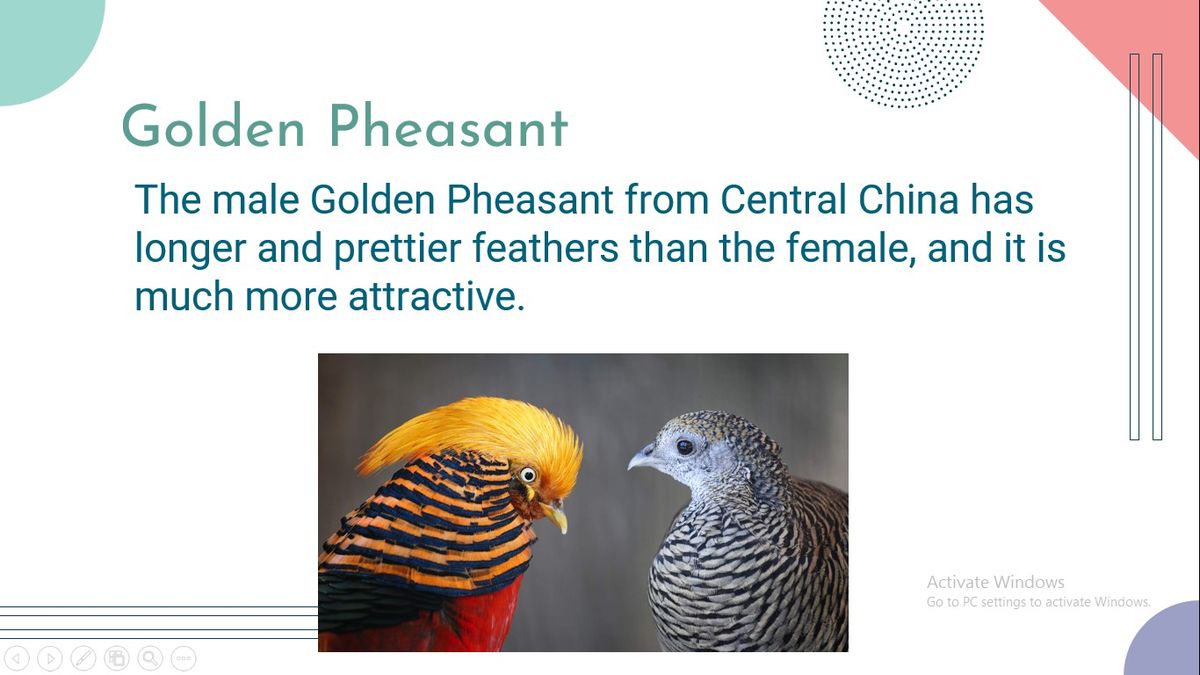
Male birds are more attractive than females.
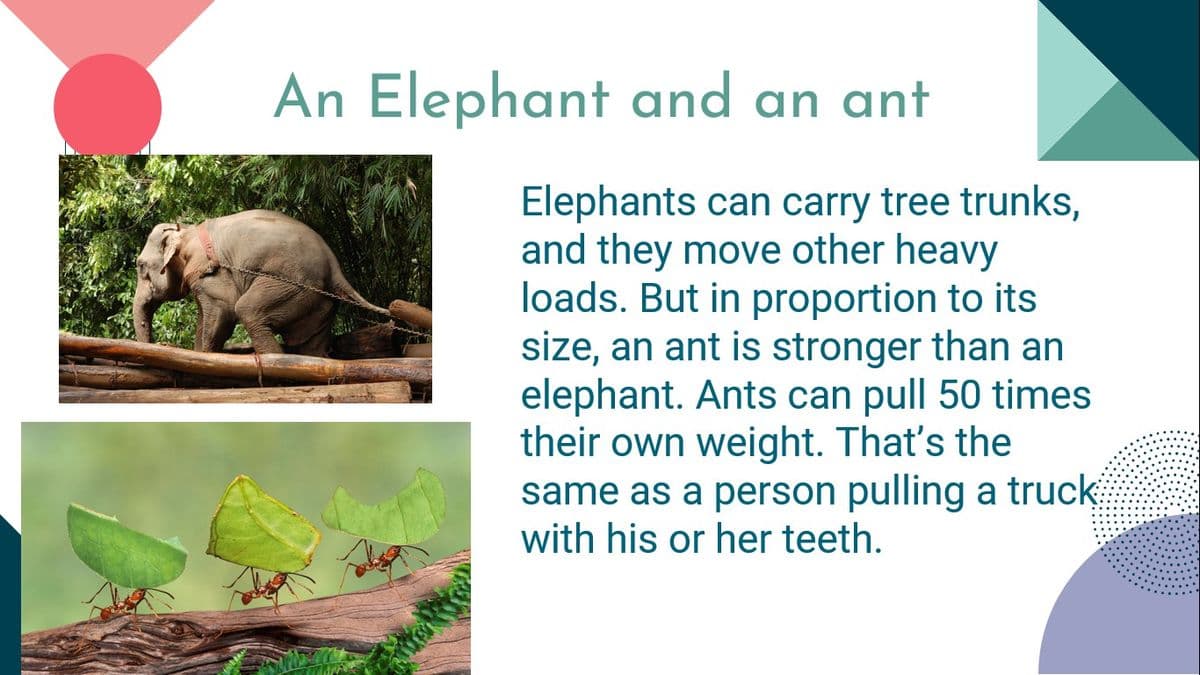
Ants are stronger than elephants.
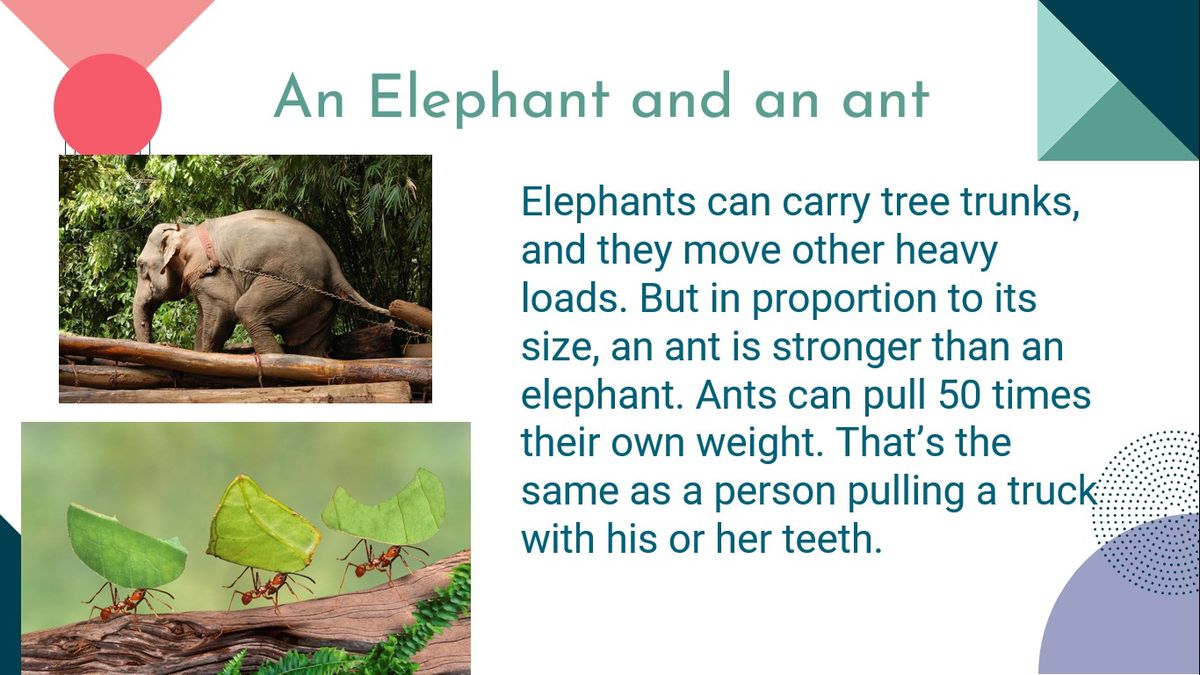
Male birds are more attractive than females.
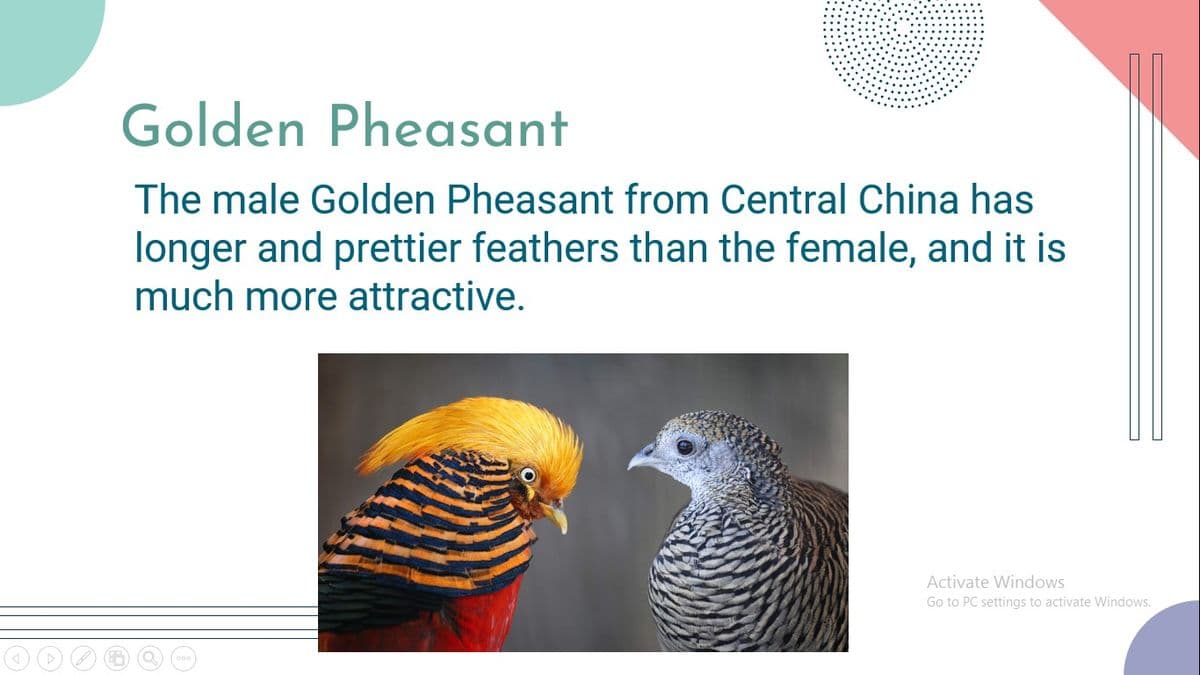
Ants are stronger than elephants.
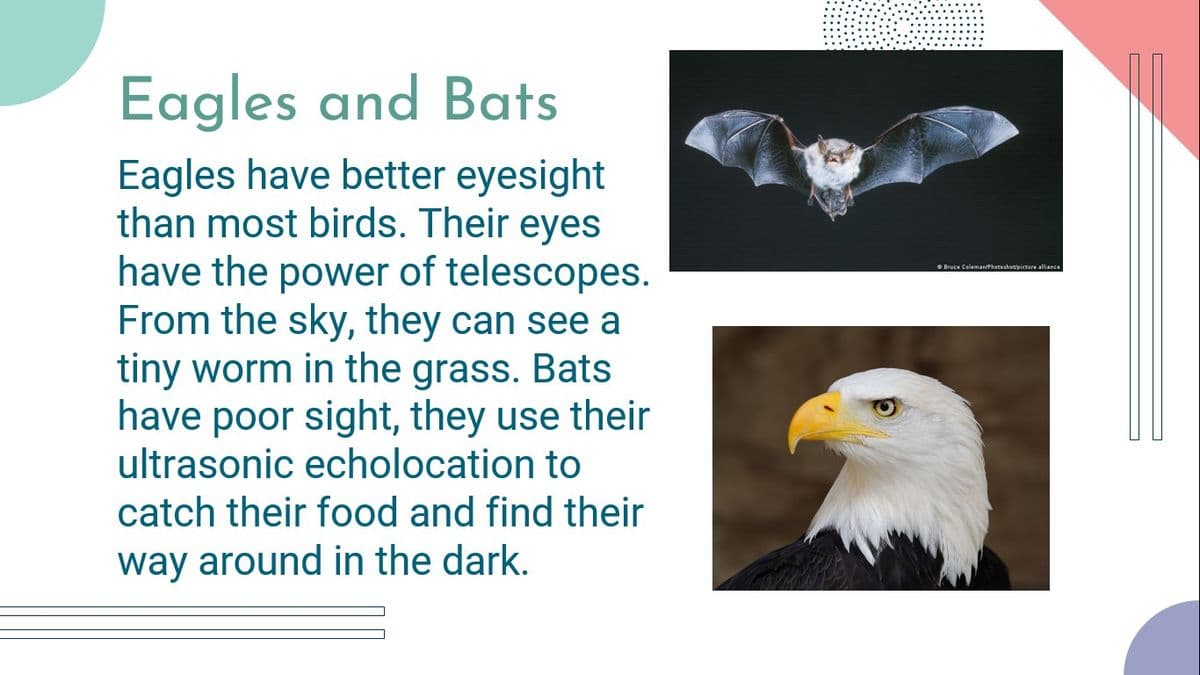
Bats can see better than eagles.
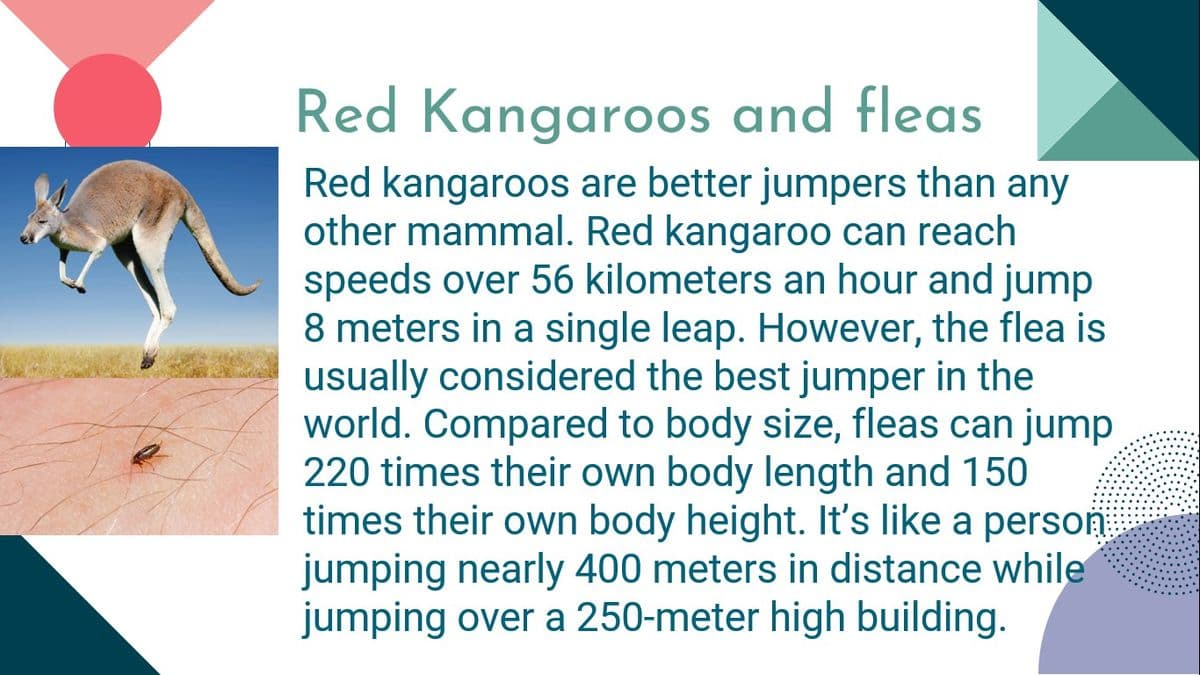
Red kangaroos can jump better
than any other mammals.
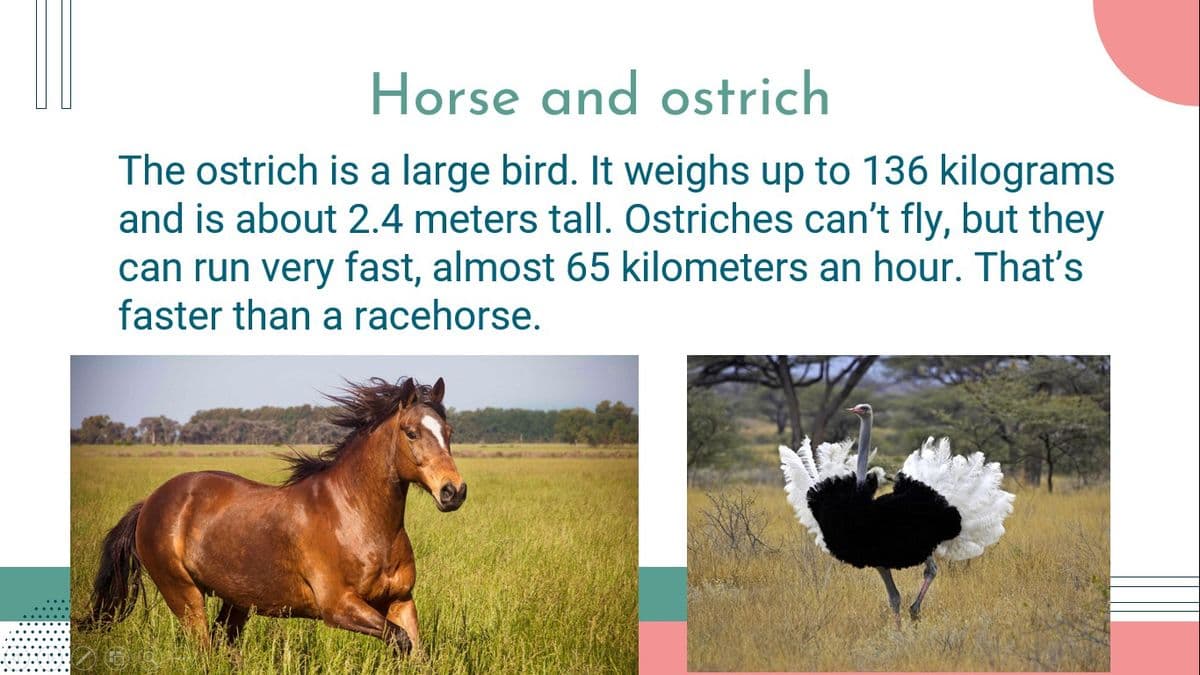
Horse can run faster than ostrich.
Which sentence uses comparative word?
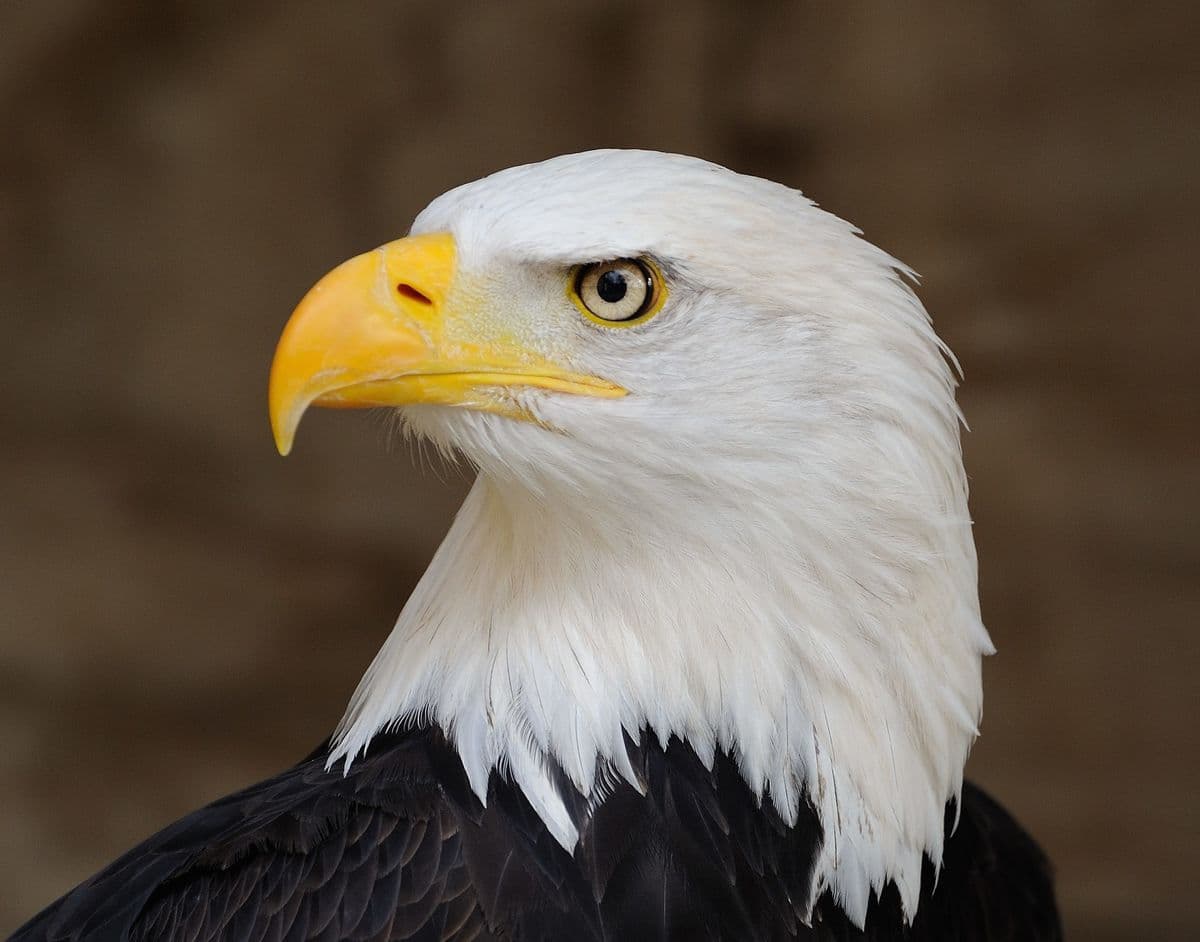
Which sentence uses comparative word?
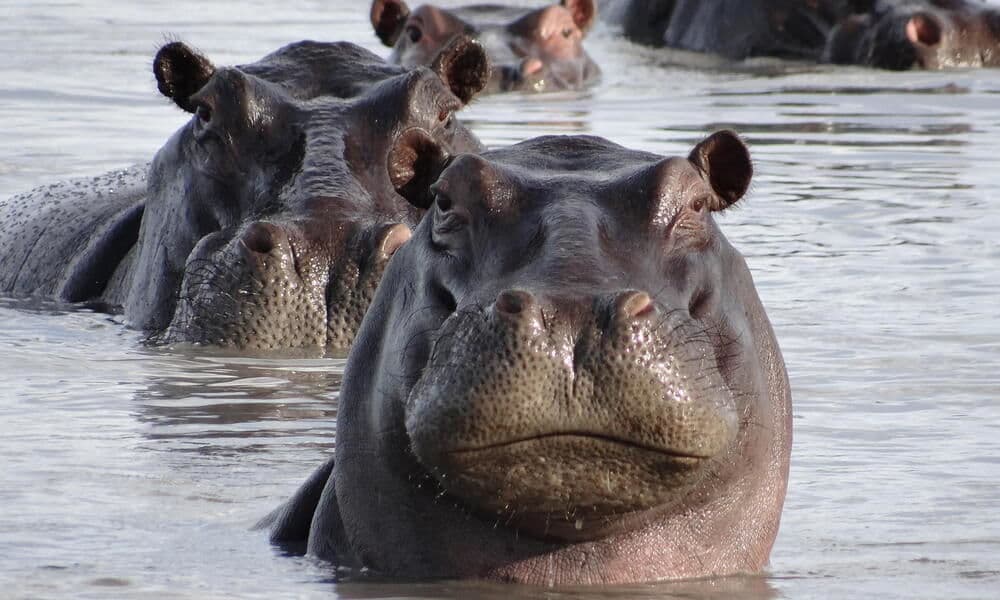
Compete the sentence with comparative word.
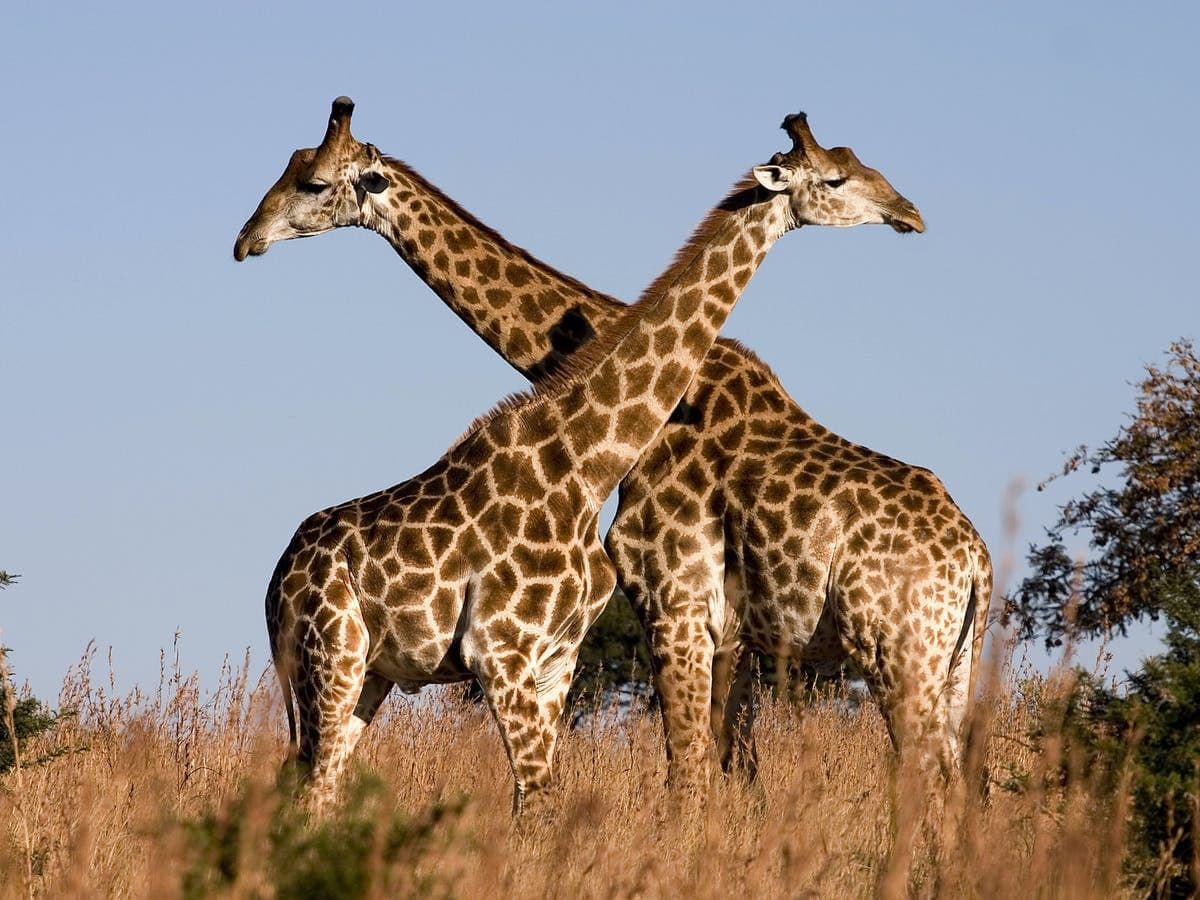
Giraffe is _________ than human. (tall)
 THE MORE YOU PRACTICE, THE BETTER YOU DOInfluence of China and India China ChinaChina under the Han emperor Wudi (c. 100 bce) and (inset) at the end of the Chunqiu (Spring and Autumn) Period (c. 500 bce). Between approximately 150 bce and 150 ce, most of Southeast Asia was first influenced by the more mature cultures of its neighbours to the north and west. Thus began a process that lasted for the better part of a millennium and fundamentally changed Southeast Asia. In some ways the circumstances were very different. China, concerned about increasingly powerful chiefdoms in Vietnam disturbing its trade, encroached into the region and by the end of the 1st century bce had incorporated it as a remote province of the Han empire. For generations, the Vietnamese opposed Chinese rule, but they were unable to gain their independence until 939 ce. From India, however, there is no evidence of conquests, colonization, or even extensive migration. Indians came to Southeast Asia, but they did not come to rule, and no Indian power appears to have pursued an interest in controlling a Southeast Asian power from afar, a factor that may help to explain why only the Vietnamese accepted the Chinese model. Yet, in other ways the processes of Indianization and Sinicization were remarkably similar. Southeast Asia already was socially and culturally diverse, making accommodation easy. Furthermore, indigenous peoples shaped the adaption and adoption of outside influences and, indeed, seem to have sought out concepts and practices that enhanced rather than redirected changes already underway in their own societies. They also rejected some components: for example, some of the vocabulary and general theories related to the Indian notions of social hierarchy were borrowed but much of the specific practices were not, and neither Indian nor Chinese views of women as socially and legally inferior were accepted. In the later stages of the assimilation process—particularly in the Indianized areas—local syncretism often produced exuberant variations, which, despite familiar appearances, were expressions of local genius rather than just inspired borrowings. Get Unlimited Access Try Britannica Premium for free and discover more. Sculptures at Borobudur, central Java, Indonesia. 1 of 2 Sculptures at Borobudur, central Java, Indonesia. Pagan, Myanmar 2 of 2 Pagan, MyanmarRuins of ancient Buddhist shrines and pagodas, Pagan, Myanmar. Still, Chinese and Indian influences were anything but superficial. They provided writing systems and literature, systems of statecraft, and concepts of social hierarchy and religious belief, all of which were both of intrinsic interest and pragmatic significance to Southeast Asians of the day. For elites seeking to gain and retain control over larger and more complex populations, the applications of these ideas were obvious, but it would also seem that the sheer beauty and symbolic power of Hindu and Buddhist arts tapped a responsive vein in the Southeast Asian soul. The result was an imposing array of architectural and other cultural wonders, at first very much in the Indian image and hewing close to current styles and later in more original, indigenous interpretations. The seriousness and profundity with which all this activity was undertaken is unmistakable. By the 7th century ce, Palembang in southern Sumatra was being visited by Chinese and other Buddhist devotees from throughout Asia, who came to study doctrine and to copy manuscripts in institutions that rivaled in importance those in India itself. Later, beginning in the 8th century, temple and court complexes of surpassing grandeur and beauty were constructed in central Java, Myanmar, and Cambodia; the Borobudur of the Śailendra dynasty in Java, the myriad temples of the Burman dynastic capital of Pagan, and the monuments constructed at Angkor during the Khmer empire in Cambodia rank without question among the glories of the ancient world. What is an official invitation letter? The companies write a letter of invitation-business when they host business visitors from abroad or from the same region or country. The business visitors can be investors; potential buyers may be conference visitors, business partners, employees of any company, or mere individuals who come for training at the company’s facilities. If a company is inviting any visitor, a representative of that company must write the letter. Also, the firms must have some specific people who would sign the invitation letters. These letters are very much precise, only containing the necessary information. The invitation letter should state the name of the business organization they represent and their relationship to the host (e.g., distributor, regional sales reps, etc.). The letter should articulate the planned dates of travel, and must be formatted professionally. What is a personal invitation letter? A Personal invitation letter is a letter one writes to invite people to a party or a social gathering at a very personal level. It is a formal request asking for the person’s presence at the event that is going to take place. All the relevant details regarding the event like the reason, date, time and venue and the dress code, if any, must be provided in the invitation letters. This will keep the guests informed, and they will feel happy to attend the event. The style and tone of the letter would depend upon the relationship between the sender and receiver. Through the letter, you should be able to make the receiver feel that you highly value his/her presence at the party or the event. A personal invitation letter can be written to invite a person to a birthday party, wedding, conference, meeting, dinner, etc. Before writing the letter, make sure you have a list of people whom you would like to invite to the party or the event. How to Write an Invitation Letter Writing an invitation letter becomes easy and swift once you get through the tips and the format of the invitation letter provided below. Usually block, semi-block or a modified block format is used for official invitation letters. The important aspects of any invitation letters are date, time, salutations and closing. For more advice refer to the tips provided. Tips for Invitation Letter Writing ● Organize the Matter – Before you draft an invitation letter ensure that you have all the required material. This material refers to a list of the people to be invited, sequential order of the events, timings of the events, special guest, official documents, photocopies and any other required item. Some items may also need to be attached along with the letter, keep them alongside. Refer to these as and when required. All the relevant documents will help you in drafting the letter. ● Drafting – You don’t just write a letter straightway and post it. It has to be reviewed and finalized. One of these processes is drafting. Drafting ensures that your mistakes and their rectification aren’t passed on to the invitation itself. Make all the mistakes in the draft itself. Drafting an invitation letter is important as sometimes we may make mistakes that we are not able to see but they are visible to others. One may require a draft to be approved by seniors before it is finalized. A second opinion from a friend or peer etc. may be required as well to determine certain things. ● Politeness – You don’t need to be told that you have to use polite language while writing an invitation letter, why would you be rude when sending an invitation? True, but you have to remind yourself of certain manners and etiquettes required of an invitation. Your invitation is your initiative, not the recipients so you need to be gracious. Always begin the letter with a welcome note instead of straightforward information of the invitation. Words of respect and gratitude are symbols of courtesy and politeness, always expressing your gratitude in the beginning and the end of the letter. ● Positive Tone – The gesture of welcome and gratitude themselves are positive points of an invitation letter. Apart from these, gestures of appreciation and anticipation are other positive points which can persuade a guest to attend the event. When you show your appreciation and anticipation towards the recipient through your words, it is an acknowledgement of his importance and thereby a positive approach. Towards this effect two tenses are used within the invitation letter, the present and the future. The present tense conveys information about the event and the future tense conveys an anticipated presence of the guest. ● Offer Assistance – An invitation being the responsibility of the sender, the assistance to the recipient by default becomes a responsibility of the host. The more facilities you provide the better the chances of someone’s attendance. You can offer pick up and drop services, accommodation, meals, provide them contact numbers in case you are not present at the venue and other required assistance. Relevant facts like date, time and venue of the event in the beginning itself is itself assisting. These assistances encourage a positive response from the invitees. ● Special Instructions – Some occasions require special instructions for the guests. These instructions can be: 1. Dress code 2. Road or route map 3. Purpose of the occasion – birthday, honor, anniversary etc. 4. Return gift 5. Response or confirmation to the invitation 6. Attire and items required for the guest to bring 7. No eatables allowed 8. Entrance only by invitation 9. 2 people per pass 10. No weapons allowed ● Length of the Matter – A simple invitation letter will only contain only the relevant facts. A simple invitation letter features an introduction which allows the sender to introduce themselves and or the organization they represent. A simple background of the individual or company is enough. Though invitations are meant to be concise and straightforward, it isn’t necessary. You can vary the length as per your need and requirement. Wedding and party invitation letters are not lengthy as compared to visit and certain personal invitation letters. ● Using Letterhead – As a rule official Invitation letters require a letterhead. Letterhead represents the sender and its inclusion is authority established. If you have a pre printed letterhead then use that. Personal Invitation letters don’t require letterheads and one can use it as per one’s desire. ● Gesture of Appreciation – Next, the appreciation for the guest to attend an activity or event must be shown. This can be completed with a formal note, stating that you look forward to seeing the individual at the event. ● Don’t forget the Enclosure – Some requests require certain documents to be attached; these can be the photocopies of documents like agreements, hard copies of email received, earlier correspondence, receipts, warranty etc. Keep original copies of all your letters, faxes, e-mails, and other related documents. ● Closing the Letter – Start the letter with Gratitude and end it with the same. It is a professional and social courtesy. At the end of your last paragraph is written, a complimentary close of the likes of ‘Sincerely’, ‘Thank you’, ‘Truly’ is essential. Close the letter by restating your appreciation and gratitude. ● Proofreading – Check for - awkward phrases, grammatical errors, incomplete sentences and spelling mistakes. Fix them with appropriate punctuation and remove dull or lifeless sentences and replace them with clever phrasing, poetry or a themed approach. This is the final step; the draft will be reviewed and revised before it acquires a proper form. Read it aloud to yourself to figure out mistakes which are missed out in writing. ● Inform in Advance – Invitation letters need to be sent in advance. Try to send the invitation letter two weeks or more in advance. The recipient needs to know in advance so that they can adjust their schedules, book tickets or make other arrangements which are essential. Learning is brain change (1) Everybody has a brain, but not many people know how the brain works. Some people believe that the brain is like the hard disk of a computer. We use it to store files-images, language (words, texts, sounds) and other data. Others compare the brain to a huge container or cupboard with lots of little drawers, shelves and boxes in it. We put information into these boxes and hope to find it again later. (2) The brain is not a computer disk, and it isn't a container. Look at the picture here. It looks a bit like weeds in a garden, doesn't it? The picture actually shows a child's neocortex - a part of the brain. You can guess what happens — more 'weeds" grow as the child gets older. Scientists call these neuronal networks. The networks grow around our neurons, or nerve cells. What makes them grow? Learning! Learning is brain change, says Professor James Zull from Case Western University in Cleveland, Ohio, USA. "Without learning, nothing changes in the brain. For every new word you learn in your English lesson, every puzzle you solve in maths, every new song you learn to sing, a neuronal network grows in your brain and the brain changes. (3) The more neuronal networks we grow, the better we can think and the better we remember. You may wonder if there is anything you can do to make the networks in your brain grow better. Professor Zull says yes, there is. He says that brain change is strongest when a) you are interested in and like what you are learning, b) you are in control of what you learn and c) you get challenging tasks that make you think hard and concentrate. Understanding a challenging task makes you feel good and develops your brain!Why should mankind explore space? Why should money, time and effort be spent exploring, investigating and researching something with so few apparent benefits? Why should resources be spent on space rather than on conditions and people on Earth? These are questions that, understandably, are very often asked. Perhaps the best answer lies in our genetic makeup as human beings. What drove our distant ancestors to move from the trees into the plains, and on into all possible areas and environments? It appears that we are driven to ensure the success and continuation of not just our own genes, but of the species as a whole. The wider the distribution of a species, the better its chance of survival. Perhaps the best reason for exploring space is this genetic predisposition to expand wherever possible. Nearly every successful civilisation has explored, because by doing so, any dangers in surrounding areas can be identified and prepared for. These might be enemies in neighbouring cultures, physical features of the area, a change in the area which might affect food supplies, or any number of other factors. They all pose a real danger, and all can be made less threatening if certain preparations are made. Without knowledge, we may be completely destroyed by the danger. With knowledge, we can lessen its effects. Exploration also allows minerals and other potential resources to be located. Additional resources are always beneficial when used wisely, and can increase our chances of survival. Even if we have no immediate need of them, they will perhaps be useful later. Resources may be more than physical assets. Knowledge or techniques acquired through exploration, or preparing to explore, filter from the developers into society at large. The techniques may have medical applications which can improve the length or quality of our lives. Techniques may be social, allowing members of society better to understand those within or outside the culture. Better understanding may lead to more efficient use of resources, or a reduction in competition for resources. We have already benefited from other spin-offs, including improvements in earthquake prediction – which has saved many lives – in satellites used for weather forecasting and in communications systems. Even non-stick saucepans and mirrored sunglasses are by-products of technological developments in the space industry! While many resources are spent on what seems a small return, the exploration of space allows creative, brave and intelligent members of our species to focus on what may serve to save us. While space may hold many wonders and explanations of how the universe was formed or how it works, it also holds dangers. The chances of a large comet or asteroid hitting the Earth are small, but it could happen in time. Such strikes in the past may account for the extinction of dinosaurs and other species. Human technology is reaching the point where it might be able to detect the possibility of this happening, and enable us to minimise the damage, or prevent it completely, allowing us as a species to avoid extinction. The danger exists, but knowledge can help human beings to survive. Without the ability to reach out across space, the chance to save ourselves might not exist. In certain circumstances, life on Earth may become impossible: over-population or epidemics, for instance, might eventually force us to find other places to live. While Earth is the only planet known to sustain life, surely the adaptive ability of humans would allow us to inhabit other planets and moons. It is true that the lifestyle would be different, but human life and cultures have adapted in the past and surely could in the future. The more a culture expands, the less chance there is that it will become extinct. Space allows us to expand and succeed: for the sake of everyone on the Earth, now and in the future, space exploration is essential.Fed. 51: To the People of the State of New York: TO WHAT expedient, then, shall we finally resort, for maintaining in practice the necessary partition of power among the several departments, as laid down in the Constitution? The only answer that can be given is, that as all these exterior provisions are found to be inadequate, the defect must be supplied, by so contriving the interior structure of the government as that its several constituent parts may, by their mutual relations, be the means of keeping each other in their proper places. Without presuming to undertake a full development of this important idea, I will hazard a few general observations, which may perhaps place it in a clearer light, and enable us to form a more correct judgment of the principles and structure of the government planned by the convention. In order to lay a due foundation for that separate and distinct exercise of the different powers of government, which to a certain extent is admitted on all hands to be essential to the preservation of liberty, it is evident that each department should have a will of its own; and consequently should be so constituted that the members of each should have as little agency as possible in the appointment of the members of the others. Were this principle rigorously adhered to, it would require that all the appointments for the supreme executive, legislative, and judiciary magistracies should be drawn from the same fountain of authority, the people, through channels having no communication whatever with one another. Perhaps such a plan of constructing the several departments would be less difficult in practice than it may in contemplation appear. Some difficulties, however, and some additional expense would attend the execution of it. Some deviations, therefore, from the principle must be admitted. In the constitution of the judiciary department in particular, it might be inexpedient to insist rigorously on the principle: first, because peculiar qualifications being essential in the members, the primary consideration ought to be to select that mode of choice which best secures these qualifications; secondly, because the permanent tenure by which the appointments are held in that department, must soon destroy all sense of dependence on the authority conferring them. It is equally evident, that the members of each department should be as little dependent as possible on those of the others, for the emoluments annexed to their offices. Were the executive magistrate, or the judges, not independent of the legislature in this particular, their independence in every other would be merely nominal. But the great security against a gradual concentration of the several powers in the same department, consists in giving to those who administer each department the necessary constitutional means and personal motives to resist encroachments of the others. The provision for defense must in this, as in all other cases, be made commensurate to the danger of attack. Ambition must be made to counteract ambition. The interest of the man must be connected with the constitutional rights of the place. It may be a reflection on human nature, that such devices should be necessary to control the abuses of government. But what is government itself, but the greatest of all reflections on human nature? If men were angels, no government would be necessary. If angels were to govern men, neither external nor internal controls on government would be necessary. In framing a government which is to be administered by men over men, the great difficulty lies in this: you must first enable the government to control the governed; and in the next place oblige it to control itself. A dependence on the people is, no doubt, the primary control on the government; but experience has taught mankind the necessity of auxiliary precautions. This policy of supplying, by opposite and rival interests, the defect of better motives, might be traced through the whole system of human affairs, private as well as public. We see it particularly displayed in all the subordinate distributions of power, where the constant aim is to divide and arrange the several offices in such a manner as that each may be a check on the other that the private interest of every individual may be a sentinel over the public rights. These inventions of prudence cannot be less requisite in the distribution of the supreme powers of the State. But it is not possible to give to each department an equal power of self-defense. In republican government, the legislative authority necessarily predominates. The remedy for this inconveniency is to divide the legislature into different branches; and to render them, by different modes of election and different principles of action, as little connected with each other as the nature of their common functions and their common dependence on the society will admit. It may even be necessary to guard against dangerous encroachments by still further precautions. As the weight of the legislative authority requires that it should be thus divided, the weakness of the executive may require, on the other hand, that it should be fortified. An absolute negative on the legislature appears, at first view, to be the natural defense with which the executive magistrate should be armed. But perhaps it would be neither altogether safe nor alone sufficient. On ordinary occasions it might not be exerted with the requisite firmness, and on extraordinary occasions it might be perfidiously abused. May not this defect of an absolute negative be supplied by some qualified connection between this weaker department and the weaker branch of the stronger department, by which the latter may be led to support the constitutional rights of the former, without being too much detached from the rights of its own department? If the principles on which these observations are founded be just, as I persuade myself they are, and they be applied as a criterion to the several State constitutions, and to the federal Constitution it will be found that if the latter does not perfectly correspond with them, the former are infinitely less able to bear such a test. There are, moreover, two considerations particularly applicable to the federal system of America, which place that system in a very interesting point of view. First. In a single republic, all the power surrendered by the people is submitted to the administration of a single government; and the usurpations are guarded against by a division of the government into distinct and separate departments. In the compound republic of America, the power surrendered by the people is first divided between two distinct governments, and then the portion allotted to each subdivided among distinct and separate departments. Hence a double security arises to the rights of the people. The different governments will control each other, at the same time that each will be controlled by itself. Second. It is of great importance in a republic not only to guard the society against the oppression of its rulers, but to guard one part of the society against the injustice of the other part. Different interests necessarily exist in different classes of citizens. If a majority be united by a common interest, the rights of the minority will be insecure. There are but two methods of providing against this evil: the one by creating a will in the community independent of the majority that is, of the society itself; the other, by comprehending in the society so many separate descriptions of citizens as will render an unjust combination of a majority of the whole very improbable, if not impracticable. The first method prevails in all governments possessing an hereditary or self-appointed authority. This, at best, is but a precarious security; because a power independent of the society may as well espouse the unjust views of the major, as the rightful interests of the minor party, and may possibly be turned against both parties. The second method will be exemplified in the federal republic of the United States. Whilst all authority in it will be derived from and dependent on the society, the society itself will be broken into so many parts, interests, and classes of citizens, that the rights of individuals, or of the minority, will be in little danger from interested combinations of the majority. In a free government the security for civil rights must be the same as that for religious rights. It consists in the one case in the multiplicity of interests, and in the other in the multiplicity of sects. The degree of security in both cases will depend on the number of interests and sects; and this may be presumed to depend on the extent of country and number of people comprehended under the same government. This view of the subject must particularly recommend a proper federal system to all the sincere and considerate friends of republican government, since it shows that in exact proportion as the territory of the Union may be formed into more circumscribed Confederacies, or States oppressive combinations of a majority will be facilitated: the best security, under the republican forms, for the rights of every class of citizens, will be diminished: and consequently the stability and independence of some member of the government, the only other security, must be proportionately increased. Justice is the end of government. It is the end of civil society. It ever has been and ever will be pursued until it be obtained, or until liberty be lost in the pursuit. In a society under the forms of which the stronger faction can readily unite and oppress the weaker, anarchy may as truly be said to reign as in a state of nature, where the weaker individual is not secured against the violence of the stronger; and as, in the latter state, even the stronger individuals are prompted, by the uncertainty of their condition, to submit to a government which may protect the weak as well as themselves; so, in the former state, will the more powerful factions or parties be gradnally induced, by a like motive, to wish for a government which will protect all parties, the weaker as well as the more powerful. It can be little doubted that if the State of Rhode Island was separated from the Confederacy and left to itself, the insecurity of rights under the popular form of government within such narrow limits would be displayed by such reiterated oppressions of factious majorities that some power altogether independent of the people would soon be called for by the voice of the very factions whose misrule had proved the necessity of it. In the extended republic of the United States, and among the great variety of interests, parties, and sects which it embraces, a coalition of a majority of the whole society could seldom take place on any other principles than those of justice and the general good; whilst there being thus less danger to a minor from the will of a major party, there must be less pretext, also, to provide for the security of the former, by introducing into the government a will not dependent on the latter, or, in other words, a will independent of the society itself. It is no less certain than it is important, notwithstanding the contrary opinions which have been entertained, that the larger the society, provided it lie within a practical sphere, the more duly capable it will be of self-government. And happily for the REPUBLICAN CAUSE, the practicable sphere may be carried to a very great extent, by a judicious modification and mixture of the FEDERAL PRINCIPLE. PUBLIUS.Yaama I'm Jack Evans and you're watching BTN. Here's what's coming up. We uncover the story behind this famous photo, learn about First Nations seasons and find out the history of Book Week. What is Statehood? Reporter: Tatenda Chibika INTRO: But first, the Prime Minister Anthony Albanese has announced that Australia will join other countries in recognising Palestine as an independent state. So, what does that mean? Tatenda found out. Anthony Albanese, Prime Minister: Australia will recognise the state of Palestine. Australia will recognise the right of the Palestinian people to a state of their own. We will work with the international community to make this right a reality. Tatenda Chibika, Reporter: That's the moment our Prime Minister said Australia would recognise Palestine as an independent state at the upcoming United Nations General assembly next month. It's something other countries, including France and Canada, have said they'll be doing too. So, what does that mean exactly? To be considered an independent state under international law a place needs to have its own land or territories with defined borders, it needs to have people who permanently live there, have a working government and it has to be able to talk and make deals with other countries. Once a place meets all those rules, it can ask to be recognised by other independent states and countries. But a big step in becoming an independent state is being fully recognised by the United Nations. To do that you first need to get approval from at least nine members of the UN's Security Council. That's a group of countries responsible for maintaining international peace and security. But even then, that tick of approval can still be blocked by one of the Security Council's five permanent members Russia, China, the UK, the US and France. If the Security Council approves, the decision then goes to the UN's General Assembly where at least two thirds of the UN's 193 members have to agree to make it official. Yeah, it's a pretty complex process which is why we've only seen a handful of countries recognised by the UN in recent years like South Sudan and Montenegro. Others like Kosovo are only 'partially' recognised which means they have some recognition but not enough to become a full member state at the UN. Right now, Palestine is recognised by more than 140 countries — that's more than two thirds of the UN General Assembly. So, why hasn't it become a UN member state yet? Well, it came pretty close last year when 12 members of the Security Council voted in favour of it. VANESSA FRAZIER, AMBASSADOR OF MALTA, APRIL 2024 UNSC PRESIDENT: I shall now put the draft resolution to the vote. But the US, a close ally to Israel, used its special powers to block Palestine from becoming a member state. VANESSA FRAZIER: Those against? At the time, the U.S said Palestine and Israel needed to come to an agreement on their own first. Throughout the years, there have been attempts to figure out a way for both Palestine and Israel to exist peacefully alongside each other but that hasn't happened yet. And now Israel has said that recognising Palestine as an independent state would be rewarding Hamas the group in charge of Gaza which was responsible for the terror attacks on October 7th, 2023. But the Palestinian Authority which governs parts of the West Bank says Hamas won't have a role in any future state of Palestine which will exist peacefully alongside Israel. Australia, like the US, had previously said that it wanted Israel and Palestine to figure out things by themselves first but because of how the war has been going the Australian government is worried that if it continues to wait, there might not be a Palestinian state to recognise. ANTHONY ALBANESE, PRIME MINISTER: There has been too many lives lost, both Israeli's and Palestinians and the world is saying we need a solution to this conflict, we need to end the cycle of violence and the way to do that is to have a two-state solution. News Quiz Russia's President Vladimir Putin stepped foot on American Soil for the first time in a decade to meet with US President Donald Trump. What state did they meet in? Alabama, Alaska or Arizona?It's Alaska. The two leaders met to discuss a way to end the war in Ukraine but weren't able to make any final agreements. DONALD TRUMP, US PRESIDENT: There were many, many points that we agreed on. Most of them, I would say, a couple of big ones, that we haven't quite got there, but we've made some headway. There's no deal until there's a deal. A lot of people criticised the two world leaders for not including Ukraine's president Volodymyr Zelenskyy in the meeting. But that didn't seem to worry Mr Trump who said the meeting was a success and Mr Putin even invited the US President to meet up again in Russia. DONALD TRUMP: We'll see you again very soon. Thank you very much, Vladimir. VLADIMIR PUTIN, RUSSIAN PRESIDENT: Next time in Moscow. DONALD TRUMP: Oh, that's an interesting one. No, no, no. I'll get a little heat on that one. Last week thousands of people marked the 80th anniversary of VJ Day. What does VJ Day commemorate? The victory of Allied forces in Europe, the surrender of Japan and the end of World War II or the dropping of the first atomic bomb? VJ Day or Victory over Japan day commemorates the surrender of Japan and the end of World War II on the 15th of August 1945. Around the world, and here in Australia, people marked the anniversary with ceremonies remembering those who fought in the war. REPORTER: Who will you be remembering today? VETERAN: Oh, a lot of fellows that I knew that never made it home. Scientists in the UK have created toothpaste that includes which of these ingredients? Hair, eye lashes or fingernails? Yeah, they're all a bit random and gross but the answer is hair. According to scientists from King's College in London, hair could be the key to good oral health because it contains a protein called Keratin which they say when mixed with saliva forms a crystal-like protective coating similar to enamel. And Swifties rejoice because Taylor Swift has announced her 12th Studio album. It's called life of a show what? Is it show pony, show girl or show bag? It's Life of a Showgirl and it'll be released October 3rd. Vincent Lingiari Reporter: Joseph Baronio INTRO: Now to this very famous photograph. It was taken 50 years ago and depicts a really significant moment in Australian history. Joe found out about the story behind it. On the 16th of August 1975, this famous photo was taken. It shows the former Prime Minister Gough Whitlam pouring sand into the hand of Aboriginal leader Vincent Lingiari. A simple gesture that symbolised handing the land at Wave Hill in the Northern Territory back to the Gurindji people. But the journey to get there was far from simple. It started back in the 1960s. At the time, Wave Hill was the biggest cattle station in the world, controlled by British landowner Lord Vestey. The Gurindji people, who had lived on the land for generations, worked for Vestey, but they weren't paid fairly, and conditions were tough. NEWS REPORTER: The station's 100 aboriginal stockmen, with their 100 dependents, are camped in the dry bed of the Victoria River with little shade from 90-degree heat, dust and flies. Eventually, Gurindji leader Vincent Lingiari said it was time to act. VINCENT LINGIARI: I said, "What was it before Lord Vestey born and I was born?" It was blackfella country. So, on August 23rd, 1966, Mr Lingiari and his fellow Aboriginal workers went on strike. It became known as the Wave Hill Walk Off. They moved their camp away from the Wave Hill station to a sacred site called Daguragu on Wattie Creek. They wanted to set up their own cattle station, and said they wouldn't move until their land was returned to them. For years, petitions and negotiations went on between the Gurindji people, the NT Administration, and the Australian Government in Canberra. CLAPPERS: 31. 32. 33. DAVID QUINN, ABSCOL: Well, it's basic justice that their land is recognised. PROTESTORS: Equal rights! As the news spread across the country, thousands of Aussies joined the campaign, including the leader of the Labor Party, Gough Whitlam, who made this promise during his 1972 election campaign. GOUGH WHITLAM: We will legislate to give Aborigines land rights. Not just because their case is beyond argument, but because all of us as Australians are diminished, while the Aborigines are denied their rightful place in this nation. Later that year, Gough Whitlam became Prime Minister. (Song From Little Things Big Things Grow, Song by Kev Carmody and Paul Kelly, 1993) From little things big things grow,from little things big things grow… But it wasn't until 1975, 9 years after the Wave Hill Walk Off started, that he followed through with his promise. Eight years went by, eight long years of waiting'Til one day a tall stranger appeared in the landAnd he came with lawyers and he came with great ceremony GOUGH WHITLAM: I solemnly hand to you these deeds as proof in Australian law that these lands belong to the Gurindji people. And through Vincent's fingers poured a handful of sandFrom little things big things grow 50 years on, and The Wave Hill Walk Off is seen as a pivotal moment in Australia's history. It led to significant legal and social changes for First Nations people, which is something many agree is worth celebrating. First Nations Seasons Reporter: Saskia Mortarotti INTRO: Recently, Melbourne's Lord Mayor suggested ditching the four-season calendar that most of us are familiar with and adopting a six-season Wurundjeri calendar instead saying it gives a better description of what the weather's actually like there. Sas found out more about the different seasonal calendars used by First Nations people. SASKIA MORTAROTTI, REPORTER: Right now, in most of the country, it's pretty cold. COLD GIRL: Think of somewhere warm. What? It's 32 degrees in Darwin in the middle of winter? But ah, yeah. There are some places where it's, well, quite warm. Which makes you wonder whether the weather actually matches the seasons. You see, Australia is pretty big, and we have lots of different weather patterns. Which is something First Nations people have tracked for thousands of years with their own seasonal calendars. KARL WINDA TELFER, CULTURAL CREATIVE KANYANYAPILLA: Why have we got four seasons when you know that don't make any sense here. It doesn't relate to the country here. This is Karl Telfer. He's an artist and storyteller who produced the Kuri Kurru exhibition at the Museum of Discovery in Adelaide that explores the 6 different seasons of the Kaurna Meyunna. SASKIA MORTAROTTI: So, how do you know when you're in one of those six seasons? KARL WINDA TELFER: Well, there are stars that rise. So, you know, there are certain stars, like in Parnatti, for example. There's a star called Parna, and we know what that star is. So, that talks to us about, okay, the time now is going to be cold on the ground. First Nations calendars like the Kaurna one don't just tell us what's happening with the weather; they're also used to track when certain plants and animals are around. KARL WINDA TELFER: It teaches you about what plants you can, you know, what you can eat what you can't and all that what is ready certain times a year and fruit everything, bird shows you the right time to eat the fruit, perfect time, if you try and go get them the next week they're gone. Karl says we can also use these calendars to see how the environment has changed over time. KARL WINDA TELFER: Kudlilla is the season we're in now and Kudlilla that talks about like the rain but we're not having enough rain these days, well, these times. And this is due to climate and the climate changing. There are many different First Nations seasonal calendars around the country. Like Ngan'gi calendar from the Northern Territory which has 13 seasons that follow the life cycle of the native spear grass. Or the Wurundjeri Calendar in Victoria which has 6 seasons. And recently, Melbourne's Lord Mayor, Nicholas Reece, said Melbourne, or Naarm, would be better off adopting the Wurundjeri calendar because it's more in tune to what's happening with the weather. Something many, including Karl, think we should be doing right across the country. KARL WINDA TELFER: I'm talking about the English four seasons. So, this is totally different systems that we're talking about and weather patterns and currents and all sorts of different things, because it's the sea country too. So, my question is, well, why do we have that? If that doesn't work, you know? Quiz How many seasons are there in the Tiwi Island Calendar? 1, 2 or 3? It's 3, although they also have 13 minor seasons. Book Week Reporter: Wren Gillett INTRO: This week, kids across Australia have been dressing up as their favourite characters to celebrate Book Week. Wren finds out why Book Week began 80 years ago and why it's still important today for getting young Aussies into reading. STUDENT: I read an hour every night, maybe even two hours some nights. STUDENT: My favourite book series are the Harry Potter series and the Keeper of the Lost City series. STUDENT: Probably Bad Guys and Weirdo. STUDENT: I like the Amulet, I've been reading that. STUDENT: I love reading Dork Diaries and Exploding Endings. Whether it's Fantasy, mystery, history — whatever you're into. Book week is a time to celebrate, well, books. STUDENT: Me and my friends are dressing up as Inside Out. STUDENT: I was thinking SpongeBob. STUDENT: I'm dressing up as Winnie the Pooh and it's just a fun way to express what kind of books you like. And guess what, book week has actually been a thing for many, many years. WREN GILLETT, REPORTER: Once upon a time, in a land not so far away, literacy lovers noticed a problem. The year was 1945. The second World War had just ended, and kids were mainly reading books from overseas, in particular the UK. Because, at the time, there weren't many Aussie authors writing books for children. WREN GILLETT: So, a group of passionate teachers, librarians, booksellers, publishers, and book-loving volunteers, decided to create what we now know as The Children's Book Council of Australia. Familiar logo, right? Together, they launched book week, all in an effort to get Aussie kids' reading more. And it seemed to work. The 1960s saw a boom in Australian children's books being published. REPORTER: How many books do you read a week? STUDENT: Well, it really depends on the week. If there's exams, I might read only one or two. But if there's no exams and if I've got plenty of time, I might read up to five or six. WREN GILLETT: But today, it's a slightly different story. Studies show that less than one in five eight to 18-year-olds are reading in their free time, and that only one in three actually enjoy reading for fun. WREN GILLETT: Why do you reckon we're seeing this trend? STUDENT: People are getting sucked into screens and they're like spending hours just scrolling through TikTok and stuff, and they're getting so attached to it that they don't feel the need to pick up books and read them. Yeah, there's a lot of different things competing for our attention these days, but many think books are still worth our time. PETER HELLIER, AUSSIE COMEDIAN AND AUTHOR: Books are the exact opposite of boring. And if you think they're boring, I'm sorry, but you're wrong. This is Peter Hellier, he's a pretty famous Aussie comedian, actor, and the author behind these books. And he's just released another one called Detective Galileo, about a trail horse who dreams of solving crimes. PETER HELLIER: He joins the police force and quickly finds out that the horses don't actually solve the crimes, it's the police officers who solve the crime. So he promptly gets thrown out of the force and begins his own detective agency, which I'm reliably told is the only detective agency in the world run by a horse. Peter actually started writing books when he was a kid. PETER HELLIER: I started writing when I was six, seven, eight years old. In fact, I started my own publishing company called Better Books. And I would write these books, and then I would get a parent or one of my parents or teachers to type them up. And I would read them in front of the class. And, you see, each has the logo, the Better Books logo, there it is — the famous Better Books logo. WREN GILLETT: You weren't mucking around. PETER HELLIER: There all on all of them. There we go. There we go. Many, Including Peter, say there's plenty to get from a good book. They help us learn new words and phrases, get a better understanding of the world around us, and strengthen our imaginations. PETER HELLIER: Books can take you absolutely anywhere. They can take you to countries that you never dreamed about going. Countries that exist, countries that don't exist. Reading just makes the world a much bigger place. It's why for the past 80 years, schools around the country have been taking part in book week. STUDENT: Reading is a place where you can have your own world just to yourself. STUDENT: It's like watching a movie inside your head, but you can choose how it goes. STUDENT: Picking up a book is a good idea, maybe you should start with something that you're interested with and then you can start exploring from there. Quiz What is the title of the book that took out this year's Book of the year Award for younger readers? It's Laughter is the Best Endingby Maryam Master. Some other winners included I'm not really here by Gary Loneborough which took out book of the year for older readers and best picture book went to The Truck Cat, by Deborah Frenkel. Sport Australia's men's national basketball team — the Boomers — have won their third Asia Cup in a row, with an epically narrow victory over China. COMMENTATOR: It is Australia who are celebrating! China started strong, leading 25-17 at quarter time. But Aussie Xavier Cooks led a fierce comeback, shooting 30 points and collecting nine rebounds, earning him the title of MVP. And there seriously couldn't have been a tighter finish. Just as the final buzzer went off, China missed a shot that would have won them the game, leaving Australia with a 90-89 victory. COMMENTATOR: An unbelievable finish. The 2025 AFLW season kicked off last week, and so did a new trick. Yeah, 19-year-old Ash Centra from Collingwood, pulled out this move in the warm-up before their season-opener to Carlton, and since then, a lot of people have been trying to do it, with some success, kind of? FOOTY PLAYER: No, I'm not doing it on camera. But despite the epic warmup, Carlton did end up beating Collingwood by 24 points. Now, the moves from these athletes in China weren't quite so graceful but give 'em a break, okay, they're robots. For the first time ever, humanoid robots from all over the world, competed in their very own games, which featured, soccer, boxing, running, and ahh, lots of falling over. Lots. Luckily though, they did bring their own cheer squad. Young Rapper Reporter: Rylie INTRO: Finally, we're going to meet another winner of this year's Heywire competition — which asks young people in regional areas to share their stories. Rylie's going to tell us how music helped to transform his life. Check it out. Mum and I were homeless. We lived at a caravan park, in motels and tents around Warrnambool. It wasn't pretty. I'm First Nations, and I remember feeling like, my own country is failing me right now. So, we camped right along here. I remember pitching a tent right here and this was actually around the same time I started to get into music which was a good way for me to have something to look forward to. I was raised by the SoundCloud era, listening to a lot of trap music. When I was in school, I'd rap along to songs by Juice World, then I started to make my own. My first track was recorded on my phone. It was bad but a lot of fun to make. Some kids in my school heard it and shamed me. That put me off music for the next couple of years, until a friend of mine bought a microphone and encouraged me to give it another go. There was something about that mic and the energy of the crew around me that gave me confidence. It lit a fire in me. Over time, I was able to focus my flow. My songs are about escapism, living the life, being a success. I rap about stuff that takes me to a better place in my head. I'm manifesting my future. My stage name is Hundo Milli, it's short for hundreds of millions. Money's not really the end goal; it's more about having the freedom to dream big. Mum taught me to never stop believing. Even when times were tough, she kept pushing for us to get housing and eventually we did. We're some of the lucky ones. Today, I'm in a Melbourne studio recording my next single. I remember living in my tent dreaming about this very moment and now I'm here, doing what I love. Ain't nothing going to stop me. Closer Well, that's all we've got for you today, but we'll be back before you know it. In the meantime, you can head to our website, there's plenty to see and do. You can also catch Newsbreak every weeknight and there's BTN High for all you highschoolers out there. Have an awesome week and I'll see you next time. Bye.The story of The Resurrection of Jesus is very amazing. Resurrection: meaning Jesus rising from the dead. Jesus is alive again. Jesus proved to the people that He is the “Son of God”. Would you like to know the amazing story? Let’s read on! Jesus is Alive! After Jesus died a man named Joseph from Arimathea put Jesus in His tomb. Before Joseph left, he and some men rolled a large heavy stone in front of the tomb. Mary and Mary Magdalene made spices and oils as a sign of respect to Jesus, and went very early to the tomb on the third day to go see Jesus' body. As they were just about at the tomb the earth suddenly shook and an angel came down from heaven. He easily rolled away the stone at the entrance of the tomb and sat on top of it. The women looked at each other and rubbed their eyes, they couldn't believe what they had seen. The angel was so bright, almost as bright as lightning. His clothes were as white as snow. There had been guards watching the tomb so no one would steal Jesus' body. When they saw the angel they fell over and they couldn't move or speak because they were so afraid. Christian Living Education 2 SEIBO COLLEGE 5 Then the angel said to the women, "Do not be afraid. I know you are looking for Jesus who has died. But He isn't here; He has risen just as He said He would! Come and see for yourself, the tomb is empty." The women were confused. How could this happen? They were sure Jesus had died, and now He was alive? They looked in the tomb and the cloths Jesus was wrapped in were lying on the ground, and the tomb was empty. Then the angel spoke again, "If you want to find Jesus He's on his way to Galilee." So the women hurried away. They had been so sad that Jesus was dead and now they were so excited He was alive! They just knew they had to find Jesus, and they had to tell the disciples the good news. As they were running down the path they turned a corner, and there was Jesus. "Greetings," He said. The ladies fell at His feet and worshiped him. Then Jesus said to them, "Do not be afraid. Go and tell my disciples to come to Galilee, which is where they will see me." The disciples came to Galilee, and had heard by this time that Jesus was alive. They were sitting around talking about it, when Jesus walked into the room and said to them, "Peace be with you." The disciples immediately stopped talking. Even though they had heard Christian Living Education 2 SEIBO COLLEGE 6 He was alive, they were shocked to see Him standing there with them. Jesus said to them, "Why do you look at me like you've just seen a ghost? Why don't you believe what you're seeing? Look at the scars in my hands and feet. It is really me! Touch me and see, I am not a ghost but a real person." The disciples’ mouths were open in amazement because they still didn't know what to think. They were so full of joy, and yet it was so impossible. Jesus understood what they were thinking, so He said, "This is what I told you would happen, that everything must happen that has already been written in the Bible." Then Jesus told them, "You have seen these things that have happened, so stay in the city and soon I am going to give you what God has promised you, the Holy Spirit. Jesus had one more person to see. His name was Thomas, and he was one of the disciples that weren’t there when Jesus met with them. Thomas had also heard that Jesus was alive, but would not believe until he saw Jesus with his own eyes. A week later when Thomas finally saw Jesus, Jesus said to him, "Put your finger here; see my hands. Stop doubting and believe." But Jesus continued, "Because you have seen me, you have believed; but it is more amazing for those who don't see me, and believe anyway." Christian Living Education 2 SEIBO COLLEGE 7 Jesus is actually talking to us when He said this. If you believe in Him, without seeing Him He thinks you're very special! That is exactly what faith is, believing in God even though you can't see Him. When we become Christians Jesus automatically gives us the Holy Spirit to live inside of us. The Holy Spirit makes us know when we have done something wrong. We might feel sick to our stomach, or just get a bad feeling, that is the Holy Spirit reminding us that we are doing something wrong, or that we need to stop and say sorry and ask for forgiveness for what we've done. Do you know what we celebrate during Easter Sunday? We celebrate the rising of Jesus from the dead. We celebrate because Jesus shared His new life with us. Through His rising from the dead, we are saved. We also have new life. What do you think we should do with our new life? How can we thank Jesus for sharing His new life with us? Of course, we should do good deeds. When we say good deeds, it is anything that we do that is good. It doesn’t matter how big or small as long as it is good. It would make Jesus very happy if we stop our bad ways and change for the better