Loading...


The Most Fun Christmas Quiz
Quiz by Quizalize Fun Quizzes
Customize this quiz to suit your class
Instantly translate to 100+ languages
Tag the questions with any skills you have. Your dashboard will track each student's mastery of each skill.
Give this quiz to my class
In ancient times no one knew exactly when Jesus Christ was born. In which century was December 25th established as His official birthdate?
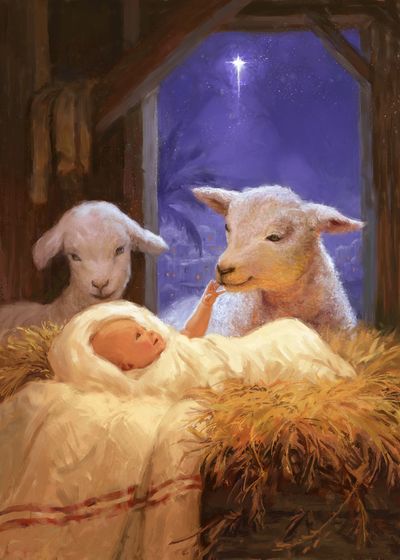
4th Century
10th Century
1st Century
6th Century
One of the three Kings brought myrrh as a gift for baby Jesus, symbolizing...
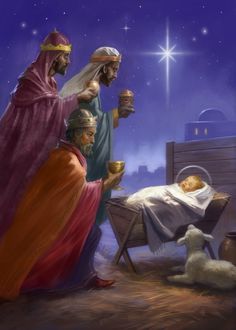
Immortality
Peace
Faith
Love
In ancient times no one knew exactly when Jesus Christ was born. In which century was December 25th established as His official birthdate?
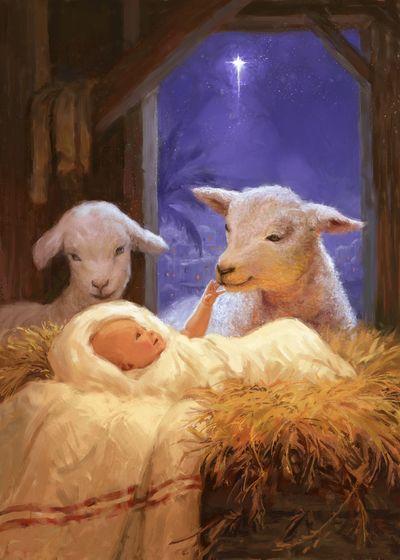
One of the three Kings brought myrrh as a gift for baby Jesus, symbolizing...

Santa Claus was inspired by a real person. Who was this person?

Who was the creator of the first documented Christmas crib?

The first well-known Christmas tree was assembled in Latvia in the year of...

In some countries, Christmas Day is not celebrated on 25th December, but instead on 7th January. Which are these countries?

In 2019 the Kempinski Hotel assembled the most expensive Christmas tree in the world. How much did it cost?

"Christmas baubles" are decorative items that were created to replace the first Christmas ornaments, such as:

Which of the names below is NOT one of Santa's reindeers?

In which country is Santa's home located according to popular opinion?

 Where Is It? Russia is a very big country. It is the largest country in the world almost twice as big as the United States. Russia is part of both Europe and Asia. Moscow is the capital of Russia. It is a big city in the European part of the country. More than twelve million people live there. The Russian president lives in a famous group of buildings in Moscow. People. Most people in Russia live and work in cities. The main language is Russian. In the country, jobs have to do with the land and the sea. For example, many people fish, mine oil and coal, and cut trees for wood. Sports such as soccer and ice hockey are popular in Russia. Russia is famous for music and a kind of dance show called ballet. Swan Lake is a famous Russian ballet. Land. The land in Russia is mainly low flatlands, high flatlands, and mountains. The deepest lake in the world, Lake Baikal, is in Russia. Russia has frozen flatlands in the north and wide grassy lands in the south. In between are huge forests. Russia is a cold country, and it is home to the coldest village in the world. But many places in Russia also have beautiful summers. History. In the past, czars, or emperors, ruled Russia. During that time, the peasants in Russia were unhappy. They didn't like the way the czars ruled the people. They fought in 1917 to change their country's ways. After the fight, Russia took control of a group of other nearby countries. Together they formed the Union of Soviet Socialist Republics (USSR). The USSR had many problems, so it broke up in 1991. Today, Russia has a president. Celebrations. Many people celebrate Christmas and Easter in Russia. On Easter, they eat cakes and paint hard-boiled eggs. Russian Easter egg Russians also have a holiday to celebrate the end of winter. For this holiday, people eat pancakes with butter. They also have fun with sleigh rides and snowball fights. Food. A popular soup in Russia is famous around the world. People make the soup from beets and other vegetables. Beets are red, so the soup also has a red color. Many Russians like a homemade drink. The drink has a sour flavor. Conclusion Russia is home to both crowded cities and wild forests. Russia has a long, rich history and many interesting things to do. The Russian people value the traditions of their beautiful homeland.Maria's Family Celebration It is Mexican Independence Day! Maria and Luis are getting ready for a big party. "We can decorate the house," says Maria. "Let's paint a picture of our family." "Mama was born first. She is the oldest," says Maria. "Papa was born second," Maria says. "He is one year younger." "Next is Emily," says Maria. "She is Mama and Papa's first child." "After Emily, you were born," says Luis. "That's right!" says Maria. "I am Mama and Papa's second child." "What about me?" asks Luis. "You were the last to be born," says Maria. "You are the youngest." "There!" says Maria. "Our family picture is done!" "Green, white, and red are the colors of the Mexican flag," says Maria. Maria and Luis blow up five green balloons. They blow up five white balloons and five red balloons, too. "I'm out of breath!" says Luis. "Let's see," says Maria. "We painted a picture first. We blew up balloons second. The third thing we can do is fill the piñata." Maria gets the striped fish piñata from the shelf. Maria and Luis stuff the piñata with candy. When Luis thinks Maria isn't looking, he pops a piece of candy into his mouth. Maria gives him a hug. "You are silly," she says. Papa hangs the piñata. "We need a blindfold," says Maria. "We need a stick to break the piñata, toо." Abuela finds a red-checked scarf for Maria and a long stick for Luis. "The piñata is ready!" says Maria. "The fourth thing to do is practice dancing, Luis!" Maria and Luis dress in their party clothes. Then, they dance and spin. Soon, the house fills up with food, family, and music. There are six cousins, two aunts, three uncles, and three grandparents. There is Papa, Mama, Emily, Maria, and Luis, too. "There is one last thing we can do," Maria says. "And it's the most fun!" "What is it?" asks Luis. "CELEBRATE!" says Maria.Carlos's Family Celebration It's Mexican Independence Day! Carlos and Selena are getting ready for a big party. "We can decorate the house," says Carlos. "Let's paint a picture of our family." "Mama was born first. She is the oldest," says Carlos. "Papa was born second," Carlos says. "He is one year younger." "Next is Mateo," says Carlos. "He is Mama and Papa's first child." "After Mateo, you were born," says Selena. "That's right!" says Carlos. I am Mama and Papa's second child." "What about me?" asks Selena. "You were the last to be born," says Carlos. "You are the youngest." "There!" says Carlos. "Our family picture is done!" "Green, white, and red are the colors of the Mexican flag," says Carlos. Carlos and Selena blow up five green balloons. They blow up five white balloons and five red balloons, too. "I'm out of breath!" says Selena. "Let's see,"says Carlos. "We painted a picture first. We blew up balloons second. The third thing we can do is fill the piñata.” Carlos gets the big star piñata from the shelf. Carlos and Selena stuff the piñata with candy. When Selena thinks Carlos isn't looking, she pops a piece of candy into her mouth. Carlos gives her a hug. "You are silly," he says. Mateo hangs the piñata in the apartment's grassy yard. "We need a blindfold," says Carlos. "And a stick to break the piñata, too." Abuela finds a red-checked scarf for Carlos and a long stick for Selena. "The piñata is ready!" says Carlos. "The fourth thing to do is practice dancing, Selena!" Carlos and Selena dress in their party clothes. Then, they dance and spin. Soon, the house fills up with food, family, and music. There are cousins, aunts, uncles, new babies, and new friends. There is Papa, Mama, Mateo, Carlos and Selena, too. "There is one last thing we can do," Carlos says. "And it's the most fun!" "What is it?" asks Selena. "CELEBRATE!" says Carlos.Lacrosse A Fun Game! The sport of lacrosse is exciting to play. It is ancient, fast, and fun! An Old Sport. Lacrosse comes from a First Nations team sport. Tribes in North America played lacrosse hundreds of years ago. It was an important game to them. Long ago, people from Europe settled in North America. They saw First Nations people playing lacrosse. The settlers liked the game and started playing it. Sometimes, they played with First Nations people. For a while, mostly settlers in Canada played lacrosse. Then, some schools in the United States began playing. Still, the game wasn't popular. The sticks used in the game were handmade and hard to get. Later, sticks were made more simply. Over time, people began playing the game across the country. Lacrosse Today. Today, men, women, boys, and girls play lacrosse. Lacrosse teams usually play outside in a field. Sometimes they play indoors. This is called box lacrosse. Lacrosse is popular in schools. There are two leagues in North America. Lacrosse is most popular in Canada and the United States. People in England and Australia also play the sport. Today, lacrosse is catching on all over the world! Game Rules. A lacrosse field is about the same size as a football field. A lacrosse game has two teams. Teams for men have ten players. Teams for women have twelve players. There is a net, or goal, at each end of the playing field. A lacrosse stick has a woven cup at the end. Players use the sticks to try to get a ball into the other team's net. A game starts with one player from each team in the middle of the field. The ball is on the ground between the players. When the whistle blows, the game begins. The two players use their sticks to get the ball. When a player gets the ball, he or she runs to get to the net. The player can also pass the ball to another player using the stick. Each team tries to keep the ball. One player on each team is the goalie. He or she stands next to his or her team's net. The goalie's job is to keep the ball from going into the net. If the ball goes into the net, it is worth one point. At the end of the game, the team with the most points wins! Lacrosse Lives On. Now, more than ever, people love playing lacrosse. It is a fun team sport that is exciting to play and to watch!The World's Game. Soccer is one of the oldest and most popular sports in the world. In the United States, the sport is called soccer. In most other places, it's known as football. The Basics. In soccer, two teams play with a round ball on a large field. Each team tries to put the ball into the other team's goal. Goalies. A player called a goalkeeper, or goalie, guards each team's goal. Goalies are the only players who can touch the ball with their arms and hands on the field. Moving the Ball. The other players move the ball around the field by kicking it. They can also "trap" the ball by stopping it with their feet, knees, or chests. They can even "head" a ball in the air using their heads! Players run with the ball by dribbling it. They kick the ball to themselves with short, quick taps. Offense and Defense. Whenever a team has the ball and is trying to score, they are on offense. The team playing defense tries to keep the offense from scoring. They also try to take the ball away from the other team. Each team plays offense and defense many times during a match. Fouls. The referees make sure the players follow the rules. Players are not allowed to push, hold, or trip members of the other team. A referee can call a foul if a player breaks a rule. The referee can give the other team a free kick or a penalty kick. Equipment. Players often wear cleats on their feet so they can run on the grass without slipping. Players also wear shin guards to protect their legs. Out-of-Bounds. If a ball goes out-of-bounds, a player throws it back into play. The player uses a special throw that starts with both hands behind the head. Scoring and Winning. A team gets one point for each goal it scores. At the end of the game, the team with the most goals wins. If the game ends in a tie, the teams may keep playing until someone scores. They may also take turns doing penalty kicks to decide the winner. Soccer Is Good for You. Soccer is great exercise and lots of fun to play! Players learn how to work together and be good sports.Commas Directions: Correct the sentences by adding commas where needed. 1. After the sound of the bell we realized it was a false alarm. 2. Mr. Yoshino the head of the department resigned yesterday. 3. The gentleman with the black umbrella who is an ambassador to the United States said hello to us as we were entering the hotel. 4. Even though we won the game the players unfortunately did not play their best. 5. Heather walked quickly up to the door and knocked hoping that someone would answer. Author’s Purpose 6. An author writes a story about a boy who saves his town from a flood by using his quick thinking. The author includes exciting descriptions of the boy's bravery. What is the author’s most likely purpose for writing this story? A. To inform readers about the dangers of floods B. To entertain readers with a heroic tale C. To explain how to prevent floods D. To persuade readers to prepare for emergencies 7. Which of the following is an example of an author writing to persuade? A. A science textbook chapter explaining the water cycle B. A commercial encouraging people to adopt shelter pets C. A short story about a girl who finds a magical necklace D. A recipe for making chocolate chip cookies 8. Read the following sentence: "Studies show that students who read for 20 minutes a day score higher on tests. Reading is one of the best habits you can develop for success in school and life." What is the author’s purpose in this passage? A. To entertain readers with a fun story B. To persuade readers to read more often C. To inform readers about how books are written D. To explain how to find books to read 9. An author writes a how-to guide titled 10 Easy Steps to Plant a Garden. What is the author’s primary purpose? A. To persuade readers to grow their own vegetables B. To inform readers how to plant a garden C. To entertain readers with funny garden tips 10. Read the excerpt: "Long ago, in a village surrounded by mountains, the people discovered a secret about their water well. Every full moon, the well water turned to gold for just one night. But no one knew why. This mystery brought travelers from far and wide, hoping to uncover the truth." What is the author’s purpose in this excerpt? A. To persuade readers to visit the village B. To inform readers about a historical event C. To entertain readers with a mysterious tale D. To explain the science behind the water Main Idea When I stepped out into the bright sunlight from the darkness of the movie house, I had only two things on my mind: Paul Newman and a ride home. I was wishing I looked like Paul Newman--- he looks tough and I don't--- but I guess my own looks aren't so bad. I have light-brown, almost-red hair and greenish-gray eyes. I wish they were more gray because I hate most guys that have green eyes, but I have to be content with what I have. My hair is longer than a lot of boys wear theirs, squared off in back and long at the front and sides, but I am a greaser and most of my neighborhood rarely bothers to get a haircut. Besides, I look better with long hair. 11. What is the main idea? The narrator likes movies. The narrator wishes he was Paul Newman. The narrator is content with his appearance. The narrator looks better with long hair. 12. The narrator believes. . . looks are important. he should get a haircut. green eyes are bad. that he has red hair. Once there were four girls who shared a pair of pants. The girls were all different sizes and shapes, and yet the pants fit each of them. You may think this is a suburban myth. But I know it's true, because I am one of them, one of the sisters of the Traveling Pants. We discovered their magic last summer, purely by accident. The four of us were splitting up for the first time in our lives. Carmen had gotten them from a secondhand place without even bothering to try them on. She was going to throw them away, but by chance, Tibby spotted them. First Tibby tried them; then me, Lena; then Bridget; then Carmen. By the time Carmen pulled them on, we knew something extraordinary was happening. If the same pants fit and I mean really fit the four of us, they aren't ordinary. They don't belong completely to the world of things you can see and touch. My sister, Effie, claims I don't believe in magic, and maybe I didn't then. But after the first summer of the Traveling Pants, I do. 13. What is the main idea? Four friends were connected through a special pair of pants. A pair of pants called the Traveling Pants. Carmen finding a pair of pants from a second-hand shop. The girls believing in magic. 14. The narrator included that the pants fit all of them to emphasize how the girls become friends. the girls are different sizes. why the pants are special. where the pants came from. If you are interested in stories with happy endings, you would be better off reading some other book. In this book, not only is there no happy ending, there is no happy beginning and very few happy things in the middle. This is because not very many happy things happened in the lives of the three Baudelaire youngsters. Violet, Klaus, and Sunny Baudelaire were intelligent children, and they were charming, and resourceful, and had pleasant facial features, but they were extremely unlucky, and most everything that happened to them was rife with misfortune, misery, and despair. I'm sorry to tell you this, but that is how the story goes. 15. What is the main idea? description about the story to come. A warning about the story and its sad content. A declaration about the Baudelaire family. A beginning for the end of the story. 16. The narrator believes the reader does not like sad stories. likes stories with happy endings. can’t enjoy the story. will find the story unhappy. 17. Read the following sentence: Of course you can exaggerate your story, but what you say must be based on truth. Which word means the same as exaggerate? repeat reveal overstate increase 18. What is the meaning of the word inaugurated, used in the following sentence: Less than two months after Abraham Lincoln was inaugurated President in 1861, he encountered one of the most difficult tasks ever experienced by a United States leader: civil war. elected by a vote brought into office identified by name viewed as an authority 19. What does the phrase “practice your presentation so much that you could do it in your sleep” suggest in the following sentence: The best advice is to practice your presentation so much that you could do it in your sleep. get plenty of sleep the night before giving a presentation give their presentations in front of a small audience first take advice from their teachers on how to write a presentation memorize their presentations before they give them 20. Read the following sentence: The Phoenix Mars Lander is a NASA spacecraft that landed on the Red Planet in May 2009 to study the history of water and potential for life on the planet. What is another word for potential? existence situation possibility qualification Create questions based on the following text Not long ago, I grabbed breakfast at a hotel in southern Spain. The only cereal available was a local version of frosted corn flakes, so I readied myself to enjoy a bowl of my childhood favorite. But my sweet indulgence wasn't what I'd expected: The cereal milk was heated — apparently standard in this part of Spain — and my poor frosted flakes immediately turned to mush. Not so grrrrrrreat. Soggy flakes or not, I find breakfast to be a fun part of my travel day, especially because the experience varies so much from one country's breakfast table to the next. The farther north you go in Europe, the heartier the breakfasts. The heaviest is the traditional British "fry." Also known as a "Plate of Cardiac Arrest," the fry is a fundamental part of the bed-and-breakfast experience, and is generally included in your room price. A standard fry comes with cereal or porridge, a fried egg, Canadian-style bacon or sausage (and sometimes mackerel or haggis), a grilled tomato, sautéed mushrooms, baked beans, and fried bread or toast. This protein-stuffed meal can tide me over until dinner. You'll quickly figure out which parts of the fry you like. Your host will likely ask you up front which breakfast items you actually like, rather than serve you the whole shebang and risk having to throw out uneaten food. The Scandinavian breakfasts buffet is the perennial favorite for the "most food on the table" award. It pays to take advantage of breakfast smorgasbords when you can. For about $20 (a cheap meal in these parts), you can dig into an all-you-can-eat extravaganza of fresh bread, cheeses, yogurt, cereal, boiled eggs, herring, cold cuts, and coffee or tea. In place of cereal and milk, Scandinavians like to pour thick yogurt over their granola. Throughout the Netherlands, Belgium, Germany, Austria, Switzerland, and most points east of there, expect a more modest buffet — but still plenty of options (rolls, bread, jam, cold cuts, cheeses, fruit, yogurt, and cereal). In these countries, there's a good chance of finding hard-boiled eggs, but scrambled or fried eggs are relatively rare. In Poland, track down jajecznica, the local wake-up call of eggs scrambled with kielbasa sausage, served with a side of potato pancakes. The breakfast of choice in Russia is oladi, pancakes perfectly fried to be crisp on the outside but soft in the middle, then topped with sour cream, honey, or berries. Germans have an endearing habit of greeting others in the breakfast room with a slow and dour "Morgen" ("Morning" — short for "good morning"), though they have plenty to be happy about. Breakfast is usually included, and offers hearty fuel for the day: ham, eggs, cheese, bread, rolls, and pots of coffee. In Switzerland, don't miss an opportunity to try Bircher Muesli, a healthful mix of oats, nuts, yogurt, and fruit that tastes far more delicious than it looks. If breakfast is optional, take a walk to the nearest bakery — every German, Austrian, and Swiss town has at least a few bakeries offering a world of enticing varieties of bread and pastries, baked fresh every morning. As you move south and west (France, Italy, Spain, and Portugal), skimpier "continental" breakfasts are the norm. You'll mostly likely get a roll with marmalade or jam, occasionally a slice of ham or cheese, and coffee or tea. The good news? These little breakfasts compel you to sample regional favorites: In Spain, look for chocolate con churros (fritters served with a thick, warm chocolate drink), pan con tomate (a toasted baguette rubbed with fresh garlic and ripe tomato), or a tortilla española (a hearty slice of potato omelet). Italian breakfasts are particularly tiny, but the delicious red orange juice you get is made from Sicilian blood oranges. And you can buy a delightful toasted sandwich from a corner bar anywhere, anytime in Italy to make up for the minuscule breakfast. In France, locals just grab a warm croissant and coffee on the way to work. Queue up with the French and consider the yummy options: croissants studded with raisins, packed with crushed almonds, or filled with chocolate or cream. If you expect breakfast to be too sparse, plan ahead to supplement it with a piece of fruit and a wrapped chunk of cheese from a local market. Being a juice man, I keep a liter box of OJ in my room for a morning eye-opener. Coffee drinkers know that breakfast is the only cheap time to caffeinate yourself. Some hotels will serve you a bottomless cup of a rich brew only with breakfast. After that, the cups acquire bottoms and refills will cost you. Juice is generally available at breakfast, but in Mediterranean countries, you have to ask…and you'll probably be charged. In many countries, breakfast is included in your hotel bill, though if you make prior arrangements with the hotelier, you may be able to skip breakfast and pay a lower price for the room. If breakfast costs extra, it's often optional, and you can usually save money and gain atmosphere by buying coffee and a roll or croissant at the café down the street or by brunching picnic-style in the park. When deciding whether to request breakfast, consider your timing; if you need to get an early start, skip the breakfast — few hotel breakfasts are worth waiting around for. Come to the European breakfast table with an adventurous spirit. I'm a big-breakfast traditionalist at home, but when I feel the urge for an American breakfast in Europe, I beat it to death with a hard roll.Create a quiz with the following questions and answersConvection is… The rising motion of warm air A large volume of air A boundary between two different air masses The weight of the Earth’s atmosphere over an area What are isobars? Storms with strong winds, heavy rains, lightning, and thunder Lines on a map to show high and low pressure The study of elevation This front is associated with thunderstorms, heavy rain, snow, and cooler temperatures. Warm front Stationary front Cold front Occluded front What is a barometer? A tool used to measure temperature An instrument used to measure wind speed An instrument used to measure humidity An instrument used to measure air pressure What is a tornado? Storms with strong winds, heavy rains, lightning, and thunder Large, rotating tropical weather systems A rapidly spinning column of air that has touched the ground What is topography? The study of elevation Lines on a map to show high and low pressure The condition of the atmosphere at a given place and time What are air masses? Large, rotating tropical weather systems The study of elevation A large volume of air with the same temperature What is transpiration? The process of a liquid’s surface changing into a gas The process of a gas changing into a liquid The movement of water through the soil The process of water vapor being released by plants. What is nitrification? The process bacteria use to convert nitrogen gas into ammonium ions The process of turning ammonium ions into nitrites and nitrates. The uptake of nitrates in the soil by the roots of plants. The process of turning nitrates into nitrogen gas Fun Fact: Carbon makes up ___ of your mass. 30% 18% 50% 6% What are the reactants of photosynthesis? Carbon dioxide and water Glucose and oxygen What are the reactants of cellular respiration? Carbon dioxide and water Glucose and oxygen What is a storm surge? Flooding caused by hurricanes Region of air where the air pressure is low Any product of the condensation of water vapor High pressure is… A region of air where the air pressure is greater than that of the surrounding area A region of air where the air pressure is lower than that of the surrounding area. Low pressure is… A region of air where the air pressure is greater than that of the surrounding area A region of air where the air pressure is lower than that of the surrounding area. What causes global winds? Photosynthesis The process carbon goes through Uneven heating of the Earth What can humans do to reduce carbon emissions? We can use renewable energy (ex. solar power) We can use non-renewable energy (ex. fossil fuels) Carbon can form stable bonds with many elements and and makes up the backbone of major macromolecules: carbohydrates, proteins, lipids, and ___ Nucliec acids Glucose Oxygen Nitrogen What weather is associated with low-pressure systems? Bad weather (ex. Cloudy weather) Good weather (ex. Sunny weather) What is fossilization? The burning of fossil fuels The process where fungi and bacteria decompose dead organisms Dead organisms form fossil fuels over thousands and millions of years What is the first step in the formation of tornadoes? Rising air from the ground pushes up on the swirling air and tips it over A large thunderstorm occurs in a cumulonimbus cloud The funnel grows longer and stretches towards the ground The funnel of swirling air begins to suck up more warm air from the ground What is the difference between thunderstorms and regular storms? Thunderstorms have thunder while regular storms don’t Regular storms have thunder while thunderstorms don’t There is no difference What are hurricanes? Rapidly spinning columns of air touch the ground Large, rotating tropical weather systems Storms with strong winds, heavy rains, lightning, and thunderstorms What is not a hurricane fact? They are the most powerful storms on earth They have an average wind speed of 120-180 km/h They lose their power when they travel over cooler waters or land Storm surges cause the most damages What is the difference between weather and climate? Weather is long-term while climate is short-term Climate is long-term while weather is short-term There is no difference