Loading...

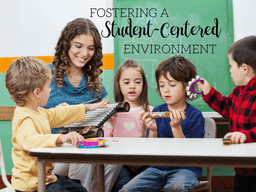
The Teacher in a Student-Centered Learning Environment
Quiz by Erica Jane Garbida
Customize this quiz to suit your class
Instantly translate to 100+ languages
Tag the questions with any skills you have. Your dashboard will track each student's mastery of each skill.
Give this quiz to my class
It is a key element in a student-centered learning environment.
Principal
Student
Teacher
Instructor
Our growth in _________ is the key to our ability to create a student-centered learning environment.
Nurturing
Training
Listening
Teaching
It is a key element in a student-centered learning environment.
Our growth in _________ is the key to our ability to create a student-centered learning environment.
How many stages are there in The Teacher in a Student-Centered Learning Environment
We tend to put ourselves at the center of the class.
We have transcended the stage "I" and are worried least about ourselves.
We are comfortable with our classroom management techniques.
Many real teachers have found these feelings in teaching.
These are a reminders for teachers to reflect upon their own teaching.
Which of the following does NOT belong to Understanding the stages of a teacher’s development: Some limitations
One of the following are the attitudes and exercises to attain the goal of teacher in a student-centered learning environment. Which is it?
 The advantage of direct method is that the teacher can control the class and fit in a lot of activity into a short class period. This leaves plenty of opportunities for the students to hone their skills, especially new ones. On the other hand, because the class is centered around the teacher, some students may not receive proper feedback, and creativity is limited. Also, the lesser talented athletes often tend to get lost in the shuffle while the great athletes shine. However, there are now a multitude of various teaching strategies that can be employed in addition to that method. Ex: Announcements, Module/Unit introductions, Descriptions/modeling of assignments and learning activities, Written or video lectures, Demonstration videos, Presentations, Discussions moderated by instructors, Interactive tutorials. Indirect Method The Indirect Teaching Style allows students to be involved in their own learning through experience and other peer’s knowledge. Students can use critical thinking to expand their learning capabilities by seeing what others may be doing correct and adjusting this to their own knowledge. The Indirect approach is the opposite of what the direct style suggests, but they are both strictly related, meaning you can’t have one without the other. Direct teaching: The instructor stands in front of the class or group and lectures or advises. Indirect teaching: The instructor assumes a more passive role and guides the student interactions. Movement exploration: Incorporates the use of equipment that involves movement. Movement Exploration The movement exploration class is founded on developing a strong, positive association to physical activity. Classes are aimed at developing movement skills and foundational strength through fun and engaging activities. The activities are age appropriate and include games, challenges, and exploration that positively challenge children’s competency while improving their physical capabilities. Skills such as the ability to climb, hold animal shapes, gymnastic style activities, and the introduction to athletic motor skill competencies are the foundations to youth training. This class provides the introduction to strength training to give children the opportunity to learn the skills required to safely and confidently engage in resistance training. Cooperative Skills Cooperative activities teach students to work together for their group's common good. By participating in these activities, students can learn the skills of listening, discussing, thinking as a group, group decision making, and sacrificing individual wants for the common good. There are two primary objectives guiding the teaching of cooperative activities. First, cooperative activities allow students to apply a variety of fundamental motor skills in a unique setting. Students are typically asked to perform motor skills in a specific way, such as “skip in general space” or “balance on one foot and one elbow.” Cooperative activities ask students to perform different activities such as skip with their hands on the shoulders of someone in front of them, walk with big steps while placing their feet on small spots, or walk across an area blindfolded while someone directs their moves. Due to the uniqueness of such experiences, students often find cooperative activities exciting and motivating. Second, cooperative activities are a wonderful medium for teaching social and emotional learning (SEL). SEL offers students an opportunity to understand and manage their emotions. In addition, such activities offer an opportunity to show empathy for others and develop positive relationships. Cooperative activities demand that all students play a role in completing the task or solving the movement problem. Every student, regardless of ability level, is important and contributes to group goals. 9 traits a PE teacher often needs Here are nine essential traits of an effective PE teacher: 1. Athletic ability Athletic ability is an essential trait for a PE teacher because they're often showing kids how to perform exercises. To demonstrate proper form and encourage the kids to continue their fitness education, it's important they can perform the exercises themselves. Having experience with fitness training can enhance a PE teacher's lesson planning because they're familiar with how each exercise affects a person's body. Athletic ability can also refer to an aptitude for sports and games. PE teachers can instruct students on how to play these games or lead after-school activities involving them, like soccer or basketball. An aptitude for sports and games can help a PE teacher encourage students to participate in the activities during class. If the PE teacher enjoys physical activity, they may make the lessons more enjoyable for the student. 2. Teaching ability A PE teacher is a member of a school faculty, so it's essential they have the teaching ability that allows them to communicate lessons to students. There are various skills involved in teaching, including the technical capabilities associated with each professional's particular field. Learning these skills can help PE teacher plan their lessons effectively and connect with their students, meaning they can encourage students to practice fitness skills in optimal ways for their health. Here are some important teaching skills for PE teachers: Having an engaging classroom presence Real-world learning Project building Lesson planning Technology 3. Interpersonal skills PE coaches are part of faculty teams, so working alongside other teachers is an essential part of their job. They often collaborate with a student's general education teacher to address any behavioral issues that arise. They can also team up with other classes to plan activities for students, like field days and special field trips. Communicating with peers can ensure these interactions remain productive and create opportunities for more fulfilling lessons. Teachers can also model emotional skills for their students by displaying positive social interactions. Interpersonal skills can also help PE teachers interact with students and their families. If a student can make a student feel comfortable expressing their needs and preferences, they can often perform physical exercises or play games to the best of their individual capacities. Understanding how to soothe nerves and support students' emotional needs are important examples of interpersonal skills. When interacting with family members, you may use some of these same techniques to communicate effectively and best uplift students. 4. Written and verbal communication Both verbal and written communication is important for PE teachers because they often communicate with students, families and various personnel on a day-to-day basis. For example, a PE teacher uses their communication skills in a lesson plan to describe any student assignments or expectations accurately. They may also write instructions in a document, then explain them in a classroom lecture. They also use communication skills to share their lesson plans with other PE teachers during conferences or classroom development exercises. Many teachers continue to learn their trade even after working as a teacher for many years. They may share tips with each other or special lessons they've developed if they feel another teacher may benefit from it. Creating a community can help PE teachers continue to expand their teaching methodology and receive feedback on their lessons. 5. Patience and adaptability Working with children can require patience and adaptability because they're encountering many new concepts at the same time and learning how to regulate their emotions. As a result, it's important to treat them with patience and care while they're in your class so they can feel comfortable and feel motivated to complete assignments. As children become teenagers, they may require patience and adaptability to account for their changing bodies and attention spans. Like any job where you perform tasks in real-time, certain circumstances may occur that require you to adapt lesson plans. For example, if the weather turns from sunshine to rain on a day you planned for students to run a mile outside, you may need to adapt the lesson plan so they can practice endurance sports inside a gymnasium instead. 6. Organization PE teachers can use organization skills to improve their lesson planning sessions. For example, they can keep their plans in one place, and determine which parts of a semester or quarter to introduce new concepts. Throughout the year, these objectives may change because of unforeseen setbacks, but organizational skills can help PE teachers control the trajectory of their class curriculum. PE teachers can also use organizational skills to maintain their classroom space. Physical education frequently requires balls, equipment and tools to play games that may be on a lesson plan. They also organize equipment and decide where to store it within their classroom or storage space. 7. Creativity Creativity can help a PE teacher develop fun ways to introduce new material to their students or reinforce previous lessons. They can teach new games or devise interesting ideas to change the rules of a game to help keep students engaged. To find inspiration for their lesson plans, they can turn to personal hobbies or media aspects they enjoy, like movie scenes, songs or dances. A varied lesson plan can foster more engagement among students who prefer action- based learning activities, rather than lectures. 8. Focus Focus is an essential trait of a PE teacher because students often require their full attention during class, especially if they're learning a complicated physical task. You can focus your lesson plans around specific elements of physical education you believe are essential for students of a certain age group or skill level. If students require mentorship, you can also focus on each student's needs to supply them with a steady support system. Focusing on your students can help guide your career purpose. It can give you a core value system that informs your lesson plans and mentorship activities. This passion for your student's well-being can also help you become an advocate for each student in your class. You can also help organize funding for different field trips or establish after-school activities to support their interests. 9. Enthusiasm for teaching sports and fitness Enthusiasm is essential for a PE teacher. Many physical education activities require high energy and may suit someone who enjoys teaching them to others. Being an effective PE teacher also requires an enthusiasm for working with kids and making a positive impact on their lives.GRADE 4 Module 6 Lesson 3. Interpret Remainders This PowerPoint file contains instructional aids for teachers who have purchased Into Math. It is intended to be projected to students and used in conjunction with the Student Edition and manipulatives as needed. These slides can be used to move the conversation forward in the classroom, but they should not serve as a replacement for student-centered, collaborative conversations in which students have the space they need to find an entry point, construct meaning, and build understanding. About the Slide Presentation Presenter View: Use the Presenter view to see notes while presenting. Customization: Add or delete content or notes to get the best learning experience for your classroom. 1 Problem of the Day. Which equations can be used to solve the following problem? Rita makes 40 bracelets and gives an equal number to 8 friends, including Veronica. Veronica gives 2 of the bracelets that she received to her sister. How many bracelets does Veronica have left? A. 40 – 8 = 32 32 ÷ 2 = 16 B. 40 ÷ 8 = 5 5 + 2 = 7 C. 8 + 2 = 10 40 ÷ 10 = 4 D. 40 ÷ 8 = 5 5 – 2 = 3 2 I Can. I Can solve a division problem and interpret the remainder in the context of the problem. 3 Spark Your Learning. Aiden is building solar toy cars in his science club. The cars collect and use energy from the sun for power. Aiden buys 18 wheels. Each car needs 4 wheels. How many cars can Aiden build? Show your thinking. 4 Turn and Talk. What is the remainder in this problem? What does the remainder mean? Professional Development note: Use the Professional Learning Cards to provide language routines that may help students access the meaning of the problem. 5 Build Understanding • Task 1 ACTIVITY. There are 57 students going to the science museum. Each van can take 5 students. How many vans are needed to take all the students? Use a visual model to show how the students are divided into groups of 5. 6 Turn and Talk. How can you use the whole-number quotient and remainder to answer these questions? How many vans will be full? How many students will ride in the van that is not full? Professional Development note: Use the Professional Learning Cards to provide language routines that may help students access the meaning of the problem. 7 Step It Out • Task 2 ACTIVITY.. Amanda has 73 inches of wire for a science experiment. She needs to cut all the wire into 8 identical pieces. How many inches long will each piece be? 8 Turn and Talk. Why is this problem a good situation to write the remainder as a fraction? Professional Development note: Use the Professional Learning Cards to provide language routines that may help students access the meaning of the problem. 9 Check Understanding. 1. Maya needs 44 batteries for smoke alarms. The batteries come in packs of 6. How many packs does Maya need to buy? For 44 ÷ 6, the whole-number quotient is ____ and the remainder is ____. Maya needs to buy ____ packs. Circle how you interpreted the remainder to solve the problem. 10 I Can Scale. 4 I can explain how to solve a division problem and interpret the remainder in the context of the problem. 3 I can solve a division problem and interpret the remainder in the context of the problem. 2 I can solve a division problem and identify the whole-number quotient and the remainder. 1 I can solve a division problem with a remainder. 11 Exit Ticket. Mr. Jenkins’ class is giving speeches during a 46-minute class. Each student will be able to talk for 4 minutes. How many students can give speeches? Justify your answer.ILLINOIS PROFESSIONAL TEACHING STANDARDS (2013) Standard 1 - Teaching Diverse Students – The competent teacher understands the diverse characteristics and abilities of each student and how individuals develop and learn within the context of their social, economic, cultural, linguistic, and academic experiences. The teacher uses these experiences to create instructional opportunities that maximize student learning. Knowledge Indicators – The competent teacher: 1A) understands the spectrum of student diversity (e.g., race and ethnicity, socioeconomic status, special education, gifted, English language learners (ELL), sexual orientation, gender, gender identity) and the assets that each student brings to learning across the curriculum; 1B) understands how each student constructs knowledge, acquires skills, and develops effective and efficient critical thinking and problem-solving capabilities; 1C) understands how teaching and student learning are influenced by development (physical, social and emotional, cognitive, linguistic), past experiences, talents, prior knowledge, economic circumstances and diversity within the community; 1D) understands the impact of cognitive, emotional, physical, and sensory disabilities on learning and communication pursuant to the Individuals with Disabilities Education Improvement Act (also referred to as “IDEA”) (20 USC 1400 et seq.), its implementing regulations (34 CFR 300; 2006), Article 14 of the School Code [105 ILCS 5/Art.14] and 23 Ill. Adm. Code 226 (Special Education); 1E) understands the impact of linguistic and cultural diversity on learning and communication; 1F) understands his or her personal perspectives and biases and their effects on one’s teaching; and 1G) understands how to identify individual needs and how to locate and access technology, services, and resources to address those needs. Performance Indicators – The competent teacher: 1H) analyzes and uses student information to design instruction that meets the diverse needs of students and leads to ongoing growth and achievement; 1I) stimulates prior knowledge and links new ideas to already familiar ideas and experiences; 1J) differentiates strategies, materials, pace, levels of complexity, and language to introduce concepts and principles so that they are meaningful to students at varying levels of development and to students with diverse learning needs; 1K) facilitates a learning community in which individual differences are respected; and 1L) uses information about students’ individual experiences, families, cultures, and communities to create meaningful learning opportunities and enrich instruction for all students. Standard 2 - Content Area and Pedagogical Knowledge – The competent teacher has in-depth understanding of content area knowledge that includes central concepts, methods of inquiry, structures of the disciplines, and content area literacy. The teacher creates meaningful learning experiences for each student based upon interactions among content area and pedagogical knowledge, and evidence-based practice. Knowledge Indicators – The competent teacher: 2A) understands theories and philosophies of learning and human development as they relate to the range of students in the classroom; 2B) understands major concepts, assumptions, debates, and principles; processes of inquiry; and theories that are central to the disciplines; 2C) understands the cognitive processes associated with various kinds of learning (e.g., critical and creative thinking, problem-structuring and problem-solving, invention, memorization, and recall) 2 and ensures attention to these learning processes so that students can master content standards; 2D) understands the relationship of knowledge within the disciplines to other content areas and to life applications; 2E) understands how diverse student characteristics and abilities affect processes of inquiry and influence patterns of learning; 2F) knows how to access the tools and knowledge related to latest findings (e.g., research, practice, methodologies) and technologies in the disciplines; 2G) understands the theory behind and the process for providing support to promote learning when concepts and skills are first being introduced; and 2H) understands the relationship among language acquisition (first and second), literacy development, and acquisition of academic content and skills. Performance Indicators – The competent teacher: 2I) evaluates teaching resources and materials for appropriateness as related to curricular content and each student’s needs; 2J) uses differing viewpoints, theories, and methods of inquiry in teaching subject matter concepts; 2K) engages students in the processes of critical thinking and inquiry and addresses standards of evidence of the disciplines; 2L) demonstrates fluency in technology systems, uses technology to support instruction and enhance student learning, and designs learning experiences to develop student skills in the application of technology appropriate to the disciplines; 2M) uses a variety of explanations and multiple representations of concepts that capture key ideas to help each student develop conceptual understanding and address common misunderstandings; 2N) facilitates learning experiences that make connections to other content areas and to life experiences; 2O) designs learning experiences and utilizes assistive technology and digital tools to provide access to general curricular content to individuals with disabilities; 2P) adjusts practice to meet the needs of each student in the content areas; and 2Q) applies and adapts an array of content area literacy strategies to make all subject matter accessible to each student. Standard 3 - Planning for Differentiated Instruction – The competent teacher plans and designs instruction based on content area knowledge, diverse student characteristics, student performance data, curriculum goals, and the community context. The teacher plans for ongoing student growth and achievement. Knowledge Indicators – The competent teacher: 3A) understands the Illinois Learning Standards (23 Ill. Adm. Code 1.Appendix D), curriculum development process, content, learning theory, assessment, and student development and knows how to incorporate this knowledge in planning differentiated instruction; 3B) understands how to develop short- and long-range plans, including transition plans, consistent with curriculum goals, student diversity, and learning theory; 3C) understands cultural, linguistic, cognitive, physical, and social and emotional differences, and considers the needs of each student when planning instruction; 3D) understands when and how to adjust plans based on outcome data, as well as student needs, goals, and responses; 3E) understands the appropriate role of technology, including assistive technology, to address student needs, as well as how to incorporate contemporary tools and resources to maximize student learning; 3 3F) understands how to co-plan with other classroom teachers, parents or guardians, paraprofessionals, school specialists, and community representatives to design learning experiences; and 3G) understands how research and data guide instructional planning, delivery, and adaptation. Performance Indicators – The competent teacher: 3H) establishes high expectations for each student’s learning and behavior; 3I) creates short-term and long-term plans to achieve the expectations for student learning; 3J) uses data to plan for differentiated instruction to allow for variations in individual learning needs; 3K) incorporates experiences into instructional practices that relate to a student’s current life experiences and to future life experiences; 3L) creates approaches to learning that are interdisciplinary and that integrate multiple content areas; 3M) develops plans based on student responses and provides for different pathways based on student needs; 3N) accesses and uses a wide range of information and instructional technologies to enhance a student’s ongoing growth and achievement; 3O) when planning instruction, addresses goals and objectives contained in plans developed under Section 504 of the Rehabilitation Act of 1973 (29 USC 794), individualized education programs (IEP) (see 23 Ill. Adm. Code 226 (Special Education)) or individual family service plans (IFSP) (see 23 Ill. Adm. Code 226 and 34 CFR 300.24; 2006); 3P) works with others to adapt and modify instruction to meet individual student needs; and 3Q) develops or selects relevant instructional content, materials, resources, and strategies (e.g., project-based learning) for differentiating instruction. Standard 4 - Learning Environment – The competent teacher structures a safe and healthy learning environment that facilitates cultural and linguistic responsiveness, emotional well-being, self-efficacy, positive social interaction, mutual respect, active engagement, academic risk-taking, self-motivation, and personal goal-setting. Knowledge Indicators – The competent teacher: 4A) understands principles of and strategies for effective classroom and behavior management; 4B) understands how individuals influence groups and how groups function in society; 4C) understands how to help students work cooperatively and productively in groups; 4D) understands factors (e.g., self-efficacy, positive social interaction) that influence motivation and engagement; 4E) knows how to assess the instructional environment to determine how best to meet a student’s individual needs; 4F) understands laws, rules, and ethical considerations regarding behavior intervention planning and behavior management (e.g., bullying, crisis intervention, physical restraint); 4G) knows strategies to implement behavior management and behavior intervention planning to ensure a safe and productive learning environment; and 4H) understands the use of student data (formative and summative) to design and implement behavior management strategies. Performance Indicators – The competent teacher: 4I) creates a safe and healthy environment that maximizes student learning; 4J) creates clear expectations and procedures for communication and behavior and a physical setting conducive to achieving classroom goals; 4K) uses strategies to create a smoothly functioning learning community in which students assume responsibility for themselves and one another, participate in decision-making, work collaboratively and independently, use appropriate technology, and engage in purposeful learning activities; 4 4L) analyzes the classroom environment and makes decisions to enhance cultural and linguistic responsiveness, mutual respect, positive social relationships, student motivation, and classroom engagement; 4M) organizes, allocates, and manages time, materials, technology, and physical space to provide active and equitable engagement of students in productive learning activities; 4N) engages students in and monitors individual and group-learning activities that help them develop the motivation to learn; 4O) uses a variety of effective behavioral management techniques appropriate to the needs of all students that include positive behavior interventions and supports; 4P) modifies the learning environment (including the schedule and physical arrangement) to facilitate appropriate behaviors and learning for students with diverse learning characteristics; and 4Q) analyzes student behavior data to develop and support positive behavior. Standard 5 - Instructional Delivery – The competent teacher differentiates instruction by using a variety of strategies that support critical and creative thinking, problem-solving, and continuous growth and learning. This teacher understands that the classroom is a dynamic environment requiring ongoing modification of instruction to enhance learning for each student. Knowledge Indicators – The competent teacher: 5A) understands the cognitive processes associated with various kinds of learning; 5B) understands principles and techniques, along with advantages and limitations, associated with a wide range of evidence-based instructional practices; 5C) knows how to implement effective differentiated instruction through the use of a wide variety of materials, technologies, and resources; 5D) understands disciplinary and interdisciplinary instructional approaches and how they relate to life and career experiences; 5E) knows techniques for modifying instructional methods, materials, and the environment to facilitate learning for students with diverse learning characteristics; 5F) knows strategies to maximize student attentiveness and engagement; 5G) knows how to evaluate and use student performance data to adjust instruction while teaching; and 5H) understands when and how to adapt or modify instruction based on outcome data, as well as student needs, goals, and responses. Performance Indicators – The competent teacher: 5I) uses multiple teaching strategies, including adjusted pacing and flexible grouping, to engage students in active learning opportunities that promote the development of critical and creative thinking, problem-solving, and performance capabilities; 5J) monitors and adjusts strategies in response to feedback from the student; 5K) varies his or her role in the instructional process as instructor, facilitator, coach, or audience in relation to the content and purposes of instruction and the needs of students; 5L) develops a variety of clear, accurate presentations and representations of concepts, using alternative explanations to assist students’ understanding and presenting diverse perspectives to encourage critical and creative thinking; 5M) uses strategies and techniques for facilitating meaningful inclusion of individuals with a range of abilities and experiences; 5N) uses technology to accomplish differentiated instructional objectives that enhance learning for each student; 5O) models and facilitates effective use of current and emerging digital tools to locate, analyze, evaluate, and use information resources to support research and learning; 5P) uses student data to adapt the curriculum and implement instructional strategies and materials according to the characteristics of each student; 5 5Q) uses effective co-planning and co-teaching techniques to deliver instruction to all students; 5R) maximizes instructional time (e.g., minimizes transitional time); and 5S) implements appropriate evidence-based instructional strategies. Standard 6 - Reading, Writing, and Oral Communication – The competent teacher has foundational knowledge of reading, writing, and oral communication within the content area and recognizes and addresses student reading, writing, and oral communication needs to facilitate the acquisition of content knowledge. Knowledge Indicators – The competent teacher: 6A) understands appropriate and varied instructional approaches used before, during, and after reading, including those that develop word knowledge, vocabulary, comprehension, fluency, and strategy use in the content areas; 6B) understands that the reading process involves the construction of meaning through the interactions of the reader's background knowledge and experiences, the information in the text, and the purpose of the reading situation; 6C) understands communication theory, language development, and the role of language in learning; 6D) understands writing processes and their importance to content learning; 6E) knows and models standard conventions of written and oral communications; 6F) recognizes the relationships among reading, writing, and oral communication and understands how to integrate these components to increase content learning; 6G) understands how to design, select, modify, and evaluate a wide range of materials for the content areas and the reading needs of the student; 6H) understands how to use a variety of formal and informal assessments to recognize and address the reading, writing, and oral communication needs of each student; and 6I) knows appropriate and varied instructional approaches, including those that develop word knowledge, vocabulary, comprehension, fluency, and strategy use in the content areas. Performance Indicators – The competent teacher: 6J) selects, modifies, and uses a wide range of printed, visual, or auditory materials, and online resources appropriate to the content areas and the reading needs and levels of each student (including ELLs, and struggling and advanced readers); 6K) uses assessment data, student work samples, and observations from continuous monitoring of student progress to plan and evaluate effective content area reading, writing, and oral communication instruction; 6L) facilitates the use of appropriate word identification and vocabulary strategies to develop each student’s understanding of content; 6M) teaches fluency strategies to facilitate comprehension of content; 6N) uses modeling, explanation, practice, and feedback to teach students to monitor and apply comprehension strategies independently, appropriate to the content learning; 6O) teaches students to analyze, evaluate, synthesize, and summarize information in single texts and across multiple texts, including electronic resources; 6P) teaches students to develop written text appropriate to the content areas that utilizes organization (e.g., compare/contrast, problem/solution), focus, elaboration, word choice, and standard conventions (e.g., punctuation, grammar); 6Q) integrates reading, writing, and oral communication to engage students in content learning; 6R) works with other teachers and support personnel to design, adjust, and modify instruction to meet students’ reading, writing, and oral communication needs; and 6S) stimulates discussion in the content areas for varied instructional and conversational purposes. Standard 7 - Assessment – The competent teacher understands and uses appropriate formative and summative assessments for determining student needs, monitoring student progress, measuring student 6 growth, and evaluating student outcomes. The teacher makes decisions driven by data about curricular and instructional effectiveness and adjusts practices to meet the needs of each student. Knowledge Indicators – The competent teacher: 7A) understands the purposes, characteristics, and limitations of different types of assessments, including standardized assessments, universal screening, curriculum-based assessment, and progress monitoring tools; 7B) understands that assessment is a means of evaluating how students learn and what they know and are able to do in order to meet the Illinois Learning Standards; 7C) understands measurement theory and assessment-related issues, such as validity, reliability, bias, and appropriate and accurate scoring; 7D) understands current terminology and procedures necessary for the appropriate analysis and interpretation of assessment data; 7E) understands how to select, construct, and use assessment strategies and instruments for diagnosis and evaluation of learning and instruction; 7F) knows research-based assessment strategies appropriate for each student; 7G) understands how to make data-driven decisions using assessment results to adjust practices to meet the needs of each student; 7H) knows legal provisions, rules, and guidelines regarding assessment and assessment accommodations for all student populations; and 7I) knows assessment and progress monitoring techniques to assess the effectiveness of instruction for each student. Performance Indicators – The competent teacher: 7J) uses assessment results to determine student performance levels, identify learning targets, select appropriate research-based instructional strategies, and implement instruction to enhance learning outcomes; 7K) appropriately uses a variety of formal and informal assessments to evaluate the understanding, progress, and performance of an individual student and the class as a whole; 7L) involves students in self-assessment activities to help them become aware of their strengths and needs and encourages them to establish goals for learning; 7M) maintains useful and accurate records of student work and performance; 7N) accurately interprets and clearly communicates aggregate student performance data to students, parents or guardians, colleagues, and the community in a manner that complies with the requirements of the Illinois School Student Records Act [105 ILCS 10], 23 Ill. Adm. Code 375 (Student Records), the Family Educational Rights and Privacy Act (FERPA) (20 USC 1232g) and its implementing regulations (34 CFR 99; December 9, 2008); 7O) effectively uses appropriate technologies to conduct assessments, monitor performance, and assess student progress; 7P) collaborates with families and other professionals involved in the assessment of each student; 7Q) uses various types of assessment procedures appropriately, including making accommodations for individual students in specific contexts; and 7R) uses assessment strategies and devices that are nondiscriminatory, and take into consideration the impact of disabilities, methods of communication, cultural background, and primary language on measuring knowledge and performance of students. Standard 8 - Collaborative Relationships – The competent teacher builds and maintains collaborative relationships to foster cognitive, linguistic, physical, and social and emotional development. This teacher works as a team member with professional colleagues, students, parents or guardians, and community members. Knowledge Indicators – The competent teacher: 8A) understands schools as organizations within the larger community context; 7 8B) understands the collaborative process and the skills necessary to initiate and carry out that process; 8C) collaborates with others in the use of data to design and implement effective school interventions that benefit all students; 8D) understands the benefits, barriers, and techniques involved in parent and family collaborations; 8E) understands school- and work-based learning environments and the need for collaboration with all organizations (e.g., businesses, community agencies, nonprofit organizations) to enhance student learning; 8F) understands the importance of participating on collaborative and problem-solving teams to create effective academic and behavioral interventions for all students; 8G) understands the various models of co-teaching and the procedures for implementing them across the curriculum; 8H) understands concerns of families of students with disabilities and knows appropriate strategies to collaborate with students and their families in addressing these concerns; and 8I) understands the roles and the importance of including students with disabilities, as appropriate, and all team members in planning individualized education programs (i.e, IEP, IFSP, Section 504 plan) for students with disabilities. Performance Indicators – The competent teacher: 8J) works with all school personnel (e.g., support staff, teachers, paraprofessionals) to develop learning climates for the school that encourage unity, support a sense of shared purpose, show trust in one another, and value individuals; 8K) participates in collaborative decision-making and problem-solving with colleagues and other professionals to achieve success for all students; 8L) initiates collaboration with others to create opportunities that enhance student learning; 8M) uses digital tools and resources to promote collaborative interactions; 8N) uses effective co-planning and co-teaching techniques to deliver instruction to each student; 8O) collaborates with school personnel in the implementation of appropriate assessment and instruction for designated students; 8P) develops professional relationships with parents and guardians that result in fair and equitable treatment of each student to support growth and learning; 8Q) establishes respectful and productive relationships with parents or guardians and seeks to develop cooperative partnerships to promote student learning and well-being; 8R) uses conflict resolution skills to enhance the effectiveness of collaboration and teamwork; 8S) participates in the design and implementation of individualized instruction for students with special needs (i.e., IEPs, IFSP, transition plans, Section 504 plans), ELLs, and students who are gifted; and 8T) identifies and utilizes community resources to enhance student learning and to provide opportunities for students to explore career opportunities. Standard 9 - Professionalism, Leadership, and Advocacy – The competent teacher is an ethical and reflective practitioner who exhibits professionalism; provides leadership in the learning community; and advocates for students, parents or guardians, and the profession. Knowledge Indicators – The competent teacher: 9A) evaluates best practices and research-based materials against benchmarks within the disciplines; 9B) knows laws and rules (e.g., mandatory reporting, sexual misconduct, corporal punishment) as a foundation for the fair and just treatment of all students and their families in the classroom and school; 9C) understands emergency response procedures as required under the School Safety Drill Act [105 ILCS 128/1], including school safety and crisis intervention protocol, initial response 8 actions (e.g., whether to stay in or evacuate a building), and first response to medical emergencies (e.g., first aid and life-saving techniques); 9D) identifies paths for continuous professional growth and improvement, including the design of a professional growth plan; 9E) is cognizant of his or her emerging and developed leadership skills and the applicability of those skills within a variety of learning communities; 9F) understands the roles of an advocate, the process of advocacy, and its place in combating or promoting certain school district practices affecting students; 9G) understands local and global societal issues and responsibilities in an evolving digital culture; and 9H) understands the importance of modeling appropriate dispositions in the classroom. Performance Indicators – The competent teacher: 9I) models professional behavior that reflects honesty, integrity, personal responsibility, confidentiality, altruism and respect; 9J) maintains accurate records, manages data effectively, and protects the confidentiality of information pertaining to each student and family; 9K) reflects on professional practice and resulting outcomes; engages in self-assessment; and adjusts practices to improve student performance, school goals, and professional growth; 9L) communicates with families, responds to concerns, and contributes to enhanced family participation in student education; 9M) communicates relevant information and ideas effectively to students, parents or guardians, and peers, using a variety of technology and digital-age media and formats; 9N) collaborates with other teachers, students, parents or guardians, specialists, administrators, and community partners to enhance students’ learning and school improvement; 9O) participates in professional development, professional organizations, and learning communities, and engages in peer coaching and mentoring activities to enhance personal growth and development; 9P) uses leadership skills that contribute to individual and collegial growth and development, school improvement, and the advancement of knowledge in the teaching profession; 9Q) proactively serves all students and their families with equity and honor and advocates on their behalf, ensuring the learning and well-being of each child in the classroom; 9R) is aware of and complies with the mandatory reporter provisions of Section 4 of the Abused and Neglected Child Reporting Act [325 ILCS 5/4]; 9S) models digital etiquette and responsible social actions in the use of digital technology; and 9T) models and teaches safe, legal, and ethical use of digital information and technology, including respect for copyright, intellectual property, and the appropriate documentation of sources.Classroom Expectations and Policies Assessment 1. What should students bring to class every day? a. Only a positive attitude b. Charged Chromebook, writing utensil, and positive attitude c. Just their books d. Snacks and drinks 2. What is the consequence for bullying in the classroom? a. A warning b. A violation card c. Extra homework d. A meeting with the principal 3. If a student breaks a personal item, what must they do? a. Ignore it b. Apologize c. Buy a new one for the teacher d. Ask for forgiveness 4. How should students handle using the futon during class? a. Sit on it every day b. Use it without asking c. Ask first and only use it during work time d. Sit on it during lectures 5. Where will all assignments be posted? a. On the classroom wall b. On Canvas c. Only verbally d. In a textbook 6. What happens if an assignment is submitted late? a. It will be graded normally b. It will not be accepted c. It will drop a letter grade each day it is late d. It will be given extra credit 7. After how many days of lateness will a student receive only half credit for an assignment? a. 1 day b. 2 days c. 3 days d. 4 days 8. What is the policy for retaking tests? a. No retakes allowed b. Students must schedule the retake themselves c. Retakes are given automatically d. Only the teacher can decide on retakes 9. What constitutes cheating in this classroom? a. Asking for help b. Claiming credit for someone else's work c. Working with a partner d. Participating in study groups 10. What is the penalty for cheating? a. A warning b. A failing grade on the assignment and notification of parents c. Extra assignments d. A detention 11. How will grades be determined? a. By participation only b. By points, with tests and quizzes weighted more than classwork c. By effort d. By attendance 12. Where can students use their cell phones? a. In class anytime b. In the commons and hallways during passing time and lunch c. In the restroom d. In the cafeteria only 13. What happens if a student uses their phone during class? a. They will receive a warning b. The phone will be confiscated immediately c. They can keep it if they ask d. They will lose points on their grade 14. What should a student do if they know they will be absent? a. Ignore it and hope for the best b. Come to the teacher at least three days before c. Ask a friend for notes d. Just show up later 15. If a student is sick and cannot do work, what should they focus on? a. Completing all missed assignments b. Getting better c. Emailing the teacher every hour d. Asking for extra credit 16. What is the policy on bringing food or drinks to class? a. It's not allowed at all b. It’s allowed as long as it’s not a distraction c. Only water is allowed d. Students must share their food 17. How should students contact the teacher with questions? a. Only during class time b. Through social media c. By email or in person d. By sending a friend 18. What happens if a student emails after 9 PM? a. The teacher will respond immediately b. The teacher will respond the next day at 7:45 AM c. The email will be ignored d. The teacher will call the student 19. How do violations accumulate for cell phone use? a. They reset every trimester b. They accumulate throughout the school year c. They reset every week d. They do not count 20. What should students do if they have concerns while the teacher is on maternity leave? a. Contact the principal b. Contact the substitute teacher for assistance c. Wait until the teacher returns d. Handle it on their own Answer Key (Always review AI generated answers for accuracy - Math is more likely to be inaccurate) b. Charged Chromebook, writing utensil, and positive attitude b. A violation card c. Buy a new one for the teacher c. Ask first and only use it during work time b. On Canvas c. It will drop a letter grade each day it is late c. 3 days b. Students must schedule the retake themselves b. Claiming credit for someone else's work b. A failing grade on the assignment and notification of parents b. By points, with tests and quizzes weighted more than classwork b. In the commons and hallways during passing time and lunch b. The phone will be confiscated immediately b. Come to the teacher at least three days before b. Getting better b. It’s allowed as long as it’s not a distraction c. By email or in person b. The teacher will respond the next day at 7:45 AM b. They accumulate throughout the school year b. Contact the substitute teacher for assistance In our classroom, we believe in teamwork and responsibility. That's why we have different classroom jobs that students can take on to help make our learning environment run smoothly. Each job comes with specific tasks and responsibilities, and it is important for the students to understand the requirements and expectations for each role. Let's take a closer look at the different classroom jobs available to our sixth-grade students: 1. Teacher's Assistant: The Teacher's Assistant plays a crucial role in our classroom. Their main responsibility is to remind the teacher of important tasks that need to be done throughout the day. This includes taking attendance, passing out papers to go home, and any other "do not forget" tasks that the teacher might need help with. The Teacher's Assistant needs to be organized, responsible, and reliable. 2. Supplies Monitor: The Supplies Monitor is responsible for ensuring that all classroom supplies are put away neatly. This includes making sure that pencils, pens, markers, and other materials are returned to their designated places after each use. The Supplies Monitor needs to be attentive to detail and have good organizational skills. 3. Technology Assistant: With our use of technology in the classroom, the Technology Assistant plays a vital role. They help students and guest teachers who might not be tech-savvy with chromebooks and other devices. The Technology Assistant should be comfortable with technology, patient, and willing to help others. 4. Room Monitor: The Room Monitor is in charge of checking desks and floors before lunch dismissal. They make sure that everything is clean and organized before we leave the classroom. The Room Monitor needs to be responsible, observant, and take pride in maintaining a tidy learning environment. 5. Line Leader: The Line Leader has the important task of leading the class and setting the pace when we transition from one place to another. They need to walk in a straight line, follow instructions, and be a positive role model for their peers. The Line Leader should be reliable, responsible, and demonstrate good leadership skills. 6. Messenger: The Messenger is responsible for taking things to the office or picking up items that the teacher needs. They need to be trustworthy, reliable, and able to follow instructions. The Messenger should also have good time management skills to ensure tasks are completed promptly. 7. Host/Hostess: When visitors come to our classroom and need assistance while the teacher is busy, the Host/Hostess is there to help. They greet visitors, provide directions, and offer any necessary support. The Host/Hostess should have good communication skills, be friendly, and approachable. 8. Guest Teacher Guide: In the event of a guest teacher, this student will help them take attendance and assist the teacher with anything they need help with. The Guest Teacher Guide needs to be responsible, reliable, and have good communication skills. They should also be respectful and supportive of the guest teacher. 9. Researcher: During whole-class discussions, if there is a question or topic that needs further exploration, the Researcher steps in. They use the internet to look up information and provide additional insights. The Researcher should have good research skills, be able to navigate online resources, and share accurate information with the class. 10. Secretary: The Secretary takes down notes when directed in the class notebook and collects any papers for absent students, placing them in their designated file. They need to be organized, attentive, and have good handwriting. It is important to note that all of these roles come with certain requirements. To be considered for any of these jobs, you must be punctual and have good attendance. This means arriving to school and class on time every day. Additionally, honesty and reliability are crucial traits for anyone taking on these responsibilities. By working together and taking on these classroom jobs, we can create an environment that is conducive to learning, organized, and supportive. Each of these roles plays a vital part in our classroom community, and we appreciate the efforts of all students who take on these responsibilities. Let's make our classroom a place where everyone feels valued and can thrive!RPMS Quiz: Quality vs. Efficiency 1. A teacher spends five hours creating a highly interactive digital game for a single 40-minute lesson. This is an example of prioritizing: • A) Quality over Efficiency • B) Efficiency over Quality • C) Administrative Competence • D) Resource Management • Hint: The focus is on high-level engagement, but the time investment is very high. 2. Which of the following best describes "Efficiency" in the context of the RPMS? • A) Submitting all MOVs and reports on or before the deadline with minimal errors. • B) Ensuring 100% of students pass the quarterly examination. • C) Creating the most aesthetically pleasing portfolio in the department. • D) Conducting home visits for every single student in a class of 50. • Hint: Look for the option that emphasizes timeliness and resource use. 3. Using a "template" or a "reusable slide deck" for lesson planning is a strategy to improve: • A) Efficiency • B) Instructional Diversity • C) Subject Matter Mastery • D) Classroom Discipline • Hint: Templates reduce the time spent on repetitive formatting. 4. If a teacher provides detailed, personalized feedback to every student but submits the grades two weeks late, they have achieved: • A) High Quality, Low Efficiency • B) Low Quality, High Efficiency • C) High Quality, High Efficiency • D) Low Quality, Low Efficiency • Hint: The work itself is excellent, but the timing is poor. 5. Which tool improves Efficiency without sacrificing the Quality of assessment data? • A) Automated Google Forms for multiple-choice quizzes. • B) Giving everyone a passing grade to save time on checking. • C) Writing long paragraphs of feedback on 200 paper-based essays. • D) Skipping assessments entirely to finish the syllabus faster. • Hint: Look for a balance where technology handles the "busy work." 6. When discussing Quality in your RPMS portfolio, which "Means of Verification" (MOV) is most appropriate? • A) Sample of student work with constructive teacher comments. • B) A logbook showing you arrived at school at 7:00 AM daily. • C) A certificate for attending a 1-hour webinar. • D) A photo of your organized teacher's cabinet. • Hint: Quality is evidenced by the impact on student learning. 7. The concept of "Doing the right things" (Effectiveness) represents: • A) Quality • B) Efficiency • C) Speed • D) Compliance • Hint: "Doing the right things" is about results; "Doing things right" is about process. 8. How does "Efficiency" help a teacher maintain "Quality" in the long run? • A) It prevents burnout by optimizing workload, leaving energy for creative teaching. • B) It allows the teacher to take more side jobs. • C) It ensures the teacher never has to talk to parents. • D) It proves that the teacher is smarter than their peers. • Hint: Consider the relationship between teacher well-being and performance. 9. If a teacher's RPMS rating for Quality is 5 (Outstanding) but Efficiency is 2 (Fair), what is the most likely reason? • A) The teacher produces excellent work but often misses deadlines. • B) The teacher is very fast but makes many mistakes in their reports. • C) The teacher is both slow and produces poor results. • D) The students are failing despite the teacher being very organized. • Hint: Check the gap between the high-standard output and the slow delivery. 10. What is the ultimate goal of balancing Quality and Efficiency in the PPST-RPMS? • A) To achieve sustainable professional excellence that benefits the learners. • B) To get a higher salary increase only. • C) To impress the School Head during the observation. • D) To finish the school year with the least amount of work possible. • Hint: It's about long-term growth for both teacher and student. ________________________________________ Answer Key: 1. A | 2. A | 3. A | 4. A | 5. A | 6. A | 7. A | 8. A | 9. A | 10. A ________________________________________Attendance and Absences Quiz Instructions: Choose the correct answer for each question. What is required for a student to have a lawful absence? A) A verbal excuse from the student B) A written excuse signed by a parent, guardian, or medical practitioner C) No excuse is needed D) A note from a friend Where should students submit their written excuses for absences? A) To their teacher directly B) In the basket outside the PowerSchool/Attendance clerk’s window C) To the principal's office D) In their backpack How many days does a student have to present a valid excuse for an absence? A) One day B) Three days C) Five days D) Ten days What happens if a student does not bring a valid excuse within three days? A) The absence is considered lawful B) The student will receive a detention C) The absence is considered unexcused and unlawful D) The absence is ignored What is the maximum time allowed to complete makeup work after returning to school? A) Five days B) Seven days C) Ten days D) Two weeks What kind of absences can be considered lawful? A) Absences for family vacations B) Absences due to a student's own illness C) Absences due to playing sports D) Absences for oversleeping Which of the following is NOT a lawful absence? A) Absence due to illness in the student's immediate family B) Absence for a recognized religious holiday C) Absence without the knowledge of the parent D) Absence for a medical appointment What action is taken if a student submits a false excuse? A) The student will be congratulated B) The excuse will be ignored C) The student will be referred to school administration for disciplinary action D) The student will be given a warning Which of the following is a reason for an absence that is considered unlawful? A) Absence due to a medical appointment B) Absence due to death in the family C) Absence without acceptable cause, with knowledge of the parent D) Absence due to a school-approved activity Who has the discretion to accept medical excuses beyond three days? A) The student's friends B) The teacher C) The principal D) The school nurseIt is a basic unit of life in the smallest structure capable of basic life processes such as taking and nutrients expelling waste and reproducing is sometimes called the building block of life. a. Organ c. Cell b. DNA d. Nucleus 2. It surrounds the cell that separates the material outside the cell from the material inside the cell that maintains the integrity of cell and controls passage of materials into and out of the cell. a. Cell Membrane c. Vacuoles b. Cell Wall d. Endoplasmic Reticulum 3. He was a Greek Philosopher, a student of Plato and teacher of Alexader the Great, also considered as the father of biology. a. Theophrastus c. Aristotle b. Matthias Schleiden d. Theodore Schwann 4. It is the functional role of a species in a community that is its occupation or how it earns its living. a. Ecosystem c. Niche b. Work d. Occupation 5. Indicates the total amount of energy present in each trophic level that shows the loss of energy from one trophic level to the next. a. Energy pyramid c. Food Pyramid b. Taxonomy d. Biomass 6. German physiologist who contributes that animal is made up of lot of cells the discovery of the organic nature of yeast and invention of the term metabolism. a. Rudolf Virchow c. Aristotle b. Matthias Schleiden d. Theodore Schwann 7. The first person who use the term cells for the tiny structures found in organisms and observe a piece of cork by the use of microscope which he himself had made. a. Rudolf Virchow c. Robert Hooke b. Matthias Schleiden d. Theodore Schwann 8. It refers to the theory about the origin of life which life originated spontaneously from non-living things. a. Marine Theory c. Divine Creation Theory b. Evolutionary Theory d. Abiogenesis Theory 9. Life originated from outer planets in a form of a resistance poor propelled by radiation pressure reach earth and started the first form of life. a. Marine Theory c. Divine Creation Theory b. Cosmozoic Theory d. Abiogenesis Theory 10. He conducted an experiment with nutrient both and curved neck flask to finally disprove spontaneous generation. a. Louis Pasteur c. Lazzaro Spallanzani b. Francesco Redi d. John Needham