Loading...

This is me! part II
Quiz by Camila Sánchez G
Customize this quiz to suit your class
Instantly translate to 100+ languages
Tag the questions with any skills you have. Your dashboard will track each student's mastery of each skill.
Give this quiz to my class



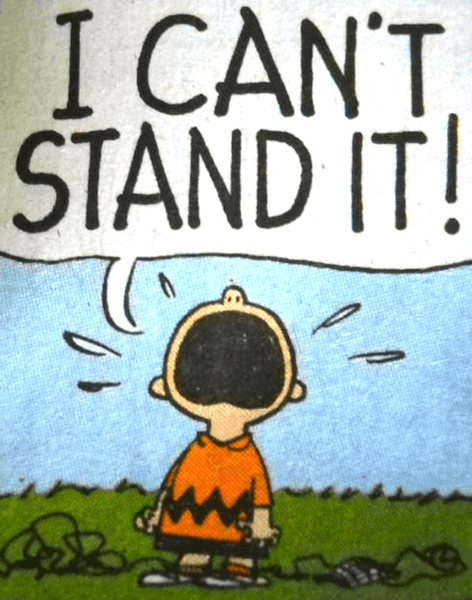
 Yaama I'm Jack Evans and you're watching BTN. Here's what's coming up. We uncover the story behind this famous photo, learn about First Nations seasons and find out the history of Book Week. What is Statehood? Reporter: Tatenda Chibika INTRO: But first, the Prime Minister Anthony Albanese has announced that Australia will join other countries in recognising Palestine as an independent state. So, what does that mean? Tatenda found out. Anthony Albanese, Prime Minister: Australia will recognise the state of Palestine. Australia will recognise the right of the Palestinian people to a state of their own. We will work with the international community to make this right a reality. Tatenda Chibika, Reporter: That's the moment our Prime Minister said Australia would recognise Palestine as an independent state at the upcoming United Nations General assembly next month. It's something other countries, including France and Canada, have said they'll be doing too. So, what does that mean exactly? To be considered an independent state under international law a place needs to have its own land or territories with defined borders, it needs to have people who permanently live there, have a working government and it has to be able to talk and make deals with other countries. Once a place meets all those rules, it can ask to be recognised by other independent states and countries. But a big step in becoming an independent state is being fully recognised by the United Nations. To do that you first need to get approval from at least nine members of the UN's Security Council. That's a group of countries responsible for maintaining international peace and security. But even then, that tick of approval can still be blocked by one of the Security Council's five permanent members Russia, China, the UK, the US and France. If the Security Council approves, the decision then goes to the UN's General Assembly where at least two thirds of the UN's 193 members have to agree to make it official. Yeah, it's a pretty complex process which is why we've only seen a handful of countries recognised by the UN in recent years like South Sudan and Montenegro. Others like Kosovo are only 'partially' recognised which means they have some recognition but not enough to become a full member state at the UN. Right now, Palestine is recognised by more than 140 countries — that's more than two thirds of the UN General Assembly. So, why hasn't it become a UN member state yet? Well, it came pretty close last year when 12 members of the Security Council voted in favour of it. VANESSA FRAZIER, AMBASSADOR OF MALTA, APRIL 2024 UNSC PRESIDENT: I shall now put the draft resolution to the vote. But the US, a close ally to Israel, used its special powers to block Palestine from becoming a member state. VANESSA FRAZIER: Those against? At the time, the U.S said Palestine and Israel needed to come to an agreement on their own first. Throughout the years, there have been attempts to figure out a way for both Palestine and Israel to exist peacefully alongside each other but that hasn't happened yet. And now Israel has said that recognising Palestine as an independent state would be rewarding Hamas the group in charge of Gaza which was responsible for the terror attacks on October 7th, 2023. But the Palestinian Authority which governs parts of the West Bank says Hamas won't have a role in any future state of Palestine which will exist peacefully alongside Israel. Australia, like the US, had previously said that it wanted Israel and Palestine to figure out things by themselves first but because of how the war has been going the Australian government is worried that if it continues to wait, there might not be a Palestinian state to recognise. ANTHONY ALBANESE, PRIME MINISTER: There has been too many lives lost, both Israeli's and Palestinians and the world is saying we need a solution to this conflict, we need to end the cycle of violence and the way to do that is to have a two-state solution. News Quiz Russia's President Vladimir Putin stepped foot on American Soil for the first time in a decade to meet with US President Donald Trump. What state did they meet in? Alabama, Alaska or Arizona?It's Alaska. The two leaders met to discuss a way to end the war in Ukraine but weren't able to make any final agreements. DONALD TRUMP, US PRESIDENT: There were many, many points that we agreed on. Most of them, I would say, a couple of big ones, that we haven't quite got there, but we've made some headway. There's no deal until there's a deal. A lot of people criticised the two world leaders for not including Ukraine's president Volodymyr Zelenskyy in the meeting. But that didn't seem to worry Mr Trump who said the meeting was a success and Mr Putin even invited the US President to meet up again in Russia. DONALD TRUMP: We'll see you again very soon. Thank you very much, Vladimir. VLADIMIR PUTIN, RUSSIAN PRESIDENT: Next time in Moscow. DONALD TRUMP: Oh, that's an interesting one. No, no, no. I'll get a little heat on that one. Last week thousands of people marked the 80th anniversary of VJ Day. What does VJ Day commemorate? The victory of Allied forces in Europe, the surrender of Japan and the end of World War II or the dropping of the first atomic bomb? VJ Day or Victory over Japan day commemorates the surrender of Japan and the end of World War II on the 15th of August 1945. Around the world, and here in Australia, people marked the anniversary with ceremonies remembering those who fought in the war. REPORTER: Who will you be remembering today? VETERAN: Oh, a lot of fellows that I knew that never made it home. Scientists in the UK have created toothpaste that includes which of these ingredients? Hair, eye lashes or fingernails? Yeah, they're all a bit random and gross but the answer is hair. According to scientists from King's College in London, hair could be the key to good oral health because it contains a protein called Keratin which they say when mixed with saliva forms a crystal-like protective coating similar to enamel. And Swifties rejoice because Taylor Swift has announced her 12th Studio album. It's called life of a show what? Is it show pony, show girl or show bag? It's Life of a Showgirl and it'll be released October 3rd. Vincent Lingiari Reporter: Joseph Baronio INTRO: Now to this very famous photograph. It was taken 50 years ago and depicts a really significant moment in Australian history. Joe found out about the story behind it. On the 16th of August 1975, this famous photo was taken. It shows the former Prime Minister Gough Whitlam pouring sand into the hand of Aboriginal leader Vincent Lingiari. A simple gesture that symbolised handing the land at Wave Hill in the Northern Territory back to the Gurindji people. But the journey to get there was far from simple. It started back in the 1960s. At the time, Wave Hill was the biggest cattle station in the world, controlled by British landowner Lord Vestey. The Gurindji people, who had lived on the land for generations, worked for Vestey, but they weren't paid fairly, and conditions were tough. NEWS REPORTER: The station's 100 aboriginal stockmen, with their 100 dependents, are camped in the dry bed of the Victoria River with little shade from 90-degree heat, dust and flies. Eventually, Gurindji leader Vincent Lingiari said it was time to act. VINCENT LINGIARI: I said, "What was it before Lord Vestey born and I was born?" It was blackfella country. So, on August 23rd, 1966, Mr Lingiari and his fellow Aboriginal workers went on strike. It became known as the Wave Hill Walk Off. They moved their camp away from the Wave Hill station to a sacred site called Daguragu on Wattie Creek. They wanted to set up their own cattle station, and said they wouldn't move until their land was returned to them. For years, petitions and negotiations went on between the Gurindji people, the NT Administration, and the Australian Government in Canberra. CLAPPERS: 31. 32. 33. DAVID QUINN, ABSCOL: Well, it's basic justice that their land is recognised. PROTESTORS: Equal rights! As the news spread across the country, thousands of Aussies joined the campaign, including the leader of the Labor Party, Gough Whitlam, who made this promise during his 1972 election campaign. GOUGH WHITLAM: We will legislate to give Aborigines land rights. Not just because their case is beyond argument, but because all of us as Australians are diminished, while the Aborigines are denied their rightful place in this nation. Later that year, Gough Whitlam became Prime Minister. (Song From Little Things Big Things Grow, Song by Kev Carmody and Paul Kelly, 1993) From little things big things grow,from little things big things grow… But it wasn't until 1975, 9 years after the Wave Hill Walk Off started, that he followed through with his promise. Eight years went by, eight long years of waiting'Til one day a tall stranger appeared in the landAnd he came with lawyers and he came with great ceremony GOUGH WHITLAM: I solemnly hand to you these deeds as proof in Australian law that these lands belong to the Gurindji people. And through Vincent's fingers poured a handful of sandFrom little things big things grow 50 years on, and The Wave Hill Walk Off is seen as a pivotal moment in Australia's history. It led to significant legal and social changes for First Nations people, which is something many agree is worth celebrating. First Nations Seasons Reporter: Saskia Mortarotti INTRO: Recently, Melbourne's Lord Mayor suggested ditching the four-season calendar that most of us are familiar with and adopting a six-season Wurundjeri calendar instead saying it gives a better description of what the weather's actually like there. Sas found out more about the different seasonal calendars used by First Nations people. SASKIA MORTAROTTI, REPORTER: Right now, in most of the country, it's pretty cold. COLD GIRL: Think of somewhere warm. What? It's 32 degrees in Darwin in the middle of winter? But ah, yeah. There are some places where it's, well, quite warm. Which makes you wonder whether the weather actually matches the seasons. You see, Australia is pretty big, and we have lots of different weather patterns. Which is something First Nations people have tracked for thousands of years with their own seasonal calendars. KARL WINDA TELFER, CULTURAL CREATIVE KANYANYAPILLA: Why have we got four seasons when you know that don't make any sense here. It doesn't relate to the country here. This is Karl Telfer. He's an artist and storyteller who produced the Kuri Kurru exhibition at the Museum of Discovery in Adelaide that explores the 6 different seasons of the Kaurna Meyunna. SASKIA MORTAROTTI: So, how do you know when you're in one of those six seasons? KARL WINDA TELFER: Well, there are stars that rise. So, you know, there are certain stars, like in Parnatti, for example. There's a star called Parna, and we know what that star is. So, that talks to us about, okay, the time now is going to be cold on the ground. First Nations calendars like the Kaurna one don't just tell us what's happening with the weather; they're also used to track when certain plants and animals are around. KARL WINDA TELFER: It teaches you about what plants you can, you know, what you can eat what you can't and all that what is ready certain times a year and fruit everything, bird shows you the right time to eat the fruit, perfect time, if you try and go get them the next week they're gone. Karl says we can also use these calendars to see how the environment has changed over time. KARL WINDA TELFER: Kudlilla is the season we're in now and Kudlilla that talks about like the rain but we're not having enough rain these days, well, these times. And this is due to climate and the climate changing. There are many different First Nations seasonal calendars around the country. Like Ngan'gi calendar from the Northern Territory which has 13 seasons that follow the life cycle of the native spear grass. Or the Wurundjeri Calendar in Victoria which has 6 seasons. And recently, Melbourne's Lord Mayor, Nicholas Reece, said Melbourne, or Naarm, would be better off adopting the Wurundjeri calendar because it's more in tune to what's happening with the weather. Something many, including Karl, think we should be doing right across the country. KARL WINDA TELFER: I'm talking about the English four seasons. So, this is totally different systems that we're talking about and weather patterns and currents and all sorts of different things, because it's the sea country too. So, my question is, well, why do we have that? If that doesn't work, you know? Quiz How many seasons are there in the Tiwi Island Calendar? 1, 2 or 3? It's 3, although they also have 13 minor seasons. Book Week Reporter: Wren Gillett INTRO: This week, kids across Australia have been dressing up as their favourite characters to celebrate Book Week. Wren finds out why Book Week began 80 years ago and why it's still important today for getting young Aussies into reading. STUDENT: I read an hour every night, maybe even two hours some nights. STUDENT: My favourite book series are the Harry Potter series and the Keeper of the Lost City series. STUDENT: Probably Bad Guys and Weirdo. STUDENT: I like the Amulet, I've been reading that. STUDENT: I love reading Dork Diaries and Exploding Endings. Whether it's Fantasy, mystery, history — whatever you're into. Book week is a time to celebrate, well, books. STUDENT: Me and my friends are dressing up as Inside Out. STUDENT: I was thinking SpongeBob. STUDENT: I'm dressing up as Winnie the Pooh and it's just a fun way to express what kind of books you like. And guess what, book week has actually been a thing for many, many years. WREN GILLETT, REPORTER: Once upon a time, in a land not so far away, literacy lovers noticed a problem. The year was 1945. The second World War had just ended, and kids were mainly reading books from overseas, in particular the UK. Because, at the time, there weren't many Aussie authors writing books for children. WREN GILLETT: So, a group of passionate teachers, librarians, booksellers, publishers, and book-loving volunteers, decided to create what we now know as The Children's Book Council of Australia. Familiar logo, right? Together, they launched book week, all in an effort to get Aussie kids' reading more. And it seemed to work. The 1960s saw a boom in Australian children's books being published. REPORTER: How many books do you read a week? STUDENT: Well, it really depends on the week. If there's exams, I might read only one or two. But if there's no exams and if I've got plenty of time, I might read up to five or six. WREN GILLETT: But today, it's a slightly different story. Studies show that less than one in five eight to 18-year-olds are reading in their free time, and that only one in three actually enjoy reading for fun. WREN GILLETT: Why do you reckon we're seeing this trend? STUDENT: People are getting sucked into screens and they're like spending hours just scrolling through TikTok and stuff, and they're getting so attached to it that they don't feel the need to pick up books and read them. Yeah, there's a lot of different things competing for our attention these days, but many think books are still worth our time. PETER HELLIER, AUSSIE COMEDIAN AND AUTHOR: Books are the exact opposite of boring. And if you think they're boring, I'm sorry, but you're wrong. This is Peter Hellier, he's a pretty famous Aussie comedian, actor, and the author behind these books. And he's just released another one called Detective Galileo, about a trail horse who dreams of solving crimes. PETER HELLIER: He joins the police force and quickly finds out that the horses don't actually solve the crimes, it's the police officers who solve the crime. So he promptly gets thrown out of the force and begins his own detective agency, which I'm reliably told is the only detective agency in the world run by a horse. Peter actually started writing books when he was a kid. PETER HELLIER: I started writing when I was six, seven, eight years old. In fact, I started my own publishing company called Better Books. And I would write these books, and then I would get a parent or one of my parents or teachers to type them up. And I would read them in front of the class. And, you see, each has the logo, the Better Books logo, there it is — the famous Better Books logo. WREN GILLETT: You weren't mucking around. PETER HELLIER: There all on all of them. There we go. There we go. Many, Including Peter, say there's plenty to get from a good book. They help us learn new words and phrases, get a better understanding of the world around us, and strengthen our imaginations. PETER HELLIER: Books can take you absolutely anywhere. They can take you to countries that you never dreamed about going. Countries that exist, countries that don't exist. Reading just makes the world a much bigger place. It's why for the past 80 years, schools around the country have been taking part in book week. STUDENT: Reading is a place where you can have your own world just to yourself. STUDENT: It's like watching a movie inside your head, but you can choose how it goes. STUDENT: Picking up a book is a good idea, maybe you should start with something that you're interested with and then you can start exploring from there. Quiz What is the title of the book that took out this year's Book of the year Award for younger readers? It's Laughter is the Best Endingby Maryam Master. Some other winners included I'm not really here by Gary Loneborough which took out book of the year for older readers and best picture book went to The Truck Cat, by Deborah Frenkel. Sport Australia's men's national basketball team — the Boomers — have won their third Asia Cup in a row, with an epically narrow victory over China. COMMENTATOR: It is Australia who are celebrating! China started strong, leading 25-17 at quarter time. But Aussie Xavier Cooks led a fierce comeback, shooting 30 points and collecting nine rebounds, earning him the title of MVP. And there seriously couldn't have been a tighter finish. Just as the final buzzer went off, China missed a shot that would have won them the game, leaving Australia with a 90-89 victory. COMMENTATOR: An unbelievable finish. The 2025 AFLW season kicked off last week, and so did a new trick. Yeah, 19-year-old Ash Centra from Collingwood, pulled out this move in the warm-up before their season-opener to Carlton, and since then, a lot of people have been trying to do it, with some success, kind of? FOOTY PLAYER: No, I'm not doing it on camera. But despite the epic warmup, Carlton did end up beating Collingwood by 24 points. Now, the moves from these athletes in China weren't quite so graceful but give 'em a break, okay, they're robots. For the first time ever, humanoid robots from all over the world, competed in their very own games, which featured, soccer, boxing, running, and ahh, lots of falling over. Lots. Luckily though, they did bring their own cheer squad. Young Rapper Reporter: Rylie INTRO: Finally, we're going to meet another winner of this year's Heywire competition — which asks young people in regional areas to share their stories. Rylie's going to tell us how music helped to transform his life. Check it out. Mum and I were homeless. We lived at a caravan park, in motels and tents around Warrnambool. It wasn't pretty. I'm First Nations, and I remember feeling like, my own country is failing me right now. So, we camped right along here. I remember pitching a tent right here and this was actually around the same time I started to get into music which was a good way for me to have something to look forward to. I was raised by the SoundCloud era, listening to a lot of trap music. When I was in school, I'd rap along to songs by Juice World, then I started to make my own. My first track was recorded on my phone. It was bad but a lot of fun to make. Some kids in my school heard it and shamed me. That put me off music for the next couple of years, until a friend of mine bought a microphone and encouraged me to give it another go. There was something about that mic and the energy of the crew around me that gave me confidence. It lit a fire in me. Over time, I was able to focus my flow. My songs are about escapism, living the life, being a success. I rap about stuff that takes me to a better place in my head. I'm manifesting my future. My stage name is Hundo Milli, it's short for hundreds of millions. Money's not really the end goal; it's more about having the freedom to dream big. Mum taught me to never stop believing. Even when times were tough, she kept pushing for us to get housing and eventually we did. We're some of the lucky ones. Today, I'm in a Melbourne studio recording my next single. I remember living in my tent dreaming about this very moment and now I'm here, doing what I love. Ain't nothing going to stop me. Closer Well, that's all we've got for you today, but we'll be back before you know it. In the meantime, you can head to our website, there's plenty to see and do. You can also catch Newsbreak every weeknight and there's BTN High for all you highschoolers out there. Have an awesome week and I'll see you next time. Bye.Broken windows are covered. Floorboards are patched and doors screwed back on. The road that was ruined by German tanks is shovelled and raked smooth. Boot-shaped bruises turn yellow then fade and disappear. Flowers grow and spread across the ugly German footprints stomped into garden beds. The village looks pretty once more. School stops for the summer and everyone is put to work on the kolkhoz, the village farm. Women and big boys begin harvesting the barley crops in the outer fields. The biggest girls milk the cows, morning and night, and keep the barns clean. Old Nikolay mends ploughs, horse harnesses, pitchforks and scythes in his workshop. Anna Pushinka teaches Yelena and her friends how to get the honey from the beehives that are scattered through the orchards. I am in charge of collecting eggs. My friends Olga and Nina help. Olga and Nina are five, a year younger than me. They are twins and look exactly alike, except Nina’s nose is a little bit crooked from when she fell out of bed and squashed it sideways on the floor. The hens, ducks and geese wander free in the summer, so collecting eggs is like a treasure hunt and takes hours. Catching the hens for their daily hugs takes even longer, but I think it’s important because hugs make everyone happy and happy hens lay bigger eggs. Olga says I’m the best hen-hugger in all of Russia. Nina says I’ll be the best cow-hugger, too, when my arms grow longer. But good hugs have nothing to do with the size of your arms. It’s all to do with the size of your heart. When we are done with the hens, Olga, Nina and I can spend the rest of the day doing whatever we like. We climb the apricot trees, chase squirrels, lie in the meadow marvelling at how hot Ushanka’s black fur becomes in the sunshine, make daisy chains and race little boats of bark in the stream. I teach Olga and Nina the alphabet and we use charcoal to write our letters and our names all over the village – on doors and walls and the freshly cut ends of firewood. In between, I practise my knots. In case the German princemonsters return. I slip into Old Nikolay’s workshop and tie knots in the harnesses hanging on the walls. I wander into gardens where the washing is hung out to dry and tie knots in the laces on pants and smocks. I creep up behind Anna Pushinka and tie knots in her apron strings. I find baling twine in the hay shed and tie my own ankles together. I do such a good job of these last knots that I can’t get them undone. I have to jump all the way to Olga and Nina’s house and ask them to cut me free with their mama’s knife. At the end of each day, Ushanka and I run out into the distant barley fields to meet Mama. This is my favourite part of the day, because Mama always shouts, ‘Little Rabbit!’ and smothers my head with kisses. And as we walk home, we sing. Everyone – women, big boys and me. I love to sing. Almost as much as I love to be kissed by Mama. Sometimes one of the boys, Mikhail, has his balalaika with him. He takes the instrument out from beneath the sheaves of barley piled high on the wagon and plays music. We sing about forests and orchards and people who find their true love. As we walk home, arm in arm, my heart fills with happiness and my belly swells with pride that I am allowed to sing along with the big boys. And I can almost forget about the German prince-monsters and their lies about Russia and their big ugly boots. Almost. But today, when Mikhail reaches for his balalaika, I see other things hiding beneath the barley sheaves. Three of the mamas rush forward and cover them up, but it’s too late. I know they are there. I’ve already seen them. Rifles. Lots of rifles. Mikhail hugs his balalaika to his chest and blushes. ‘So play!’ cries Mama, her voice oddly loud and high. ‘Let’s play Sasha’s favourite song, “The Little Birch Tree”.’ So Mikhail plays and everyone sings about the lovely birch tree with its curly leaves and the branches that will be turned into silver flutes. They sing too quickly, too loudly, and as they sing and walk, they cast nervous sideways glances at me. ‘It’s alright,’ I say, when the song comes to an end. ‘I didn’t see the rifles.’ Mama nods and smiles, and I know it was the right thing to say. But I did see the rifles. And I think about Yelena wanting to get lots of guns and dynamite for the Partisans so they can shoot the Germans and blow them into thousands of tiny pieces, and Mama looking as though she agreed, and I know this is what the mamas and the big boys are doing. As well as harvesting, they are helping the Partisans. Three days later, I wake before dawn and I am all alone. Yelena is always here beside me when I wake. But not this morning. I climb down from our bed above the stove. Mama is filling a cloth sack with bread. She ties it closed with a piece of string and hands it to Yelena. ‘Stay out of sight,’ says Mama. ‘And don’t return until after dark.’ ‘Where’s she going?’ I ask. ‘Nowhere,’ snaps Mama. ‘Then why does she need all that bread?’ I ask. ‘There’s nothing left for us.’ Mama baked four loaves last night and she has stuffed them all into the sack. Yelena opens her mouth, but before she can speak, Mama shoves her out the door and sends her on the way to nowhere. Mama turns and stares at me, her blue, blue cornflower eyes wide with worry. ‘I know,’ I say, flopping down on the bench. ‘I didn’t see any bread.’ Mama sits beside me and takes my hand. ‘And . . .?’ she prods, obviously waiting for more. I puzzle for a while, then say, ‘And I don’t have a sister called Yelena.’ Mama laughs, softly and with a little bit of sadness around the edges. ‘Sweet Little Rabbit! You do have a sister called Yelena.’ ‘I do?’ I ask, now confused. ‘I haven’t seen the rifles or the bread, but I have seen Yelena?’ ‘Yes.’ Mama smiles and the magic makes me smile, too. And I am glad that Yelena is real because I love her very much. ‘Yelena is real,’ Mama explains, ‘but she does not carry sacks of bread into the forest for the Partisans.’ ‘Of course not!’ I shout, slapping my forehead. ‘Because there is no bread!’ Mama laughs loudly now, with not a hint of sadness. She hugs me, pressing me against her warm, loving heart, covering my head with kisses. ‘Clever Little Rabbit,’ she murmurs, and then, in barely a whisper, ‘Your papa would be so proud.’ When I wake the next morning, Yelena is sleeping beside me, her mouth open, her braided hair unravelling. Mama is serving kasha to a strange woman seated at our table. I crawl down from above the stove and slide along the bench beside her. I stare at her pants, her tunic, the rope she is using as a belt and her big boots. She’s dressed like a man! And there’s a rifle leaning against the wall near the door. ‘Hello,’ I say. ‘I’m Sasha.’ The woman doesn’t reply. She just shovels down her kasha. I line my four wooden bears along the table in front of her bowl and say, ‘These are my bears: Big Bear, Medium Bear, Little Bear and Even Littler Bear.’ ‘Hello, Sasha. Hello, bears.’ She smiles but she doesn’t tell me her name. ‘Why are you dressed like a man?’ I ask, tugging at the sleeve of her tunic. ‘Because men’s clothes make it easier to run and climb and crawl and shoot,’ she says. ‘You’re a Partisan!’ I gasp. ‘But she’s not real,’ says Mama, placing a bowl of kasha before me. ‘Is the kasha real?’ I ask. Mama laughs. ‘Yes, Little Rabbit.’ I’m glad the food is real, because I’m hungry. But I’m disappointed that the woman is not real. I was going to ask if I could use her rope-belt to tie her ankles together. For practice. But if she’s not real, then the rope and her ankles aren’t either. The woman finishes her kasha, hangs her rifle over her shoulder, kisses Mama on the cheek then slips out the door. I run to the window to watch her leave, but by the time I get there, she’s gone. Vanished. ‘Because she’s not real,’ I whisper. A week later, Mama and I are working in the garden. We sing as we weed between the flowers and pluck caterpillars from the vegetables. Anna Pushinka is picking strawberries in her garden and wanders over. ‘Taste these,’ she says, holding out the basket. Mama reaches in and takes out a fat strawberry and a tiny piece of folded paper. The strawberry goes into her mouth, the paper into her pocket. ‘What’s on the paper?’ I ask. ‘Paper?’ Anna Pushinka replies with a wave of her hand. ‘Goodness, Sasha! Who has money for paper? These are lean times. We must choose between paper for writing and noodles for our soup. And I always choose noodles.’ She chuckles and I know the paper is yet another thing that is not real. That night, Mama slips the paper to Yelena, but she drops it on the floor. I pick it up for her, and I see that there are tiny words and numbers written all over it. I wish I could read better. I’m desperate to know what it says. Or rather, what it doesn’t say, because it’s not real. Later, when Mama has tucked us into our bed above the stove and Ushanka has wrapped herself around the top of my head, I ask Yelena, ‘What’s on the paper?’ ‘What paper?’ says Yelena. ‘The paper that isn’t real,’ I reply. Yelena stares at me, nibbling her lip, then whispers, ‘A message for the Partisans. Stuff about where the Germans have their headquarters and when their trains are travelling and where they store their ammunition.’ ‘Why?’ ‘So the Partisans can blow them up.’ Yelena grabs my arm. ‘But don’t tell anyone. It’s a secret.’ ‘What’s a secret?’ I ask. ‘The message.’ ‘What message?’ I say, my eyes wide. Yelena laughs. ‘Good boy, Sasha.’ My belly swells with pride. I know how to play this game. ‘How are your knots coming along?’ asks Yelena. ‘Good! Yesterday, I crept into the dairy and tied knots in the apron strings of all the girls who were milking and only one of them noticed. Today, I tied Olga’s ankles together with Mama’s embroidery thread and just now, while you were taking a bath, I tied the sleeves of your blouse together in an enormous knot.’ Yelena rolls her eyes, then says, ‘I’ll see if I can find you some rope for practising.’ ‘Practising what?’ I ask. ‘Your knots,’ she says. ‘What knots?’ Yelena, my big sister who is twelve and always serious tHi, I'm John Green, this is Crash Course U.S. History, and today, we're going to talk about slavery, which is not funny. 0:06 Yeah, so we put a lei on the eagle to try and cheer you up, but let's face it, this is going to be depressing. 0:10 With slavery, every time you think, like, "Aw, it couldn't have been that bad," it turns out to have been much worse. 0:14 Mr. Green, Mr. Green! But what about – 0:15 Yeah, Me from the Past, I'm going to stop you right there, because you're going to embarrass yourself. Slavery was hugely important to America. 0:20 I mean, it led to a civil war and it also lasted what, at least in U.S. history, counts as a long-ass time, from 1619 to 1865. 0:29 And yes, I know there's a 1200-year-old church in your neighborhood in Denmark, but we're not talking about Denmark! 0:35 But slavery is most important because we still struggle with its legacy. 0:38 So, yes, today's episode will probably not be funny, but it will be important. 0:42 [Theme Music] North & South economic ties 0:51 So the slave-based economy in the South is sometimes characterized as having been separate from the Market Revolution, but that's not really the case. 0:57 Without southern cotton, the North wouldn't have been able to industrialize, at least not as quickly, because cotton textiles were one of the first industrially products. 1:04 And the most important commodity in world trade by the nineteenth century, and 3/4 of the world's cotton came from the American South. 1:11 And speaking of cotton, why has no one mentioned to me that my collar has been half popped this entire episode, like I'm trying to recreate the Flying Nun's hat. 1:18 And although there were increasingly fewer slaves in the North as northern states outlawed slavery, cotton shipments overseas made northern merchants rich. 1:26 Northern bankers financed the purchase of land for plantations. 1:29 Northern insurance companies insured slaves who were, after all, considered property, and very valuable property. 1:35 And in addition to turning cotton into cloth for sale overseas, northern manufacturers sold cloth back to the South, where it was used to clothe the very slaves who had cultivated it. 1:45 But certainly the most prominent effects of the slave-based economy were seen in the South. Slave-based agriculture in the South 1:49 The profitability of slaved-based agriculture, especially King Cotton, meant that the South would remain largely agricultural and rural. 1:56 Slave states were home to a few cities, like St. Louis and Baltimore, but with the exception of New Orleans, 2:00 almost all southern urbanization took place in the upper South, further away from the large cotton plantations. 2:06 And slave-based agriculture was so profitable that it siphoned money away from other economic endeavors. 2:11 Like, there was very little industry in the South. 2:13 It produced only 10% of the nation's manufactured goods. 2:16 And, as most of the capital was being plowed into the purchase of slaves, there was very little room for technological innovation, like, for instance, railroads. 2:23 This lack of industry and railroads would eventually make the South suck at the Civil War, thankfully. 2:27 In short, slavery dominated the South, shaping it both economically and culturally, and slavery wasn't a minor aspect of American society. Popular attitudes concerning slavery 2:35 By 1860, there were four million slaves in the U.S., and in the South, they made up one third of the total population. 2:42 Although in the popular imagination, most plantations were these sprawling affairs with hundreds of slaves, 2:47 in reality, the majority of slaveholders owned five or fewer slaves. 2:51 And, of course, most white people in the South owned no slaves at all, though, if they could afford to, they would sometimes rent slaves to help with their work. 2:57 These were the so-called yeoman farmers who lived self-sufficiently, raised their own food, and purchased very little in the Market Economy. 3:04 They worked the poorest land and, as a result, were mostly pretty poor themselves. 3:08 But even they largely supported slavery, partly, perhaps, for aspirational reasons, and partly because the racism inherent to the system gave even the poorest whites legal and social status. 3:18 And southern intellectuals worked hard to encourage these ideas of white solidarity and to make the case for slavery. 3:23 Many of the founders, a bunch of whom you'll remember, held slaves, saw slavery as a necessary evil. 3:29 Jefferson once wrote, quote, "As it is, we have the wolf by the ear, and we can neither hold him, nor safely let him go. 3:37 Justice is on one scale, and self-preservation in the other." 3:41 The belief that justice and self-preservation couldn't sit on the same side of the scale was really opposed to the American idea, 3:47 and, in the end, it would make the Civil War inevitable. 3:50 But as slavery became more entrenched in these ideas of liberty and political equality were embraced by more people, 3:55 some southerners began to make the case that slavery wasn't just a necessary evil. 3:59 They argued, for instance, that slaves benefited from slavery. 4:03 Because, you know, because their masters fed them and clothed them and took care of them in their old age. 4:07 You still hear this argument today, astonishingly. 4:09 In fact, you'll probably see asshats in the comments saying that in the comments. 4:12 I will remind you, it's not cursing if you are referring to an actual ass. 4:15 This paternalism allowed masters to see themselves as benevolent and to contrast their family-oriented slavery with the cold, mercenary Capitalism of the free-labor North. 4:26 So yeah, in the face of rising criticism of slavery, some southerners began to argue that the institution was actually good for the social order. 4:33 One of the best-known proponents of this view was John C. Calhoun, who, in 1837, said this in a speech on the Senate floor: 4:40 "I hold that, in the present state of civilization, 4:43 where two races of different origin and distinguished by color and other physical differences as well as intellectual, are brought together, 4:51 the relation now existing in the slave-holding states between the two is, instead of an evil, a good. A positive good." 4:59 Now, of course, John C. Calhoun was a fringe politician, and nobody took his views particularly seriously. 5:04 Stan: Well, he was Secretary of State from 1844 to 1845. 5:07 John: Well, I mean, who really cares about the Secretary of State, Stan? 5:10 Danica: Eh, he was also Secretary of War from 1817 to 1825. 5:13 John: All right, but we don't even have a Secretary of War anymore, so... 5:16 Meredith: And he was Vice President from 1825 to 1832. 5:19 John: Oh my god, were we insane?! 5:21 We were, of course, but we justified the insanity with Biblical passages and with the examples of the Greeks and Romans, 5:28 and with outright racism, arguing that black people were inherently inferior to whites. 5:33 And that not to keep them in slavery would upset the natural order of things. 5:37 A worldview popularized millennia ago by my nemesis, Aristotle. God, I hate Aristotle. 5:42 You know what defenders of Aristotle always say? 5:44 "He was the first person to identify dolphins." 5:47 Well, ok, dolphin identifier. 5:50 Yes, that is what he should be remembered for, but he's a terrible philosopher! Lives & experiences of enslaved people 5:53 Here's the truth about slavery: 5:55 It was coerced labor that relied upon intimidation and brutality and dehumanization. 6:00 And this wasn't just a cultural system, it was a legal one. 6:03 I mean, Louisiana law proclaimed that a slave "owes his master... a respect without bounds, and an absolute obedience." 6:09 The signal feature of slaves' lives was work. 6:12 I mean, conditions and tasks varied, but all slaves labored, usually from sunup to sundown, and almost always without any pay. 6:20 Most slaves worked in agriculture on plantations, and conditions were different, depending on which crops are grown. 6:25 Like, slaves on the rice plantations of South Carolina had terrible working conditions, 6:29 but they labored under the task system, which meant that once they had completed their allotted daily work, they would have time to do other things. 6:36 But lest you imagine this is like how we have work and leisure time, bear in mind that they were owned and treated as property. 6:42 On cotton plantations, most slaves worked in gangs, usually under the control of an overseer, or another slave who was called a "driver." 6:49 This was back-breaking work done in the southern sun and humidity, and so it's not surprising that whippings – or the threat of them – were often necessary to get slaves to work. 6:58 It's easy enough to talk about the brutality of slave discipline, but it can be difficult to internalize it. 7:03 Like, you look at these pictures, but because you've seen them over and over again, they don't have the power they once might have. 7:09 The pictures can tell a story about cruelty, but they don't necessarily communicate how arbitrary it all was. 7:14 As, for example, in this story, told by a woman who was a slave as a young girl: 7:18 "[The] overseer... went to my father one morning and said, "Bob, I'm gonna whip you this morning." 7:22 Daddy said, "I ain't done nothing," and he said, "I know it, I'm going to whip you to keep you from doing nothing," 7:28 and he hit him with that cowhide – you know it would cut the blood out of you with every lick if they hit you hard." 7:33 That brutality – the whippings, the brandings, the rape – was real, and it was intentional, because, in order for slavery to function, slaves had to be dehumanized. 7:43 This enabled slaveholders to rationalize what they were doing, and it was hoped to reduce slaves to the animal property that is implied by the term "chattel slavery." 7:51 So the idea was that slaveholders wouldn't think of their slaves as human, and slaves wouldn't think of themselves as human. 7:57 But it didn't work. Let's go to the Thought Bubble. 7:59 Slaves' resistance to their dehumanization took many forms, but the primary way was by forming families. Family, love, & religion of enslaved people 8:05 Family was a refuge for slaves and a source of dignity that masters recognized and sought to stifle. 8:10 A paternalistic slave owner named Bennet H. Barrow wrote in his rules for the Highland Plantation: 8:15 "No rule that I have stated is of more importance than that relating to Negroes marrying outside of the plantation... It creates a feeling of independence." 8:23 Most slaves did marry, usually for life, and, when possible, slaves grew up in two-parent households. 8:28 Single-parent households were common, though, as a result of one parent being sold. 8:32 In the upper South, where the economy was shifting from tobacco to different, less labor-intensive cash crops, the sale of slaves was common. 8:40 Perhaps one-third of slave marriages in states like Virginia were broken up by sale. 8:45 Religion was also an important part of life in slavery. 8:47 While masters wanted their slaves to learn the parts of the Bible that talked about being happy in bondage, 8:52 slave worship tended to focus on the stories of Exodus, where Moses brought the slaves out of bondage, 8:57 or Biblical heroes, who overcame great odds, like Daniel and David. 9:01 And, although most slaves were forbidden to learn to read and write, many did anyway. And some became preachers. 9:07 Slave preachers were often very charismatic leaders, and they roused the suspicion of slave owners, and not without reason. 9:13 Two of the most important slave uprisings in the South were led by preachers. 9:16 Thanks, Thought Bubble. 9:17 Oh, it's time for the Mystery Document? Mystery Document 9:19 We're doing two set pieces in a row? All right. [buzzing noise] [music] 9:24 The rules here are simple. 9:26 I wanted to re-shoot that, but Stan said no. 9:29 I guess the author of the Mystery Document. 9:30 If I am wrong, I get shocked with the shock pen. 9:33 "Since I have been in the Queen's dominions I have been well contented, yes well contented for sure, man is as God intended he should be. 9:40 That is, all are born free and equal. 9:43 This is a wholesome law, not like the southern laws which puts man made in the image of God on level with brutes. 9:49 O, what will become of the people, and where will they stand in the day of judgment. 9:53 Would that the 5th verse of the 3rd chapter of Malachi were written as with a bar of iron, 9:59 and the point of a diamond upon every oppressor's heart that they might repent of this evil, and let the oppressed go free..." 10:06 All right, it's definitely a preacher, because only preachers have read Malachi. 10:10 Probably African American, probably not someone from the South. 10:13 I'm going to guess that it is Richard Allen, the founder of the African Methodist Episcopal Church? 10:18 [buzzing noise] DAAAH, DANG IT! 10:19 It's Joseph Taper, and Stan just pointed out to me that I should have known it was Joseph Taper because it starts out, 10:24 "Since I have been in the Queen's dominions..." 10:27 He was in Canada. He escaped slavery to Canada. The Queen's dominions! 10:31 All right, Canadians, I blame you for this, although, thank you for abolishing slavery decades before we did. 10:36 [electric sounds] AHHH! How people resisted & escaped slavery 10:37 So, the Mystery Document shows one of the primary ways that slaves resisted their oppression: by running away. 10:42 Although some slaves like Joseph Taper escaped for good by running away to northern free states, 10:47 or even to Canada, where they wouldn't have to worry about fugitive slave laws, even more slaves ran away temporarily, hiding out in the woods or the swamps, and eventually returning. 10:55 No one knows exactly how many slaves escaped to freedom, but the best estimate is that a thousand or so a year made the journey northward. 11:01 Most fugitive slaves were young men, but the most famous runaway has been hanging out behind me all day long: Harriet Tubman. 11:07 Harriet Tubman escaped to Philadelphia at the age of 29, and over the course of her life, she made about 20 trips back to Maryland to help friends and relatives make the journey north on the Underground Railroad. 11:17 But a more dramatic form of resistance to slavery was actual, armed rebellion, which was attempted. 11:22 Now, individuals sometimes took matters into their own hands and beat or even killed their white overseers or masters. 11:27 Like Bob, the guy who received the arbitrary beating, responded to it by killing his overseer with a hoe. 11:33 But that said, large-scale slave uprisings were relatively rare. 11:36 The four most famous ones all took place in a 35-year period at the beginning of the 19th century. Slave rebellions 11:41 Gabriel's Rebellion in 1800 – which we've talked about before – was discovered before he was able to carry out his plot. 11:45 Then, in 1811, a group of slaves upriver from New Orleans seized cane, knives, and guns, and marched on the city before militia stopped them. 11:52 And in 1822, Denmark Vesey, a former slave who had purchased his freedom, may have organized a plot to destroy Charleston, South Carolina. 11:59 I say "may have" because the evidence against him is disputed and comes from a trial that was not fair. 12:05 But regardless, the end result of that trial was that he was executed, as were 34 slaves. Nat Turner's Rebellion 12:09 But the most successful slave rebellion, at least in the sense that they actually killed some people, was Nat Turner's in August 1831. 12:15 Turner was a preacher, and with a group of about 80 slaves, he marched from farm to farm in South Hampton County, Virginia, 12:21 killing the inhabitants, most of whom were women and children, because the men were attending a religious revival meeting in North Carolina. 12:27 Turner and 17 other rebels were captured and executed, but not before they struck terror into the hearts of whites all across the American South. 12:34 Virginia's response was to make slavery worse, passing even harsher laws that forbade slaves from preaching, and prohibited teaching them to read. 12:42 Other slave states followed Virginia's lead and, by the 1830s, slavery had grown, if anything, more harsh. 12:47 So, this shows that large-scaled armed resistance was – Django Unchained aside – not just suicidal, but also a threat to loved ones and, really, to all slaves. How enslaved people resisted their oppression & why it matters 12:55 But, it is hugely important to emphasize that slaves did resist their oppression. 12:59 Sometimes this meant taking up arms, but usually it meant more subtle forms of resistance, 13:03 like intentional work slowdowns or sabotaging equipment, or pretending not to understand instructions. 13:08 And, most importantly, in the face of systematic legal and cultural degradation, they re-affirmed their humanity through family and through faith. 13:16 Why is this so important? 13:17 Because too often in America, we still talk about slaves as if they failed to rise up, 13:21 when, in fact, rising up would not have made life better for them or for their families. 13:26 The truth is, sometimes carving out an identity as a human being in a social order that is constantly seeking to dehumanize you, is the most powerful form of resistance. 13:34 Refusing to become the chattel that their masters believed them to be is what made slavery untenable and the Civil War inevitable, so make no mistake, slaves fought back. 13:45 And in the end, they won. I'll see you next week. Credits 13:48 Crash Course is produced and directed by Stan Muller. 13:50 The script supervisor is Meredith Danko. 13:52 Our associate producer is Danica Johnson. 13:54 The show is written by my high school history teacher Raoul Meyer and myself. 13:57 And our graphics team is Thought Cafe. 13:58 Every week, there's a new caption to the Libertage, but today's episode was so sad that we couldn't fit a Libertage in... 14:04 UNTIL NOW! [Libertage Rock Music] 14:08 Suggest Libertage caption in comments, where you can also ask questions about today's video that will be answered by our team of historians. 14:13 Thanks for watching Crash Course, and as we say in my home town, don't forget to be abolitionist.To understand melody in music, think about some music you’re familiar with. If you were asked to hum it, what would that sound like? The part of the music that you’d hum is the melody. It’s the main thread of sound that your brain tracks and holds onto when you’re listening to music. In vocal music, the melody is sung by the lead singer. Other vocalists can provide harmony and instruments can add accompaniment, but the melody is the star of the show.What are the characteristics of melody in music? How do you describe a melody in music? A melody needs to have two things. The first is a sequence of notes, or pitches, which range from high to low. The second is rhythm, which is the timing and duration of each note. These two simple elements can create an incredible variety of combinations. Even though a melody only consists of one note at a time, it can convey so much energy and emotion. Melodies can be fast and sparkly, like “The Flight of the Bumblebee.” They can be slow and majestic, like “Finlandia.” They might be sweeping and graceful, like a Strauss waltz. Or they can be fun and exciting, like your favorite pop tunes that you love to sing along with. Melodies often tell you a lot about where a piece of music comes from. It’s easy to recognize and identify melodies from different folk traditions such as the Japanese folk song “Sakura” or the Irish tune “Star of the County Down.” Learn how to play your favorite melodies on piano, and more! Sign up now. What is melody in music? Here are some examples. Here is the famous melody for the song “Lean on Me” written out on a staff. Notice the way that the notes move up, down, and then repeat. What is melody in music? Example of Lean On Me notes on treble staff. A melody all by itself is great, but music can be even more fun when there’s an accompaniment. Here are a few bars of “Lean on Me” with the accompaniment written out. As you listen to this song, notice how the accompaniment has a very similar rhythm and movement to the melody. Then there’s that one note in the bass line that comes along every measure with its own rhythm, which adds some extra energy and movement to the song. What makes a good melody? When you create a melody, there are four types of movement you can use: Repeat (same note) Step (up or down) Skip (up or down) Leap (up or down) Stepping and repeating are the most common types of melodic motion, and this makes a melody easier to sing. Most “hummable” tunes use steps and repeats almost exclusively. This kind of melody is called conjunct. Beethoven’s “Ode to Joy,” one of the most famous melodies of all time.Skips and leaps are generally more sparing in melodies, but when thoughtfully placed they can have a powerful emotional impact. Tunes with a lot of leaps are called disjunct. Listen to Sarah Brightman sing All I Ask of You from The Phantom of the Opera starting at 0:39. This is a very disjunct melody, and challenging to sing. Great melodies also incorporate patterns that blend unity, repetition, and contrast. Our ears love patterns, but they also love novelty and growth. A good melody incorporates all of these elements. For example, listen to John William’s “Princess Leia Theme.” Can you hear the repeated pattern in the melody that gradually moves higher as the theme progresses? Now listen to the way it changes and develops into something that fits with what came before but sounds new at the same time. This is some great melodic writing! Can melody exist without rhythm? There is no way for a melody to exist without rhythm. Even if your melody only has one note, that note has a duration, and that’s the rhythm. If your melody has two notes, how long those notes last and how much time passes between hearing them is also a rhythm. A melody in music can often be recognized even when it’s performed with different rhythms. This frequently happens in live performances of pop, rock, and jazz, in which singers typically improvise slight rhythmic differences with each performance. No two renditions are exactly the same, and this constant reinterpretation keeps the music fresh. How to make a melody for a song on piano Creating your own melodies on the piano is easy and fun! There are so many ways you can discover a melody all your own. Here are a few ideas. Get some inspiration from the world around you. What can you hear right now? A clock ticking? A bird song? A car passing by your house? See if you can find some notes on the piano that imitate the sounds you hear. Think of a feeling you’d like to put into a melody. What are some ways you could make a string of notes sound happy, sad, angry, or maybe just thoughtful. Choose a line from a poem you like, or write your own. Read it out loud and put some feeling into it. Did your voice rise and fall in pitch as you were reading? Now go to the piano, start on any note you like, and try to imitate what happened when you read. Go up when your voice naturally went up, go down when your voice naturally went down. How did that sound? Now you have the perfect melody to go with those words. Too many keys on the piano? The truth is, most melodies use only a limited number of different notes. Try creating a melody using only the black keys. These form what’s called a pentatonic scale. It’s used in a lot of folk music traditions around the world and can be a great place to start if you want to create your own melodies. Remember, when you create your melody, keep it simple. Use repeated notes and steps, but add a few skips to keep things interesting. One tip about leaps: when you do put in a big leap, try doubling back and filling in the empty space you leaped over. This keeps the melody self-contained and easier to sing. Also, see if you can use the same patterns of notes and rhythms to give the melody unity, but also change those patterns to give it variety. There is no right or wrong way to create your own music. Keep trying combinations of notes and rhythms until you find something that you like. How many bars and notes are in a melody? Many types of music tend to have a prescribed number of bars, or measures. This will vary widely between different genres, and creates an overall sense of musical structure. If you’re writing a pop song, a verse will usually have between eight and sixteen bars. The prechorus that follows often has just four bars, and this “foreshortening” creates a sense of acceleration, driving the listener toward the chorus. The number of notes can also vary widely. A melody in music needs at least two notes, and a long and complex one can have hundreds or even thousands of notes. What is a countermelody in music? How many melodies should a song have? A counter melody is a melodic line that interacts with the primary melody as an independent but supportive voice. A great example of this is the song “We Don’t Talk about Bruno.” Each character sings their own melody during the piece, but these melodies all combine at the end as countermelodies. This produces a musical texture known as counterpoint. The same thing happens in “One Day More” from Les Miserables. The different melodies are first sung separately, but end up being combined in a splendid, complex texture that leads the music to its thrilling conclusion. The difference between a countermelody and regular harmony is that harmony usually supports the rhythms of the melody. A countermelody will move more independently, with different rhythms from those of the melody, and will often sound “melodic” when sung or played all by itself. A melodic song should have one main melody. This is the part that the lead voice sings. It’s usually in the spotlight, and will be the most memorable part of the music. Anything else is either harmony, countermelody, or accompaniment. Does all music have to have a melody? A piece of music doesn’t have to have a melody. There are many different kinds of music without melody. For example, a lot of music played on percussion instruments won’t have a melody. Listen to this example of Tahitian drumming. This is some great music, exciting and fun to listen to, but you’d have a hard time humming it. It’s music, but it doesn’t have a melody. Rap music is another style of music where there doesn’t have to be a melody. In rap, words are chanted rather than sung. The performer will raise and lower the pitch of their voice for emphasis, but it’s the rhythm of the words that creates most of the music. Music can even lack any melody, at least in some sections. Listen to the opening chords of “Duel of the Fates.” This choral passage is all about harmony, with little rhythmic variance or sense of melody. But it makes an effective contrast with the next section, which is bustling with rapid instrumental melodies. In some pieces, there are multiple melodic lines but there is no one main melody. When music is made up of equally important countermelodies, it creates a contrapuntal texture. Baroque composer J.S. Bach was one of the greatest masters of this style, such as in his Little Fugue in G minor. It starts with a single melodic line, the subject, but then a countermelody is added, and then more and more until several melodic lines are playing together. It’s fun to listen to, but once all the countermelodies are playing together it becomes hard to decide which part to hum along with! You’ll also hear a lot of counterpoint in jazz music, in which the different instruments are all playing together and improvising their own melodies that combine to create a rich, thick musical texture. Experience the wonder of melody in music! Whether you’re humming your favorite tune, or creating a new song all your own, melody is a memorable, shareable part of music. Enrich your music experience by being aware of, listening for, and enjoying the melodies all around you.Dia for María Ratona was a cat named Mouse. She was small and gray, and had a tiny squeaky meow. She liked to sit in a hole in the shed wall. Ratona lived for a long time. Eight months ago, she died. I'm not sad anymore, but I think about her often. One day, Mamá was setting up Tía Teresa's ofrenda, a special altar, for Day of the Dead. Teresa passed away when I was a baby. "Mamá, can we celebrate pets?" I asked. "This is mostly for family, though I suppose Ratona was part of ours," Mamá said. "We can celebrate her the day before," I suggested. Later, Mamá and I went to the market in Puebla. We got paper banners, sugar skulls, and marigolds. On October 31, my friends came over. Adriana brought her dog, Sal. or Salt. She had a photo of Sal's sister, Pimienta, or Pepper, who died last summer. Gloria had a picture of Raúl the rooster, a pet she had lost. We set up the banners, marigolds. and photos where Ratona used to sit. "Once, Pimienta stole a pound of cheese from our cooler. She got into the trash and ate it later! I have cheese for Pimienta," Adriana said. "My mother makes pumpkin seeds for my great-grandfather's ofrenda. Raúl jumped up and ate them! My mother was so mad. I brought some for Raúl," Gloria said. "If someone had ice cream, Ratona went Squeak! Squeak! until you let her lick the bowl. I have ice cream for Ratona," I said. I gave Adriana and Gloria sugar skulls before they left. I thought about funny little Ratona. On the last day of celebrations, my family walked to the graveyard. Everyone from the area came. There were fireworks and even a band. Tía Teresa's gravestone was piled with flowers, sweet bread, and candles. Mamá smiled to herself. "One day, María, your Tía Teresa heard a tiny squeak coming from the grass. It was a little gray kitten. Teresa named her Ratona," Mamá said. She continued, "When Teresa died, I took Ratona. You loved her right away. You reminded me of Teresa." Everyone was laughing and dancing. I was too young to remember Tía Teresa, but we had both loved Ratona. That made me happy. Mamá took my hand. "I think it's time to dance!" she said.Name: Marco Ramirez - “I Am Not Batman” TW: language It’s the middle of the night. And the sky is glowing like mad radioactive red. And if you squint, you could maybe see the moon through a thick layer of cigarette smoke and airplane exhaust that covers the entire city like mosquito net that won’t let the angels in. And if you look up high enough you could see me-standing on the edge of a eighty seven story building. And up there-a place for gargoyles and broken clock towers that have stayed still and dead for maybe like a hundred years-up there is me. And I’m freakin Batman. And I gots Bat-mobiles and Bat-a-rangs and freakin Bat-caves like for real, and all it takes is a broom closet or a back room or a fire escape and Danny’s hand-me-down jeans are gone. And my navy blue polo shirt? – The one that looks kinda good on me but has a hole on it near the butt from when it got snagged on the chain linked fence behind Arturo’s but it isn’t even a big deal cause I tuck that part in and its like all good? –that blue polo shirt? – It’s gone too. And I get like, like transformational. And nobody pulls out a belt and whips Batman for talking back –-Or for not talking back –And nobody calls Batman simple –- Or stupid –- Or skinny –- And nobody fires Batman’s brother from the Eastern Taxi Company ‘cause they was making cutbacks, neither, ‘cause they got nothing but respect, and not like afraid-respect. Just like respect-respect. ‘Cause nobody’s afraid of you. Cause Batman doesn’t mean nobody harm. Ever. Cause all Batman really wants to do is save people and maybe pay Abuela’s bills one day and die happy and maybe get like mad famous. For real.…And kill the Joker. Tonight, like most nights, I’m all alone. And I’m watching…And I’m waiting… Like a eagle. Or like a –no, yea, like a eagle. And my cape is flappin’ in the wind (‘cause it’s freakin’ long), and my pointy ears are on, and that mask that covers like half my face is on too, and I got like bulletproof stuff all in my chest so no one could hurt me and nobody – nobody – is gonna come between Batman, And Justice. From where I am I could hear everything. Somewhere in the city there’s a old lady picking Styrofoam leftovers up outta a trash can and she’s putting a piece of sesame chicken someone spit out into her own mouth. And somewhere there’s a doctor with a whack haircut in a black lab coat trying to find a cure for the diseases that are gonna make us all extinct for real one day. And somewhere there’s a man, a man in a janitor’s uniform, stumbling home drunk and dizzy after spending half his paycheck on forty-ounce bottles of twist-off beer and the other half on a four hour visit to some lady’s house on a street where the lights have all been shot out by people who’d rather do what they do, in this city, in the dark. And half a block away from JanitorMan there’s a group of good-for-nothings who don’t know no better waiting to beat JanitorMan with rusted bicycle chains and imitation Lousiville Sluggers, and if they don’t find a cent on him – which they won’t – they’ll just pound at him till the muscles in their arms start burning, till there’s no more teeth to crack out. But they don’t count on me. They don’t count on no dark night (with a stomach full of grocery store brand macaroni-and-cheese and cut up Vienna sausages), Cause they’d rather believe I don’t exist, And from eighty-seven stories up I could hear one of the good-for-nothings say “Gimmethecash” real fast (like that) just “Gimmethefuckingcash” and I see JAnitorMan mumble something in drunk language and turn pale and from eighty-seven stories up I could hear his stomach trying to hurl its way out of his Dickies. So I swoop down like and fast and I’m like darkness. I’m like SWOOSH –- And I throw a Bat-a-rang at the one naked lightbulb –- And they’re all like “whoa-motherfucker-who-just-turned-out-the-lights?” –“What’s that over there?” –-“What?” –- “Gimme whatchou got old man” –- “Did anybody hear that?!” –- “No, really” –- “There ain’t. No. Bat.” – But then –- One out of three good-for-nothings gets it to the head! And number Two swings blindly into the dark cape before him but before his fist hits anything I grab a trash can lid and –-- Right into the gut, and number One comes back with a jump-kick but I know judo-karate too so I’m like –-- Twice –-- but before I can do any more damage suddenly we all hear a CLIC – CLIC –And suddenly everything gets quiet And the one good-for-nothing left standing grips a handgun and aims straight up, like he’s holding Jesus hostage, like he’s threatening maybe to blow a hole in the moon. And the good-for-nothing who got it to the head who tried to jump-kick me and the other good-for-nothing who got it in the gut is both scrambling back away from the dark figure before him. And the drunk man the JanitorMan is huddled in a corner, praying to Saint Anthony ‘cause that’s the only one he could remember. And there’s me, Eyes glowing white, cape blowing softly in the wind. Bulletporoof chest heaving. My heart beating right through it in a Morse code for “fuck with me, just once, come on, just try.” And the one good-for-nothing left standing, the one with the handgun, he laughs he lowers his arm, and he points it at me and gives the moon a break, and he aims it right between my pointy ears, like goalposts and he’s special teams. And JanitorMan is still calling Saint Anthony but he ain’t pickin’ up, And for a second it seems like…maybe I’m gonna lose. Naw. SHOO – SHOO! FUACATA! --“Don’t kill me man!” –“SNAP! – Wrist CRACK – Neck – SLASH! – Skin – meets – acid – “AHH!!” –And he’s on the floor. And I’m standing over him. And I got the gun in MY hands now. And I hate guns, I hate holding ‘em cause I’m Batman, and –Batman don’t like guns ‘cause his parents got iced by guns a long time ago – but for just a second, my eyes glow white, and I hold this thing, for I could speak to the good-for-nothing in a language he maybe understands…CLIC – CLIC…And the good-for-nothings become good-for-disappearing into whatever toxic-waste-chemical-sludge-shit-hole they crawled out of. And it’s just me and JanitorMan. And I pick him up. And I wipe sweat and cheap perfume off his forehead. And he begs me not to hurt him and I grab him tight by his JanitorMan shirt collar and I pull him to my face, and he’s taller than me, but the cape helps so he listens when I look him straight in the eyes and I say two words to him: “Go home.” And he does, checking behind his shoulder every ten feet. And I SWOOSH from building to building on his way there, ‘cause I know where he lives. And I watch his hands where he lives. And I watch his hands tremble as he pulls out his keychain and opens the door to his building. And I’m back in bed before he even walks in through the front door. And I hear him turn on the faucet and pour himself a glass of warm tap water And he puts the glass back in the sink. And I hear his footsteps, And they get slower as they get to my room. And he creaks my door open like mad slow. And he takes a step in, which he never does. And he’s staring off into nowhere, his face the color of sidewalks in summer, and I act like I’m just waking up, and I say, “What’s up, Pop?” And JanitorMan says nothing to me. But I see, in the dark, I see his arms go limp and his head turns back, like towards me, and he lifts it for I could see his face, For I could see his eyes, And his cheeks is dripping but not with sweat. And he just stands there, breathing, like he remembers my eyes glowing white. Like he remembers my bulletproof chest. Like he remembers he’s my pop. And for a long time I don’t say nothing. And he turns around, hand on the doorknob, and he ain’t looking up my way but I hear him mumble two words to me. “I’m sorry.” And I lean over and open my window just a crack.… If you look up high enough you could see me. And from where I am? I could hear everything.Match the word to its synonym level B1 CEFR. Use the vocabulary exactly adverb precisely except that aside from exist verb to be real existing adjective real, current Example: Flying cars are not practical with existing technology. existence noun reality Example: The existence of black holes has been confirmed by indirect observation. extraordinary adjective unusual feature noun important part of something Example: The Ramon Crater is a unique feature of the Negev Desert. feedback noun reaction figure noun shape Example: I can’t tell if that figure in the shadows is a man or a woman. figure out verb understand Example: I just can’t figure out how the magician did that amazing trick. financial adjective related to money Example: Her family is having financial problems so they can’t travel overseas this year. finance verb pay for Example: If I can’t get a loan from the bank, I won’t be able to finance a new apartment. finance noun money Example: An expert in finance predicts a global recession. finding/findings noun discoveries; results of a study Example: According to the findings of the police investigation, this is the gun which fired the fatal bullet. flexibility noun willingness to change flexible adjective adjusts easily Example: I’d prefer to meet on Monday morning but I can be flexible depending upon your schedule. flood noun a lot of water flood verb to cover with too much water flu noun type of sickness focus on/upon verb pay attention to Example: You should focus on your schoolwork if you want to improve your grades. focus noun attention People with attention deficit disorder lose focus easily. frequency noun how often frequent adjective very often Example: Hanah is a frequent customer and everyone at the store knows her. fresh adjective new Example: We need some fresh ideas if we’re going to solve this problem. frighten verb scare from preposition position, starting point gain verb make an increase, profit, earn Example: I have nothing to gain by choosing sides so I shall remain neutral. gain noun profit, amount earned generate verb create, make Example: Chat GPT can generate text written in any style you choose. guidance noun help, advice hopeful adjective optimistic, having a positive outlook Example: The farmers are hopeful that we will have rain this winter. hopefully adjective with luck ideal adjective best, most preferable Example: Nuclear power may not be an ideal solution to global warming, but it’s certainly worth considering. illness noun sickness, disease illustrate verb draw pictures illustration noun picture, image Example: Children’s storybooks have colorful illustrations. image noun picture, especially on film or television Example: The mother of the pop singer cried when she first saw her daughter’s image on television. in preposition within, inside, into in terms of regarding Example: That company makes a great product but they’re lacking in terms of customer service. in actual fact in truth Example: The mayor says the city is a safe place to live, but in actual fact the violent crime rate is very high. in connection with about Example: Police arrested four men in connection with the robbery. in that case if that is true Example: Billy Bob: “Traffic could be heavy tomorrow.” Peggy Sue: “In that case, we better leave early.” in the meantime while, during Example: The new computers won’t arrive until next week, but we can keep using the old ones in the meantime. initial adjective first Example: Her initial reaction to that song was negative, but over time she’s come to like it. initially adverb at first instruction noun teaching, order Example: Most new electronic devices come with a set of instructions. intelligence noun smartness Example: Since you have a degree from a good university, I assume you have sufficient intelligence to understand this problem. intelligent adjective smart Example: Joe isn’t very intelligent, but he is a kind person with a warm heart. interest noun attraction Example: Yossi has little interest in politics, whereas his wife goes to all the protests and demonstrations. interest verb to attract Example: Sports don’t really interest me, but my brother is a big basketball fan. introduce verb to show something new Example: Today in class I will introduce the basic concepts of literary analysis. invest verb to put money into something in order to earn money Example: Joe invested in cryptocurrency and lost a lot of money. investor noun one who puts money into something in order to earn money Example: Venture capitalists are investors who put money into risky start-up businesses. investment noun putting money into something in order to earn money Example: Buying real estate in Israel is a very safe investment because the value never goes down. investigate verb research, study Example: The police collected evidence to investigate the murder. investigation noun study Example: The police don’t have a suspect for the murder as the investigation isn’t finished yet. investigator noun detective Example: Detective Schmendrick is the lead investigator for the murder case. just about almost Example: I’m just about done here so I’ll be there shortly. keep on doing verb continue Example: You’re crazy if you keep on doing the same thing and expect different results. kind of type of Example: What kind of dog is that, a poodle? knowledge noun awareness Example: John failed the test due to lack of knowledge of the material. lack verb not having, missing Example: John failed the test due to lack of knowledge of the material. landscape noun the view of the land likely adjective, adverb probably Example: When we learn from our mistakes, we’re not likely to forget. limited adjective restricted Example: We should go to the store today because the sale is for a limited time only. limitation noun restriction little adjective small, not a lot Example: She always tells the truth. I have little reason to doubt her. look at verb see Example: People used to read newspapers on the train. Nowadays they just look at their phones. low adverb to a small amount or level Example: I have to charge my phone because the battery is running low. material noun documents, information Example: We have a lot of material to cover before the end of the semester. meaning noun significance mean verb to have significance or purpose means noun form of, by the use of Example: They communicate by means of radio. measure noun step Example: The teacher took measures to prevent cheating during the test mention verb to say, point out Example: The coach said the team played very well today but didn’t mention any player specifically. miss verb (1) fail to catch (2) wishing to see somebody Examples: (1) The football player kicked the ball but missed the goal. (2) Wow, it’s good to see you! I’ve missed you so much! misunderstand verb understand incorrectly Example: I’m afraid I misunderstood the instructions. Could you repeat them please? more or less approximately, somewhat, to a varying degree Example: This is more or less a religious neighborhood, though there are a few secular families. must modal verb have to naturally adverb as expected, normally nature noun (1) open air (2) character Examples: (1) We like to go hiking in nature reserves. (2) Pit bulls are aggressive by nature.Translator: Joseph Geni Reviewer: Morton Bast Before March, 2011, I was a photographic retoucher based in New York City. We're pale, gray creatures. We hide in dark, windowless rooms, and generally avoid sunlight. We make skinny models skinnier, perfect skin more perfect, and the impossible possible, and we get criticized in the press all the time, but some of us are actually talented artists with years of experience and a real appreciation for images and photography. On March 11, 2011, I watched from home, as the rest of the world did, as the tragic events unfolded in Japan. Soon after, an organization I volunteer with, All Hands Volunteers, were on the ground, within days, working as part of the response efforts. I, along with hundreds of other volunteers, knew we couldn't just sit at home, so I decided to join them for three weeks. On May the 13th, I made my way to the town of Ōfunato. It's a small fishing town in Iwate Prefecture, about 50,000 people, one of the first that was hit by the wave. The waters here have been recorded at reaching over 24 meters in height, and traveled over two miles inland. As you can imagine, the town had been devastated. We pulled debris from canals and ditches. We cleaned schools. We de-mudded and gutted homes ready for renovation and rehabilitation. We cleared tons and tons of stinking, rotting fish carcasses from the local fish processing plant. We got dirty, and we loved it. For weeks, all the volunteers and locals alike had been finding similar things. They'd been finding photos and photo albums and cameras and SD cards. And everyone was doing the same. They were collecting them up, and handing them in to various places around the different towns for safekeeping. Now, it wasn't until this point that I realized that these photos were such a huge part of the personal loss these people had felt. As they had run from the wave, and for their lives, absolutely everything they had, everything had to be left behind. At the end of my first week there, I found myself helping out in an evacuation center in the town. I was helping clean the onsen, the communal onsen, the huge giant bathtubs. This happened to also be a place in the town where the evacuation center was collecting the photos. This is where people were handing them in, and I was honored that day that they actually trusted me to help them start hand-cleaning them. Now, it was emotional and it was inspiring, and I've always heard about thinking outside the box, but it wasn't until I had actually gotten outside of my box that something happened. As I looked through the photos, there were some were over a hundred years old, some still in the envelope from the processing lab, I couldn't help but think as a retoucher that I could fix that tear and mend that scratch, and I knew hundreds of people who could do the same. So that evening, I just reached out on Facebook and asked a few of them, and by morning the response had been so overwhelming and so positive, I knew we had to give it a go. So we started retouching photos. This was the very first. Not terribly damaged, but where the water had caused that discoloration on the girl's face had to be repaired with such accuracy and delicacy. Otherwise, that little girl isn't going to look like that little girl anymore, and surely that's as tragic as having the photo damaged. (Applause) Over time, more photos came in, thankfully, and more retouchers were needed, and so I reached out again on Facebook and LinkedIn, and within five days, 80 people wanted to help from 12 different countries. Within two weeks, I had 150 people wanting to join in. Within Japan, by July, we'd branched out to the neighboring town of Rikuzentakata, further north to a town called Yamada. Once a week, we would set up our scanning equipment in the temporary photo libraries that had been set up, where people were reclaiming their photos. The older ladies sometimes hadn't seen a scanner before, but within 10 minutes of them finding their lost photo, they could give it to us, have it scanned, uploaded to a cloud server, it would be downloaded by a gaijin, a stranger, somewhere on the other side of the globe, and it'd start being fixed. The time it took, however, to get it back is a completely different story, and it depended obviously on the damage involved. It could take an hour. It could take weeks. It could take months. The kimono in this shot pretty much had to be hand-drawn, or pieced together, picking out the remaining parts of color and detail that the water hadn't damaged. It was very time-consuming. Now, all these photos had been damaged by water, submerged in salt water, covered in bacteria, in sewage, sometimes even in oil, all of which over time is going to continue to damage them, so hand-cleaning them was a huge part of the project. We couldn't retouch the photo unless it was cleaned, dry and reclaimed. Now, we were lucky with our hand-cleaning. We had an amazing local woman who guided us. It's very easy to do more damage to those damaged photos. As my team leader Wynne once said, it's like doing a tattoo on someone. You don't get a chance to mess it up. The lady who brought us these photos was lucky, as far as the photos go. She had started hand-cleaning them herself and stopped when she realized she was doing more damage. She also had duplicates. Areas like her husband and her face, which otherwise would have been completely impossible to fix, we could just put them together in one good photo, and remake the whole photo. When she collected the photos from us, she shared a bit of her story with us. Her photos were found by her husband's colleagues at a local fire department in the debris a long way from where the home had once stood, and they'd recognized him. The day of the tsunami, he'd actually been in charge of making sure the tsunami gates were closed. He had to go towards the water as the sirens sounded. Her two little boys, not so little anymore, but her two boys were both at school, separate schools. One of them got caught up in the water. It took her a week to find them all again and find out that they had all survived. The day I gave her the photos also happened to be her youngest son's 14th birthday. For her, despite all of this, those photos were the perfect gift back to him, something he could look at again, something he remembered from before that wasn't still scarred from that day in March when absolutely everything else in his life had changed or been destroyed. After six months in Japan, 1,100 volunteers had passed through All Hands, hundreds of whom had helped us hand-clean over 135,000 photographs, the large majority — (Applause) — a large majority of which did actually find their home again, importantly. Over five hundred volunteers around the globe helped us get 90 families hundreds of photographs back, fully restored and retouched. During this time, we hadn't really spent more than about a thousand dollars in equipment and materials, most of which was printer inks. We take photos constantly. A photo is a reminder of someone or something, a place, a relationship, a loved one. They're our memory-keepers and our histories, the last thing we would grab and the first thing you'd go back to look for. That's all this project was about, about restoring those little bits of humanity, giving someone that connection back. When a photo like this can be returned to someone like this, it makes a huge difference in the lives of the person receiving it. The project's also made a big difference in the lives of the retouchers. For some of them, it's given them a connection to something bigger, giving something back, using their talents on something other than skinny models and perfect skin. I would like to conclude by reading an email I got from one of them, Cindy, the day I finally got back from Japan after six months. "As I worked, I couldn't help but think about the individuals and the stories represented in the images. One in particular, a photo of women of all ages, from grandmother to little girl, gathered around a baby, struck a chord, because a similar photo from my family, my grandmother and mother, myself, and newborn daughter, hangs on our wall. Across the globe, throughout the ages, our basic needs are just the same, aren't they?" Thank you. (Applause) (Applause)