Loading...

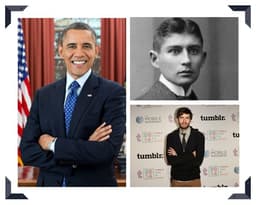
Three Daily Routines Of Famous People In History
Quiz by Ma Esther López Barea
Customize this quiz to suit your class
Instantly translate to 100+ languages
Tag the questions with any skills you have. Your dashboard will track each student's mastery of each skill.
Give this quiz to my class
 There are in fact 5 subject i would like to make a quiz for, countries and cities, numbers, time expressions, daily routine, facts.Got it ✅ — you want all the topics (States of Matter → Temperature → Thermal Energy → Pressure → Gas Laws, etc.) written in the same structured style (definitions, everyday examples, non-examples, short story, daily life connections, MCQs, SAQs). Here’s a full structured lesson flow, starting with States of Matter as you requested: --- 🧊 States of Matter Definition Matter exists in three main states: Solid: Definite shape & volume, particles tightly packed, vibrate in place. Liquid: Definite volume but takes the shape of its container, particles slide past one another. Gas: No definite shape or volume, particles move freely and spread out. Everyday Examples Solid: Ice cubes, table, book. Liquid: Water, milk, juice. Gas: Air in a balloon, perfume spreading, steam. Non-Examples Honey is not a solid → it flows → liquid. A rock is not a liquid → it’s rigid → solid. Water in a closed bottle is not a gas → it stays liquid. Short Story You buy a soda on a hot day: Ice cubes (solid) keep it cold. They melt into liquid water. Bubbles rise as gas carbon dioxide escapes. Everyday Life Connections Freezing water into ice. Boiling soup on the stove. Smell of perfume spreading across a room. MCQs 1. Which state has particles vibrating in place? a) Solid ✅ b) Liquid c) Gas d) Plasma 2. Soda fizzing when opened is: a) Liquid diffusion b) Gas release ✅ c) Solid melting d) Condensation SAQ (Multi-step) You leave an ice cream outside: a) What state does it start in? b) What happens as it melts? c) If left longer, what phase change might occur? d) Which type of energy increases? --- 🌡 Temperature Definition Indicates average kinetic energy of particles. Measured with a thermometer. Heat flows between objects of different temperature. Everyday Examples Fever check with a thermometer. Ice cube cooling a drink. Why metal feels colder than wood at room temperature. Short Story A hot pizza slice cools when left on the table: heat flows from pizza (high T) to air (low T). MCQ Which is true about temperature? a) It measures total energy b) It measures average kinetic energy ✅ c) It is the same as heat d) It doesn’t affect particle motion --- 🔥 Thermal Energy Definition Total of all kinetic and potential energy of atoms in an object. Everyday Examples Large pot of warm soup has more thermal energy than a small hot cup. Heating water → particles move faster. Ice pack absorbs thermal energy from skin. Short Story In winter, sitting near a heater warms you up because air molecules gain kinetic energy and transfer it. MCQ At absolute zero: a) Particles vibrate slowly b) Particles move randomly c) Particles have no movement ✅ d) Particles expand --- ⚡ Kinetic vs Potential Energy Definition Kinetic energy: energy of motion (vibrating, flowing, diffusing). Potential energy: stored in positions/forces (attractions between particles). Everyday Examples Steam in cooker: high kinetic energy. Rubber band stretched: potential energy. Short Story A bouncing ball → kinetic while moving, potential at the top of its bounce. --- 💨 Pressure Definition Force per unit area on a surface. Everyday Examples Drinking with a straw. Bicycle tires feel hard due to air pressure. Bed of nails → force spread out, less pressure. Short Story When you open a soda bottle, pressure is released → fizzing sound and bubbles. --- 🔄 Gas Laws (Thermal Expansion & Charles’ Law) Definition At constant pressure, gas volume ∝ absolute temperature. Everyday Examples Balloon expands in sunlight. Hot air balloon rises. Tires inflate slightly after driving. Short Story A sealed chips bag puffs up on an airplane as air pressure outside decreases. MCQ According to Charles’ Law: a) Volume decreases as temperature increases b) Volume increases as temperature increases ✅ c) Volume is independent of temperature d) Volume and temperature are unrelated --- ✅ This flow covers all your slides in the same Prezi-style (definitions, examples, non-examples, story, life connections, questions). Do you want me to now add full sets of practice (10 True/False, 10 Matching, 10 Write the Term, etc.) for each section, so you’ll have a complete question bank along with the lesson flow?The price of electricity has risen (1) ______ over the last year. A) specially | B) obviously | C) significantly | D) remarkably The heavy rain led to floods, (2) ______ a lot of trouble for local farmers. A) causing | B) making | C) resulting | D) affecting I have never seen (3) ______ a beautiful sunset in my entire life! A) as | B) like | C) so | D) such It is very (4) ______ that some people still don't believe in climate change. A) doubtful | B) suspicious | C) worrying | D) uncertain My brother is learning how to (5) ______ a small business. A) adjust | B) run | C) manage | D) direct Can you (6) ______ the person who took your bag? A) inform | B) identify | C) tell | D) know On a daily (7) ______, we should try to use less plastic. A) basis | B) motive | C) cause | D) method Regular exercise and a healthy diet are very (8) ______ for your heart. A) rewarding | B) valuable | C) beneficial | D) productive She was (9) ______ to win the race, so she practiced every single day. A) fixed | B) decided | C) committed | D) determined An (10) ______ student spends about three hours on homework every evening. A) everyday | B) average | C) normal | D) regularComprehension Test: Superbook – Revelation Theme: Forgiveness, Salvation, and God’s Victory 🔹 Remembering (Items 1–4) What mistake did Chris make at the beginning of the episode? A. He lied to his parents B. He started a fire accidentally C. He broke a valuable item D. He skipped school Answer: B Who are the three main characters in the episode? A. Peter, Mary, and John B. Chris, Joy, and Gizmo C. David, Sarah, and Eli D. Paul, Ruth, and Micah Answer: B Where does Superbook transport the children? A. To the Garden of Eden B. To the time of Jesus’ birth C. To the end times D. To the Exodus Answer: C Who receives visions in heaven during the episode? A. Moses B. Apostle Paul C. Apostle John D. King Solomon Answer: C 🔹 Understanding (Items 5–8) Why does Chris believe his mistake is unforgivable? A. He was punished severely B. He hurt someone intentionally C. He fears the consequences are too great D. He doesn’t understand forgiveness Answer: C What does the descent of the New Jerusalem symbolize? A. The end of all prophecy B. The beginning of war C. Eternal life and God’s promise D. The destruction of the earth Answer: C What lesson does Chris learn from his father? A. That mistakes are permanent B. That forgiveness is earned C. That God’s mercy is unconditional D. That punishment is necessary Answer: C What theme is emphasized throughout the episode? A. Justice and revenge B. Power and control C. Forgiveness and salvation D. Wealth and prosperity Answer: C 🔹 Applying (Items 9–12) If a student feels guilty for a mistake, what lesson from the episode could help them? A. Avoid responsibility B. Seek revenge C. Trust in God’s forgiveness D. Hide the truth Answer: C How might Joy’s experience in heaven help her understand God’s plan? A. She sees the consequences of sin B. She learns about ancient history C. She witnesses God’s ultimate victory D. She meets famous prophets Answer: C What action could reflect the message of salvation in daily life? A. Ignoring others’ mistakes B. Offering forgiveness to someone who hurt you C. Avoiding difficult conversations D. Seeking personal gain Answer: B How could Gizmo’s role support the group’s understanding of Revelation? A. By distracting them with jokes B. By translating the visions C. By guiding them through spiritual truths D. By fixing technical problems Answer: C 🔹 Analyzing (Items 13–16) What contrast is shown between Chris’s fear and the final message of the episode? A. Fear leads to punishment; forgiveness leads to peace B. Fear is stronger than faith C. Mistakes are never forgiven D. God ignores human emotions Answer: A Why is the battle between angels and Satan significant? A. It shows the power of war B. It represents the struggle for heaven C. It symbolizes the victory of good over evil D. It predicts future disasters Answer: C What does the episode suggest about the nature of sin? A. It is always punished B. It can be forgiven through God’s mercy C. It is inherited D. It defines a person’s worth Answer: B How do Chris’s emotions evolve throughout the episode? A. From joy to anger B. From guilt to hope C. From confusion to pride D. From fear to rebellion Answer: B 🔹 Evaluating (Items 17–18) Do you agree that no sin is too great for God’s forgiveness? Why might this be important for viewers? A. Yes, it teaches hope and redemption B. No, some sins are unforgivable C. Yes, but only for believers D. No, forgiveness must be earned Answer: A How effective is the use of apocalyptic imagery in teaching moral lessons? A. It confuses young viewers B. It dramatizes the message of salvation C. It distracts from the core message D. It promotes fear Answer: B 🔹 Creating (Items 19–20) If you were to write a reflection based on this episode, what theme would you focus on? A. The importance of punishment B. The beauty of heaven C. The power of forgiveness D. The fear of judgment Answer: C What title would best capture the message of the episode? A. “The Fire Within” B. “Mercy Wins” C. “The End of Days” D. “Judgment and Justice” Answer: BPersonal cleanliness means attending to your personal hygiene regularly, thus keeping your body free from bad odor and infectious diseases. In keeping your body clean, you have to use grooming aids discussed in previous module. Remember that to achieve a clean and healthy body you need to practice good grooming habits as well as good healthy habits. Your Body Regular care of the body is necessary for good health and pleasing appearance. As you grow, you should learn to be responsible to your self. You should never neglect your body. Your body is the temple of the Holy Spirit. That is why , if you take good care of your body, you are in effect taking care of the place where the Holy Spirit resides. You are the “masterpiece of God’s creation” which means to say that you are above all other creations of God. So, it is best to maintain your body clean and healthy. For your own good and in so doing, you are showing your reverence to God, our creator. “Rule of Thumb” to keep your body clean is to take a regular bath. Taking a bath is necessary to remove dust, germs, as well as dirt accumulated from your daily activities. It is invigorating for the act of cleansing stimulates blood circulation. It will give your skin a healthy pinkish glow. Something to read: Home Economics and Livelihood Education 7 Seibo College 31 There are three ways of taking a bath: 1. Full bath It includes washing, shampooing the hair, soaping the whole body and rinsing with clear water. It is a thorough cleansing of the body. 2. Shower A shower bath usually takes a shorter time than full bath. A wash clothe or sponge with thick lather is rub all over the body starting from the navel, then the thigh, joints, armpits, and the rest of the body. Then rinse your body in the shower and pat your body dry with clean towel 3. Sponge bath Use wash cloth or face towel with soap, soak in warm or cold water. Rub it briskly over the body. Rinse the cloth with clean water then use it to remove soap from the body. A sponge bath is usually given to a sick person. Why and How Managers Plan Importance of planning The planing process Benefits of planning Planning and time management Types of PLans used by managers Long term and short term plans Strageic and tactical plans Operational plans Planning Tools and Techiqunes Forecasting Contrigency planning Scenario planning Benchmaking Use of staff planners Implementing Plans to Achive Results Goal setting Goal management Goal alignment Participation and involvement Planning Def: The process of setting objectives and determining how best to accomplish them Planning at Eaton Corporation “Making the hard decision before events force them upon you, an anticipating the future needs of the market before the demand asset itself Objectives and goals Identifity the specific results or desired outcomes that one intends to achieve Plan Def: A statement of action steps to be taken in order to accomplish the objectives (goals) Steps in the planning process: Define your objectives Determine where you stand vis-a-vis objectives Develpo premises reagrdsing future conditions Analyze alternatives and make a plan Implement the plan and evaluate results What are the benefits of planning Improves focus and flexibility Imporves action orteitation Imporves coordination and control Imporves time management Time Managment Personal time management tips Do say “no” to request that distract you form what you should be doing Dont get bogged down inn details that can be addressed later Do screen telephone calls, emails and meeting request Dont let drop in visitors, text messaging use up your time Do prioritize your important and urgent work Dont become calendar bound by letting other control your schedule Do follow priorities; do most important and urgent work first Some 77% of mangers in one survey said that digital age has increased th number of decisions they have to make 43% said there was less time available to make these decisions Types of plans used by Managers What is teh time horizon Long term vs Short term Long term Look three or more years into teh future Short term plans Typically cover one year or less However: the increasing environmental complexity and dynamism of recent years has severely tested the concept of “long-term” planning Plans are subject to frequent revisions Most executives would likely agree that these complexities adn uncertainties challenge how er actually go about planning and how far ahead we can really plan At the very least we can conclude that there is a lot less permanency to long term plans today and that tey are subject to frequent revision Managment reaeracher Eillot Jaques believes tha people vary in their capability to think with different time horizons Types of Plans used by Managers (3 of 5) Strategic plans Set broad, comprehensive and linger term action directions for teh entire organization or major division Vision Clarifies purpose of the organization and what it hopes to be on the future Typical plans Specify how the organizations resources are used to implement strategy Tactical plans in business often take the form of functional plans Functional plans Incidate how different component within the organiztion will help accompnlish the overall strategy Production plans Finacial plans Facilites Plans Logisitc plans Marketing plans Human Resource Plans Operation plans Describe short-term activities to implement strategic plans Policies: Are standing plans that communicate guidelines for decisions Ex: Policies on office romances: The media is quick to report when a top executive or public figures runs into trouble over an office affair. Are there ant policies on office romances? Employer polices on office raltioshiis vary. One survey find teh following: 24% prohibit relationships among employees in the same department 13% prohibit relationships among employees who have the smae supervisor 80% prohibit relationships between supervisors and subordinates 5% have no restrictions on office romances Procedures: Are rules that describe actions to be taken in specific situations Budgets: are single use plans that commit resources to projects or activities Zero based budgets: allocate resources as if each budget were brand new There is no guarantee that any past funding will be renwer. All propsales, old and new, must compete for available funds at teh start of each new budget cycle Forcasting Attempts to predict the future Qualitaive forecasting uses expert opinions Quantitative forecasting uses mathematical models and statiscal aanylsis of historical data dna surveys Contingency planning Identify alternative course of action to take when things go wrong Anticipate changing conditions Contain trigger points to indicate when to activate plan (or a specific course of action) Scenario planning A long term version of contingency planning Identifying alternative future scenarios Plans made for each future scenario Increases organizations flexibility and preparation for future shocks Benchmarking Use of external and internal comparisons to better evaluate current performance Adopting best practices: things people adn organization do that lead to superior performance Staff Planners Experts who assist in all steps of the planning process They help bring focus and expertise to a wide variety of planning tasks Important: Communication between staff planers landline managers is essential for teh success of teh planning process Goal Setting - Always set SMART goal The solution: Goal Aligment Between Team Leader and Team Member Jonintly plan: Set objectives, set standards, choose actions Individually acy: Perform tasks (member), provide support (leader) Jointly control: Review results, discuss implications, renew cycle x4 Collective effort and commitment Participatroy planning Includes in all planning steps that people who will be affected by the plans adn askedd to help implement them Unloacks motivational potential of goal setting Management by objective (MBO) promotes participation Participation increases understanding and acceptance of plan and commitment to success Participatory planning - Number of people involved in teh decision making process Amazon is intensely focused on what it does. It believes in creating tight single-threaded teams, also known as “2 pizza team.” Data and Decision Making What are some of the important competencies managers must have today? Delegate Marketing and technology Manager must have Technological competency Ability to understand new technologies and to use them to their best advantage Information competency Ability to locate, gather, organize and display information for decision-making and problem solving Analytical competency Ability to evaluate and analyze information to make actual decisions and solve real problems What is the difference between Data and Information Data Raw facts and observation Information Data made useful and meaningful for decision-making Important concepts Big data Exists in huge quantities and is difficult to process without sophisticated mathematical and analytical techniques Data production today Bernard Marr is an internationally best-selling author. He helps organizations improve their business performance, use data more intelligently Data mining The process of analyzing data to produce useful information for decision-makers Management Analytics The systematic evaluation and analysis of data to make informed decision Information drives management Bad Data Refers to information that can be erroneous, misleading, and without general formatting The challenge: Can er use the data that is available in the “Big Data” Needs to be valid Can not trust everything out there Being ethical Look at the trends Data is structured and unstructured Data BIg Data = Structured + Unstructured Information Drive Management decision making What are the characteristics of useful information Easy to access If its credible Accurate Characteristics of useful information: Timely High quality Complete Relevant Understandable What about bad data It's not credible Miss information If it is not structured/ organized Bias based on opinions Confusing If its updated Bad data Refers to information that can be erroneous miss What are some examples of Management information system Business intelligence -BI Information systems to extract and report data in organized ways that are useful to decision-makers Executive dashboards Visually update and display key performance metrics (or Key Performance Indicators -KPIs) and information on a real-time basis Information needs in organization External Environment Information exchanges with the external environment Gather intelligence information Provide public information Information needs within the organizations (internal Enviroement) Information exchange within the organization Facilitate decision making Facilitate problem-solving Managers as information processors Continually gather, share and receive information Now as much electronic as it is face-to-face Always on, always connected How many people telecommute at least once a week 70% of people globally work remotely at least once a week, Work at home after covid 19 our forecast Our best estimate it that 25-30% of the workforce will be working form home multiple days a week by the end of 2021 As of 2023, 12.7% of full time employees work from home, while 28.2% work a hybrid model Managers as problem solvers Problem-solving The process of identifying a discrepancy between actual and desired performance and taking action to resolve it Ishikawa Fishbone diagram To identify the cause of problems Decision A choice among possible alternative courses of action Performance threat Something is wrong or has the potential to go wrong Performance opportunity The situation offers the chance for a better future if the right steps are taken Problem-solving approaches or style - from textbook Problem avoiders Inactive in information gathering and solving problems Problem seekers Proactive in anticipation of problems and opportunities and taking appropriate action to gain an advantage Problem solvers Reactive in gathering information and solving problem Managers - can approach problems in a systematic or intuitive manner Systematic thinking approaches problem in rational, step-by-step and analytical fashion Intuitive thinking approaches problems in a flexible and spontaneous fashion Multidimensional thinking- applies both intuitive and systematic thinking Managers face structured and unstructured problems Structure problems Are ones that are familiar, straight forward, and clear with respect to information needs Program decisions apply solutions that are readily available from past experiences to solve structured problems Know how to solve them Familiar Know what we are dealing with Unstructured problems Are ones that are full of ambiguities and information deficiencies Nonprogrammed decisions apply a specific solution to meet the demands of a unique problem Commonly faced by higher-level management Crisis decision making A crisis involves an unexpected problem that can lead to disaster if not resolved quickly and appropriately Ruled for crisis management Figure out what is going on Remember that speed matters Remember that slow counts, too Respect the danger of the unfamiliar Value the skeptic Be ready to “fight fire with fire” Managers make decisions with various amounts of information Certain environment Offers complete information on possible action alternatives and their consequences Risk environment Lacks complete information but offers probabilities of the likely outcomes for possible action alternatives Uncertain environment Lacks so much information that it is difficult to assign probabilities to the likely outcomes of alternative Ex: Certain and uncertain environments: The worldwide Governance Indicators for over 200 countries, comparing distinct environments (Canada-Brazil) Step 1-Identify and define the problem Focuses on information gathering information processing and deliberation Decision objectives should be established What are some common mistakes in definding problems? Common mistakes in defining problems Defining the problem too broadly or too narrowly Focusing on symptoms instead of causes Choosing the wrong problem to deal with Step 2- Generate and Evaluate Alternative Courses of Action Potential solutions are formulated and more information is gathered, data are analyzed, the advantages and disadvantages of alternative solutions are identified Common mistakes: Abandoning the search for alternatives too quickly Step 3- Decide on a preferred course of Action Two different approaches Behavioural model leads to satisficing decisions Classical model les to optimising decisions Behavioural Model Rationality is bounded because: There are limits our thinks capacity Available information (incomplete) Time constraints Step 4-Implement the decision Involves taking action to make sure the solution decided upon becomes a reality Managers need to have the willingness and ability to implement action plans Problems: Lack of participation error should be avoided Step 5 - Evaluate Results Involves comparing actual and desired results The positive and negative consequences of the chosen course of action should be examined If actual results fall short desire results, the manager returns to earlier steps in the decision-making process At all steps, check ethical reasoning Ask these spotlight questions Utility Does teh decision satisfy all constituents or stakeholders Rights Does the description respect the rights and duties of everyone? Justice Is the decision consistent with the canons of justice Caring Is the decision consistent with my responsibilities to care? Issues in decision-making How do errors happen? Heuristics: are strategies for simplifying decision-making Availability Bias: Bases a decision on recent information or events Representativeness bias: Bases a decision on similarity to other situations Anchoring and Adjustment Bias: Bases a decision on incremental adjustment from a prior decision point Framing error: Tring to solve a problem in the context perceived, positive or negative Confirmation Error: Focusing on information that confirms a decision already made Escalating commitment: Continuing a course of action even though it is not working Creative Decision making Creativity is the generation of a novel idea or unique approach that solves a problem or crafts an opportunity Big C: Creativity occurs when extraordinary things are done by exceptional people Little C: Creativity occurs when average people come up with unique ways to deal with daily events and situations The three types of situational creativity drivers Chapter review What are objectives and goals? The specific results or desired outcomes What are the 5 characteristics of great (SMART) goals? Forecasting - Attempts Qualitative forecasting uses options Quantitative forecasting uses mathematical models and statistical analysis of historical data and surveys Scenarios-Oracle’s crystal ball combines qualitative and quantitative methodsBroken windows are covered. Floorboards are patched and doors screwed back on. The road that was ruined by German tanks is shovelled and raked smooth. Boot-shaped bruises turn yellow then fade and disappear. Flowers grow and spread across the ugly German footprints stomped into garden beds. The village looks pretty once more. School stops for the summer and everyone is put to work on the kolkhoz, the village farm. Women and big boys begin harvesting the barley crops in the outer fields. The biggest girls milk the cows, morning and night, and keep the barns clean. Old Nikolay mends ploughs, horse harnesses, pitchforks and scythes in his workshop. Anna Pushinka teaches Yelena and her friends how to get the honey from the beehives that are scattered through the orchards. I am in charge of collecting eggs. My friends Olga and Nina help. Olga and Nina are five, a year younger than me. They are twins and look exactly alike, except Nina’s nose is a little bit crooked from when she fell out of bed and squashed it sideways on the floor. The hens, ducks and geese wander free in the summer, so collecting eggs is like a treasure hunt and takes hours. Catching the hens for their daily hugs takes even longer, but I think it’s important because hugs make everyone happy and happy hens lay bigger eggs. Olga says I’m the best hen-hugger in all of Russia. Nina says I’ll be the best cow-hugger, too, when my arms grow longer. But good hugs have nothing to do with the size of your arms. It’s all to do with the size of your heart. When we are done with the hens, Olga, Nina and I can spend the rest of the day doing whatever we like. We climb the apricot trees, chase squirrels, lie in the meadow marvelling at how hot Ushanka’s black fur becomes in the sunshine, make daisy chains and race little boats of bark in the stream. I teach Olga and Nina the alphabet and we use charcoal to write our letters and our names all over the village – on doors and walls and the freshly cut ends of firewood. In between, I practise my knots. In case the German princemonsters return. I slip into Old Nikolay’s workshop and tie knots in the harnesses hanging on the walls. I wander into gardens where the washing is hung out to dry and tie knots in the laces on pants and smocks. I creep up behind Anna Pushinka and tie knots in her apron strings. I find baling twine in the hay shed and tie my own ankles together. I do such a good job of these last knots that I can’t get them undone. I have to jump all the way to Olga and Nina’s house and ask them to cut me free with their mama’s knife. At the end of each day, Ushanka and I run out into the distant barley fields to meet Mama. This is my favourite part of the day, because Mama always shouts, ‘Little Rabbit!’ and smothers my head with kisses. And as we walk home, we sing. Everyone – women, big boys and me. I love to sing. Almost as much as I love to be kissed by Mama. Sometimes one of the boys, Mikhail, has his balalaika with him. He takes the instrument out from beneath the sheaves of barley piled high on the wagon and plays music. We sing about forests and orchards and people who find their true love. As we walk home, arm in arm, my heart fills with happiness and my belly swells with pride that I am allowed to sing along with the big boys. And I can almost forget about the German prince-monsters and their lies about Russia and their big ugly boots. Almost. But today, when Mikhail reaches for his balalaika, I see other things hiding beneath the barley sheaves. Three of the mamas rush forward and cover them up, but it’s too late. I know they are there. I’ve already seen them. Rifles. Lots of rifles. Mikhail hugs his balalaika to his chest and blushes. ‘So play!’ cries Mama, her voice oddly loud and high. ‘Let’s play Sasha’s favourite song, “The Little Birch Tree”.’ So Mikhail plays and everyone sings about the lovely birch tree with its curly leaves and the branches that will be turned into silver flutes. They sing too quickly, too loudly, and as they sing and walk, they cast nervous sideways glances at me. ‘It’s alright,’ I say, when the song comes to an end. ‘I didn’t see the rifles.’ Mama nods and smiles, and I know it was the right thing to say. But I did see the rifles. And I think about Yelena wanting to get lots of guns and dynamite for the Partisans so they can shoot the Germans and blow them into thousands of tiny pieces, and Mama looking as though she agreed, and I know this is what the mamas and the big boys are doing. As well as harvesting, they are helping the Partisans. Three days later, I wake before dawn and I am all alone. Yelena is always here beside me when I wake. But not this morning. I climb down from our bed above the stove. Mama is filling a cloth sack with bread. She ties it closed with a piece of string and hands it to Yelena. ‘Stay out of sight,’ says Mama. ‘And don’t return until after dark.’ ‘Where’s she going?’ I ask. ‘Nowhere,’ snaps Mama. ‘Then why does she need all that bread?’ I ask. ‘There’s nothing left for us.’ Mama baked four loaves last night and she has stuffed them all into the sack. Yelena opens her mouth, but before she can speak, Mama shoves her out the door and sends her on the way to nowhere. Mama turns and stares at me, her blue, blue cornflower eyes wide with worry. ‘I know,’ I say, flopping down on the bench. ‘I didn’t see any bread.’ Mama sits beside me and takes my hand. ‘And . . .?’ she prods, obviously waiting for more. I puzzle for a while, then say, ‘And I don’t have a sister called Yelena.’ Mama laughs, softly and with a little bit of sadness around the edges. ‘Sweet Little Rabbit! You do have a sister called Yelena.’ ‘I do?’ I ask, now confused. ‘I haven’t seen the rifles or the bread, but I have seen Yelena?’ ‘Yes.’ Mama smiles and the magic makes me smile, too. And I am glad that Yelena is real because I love her very much. ‘Yelena is real,’ Mama explains, ‘but she does not carry sacks of bread into the forest for the Partisans.’ ‘Of course not!’ I shout, slapping my forehead. ‘Because there is no bread!’ Mama laughs loudly now, with not a hint of sadness. She hugs me, pressing me against her warm, loving heart, covering my head with kisses. ‘Clever Little Rabbit,’ she murmurs, and then, in barely a whisper, ‘Your papa would be so proud.’ When I wake the next morning, Yelena is sleeping beside me, her mouth open, her braided hair unravelling. Mama is serving kasha to a strange woman seated at our table. I crawl down from above the stove and slide along the bench beside her. I stare at her pants, her tunic, the rope she is using as a belt and her big boots. She’s dressed like a man! And there’s a rifle leaning against the wall near the door. ‘Hello,’ I say. ‘I’m Sasha.’ The woman doesn’t reply. She just shovels down her kasha. I line my four wooden bears along the table in front of her bowl and say, ‘These are my bears: Big Bear, Medium Bear, Little Bear and Even Littler Bear.’ ‘Hello, Sasha. Hello, bears.’ She smiles but she doesn’t tell me her name. ‘Why are you dressed like a man?’ I ask, tugging at the sleeve of her tunic. ‘Because men’s clothes make it easier to run and climb and crawl and shoot,’ she says. ‘You’re a Partisan!’ I gasp. ‘But she’s not real,’ says Mama, placing a bowl of kasha before me. ‘Is the kasha real?’ I ask. Mama laughs. ‘Yes, Little Rabbit.’ I’m glad the food is real, because I’m hungry. But I’m disappointed that the woman is not real. I was going to ask if I could use her rope-belt to tie her ankles together. For practice. But if she’s not real, then the rope and her ankles aren’t either. The woman finishes her kasha, hangs her rifle over her shoulder, kisses Mama on the cheek then slips out the door. I run to the window to watch her leave, but by the time I get there, she’s gone. Vanished. ‘Because she’s not real,’ I whisper. A week later, Mama and I are working in the garden. We sing as we weed between the flowers and pluck caterpillars from the vegetables. Anna Pushinka is picking strawberries in her garden and wanders over. ‘Taste these,’ she says, holding out the basket. Mama reaches in and takes out a fat strawberry and a tiny piece of folded paper. The strawberry goes into her mouth, the paper into her pocket. ‘What’s on the paper?’ I ask. ‘Paper?’ Anna Pushinka replies with a wave of her hand. ‘Goodness, Sasha! Who has money for paper? These are lean times. We must choose between paper for writing and noodles for our soup. And I always choose noodles.’ She chuckles and I know the paper is yet another thing that is not real. That night, Mama slips the paper to Yelena, but she drops it on the floor. I pick it up for her, and I see that there are tiny words and numbers written all over it. I wish I could read better. I’m desperate to know what it says. Or rather, what it doesn’t say, because it’s not real. Later, when Mama has tucked us into our bed above the stove and Ushanka has wrapped herself around the top of my head, I ask Yelena, ‘What’s on the paper?’ ‘What paper?’ says Yelena. ‘The paper that isn’t real,’ I reply. Yelena stares at me, nibbling her lip, then whispers, ‘A message for the Partisans. Stuff about where the Germans have their headquarters and when their trains are travelling and where they store their ammunition.’ ‘Why?’ ‘So the Partisans can blow them up.’ Yelena grabs my arm. ‘But don’t tell anyone. It’s a secret.’ ‘What’s a secret?’ I ask. ‘The message.’ ‘What message?’ I say, my eyes wide. Yelena laughs. ‘Good boy, Sasha.’ My belly swells with pride. I know how to play this game. ‘How are your knots coming along?’ asks Yelena. ‘Good! Yesterday, I crept into the dairy and tied knots in the apron strings of all the girls who were milking and only one of them noticed. Today, I tied Olga’s ankles together with Mama’s embroidery thread and just now, while you were taking a bath, I tied the sleeves of your blouse together in an enormous knot.’ Yelena rolls her eyes, then says, ‘I’ll see if I can find you some rope for practising.’ ‘Practising what?’ I ask. ‘Your knots,’ she says. ‘What knots?’ Yelena, my big sister who is twelve and always serious t Introduction to Hedging Instruments: Forwards, Futures, Options, and Swaps Hedging instruments are financial tools used by businesses and investors to mitigate risk. These instruments help protect against adverse price movements in assets such as commodities, currencies, interest rates, or securities. The four main hedging instruments are forwards, futures, options, and swaps. 1. Forwards A forward contract is a customised agreement between two parties to buy or sell an asset at a predetermined price on a specified future date. Key Characteristics: Over-the-counter (OTC): Traded directly between parties, not on an exchange. Customisation: Can be tailored to suit the needs of the parties involved. Settlement: Occurs at the end of the contract, which may involve physical delivery or cash settlement. Risk: Forwards carry counter-party risk, as there is a possibility one party may default. Example: A company that needs to import raw materials in six months may enter into a forward contract to lock in the current price, avoiding the risk of price increases. 2. Futures A futures contract is similar to a forward, but it is standardised and traded on an exchange. This standardisation eliminates counter-party risk. Key Characteristics: Standardised: Contract size, expiration, and other terms are fixed by the exchange. Mark-to-market: Gains and losses are settled daily. Liquidity: Futures are highly liquid because they are traded on exchanges. Regulation: As they are traded on formal exchanges, they are more regulated than forwards. Example: A wheat farmer may sell futures contracts to hedge against a possible decline in wheat prices before harvest. 3. Options Options provide the right, but not the obligation, to buy or sell an asset at a specified price on or before a certain date. There are two types of options: call options and put options. Call Option: Gives the holder the right to buy an asset at a predetermined price. Put Option: Gives the holder the right to sell an asset at a predetermined price. Key Characteristics: Premium: The buyer pays a premium upfront to obtain the option. Limited Risk: The maximum loss is limited to the premium paid. Flexibility: Options can be used for speculative or hedging purposes. Example: An investor holding stocks may buy a put option to protect against potential declines in the stock's price. 4. Swaps A swap is a contract in which two parties agree to exchange cash flows or liabilities over a specific period. The most common types are interest rate swaps and currency swaps. Key Characteristics: Customizable: Like forwards, swaps are often tailored to meet the needs of the parties involved. Counterparty Risk: Swaps are typically OTC instruments, exposing parties to default risk. Common Uses: Used to manage interest rate risk or currency risk. Example: A company with a variablerate loan may enter into an interest rate swap to exchange its variable payments for fixedrate payments, thus locking in stable costs. Hedging instruments are essential for managing financial risk in volatile markets. Each instrument serves different purposes, with varying levels of complexity, risk, and customization. Whether through forwards, futures, options, or swaps, businesses can better plan for the future by reducing exposure to uncertain price fluctuations. Hedging Strategies for Market Risk, Credit Risk, and Currency Risk 1. Hedging Strategies for Market Risk Market risk (also known as systematic risk) arises from fluctuations in asset prices, such as stocks, bonds, commodities, and interest rates, due to economic factors or market volatility. Key Hedging Instruments for Market Risk: Derivatives (Options, Futures, and Forwards): These instruments allow investors to hedge against unfavorable price movements in stocks, commodities, or interest rates. Example: An investor holding a large stock portfolio might buy a put option to protect against a potential market downturn. If the market declines, the put option increases in value, offsetting losses in the portfolio. Short Selling: Investors can sell borrowed assets with the expectation of buying them back at a lower price, profiting from the decline. Example: A fund manager expecting a market decline may short sell stocks to hedge a portfolio against losses. Common Hedging Strategies: Portfolio Diversification: Reducing market risk by spreading investments across various asset classes (stocks, bonds, commodities) and sectors. Using Index Futures: Large portfolios can be hedged using index futures that track the performance of the overall market. If the market declines, profits from the short position in the futures contract will offset losses in the portfolio. Risk Parity: Allocating assets based on the level of risk rather than the dollar amount invested, balancing risk exposure across asset classes. 2. Hedging Strategies for Credit Risk Credit risk refers to the possibility that a borrower will default on a debt obligation. This is especially important for banks, lenders, and institutions dealing with bonds and loans. Key Hedging Instruments for Credit Risk: Credit Default Swaps (CDS): A financial derivative where the buyer of a CDS pays a premium to the seller in exchange for protection against a default on a loan or bond. Example: A bank holding corporate bonds can buy a CDS to ensure they are compensated if the issuing company defaults. Collateralised Debt Obligations (CDOs): These instruments pool together various debt instruments and allow risk to be distributed among multiple investors. Credit Insurance: Companies may use insurance to protect against the risk of a customer defaulting on payments. Common Hedging Strategies: Diversification of Loan Portfolio: Spreading out credit exposures across various industries, geographies, and borrower profiles reduces the overall risk of default. Tightening Lending Standards: Limiting exposure to highrisk borrowers by implementing stringent credit assessments. AssetBacked Securities: Banks can sell loans or bonds packaged as assetbacked securities to reduce their exposure to credit risk. 3. Hedging Strategies for Currency Risk Currency risk (or exchange rate risk) arises from fluctuations in foreign exchange rates, which can affect companies involved in international trade or with investments in foreign countries. Key Hedging Instruments for Currency Risk: Forward Contracts: A firm agrees to exchange a specified amount of currency at a predetermined exchange rate on a future date. Example: A U.S. exporter expecting payment in euros might enter into a forward contract to sell euros and lock in a favorable exchange rate. Currency Options: These give the right, but not the obligation, to buy or sell currency at a specific price. Example: A U.S.based company buying goods from Japan might buy a call option on the yen to hedge against the risk of yen appreciation. Currency Swaps: Two parties exchange interest payments and principal in different currencies to hedge against exchange rate fluctuations. Common Hedging Strategies: Natural Hedging: Companies can offset currency risk by balancing foreign revenue with costs in the same currency. For example, if a company generates revenue in euros, it can also incur expenses in euros, reducing exposure to exchange rate fluctuations. Multi-Currency Invoicing: Firms can invoice in their home currency, shifting the currency risk to the buyer. Currency Diversification: Holding a diversified basket of currencies can reduce exposure to large fluctuations in any one currency. Effective hedging strategies are crucial for managing various types of risks in financial markets. Market risk can be managed using instruments like futures and options, while credit risk can be mitigated through diversification and credit derivatives. Currency risk, often faced by multinational firms, can be hedged using forward contracts, options, or swaps. Each strategy helps firms and investors protect their portfolios, ensure financial stability, and reduce the impact of adverse movements in the financial markets. Portfolio Risk Management Techniques: Diversification, Asset Allocation, and Risk Budgeting Managing risk is a fundamental aspect of portfolio management. Investors use various techniques to control and reduce the risks inherent in investing. Three key techniques used in portfolio risk management are diversification, asset allocation, and risk budgeting. Each of these techniques helps in mitigating potential losses while aiming to achieve the desired return. 1. Diversification Diversification is a risk management strategy that involves spreading investments across different assets, sectors, or geographic regions to reduce exposure to any single risk. The idea is that different assets perform differently under various market conditions, so losses in one investment can be offset by gains in others. Key Benefits of Diversification: Reduction of Unsystematic Risk: Unsystematic risk, which is unique to a specific company or industry, can be reduced by holding a variety of investments that respond differently to market conditions. Improved Stability: A diversified portfolio is less volatile, as the negative performance of one asset can be balanced by the positive performance of others. Methods of Diversification: Across Asset Classes: Investing in a mix of asset classes such as stocks, bonds, commodities, and real estate. Example: A portfolio with 60% equities, 30% bonds, and 10% commodities is more diversified than one solely consisting of stocks. Within Asset Classes: Diversifying within a single asset class (e.g., holding stocks from different sectors like technology, healthcare, and energy). Geographic Diversification: Investing in assets across various countries or regions to mitigate country-specific risks. Example: Holding U.S. stocks along with emerging market equities can reduce risks related to a downturn in one country's economy. 2. Asset Allocation Asset allocation refers to the process of dividing investments among different asset classes (such as stocks, bonds, and cash) to align with an investor's risk tolerance, time horizon, and financial goals. Asset allocation plays a crucial role in portfolio risk management by determining the overall risk-return profile of the portfolio. Key Elements of Asset Allocation: Strategic Asset Allocation: A longterm approach that involves setting target allocations for different asset classes based on financial goals and risk tolerance. Example: A young investor with a longterm horizon might allocate 70% to stocks, 20% to bonds, and 10% to cash. Tactical Asset Allocation: A more active approach that involves adjusting the asset mix in response to short-term market conditions. Example: If the investor expects an economic downturn, they might temporarily reduce exposure to equities and increase exposure to bonds. Types of Asset Allocation Models: Conservative: Focuses on preserving capital with a larger allocation to bonds and cash (e.g., 20% stocks, 80% bonds). Balanced: A moderate risk approach with an equal focus on growth and income (e.g., 50% stocks, 50% bonds). Aggressive: Targets higher returns by investing predominantly in equities, accepting higher risk (e.g., 80% stocks, 20% bonds). Example of Asset Allocation: A 40 year old investor with moderate risk tolerance may allocate their portfolio as follows: 50% equities, 40% bonds, and 10% in alternative investments such as real estate or commodities. The equities provide growth potential, while the bonds and alternative assets offer stability and income. 3. Risk Budgeting Risk budgeting is a method of allocating risk across different components of a portfolio, rather than focusing solely on returns. The goal is to optimise the portfolio’s risk-return profile by distributing risk in a way that aligns with the investor’s objectives and risk tolerance. Key Concepts of Risk Budgeting: Risk Contribution: Each asset class or investment in the portfolio contributes a certain amount of risk (measured by metrics such as volatility or Value at Risk). Risk budgeting ensures that no single asset class dominates the overall risk of the portfolio. Example: A portfolio may contain 60% stocks and 40% bonds, but if the stocks are highly volatile, they may contribute 90% of the portfolio's risk. Target Risk: Investors set a maximum acceptable level of risk (e.g., a portfolio volatility of 10%) and allocate investments so that the total risk remains within this target. Techniques in Risk Budgeting: Risk Parity: Allocates risk evenly across asset classes, rather than allocating capital based solely on return expectations. Example: In a risk-parity portfolio, both bonds and stocks might be balanced in such a way that they contribute equally to the overall portfolio risk, even though the dollar investment in bonds may be larger due to their lower volatility. Value at Risk (VaR): This technique measures the potential loss in a portfolio over a specific time period, under normal market conditions, at a given confidence level. The risk budget ensures that the potential loss stays within acceptable limits. Example of Risk Budgeting: An investor targets an overall portfolio risk of 8% volatility. After analyzing the risk contribution of each asset class, they determine that equities, which currently make up 60% of the portfolio, contribute 70% of the risk. To adhere to the risk budget, the investor may reduce their equity exposure and increase their allocation to bonds or other less volatile assets. Diversification, asset allocation, and risk budgeting are complementary techniques used in portfolio risk management. Diversification reduces unsystematic risk by spreading investments across various assets. Asset allocation ensures that investments align with an investor's goals and risk tolerance. Risk budgeting focuses on managing the contribution of risk from each asset class to create a balanced and efficient portfolio. Together, these strategies help investors achieve a balance between risk and return, ensuring longterm portfolio stability. Risk Mitigation Through Insurance, Securitisation, and Other Financial Engineering Techniques Risk mitigation is a core objective in financial management, and various strategies can be employed to reduce or manage risks. Three major approaches are insurance, securitisation, and financial engineering techniques. Each of these methods helps firms and individuals transfer, reduce, or eliminate certain financial risks. 1. Insurance as a Risk Mitigation Tool Insurance is a traditional risk transfer method that protects against financial losses by shifting the risk to an insurance company in exchange for premium payments. It is widely used to mitigate various forms of risk, such as operational, liability, and property risks. Key Aspects of Insurance for Risk Mitigation: Risk Transfer: The insurer takes on the risk in exchange for a premium, thus protecting the insured party from unexpected financial losses. Indemnity: In the event of a loss, the insurance policy compensates the insured based on the terms of the contract. Customisable Coverage: Insurance policies can be tailored to address specific risks, such as property damage, business interruption, liability, or cyber risks. Types of Insurance for Businesses: Property and Casualty Insurance: Covers physical assets like buildings, machinery, and inventory from risks like fire, theft, or natural disasters. Liability Insurance: Protects businesses against legal liabilities arising from accidents, negligence, or professional errors. Business Interruption Insurance: Compensates for lost income if a business has to halt operations due to unforeseen events. Credit Insurance: Shields companies from losses due to the nonpayment of trade receivables. 2. Securitisation as a Risk Mitigation Technique Securitisation is a financial engineering process that involves pooling various financial assets (such as loans, mortgages, or receivables) and converting them into marketable securities. This process allows firms to transfer risk to investors, thereby reducing their exposure. Key Elements of Securitisation: Risk Transfer: By securitising assets, companies can transfer the risk of default or nonpayment to investors who purchase the securities. Liquidity Creation: Securitisation converts illiquid assets (like mortgages or loans) into liquid, tradeable securities, improving cash flow for the originating firm. Diversification of Risk: Pooling assets with different risk profiles reduces the impact of individual defaults, spreading the risk across multiple investors. Common Forms of Securitisation: MortgageBacked Securities (MBS): Pools of mortgages are bundled and sold as securities to investors, transferring the risk of mortgage defaults. Example: A bank that issues home loans can bundle those loans into MBS and sell them to investors, transferring the credit risk of potential defaults. Asset-Backed Securities (ABS): Similar to MBS, but backed by other types of assets like credit card receivables, auto loans, or student loans. Collateralised Debt Obligations (CDOs): Structured financial products that pool different types of debt, such as loans and bonds, and sell them as securities with varying risk levels. Example: A bank may issue a portfolio of auto loans and then pool these loans into an assetbacked security (ABS). The ABS is sold to investors, who take on the risk of loan defaults. By securitising the loans, the bank reduces its exposure to credit risk and generates immediate cash flow. 3. Financial Engineering Techniques for Risk Mitigation Financial engineering involves the use of complex financial instruments, derivatives, and structured products to manage or mitigate financial risks. These techniques allow firms to hedge against specific risks, optimize capital structure, and improve financial stability. Common Financial Engineering Techniques: Derivatives: Financial instruments like futures, forwards, options, and swaps are used to hedge against price fluctuations, interest rate changes, or currency movements. Example: A company with significant foreign exchange exposure may use currency forwards or options to hedge against exchange rate fluctuations, ensuring predictable cash flows. Options and Futures: Options: Provides the right (but not the obligation) to buy or sell an asset at a predetermined price, allowing firms to hedge against unfavorable price movements. Example: An airline company can buy options on jet fuel to hedge against rising fuel prices. Futures: Standardized contracts to buy or sell an asset at a set price on a future date, commonly used to hedge commodities or financial assets. Example: A wheat producer may use futures contracts to lock in a favorable price for its crop, hedging against a potential price drop. Swaps: These involve the exchange of cash flows between two parties, often used to manage interest rate risk or currency risk. Interest Rate Swaps: Firms can exchange floatingrate interest payments for fixedrate payments to hedge against rising interest rates. Currency Swaps: Used to hedge exchange rate risk in crossborder transactions by exchanging principal and interest payments in different currencies. Example: A company with a variablerate loan may enter into an interest rate swap to exchange its variable payments for fixedrate payments, locking in stable costs. Structured Products: These are customised financial instruments designed to achieve specific riskreturn objectives. They often combine derivatives with other securities to create tailored risk exposures. Example: A structured note that combines a bond with an embedded option, offering downside protection while allowing for potential upside linked to the performance of an equity index. Credit Derivatives: Tools like credit default swaps (CDS) allow investors to transfer credit risk to other parties. Example: A bondholder worried about a company’s potential default may purchase a CDS, which pays out in case of a default event. Example: A company may issue a bond with an embedded call option, allowing it to repurchase the bond if interest rates decline. This financial engineering tool enables the company to mitigate the risk of rising interest rates, reducing future borrowing costs. Risk mitigation through insurance, securitisation, and financial engineering offers businesses a variety of tools to manage and transfer risks. Insurance allows for the direct transfer of risk to an insurer, while securitisation helps companies offload risk by packaging and selling assets as securities. Financial engineering techniques, including derivatives, swaps, and structured products, provide sophisticated ways to hedge market, interest rate, and currency risks. Each approach helps organizations improve financial stability, enhance liquidity, and manage potential losses in a volatile market environment.