Loading...

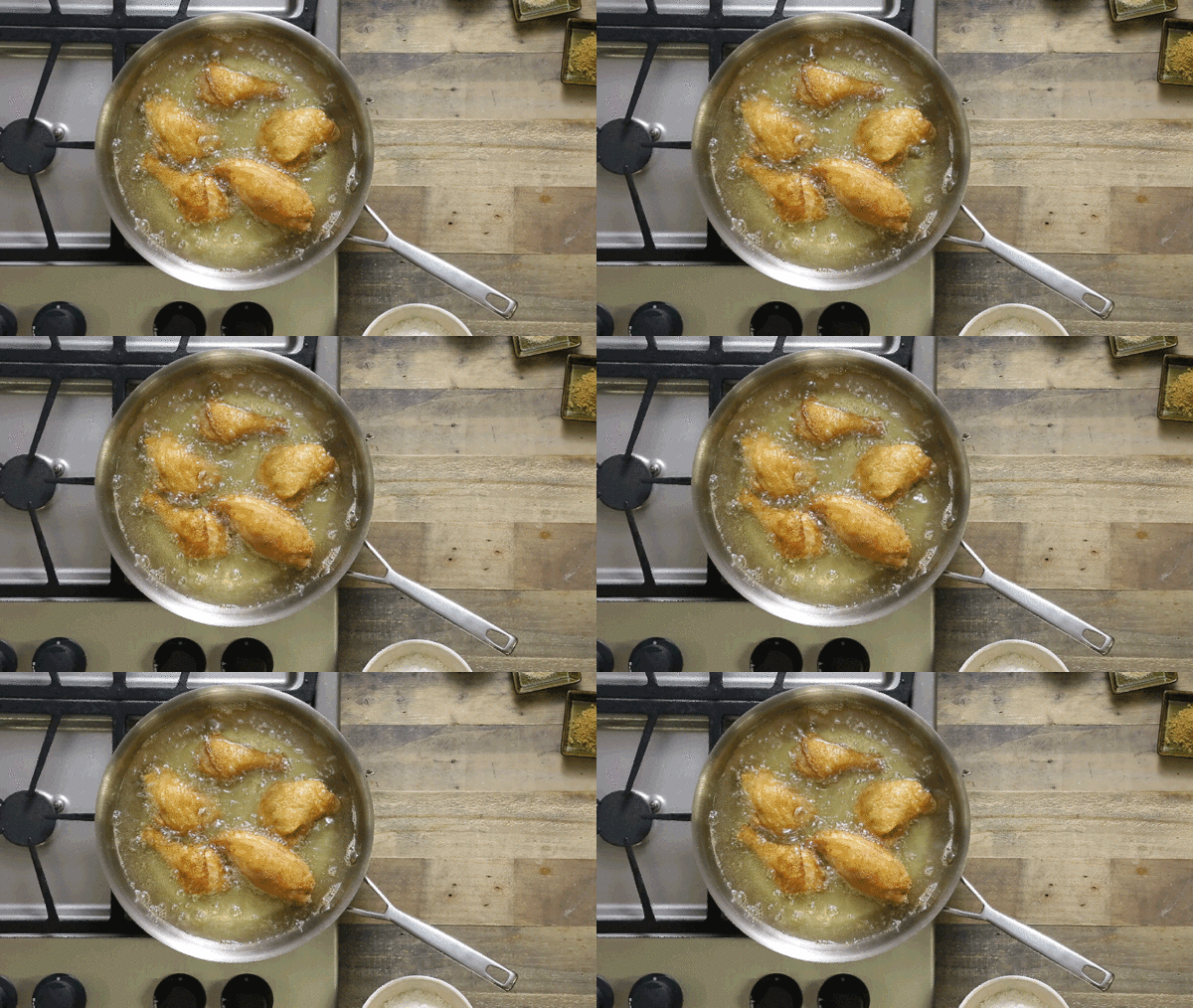
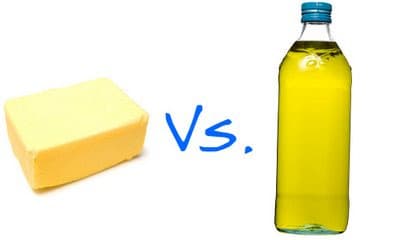
To Fats or Not To Fats?
Quiz by Alfredo Alcantara
Customize this quiz to suit your class
Instantly translate to 100+ languages
Tag the questions with any skills you have. Your dashboard will track each student's mastery of each skill.
Give this quiz to my class
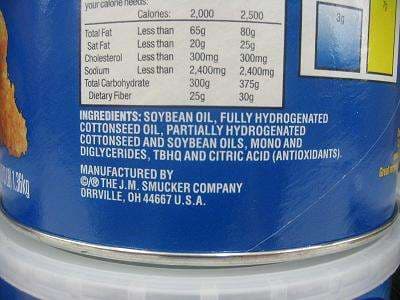
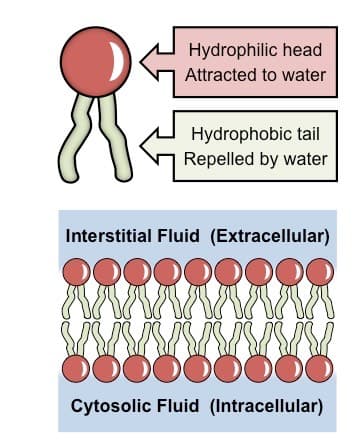
 Nutrition Notes Nutrition- study of how your body uses food Process by which body uses nutrients How you look and feel Resist diseases and illness How you perform physically and mentally Nutrients: substances in food your body needs to grow, repair and supply energy to your body cells 6 Classes of Nutrients 1.Carbohydrates: 1 gram= 4 calories 2. Protein: 1 gram- 4 calories 3. Fats: 1 gram= 9 calories 4.Water 5. Vitamins 6. Minerals Calorie: measurement of energy in food Metabolism: Rate at which body burns energy(calories) Hunger: physical drive to eat Appetite: pshycological desire for food What influences your food choices: Foods you like Health Reasons Family and Culture Time & Money Advertising Emotions Friends Social Media: Modeling Nutrients Carbohydrates: your body’s main source of energy sugars/starches in food 45%-65% of diet #1 source of energy Simple: sugars converted to glucose= energy (fruits, dairy, honey, some manufactured foods) Complex: sugars linked together (starches) (grains, bread, pasta, beans, vegetables) Fiber: tough, indigestible carbohydrates Cleans our digestive system Prevents some types of cancer Prevents heart disease (fruits, vegetables, whole grains,nuts) 2. Protein: growth and repair of body tissues Made up of chemicals called “amino acids” Basic building material of all body cells (muscles, bones, skin, internal organs) Secondary source of energy protein(hemoglobin) attaches to oxygen in blood Functions as hormones regulating body functions 10-15% of diet *Body uses 20 Amino Acids found in food ( body produces 11 and 9 must come from diet) Essential amino acids: 9 amino acids body doesn't produce Complete Amino Acids: foods that contain all 9 essential amino acids ( animal products) Incomplete Amino Acids: food products that do not contain all 9 essential amino acids. Fats 15-25% of diet Secondary source of energy Blood clotting Controlling inflammation Maintains healthy skin/hair absorb /transport fat soluble vitamins Regulates body temperature Types of Fat Unsaturated: “good” fat Liquid at room temperature Can help fight heart disease (veg oil, nuts) Saturated: “bad” fat Solid at room temp Clogs arteries Causes strokes, heart attack, diabetes (animal products, meat, dairy) Cholesterol: waxy like fat substance found in meat products HDL: good type of cholesterol Body creates(liver) Creates cell wall, hormones, and vit D LDL: bad cholesterol- found in foods (clogs arteries) 4. Trans Fat: “one of the worst type of fats” Formed by a process called “hydrogenation”: adding Hydrogen molecules to unsaturated fats to make it more solid and resistant to chemical change. Vitamins A vitamin is a chemical compound that is needed in small amounts for the human body to work correctly. Vitamins are classified as either fat soluble (vitamins A, D, E and K) or water soluble (vitamins B and C). This difference between the two groups is very important. It determines how each vitamin acts within the body. The fat soluble vitamins are soluble in lipids (fats). Fat soluble vitamins can be stored in our body Water soluble vitamins must be taken every day Human body produces some amounts of Vitamin D & KThe endoplasmic reticulum (EN-doh-PLAZ-mik ri-TIK-yuh-luhm), abbre- viated ER, is a system of membranous tubes and sacs, called cisternae (sis-TUHR-nee). The ER functions primarily as an intracellu- lar highway, a path along which molecules move from one part of the cell to another. The amount of ER inside a cell fluctuates, depending on the cell’s activity. There are two types of ER: rough and smooth. The two types of ER are thought to be continuous. Rough Endoplasmic Reticulum The rough endoplasmic reticulum is a system of interconnected, flattened sacs covered with ribosomes, as shown in Figure 4-15. The rough ER produces phospholipids and proteins. Certain types of proteins are made on the rough ER’s ribosomes. These proteins are later exported from the cell or inserted into one of the cell’s own membranes. For example, ribosomes on the rough ER make digestive enzymes, which accumulate inside the endoplasmic retic- ulum. Little sacs or vesicles then pinch off from the ends of the rough ER and store the digestive enzymes until they are released from the cell. Rough ER is most abundant in cells that produce large amounts of protein for export, such as cells in digestive glands and antibody-producing cells. Smooth Endoplasmic Reticulum The smooth ER lacks ribosomes and thus has a smooth appear- ance. Most cells contain very little smooth ER. Smooth ER builds lipids such as cholesterol. In the ovaries and testes, smooth ER produces the steroid hormones estrogen and testosterone. In skeletal and heart muscle cells, smooth ER releases calcium, which stimulates contraction. Smooth ER is also abundant in liver and kidney cells, where it helps detoxify drugs and poisons. Long-term abuse of alcohol and other drugs causes these cells to produce more smooth ER. Increased amounts of smooth ER in liver cells is one of the factors that can lead to drug tolerance. As Figure 4-15 shows, rough ER and smooth ER form an interconnected network. Copyright © by Holt, Rinehart and Winston. All rights reserved. reticulum from the Latin rete, meaning “net”; reticulum means “little net” Word Roots and Origins The endoplasmic reticulum (ER) serves as a site of synthesis for proteins, lipids, and other materials. The dark lines in the photo represent the membranes of the ER, and the narrow lighter areas between the dark lines show the channels and spaces (cisternae) inside the ER. FIGURE 4-15 Smooth ER Ribosomes Rough ER Cisternae 82 CHAPTER 4 GOLGI APPARATUS The Golgi apparatus, shown in Figure 4-16, is another system of flattened, membranous sacs. The sacs nearest the nucleus receive vesicles from the ER containing newly made proteins or lipids. Vesicles travel from one part of the Golgi apparatus to the next and transport substances as they go. The stacked membranes modify the vesicle contents as they move along. The proteins get “address labels” that direct them to various other parts of the cell. During this modification, the Golgi apparatus can add carbohydrate labels to proteins or alter new lipids in various ways. VESICLES Cells contain several types of vesicles, which perform various roles. Vesicles are small, spherically shaped sacs that are surrounded by a single membrane and that are classified by their contents. Vesicles often migrate to and merge with the plasma membrane. As they do, they release their contents to the outside of the cell. Lysosomes Lysosomes (LIE-suh-SOHMZ) are vesicles that bud from the Golgi appa- ratus and that contain digestive enzymes. These enzymes can break down large molecules, such as proteins, nucleic acids, car- bohydrates, and phospholipids. In the liver, lysosomes break down glycogen in order to release glucose into the bloodstream. Certain white blood cells use lysosomes to break down bacteria. Within a cell, lysosomes digest worn-out organelles in a process called autophagy (aw-TAHF-uh-jee). Lysosomes are also responsible for breaking down cells when it is time for the cells to die. The digestion of damaged or extra cells by the enzymes of their own lysosomes is called autolysis (aw-TAHL-uh-sis). Lysosomes play a very important role in maintaining an organism’s health by destroying cells that are no longer functioning properly. Copyright © by Holt, Rinehart and Winston. All rights reserved. The Golgi apparatus modifies many cellular products and prepares them for export. FIGURE 4-16 CELL STRUCTURE AND FUNCTION 83 Peroxisomes Peroxisomes are similar to lysosomes but contain different enzymes and are not produced by the Golgi apparatus. Peroxisomes are abundant in liver and kidney cells, where they neutralize free radicals (oxygen ions that can damage cells) and detoxify alcohol and other drugs. Peroxisomes are named for the hydrogen peroxide, H2O2, they produce when breaking down alco- hol and killing bacteria. Peroxisomes also break down fatty acids, which the mitochondria can then use as an energy source. Other Vesicles Specialized peroxisomes, called glyoxysomes, can be found in the seeds of some plants. They break down stored fats to provide energy for the developing plant embryo. Some cells engulf material by surrounding it with plasma membrane. The resulting pocket buds off to become a vesicle inside the cell. This vesicle is called an endosome. Lysosomes fuse with endosomes and digest the engulfed material. Food vacuoles are vesicles that store nutrients for a cell. Contractile vacuoles are vesicles that can contract and dispose of excess water inside a cell. Protein Synthesis One of the major functions of a cell is the production of protein. The path some proteins take from synthesis to export can be seen in Figure 4-17. In step , proteins are assembled by ribosomes on the rough ER. Then, in step , vesicles transport proteins to the Golgi apparatus. In step , the Golgi modifies proteins and pack- ages them in new vesicles. In step , vesicles release proteins that have destinations outside the cell. In step , vesicles containing enzymes remain inside the cell as lysosomes, peroxisomes, endo- somes, or other types of vesicles. 5 4 3 2 1 Copyright © by Holt, Rinehart and Winston. All rights reserved. Proteins are assembled by ribosomes on the rough ER. Vesicles carry proteins from the rough ER to the Golgi apparatus. Proteins are modified in the Golgi apparatus and enter new vesicles. Some vesicles release their proteins outside the cell. Other vesicles remain in the cell and become lysosomes and other vesicles. NucleusNutrition refers to the science that deals with the various factors of which food is composed and the way in which proper nourishment is brought about. Home Economics and Livelihood Education 7 Seibo College 152 Human nutrition involves properly feeding the people. It is therefore important to learn more about nutrition, taking into consideration the three (3) important factors: a. the food we eat b. the way it is digested, absorbed and used in the tissues of the body c. the kind of people for whom the food is intended Good health or “wellness” is not a matter of chance. Good health is a product of good nutrition which is the result of an adequate supply of essential nutrients in your body. Lack of these nutrients lead to illness or a condition known as “malnutrition”. Malnutrition occurs if there is an imbalance intake of nutrients or an inadequacy of one or any of the nutrients. Malnutrition are manifested in the following cases: 1. obesity due to overeating- Obesity occurs when a person eats more than what the body requires under normal condition. This results in an excess supply of calories that leads to obesity or overnutrition. 2. stunted growth of children due to lack of protein- If there is no sufficient supply of carbohydrates or fats protein is used by the body as an alternative source of energy. 3. under weight due to lack of carbohydrates- If the total amount of nutrients provided by the diet is insufficient , it results to undernutrition. What is good nutrition? Home Economics and Livelihood Education 7 Seibo College 153 What are the causes of malnutrition? 1. ignorance or lack of knowledge about proper food intake 2. low standard of living 3. limited food supply 4. emergence of calamities or social unrest 5. increased family size 6. poor eating habits What are food habits? Food habits mean one’s attitude towards food. If the body is fed by junk foods and became over/under supplied with particular vitamins, protein or other nutrients then the body will suffer from malnutrition. Let us identify the factors affecting food habits. Education – knowledge about nutrition will help one to make wise decision about food. Foods available - The kinds of food available to you usually are the foods you eat. Some foods can grow only in certain types of geographic locations and this determines the foods available in such locations Religion - What foods people can eat or cannot eat have been dictated by their religious beliefs. For example, Moslems do not eat pork because Islam forbids them to eat it. Home Economics and Livelihood Education 7 Seibo College 154 Ethnicity – members of cultural groups formed their own living patterns which include food customs. It includes what food can or cannot be eaten. Income/economic status – the type of food you choose depends on how money you have. Income dictates what food you can eat and how you eat them. Convenience -. Meal management practices affect food habits because you can only prepare and eat foods you can easily cook with the facilities and the knowledge you have. Food habit refers to the way in which different people select , cook, serve and eat food that are available to them. Home Economics and Livelihood Education 7 Seibo College 155 Look at the diagram below for a better understanding. FACTORS THAT AFFECT FOOD HABITS FOOD HABITS Education Foods available Religion Convenience Economic status EthnicitLipids are large, nonpolar organic molecules. They do not dissolve in water. Lipids include triglycerides (trie-GLIS-uhr-IEDZ), phospho- lipids, steroids, waxes, and pigments. Lipid molecules have a higher ratio of carbon and hydrogen atoms to oxygen atoms than carbohydrates have. Because lipid molecules have larger numbers of carbon-hydrogen bonds per gram than other organic com- pounds do, they store more energy per gram. Fatty Acids Fatty acids are unbranched carbon chains that make up most lipids. Figure 3-10 shows that a fatty acid contains a long carbon chain (from 12 to 28 carbons) with a carboxyl group, —COOH, attached at one end. The two ends of the fatty-acid molecule have different properties. The carboxyl end is polar and is thus hydrophilic or attracted to water molecules. In contrast, the hydro- carbon end of the fatty-acid molecule is nonpolar. This end tends not to interact with water molecules and is said to be hydrophobic (HIE-droh-FOH-bik), or “water fearing.” In saturated fatty acids, such as palmitic acid, which is shown in Figure 3-10, each carbon atom is covalently bonded to four atoms. The carbon atoms are in effect full, or saturated. In contrast, linoleic acid, also shown in Figure 3-10, has carbon atoms that are not bonded to the maximum number of atoms to which they can bond. Instead, they have formed double bonds within the carbon chain. This type of fatty acid is said to be unsaturated. Triglycerides Three classes of lipids important to living things contain fatty acids: triglycerides (fats), phospholipids, and waxes. A triglyceride is composed of three molecules of fatty acid joined to one molecule of the alcohol glycerol. Saturated triglycerides are composed of saturated fatty acids. They typically have high melting points and tend to be hard at room temperature. Common dietary saturated triglycerides include butter and fats in red meat. In contrast, unsaturated triglycerides are composed of unsaturated fatty acids and are usually soft or liquid at room temperature. Unsaturated triglycerides are found primarily in plant seeds where they serve as an energy and carbon source for germinating plants. Phospholipids Phospholipids have two, rather than three, fatty acids attached to a molecule of glycerol. They have a phosphate group attached to the third carbon of the glycerol. As shown in Figure 3-11, the cell membrane is made of two layers of phospholipids, called the lipid bilayer. The inability of lipids to dissolve in water allows the mem- brane to form a barrier between the inside and outside of the cell. Hydrophilic “head” Phospholipids Hydrophobic “tail” Phospholipids Water Water The lipid bilayer of a cell membrane is a double row of phospholipids.The “tails” face each other.The “head” of a phospholipid, which contains a phosphate group, is polar and hydrophilic.The two tails are two fatty acids and are nonpolar and hydrophobic. FIGURE 3-11 H C H C O OH H C H H C H H C H H C H H C H H C H H C H H C H H C H H C H H C H H C H C H H H H C H H C H H C H H C H H C H C O OH H C H H C H H C H C H C H C H H C H H C H C H H C H H C H C H H H H C H Fatty acids have a polar carboxyl head, highlighted in purple, and a nonpolar hydrocarbon tail, highlighted in green. FIGURE 3-10 Palmitic acid Linoleic acid mb06se_bchs02.qxd 5/18/07 10:49 AM Page 59 60 CHAPTER 3 1. Compare the structure of monosaccharides, dis- accharides, and polysaccharides. 2. How are proteins constructed from amino acids? 3. How do amino acids differ from one another? 4. Describe a model of enzyme action. 5. Why do phospholipids orient in a bilayer when in a watery environment, such as a cell? 6. Describe how the three major types of lipids differ in structure from one another. 7. What are the functions of the two types of nucleic acids? CRITICAL THINKING 8. Applying Information Before a long race, run- ners often “carbo load.” This means that they eat substantial quantities of carbohydrates. How might this help their performance? 9. Recognizing Relationships High temperatures can weaken bonds within a protein molecule. How might this explain the effects of using a hot curling iron or rollers in one’s hair? 10. Applying Information You want to eat more unsaturated than saturated fats. Name examples of foods you would eat more of and less of. SECTION 2 REVIEW Waxes A wax is a type of structural lipid consisting of a long fatty-acid chain joined to a long alcohol chain. Waxes are waterproof, and in plants, form a protective coating on the outer surfaces. Waxes also form protective layers in animals. For example, earwax helps pre- vent microorganisms from entering the ear canal. Steroids Unlike most other lipids, which are composed of fatty acids, steroid molecules are composed of four fused carbon rings with various functional groups attached to them. Many animal hor- mones, such as the male hormone testosterone, are steroid com- pounds. One of the most familiar steroids in humans is cholesterol. Cholesterol is needed by the body for nerve and other cells to func- tion normally. It is also a component of the cell membrane. NUCLEIC ACIDS Nucleic acids are very large and complex organic molecules that store and transfer important information in the cell. There are two major types of nucleic acids: deoxyribonucleic acid and ribonucleic acid. Deoxyribonucleic acid, or DNA, contains information that deter- mines the characteristics of an organism and directs its cell activi- ties. Ribonucleic (RIE-boh-noo-KLEE-ik) acid, or RNA, stores and transfers information from DNA that is essential for the manufactur- ing of proteins. Some RNA molecules can also act as enzymes. Both DNA and RNA are polymers, composed of thousands of linked monomers called nucleotides (NOO-klee-uh-TIEDS). As shown in Figure 3- 12, each nucleotide is made of three main components: a phosphate group, a five-carbon sugar, and a ring-shaped nitrogenous base.Organic Nomenclature. What are aliphatic compounds or aliphatic hydrocarbons? An aliphatic compound or aliphatic hydrocarbon is an organic compound containing hydrogen and carbon atoms that are usually linked together in chains that are straight. The term Aliphatic has been derived from the Greek word “Aleiphar” which translates to “fat”. It is used to describe hydrocarbons that are obtained by the chemical degradation of oils or fats. What are aliphatic compounds or aliphatic hydrocarbons? The simplest organic compounds are those composed of only two elements: carbon and hydrogen. These compounds are called hydrocarbons. Hydrocarbons are separated into two types: aliphatic hydrocarbons and aromatic hydrocarbons. Aliphatic hydrocarbons are hydrocarbons based on chains of C atoms. There are three types of aliphatic hydrocarbons: Alkanes are aliphatic hydrocarbons with only single covalent bonds. Alkenes are hydrocarbons that contain at least one C–C double bond, and alkynes are hydrocarbons that contain a C–C triple bond. Occasionally, we find an aliphatic hydrocarbon with a ring of C atoms; these hydrocarbons are called cycloalkanes (or cycloalkenes or cycloalkynes). The simplest alkanes have their C atoms bonded in a straight chain; these are called normal alkanes. They are named according to the number of C atoms in the chain. The smallest alkane is methane: molecule is three dimensional, with the H atoms in the positions of the four corners of a tetrahedron. The diagrams representing alkanes are called structural formulas because they show the structure of the molecule. As molecules get larger, structural formulas become more and more complex. One way around this is to use a condensed structural formula, which lists the formula of each C atom in the backbone of the Molecule. The condensed formulas show hydrogen atoms right next to the carbon atoms to which they are attached, as illustrated for butane: The ultimate condensed formula is a line-angle formula (or line drawing) , in which carbon atoms are implied at the corners and ends of lines, and each carbon atom is understood to be attached to enough hydrogen atoms to give each carbon atom four bonds. For example, we can represent pentane (CH3CH2CH2CH2CH3) and isopentane [(CH3)2CHCH2CH3] as follows: Unsaturated Hydocarbons: Alkenes and Alkynes Alkenes Organic compounds that contain one or more double or triple bonds between carbon atoms are described as unsaturated. Unsaturated hydrocarbons have less than the maximum number of H atoms possible. Unsaturated hydrocarbon molecules that contain one or more double bonds are called alkenes. Carbon atoms linked by a double bond are bound together by two bonds, one σ bond and one π bond. Double and triple bonds give rise to a different geometry around the carbon atom that participates in them, leading to important differences in molecular shape and properties. The differing geometries are responsible for the different properties of unsaturated versus saturated fats. Naming Alkenes and Alkynes Alkenes and alkynes are named in a similar fashion. The biggest difference is that when identifying the longest carbon chain, it must contain the C–C double or triple bond. Furthermore, when numbering the main chain, the double or triple bond gets the lowest possible number. This means that there may be longer or higher-numbered substituents than may be allowed if the molecule were an alkane. For example, this molecule is 2,4-dimethyl-3-heptene (note the number and the hyphens that indicate the position of the double bond). Unsaturated Hydocarbons: Alkenes and Alkynes Unsaturated Hydocarbons: Alkenes and Alkynes Alkynes Hydrocarbon molecules with one or more triple bonds are called alkynes; they make up another series of unsaturated hydrocarbons. Two carbon atoms joined by a triple bond are bound together by one σ bond and two π bonds. The sp-hybridized carbons involved in the triple bond have bond angles of 180°, giving these types of bonds a linear, rod-like shape. The simplest member of the alkyne series is ethyne, C2H2, commonly called acetylene. The Lewis structure for ethyne, a linear molecule, is: Properties of Unsaturated Hydocarbons: Alkenes and Alkynes Ethylene (the common industrial name for ethene) is a basic raw material in the production of polyethylene and other important compounds. Over 135 million tons of ethylene were produced worldwide in 2010 for use in the polymer, petrochemical, and plastic industries. Ethylene is produced industrially in a process called cracking, in which the long hydrocarbon chains in a petroleum mixture are broken into smaller molecules. Halogens can also react with alkenes and alkynes, but the reaction is different. In these cases, the halogen reacts with the C–C double or triple bond and inserts itself onto each C atom involved in the multiple bonds. This reaction is called an addition reaction. One example is Properties of Unsaturated Hydocarbons: Alkenes and Alkynes Hydrogen can also be added across a multiple bond; this reaction is called a hydrogenation reaction. In this case, however, the reaction conditions may not be mild; high pressures of H2 gas may be necessary. A platinum or palladium catalyst is usually employed to get the reaction to proceed at a reasonable pace: CH2=CH2+H2→metalcatalystCH3CH3 CH2=CH2+H2→metalcatalystCH3CH3. Nutrition, Metabolism, and Body Temperature Regulation. Nutrient is a substance that promotes normal growth, maintenance, and repair. Major nutrients are carbohydrates, lipids, and proteins. Other nutrients include vitamins and minerals (and technically speaking, water).Complex carbohydrates (starches) are found in bread, cereal, flour, pasta, nuts, and potatoes .Simple carbohydrates (sugars) are found in soft drinks, candy, fruit, and ice cream.Glucose is the molecule ultimately used by body cells to make ATP.Neurons and RBCs rely almost entirely upon glucose to supply their energy needs.Excess glucose is converted to glycogen or fat and stored .The most abundant dietary lipids, triglycerides, are found in both animal and plant foods.Essential fatty acids – linoleic and linolenic acid, found in most vegetables, must be ingested. Dietary fats help the body to absorb vitamins, a major energy fuel of hepatocytes and skeletal muscle, and a component of myelin sheaths and all cell membranes. Lipids functions in smooth muscle contraction, control of blood pressure and inflammation. Cholesterol stabilizes membranes and is a precursor of bile salts and steroid hormones. The dietary requirements for lipids are higher for infants and children than for adults. The American Heart Association suggests that fats should represent less than 30% of one’s total caloric intake, saturated fats should be limited to 10% or less of one’s total fat intake, and daily cholesterol intake should not exceed 200 mg. Complete proteins that meet all the body’s amino acid needs are found in eggs, milk, milk products, meat, and fish.Incomplete proteins are found in legumes, nuts, seeds, grains, and vegetables. Essential amino acids are the building blocks for nonessential amino acids. Protein supply for nonprotein nitrogen-containing substances. Daily intake should be approximately 0.8g/kg of body weight. All amino acids needed must be present at the same time for protein synthesis to occur. Protein will be used as fuel if there is insufficient carbohydrate or fat available. The rate of protein synthesis equals the rate of breakdown and loss. Anabolic hormones accelerate protein synthesis. Vitamins are organic compounds needed for growth and good health. They are crucial in helping the body use nutrients and often function as coenzymes. Only vitamins D, K, and B are synthesized in the body; all others must be ingested. Water-soluble vitamins (B-complex and C) are absorbed in the gastrointestinal tract . Vitamin B12 additionally requires gastric intrinsic factor to be absorbed. Fat-soluble vitamins (A, D, E, and K) bind to ingested lipids and are absorbed with their digestion products. Vitamins A, C, and E also act in an antioxidant cascade. There are seven minerals are required in moderate amounts . These are calcium, phosphorus, potassium, sulfur, sodium, chloride, and magnesium. Dozens are required in trace amounts. Minerals work with nutrients to ensure proper body functioning. Calcium, phosphorus, and magnesium salts harden bone. • There are two groups of animals which are important in agriculture. • The groups are domestic and wild animals. 1. Domestic animals • These are animals which are trained to live with people in their homes. • Some examples includes : Uses of domestic animals • Source of food, for example milk, eggs and meat. • For cultural purposes, for example paying lobola. • Some are used for transport and labour. • Domestic animals can also be a source of income. 2 . Wild animals • These are animals which are found in game reserves and in the forests • They are also called game animals. • Examples of wild animals are: Uses of wild animals • Some of the wild animals give us meat, hides and ivory. • Wild animals attract visitors from other countries, so the country gets money. Wednesday 06 September 2023 Exercise: Domestic animals 1. What is a domestic animal? [2] 2. What is a wild animal? [2] 3. Name any 4 domestic animals that you know. [4] 4. State any 2 uses of domestic animals. [2] 5. Name any 3 wild animals that you know. [3] 6. Give 2 uses of wild ani mals. [2] 7. Wild animals can also be called animals. [1] • Animals, like human beings need good food to help them to grow and reproduce. • The main sources of food for animals include stock feeds, pastures, veld grass, crop remains and cereal grains. • These foods contain the most needed essential nutrients. Nutrient Function carbohydrates Gives energy Fats Give energy and warmth Proteins Helps in growth and repair of body parts Minerals Help in the formation of bones and teeth Vitamins Help develop good sight, improve fertility and help animals fight diseases Water Transports food in the body, cools the body and remove waste from the body. • Livestock are domesticated animals that are kept for food, use or for sale. • Small livestock has many uses. • They are a good source of food. • They also give us manure to use in gardens. • We get clothes and medicine as well from small livestock • Examples of small livestock are rabbits, sheep, goats and all form of poultry Poultry • All animals that are kept by farmers which have wings and feathers and lay eggs are called poultry. • They are a good source of white meat, eggs and manure. • They are also a source of income when we well them and their products. • Poultry includes chicken, guinea fowl, ducks, turkey, pigeons and quail birds. Rabbits • Rabbits have 3 known uses which are: They are kept for meat Kept for pelts. (pelt is animal skin used to make blankets, hats and jackets) They are used at agricultural shows • Rabbits are cheap to buy, easy to keep and feed. • They take about 4 months to mature. • Rabbits are fed using green vegetables and rabbit pellets. Wednesday 20 September 2023 Small livestock 1. Give 3 examples of small livestock. [3] 2. State 3 things that are provided by small livestock. [3] 3. What are the 2 uses of rabbits? [2] 4. Pelts are used to make _________________ [1] 5. State any 4 examples poultry. [4] 6. Rabbits take ___________ months to mature. [1] 7. What is poultry? • Apiculture is the keeping of bees in order for them to produce honey for sale. • Apiculture is very important because: (i) Provides honey - a valuable nutritional food (ii) Provides bees wax - which has many uses in industry Uses of wax For making candles Polish furniture Make crayons Prevent tools from rusting (iii) Honey bees are excellent pollinating agents, thus increasing agricultural yields. BEE COLONY Inhabitants of the bee colony and their roles • A honey bee colony typically consists of three kinds of adult bees: workers, drones and the queen 1. Workers • Workers are the smallest and constitute the majority of bees occupying the colony. • They do not lay eggs. • Workers have specialized structures, such as brood food glands, scent glands, wax glands, and pollen baskets. • these allow them to perform all the labors of the hive. Roles of the worker bees they forage for nectar, pollen, water, and plant sap. They clean and polish the cells. feed the brood. care for the queen. remove debris. handle incoming nectar. build beeswax combs. guard the entrance. 2. Drones • Drones (male bees) are the largest bees in the colony. • They are generally present only during late spring and summer. • The drone’s head is much larger than that of either the queen or worker. • Drones have no stinger, pollen baskets, or wax glands. • Their main function is to mate with the queen. 3 . Queen • Each colony has only one queen. • The queen is the largest of the bees in a bee colony. • The Queen Bee plays a vital role in the hive because she is the only female with fully developed ovaries. • She produces both fertilized and unfertilized eggs. • Queens lay the greatest number of eggs in the spring and early summer. • The queen also produce chemical scents that help regulate the unity of the colony. 1. What is apiculture? [2] 2. Give 3 reasons why apiculture is important in Zimbabwe. [3] 3. Name the 3 inhabitants of the bee colony. [3] 4. Briefly explain the roles of each inhabitant named in number 3. • Apart from using hand tools, farmers also use some farm implements and machinery to carry out their field work. • Machines help farmers do their work more easily and quickly. • The most common implements used by farmers to grow, harvest and transport their produces are: mouldboard plough Cultivator Scotch cart Harrow Planter Maize sheller combine harvesters Boom sprayers Disc harrow Spike toothed harrow KNAPSACK SPRAYER • Farming is a business. • Communal farmers grow crops and keep animal mainly for their own use. • If there is any extra they sell to get money. • Commercial farmers grow crops and keep animals for sale. • Crops and animals produced are called farm produce. • There are places were farmers have to sell their produce. • Farmers can take their produce to local markets. • A market is a place where buying and selling occurs. • Some of the local markets includes: A shopping centre A school A nearest bus stop A local village A school Local Grain Marketing Board depot (GMB) Types of farm produce Beef Fruits Mutton Eggs Vegetables Pork Milk Chicken Cereals/grains beans1. The following are ingredients in preparing pumping solution, EXCEPT; a. 5 kgs ham leg c. 1 cup saturated salt solution b. one tablespoon sugar d. 2 drops maplein 2. What is the value in grams of 6.4% refined salt if the amount of pork meat is 1 kilogram? a. 64 grams c. 640 grams b. 6.4 kilograms d. 6,400 grams 3. What is the main purpose of curing meat? a. To tenderize it c. To add color to it b. To prevent spoilage d. To increase its weight 4. What is the advantage of using pumping pickle over cover pickle and dry cure mixtures? a. It reduces the curing time. b. It enhances the flavor. c. It controls the concentration of salt. d. All of the above 5. What is the function of phosphate in curing solutions? a. It increases the water-holding capacity of the meat. b. It inhibits the growth of bacteria. c. It prevents oxidation of fat. d. It improves the texture of the meat. 6. What is the function of carrageenan in curing solutions? a. It acts as a thickener. b. It acts as a binder. c. It acts as a stabilizer. d. All of the above 7. In coloring salted eggs, how many teaspoons of vinegar must be added? a. 1 teaspoon b. 2 teaspoons c. 3 teaspoons d. 4 teaspoons 8. The following are factors that must be considered in packaging eggs. a. quality maintenance b. packaging design c. type of transport d. cost 9. In type 3 packaging material for eggs, what type of materials can these be made? a. burlap b. plastic c. paper board d. polystyrene 10. How many hours must be needed to bake the ham in an oven? a. 5 hours b. 3 hours c. 4 hours d. 2 hours 11. What is the ideal temperature of a smoke fish when storing it at home inside a refrigerator? a. 30℃ b. 38 ℃ c. 100 ℃ d. 50 ℃ 12. The following are ingredients for curing meat EXCEPT a. salt b. sugar c. vinegar d. cooking oil 13. What is the maximum period for commercial salted duck eggs? a. 18 days b. 21 days c. 14 days d. 30 days 14. What type of curing method is needed when fatty fish such as herring is being used? a. pickle curing b. dry curing c. cover pickle curing d. Pumping pickle curing 15. In making a pork ham, how many quarts of water must be needed to bring it to a boil? a. 2 quarts b. 3 quarts c. 4 quarts d. 5 quarts 16. In making a homemade skinless pork longganisa, what is the percentage of pork fats and lean meat? a. 20% fats, 80% lean meat b. 30% fats, 70% lean meat c. 40% fats, 60 lean meat d. 50% fats, 50% lean meat 17. It is a systematic procedure of producing a record for reference A. output C. documentation B. production report D. input 18. Anything produced, especially through a process, a product, a yield. A. documentation C. output B. input D. production report 19. It is the process of capturing data or translating information to a recording format. A. documentation C. production report B. reporting D. output 20. What is the value in grams of 6.4% refined salt if the amount of pork meat is 1 kilogram? a. 64 grams c. 640 grams b. 6.4 kilograms d. 6,400 grams 21. What is the difference between pumping pickle and cover pickle? a. Pumping pickle is injected into the meat, while cover pickle is poured over it. b. Pumping pickle is made with vinegar, while cover pickle is made with water. c. Pumping pickle is used for whole cuts of meat, while cover pickle is used for sliced meat. d. Pumping pickle is a dry mixture, while cover pickle is a liquid solution. 22. What is the main ingredient of dry cure mixtures? a. Sugar b. Salt c. Spices d. Phosphate 23. What is the function of vitamin C powder in curing solutions? a. It acts as an antioxidant. b. It enhances the color of the meat. c. It accelerates the curing reaction. d. All of the above 24. What is the ideal temperature for storing cured meat? a. Below 0°C b. Between 0°C and 4°C c. Between 4°C and 10°C d. Above 10°C 25. The following are advantages of packaging shell eggs EXCEPT. a. It protects against micro-organisms such as bacteria b. It prevents the loss of moisture. c. It protects the eggs from possible crushing while being handled, stored, or transported. d. It prolong the shelf life of the eggs. 26. How many pieces of eggs can be filled in a type 2 packaging materials, filler tray? a. 36 b. 12 c. 30 d. 24 27. How many hours must be needed in smoking ham? a. 10 to 19 hours b. 5 to 9 hours c. 15 to 24 hours d. 20 to 29 hours 28. It is a food packaging method that removes all air from a food-filled, plastic film package before sealing it. a. smoking b. drying c. vacuum packing d. weighing 29. Which is NOT TRUE about packaging a smoked fish? a. Sort cooled smoked fish according to size b. Pack or transfer smoked fish in bulk packaging materials by arranging the fish head and tail in any position. c. When the packaging material is nearly full, weigh the whole pack to check the product weight attained. d. Close or seal the packs. 30. The following nutrients can be found in an egg, EXCEPT. a. vitamins b. minerals c. omega 3 d. amino acids