Loading...


Topic 6 Quiz
Quiz by Sal Veltri
Tag the questions with any skills you have. Your dashboard will track each student's mastery of each skill.
A scientist separated a sample of cells of the same type into two dishes, dish X and dish Y. Each dish had the same number of cells. After a period of time, the scientist measured the quantity of histone proteins in each dish (Table 1).
Table 1. Histone Protein Quantities
Dish Histone Proteins (ng)
X | 6.62
Y | 13.57
Which of the following statements best explains the greater quantity of histone proteins in dish Y shown in Table 1?
Antibiotics can be used to kill the specific pathogenic bacterium, Mycobacterium tuberculosis, that causes tuberculosis. The appearance of antibiotic-resistant strains has made it more difficult to cure M. tuberculosis infections. These antibiotic-resistant bacteria survive and pass on the genes to their offspring, making the resistant phenotype more common in the population.
DNA analysis indicates that the genes for antibiotic resistance are not normally present in bacterial chromosomal DNA.
Which of the following statements best explains how the genes for antibiotic resistance can be transmitted between bacteria without the exchange of bacterial chromosomal DNA?
Which of the following statements best explains the structure and importance of plasmids to prokaryotes?
A model of a process involving nucleic acids is shown in Figure 1.
Figure 1. Model of a process involving nucleic acids
Which of the following best explains what process is represented in Figure 1 ?
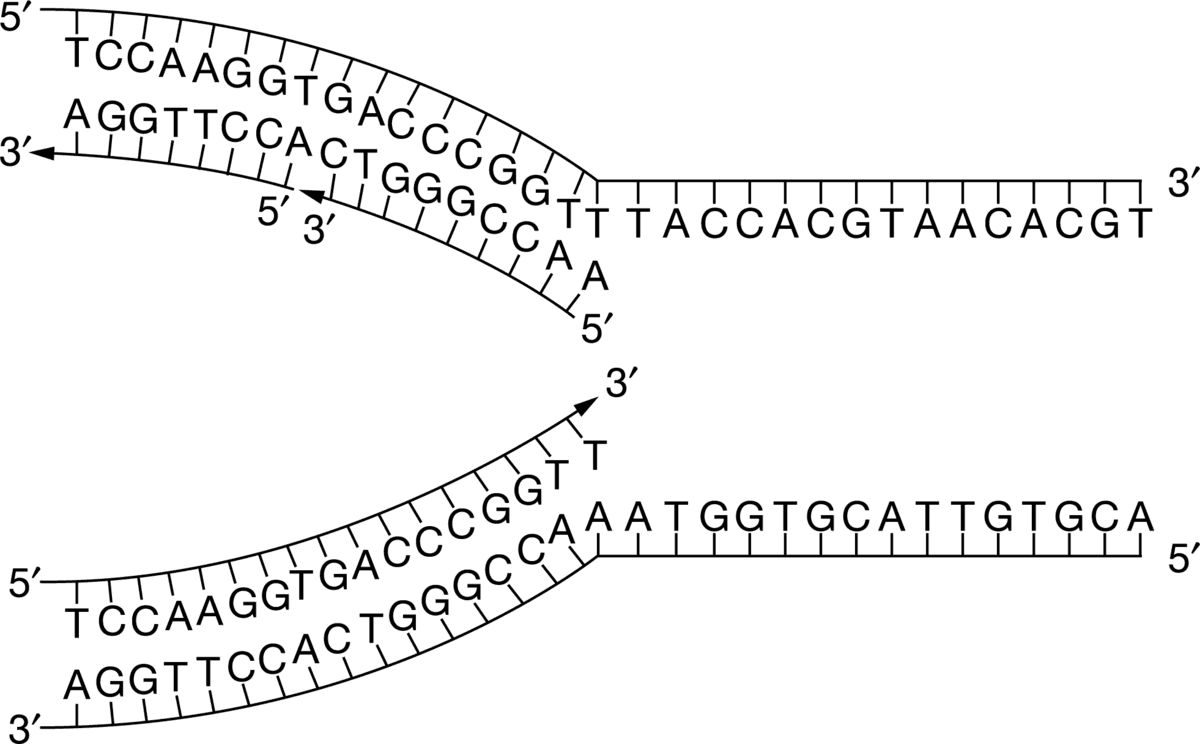
Figure 1 shows some relevant details of a model of how a deoxynucleotide, in this case dTMP, is added to a growing strand of DNA.
Figure 1. Model showing details of adding a deoxythymidine monophosphate (dTMP) nucleotide to a growing strand of DNA
The features of this model provide evidence for which explanation of why all growing strands are synthesized in a 5' to 3' direction?
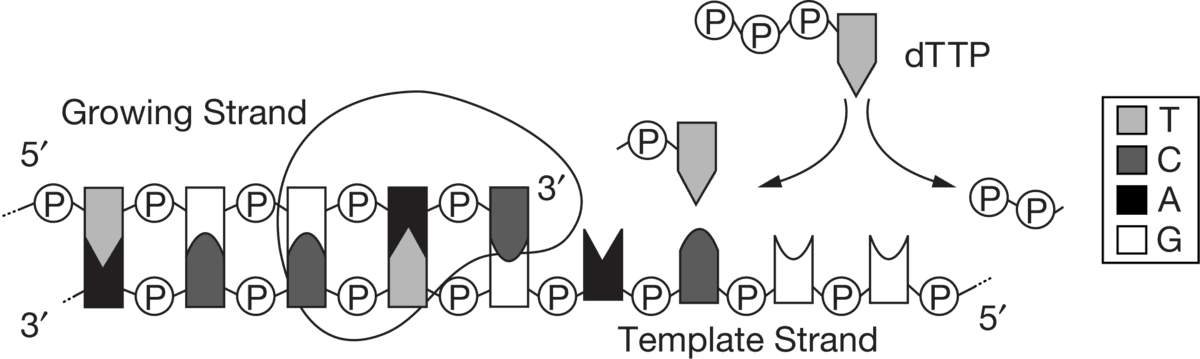
Figure 1 illustrates a model of the molecules involved in DNA replication and their placement relative to each other.
Figure 1. Model including molecules involved in DNA replication
Which of the following correctly explains where DNA replication will begin on the strand oriented 5'->3', reading from left to right?
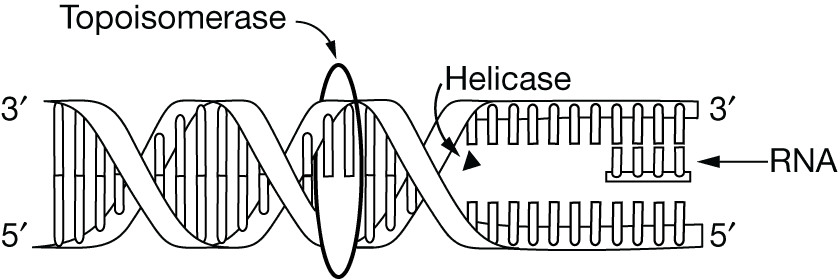
Figure 1 represents part of a process essential to gene expression.
Figure 1. Model of process involved in gene expression.
Which of the following best explains what strand represents?
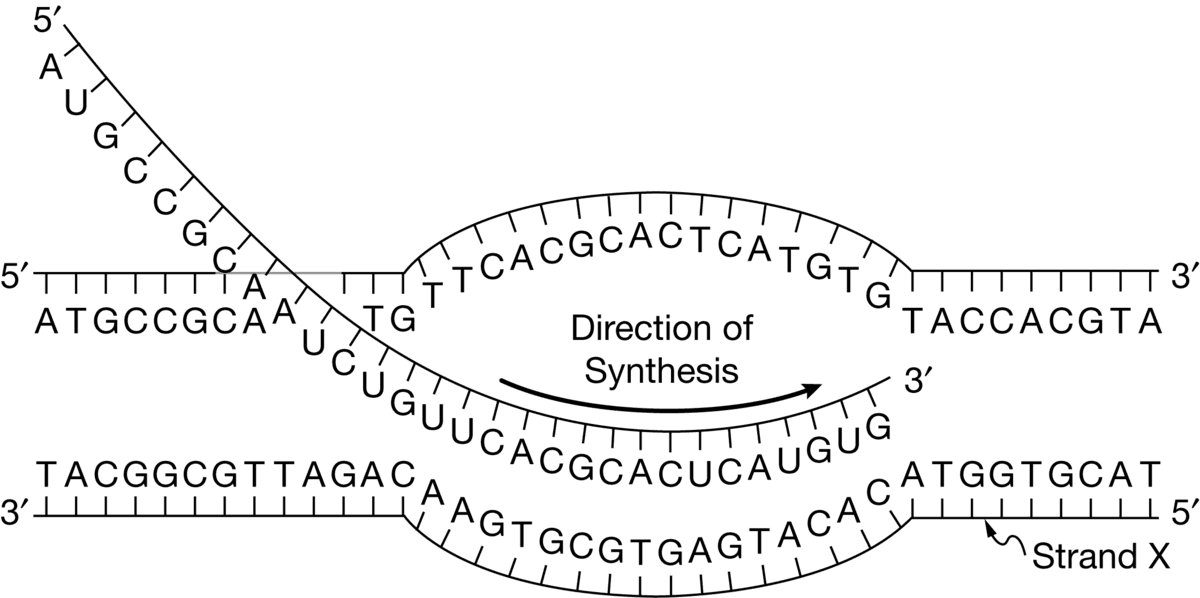
A model that represents a process occurring in a cell of a particular organism is shown in Figure 1.
Figure 1. Process occurring in a cell
Which of the following correctly explains the process shown in Figure 1 ?

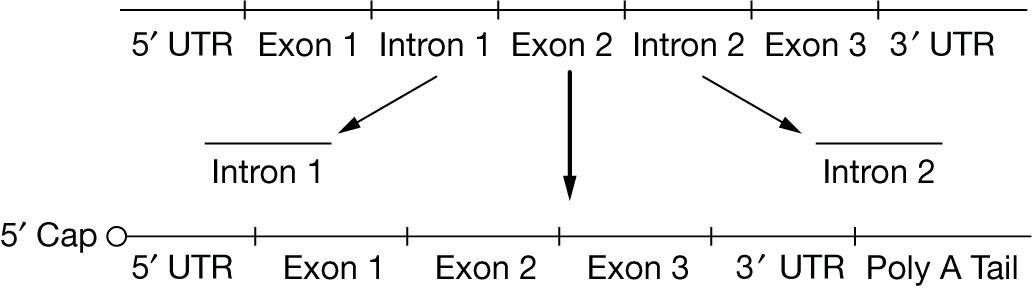
Figure 1 represents part of a process that occurs in eukaryotic cells. There are untranslated regions (UTR) in this sequence.
Figure 1. Cellular process involving nucleic acids
Which of the following best explains the process represented by Figure 1 ?
Molecular biologists are studying the processes of transcription and translation and have found that they are very similar in prokaryotes and eukaryotes, as summarized in Table 1.
Based on the information in Table 1, which of the following best predicts a key difference in prokaryotes and eukaryotes with regard to transcription and translation?

Antibiotics interfere with prokaryotic cell functions. Streptomycin is an antibiotic that affects the small ribosomal subunit in prokaryotes. Specifically, streptomycin interferes with the proper binding of tRNA to mRNA in prokaryotic ribosomes.
Which of the following best predicts the most direct effect of exposing prokaryotic cells to streptomycin?
Nuclear pores regulate the passage of substances into and out of the nucleus. Antibodies such as mAb414 have been used to inhibit the movement of substances through the nuclear pores of rat liver cells. Scientists cultured rat liver cells (eukaryotic) and bacteria cells (prokaryotic) in separate dishes with radioactively labeled amino acids. A specific gene in both cell types was engineered to synthesize identical polypeptide chains, and translation of this gene was measured. The procedure was repeated with mAb414(the inhibitor) added to each of the two cell cultures, and translation was monitored again.
Which of the following sets of graphs best summarizes the results of the experiments?

Histone methyltransferases are a class of enzymes that methylate certain amino acid sequences in histone proteins. A research team found that transcription of gene R decreases when histone methyltransferase activity is inhibited.
Which scientific claim is most consistent with these findings?
Responses
Figure 1 represents a metabolic process involving the regulation of lactose metabolism by E. coli bacteria. Lactose is utilized for energy by E. coli when glucose is not present. Allolactose is an isomer of lactose that is in the environment of these bacteria when lactose is present. The CAP site prevents the binding of RNA polymerase when glucose is present in the environment. The lacZ, lacY , and lacA genes code for proteins needed for lactose metabolism.
Figure 1. Model of lac operon, comparing repressed and active states
Which is a scientific claim that is consistent with the information provided and Figure 1 ?

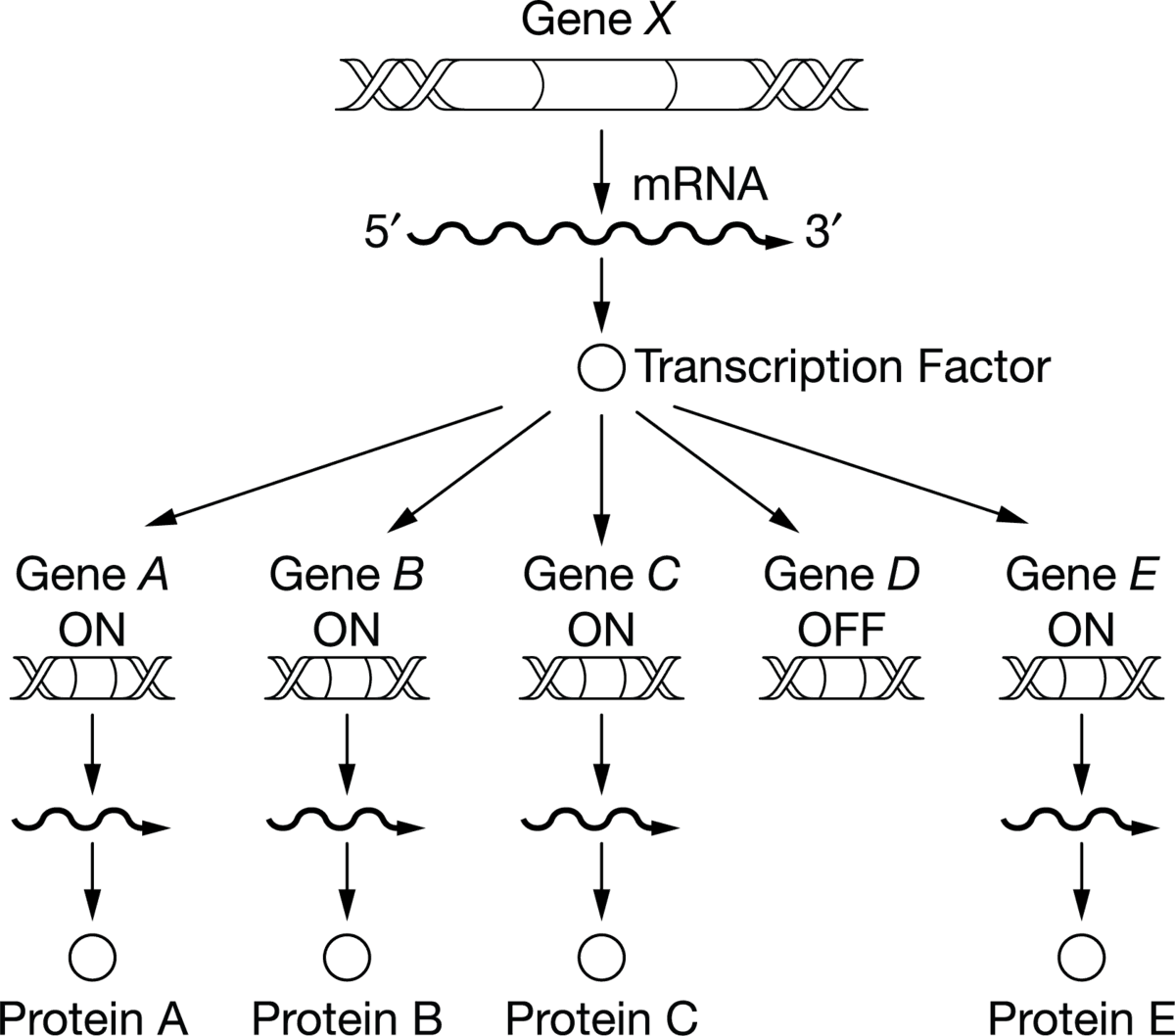
Figure 1 illustrates processes related to control of transcription and translation in a cell.
Figure 1. Model of a relationship between a transcription factor and selected genes
Which of the following scientific claims is most consistent with the information provided in Figure 1 ?
Arsenic is a toxic element found in both aquatic and terrestrial environments. Scientists have found genes that allow bacteria to remove arsenic from their cytoplasm. Arsenic enters cells as arsenate that must be converted to arsenite to leave cells. Figure 1 provides a summary of the arsenic resistance genes found in the operons of three different bacteria. E. coli R773 is found in environments with low arsenic levels. Herminiimonas arsenicoxydans and Ochrobactrum tritici are both found in arsenic‑rich environments.
Figure 1. Operons found in three selected bacteria for arsenic removal
Researchers claim that bacteria that live in environments heavily contaminated with arsenic are more efficient at processing arsenic into arsenite and removing this toxin from their cells. Justify this claim based on the evidence shown in Figure 1.

Both liver cells and lens cells have the genes for making the proteins albumin and crystalline. However, only liver cells express the blood protein albumin and only lens cells express crystalline, the main protein in the lens of the eye. Both of these genes have enhancer sequences associated with them.
The claim that gene regulation results in differential gene expression and influences cellular products (albumin or crystalline) is best supported by evidence in which of the following statements?
Phytochromes are molecules that change light stimuli into chemical signals, and they are thought to target light-activated genes in plants. A study was conducted to determine how certain cell proteins were made in a plant cell using a phytochrome. Figures 1 and 2 represent findings from the study.
Figure 1. Phytochrome response to exposure to red light
Figure 2. Phytochrome response to exposure to far‑red light
Use the response models shown in Figures 1 and 2 to justify the claim that phytochromes regulate the transcription of genes leading to the production of certain cellular proteins.
Responses

Insulin is a hormone produced by some pancreatic cells. Scientists have isolated the DNA sequence that codes for human insulin production.
Which of the following best predicts the effect of inserting this gene into the DNA of a bacterial cell?
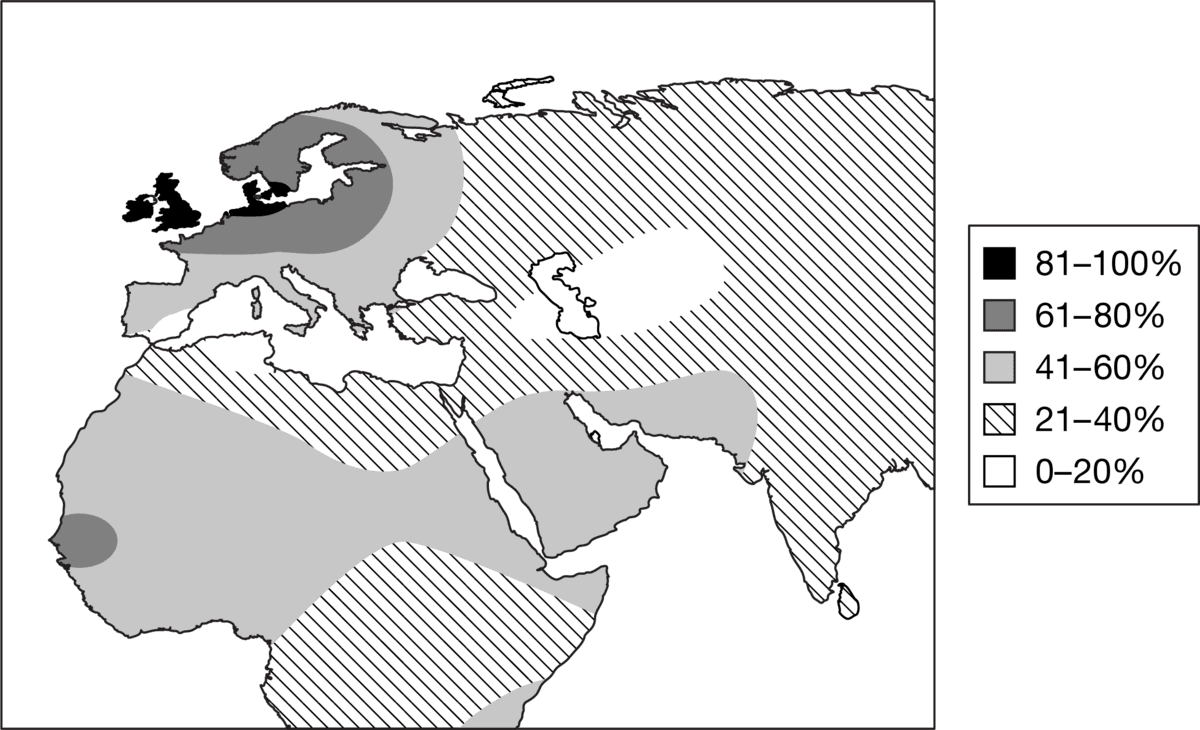
The enzyme lactase aids in the digestion of lactose, a sugar found in the milk of most mammals. In most mammal species, adults do not produce lactase. Continuing to produce lactase into adulthood in people is called lactase persistence. A number of different alleles have been identified that result in lactase persistence. Figure 1 shows the percentage of people in different geographic areas parts of the Old World that exhibit lactase persistence.
Figure 1. Distribution of lactase persistence in Europe, North Africa, and parts of Asia
Which of the following best explains the distribution of lactase persistence in the areas shown in Figure 1 ?
Responses
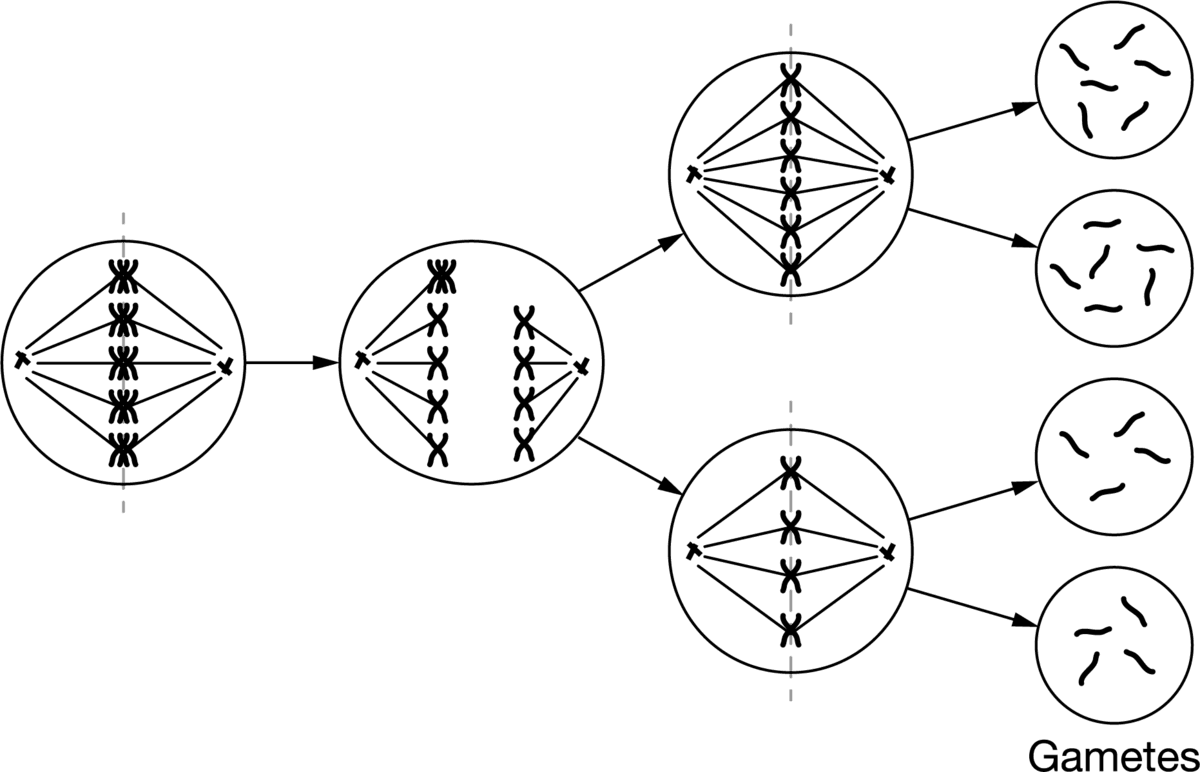
Nondisjunction during meiosis can negatively affect gamete formation. A model showing a possible nondisjunction event and its impact on gamete formation is shown in Figure 1.
Figure 1. Model of a nondisjunction event
Which of the following best describes the most likely impact on an individual produced from fertilization between one of the daughter cells shown and a normal gamete?
Responses
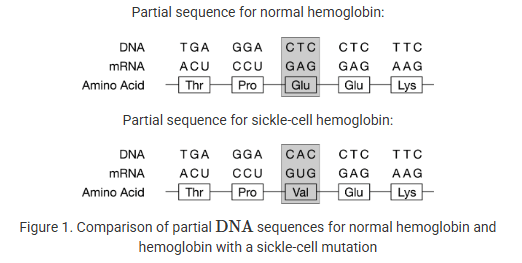
Sickle-cell anemia is an inherited blood disorder in which one of the hemoglobin subunits is replaced with a different form of hemoglobin. Partial DNA sequences of the HBB gene for normal hemoglobin and for sickle-cell hemoglobin are shown in Figure 1.
Figure 1. Comparison of partial DNA sequences for normal hemoglobin and hemoglobin with a sickle-cell mutation
Which of the following best describes the type of mutation shown in Figure 1 that leads to sickle-cell anemia?
Antigens are foreign proteins that invade the systems of organisms. Vaccines function by stimulating an organism’s immune system to develop antibodies against a particular antigen. Developing a vaccine involves producing an antigen that can be introduced into the organism being vaccinated and which will trigger an immune response without causing the disease associated with the antigen. Certain strains of bacteria can be used to produce antigens used in vaccines.
Which of the following best explains how bacteria can be genetically engineered to produce a desired antigen?
Students subjected three samples of five different molecules to gel electrophoresis as shown in Figure 1.
Figure 1. Gel electrophoresis of three prepared samples
Which of the following statements best explains the pattern seen on the gel with regard to the size and charge of molecules and ?
Responses

Genetic engineering techniques can be used when analyzing and manipulating DNA and RNA. Scientists used gel electrophoresis to study transcription of gene and discovered that mRNA strands of three different lengths are consistently produced.
Which of the following explanations best accounts for this experimental result?