Classify two-dimensional figures based on the presence or absence of parallel or perpendicular lines, or the presence or absence of angles of a specified size. Recognize right triangles as a category, and identify right triangles.
Draw points, lines, line segments, rays, angles (right, acute, obtuse), and perpendicular and parallel lines. Identify these in two-dimensional figures.
Recognize a line of symmetry for a two-dimensional figure as a line across the figure such that the figure can be folded along the line into matching parts. Identify line-symmetric figures and draw lines of symmetry.
Track each student's skills and progress in your Mastery dashboards
Give this quiz to my class
Q 1/10
Score 0
60
Q 2/10
Score 0
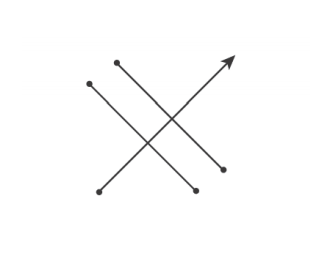
Which statement BEST describes the figure shown below?
60
The ray appears to be parallel to 2 line segments that appear to be
perpendicular
The ray appears to be perpendicular to 2 line segments that appear to be
parallel.
The line segment appears to beparallel to 2 line that appear to be
perpendicular.
The line segment appears to be perpendicular to 2 line that appear to be
parallel.
10 questions
Q.
1
60 sec
4.G.A.2
Q.
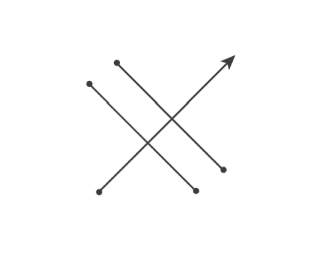
Which statement BEST describes the figure shown below?
2
60 sec
4.G.A.1
Q.
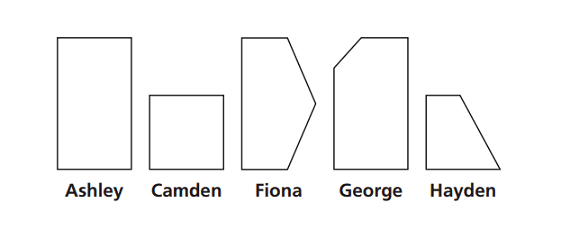
The shapes that each of 5 students drew are shown below.
Which list has the names of all students who drew quadrilaterals?
3
60 sec
4.G.A.2
Q.
Which figure has exactly one line of symmetry?
4
60 sec
4.G.A.3
Q.
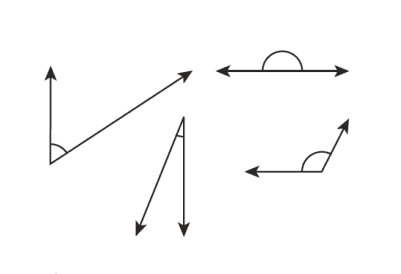
Four angles are shown below.
How many of these angles are acute?
5
60 sec
4.G.A.1
Q.
Which letter has the greatest number of lines of symmetry?
6
60 sec
4.G.A.3
Q.
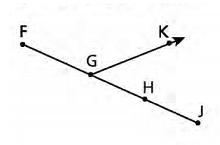
Which figure is an example of a line segment?
7
60 sec
4.G.A.1
Q.
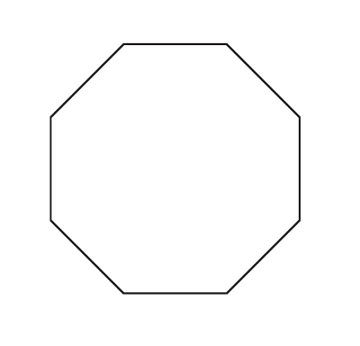
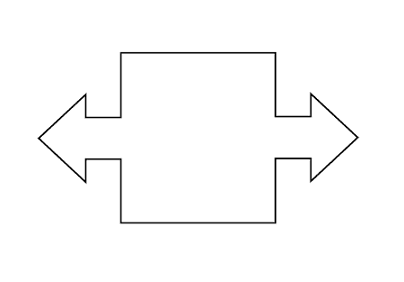
What is the greatest number of lines of symmetry that can be drawn on the figure shown below?
8
60 sec
4.G.A.3
Q.
9
60 sec
4.G.A.1
Q.
Which figure appears to show a pair of perpendicular lines?