represent the value of the digit in whole numbers through 1,000,000,000 and decimals to the hundredths using expanded notation and numerals
compare two fractions with different numerators and different denominators and represent the comparison using the symbols >, =, or <
interpret the value of each place-value position as 10 times the position to the right and as one-tenth of the value of the place to its left
relate decimals to fractions that name tenths and hundredths
represent a fraction a/b as a sum of fractions 1/b, where a and b are whole numbers and b > 0, including when a > b
decompose a fraction in more than one way into a sum of fractions with the same denominator using concrete and pictorial models and recording results with symbolic representations
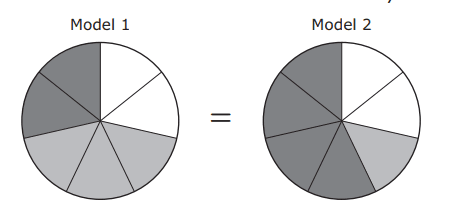
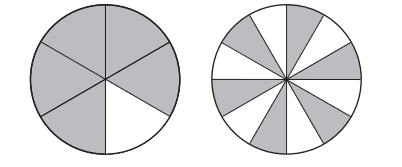
determine if two given fractions are equivalent using a variety of methods
represent and solve addition and subtraction of fractions with equal denominators using objects and pictorial models that build to the number line and properties of operations
evaluate the reasonableness of sums and differences of fractions using benchmark fractions 0, 1/4, 1/2, 3/4, and 1, referring to the same whole
add and subtract whole numbers and decimals to the hundredths place using the standard algorithm
solve with fluency one- and two-step problems involving multiplication and division, including interpreting remainders
use strategies and algorithms, including the standard algorithm, to multiply up to a four-digit number by a one-digit number and to multiply a two-digit number by a two-digit number. Strategies may include mental math, partial products, and the commutative, associative, and distributive properties
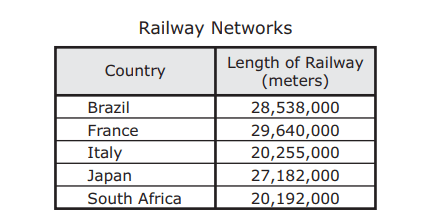
round whole numbers to a given place value through the hundred thousands place
represent fractions and decimals to the tenths or hundredths as distances from zero on a number line
round to the nearest 10, 100, or 1,000 or use compatible numbers to estimate solutions involving whole numbers
use strategies and algorithms, including the standard algorithm, to divide up to a four-digit dividend by a one-digit divisor
compare and order whole numbers to 1,000,000,000 and represent comparisons using the symbols >, <, or =
determine products of a number and 10 or 100 using properties of operations and place value understandings
compare and order decimals using concrete and visual models to the hundredths
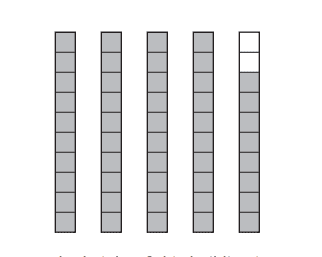
represent decimals, including tenths and hundredths, using concrete and visual models and money
determine the corresponding decimal to the tenths or hundredths place of a specified point on a number line
Track each student's skills and progress in your Mastery dashboards