Loading...


Tourism vocabulary26A
Quiz by PLedC
Tag the questions with any skills you have. Your dashboard will track each student's mastery of each skill.






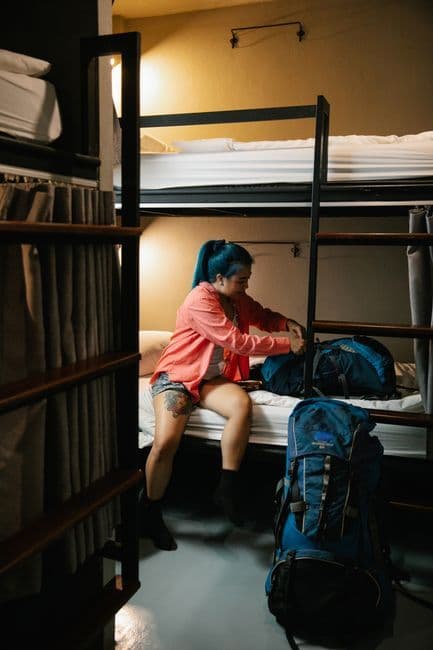
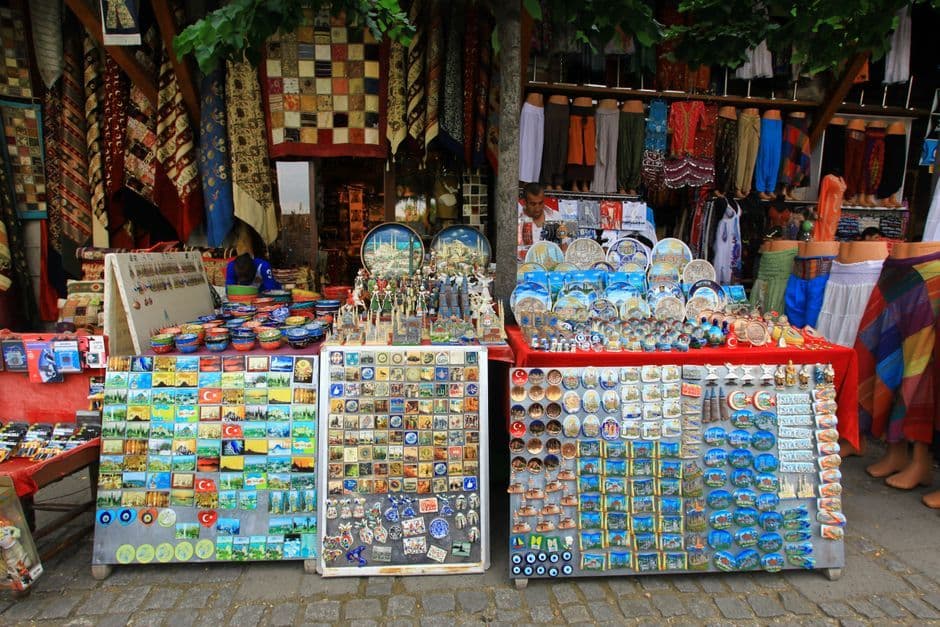
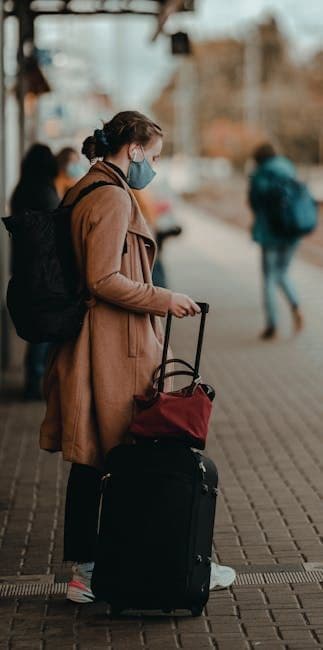

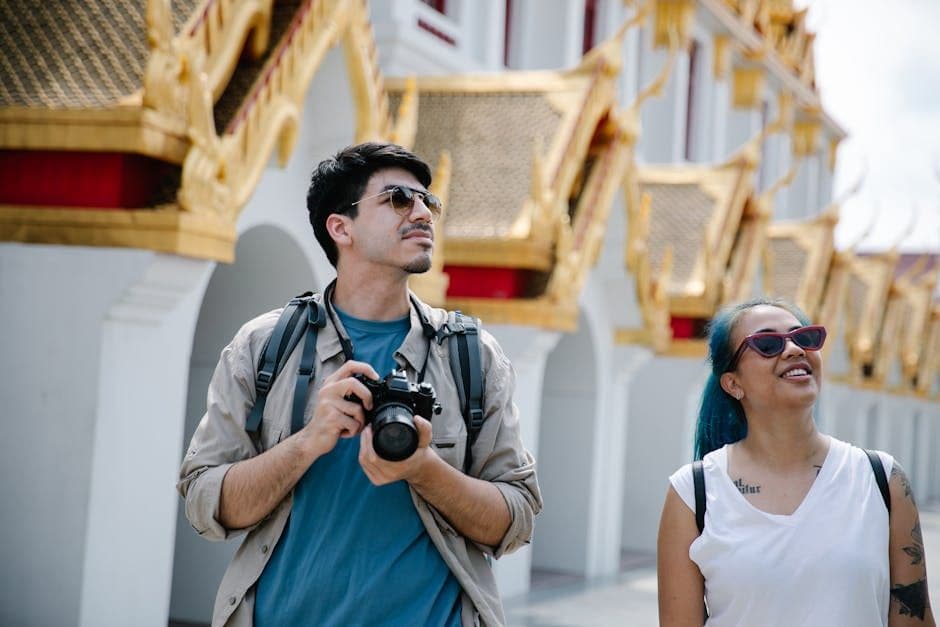
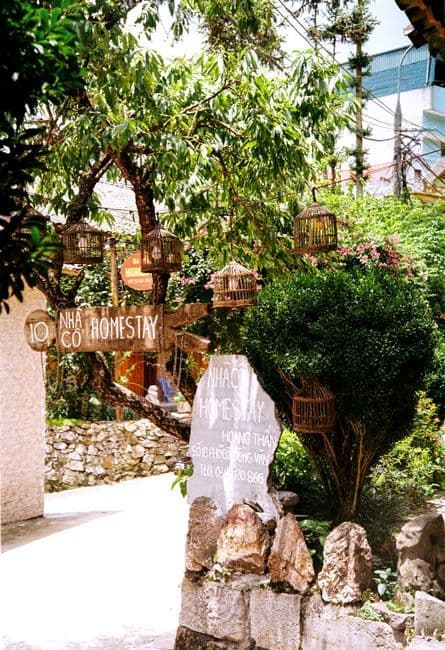
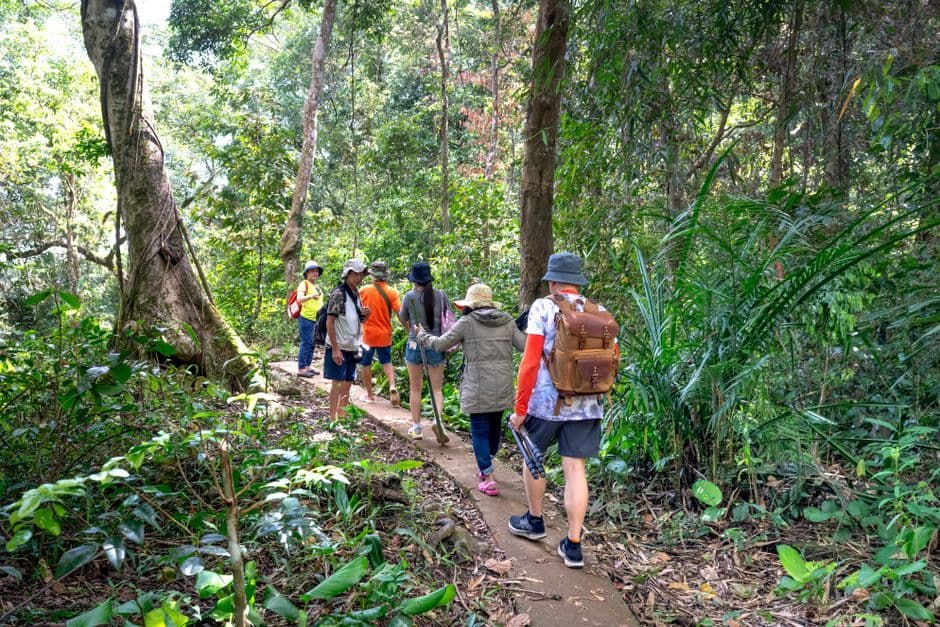
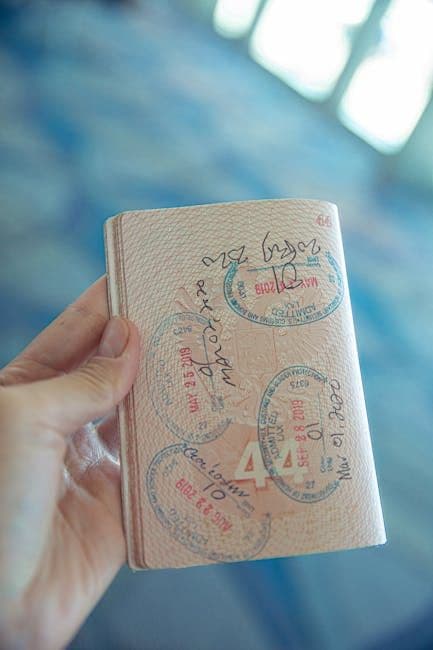


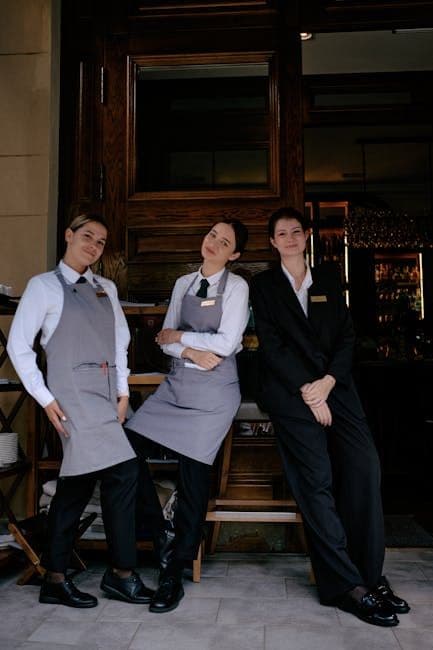
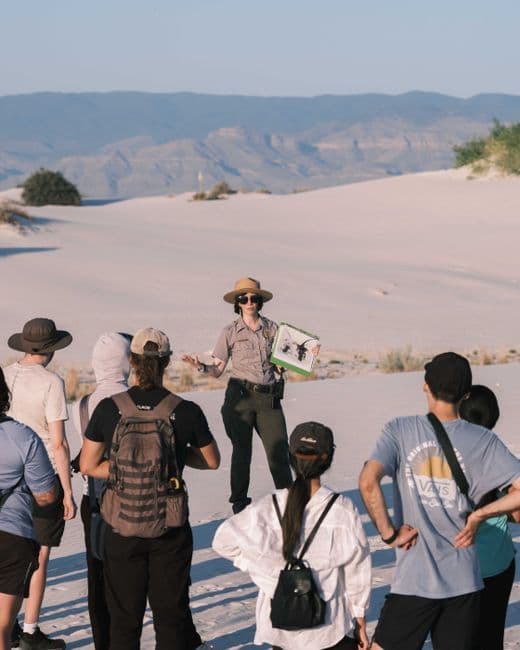
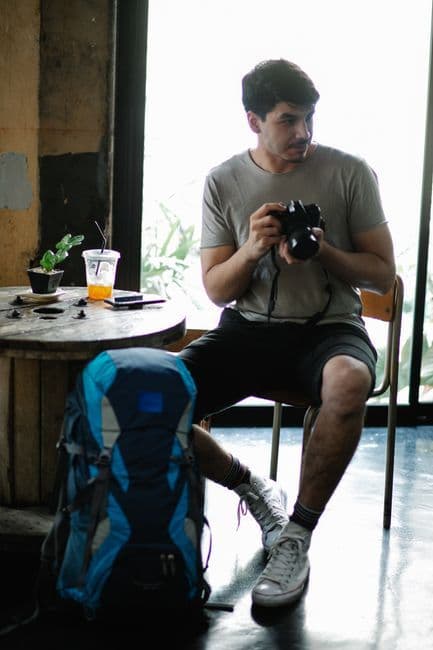
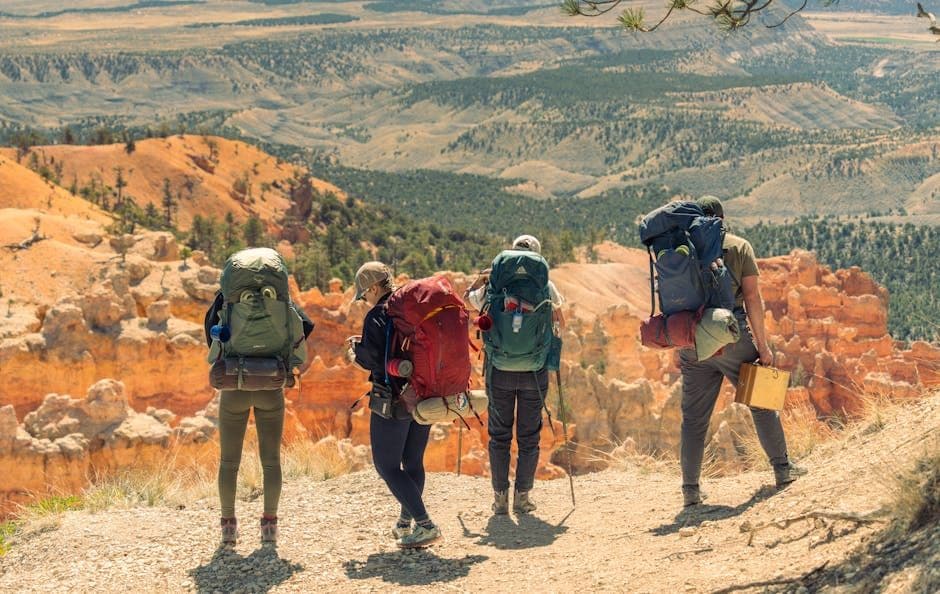
Is a type travel style that combines the intrepid, independent spirit of traditional backpacking with a larger budget.
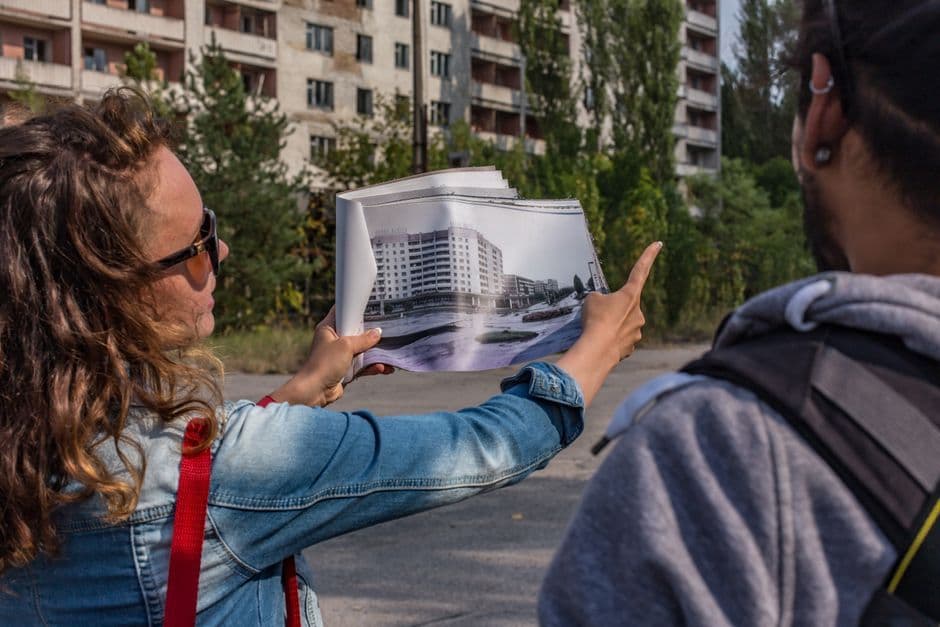
Is know also as thanatourism, or grief tourism, is a type of travel focused on visiting locations historically associated with death, tragedy, disaster, or the macabre
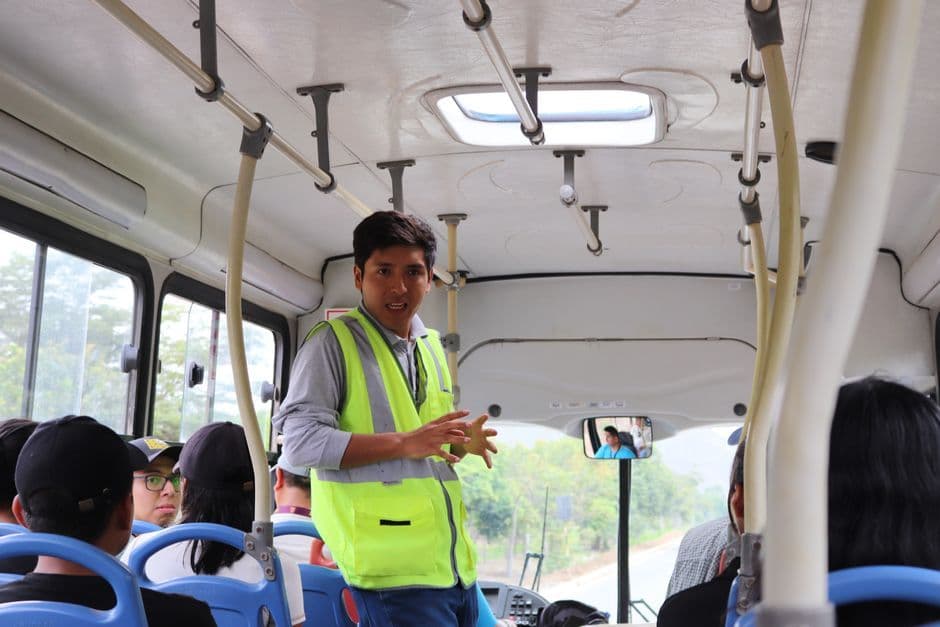
Is a specialized form of reporting that uses journeys, destinations, and tourism as a central narrative. It relies on strict journalistic standards—fact-checking, impartiality, and deep cultural or socio-economic analysis—to inform readers about the realities of a specific location.

Travel for professional reasons, including Meetings, Incentives, Conferences, and Exhibitions

Traveling for rest, relaxation, and entertainment. This includes classic beach vacations, resort stays, and urban sightseeing.
Immersive travel focused on exploring local history, traditions, art, monuments, and indigenous customs.
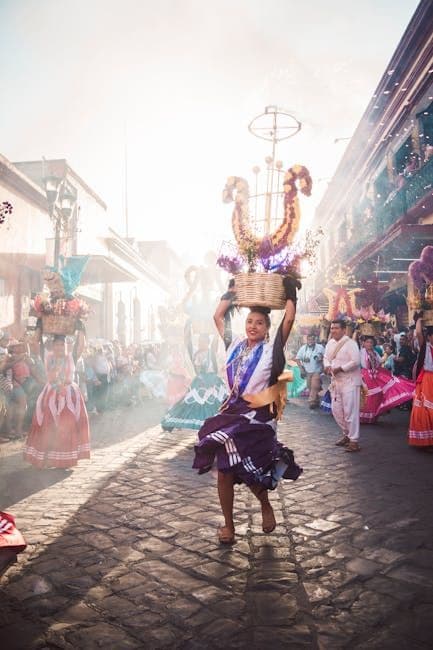
Involves exploring and viewing notable landmarks, monuments, natural wonders, and other points of interest in a destination for recreational or educational purposes.
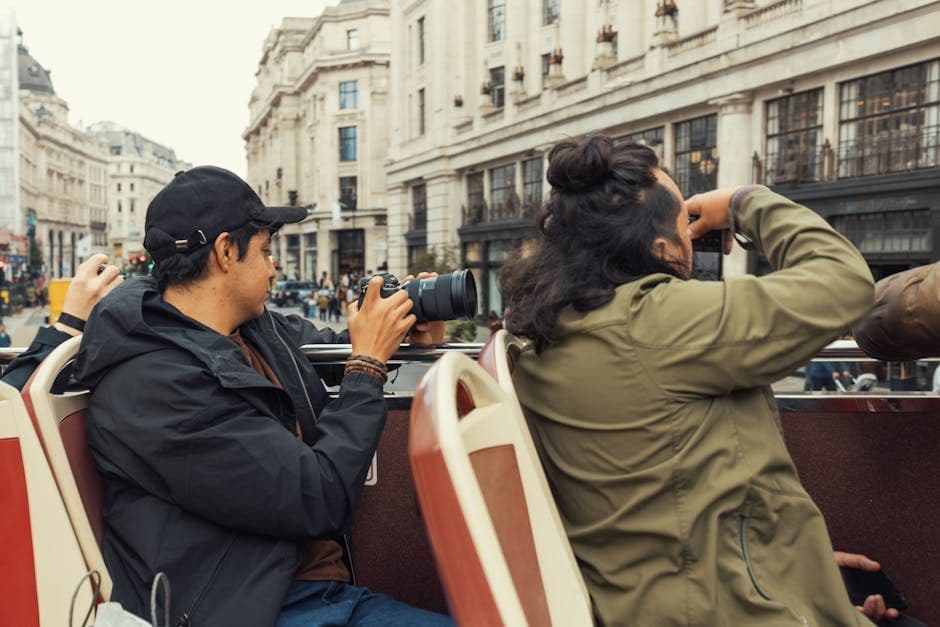
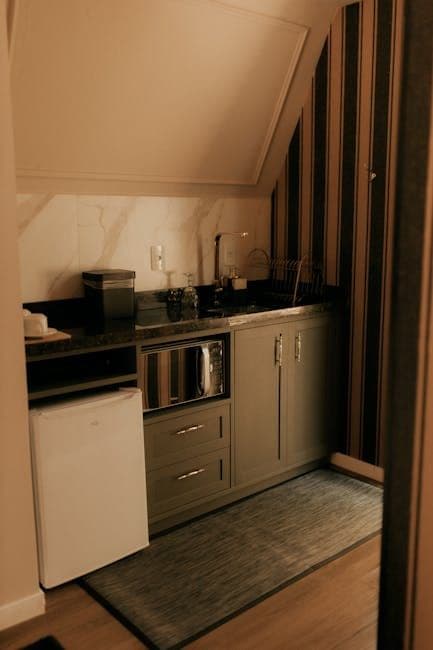
Type of lodgigng that offers more space, a home-like feel, and full kitchens, making it ideal for extended stays or travelers who prefer independence.

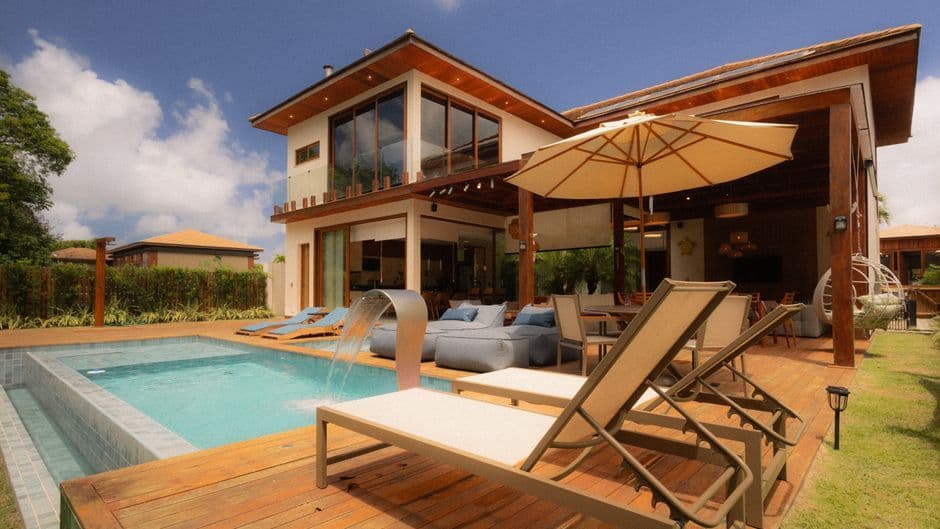
One of the most common travel categories, primarily undertaken to stay with loved ones rather than for traditional tourist activities.

Trips dedicated to improving physical and mental well-being, spanning everything from luxury spa retreats to traveling abroad for Medical Tourism (surgeries or treatments).

Traveling to sacred or holy sites for spiritual reflection, worship, or historical interest.
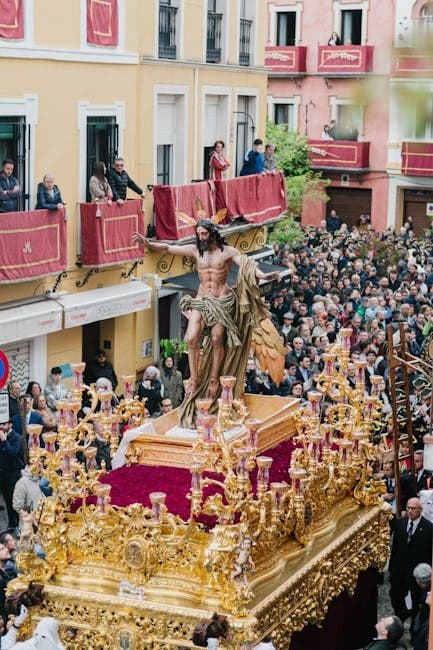

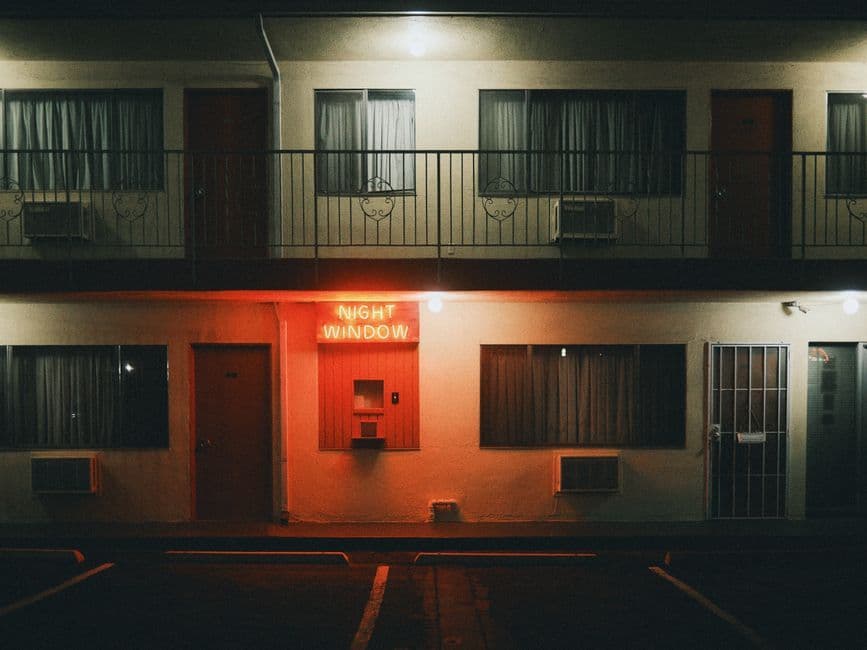




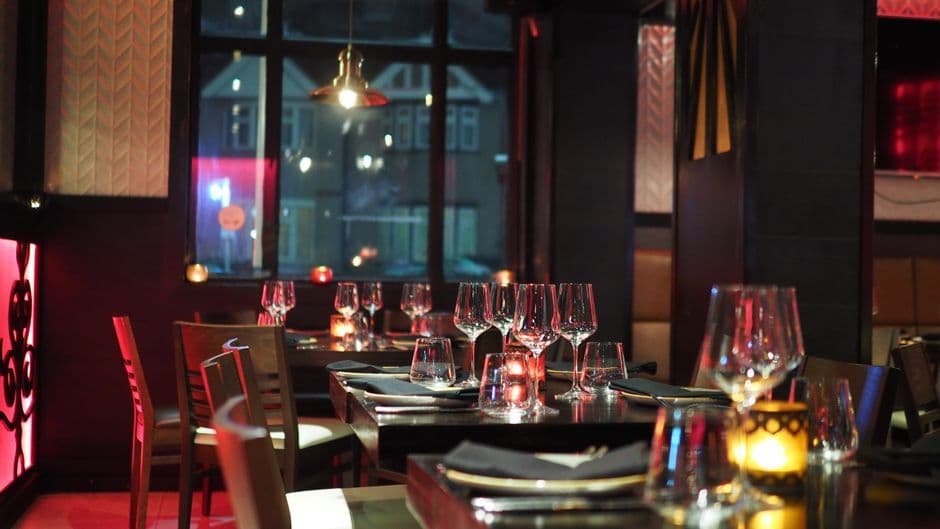

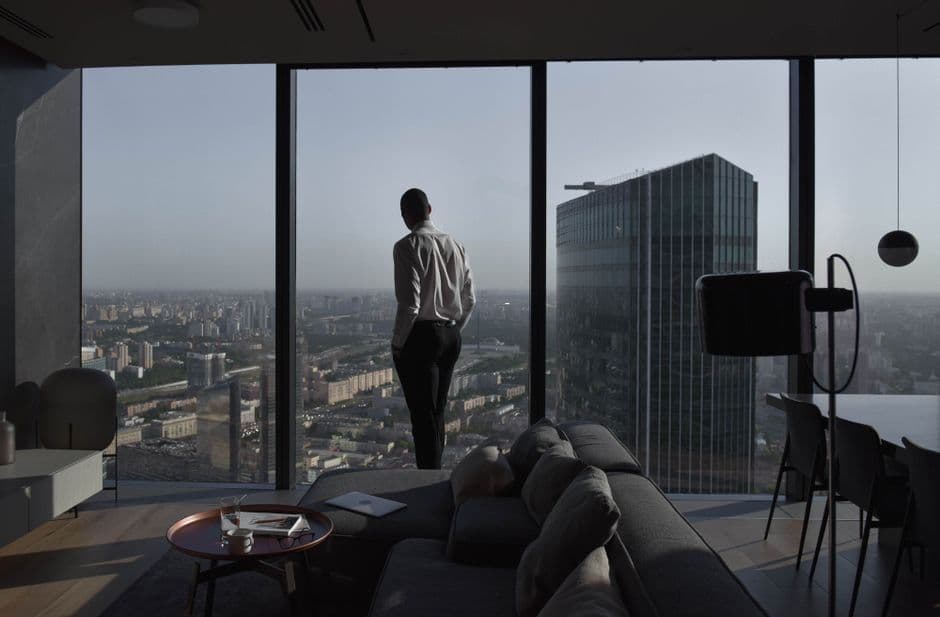

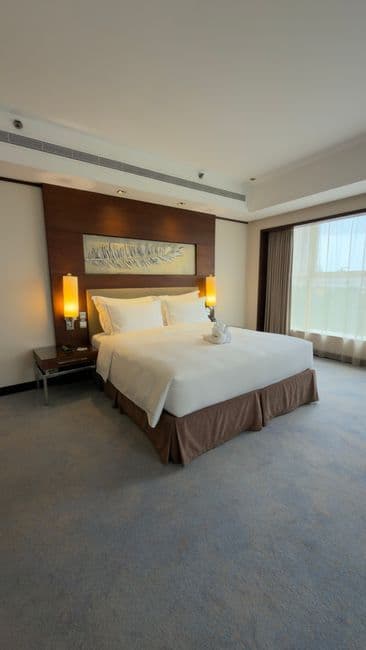
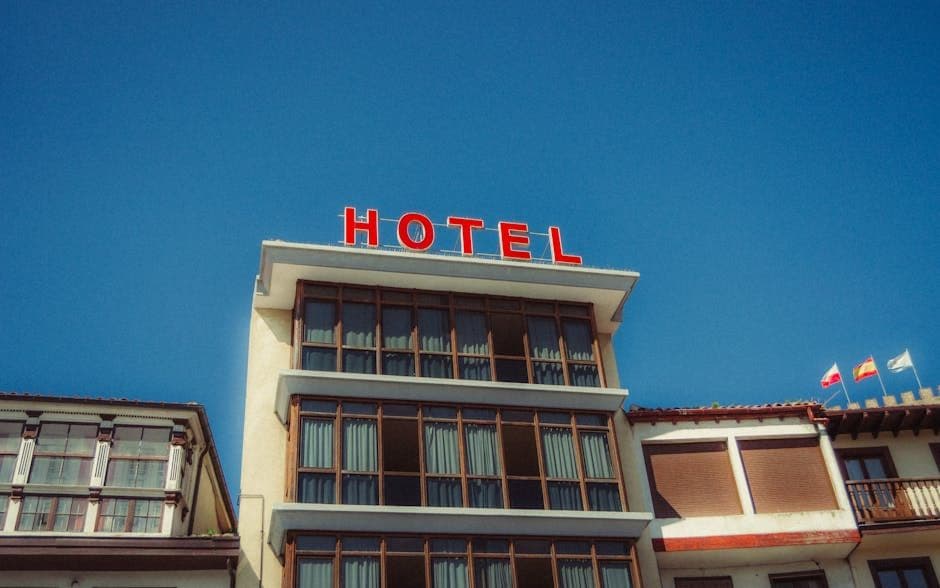
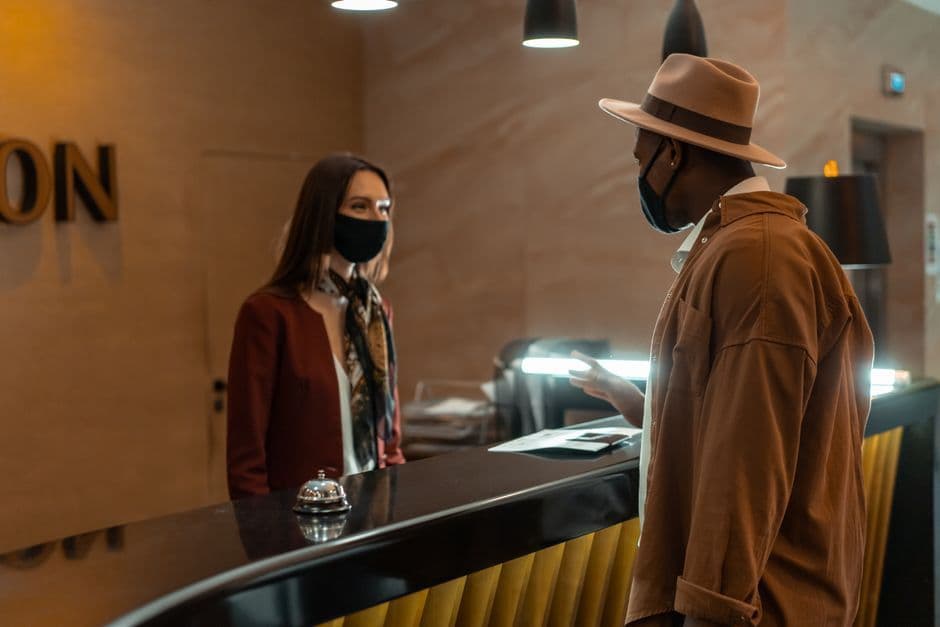
It refers to a small, often privately owned lodging establishment where you pay a single price for an overnight room and a morning meal




Is a niche of sports and heritage travel where fans travel specifically to visit, explore, or watch a game at iconic athletic venues
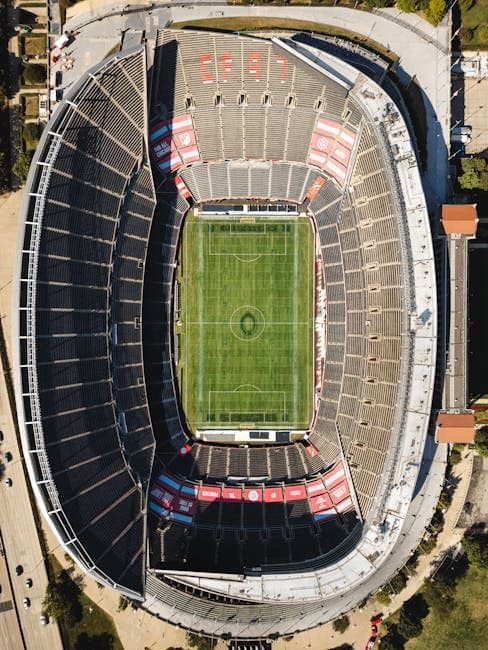
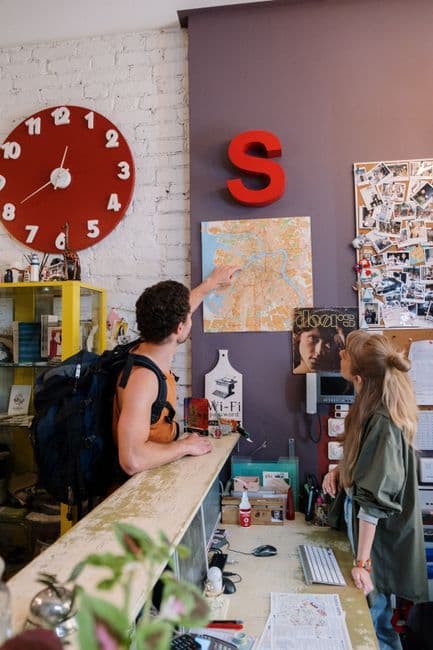

Traveling specifically to watch a high-profile game or tournament at a specific, world-renowned stadium, such as the Super Bowl or the UEFA Champions League Final.
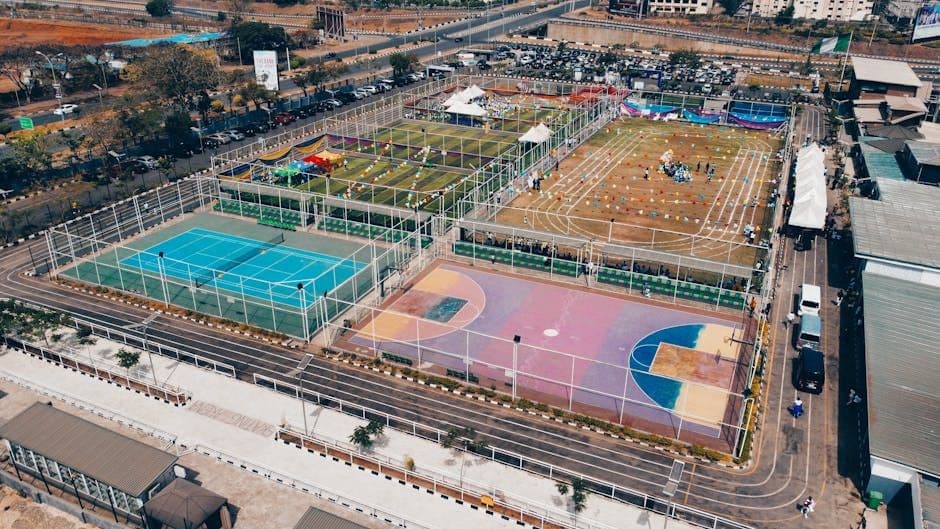

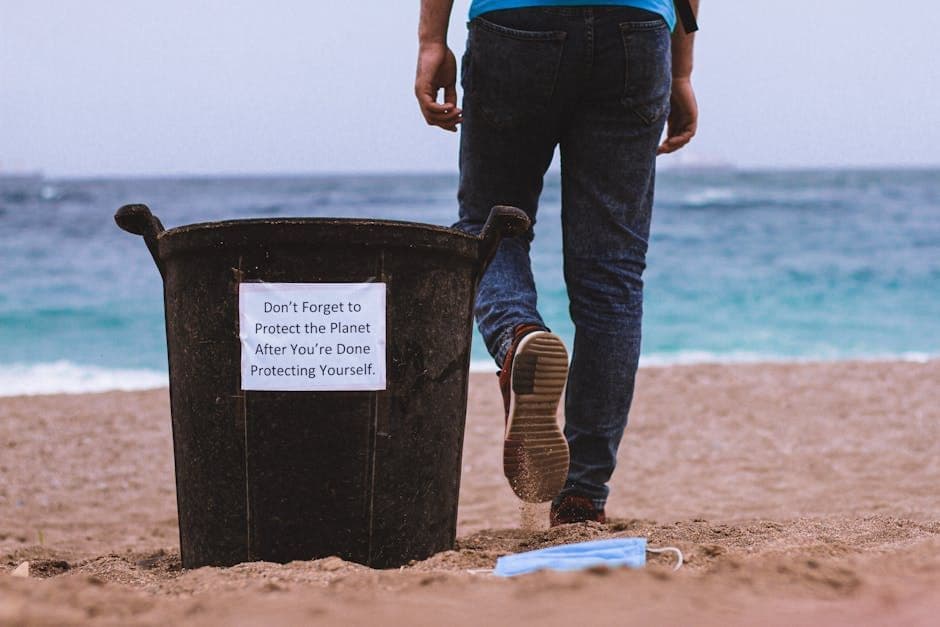
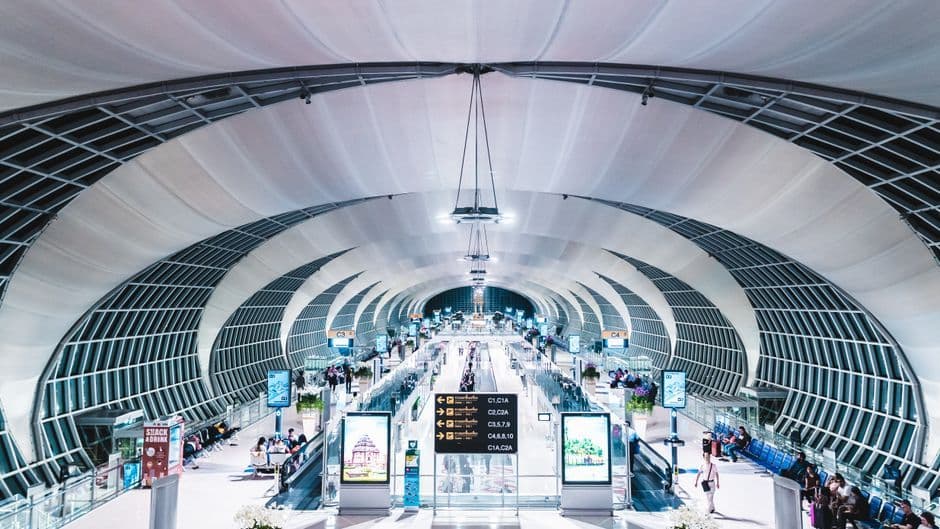



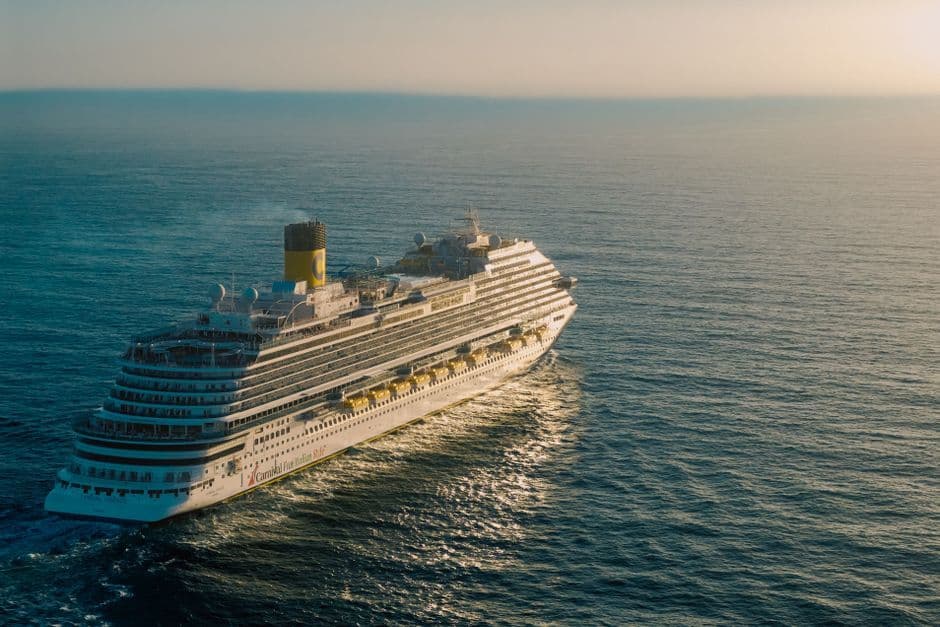
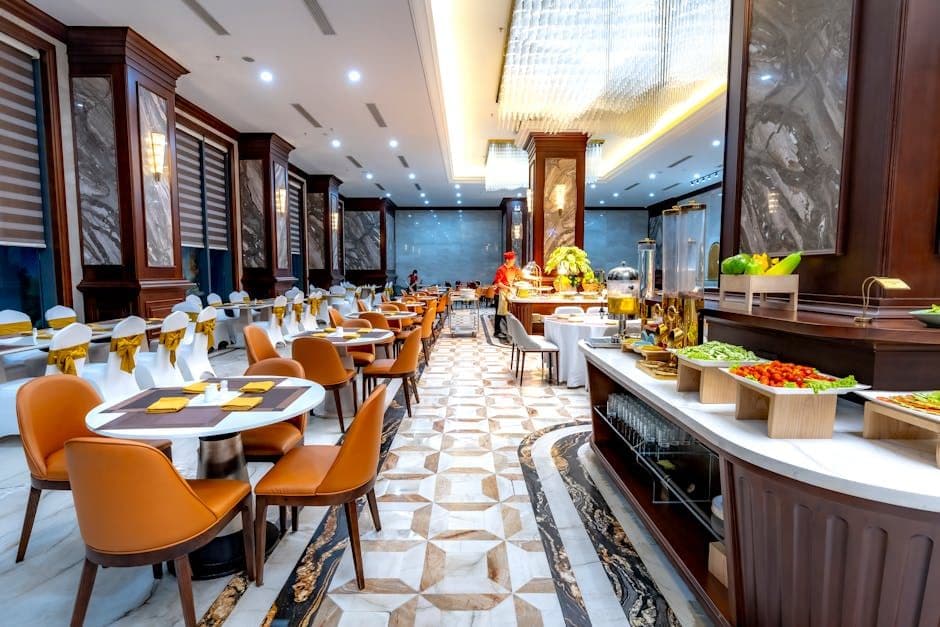
Is a physical location or facility designed to host visitors, host events, or provide leisure and cultural activities.
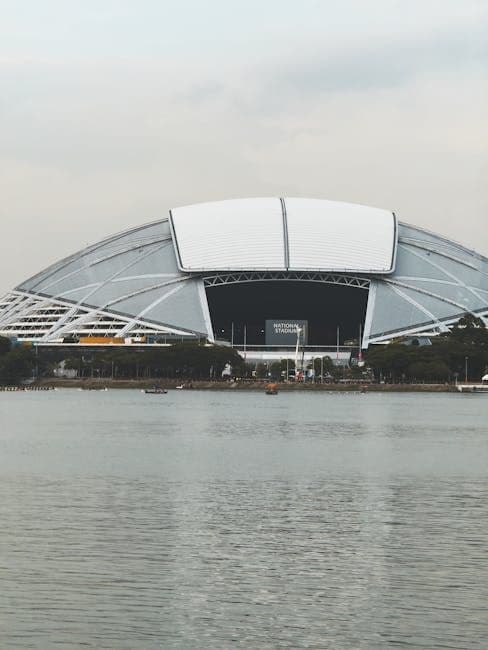
Travel undertaken primarily for formal or informal learning. It bridges classroom education and hands-on, real-world experiences, encompassing everything from international study abroad programs and language immersion to specialized historical, cultural, and scientific field trips










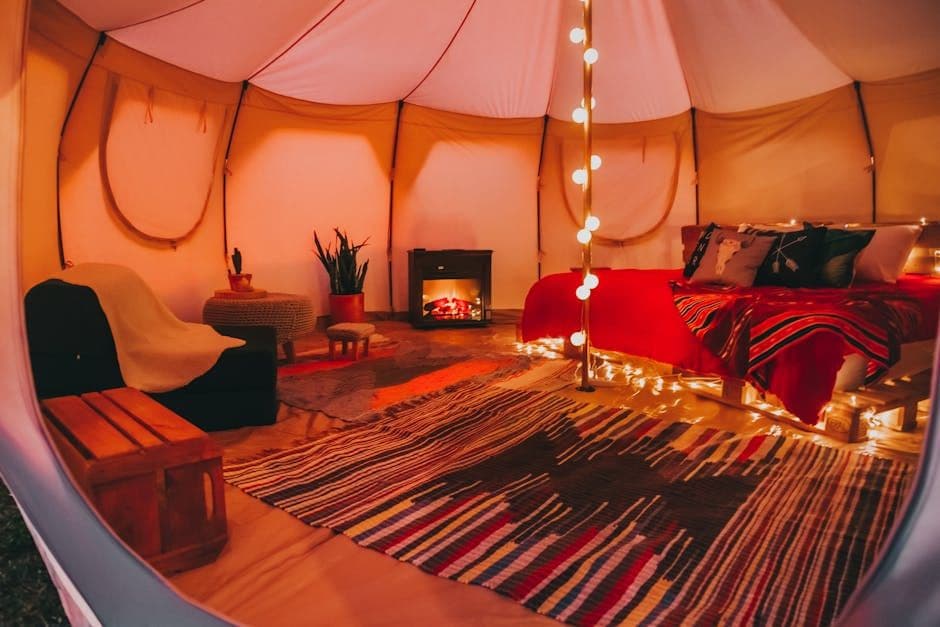
A portmanteau of 'glamorous' and 'camping,' featuring luxurious, pre-set accommodations like canvas tents with actual beds and electricity. [1, 2, 3]
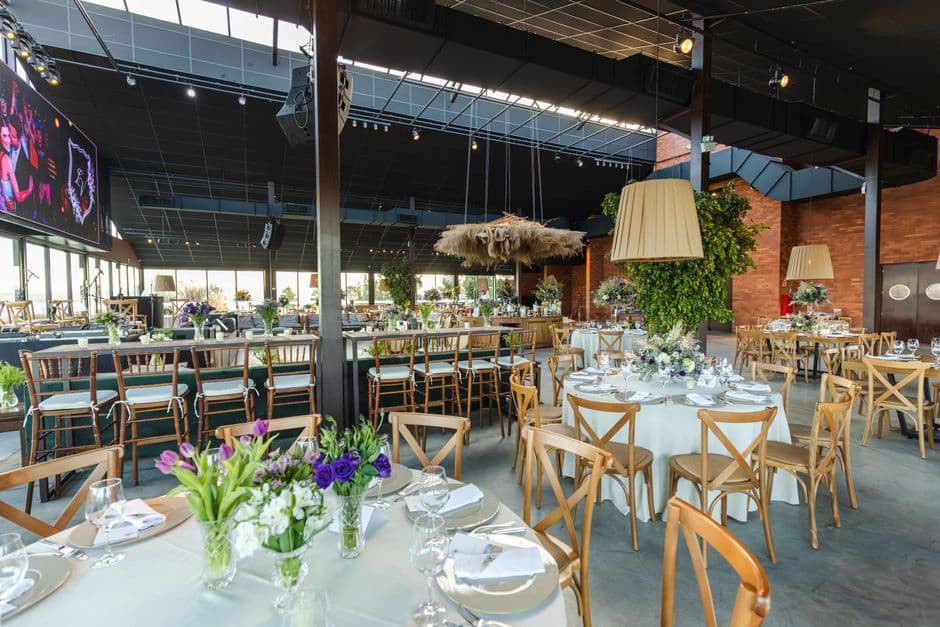
A specific site or facility (indoor or outdoor) where events, gatherings, or activities happen.
The traditional method of sleeping in a fabric tent, ranging from lightweight backpacking setups to large family tents
Is the total income a destination, business, or country generates from the spending of visitors. It includes all money spent on accommodations, food and beverages, transportation, recreation, and retail.

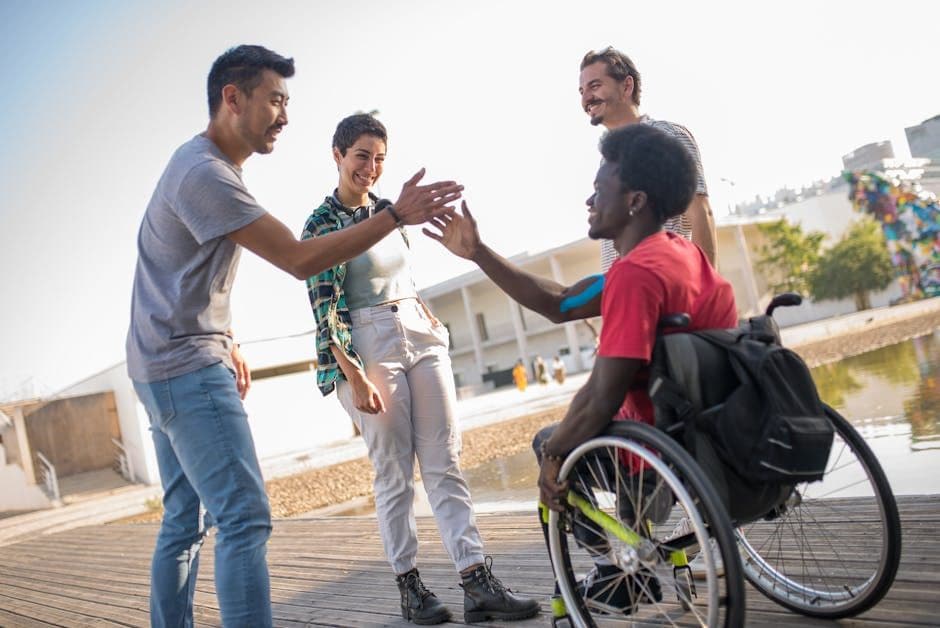
Refers to travel and holiday programs designed to make vacations accessible to people who face economic, physical, or social barriers. Based on the philosophy that travel is a fundamental right, it aims to reduce social exclusion by offering subsidized or specially designed trips for low-income families, seniors, youth, and individuals with disabilities
Generates over \(\$11\) trillion annually, accounting for roughly \(10\%\) of worldwide GDP. In major destinations like Mexico, tourism directly contributes about \(8.7\%\) of national GDP and supports over \(4.7\) million direct jobs, acting as a crucial driver for both local economies and international trade

Is a travel and leisure activity where the primary motivation for a trip is to fish for pleasure or sport.