Loading...


Transports and places in town
Quiz by Ngọc Ngô
Customize this quiz to suit your class
Instantly translate to 100+ languages
Tag the questions with any skills you have. Your dashboard will track each student's mastery of each skill.
Give this quiz to my class
what is this place?
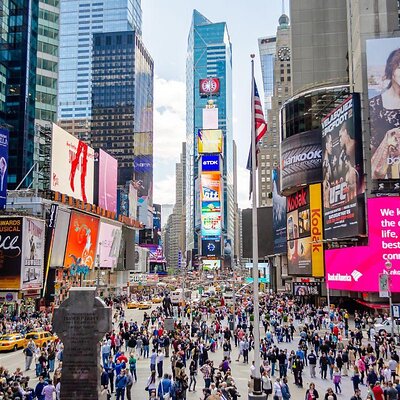
shopping center
department store
a big city
square
what is this place?
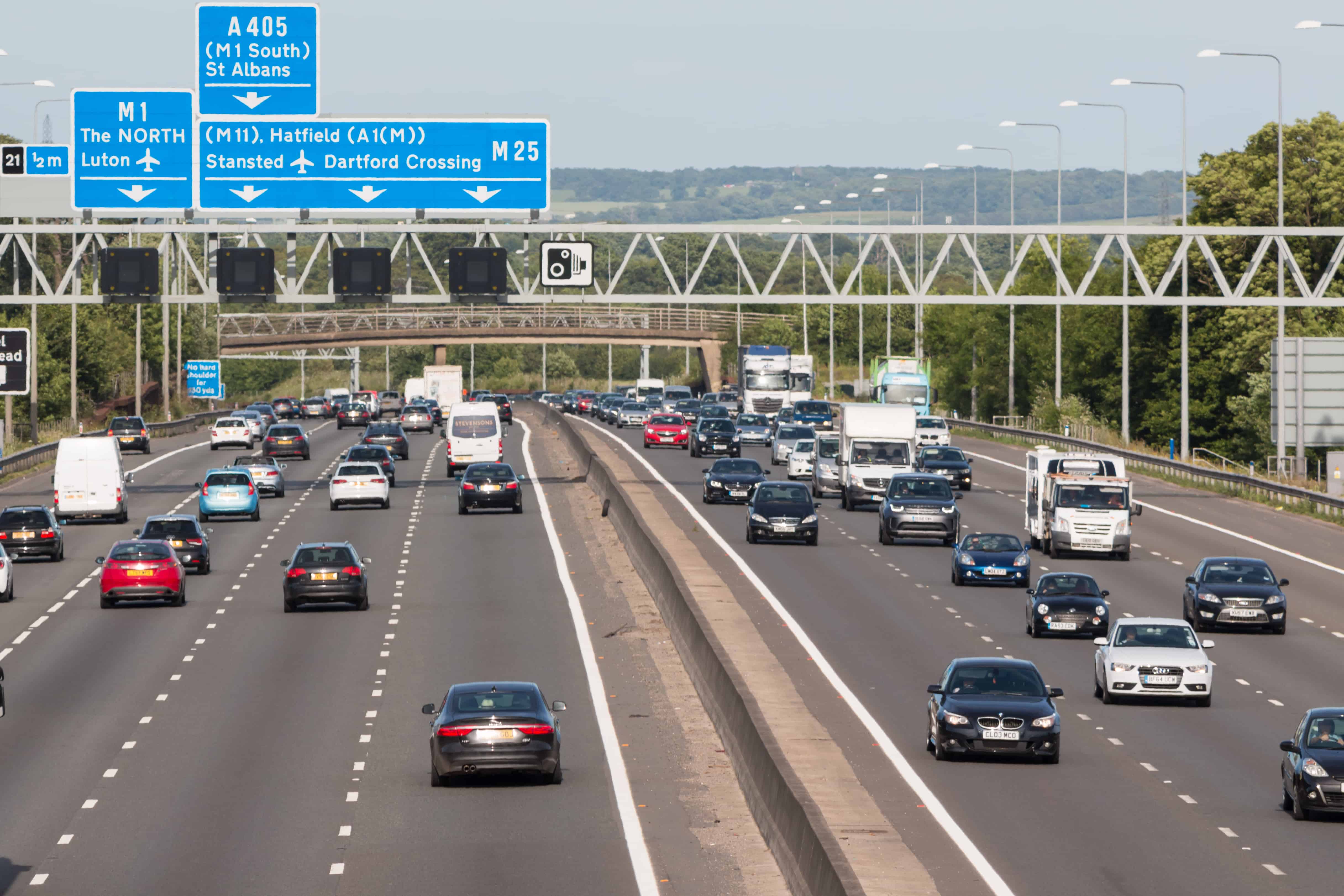
motorway
pavement
road markings
bus lane
what is this place?

what is this place?

what is this place?
what is this ?
what is this place ?

what is this place ?
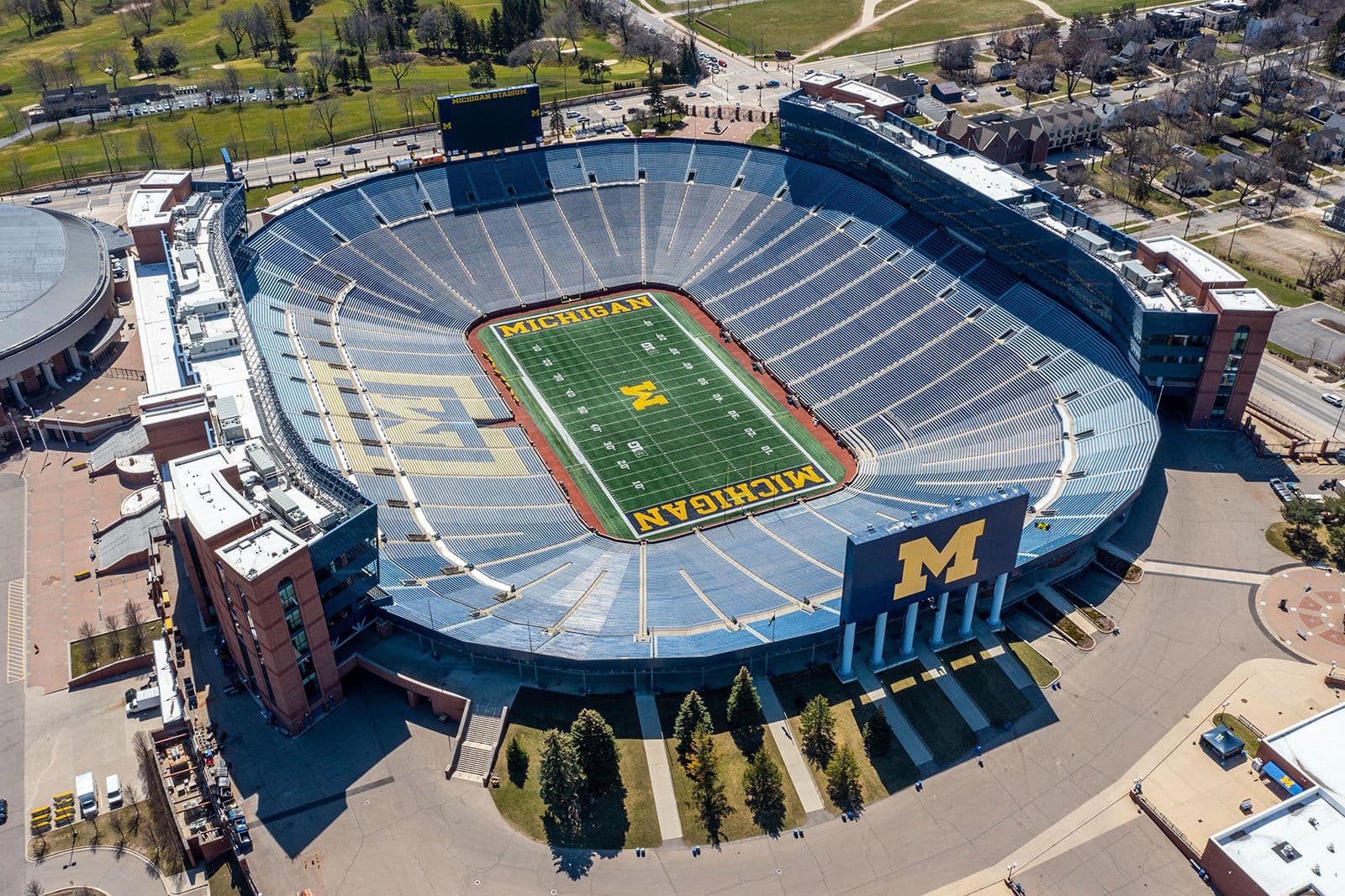
what is this?
 Transport is usually just a way to get from one destination to another when you are traveling. There are different ways to travel- by car, by plane, by train, by us, by cruise and by ship. Each way has its advantage and disadvantages. The most popular type of transport are cars. Cars are convenient, getting you exactly when you want to be without additional buses, trains or walking needed to get to your final destination. Buses are available in all cities, towns and most villages. They are ideal for short journeys from one part of a town to another. Cars and buses are not comfortable ways to travel for long distances. It is difficult to sleep, your body is in one position and there is not enough pace too move. Planes are the fastest way of travelling but they are expensive. Besides you can’t enjoy the beauty of landscapes for a long time as it’s usually possible while taking off and landing. Trains are slower but they are more comfortable. They allow you to relax and enjoy the scenery. Traveling by ship is also very comfortable and pleasant, especially during good weather.Alexander Hamilton, a key figure in the founding of the United States, served as the first Secretary of the Treasury under President George Washington. Aaron Burr, on the other hand, was the sitting Vice President under Thomas Jefferson at the time of the duel. The animosity between Hamilton and Burr was well-documented, stemming from political disagreements and personal slights over the years. The Duel Date and Location: The duel took place on July 11, 1804, in Weehawken, New Jersey, a common site for duels due to its less strict enforcement of anti-dueling laws compared to New York. Cause: The immediate cause of the duel was a series of letters and meetings between intermediaries after Hamilton allegedly insulted Burr at a dinner, which was later reported in a newspaper. Burr demanded an apology; Hamilton refused, leading to the challenge. The Event: On the morning of the duel, both men, along with their seconds and a doctor, rowed across the Hudson River to the dueling ground. The exact events are a matter of historical debate, but it is generally believed that Hamilton fired his shot into the air, adhering to a principle of honor without intent to kill. Burr, however, aimed directly at Hamilton, hitting him in the abdomen. Outcome: Hamilton was severely wounded and transported back to New York City, where he died the following day, surrounded by family and friends5. Aftermath Public Reaction: The news of Hamilton's death caused widespread grief and indignation. Angelica Schuyler Church, Hamilton's sister-in-law, expressed the communal sorrow in a letter, highlighting the shock and consternation that gripped the town5. Impact on Burr: Although Burr was never tried for the duel, his political career suffered greatly. He became a pariah in many circles and faced various legal and financial troubles in the years that followed. Historical Significance: The duel is often cited as a turning point in American political culture, highlighting the dangers of political rivalry and the need for civility in discourse. Conclusion The duel between Alexander Hamilton and Aaron Burr remains a poignant reminder of the intense personal and political conflicts that shaped the early years of the United States. It underscores the tragic potential of unchecked animosity and the importance of reconciliation and dialogue in a democratic society.Describe how landforms and bodies of water affect the living components of the environment; 2. compare different types of rocks collected in terms of color, texture, and grain size; 3. classify common rocks from provided samples using a simple rock classification system; 4. explain how soil is formed by the weathering of rocks and minerals; 5. investigate how fast erosion transports Earth materials in different places;• There are two groups of animals which are important in agriculture. • The groups are domestic and wild animals. 1. Domestic animals • These are animals which are trained to live with people in their homes. • Some examples includes : Uses of domestic animals • Source of food, for example milk, eggs and meat. • For cultural purposes, for example paying lobola. • Some are used for transport and labour. • Domestic animals can also be a source of income. 2 . Wild animals • These are animals which are found in game reserves and in the forests • They are also called game animals. • Examples of wild animals are: Uses of wild animals • Some of the wild animals give us meat, hides and ivory. • Wild animals attract visitors from other countries, so the country gets money. Wednesday 06 September 2023 Exercise: Domestic animals 1. What is a domestic animal? [2] 2. What is a wild animal? [2] 3. Name any 4 domestic animals that you know. [4] 4. State any 2 uses of domestic animals. [2] 5. Name any 3 wild animals that you know. [3] 6. Give 2 uses of wild ani mals. [2] 7. Wild animals can also be called animals. [1] • Animals, like human beings need good food to help them to grow and reproduce. • The main sources of food for animals include stock feeds, pastures, veld grass, crop remains and cereal grains. • These foods contain the most needed essential nutrients. Nutrient Function carbohydrates Gives energy Fats Give energy and warmth Proteins Helps in growth and repair of body parts Minerals Help in the formation of bones and teeth Vitamins Help develop good sight, improve fertility and help animals fight diseases Water Transports food in the body, cools the body and remove waste from the body. • Livestock are domesticated animals that are kept for food, use or for sale. • Small livestock has many uses. • They are a good source of food. • They also give us manure to use in gardens. • We get clothes and medicine as well from small livestock • Examples of small livestock are rabbits, sheep, goats and all form of poultry Poultry • All animals that are kept by farmers which have wings and feathers and lay eggs are called poultry. • They are a good source of white meat, eggs and manure. • They are also a source of income when we well them and their products. • Poultry includes chicken, guinea fowl, ducks, turkey, pigeons and quail birds. Rabbits • Rabbits have 3 known uses which are: They are kept for meat Kept for pelts. (pelt is animal skin used to make blankets, hats and jackets) They are used at agricultural shows • Rabbits are cheap to buy, easy to keep and feed. • They take about 4 months to mature. • Rabbits are fed using green vegetables and rabbit pellets. Wednesday 20 September 2023 Small livestock 1. Give 3 examples of small livestock. [3] 2. State 3 things that are provided by small livestock. [3] 3. What are the 2 uses of rabbits? [2] 4. Pelts are used to make _________________ [1] 5. State any 4 examples poultry. [4] 6. Rabbits take ___________ months to mature. [1] 7. What is poultry? • Apiculture is the keeping of bees in order for them to produce honey for sale. • Apiculture is very important because: (i) Provides honey - a valuable nutritional food (ii) Provides bees wax - which has many uses in industry Uses of wax For making candles Polish furniture Make crayons Prevent tools from rusting (iii) Honey bees are excellent pollinating agents, thus increasing agricultural yields. BEE COLONY Inhabitants of the bee colony and their roles • A honey bee colony typically consists of three kinds of adult bees: workers, drones and the queen 1. Workers • Workers are the smallest and constitute the majority of bees occupying the colony. • They do not lay eggs. • Workers have specialized structures, such as brood food glands, scent glands, wax glands, and pollen baskets. • these allow them to perform all the labors of the hive. Roles of the worker bees they forage for nectar, pollen, water, and plant sap. They clean and polish the cells. feed the brood. care for the queen. remove debris. handle incoming nectar. build beeswax combs. guard the entrance. 2. Drones • Drones (male bees) are the largest bees in the colony. • They are generally present only during late spring and summer. • The drone’s head is much larger than that of either the queen or worker. • Drones have no stinger, pollen baskets, or wax glands. • Their main function is to mate with the queen. 3 . Queen • Each colony has only one queen. • The queen is the largest of the bees in a bee colony. • The Queen Bee plays a vital role in the hive because she is the only female with fully developed ovaries. • She produces both fertilized and unfertilized eggs. • Queens lay the greatest number of eggs in the spring and early summer. • The queen also produce chemical scents that help regulate the unity of the colony. 1. What is apiculture? [2] 2. Give 3 reasons why apiculture is important in Zimbabwe. [3] 3. Name the 3 inhabitants of the bee colony. [3] 4. Briefly explain the roles of each inhabitant named in number 3. • Apart from using hand tools, farmers also use some farm implements and machinery to carry out their field work. • Machines help farmers do their work more easily and quickly. • The most common implements used by farmers to grow, harvest and transport their produces are: mouldboard plough Cultivator Scotch cart Harrow Planter Maize sheller combine harvesters Boom sprayers Disc harrow Spike toothed harrow KNAPSACK SPRAYER • Farming is a business. • Communal farmers grow crops and keep animal mainly for their own use. • If there is any extra they sell to get money. • Commercial farmers grow crops and keep animals for sale. • Crops and animals produced are called farm produce. • There are places were farmers have to sell their produce. • Farmers can take their produce to local markets. • A market is a place where buying and selling occurs. • Some of the local markets includes: A shopping centre A school A nearest bus stop A local village A school Local Grain Marketing Board depot (GMB) Types of farm produce Beef Fruits Mutton Eggs Vegetables Pork Milk Chicken Cereals/grains beansThe Invention of the Automobile An automobile, or car, is a wheeled vehicle that carries its own motor and transports passengers. The automobile as we know it was not invented in a single day by a single inventor. In 1769, the French engineer Nicolas-Joseph Cagnon devised the first self-propelled road vehicle, a military tractor powered by a steam engine. One year later, Cagnon built a steam-driven tricycle that could carry four passengers, but steam engines were very heavy and they proved a poor design for road vehicles. Around 1830, the Scotsman Robert Anderson built the first electric carriage. Both steam and electric road vehicles were soon abandoned in favour of petrol-powered vehicles. In 1876, Nicolaus August Otto built the first practical four-stroke internal combustion engine. In an internal combustion engine, the fuel is burnt inside the engine, while in a steam engine, the fuel is burnt outside. The most common internal combustion engine type is petrol-powered. The first petrol-powered vehicles were developed by Gottlieb Daimler and Karl Benz. In 1885, Karl Benz designed the first three-wheeler powered by an internal combustion engine. In 1891, Benz built the first four-wheeler. The first automobile to be mass-produced in the USA was the 1901 curved-dashed Oldsmobile built by Ransom L.E. Odds. Odds devised the basic concept of the assembly line and started the Detroit-area automobile industry. Henry Ford installed the first conveyor belt-based assembly line in his car factory in Michigan in 1913. The assembly line reduced production costs for cars by reducing assembling time. Ford's famous Model T was assembled in 93 minutes. The Ford Motor Company was launched in 1903, and by 1927, 15 million Model Ts have been manufactured. The modern era of automobiles had begun. The assembly line During the period known as the Industrial Revolution (1760-1850) machines changed people’s lives as well as their methods of manufacturing. Most products people in the industrialized nations use today are manufactured by the process of mass production, that is by people and robots that use power-driven machines. Through the use of mass pro-duction methods and the assembly line, a larger amount of goods can be produced in a given period of time, usually at a lower cost.The assembly line developed at the Ford Motor Com-pany in 1913 had immense influence on the automo-tive industry and on other industrial branches. Henry Ford, founder of the company, had built his first car in 1896 and was unique among automobile inventors. In Ford’s early assembly line, cars were pulled by rope from one worker to the next. This new technique allowed individual workers to stay in one place and perform the same task repeatedly on vehi-cles as they passed by. This reduced production timeby about one-half. Ford later employed the use of conveyor belts to move the parts down the line.What is Historical Fiction? Historical fiction is stories set in the past. Yes, it sounds like a paradox or contradiction, but historical means factual elements and fiction means not real. However, there are things that we must pay attention to as people studying this genre. Historical fiction seeks to recreate the appearance of a time past, reconstructing characters, events, movements, ways of life, and the spirit of a bygone day. The time period--and its portrayal--is at the core of the story. Historical Fiction is written with a careful balance of research and creativity, they transport readers to another time and place—which can be real, imagined, or a combination of both. Many historical novels tell stories that involve actual historical figures or historical events within historical settings, though other elements such as persons or events might be fabricated. Historical fiction often presents actual events from the point of view of fictional people living in that time period. In some historical fiction, famous events appear from points of view not recorded in history, with fictional characters either observing or actively participating in these actual events. Historical figures are also often shown dealing with these events while depicting them in a way that has not been previously recorded. Other times, a historical event is used to complement a story's narrative, occurring in the background while characters deal with situations (personal or otherwise) wholly unrelated to that historical event. Sometimes, the names of people and places have been in some way altered. Historical fiction depicts settings that tend be real and drawn from history, and often contains actual historical persons, but the main characters tend to be fictional. Writers of stories in this genre, while penning fiction, attempt to capture the manners and social conditions of the persons or time(s) presented in the story, with due attention paid to period detail and fidelity. Historical fiction is found in books, magazines, art, television programming, film, theater, video games and other media. Writers of this genre are given artistic license in regard to presentation and subject matter, so long as it does not deviate in significant ways from established history. NOTE: When author’s include elements from one time period in another time period this is called Anachronism. For example, if one of the knights of the Round Table wore a wristwatch or a character during the Civil Rights era made a call using a cell phone. Based on the provided sources, here is a comprehensive extraction of the information regarding the water cycle, energy transfer, and Earth's wind systems, organized into key points: The Water Cycle and Its Reservoirs • Definition: The water cycle is the continuous movement of water among various reservoirs on Earth. • Water Reservoirs: These are storage locations for water and include: ◦ Oceans, seas, and lakes. ◦ Rivers, glaciers, soil, and rocks. ◦ The atmosphere and living organisms. • Total Volume: The total amount of water on Earth does not change, even when it changes state, because it is constantly being replaced or recycled through the cycle. Main Processes and Energy Transfer The movement of water through the cycle is driven by energy (thermal energy from the Sun) and force (gravity and wind). • Energy Gain (Absorption): ◦ Melting: Water changes from a solid state (ice) to a liquid state and gains energy. ◦ Evaporation: Liquid water changes into a gas state (water vapor) by gaining thermal energy. ◦ Transpiration: A specialized type of evaporation occurring in plants where water vapor is released through tiny holes in leaves called stomata. Approximately 10% of water vapor in the air comes from transpiration. • Energy Loss (Release): ◦ Condensation: Water vapor (gas) cools down and changes back into liquid water, releasing energy. ◦ Freezing: Liquid water changes into a solid state (ice) and loses energy. • Other Key Steps: ◦ Precipitation: Water falls back to Earth as rain, snow, sleet, or hail (snow pellets). ◦ Runoff: Water flows over Earth's surface into streams, rivers, and eventually larger bodies of water like oceans. ◦ Collection: Rainwater is collected in different water bodies to start the cycle again. Forces Driving Water Movement • Gravity: The main force that pulls water downward. It is responsible for: ◦ Bringing precipitation (rain and snow) from clouds to the surface. ◦ Moving ice in glaciers from higher to lower elevations. ◦ Causing liquid water to flow downhill into rivers and seas. ◦ Leakage: Pulling liquid water down into the ground to reach groundwater reservoirs. • Wind: Another force that affects water movement and transports water to different locations on Earth. Atmospheric Processes • Cloud Formation: Water vapor attaches to particles such as dust or smoke in the air and condenses into tiny droplets. When millions of these droplets join, they become heavy and fall as rain. • Convection: The transfer of heat in liquids and gases. ◦ Warm air/liquid: Becomes less dense, lighter, and rises upward. ◦ Cold air/liquid: Is more dense, heavier, and moves downward to replace the warm fluid. ◦ This process leads to convection currents, which help determine regional climates and drive wind and ocean currents. Solar Radiation and Climate The amount of solar energy reaching Earth differs from place to place, which affects the weather: • Hottest Regions (Equator): Sun rays fall perpendicular (vertical). Heat is concentrated on a small area, making the weather hot. • Moderate Regions: Sun rays fall semi-inclined. Heat is distributed over a larger area, making the weather warm. • Coolest Regions (Poles): Sun rays fall very slanted (inclined). Heat is spread over a very large area, making the weather very cold. Earth's Wind System • Wind Formation: Wind is generated when warm air (heated by the Sun) rises and is replaced by cooler air flowing from nearby areas. • Factors Affecting Wind: The amount of solar radiation and the rotation of Earth determine global wind directions. • Global Wind Cycle: Unequal heating between the equator and the poles generates a constant wind system. Warm air rises at the equator and moves toward the poles, while cold air from the poles moves toward the equator. • Importance: If there were no wind, the equator would become extremely hot, the poles would freeze solid, and many ecosystems would disappear. Practical Examples • Turkey’s Salt Lake: High evaporation in the summer can turn this large lake into a small puddle or dry it up completely. It is a critical site for flamingos, which migrate there to breed and feed on algae in the shallow, warm water.Ideas for more sustainable cities In 2020. over 56% of the world s population lived in urbon arcos. Cities are becoming more and more popular. But why isn't rural life as attractive as city life? The main reasons include work. lifestyle education and Sea th in cities there ore more fun things to see and do, like art galleries, concert hails and sports stadiums, There are a so better hospitals, transport na anueners However, as cities become more overcrowded, they get more polluted. For this reason, urban residents want to make their cities more sustainable. But how? Here are five ways: 1 New York's Central Pork is an island of green in a forest of skyscrapers. City parks like these provide people with a peaceful ploce to connect with nature. and o quiet area for exercise. 2 The moming and evering tush hours lare the busest times in the city. When people commute* to and from work or school, they need frequent, fast public transport, like trams and underground troins. Transport should also be as cheap as possible - and accessible to those with less mobility, like older people or wheelchair users. 3 Cities need pleasant places for people to meet and so shopping. So they should have more pedestr on zones, like in Copenhagen, Denmark, Copenhagen has the world's longest pedestrion street. It's almost 3.2 km long! Pedeston aones encourage ' people to go shopping on foot, instead of driving to shopping malls. 4 1 kes are often the quickest and most susta nable. way to get around, but mony city streets are frenetic and dangerous. Sa susto nable cities have cycle paths, as well as public bikes ond e scooters. They alto have hybrid buses and lots of car charging points. 55 Cities need to encourage residents to care about the environment, with fun ecological exhibitions" and events. The Supertree Gardens in Singapore are amazing, ver fal botanic gardens. They are 50 metres high and the /se solor energy. Eco-festivols - lIke Terroformo in Milan, Italy, and the Secret Solstice in Reykjavik, Iceland - use solar and geothermol energy. They're some of the most sustoinable festiois in the wortd