Loading...

Unit 1: Atoms and the Periodic Table
Quiz by Janice Bixler
Track each student's skills and progress in your Mastery dashboards
Compare and contrast protons and neutrons. Place the label under each correct category. Some categories may contain more than one answer.
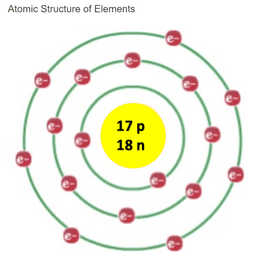
Chlorine is the atomic number 17 in the periodic table of elements. What information does the atomic number give you about the element chlorine?
Chlorine is the atomic number 17 in the periodic table of elements. Based on that knowledge, which of these statements is NOT true concerning the atomic structure of aluminum?
Using the periodic table and your knowledge of atomic structure. Draw a conclusion about the number of neutrons in Carbon-14 relative to a typical carbon atom.

How would the composition of an atom change if both the atomic number and mass number each increase by one?
How many electrons are in Potassium?

What is the number of neutrons in boron?

How many electrons are in helium?
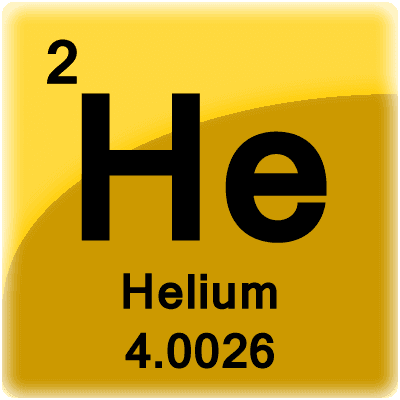
The atomic masses of the elements are not whole value numbers because of the existence of
The sum of the number of protons and the number of neutrons in an atom is the
Hydrogen is different than the other elements in group 1 of the periodic table by
The weighted average of the mass numbers of all the isotopes that occur in nature for a particular element is the
The isotopes of carbon are carbon-12 and carbon-14. These isotopes differ from one another by
Why are the elements in group 18 stable?
The chart showing the classification of elements according to their properties and increasing atomic numbers is called the
Dot diagrams are used to represent
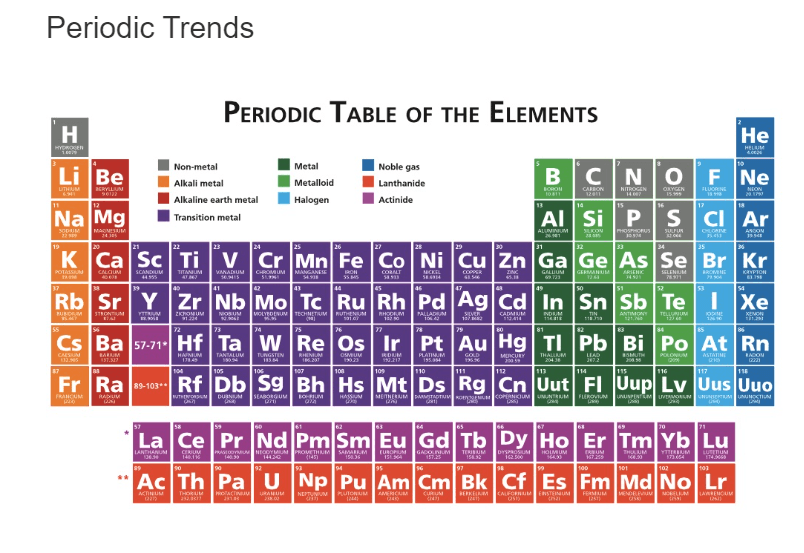
Which element could be described by the list of properties: Has luster, Malleable, Ductile, Conductor, and a Solid at room temperature?
What is a column called in the periodic table and what do the elements in each column have in common?
Consider the circled elements in the periodic table. Based on their location, we could infer that they are
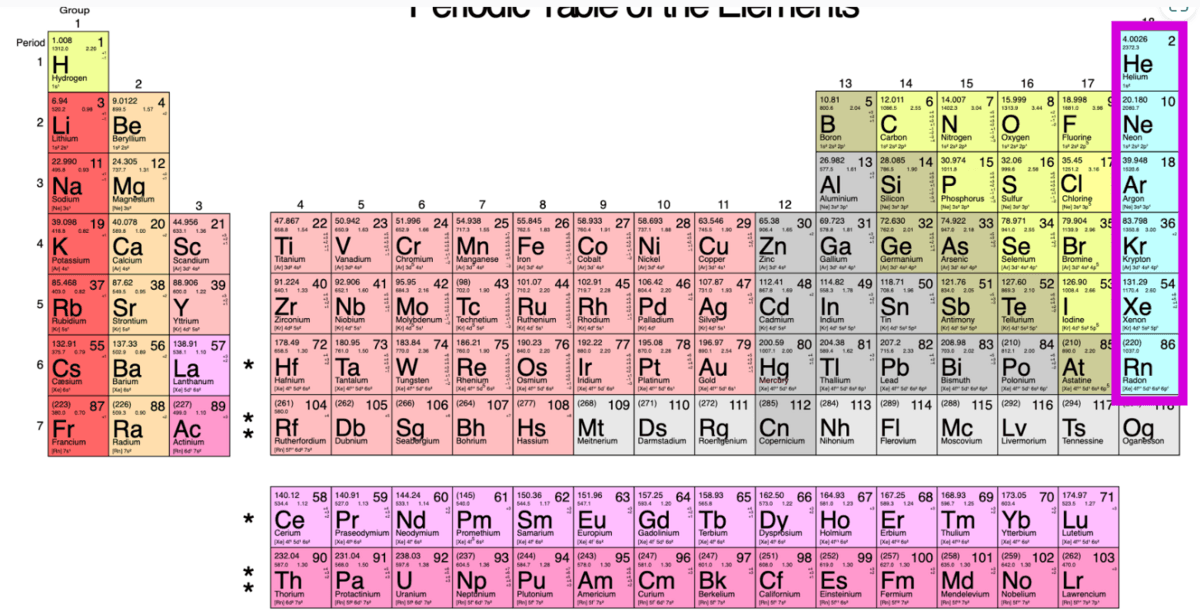
Using the periodic table to predict properties of the main group elements, choose the three statement that are correct.
Place the items under the correct category it describes.
Using what you know about the periodic table, choose the three correct answers.
Which change cannot be seen as we move across the periodic table, from potassium, K, to krypton?
Review the families and classification of elements in the periodic table. Based on this information, you would expect elements to the left of the stair-step line in the periodic table to form ________ ions and have __________ valence electron(s).
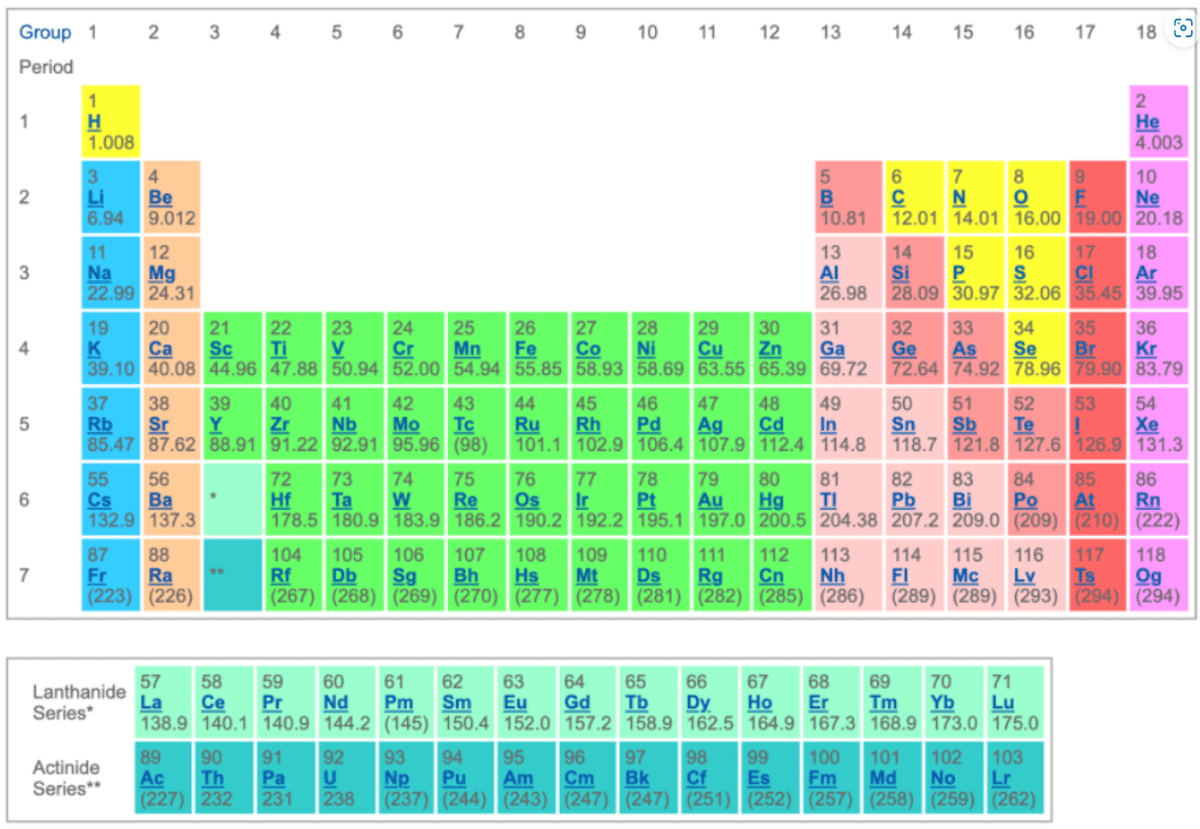
A student notices that the Periodic Table has most of the elements with common properties grouped together. This means that nonmetals tend to be grouped together, metals tend to be found together, and metalloids tend to be placed together on the table. Which property can be associated with nonmetals, since they are found together on the Periodic Table?