Loading...


Using my/your and his/her
Quiz by Azzawiyatul
Customize this quiz to suit your class
Instantly translate to 100+ languages
Tag the questions with any skills you have. Your dashboard will track each student's mastery of each skill.
Give this quiz to my class
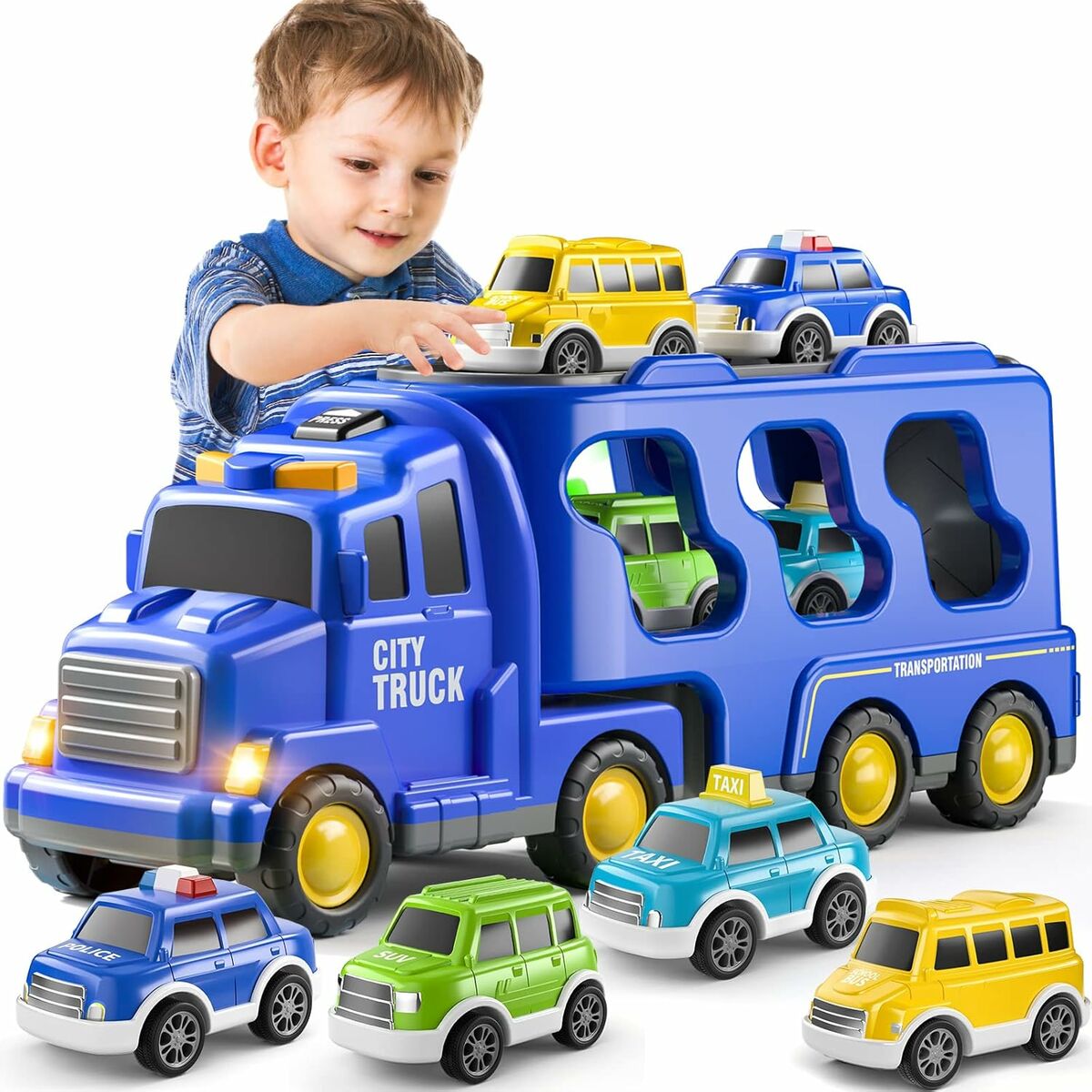
I bring a toy car from home. I say: “This is ___ toy car.”
her
my
his
your
The girl has a pen. ___ pen is blue.
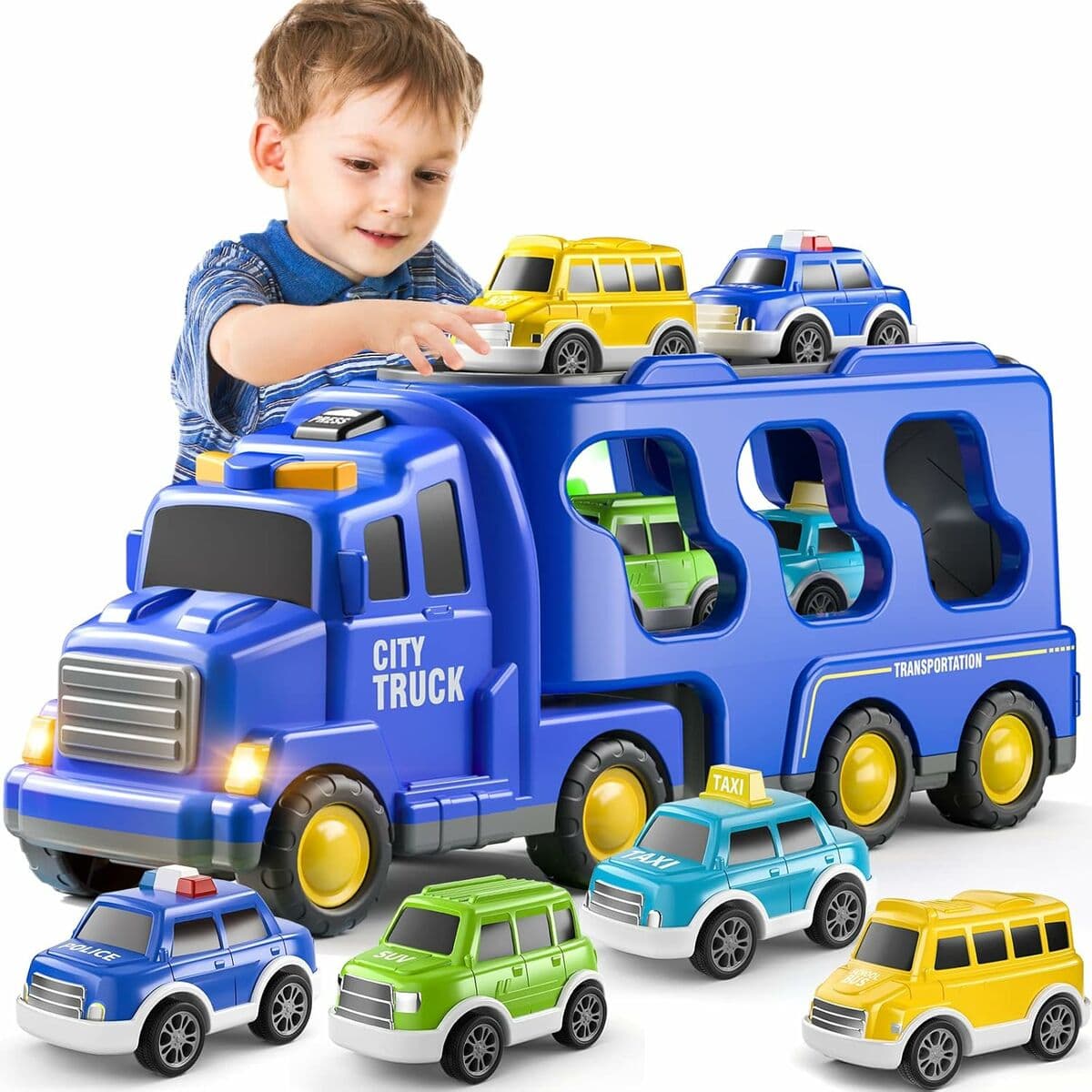
I bring a toy car from home. I say: “This is ___ toy car.”
The girl has a pen. ___ pen is blue.

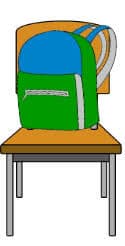
You put your bag on the chair. I ask: “Is this ___ bag?”
The boy has a dog. Her dog is big.

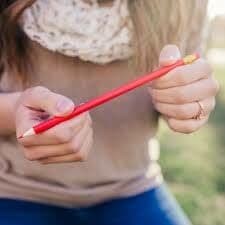
I am pointing to a red pencil I own. I say: “This is ___ pencil.”
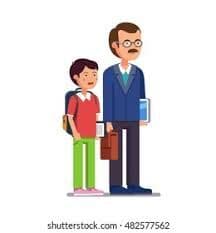
This is Riko. ___ father is a teacher.
You are showing me your family photo. I ask: “Who is ___ brother?”

This is Lina. Her mother is kind.
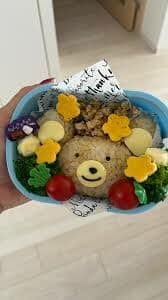
I show you my lunch box. I say: “This is ___ lunch box.”
 Write simple RCQ for kid beginners: Broken Arm Blues Kyle and Carrie did everything together. They worked on their homework together, played soccer together, and went to karate class together. "You're like two peas in a pod," their father liked to say. One day, while playing soccer, Kyle broke his arm. A doctor at the hospital put Kyle's arm in an arm cast. Three days later, Carrie broke her arm in karate! The same doctor put Carrie's arm in a cast, too. "Cool. We get to have broken arms together," Kyle said. "Let's get everyone to sign our casts," said Carrie. The first week they had their casts was exciting. Kyle and Carrie didn't have to run laps in soccer practice. Their parents wrote their homework for them. Everyone signed their casts, even their teachers. The second week they had their casts, Kyle and Carrie both had the broken arm blues. So many things were hard to do with one arm in a bulky cast. Carrie couldn't put her hair in a ponytail using just one hand. Kyle couldn't play video games, and neither of them could jump rope. "We can't do anything fun!" yelled Carrie. "I'm so bored," Kyle said. "I feel so blue," Carrie agreed. Kyle and Carrie had to watch their soccer team play without them. They couldn't even clap their hands when their team scored a goal. The third week Kyle and Carrie had their casts, they were angry. One of their best friends had a birthday party with a jumping castle at the pool. They couldn't jump or swim. They had to watch everyone else having fun. "I'm sick of having a broken arm!" yelled Carrie. "My arm is so itchy!" Kyle howled. "Mine, too," Carrie said. "And your cast is starting to smell." "Your cast stinks," Kyle said, holding his nose. The fourth week Kyle and Carrie had their casts, they decided to team up to beat their blues. Together, they could jump rope. They each used one of their hands to clap together when their team scored in soccer. "You're like two peas in a pod," their father said. After six weeks, their casts were off! Now they could swim, play soccer, and go to karate class. Now no one had the broken arm blues!Gr''ade 3 Questions based on this chapter: English Alexander was a king of the ancient Greek kingdom of Macedonia. By the age of thirty, he had created one of the largest empires in the world, stretching from Greece to northwestern India. When Alexander was young, a trader brought a horse which was difficult to mount. Let us read about how Alexander tames the horse. One day King Philip bought a fine horse. He was a strong animal and the king paid a high price for him. But he was wild and no man could mount him, or do anything at all with him. This horse is really wild. It cannot be tamed by the royal men. Many have tried and failed. We tried everything possible, your Majesty. We tried to whip him but that only made him worse. Glossary wild rough/harsh mount a horse to climb onto the back of a horse to tame to control whip to beat using a long rope King Philip asked his men to take the horse away. It is a pity to send such a fine horse away. I think the men do not know how to tame him. I can try taming this beautiful horse. Perhaps you can do better than them. But be careful, my son. You are still very young to mount this violent animal. Alexander wanted to (mount/feed/tame/ ride) the horse. If you would give me the order, I will try. I am sure I can manage this horse better than anyone else. Antonym(s) worse x better young x old fail x succeed If I fail, I will pay you the price of the horse, Father. The courtiers told Alexander that it might be dangerous for a young boy to try taming the wild horse. They laughed at him. Alexander went near the horse and turned his head towards the sun. He had noticed that the horse was afraid of his own shadow. I will name you Bucephalus. Stay calm and I will do no harm. The horse was afraid of his own (body/courtiers/King Philip/shadow). English He then spoke gently to the horse. Bucephalus means 'ox-head'— head of an ox, in Ancient Greek. When he had quietened him a little, he made a quick spring and leapt upon the horse's back. I thought the little prince would be killed by this dangerous animal. What a miracle! The horse has recognized the young prince as his master. Alexander let the horse run. When Bucephalus had become tired of running, Alexander reined him in and rode back to the place where his father was standing. Glossary noticed (here) to see afraid scared/frightened calm quiet gently softly quietened to become calmer and less noisy a miracle a wonder/unusual event to rein to check or guide a horse Look at the young prince! He is mounted well! But the horse is still wild! Antonym(s); laughed x cried afraid x brave. English When he reached the place where his father was standing, he leapt to the ground. His father ran and kissed him. Dear Father! I shall add My son! Macedonia is a small kingdom more territories and bring for you. You must seek a larger kingdom glory to our kingdom. that will be worthy of you. Fascinating Fact(s) Alexandria Bucephalus was a city founded by Alexander in memory of his loyal horse Bucephalus. During Alexander's invasion of India, he had fought against the Indian King, Porus, near the river Hydaspes (modern day river Jhelum, Pakistan). His horse Bucephalus died there and he honoured his horse by naming the city after it. Antonym(s) worthy x unworthy proud x ashamed You have carried me across countries and stood bravely beside me as I fought to win the numerous fierce battles. You have saved my life many times. I am truly proud of you, Bucephalus. (Mesopotamia/Minneapolis/ Macedonia/Minnesota) was a small kingdom for Alexander to rule. Glossary numerous many fierce strong and violent Alexander and Bucephalus were said to be always together, for when one of them was seen, the other was sure to be not far away. Bucephalus would never allow anyone to mount him, but his master. Alexander became the most famous king and warrior, and for that reason, he is called 'Alexander the Great!. Broken windows are covered. Floorboards are patched and doors screwed back on. The road that was ruined by German tanks is shovelled and raked smooth. Boot-shaped bruises turn yellow then fade and disappear. Flowers grow and spread across the ugly German footprints stomped into garden beds. The village looks pretty once more. School stops for the summer and everyone is put to work on the kolkhoz, the village farm. Women and big boys begin harvesting the barley crops in the outer fields. The biggest girls milk the cows, morning and night, and keep the barns clean. Old Nikolay mends ploughs, horse harnesses, pitchforks and scythes in his workshop. Anna Pushinka teaches Yelena and her friends how to get the honey from the beehives that are scattered through the orchards. I am in charge of collecting eggs. My friends Olga and Nina help. Olga and Nina are five, a year younger than me. They are twins and look exactly alike, except Nina’s nose is a little bit crooked from when she fell out of bed and squashed it sideways on the floor. The hens, ducks and geese wander free in the summer, so collecting eggs is like a treasure hunt and takes hours. Catching the hens for their daily hugs takes even longer, but I think it’s important because hugs make everyone happy and happy hens lay bigger eggs. Olga says I’m the best hen-hugger in all of Russia. Nina says I’ll be the best cow-hugger, too, when my arms grow longer. But good hugs have nothing to do with the size of your arms. It’s all to do with the size of your heart. When we are done with the hens, Olga, Nina and I can spend the rest of the day doing whatever we like. We climb the apricot trees, chase squirrels, lie in the meadow marvelling at how hot Ushanka’s black fur becomes in the sunshine, make daisy chains and race little boats of bark in the stream. I teach Olga and Nina the alphabet and we use charcoal to write our letters and our names all over the village – on doors and walls and the freshly cut ends of firewood. In between, I practise my knots. In case the German princemonsters return. I slip into Old Nikolay’s workshop and tie knots in the harnesses hanging on the walls. I wander into gardens where the washing is hung out to dry and tie knots in the laces on pants and smocks. I creep up behind Anna Pushinka and tie knots in her apron strings. I find baling twine in the hay shed and tie my own ankles together. I do such a good job of these last knots that I can’t get them undone. I have to jump all the way to Olga and Nina’s house and ask them to cut me free with their mama’s knife. At the end of each day, Ushanka and I run out into the distant barley fields to meet Mama. This is my favourite part of the day, because Mama always shouts, ‘Little Rabbit!’ and smothers my head with kisses. And as we walk home, we sing. Everyone – women, big boys and me. I love to sing. Almost as much as I love to be kissed by Mama. Sometimes one of the boys, Mikhail, has his balalaika with him. He takes the instrument out from beneath the sheaves of barley piled high on the wagon and plays music. We sing about forests and orchards and people who find their true love. As we walk home, arm in arm, my heart fills with happiness and my belly swells with pride that I am allowed to sing along with the big boys. And I can almost forget about the German prince-monsters and their lies about Russia and their big ugly boots. Almost. But today, when Mikhail reaches for his balalaika, I see other things hiding beneath the barley sheaves. Three of the mamas rush forward and cover them up, but it’s too late. I know they are there. I’ve already seen them. Rifles. Lots of rifles. Mikhail hugs his balalaika to his chest and blushes. ‘So play!’ cries Mama, her voice oddly loud and high. ‘Let’s play Sasha’s favourite song, “The Little Birch Tree”.’ So Mikhail plays and everyone sings about the lovely birch tree with its curly leaves and the branches that will be turned into silver flutes. They sing too quickly, too loudly, and as they sing and walk, they cast nervous sideways glances at me. ‘It’s alright,’ I say, when the song comes to an end. ‘I didn’t see the rifles.’ Mama nods and smiles, and I know it was the right thing to say. But I did see the rifles. And I think about Yelena wanting to get lots of guns and dynamite for the Partisans so they can shoot the Germans and blow them into thousands of tiny pieces, and Mama looking as though she agreed, and I know this is what the mamas and the big boys are doing. As well as harvesting, they are helping the Partisans. Three days later, I wake before dawn and I am all alone. Yelena is always here beside me when I wake. But not this morning. I climb down from our bed above the stove. Mama is filling a cloth sack with bread. She ties it closed with a piece of string and hands it to Yelena. ‘Stay out of sight,’ says Mama. ‘And don’t return until after dark.’ ‘Where’s she going?’ I ask. ‘Nowhere,’ snaps Mama. ‘Then why does she need all that bread?’ I ask. ‘There’s nothing left for us.’ Mama baked four loaves last night and she has stuffed them all into the sack. Yelena opens her mouth, but before she can speak, Mama shoves her out the door and sends her on the way to nowhere. Mama turns and stares at me, her blue, blue cornflower eyes wide with worry. ‘I know,’ I say, flopping down on the bench. ‘I didn’t see any bread.’ Mama sits beside me and takes my hand. ‘And . . .?’ she prods, obviously waiting for more. I puzzle for a while, then say, ‘And I don’t have a sister called Yelena.’ Mama laughs, softly and with a little bit of sadness around the edges. ‘Sweet Little Rabbit! You do have a sister called Yelena.’ ‘I do?’ I ask, now confused. ‘I haven’t seen the rifles or the bread, but I have seen Yelena?’ ‘Yes.’ Mama smiles and the magic makes me smile, too. And I am glad that Yelena is real because I love her very much. ‘Yelena is real,’ Mama explains, ‘but she does not carry sacks of bread into the forest for the Partisans.’ ‘Of course not!’ I shout, slapping my forehead. ‘Because there is no bread!’ Mama laughs loudly now, with not a hint of sadness. She hugs me, pressing me against her warm, loving heart, covering my head with kisses. ‘Clever Little Rabbit,’ she murmurs, and then, in barely a whisper, ‘Your papa would be so proud.’ When I wake the next morning, Yelena is sleeping beside me, her mouth open, her braided hair unravelling. Mama is serving kasha to a strange woman seated at our table. I crawl down from above the stove and slide along the bench beside her. I stare at her pants, her tunic, the rope she is using as a belt and her big boots. She’s dressed like a man! And there’s a rifle leaning against the wall near the door. ‘Hello,’ I say. ‘I’m Sasha.’ The woman doesn’t reply. She just shovels down her kasha. I line my four wooden bears along the table in front of her bowl and say, ‘These are my bears: Big Bear, Medium Bear, Little Bear and Even Littler Bear.’ ‘Hello, Sasha. Hello, bears.’ She smiles but she doesn’t tell me her name. ‘Why are you dressed like a man?’ I ask, tugging at the sleeve of her tunic. ‘Because men’s clothes make it easier to run and climb and crawl and shoot,’ she says. ‘You’re a Partisan!’ I gasp. ‘But she’s not real,’ says Mama, placing a bowl of kasha before me. ‘Is the kasha real?’ I ask. Mama laughs. ‘Yes, Little Rabbit.’ I’m glad the food is real, because I’m hungry. But I’m disappointed that the woman is not real. I was going to ask if I could use her rope-belt to tie her ankles together. For practice. But if she’s not real, then the rope and her ankles aren’t either. The woman finishes her kasha, hangs her rifle over her shoulder, kisses Mama on the cheek then slips out the door. I run to the window to watch her leave, but by the time I get there, she’s gone. Vanished. ‘Because she’s not real,’ I whisper. A week later, Mama and I are working in the garden. We sing as we weed between the flowers and pluck caterpillars from the vegetables. Anna Pushinka is picking strawberries in her garden and wanders over. ‘Taste these,’ she says, holding out the basket. Mama reaches in and takes out a fat strawberry and a tiny piece of folded paper. The strawberry goes into her mouth, the paper into her pocket. ‘What’s on the paper?’ I ask. ‘Paper?’ Anna Pushinka replies with a wave of her hand. ‘Goodness, Sasha! Who has money for paper? These are lean times. We must choose between paper for writing and noodles for our soup. And I always choose noodles.’ She chuckles and I know the paper is yet another thing that is not real. That night, Mama slips the paper to Yelena, but she drops it on the floor. I pick it up for her, and I see that there are tiny words and numbers written all over it. I wish I could read better. I’m desperate to know what it says. Or rather, what it doesn’t say, because it’s not real. Later, when Mama has tucked us into our bed above the stove and Ushanka has wrapped herself around the top of my head, I ask Yelena, ‘What’s on the paper?’ ‘What paper?’ says Yelena. ‘The paper that isn’t real,’ I reply. Yelena stares at me, nibbling her lip, then whispers, ‘A message for the Partisans. Stuff about where the Germans have their headquarters and when their trains are travelling and where they store their ammunition.’ ‘Why?’ ‘So the Partisans can blow them up.’ Yelena grabs my arm. ‘But don’t tell anyone. It’s a secret.’ ‘What’s a secret?’ I ask. ‘The message.’ ‘What message?’ I say, my eyes wide. Yelena laughs. ‘Good boy, Sasha.’ My belly swells with pride. I know how to play this game. ‘How are your knots coming along?’ asks Yelena. ‘Good! Yesterday, I crept into the dairy and tied knots in the apron strings of all the girls who were milking and only one of them noticed. Today, I tied Olga’s ankles together with Mama’s embroidery thread and just now, while you were taking a bath, I tied the sleeves of your blouse together in an enormous knot.’ Yelena rolls her eyes, then says, ‘I’ll see if I can find you some rope for practising.’ ‘Practising what?’ I ask. ‘Your knots,’ she says. ‘What knots?’ Yelena, my big sister who is twelve and always serious tWrite simple RCQ for A1 kids using: Little Flap Learns to Fly Little Flap was happy living in his nest. His friends, Fluff and Tuff, lived in the nest next to him. Every morning they sang songs together. Their parents brought them worms to eat. One day Fluff asked, "Can we get our own worms?" Tuff said, "We can if we learn to fly." Fluff said, "Yes! Let's learn to fly." Little Flap peered over the edge of his nest. It was very high up. When he looked down, the ground seemed very far away. He felt scared! He was too afraid to tell his friends about his fear so he kept his feelings a secret. Fluff said, "Let's practice flapping our wings. It will make them strong. Watch." Tuff and Little Flap watched Fluff. Then they copied her actions. Soon it was time to fly. Little Flap could no longer keep his feelings a secret. He asked, "Will I fall? I don't want to get hurt." Tuff said, "You can depend on Fluff and me. We're your friends." Fluff said, "I have an idea. We will go first and show you how. Then you can try. If you fall, Tuff and I will rescue you." Tuff said, "Yes, we can save you!" Tuff and Fluff jumped out of the nest. They flew! Little Flap looked down nervously. He still felt uneasy, but he felt braver with his friends. "Okay," he said. "Let's try!" The three birds stood together on the branch. They counted, "One! Two! Three!" Then they flapped their wings fast and jumped. Little Flap lifted into the air. "You're flying just right!" said Fluff. "You're flying perfectly!" said Tuff. All three little birds landed in a patch of soft, green grass. Little Flap said, "Now I know I can always depend on you, Fluff and Tuff! You are my friends." Then he found a big, juicy worm and shared it with his friends. Now Little Flap likes flying!Commas Directions: Correct the sentences by adding commas where needed. 1. After the sound of the bell we realized it was a false alarm. 2. Mr. Yoshino the head of the department resigned yesterday. 3. The gentleman with the black umbrella who is an ambassador to the United States said hello to us as we were entering the hotel. 4. Even though we won the game the players unfortunately did not play their best. 5. Heather walked quickly up to the door and knocked hoping that someone would answer. Author’s Purpose 6. An author writes a story about a boy who saves his town from a flood by using his quick thinking. The author includes exciting descriptions of the boy's bravery. What is the author’s most likely purpose for writing this story? A. To inform readers about the dangers of floods B. To entertain readers with a heroic tale C. To explain how to prevent floods D. To persuade readers to prepare for emergencies 7. Which of the following is an example of an author writing to persuade? A. A science textbook chapter explaining the water cycle B. A commercial encouraging people to adopt shelter pets C. A short story about a girl who finds a magical necklace D. A recipe for making chocolate chip cookies 8. Read the following sentence: "Studies show that students who read for 20 minutes a day score higher on tests. Reading is one of the best habits you can develop for success in school and life." What is the author’s purpose in this passage? A. To entertain readers with a fun story B. To persuade readers to read more often C. To inform readers about how books are written D. To explain how to find books to read 9. An author writes a how-to guide titled 10 Easy Steps to Plant a Garden. What is the author’s primary purpose? A. To persuade readers to grow their own vegetables B. To inform readers how to plant a garden C. To entertain readers with funny garden tips 10. Read the excerpt: "Long ago, in a village surrounded by mountains, the people discovered a secret about their water well. Every full moon, the well water turned to gold for just one night. But no one knew why. This mystery brought travelers from far and wide, hoping to uncover the truth." What is the author’s purpose in this excerpt? A. To persuade readers to visit the village B. To inform readers about a historical event C. To entertain readers with a mysterious tale D. To explain the science behind the water Main Idea When I stepped out into the bright sunlight from the darkness of the movie house, I had only two things on my mind: Paul Newman and a ride home. I was wishing I looked like Paul Newman--- he looks tough and I don't--- but I guess my own looks aren't so bad. I have light-brown, almost-red hair and greenish-gray eyes. I wish they were more gray because I hate most guys that have green eyes, but I have to be content with what I have. My hair is longer than a lot of boys wear theirs, squared off in back and long at the front and sides, but I am a greaser and most of my neighborhood rarely bothers to get a haircut. Besides, I look better with long hair. 11. What is the main idea? The narrator likes movies. The narrator wishes he was Paul Newman. The narrator is content with his appearance. The narrator looks better with long hair. 12. The narrator believes. . . looks are important. he should get a haircut. green eyes are bad. that he has red hair. Once there were four girls who shared a pair of pants. The girls were all different sizes and shapes, and yet the pants fit each of them. You may think this is a suburban myth. But I know it's true, because I am one of them, one of the sisters of the Traveling Pants. We discovered their magic last summer, purely by accident. The four of us were splitting up for the first time in our lives. Carmen had gotten them from a secondhand place without even bothering to try them on. She was going to throw them away, but by chance, Tibby spotted them. First Tibby tried them; then me, Lena; then Bridget; then Carmen. By the time Carmen pulled them on, we knew something extraordinary was happening. If the same pants fit and I mean really fit the four of us, they aren't ordinary. They don't belong completely to the world of things you can see and touch. My sister, Effie, claims I don't believe in magic, and maybe I didn't then. But after the first summer of the Traveling Pants, I do. 13. What is the main idea? Four friends were connected through a special pair of pants. A pair of pants called the Traveling Pants. Carmen finding a pair of pants from a second-hand shop. The girls believing in magic. 14. The narrator included that the pants fit all of them to emphasize how the girls become friends. the girls are different sizes. why the pants are special. where the pants came from. If you are interested in stories with happy endings, you would be better off reading some other book. In this book, not only is there no happy ending, there is no happy beginning and very few happy things in the middle. This is because not very many happy things happened in the lives of the three Baudelaire youngsters. Violet, Klaus, and Sunny Baudelaire were intelligent children, and they were charming, and resourceful, and had pleasant facial features, but they were extremely unlucky, and most everything that happened to them was rife with misfortune, misery, and despair. I'm sorry to tell you this, but that is how the story goes. 15. What is the main idea? description about the story to come. A warning about the story and its sad content. A declaration about the Baudelaire family. A beginning for the end of the story. 16. The narrator believes the reader does not like sad stories. likes stories with happy endings. can’t enjoy the story. will find the story unhappy. 17. Read the following sentence: Of course you can exaggerate your story, but what you say must be based on truth. Which word means the same as exaggerate? repeat reveal overstate increase 18. What is the meaning of the word inaugurated, used in the following sentence: Less than two months after Abraham Lincoln was inaugurated President in 1861, he encountered one of the most difficult tasks ever experienced by a United States leader: civil war. elected by a vote brought into office identified by name viewed as an authority 19. What does the phrase “practice your presentation so much that you could do it in your sleep” suggest in the following sentence: The best advice is to practice your presentation so much that you could do it in your sleep. get plenty of sleep the night before giving a presentation give their presentations in front of a small audience first take advice from their teachers on how to write a presentation memorize their presentations before they give them 20. Read the following sentence: The Phoenix Mars Lander is a NASA spacecraft that landed on the Red Planet in May 2009 to study the history of water and potential for life on the planet. What is another word for potential? existence situation possibility qualification Match the word to its synonym level B1 CEFR. Use the vocabulary exactly adverb precisely except that aside from exist verb to be real existing adjective real, current Example: Flying cars are not practical with existing technology. existence noun reality Example: The existence of black holes has been confirmed by indirect observation. extraordinary adjective unusual feature noun important part of something Example: The Ramon Crater is a unique feature of the Negev Desert. feedback noun reaction figure noun shape Example: I can’t tell if that figure in the shadows is a man or a woman. figure out verb understand Example: I just can’t figure out how the magician did that amazing trick. financial adjective related to money Example: Her family is having financial problems so they can’t travel overseas this year. finance verb pay for Example: If I can’t get a loan from the bank, I won’t be able to finance a new apartment. finance noun money Example: An expert in finance predicts a global recession. finding/findings noun discoveries; results of a study Example: According to the findings of the police investigation, this is the gun which fired the fatal bullet. flexibility noun willingness to change flexible adjective adjusts easily Example: I’d prefer to meet on Monday morning but I can be flexible depending upon your schedule. flood noun a lot of water flood verb to cover with too much water flu noun type of sickness focus on/upon verb pay attention to Example: You should focus on your schoolwork if you want to improve your grades. focus noun attention People with attention deficit disorder lose focus easily. frequency noun how often frequent adjective very often Example: Hanah is a frequent customer and everyone at the store knows her. fresh adjective new Example: We need some fresh ideas if we’re going to solve this problem. frighten verb scare from preposition position, starting point gain verb make an increase, profit, earn Example: I have nothing to gain by choosing sides so I shall remain neutral. gain noun profit, amount earned generate verb create, make Example: Chat GPT can generate text written in any style you choose. guidance noun help, advice hopeful adjective optimistic, having a positive outlook Example: The farmers are hopeful that we will have rain this winter. hopefully adjective with luck ideal adjective best, most preferable Example: Nuclear power may not be an ideal solution to global warming, but it’s certainly worth considering. illness noun sickness, disease illustrate verb draw pictures illustration noun picture, image Example: Children’s storybooks have colorful illustrations. image noun picture, especially on film or television Example: The mother of the pop singer cried when she first saw her daughter’s image on television. in preposition within, inside, into in terms of regarding Example: That company makes a great product but they’re lacking in terms of customer service. in actual fact in truth Example: The mayor says the city is a safe place to live, but in actual fact the violent crime rate is very high. in connection with about Example: Police arrested four men in connection with the robbery. in that case if that is true Example: Billy Bob: “Traffic could be heavy tomorrow.” Peggy Sue: “In that case, we better leave early.” in the meantime while, during Example: The new computers won’t arrive until next week, but we can keep using the old ones in the meantime. initial adjective first Example: Her initial reaction to that song was negative, but over time she’s come to like it. initially adverb at first instruction noun teaching, order Example: Most new electronic devices come with a set of instructions. intelligence noun smartness Example: Since you have a degree from a good university, I assume you have sufficient intelligence to understand this problem. intelligent adjective smart Example: Joe isn’t very intelligent, but he is a kind person with a warm heart. interest noun attraction Example: Yossi has little interest in politics, whereas his wife goes to all the protests and demonstrations. interest verb to attract Example: Sports don’t really interest me, but my brother is a big basketball fan. introduce verb to show something new Example: Today in class I will introduce the basic concepts of literary analysis. invest verb to put money into something in order to earn money Example: Joe invested in cryptocurrency and lost a lot of money. investor noun one who puts money into something in order to earn money Example: Venture capitalists are investors who put money into risky start-up businesses. investment noun putting money into something in order to earn money Example: Buying real estate in Israel is a very safe investment because the value never goes down. investigate verb research, study Example: The police collected evidence to investigate the murder. investigation noun study Example: The police don’t have a suspect for the murder as the investigation isn’t finished yet. investigator noun detective Example: Detective Schmendrick is the lead investigator for the murder case. just about almost Example: I’m just about done here so I’ll be there shortly. keep on doing verb continue Example: You’re crazy if you keep on doing the same thing and expect different results. kind of type of Example: What kind of dog is that, a poodle? knowledge noun awareness Example: John failed the test due to lack of knowledge of the material. lack verb not having, missing Example: John failed the test due to lack of knowledge of the material. landscape noun the view of the land likely adjective, adverb probably Example: When we learn from our mistakes, we’re not likely to forget. limited adjective restricted Example: We should go to the store today because the sale is for a limited time only. limitation noun restriction little adjective small, not a lot Example: She always tells the truth. I have little reason to doubt her. look at verb see Example: People used to read newspapers on the train. Nowadays they just look at their phones. low adverb to a small amount or level Example: I have to charge my phone because the battery is running low. material noun documents, information Example: We have a lot of material to cover before the end of the semester. meaning noun significance mean verb to have significance or purpose means noun form of, by the use of Example: They communicate by means of radio. measure noun step Example: The teacher took measures to prevent cheating during the test mention verb to say, point out Example: The coach said the team played very well today but didn’t mention any player specifically. miss verb (1) fail to catch (2) wishing to see somebody Examples: (1) The football player kicked the ball but missed the goal. (2) Wow, it’s good to see you! I’ve missed you so much! misunderstand verb understand incorrectly Example: I’m afraid I misunderstood the instructions. Could you repeat them please? more or less approximately, somewhat, to a varying degree Example: This is more or less a religious neighborhood, though there are a few secular families. must modal verb have to naturally adverb as expected, normally nature noun (1) open air (2) character Examples: (1) We like to go hiking in nature reserves. (2) Pit bulls are aggressive by nature.Title: The Adventures of Max and the Magical Computer (Shortened Version) Once upon a time, in a small town called Techville, there lived a curious fourth-grader named Max. One day, while exploring his grandma’s attic, he found an old, dusty computer. As he cleaned it, the screen lit up, and a cheerful voice said, “Hello, Max! I’m Compy, your magical computer. Let’s learn about operating systems, files, and folders!” Max was thrilled. “A talking computer? Let’s go!” Chapter 1: The World of Windows Compy explained, “I run on Windows, the brain of the computer. It uses a Graphical User Interface (GUI), so you can interact with me using icons, menus, and buttons. Let’s start by changing my desktop background—the image on the screen.” Max chose a spaceship picture. “Cool! Can I add a screen saver too?” “Of course!” said Compy. “It’s an image that appears when I’m inactive. Try this swirling galaxy!” Max set the screen saver and giggled as it appeared. “This is fun!” Chapter 2: Organizing with Folders and Files Compy’s screen filled with random icons. “Oh no! My files are a mess. Can you help?” “Sure! What are files and folders?” asked Max. “A file is information, like a picture or document. Files have names, like ‘Homework.docx.’ The part after the dot, like .docx, is the file extension. It tells you the file type,” Compy explained. Max pointed to “Game.exe.” “So, this is a program file?” “Yes!” said Compy. “To organize, we use folders—like drawers for files. You can even put folders inside folders!” Max created a “School” folder, added his homework files, and made a “Projects” folder inside it. “Now everything’s neat!” Chapter 3: The File Explorer Adventure Compy’s screen flickered. “Some files are missing. Let’s use Windows Explorer to find them. It’s like a map for files and folders.” Max opened Windows Explorer and saw a tree-like list of folders. “This is like a tree with branches!” “Exactly!” said Compy. “Search for the missing files and move them to the right folders.” Max found the files in “Downloads” and moved them. “I feel like a computer detective!” Chapter 4: The Final Challenge Compy’s screen turned into a game board. “Time for a quiz! What’s the purpose of an operating system? How do you change the desktop background? What’s the difference between a file and a folder?” Max answered all the questions correctly, and fireworks lit up the screen. “Congratulations, Max! You’re a computer whiz!” The End Max smiled. “Thanks, Compy! I can’t wait to teach my friends!” Compy replied, “Remember, Max, learning is an adventure. Keep exploring!” As Max turned off the computer, he knew his journey into technology had just begun.Your Skin Do you know that your skin is the largest organ in your body? Home Economics and Livelihood Education 7 Seibo College 32 You need to clean and protect your skin from the different elements to maintain a clear and smooth looking skin, free from cuts and wounds. Ways of taking care of your skin: a. Eat nutritious food. b. Treat wounds and other skin disorder immediately. c. Take a bath using luffa. d. Apply skin softener. e. Have enough sleep. Your Hair Your hair is said to be your crowning glory. It gives your face an added beauty and radiant looks. So that, keeping your hair shinning through regular washing and combing will do wonders to your look. Suggested ways for keeping your hair glossy and healthy: a. Wash your hair regularly or as it becomes dirty. b. Comb or brush your hair everyday. c. Each time you wash your hair, clean your comb as well. d. You may use soapy water or shampoo. e. For a softer hair, you may use a conditioner. Your Teeth and Gums Home Economics and Livelihood Education 7 Seibo College 33 Caring for your teeth and gums are equally important as well. Never neglect your teeth, otherwise you will not be able to give your close-up smile. Remember the following in caring for your teeth and gums: a. Brush your teeth after each meal. b. Rinse your mouth with water after eating between meals. c. Use dental floss to remove food particles between the teeth. d. Visit your dentist at least twice a year for tooth examination. e. Eat foods rich in vitamins and minerals. Your Hands and Feet One of the most useful part of the body is your hand, which manages all your tasks together with your feet, which support the entire body. Ways on taking care of your hands and feet: a. Always keep your hands clean. b. Wash your hands before and after eating. c. Wash your feet before going to sleep. d. If your feet easily perspire, soak them in warm salty water for about 15 minutes daily. e. Dry with a clean towel. Dust with powder. Home Economics and Livelihood Education 7 Seibo College 34 If you have any questions, you can go to your learning facilitator, but if everything is clear to you, proceed to the next activities. Your Nails: a. Clean your finger nails with soapy water. b. Keep your nails short. c. Use a nail cutter to trim them. d. In trimming , follow the curve of your nails. e. Use a nail file to keep the edges smooth. My dear learners, you are now well informed with the different ways of keeping yourself clean and healthy. You are old enough to be responsible in keeping yourself neat and clean. Therefore, keep these in mind; your personal cleanliness is your primary duty to