Loading...


Welcome to our classroom!
Quiz by Ofelia Sagres
Customize this quiz to suit your class
Instantly translate to 100+ languages
Tag the questions with any skills you have. Your dashboard will track each student's mastery of each skill.
Give this quiz to my class
Read the text:
Hi! My name is Susan Reynolds. I am a French teacher. I am from Australia. I am 30 years old.
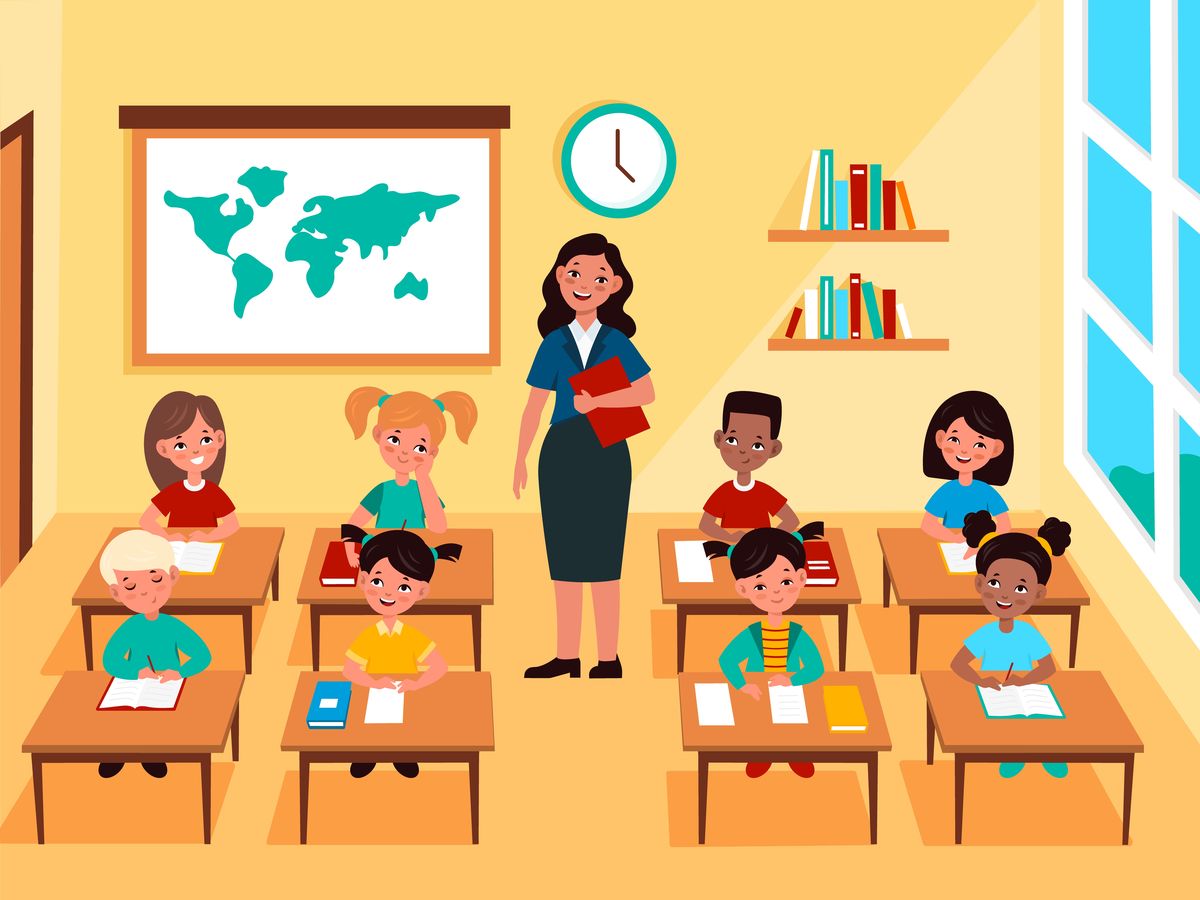
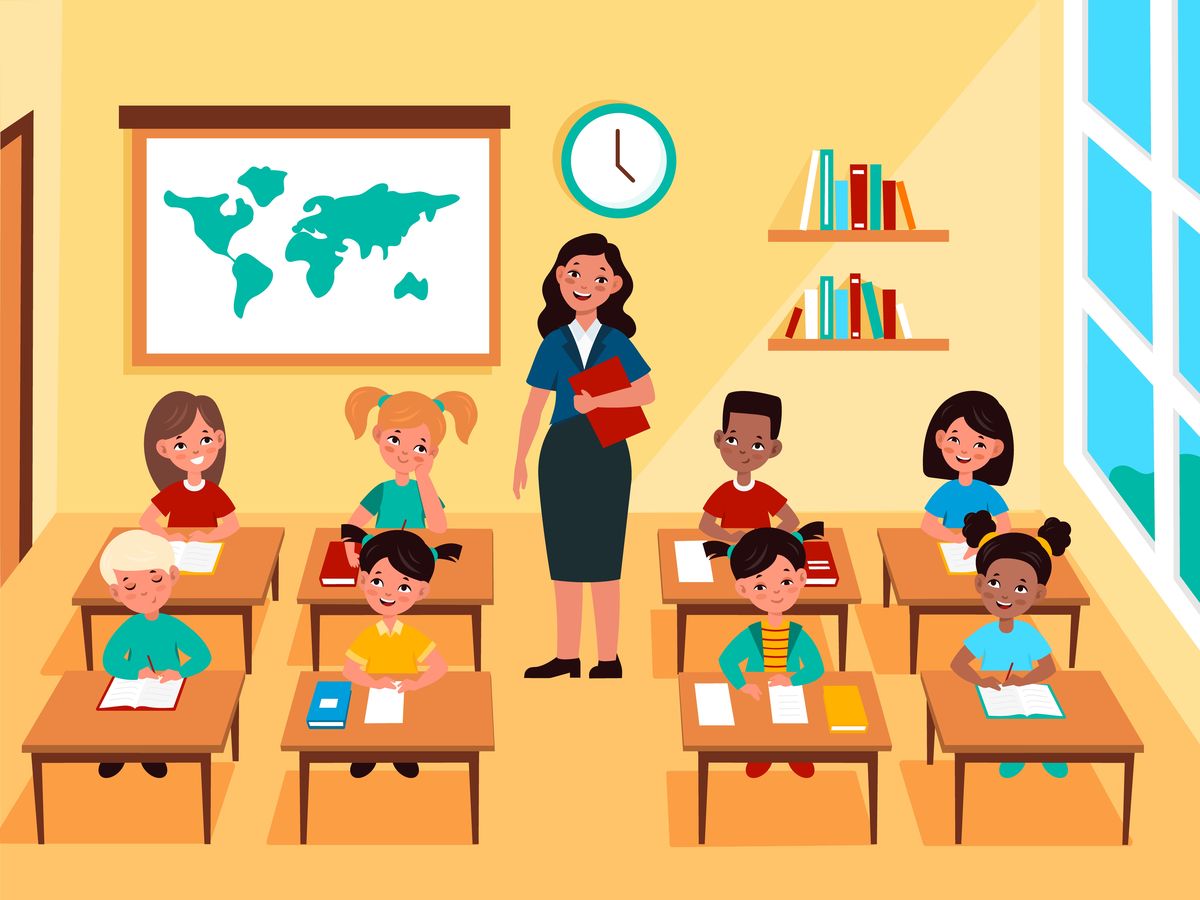
This is my classroom!
Answer the question: "Who is Susan Reynolds?"
Yes, she is.
She is a teacher.
She is a student.
She is Susan Reynolds.
Read the text:
Hi! My name is Susan Reynolds. I am a French teacher. I am from Australia. I am 30 years old.
This is my classroom!
Answer the question: "How old is Susan?"
She is fine.
She is 20.
Yes, she is.
She is 30.
Read the text:
Hi! My name is Susan Reynolds. I am a French teacher. I am from Australia. I am 30 years old.
This is my classroom!
Answer the question: "Who is Susan Reynolds?"

Read the text:
Hi! My name is Susan Reynolds. I am a French teacher. I am from Australia. I am 30 years old.
This is my classroom!
Answer the question: "How old is Susan?"

Look at the picture and complete the sentence: "_____ eight students in the classroom".

Look at the picture and complete the sentence: "_____ a dog in the classroom."

Complete the sentence: "Susan Reynolds _____ English."
Look at the picture and complete the sentence: "_____ books in the classroom."
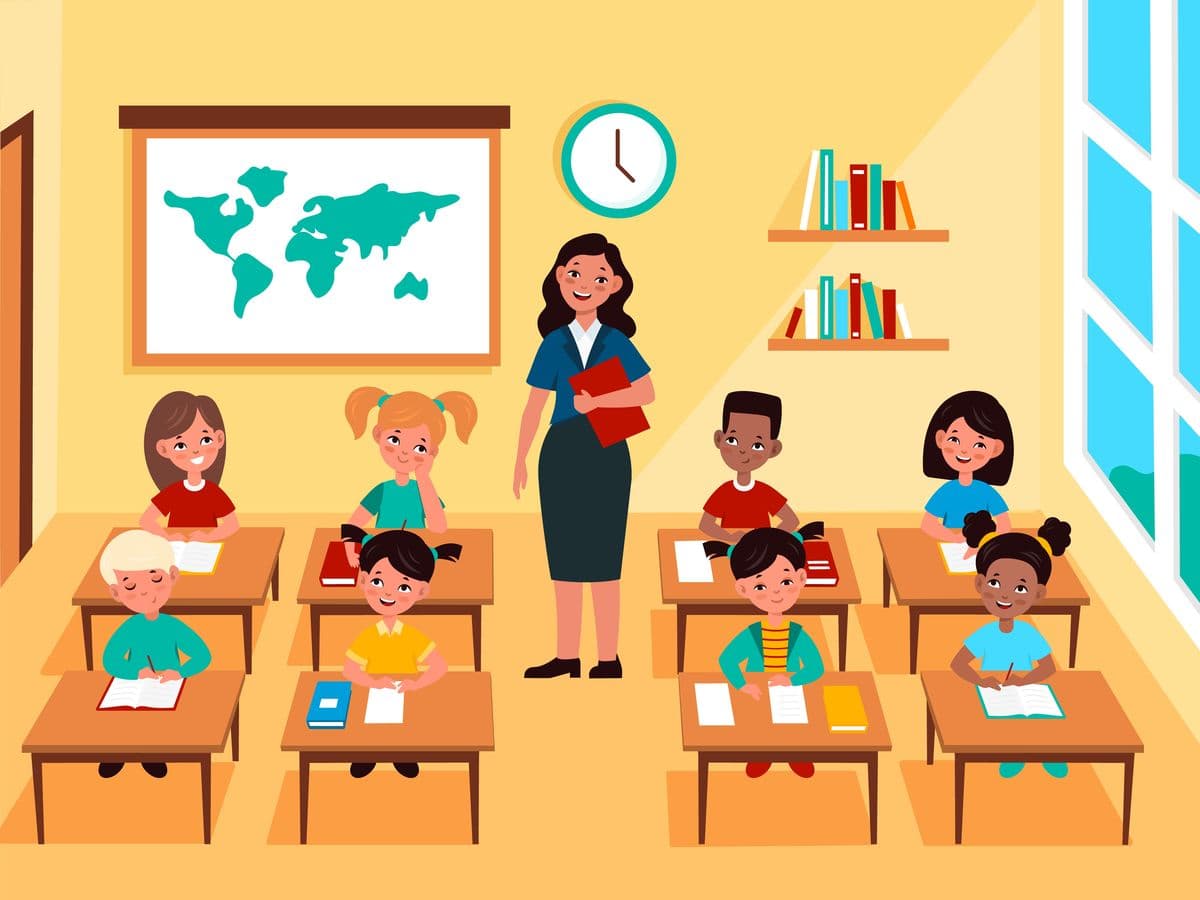
Look at the picture and complete the sentence: "_____ a map in the classroom."
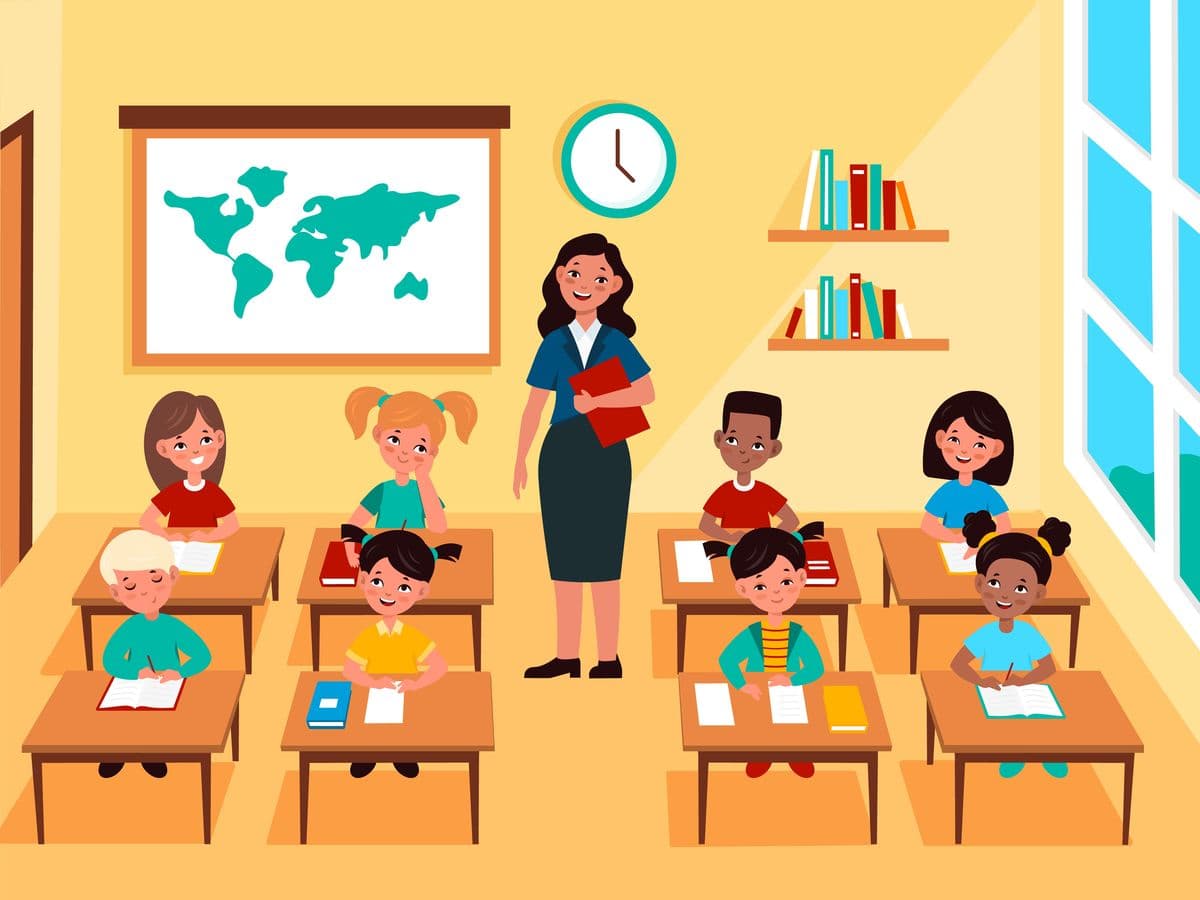
Look at the picture and complete the sentence: "_____ computers in the classroom."
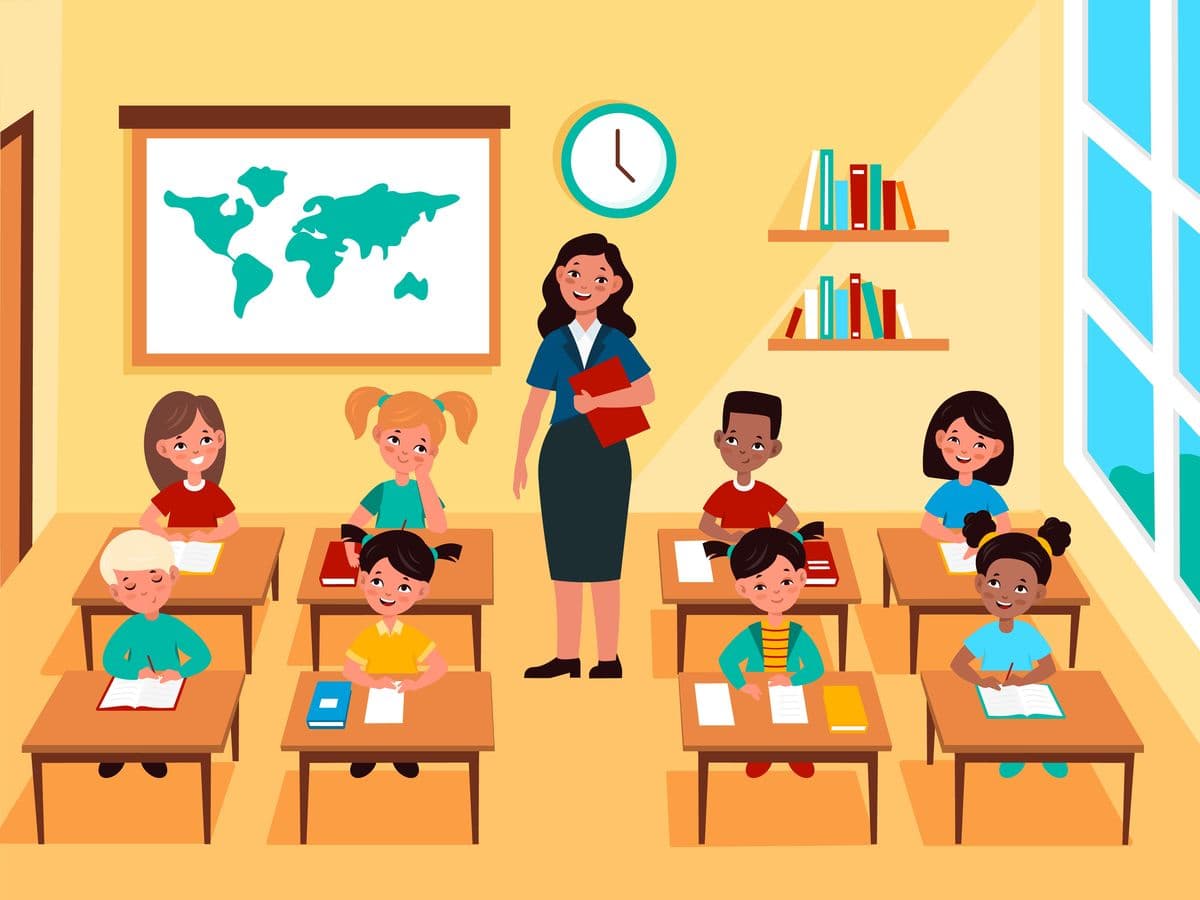
Look at the picture and complete the sentence: "The students _____ in the classroom."
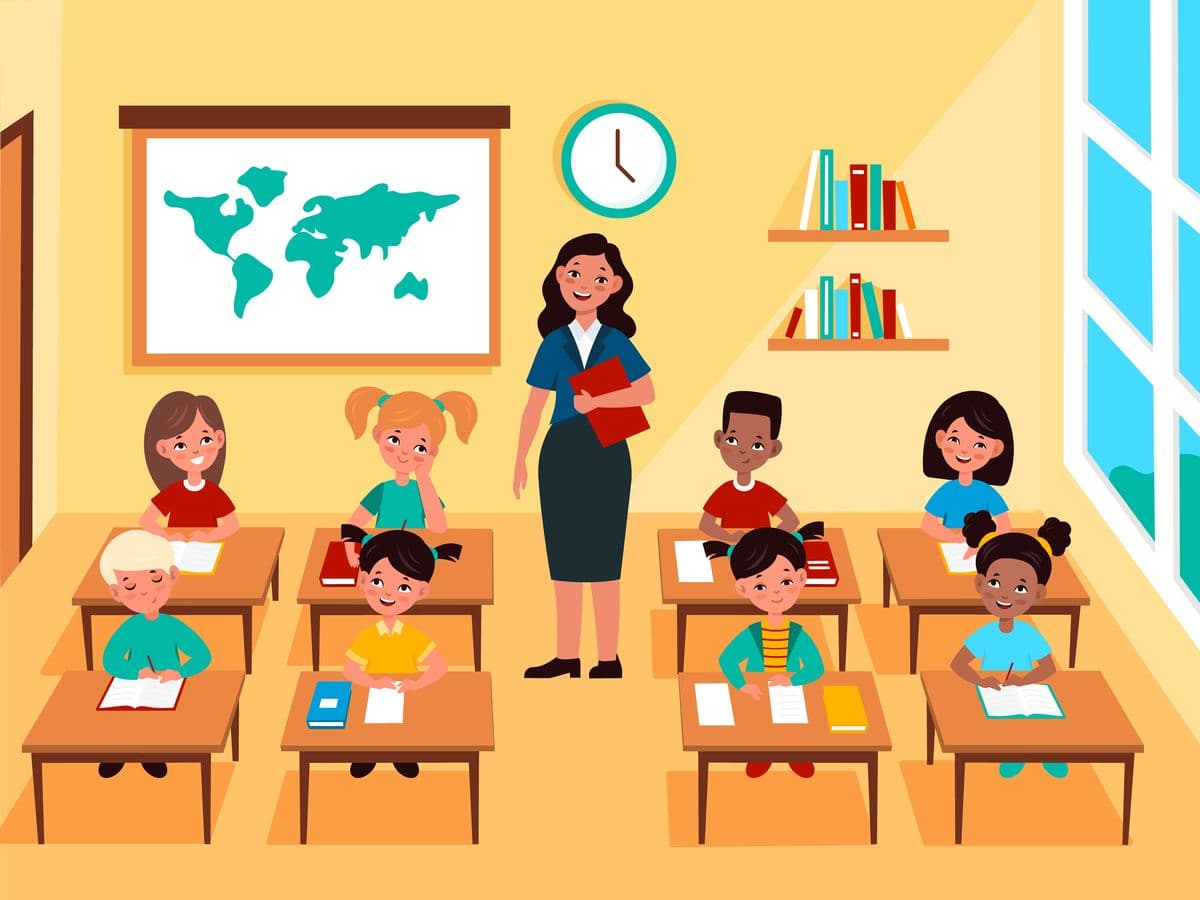
Look at the picture and answer: "Is there a clock in the classroom?

 Make a quiz using this information: Professional Learning Communities Despite compelling evidence indicating that working collaboratively represents best practice, teachers in many schools continue to work in isolation. Even in schools that endorse the idea of collaboration, the staff's willingness to collaborate often stops at the classroom door. Educators must stop working in isolation and hoarding their ideas, materials, and strategies and begin to work together to meet the needs of all students. Educators who are building a professional learning community recognize that they must work together to achieve their collective purpose of learning for all. Therefore, they create structures to promote a collaborative culture. The powerful collaboration that characterizes professional learning communities is a systematic process in which teachers work together to analyze and improve their classroom practice. Teachers work in teams, engaging in an ongoing cycle of questions that promote deep team learning. This process, in turn, leads to higher levels of student achievement. Collaborative conversations call on team members to make public what has traditionally been private—goals, strategies, materials, pacing, questions, concerns, and results. These discussions give every teacher someone to turn to and talk to, and they are explicitly structured to improve the classroom practice of teachers—individually and collectively.’ Each team must have time to meet during the workday and throughout the school year. Teams must focus their efforts on crucial questions related to learning and generate products that reflect that focus, such as lists of essential outcomes, different kinds of assessment, analyses of student achievement, and strategies for improving results. Teams must develop norms or protocols to clarify expectations regarding roles, responsibilities, and relationships among team members. Teams must adopt student achievement goals linked with school and district goals. Professional learning communities judge their effectiveness on the basis of results. Working together to improve student achievement becomes the routine work of everyone in the school. Every teacher team participates in an ongoing process of identifying the current level of student achievement, establishing a goal to improve the current level, working together to achieve that goal, and providing periodic evidence of progress. Example of a PLC Goal: “We will increase the percentage of students who meet the state standard in language arts from 83 percent to 90 percent” or “We will reduce the failure rate in our course by 50 percent.” The results-oriented professional learning community not only welcomes data but also turns data into useful and relevant information for staff.Welcome to our Pfizer Impfstoffe Quiz!Welcome to our ezineWelcome to our school unit 5 welcome to our world Toby: Welcome to my home, Timmy! Please come in. Timmy: Thank you. I am very happy to be here. Toby: Do you want me to show you around first? Timmy: Sure, let me take off my shoes. Toby: This is our living room. We can watch TV here. Timmy: I like your sofa. It’s very comfortable. Toby: This is our dining room. We can eat dinner here. Timmy: Your apartment is very nice, Toby. Toby: Thank you, Timmy.Hello friends, welcome to a new Happy Learning video. Have you ever wondered how plants feed? To answer this question, we need to understand... photosynthesis. Photosynthesis is a process in which plants make their own food to be able to grow and develop. In order to perform photosynthesis, they need various elements: sunlight, carbon dioxide obtained from air, and water, and chlorophyll, which is a green substance that all plants have and is fundamental for performing photosynthesis since it could not happen without it. By the way, chlorophyll is what gives all plants their green color. But how does photosynthesis take place? Look at this plant. As you can see, its roots are anchored to the ground. And through them, the plant absorbs water and minerals in the soil. Water with minerals are transported up the stem, reaching the leaves. The leaves are full of tiny pores called stomata which absorb carbon dioxide that the air in the surrounding contains. All this containing water, minerals and carbon dioxide is called raw sap. Now it's chlorophyll's turn. The chlorophyll in the leaves has all the necessary ingredients for photosynthesis to take place. And when it receives sunlight, the process begins by transforming the raw sap into elaborated sap, which also circulates around the plant and works as food. All plants feed from elaborated sap, and they store it in their roots like a carrot, or in their fruit, like an apple or a pear. Now we know how photosynthesis takes place, but why is it so important? Without plants, there would be no life on Earth. We wouldn't have oxygen to breathe or food to feed on. You already know that herbivores eat plants, and carnivores eat herbivores. Plants are fundamental for the food chain. And they are also fundamental for our respiration. Actually, when humans breathe, we turn oxygen into carbon dioxide. Quite the opposite of when plants perform photosynthesis. A curious fact you need to know is that at night, because plants don't have sunlight to photosynthesize, they breathe like humans do. They take in oxygen and release carbon dioxide. Remember that. And one last thing so you understand the importance of photosynthesis. When plants absorb dirty and contaminated gases, they transform them into pure air, into oxygen, and this way they clean the atmosphere and all nature. Plants are the best solution to fight against contamination, don't you think? Goodbye friends and don't forget to subscribe to Happy Learning TV.I. Introduction: A. Welcome and Purpose of Training Welcome to the ABA Clinic Fire and Evacuation Safety Training. The purpose of this training is to ensure the safety and well-being of everyone in the clinic by preparing staff for effective response to fire emergencies and evacuation situations. B. Importance of Evacuation and Fire Safety Understanding the gravity of evacuation and fire safety is paramount. Compliance with safety standards not only meets regulatory requirements but also safeguards the lives of our clients, staff, and visitors. II. Overview of Fire Safety Standards: A. Explanation of Relevant Fire Safety Codes and Standards Our clinic strictly adheres to [Insert Relevant Fire Safety Codes and Standards], including guidelines from the National Fire Protection Association (NFPA) and local fire authorities. Familiarity with these standards is essential for maintaining a safe environment. B. Importance of Compliance Compliance with fire safety standards is a commitment to the well-being of our community. It sets the foundation for a secure and prepared clinic, ensuring a proactive approach to fire safety. III. Fire Prevention Measures: A. Identifying Fire Hazards in the Clinic Regular inspections, conducted quarterly, will identify potential fire hazards, including faulty wiring, overheating equipment, or improperly stored flammable materials. Staff is encouraged to report any potential hazards immediately. B. Proper Storage of Flammable Materials Flammable materials are stored in designated areas equipped with fire-resistant cabinets and safety measures. These areas are clearly marked, and staff is trained on proper storage procedures. C. Electrical Safety Tips Staff is trained to recognize and report any electrical issues promptly. Furthermore, electrical equipment undergoes regular maintenance checks to prevent electrical fires. D. Smoking Policy Smoking is strictly prohibited within the clinic premises. Designated smoking areas, equipped with fire-resistant receptacles, are provided outside the building, ensuring compliance with safety regulations. IV. Emergency Communication: A. Overview of Communication Systems Our clinic utilizes a robust communication system, including intercoms and a mass notification system, to relay emergency information promptly to all staff members. B. Designation of Emergency Contacts Emergency contact information for all staff members is regularly updated. Designated individuals are responsible for initiating emergency communication and ensuring all staff are informed. C. Internal Communication Protocols Clear internal communication protocols are established, outlining the chain of command and communication channels during emergency situations. Staff members are familiarized with these protocols during onboarding. V. Evacuation Procedures: A. Evacuation Routes Evacuation routes are clearly marked throughout the clinic, indicating the shortest and safest paths to exit points. These routes are reviewed annually and updated as needed. B. Emergency Exits and Assembly Points Staff is familiarized with the location of emergency exits and assembly points during regular drills. These drills, conducted quarterly, ensure that all staff are well-practiced in evacuation procedures. C. Evacuation Drills Evacuation drills are conducted quarterly, simulating various emergency scenarios. These drills include scenarios involving individuals with special needs, ensuring staff are equipped to assist everyone during evacuations. D. Assistance for Individuals with Special Needs Staff members receive specialized training on providing assistance to individuals with special needs during evacuations. This includes utilizing evacuation chairs, providing verbal guidance, and ensuring a calm and supportive approach. VI. Fire Extinguisher Training: A. Types of Fire Extinguishers Staff is trained on the different types of fire extinguishers available in the clinic, including ABC and CO2 extinguishers. Training includes recognizing the appropriate use for each type. B. Proper Use and Handling Hands-on demonstrations are provided to staff, allowing them to practice the proper use and handling of fire extinguishers. Emphasis is placed on safety precautions, including maintaining a safe distance and using the PASS method (Pull, Aim, Squeeze, Sweep). C. Location of Fire Extinguishers in the Clinic A map indicating the locations of all fire extinguishers is prominently displayed throughout the clinic. Staff is familiarized with these locations during training sessions. VII. Emergency Response Team: A. Designation of Emergency Response Team Members An Emergency Response Team is designated, comprising individuals from different departments. Team members receive specialized training and are identified by distinctive vests during emergencies. B. Roles and Responsibilities Clear roles and responsibilities for Emergency Response Team members are outlined in the Emergency Response Plan. This includes responsibilities such as assisting with evacuations, providing first aid, and coordinating with emergency services. C. Training for First Aid and CPR Emergency Response Team members receive regular training in first aid and CPR. Training sessions are conducted semi-annually to ensure team members are proficient in life- saving techniques. VIII. Mock Scenarios: A. Conducting Simulated Fire Drills Simulated fire drills are conducted quarterly, involving all staff members. These drills include various fire scenarios, such as small fires, smoke-filled areas, and evacuations of different areas within the clinic. B. Addressing Various Emergency Scenarios Staff members engage in discussions and practical exercises addressing various emergency scenarios, fostering a proactive mindset. Scenarios include power outages, medical emergencies, and coordination with external emergency services. C. Feedback and Improvement Strategies Feedback from drills is collected and analyzed to identify areas for improvement. Regular meetings are held to discuss feedback and implement necessary changes to enhance emergency response strategies. IX. Documentation and Record-Keeping: A. Importance of Documentation Accurate and detailed documentation of all safety-related activities is maintained, including inspection reports, drill records, and incident reports. This documentation is crucial for compliance and continuous improvement. B. Incident Reporting Procedures Staff is trained on the proper procedures for reporting incidents. Incident reports include details such as the nature of the incident, individuals involved, and actions taken. A designated individual reviews and addresses incident reports promptly. C. Regular Audits and Reviews Regular audits and reviews of safety procedures are conducted annually by an external safety consultant. This ensures that the clinic's safety protocols align with the latest standards and identifies areas for continuous improveme