Loading...


What to wear on a rainy day and a sunny day
Quiz by Betina May Bugay
Customize this quiz to suit your class
Instantly translate to 100+ languages
Tag the questions with any skills you have. Your dashboard will track each student's mastery of each skill.
Give this quiz to my class

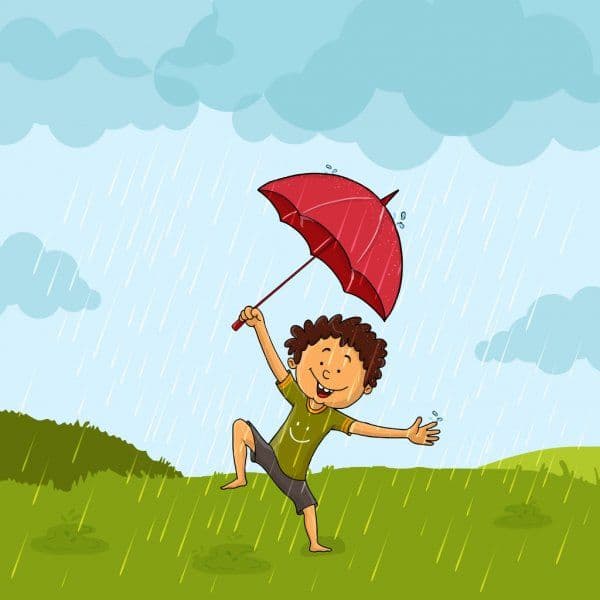
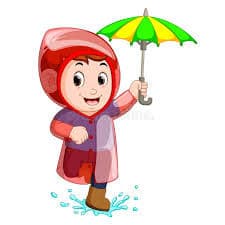 Clothes: What do you wear when it's cold? A. Swim trunks B. Hat C. Gloves D. Sweater What do you wear when it's rainy? A. Sunglasses B. Ski suit C. Flip-flops D. Umbrella What do you wear in the summer to stay cool? A. Snowsuit B. Scarf C. Boots D. T-shirt Seasons of the Year: Which season comes after winter? A. Autumn B. Summer C. Winter D. Spring What do you like to do in the summer? A. Play hockey B. Run with sleds C. Catch snowflakes D. Swim Weather: What do you wear on a sunny day? A. Ski suit B. Neck warmer C. Gloves D. Sunglasses What happens to puddles on a warm, sunny day? A. Expand B. Turn into ice C. Dry up D. None of the above How does the sky look when it's going to rain? A. Clear B. Orange C. Cloudy D. Golden Mix: What do you wear when it's cold and snowy? A. Swimsuit B. Cowboy boots C. Ski helmet D. Winter jacket What grows on trees in the summer? A. Vegetables B. Colorful leaves C. Carrots D. Fruits What do you do when it's windy? A. Swim in a pool B. Listen to music C. Run with sleds D. Fly a kite Which of the following is a season when it's cold and snowy? A. Summer B. Spring C. Autumn D. Winter What do you wear when it's hot in the summer? A. Ski suit B. Boots C. Scarf D. Straw hat Which of the following are signs of spring? A. Leaves fall B. Snow covers the ground C. Trees lose their leaves D. Flowers bloom What clothing do you wear when it's raining? A. Gloves B. Ski suit C. Sunglasses D. Rain ponchoA BAD CASE OF THE STRIPES By David Shannon Parts(18): Camilla Narrator 1 Narrator 2 Narrator 3 Narrator 4 Mr. Harms Mother Father Dr. Bumble Old Woman Environmental Therapist Dr. Grop Dr. Gourd Dr. Sponge Mr. Mellon Dr. Cricket Dr. Young <><><><><><><><><><><><><><><><><><><><><><><><><><><><><><><><><><><><><><><><><><><><><><><><><> Narrator 1: A BAD CASE OF THE STRIPES By David Shannon Narrator 2: Camilla Cream loved lima beans. But she never ate them. Narrator 3: All of her friends hated lima beans, and she wanted to fit in. Camilla always worried about what other people thought of her. Narrator 4: Today she was fretting even more than usual. It was the very first day of school, and she couldn't decide what to wear. There were so many people to impress! Narrator 1: She tried on forty-two outfits, but none seemed quite right. She put on a pretty red dress and looked in the mirror. Then she screamed. Narrator 2: Her mother ran into the room, and she screamed, too. Mother: "Oh my heavens! You're completely covered with stripes!" Narrator 3: she cried. This was certainly true. Camilla was striped from head to toe. She looked like a rainbow. Narrator 4: Mrs. Cream felt Camilla's forehead. Mother: "Do you feel all right?" Narrator 1: she asked. Camilla: "I feel fine, but just look at me!" Narrator 2: Camilla answered. Mother: "You get back in bed this instant. You're not going to school today." Narrator 3: her mother ordered. Camilla was relieved. She didn't want to miss the first day of school, but she was afraid of what the other kids would say. And she had no idea what to wear with those crazy stripes. Narrator 4: That afternoon, Dr. Bumble came to examine Camilla. Dr. Bumble: "Most extraordinary! I've never seen anything like it! Are you having any coughing, sneezing, runny nose, aches, pains, chills, hot flashes, dizziness, drowsiness, shortness of breath, or uncontrollable twitching?" Narrator 1: he asked. Camilla: "No, I feel fine." Narrator 2: Camilla told him. Dr. Bumble: "Well then, I don't see any reason why she shouldn't go to school tomorrow. Here's some ointment that should help clear up those stripes in a few days. If it doesn't, you know where to reach me." Narrator 3: Dr. Bumble said, turning to Mrs. Cream. And off he went. Narrator 4: The next day was a disaster. Everyone at school laughed at Camilla. They called her "Camilla Crayon" and "Night of the Living Lollipop." Narrator 1: She tried her best to act as if everything were normal, but when the class said the Pledge of Allegiance, her stripes turned red, white, and blue, and she broke out in stars! Narrator 2: The other kids thought this was great. One yelled out, Narrator 3: "Let's see some purple polka dots!" Narrator 4: Sure enough, Camilla turned all purple polka-dotty. Someone else shouted, Narrator 1: "Checkerboard!" Narrator 4: and a pattern of squares covered her skin. Soon everyone was calling out different shapes and colors, and poor Camilla was changing faster than you can change channels on a T.V. Narrator 2: That night, Mr. Harms, the school principal, called. Mr. Harms: "I'm sorry, Mrs. Cream, I'm going to have to ask you to keep Camilla home from school. She's just too much of a distraction, and I've been getting phone calls from the other parents. They're afraid those stripes may be contagious." Narrator 3: he said. Camilla was so embarrassed. She couldn't believe that two days ago everyone liked her. Now, nobody wanted to be in the same room with her. Narrator 1: Her father tried to make her feel better. Father: "Is there anything I can get you, sweetheart?" Narrator 2: he asked. Camilla: "No, thank you," Narrator 3: sighed Camilla. What she really wanted was a nice plate of lima beans, but she had been laughed at enough for one day. Dr. Bumble: "Hmm, well, yes, I see. I think I'd better bring in the Specialists. We'll be right over.” Narrator 4: said Dr. Bumble to Mr. Cream on the phone. About an hour later, Dr. Bumble arrived with four people in long white coats. He introduced them to the Creams. Dr. Bumble: "This is Dr. Grop, Dr. Sponge, Dr. Cricket, and Dr. Young." Narrator 1: Then the Specialists went to work on Camilla. They squeezed and jabbed, tapped and tested. It was very uncomfortable. Dr. Grop: "Well, it's not the mumps." Dr. Sponge: "Or the measles." Dr. Cricket:"Definitely not chicken pox." Dr. Young: "Or sunburn." Narrator 2: replied the Specialists. Specialists:"Try these. Take one of each before bed." Narrator 4: said the specialists. They each handed her a bottle filled with different colored pills. Then they filed out the front door followed by Dr. Bumble. Narrator 1: That night, Camilla took her medicine. It was awful. Narrator 2: When she woke up the next morning, she did feel different, but when she got dressed, her clothes didn't fit right. She looked in the mirror, and there, staring back at her, was a giant, multi-colored pill with a face on it. Narrator 3: Dr. Bumble rushed over as soon as Mrs. Cream called. But this time, instead of the Specialists, he brought the Experts. Narrator 4: Dr. Gourd and Mr. Mellon were the finest scientific minds in the land. Once again, Camilla was poked and prodded, looked at and listened to. Narrator 1: The Experts wrote down lots of numbers. Then they huddled together and whispered. Dr. Gourd finally spoke. Dr. Gourd: "It might be a virus," Narrator 2: he announced with authority. Suddenly, fuzzy little virus balls appeared all over Camilla. Mr. Mellon: "Or possibly some form of bacteria," Narrator 3: said Mr. Mellon. Out popped squiggly little bacteria tails. Dr. Gourd: "Or it could be a fungus," Narrator 4: added Dr. Gourd. Instantly, Camilla was covered with different colored fungus blotches. The experts looked at Camilla, then each other. Experts: "We need to go over these numbers again back at the lab. We’ll call you when we know something," Narrator 1: said the Experts. But the Experts didn't have a clue, much less a cure. Narrator 2: By now, the T.V. news had found out about Camilla. Reporters from every channel were outside her house, telling the story of "The Bizarre Case of the Incredible Changing Kid." Narrator 3: Soon a huge crowd was camped out on the front lawn. Narrator 4: The Creams were swamped with all kinds of remedies from psychologists, allergists, herbalists, nutritionists, psychics, an old medicine man, a guru, and even a veterinarian. Narrator 1: Each so-called cure only added to poor Camilla's strange appearance until it was hard to even recognize her. She sprouted roots and berries and crystals and feathers and a long furry tail. But nothing worked. Narrator 2: One day, a woman who called herself an Environmental Therapist claimed she could cure Camilla. She said, Environmental Therapist: "Close your eyes, breathe deeply, and become one with your room." Camilla: "I wish you hadn't said that," Narrator 3: Camilla groaned. Slowly, she started to melt into the walls of her room. Her bed became her mouth, her nose was a dresser, and two paintings were her eyes. The therapist screamed and ran from the house. Mother: "What are we going to do? It just keeps getting worse and worse!" Narrator 4: cried Mrs. Cream. She began to sob. Narrator 1: At that moment, Mr. Cream heard a quiet little knock at the front door. He opened it, and there stood an old woman who was just as plump and sweet as a strawberry. Old Woman: "Excuse me, but I think I can help." Narrator 2: she said brightly. Narrator 3: She went into Camilla's room and looked around. Old Woman: "My goodness, what we have here is a bad case of the stripes. One of the worst I've ever seen!" Narrator 4: she said with a shake of her head. She pulled a container of small green beans from her bag. She said, Old Woman: "Here. These might do the trick." Mother: "Are those magic beans?" Narrator 1: asked Mrs. Cream. The old woman replied, Old Woman: "Oh my, no, there's no such thing. These are just plain old lima beans. I'll bet you'd like some, wouldn't you?" Narrator 2: she asked Camilla. Camilla wanted a big, heaping plateful of lima beans more than just about anything, but she was still afraid to admit it. She said, Camilla: "Yuck! No one likes lima beans, especially me!" Old Woman: "Oh, dear, I guess I was wrong about you." Narrator 3: said the old woman sadly. She put the beans back in her bag and started toward the door. Narrator 4: Camilla watched the old woman walk away. Those beans would taste so good. And being laughed at for eating them was nothing, compared to what she'd been going through. She finally couldn't stand it. Camilla: "Wait! The truth is...I really love lima beans." Narrator 1: she cried. The old woman smiled, popping a handful of beans into Camilla's mouth, and said, Old Woman: "I thought so." Camilla: "Mmmmmmm," Narrator 2: said Camilla. Suddenly the branches, feathers, and squiggly tails began to disappear.Then the whole room swirled around. When it stopped, there stood Camilla, and everything was back to normal. Camilla: "I'm cured!" Narrator 3: she shouted. The old woman said, Old Woman: "Yes, I knew the real you was in there somewhere." Narrator 4: She patted Camilla on the head and went outside and vanished into the crowd. Narrator 1: Afterward, Camilla wasn't quite the same. Narrator 2: Some of the kids at school said she was weird, but she didn't care a bit. Narrator 3: She ate all the lima beans she wanted, and she never had even a touch of stripes again.1. Flammable materials, like alcohol, should never be dispensed or used near A. an open door. B. an open flame. C. another student. D. a sink. 2. If a laboratory fire erupts, immediately A. notify your instructor. B. run for the fire extinguisher. C. throw water on the fire. D. open the windows. 3. Approved eye protection devices (such as goggles) are worn in the laboratory A. to avoid eye strain. B. to improve your vision. C. only if you don’t have corrective glasses. D. any time chemicals, heat or glassware are used. 4. If you wear contact lenses in the school laboratory, A. take them out before starting the lab. B. you do not have to wear protective goggles. C. advise your science instructor that you wear contact lenses. D. keep the information to yourself. 5. If you do not understand a direction or part of a lab procedure, you should A. figure it out as you do the lab. B. try several methods until something works. C. ask the instructor before proceeding. D. skip it and go on to the next part. 6. After completing an experiment, all chemical wastes should be A. left at your lab station for the next class. B. disposed of according to your instructor’s directions. C. dumped in the sink. D. taken home. 7. If a lab experiment is not completed, you should A. discuss the issue with your instructor. B. sneak in after school and work alone. C. come in during lunch and finish while eating lunch. D. make up some results. 8. You are heating a substance in a test tube. Always point the open end of the tube A. toward yourself. B. toward your lab partner. C. toward another classmate. D. away from all people. Science Laboratory Safety teSt 9. You are heating a piece of glass and now want to pick it up. You should A. use a rag or paper towels. B. pick up the end that looks cooler. C. use tongs. D. pour cold water on it. 10. You have been injured in the laboratory (cut, burn, etc.). First you should A. visit the school nurse after class. B. see a doctor after school. C. tell the science instructor at once. D. apply first aid yourself. 11. When gathering glassware and equipment for an experiment, you should A. read all directions carefully to know what equipment is necessary. B. examine all glassware to check for chips or cracks. C. clean any glassware that appears dirty. D. All of the above. 12. You want to place a piece of glass tubing into a rubber stopper after the tubing has been fire polished and cooled. This is best done by A. lubricating the tubing with water or glycerin. B. using a towel or cotton gloves for protection. C. twisting the tubing and stopper carefully. D. all of the above. 13. Personal eyeglasses provide as much protection as A. a face shield. B. safety glasses. C. splashproof chemical goggles. D. none of the above. 14. Long hair in the laboratory must be A. cut short. B. held away from the experiment with one hand. C. always neatly groomed. D. tied back or kept entirely out of the way with a hair band, hairpins, or other confining device. 15. In a laboratory, the following should not be worn. A. loose clothing. B. dangling jewelry. C. sandals. D. all of the above. 16. The following footwear is best in the laboratory. A. sandals B. open-toed shoes C. closed-toed shoes D. shoes appropriate for the weather3 © 2017 Flinn Scientific, Inc. All Rights Reserved. 17. Horseplay or practical jokes in the laboratory are A. always against the rules. B. okay. C. not dangerous. D. okay if you are working alone. 18. If a piece of equipment is not working properly, stop, turn it off, and tell A. the custodian. B. your lab partner. C. your best friend in the class. D. the science instructor. 19. If an acid is splashed on your skin, wash at once with A. soap. B. oil. C. weak base. D. plenty of water. 20. When you finish working with chemicals, biological specimens, and other lab substances, always A. treat your hands with skin lotion. B. wash your hands thoroughly with soap and water. C. wipe your hands on a towel. D. wipe your hands on your clothes. True—False T F 22. ■ ■ Hot glass looks the same as cold glass. 23. ■ ■ All chemicals in the lab are to be considered dangerous. 24. ■ ■ Return all unused chemicals to their original containers. 25. ■ ■ Work areas should be kept clean and tidy. 26. ■ ■ Pipets are used to measure and dispense small amounts of liquids. You should draw the liquid into the pipet using your mouth. 27. ■ ■ Laboratory work can be started immediately upon entering the laboratory even if the instructor is not yet present. 28. ■ ■ Never remove chemicals or other equipment from the laboratory. T F 29. ■ ■ Chipped or cracked glassware is okay to use. 30. ■ ■ Read all procedures thoroughly before entering the laboratory. 31. ■ ■ All unauthorized experiments are prohibited. 32. ■ ■ You are allowed to enter the chemical preparation/storage area any time you need to get an item. 33. ■ ■ Laboratory aprons should be worn during all lab activities. 34. ■ ■ It’s okay to pick up broken glass with your bare hands as long as the glass is placed in the trash. 35. ■ ■ Never leave a lit burner unattended. 21. Draw a diagram of your science room and label the locations of the following: ■ Fire Blanket ■ Fire Extinguisher(s) ■ Exits ■ Eyewash Station ■ Emergency Shower ■ Closest Fire Alarm Station ■ Waste Disposal Container(s)4 © 2017 Flinn Scientific, Inc. All Rights Reserved. Name: ________________________________________________ Date: ______________________________________________ 1. Flammable materials, like alcohol, should never be dispensed or used near A. an open door. B. an open flame. C. another student. D. a sink. 2. If a laboratory fire erupts, immediately A. notify your instructor. B. run for the fire extinguisher. C. throw water on the fire. D. open the windows. 3. Approved eye protection devices (such as goggles) are worn in the laboratory A. to avoid eye strain. B. to improve your vision. C. only if you don’t have corrective glasses. D. any time chemicals, heat or glassware are used. 4. If you wear contact lenses in the school laboratory, A. take them out before starting the lab. B. you do not have to wear protective goggles. C. advise your science instructor that you wear contact lenses. D. keep the information to yourself. 5. If you do not understand a direction or part of a lab procedure, you should A. figure it out as you do the lab. B. try several methods until something works. C. ask the instructor before proceeding. D. skip it and go on to the next part. 6. After completing an experiment, all chemical wastes should be A. left at your lab station for the next class. B. disposed of according to your instructor’s directions. C. dumped in the sink. D. taken home. 7. If a lab experiment is not completed, you should A. discuss the issue with your instructor. B. sneak in after school and work alone. C. come in during lunch and finish while eating lunch. D. make up some results. 8. You are heating a substance in a test tube. Always point the open end of the tube A. toward yourself. B. toward your lab partner. C. toward another classmate. D. away from all people. Science Laboratory Safety teSt 9. You are heating a piece of glass and now want to pick it up. You should A. use a rag or paper towels. B. pick up the end that looks cooler. C. use tongs. D. pour cold water on it. 10. You have been injured in the laboratory (cut, burn, etc.). First you should A. visit the school nurse after class. B. see a doctor after school. C. tell the science instructor at once. D. apply first aid yourself. 11. When gathering glassware and equipment for an experiment, you should A. read all directions carefully to know what equipment is necessary. B. examine all glassware to check for chips or cracks. C. clean any glassware that appears dirty. D. All of the above. 12. You want to place a piece of glass tubing into a rubber stopper after the tubing has been fire polished and cooled. This is best done by A. lubricating the tubing with water or glycerin. B. using a towel or cotton gloves for protection. C. twisting the tubing and stopper carefully. D. all of the above. 13. Personal eyeglasses provide as much protection as A. a face shield. B. safety glasses. C. splashproof chemical goggles. D. none of the above. 14. Long hair in the laboratory must be A. cut short. B. held away from the experiment with one hand. C. always neatly groomed. D. tied back or kept entirely out of the way with a hair band, hairpins, or other confining device. 15. In a laboratory, the following should not be worn. A. loose clothing. B. dangling jewelry. C. sandals. D. all of the above. 16. The following footwear is best in the laboratory. A. sandals B. open-toed shoes C. closed-toed shoes D. shoes appropriate for the weather5 © 2017 Flinn Scientific, Inc. All Rights Reserved. 17. Horseplay or practical jokes in the laboratory are A. always against the rules. B. okay. C. not dangerous. D. okay if you are working alone. 18. If a piece of equipment is not working properly, stop, turn it off, and tell A. the custodian. B. your lab partner. C. your best friend in the class. D. the science instructor. 19. If an acid is splashed on your skin, wash at once with A. soap. B. oil. C. weak base. D. plenty of water. 20. When you finish working with chemicals, biological specimens, and other lab substances, always A. treat your hands with skin lotion. B. wash your hands thoroughly with soap and water. C. wipe your hands on a towel. D. wipe your hands on your clothes. 21. Draw a diagram of your science room and label the locations of the following: ■ Fire Blanket ■ Fire Extinguisher(s) ■ Exits ■ Eyewash Station ■ Emergency Shower ■ Closest Fire Alarm Station ■ Waste Disposal Container(s) True—False T F 22. ■ ■ Hot glass looks the same as cold glass. 23. ■ ■ All chemicals in the lab are to be considered dangerous. 24. ■ ■ Return all unused chemicals to their original containers. 25. ■ ■ Work areas should be kept clean and tidy. 26. ■ ■ Pipets are used to measure and dispense small amounts of liquids. You should draw the liquid into the pipet using your mouth. 27. ■ ■ Laboratory work can be started immediately upon entering the laboratory even if the instructor is not yet present. 28. ■ ■ Never remove chemicals or other equipment from the laboratory. T F 29. ■ ■ Chipped or cracked glassware is okay to use. 30. ■ ■ Read all procedures thoroughly before entering the laboratory. 31. ■ ■ All unauthorized experiments are prohibited. 32. ■ ■ You are allowed to enter the chemical preparation/storage area any time you need to get an item. 33. ■ ■ Laboratory aprons should be worn during all lab activities. 34. ■ ■ It’s okay to pick up broken glass with your bare hands as long as the glass is placed in the trash. 35. ■ ■ Never leave a lit burner unattended.Soggy Stepsisters Ada and Rachel were fighting again. Ever since Ada's mom married Rachel's dad, it seemed as though they couldn't stop. "Are you going to wear that?" Ada asked, pointing to Rachel's old pants. "I know we're on vacation, but this is taking it too far." "Yes," Rachel said. "We're going outside. But if you want to break an ankle in those shoes, go ahead." Ada sighed. "I think I'll be bored to death long before that." "Dad and I come to this cabin every year," Rachel snapped. "We love it." Ada laughed. "I guess you have nothing better to do." "Great!" Rachel said. "Now we're going to hear about New York again." "Girls!" said their dad. "Stop arguing. I'll make a deal with you. Get through this morning without fighting, and you can do whatever you want this afternoon." The girls looked at each other. "All right," they said. "Let's go out in the canoe," Rachel suggested. "Ugh," Ada said and then looked at her stepdad. "I guess." Rachel showed Ada how to paddle. "We need to work together," Rachel said. "This is dumb," Ada complained. "These life jackets are hot, and they look silly." Rachel said nothing as the canoe moved slowly out into the lake. "Paddle harder, Ada," Rachel called. Ada rolled her eyes and pretended not to hear. When they made it to the middle of the lake, Ada felt a gust of wind. She looked up. Dark clouds filled the sky. Rachel said, "We'd better turn around." The wind blew harder. "Why aren't we moving?" Ada yelled. "Paddle with me," Rachel yelled back. "One... two..." Ada was wild with fear. "Help!" she screamed. She stood up and waved her arms. "Ada, no!" Rachel yelled. "Sit down!" It was too late. The canoe rocked and flipped over. "What do we do?" Ada yelled, spitting out water. "Grab the canoe," Rachel told her. "We're going to have to swim it back to shore." "Can't we climb back in?" Ada gasped. "This is safer and easier," said Rachel. "It's not far, and we have life jackets on. Let's go!" They swam. Ada was scared, but Rachel helped her. "You're doing great," Rachel said over and over. Their parents came running as they got to shore. "What happened? Are you all right?" asked their mom. We're fine-thanks to Rachel," Ada said. "I guess it's good that you come to the cabin every year." She looked at her stepsister. "Thank you." Rachel smiled as she said, "Let's go change. You can help me pick out what to wear."What to do whilehe waits While - სანამ, როცა A lot of A little, a few A few times - რამდენჯერმე A little time - ცოტა ხნით for a bit - ცოტათი Prepare - მომზადება However - but - მიუხედავად ამისა Relatives - ნათესავები Hold up Touch upHave you got it? I have/I haven’t Has she got it? No she hasn’t, yes she has. I have got a bathroom, she has a got a nice bedroom. Depends on - გააჩნია Decide - გადაწყვეტილება Above - ზემოთ Towel - პირსახოცი Spacious [speishas]- სივრციანი ადგილი, დიდი სივრცე Fall asleep - დაძინება Rest of the work - დანარჩენი სამუშაო More - უფრო Curtain - ფარდა Prepared - გამზადებული It is ready when it comes Relatives [relativs] - ნათესავები relative ნათესავი Built-in - ჩაშენებული Layout - განლაგება Bright - ნათელი, კაშკაშა Worn out - გაცვეთილი However - მიუხედავად ამისა Durable - გამძლე Water - resistent - წყალ გამძე Find - found - found - პოვნა Shorter, longer, better More comfortable I am not responsible for I talk to them Phrasal Verb Meaning put in დაამონტაჟო take out მოხსნა / ამოღება tear down დანგრევა rip out მთლიანად მოხსნა fit in with შეესაბამებოდეს go for არჩევა point out მითითება come up with მოფიქრება cut down on შემცირება wear out გაცვეთა touch up მცირე შეკეთება / გადაღებვა work out გამოვიდეს, გაამართლოს hold up დააყოვნოსCreate multiple choice questions using the following information: In November, Mrs. Baker has Holling read The Tempest. Despite his preconceptions, Holling is captivated by all the "good stuff" in the play, especially the cussing, which he decides to learn by heart. He figures that Mrs. Baker could not have read the play herself; if she had, she certainly would not have let him have it. Holling is amazed when he discovers that his teacher not only has read the play, but she knows the bad parts as well. Mrs. Baker gives Holling a one-hundred-and-fifty question test on The Tempest, and assigns him to read the play again, telling him "there is a lot more to (it) than a list of colorful curses." The deadline set by Holling's classmates for him to bring them cream puffs arrives, but although Holling's father's company has won the Baker's Sporting Emporium contract, he refuses to extend an advance on his son's allowance. Desperate, Holling goes to Goldman's Best Bakery, offering to work for the money he lacks to buy the cream puffs. Coincidentally, Mr. Goldman, who is active in Long Island's Shakespeare Company, needs a boy to perform in their upcoming Extravaganza, and because of his work with Mrs. Baker, Holling fits the bill. Mr. Goldman gives Holling the required number of cream puffs in exchange, but sadly, while the students are at recess, Caliban and Sycorax, the escaped rats who inhabit the classroom walls and ceiling, come out and decimate the treats. Somehow, the disaster is blamed on Holling; he must clean up the mess, and his classmates decree that he still owes them cream puffs. The next Wednesday, Holling brings five cream puffs to school, which is all he can afford. In addition to facing his classmates' ire, he has to deal with the fact that, in the Shakespeare Company Holiday Extravaganza, he must play the part of Ariel, who is a fairy, and wear yellow tights with white feathers on an unmentionable part of his anatomy; "not a good thing for a boy from Camillo Junior High." To Holling's surprise, just when things are at their darkest, Mrs. Baker comes through for him, bringing cream puffs for the students on his behalf. That afternoon, Mrs. Baker and Holling discuss The Tempest, and whether or not Caliban, the "monster," deserves a happy ending. Holling argues that, as the antagonist, he does not, but Mrs. Baker muses whether Shakespeare might have shown, even in a monster, the capacity of humankind to use defeat to grow. Mrs. Bigio stumbles into the classroom at this point, emitting sounds of indescribable sadness; she has just learned that her husband has been killed in a futile reconnaissance mission in Vietnam. Two nights after his funeral, the Catholic Relief Agency, which houses Vietnamese refugees, including Holling's classmate Mai Thi, is the target of a hate crime. Holling reflects that Shakespeare, with his happy endings for nearly everyone in The Tempest, is wrong. He says, "sometimes, there isn't a Prospero to make everything fine...and...the quality of mercy is strained." In December, Camillo Junior High is awash in "signs of the season." Mrs. Baker, however, does not share the holiday spirit, but Holling is too absorbed with his problems with the Shakespeare Holiday Extravaganza to wonder why. As always, Holling seeks help from his family, but to no avail; his mother comments insipidly that his embarrassing costume is cute, his father tells him to wear it to please Mr. Goldman, who might one day need an architect, and his sister warns him that if news of his role gets to the high school, no one better find out they are related. The only thing that prevents December from being a total disaster is Mrs. Baker's announcement that Mickey Mantle will be signing autographs at the Baker Sporting Emporium. Unfortunately, Mrs. Baker also tells the class about Holling and the Shakespeare Extravaganza, and encourages the students to attend both events. Holling's classmates are intensely curious about his role as Ariel, whom he euphemistically describes as "a warrior." Mr. Goldman tells Mrs. Baker that Holling needs "some practice on interpretation", and she practices with him, playing the part of Prospero. Mrs. Baker is a terrific reader, and when she and Holling rehearse the part where Prospero releases Ariel from bondage, Holling is inspired, realizing what it means to be free "to create his own happy ending." On the night of the performance, Mrs. Baker, Mrs. Bigio, Danny Hupfer and his parents, Meryl Lee, and Mai Thi are in the audience to support Holling, unlike his own parents, who do not want to miss the Bing Crosby Christmas Special on television. Holling executes his part with such passion that his classmates are moved to tears, and do not even notice what he is wearing. When the show is over, Holling, finding the dressing room locked, rushes outside, still in costume, where his father is supposed to be waiting to take him to Baker's Sporting Emporium to see Mickey Mantle. Typically, his father is not there, and Holling, frantic, flags down a bus and begs the driver to take him to the Emporium. The driver takes pity on him and complies, getting him to the Emporium just in time, but when Holling approaches Mickey Mantle for an autograph, the famous player looks derisively at his costume and snaps rudely, "I don't sign baseballs for kids in yellow tights." Danny Hupfer witnesses this snub, and loyally returns his own autographed baseball to Mickey Mantle, saying, "I guess I don't need this after all." Holling and Danny leave together in silence, smarting because "when gods die, they die hard." During the days remaining until holiday break, Mrs. Bigio is especially cantankerous; her cafeteria cooking is unappetizing at best, and her comments to the students are impatient and unkind. Holling, remembering Mrs. Bigio's sadness when she received the news of her husband's death, does not complain, but he is bewildered at the sheer desolation he witnesses when Mrs. Bigio bitterly tells Mai Thi that she "shouldn't even be here...a queen in a refugee home while American boys are sitting in swamps on Christmas Day." After school on the last day before break, Mrs. Baker gives Holling, Danny Hupfer, and Doug Swieteck each a new baseball and mitt, and sends them to the gym, where, to their delight, they meet Joe Pepitone and Horace Clark in their Yankee uniforms, and receive tickets to Opening Day at the Stadium. Mrs. Baker's family knows what happened with Mickey Mantle, and wants to make it up to the boys. The next day, President Johnson declares a Christmas ceasefire in Vietnam, and the holiday season begins in earnest.Anna: What are those? Cindy: These are my ice skates. I need them to skate on the pond. Anna: Wow, do you know how to ice skate? Cindy: Yes, I know how. Ice skating is very fun! Anna: Is it very cold on the ice? Cindy: Yes, it is very cold. I need to wear mittens and a hat. Anna: Wow, that is smart! Can I skate on the ice too? Cindy: Sure! I will teach you. Anna: Great, thank you!I'd Like to Be I'd like to be a happy clown and make everyone laugh. I'd wear big clothes, and a bright red nose, and be pleased with all I have. I'd like to be an athlete, and play basketball each day. I'd leap so high I could touch the sky, and make baskets along the way. I'd like to be a gardener and grow healthy things to eat. I'd plant my seeds, water them, and pull weeds. My garden would be hard to beat. I'd like to be a mermaid and swim in the deep blue sea. The fish and whales could tell their tales, while dolphins sang to me. I'd like to be a cowboy and ride horses every day. And then at night, I would tie them tight and feed them lots of hay. I'd like to be a dancer and twirl and jump and fly. I'd wear fluffy skirts and fancy shirts. People would clap as I danced by. I'd like to be an artist and try to paint the land. I would paint the water blue and the great skies, too. The ground would be the color of sand. I'd like to be a pirate. I would have to be brave and bold. I would sail with a crew on oceans of blue to look for treasure and gold. I'd like to be an astronaut and fly up to the moon. In outer space, I'd find a place to eat without a spoon. I'd like to be a zookeeper and care for birds and snakes. I'd give them food, and watch their moods, and on birthdays give them cakes. I'd like to be a musician and play songs every day. I would play the trumpet, or guitar and strum it, making music my own way. The moral of this lesson is to be what you can be. Dare to dream, and listen to your talents to find what you will be.