Loading...


Where on Earth?
Quiz by Shane Somers
Customize this quiz to suit your class
Instantly translate to 100+ languages
Tag the questions with any skills you have. Your dashboard will track each student's mastery of each skill.
Give this quiz to my class
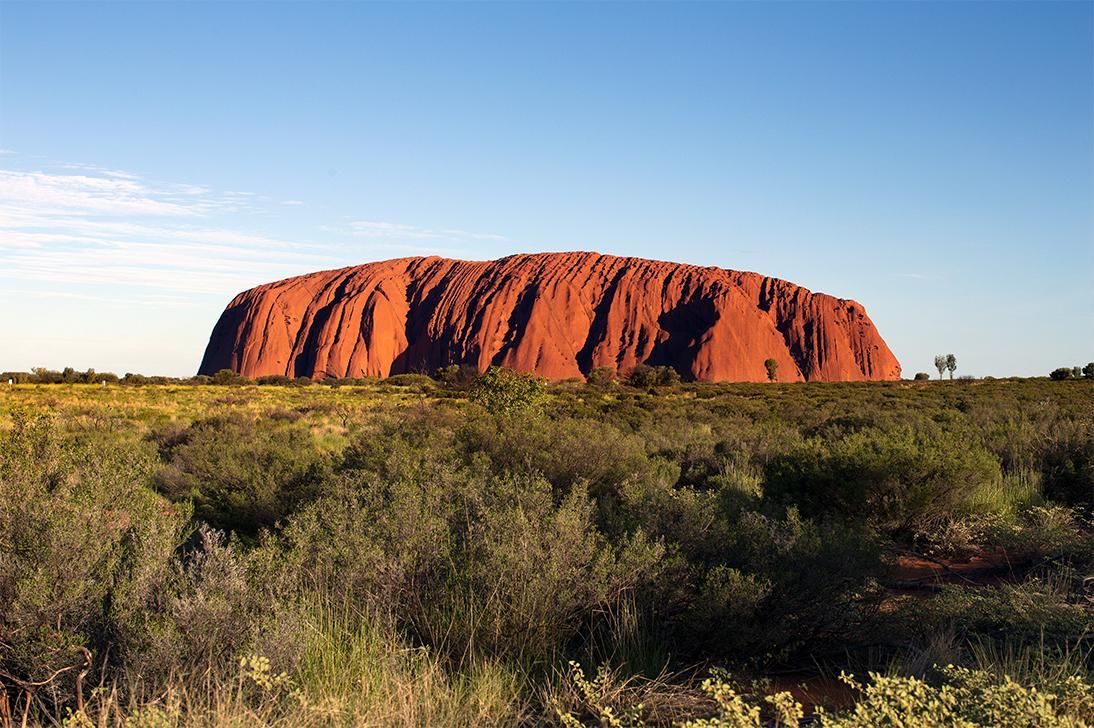
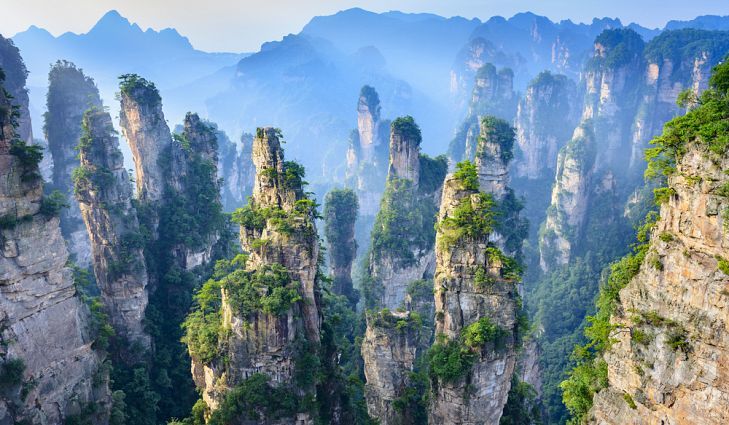


 Where on Earth are we story identify where water is found on Earth and that it can be solid or liquid. LESSON 1 Origin of Life on Earth Learning Objectives • Describe how Earth was formed. • Describe the events that happened during Earth's formation. When and where did life possibly start? Many cultures develop different versions about the origin of life. However, modern scientists are still exploring the works of some well-known experts in the history of science in search of the true origin of life. Earth is said to be a little over 4.5 billion years (Gigaannum or Ga) old. The oldest material found on Earth that is estimated to be 4.3 billion years old is a zircon crystal. No one witnessed how Earth was formed and what exactly happened during that moment, but there are evidence that show how it all started. Earth's earliest times were geologically violent. There were continuous bombardment from meteorites. As Earth cooled and the surface solidified, the first solid rocks formed. Continents were not yet present; only a huge ocean with scattered small islands. Events such as erosion, sedimentation, and volcanic activities that were assisted by possible meteor impacts, gradually created the oceanic plates, which later evolved into continents. About 3.8 Ga, life on Earth initially began with single-celled organisms called prokaryotes. Over a billion year later, multicellular life evolved. Some studies show that life-forms began to evolve around 570 million years ago (Ma). This evolution started with early arthropods, followed by the fish (530 Ma), and land plants and forests (475 Ma and 385 Ma, respectively). It was only at around 200 Ma that early mammals emerged. Homo sapiens is believed to have evolved about 200000 years ago. Many things were revealed using fossil evidence, yet many questions remain unanswered about the origin of life. Science is continuously searching for answers on what was in the beginning.Of the 7 billion people on Earth roughly 0:02 6 billion own a cell phone which is 0:05 pretty shocking given that only 4 and2 0:07 billion have access to a working toilet 0:09 so how are these popular gadgets 0:11 changing your body and brain If you're 0:13 looking down at your phone right now 0:15 your spine angle is equivalent to that 0:17 of an 8-year-old child sitting on your 0:19 neck which is fairly significant 0:21 considering people spend an average of 0:23 4.7 hours a day looking at their phone 0:26 this combined with the length of time 0:28 spent in front of computers has led to 0:30 an increase in the prevalence of myopia 0:32 or nearsightedness in North America in 0:34 the 1970s about one quar of the 0:36 population had myopia where today nearly 0:39 half do and in some parts of Asia 80 to 0:41 90% of the population is now nearsighted 0:44 and it can be hard to put your phone 0:46 down take for example the game Candy 0:48 Crush as you play the game you achieve 0:50 small goals causing your brain to be 0:52 rewarded with little bursts of dopamine 0:54 and eventually you're rewarded in the 0:56 game with new content this novelty also 0:58 gives little bursts of dopamine and 1:00 together create what is known as a 1:01 compulsion Loop which just happens to be 1:04 the same Loop responsible for the 1:05 behaviors associated with nicotine or 1:07 cocaine our brains are hardwired to make 1:10 us novelty seeking and this is why apps 1:12 on our phones are designed to constantly 1:14 provide us with new content making them 1:16 hard to put down as a result 93% of 1:19 young people aged 18 to 29 report using 1:21 their smartphone as a tool to avoid 1:23 boredom as opposed to other activities 1:26 like reading a book or engaging with 1:27 people around them this has created a 1:29 new term nomophobia the fear or anxiety 1:32 of being without your phone we also see 1:35 a change in brain patterns Alpha rhythms 1:37 are commonly associated with wakeful 1:39 relaxation like when your mind wanders 1:41 off whereas gamma waves are associated 1:44 with conscious attentiveness and 1:46 experiments have shown that when a cell 1:47 phone is transmitting say during a phone 1:49 call the power of these Alpha Waves is 1:52 significantly boosted meaning phone 1:54 Transmissions can literally change the 1:56 way your brain functions your smartphone 1:58 can also disrupt your sleep the screen 2:00 emits a blue light which has been shown 2:02 to alter our circadian rhythms 2:03 diminishing the time spent in deep Sleep 2:06 which is linked to the development of 2:07 diabetes cancer and obesity Studies have 2:10 shown that people who read on their 2:11 smartphone at night have a harder time 2:13 falling asleep and produce less 2:15 melatonin a hormone responsible for the 2:17 regulation of sleep wake Cycles Harvard 2:20 medical school advises the last 2 to 3 2:22 hours before bed be technology free so 2:24 pick up a book before bed instead of 2:26 course smartphones also completely 2:28 change our ability to access information 2:30 most notably in poor and minority 2:32 populations 7% of Americans are entirely 2:35 dependent on smartphones for their 2:37 access to the internet a 2014 study 2:40 found that the majority of smartphone 2:41 owners use their phone for online 2:43 banking to look up medical information 2:45 and searching for jobs so while phones 2:47 are in no way exclusively bad and have 2:50 been part of a positive change in the 2:51 world there's no denying that they are 2:53 changing us but many successful people 2:56 have now decided to take smartphone 2:58 vacations in order to increase 3:00 productivity in our new ASAP thought 3:01 video we break down the top six reasons 3:04 you should take a smartphone vacation 3:06 and how it could benefit your life right 3:08 now and subscribe for more weekly 3:09 science videos Based on the provided sources, here is a comprehensive extraction of the information regarding the water cycle, energy transfer, and Earth's wind systems, organized into key points: The Water Cycle and Its Reservoirs • Definition: The water cycle is the continuous movement of water among various reservoirs on Earth. • Water Reservoirs: These are storage locations for water and include: ◦ Oceans, seas, and lakes. ◦ Rivers, glaciers, soil, and rocks. ◦ The atmosphere and living organisms. • Total Volume: The total amount of water on Earth does not change, even when it changes state, because it is constantly being replaced or recycled through the cycle. Main Processes and Energy Transfer The movement of water through the cycle is driven by energy (thermal energy from the Sun) and force (gravity and wind). • Energy Gain (Absorption): ◦ Melting: Water changes from a solid state (ice) to a liquid state and gains energy. ◦ Evaporation: Liquid water changes into a gas state (water vapor) by gaining thermal energy. ◦ Transpiration: A specialized type of evaporation occurring in plants where water vapor is released through tiny holes in leaves called stomata. Approximately 10% of water vapor in the air comes from transpiration. • Energy Loss (Release): ◦ Condensation: Water vapor (gas) cools down and changes back into liquid water, releasing energy. ◦ Freezing: Liquid water changes into a solid state (ice) and loses energy. • Other Key Steps: ◦ Precipitation: Water falls back to Earth as rain, snow, sleet, or hail (snow pellets). ◦ Runoff: Water flows over Earth's surface into streams, rivers, and eventually larger bodies of water like oceans. ◦ Collection: Rainwater is collected in different water bodies to start the cycle again. Forces Driving Water Movement • Gravity: The main force that pulls water downward. It is responsible for: ◦ Bringing precipitation (rain and snow) from clouds to the surface. ◦ Moving ice in glaciers from higher to lower elevations. ◦ Causing liquid water to flow downhill into rivers and seas. ◦ Leakage: Pulling liquid water down into the ground to reach groundwater reservoirs. • Wind: Another force that affects water movement and transports water to different locations on Earth. Atmospheric Processes • Cloud Formation: Water vapor attaches to particles such as dust or smoke in the air and condenses into tiny droplets. When millions of these droplets join, they become heavy and fall as rain. • Convection: The transfer of heat in liquids and gases. ◦ Warm air/liquid: Becomes less dense, lighter, and rises upward. ◦ Cold air/liquid: Is more dense, heavier, and moves downward to replace the warm fluid. ◦ This process leads to convection currents, which help determine regional climates and drive wind and ocean currents. Solar Radiation and Climate The amount of solar energy reaching Earth differs from place to place, which affects the weather: • Hottest Regions (Equator): Sun rays fall perpendicular (vertical). Heat is concentrated on a small area, making the weather hot. • Moderate Regions: Sun rays fall semi-inclined. Heat is distributed over a larger area, making the weather warm. • Coolest Regions (Poles): Sun rays fall very slanted (inclined). Heat is spread over a very large area, making the weather very cold. Earth's Wind System • Wind Formation: Wind is generated when warm air (heated by the Sun) rises and is replaced by cooler air flowing from nearby areas. • Factors Affecting Wind: The amount of solar radiation and the rotation of Earth determine global wind directions. • Global Wind Cycle: Unequal heating between the equator and the poles generates a constant wind system. Warm air rises at the equator and moves toward the poles, while cold air from the poles moves toward the equator. • Importance: If there were no wind, the equator would become extremely hot, the poles would freeze solid, and many ecosystems would disappear. Practical Examples • Turkey’s Salt Lake: High evaporation in the summer can turn this large lake into a small puddle or dry it up completely. It is a critical site for flamingos, which migrate there to breed and feed on algae in the shallow, warm water.Bacterial Cell One of the very first organisms to evolve on earth was probably a unicellular organism, like modern bacteria. Ever since then, life has evolved into a multitude of life forms over many millennia. However, we can still trace our ancestry back to this single-celled organism. Bacteria Definition “Bacteria are unicellular organisms belonging to the prokaryotic group where the organisms lack a few organelles and a true nucleus”. Internal Structures • Cytoplasm: A gel-like substance that fills the cell, containing water, enzymes, nutrients, and waste, where metabolic activities occur. • Nucleoid: A region within the cytoplasm that houses the bacterial chromosome, a single, continuous circle of DNA. • Ribosomes: Responsible for synthesizing proteins within the cell. • Plasmids: Small, circular, extra-chromosomal DNA molecules that can provide advantageous traits, such as antibiotic resistance. • Mesosomes: (Optional, less prominent in some views) Folds in the plasma membrane that are believed to be involved in cell division and respiration. Outer Structures & Layers • Cell Wall: A rigid outer layer composed of peptidoglycan that provides structural support, maintains cell shape, and protects against osmotic lysis. Capsule: (Optional) A sticky outer layer of polysaccharide that can help the bacteria adhere to surfaces, protect against phagocytosis by the immune system, and serve as a food reserve. • Plasma Membrane: A selectively permeable barrier that regulates the passage of nutrients and waste products into and out of the cell. Appendages • Flagella: Long, whip-like structures that provide motility, allowing the bacterium to move through its environment. • Pili (and Fimbriae): Hair-like protein appendages. Pili are longer and involved in bacterial conjugation (transfer of genetic material), while the shorter, more numerous fimbriae primarily function in attachment to host cells or surfaces.Where’s the Joey? What's a Joey? A joey is a baby marsupial (mar-SOO-pee-ul). A marsupial is an unusual type of animal. Its babies are carried in a pouch, or pocket, on the mother's belly. As it grows, the little joey stays hidden inside the pouch. Safe inside, the tiny joey drinks milk and grows while it is carried around. Even after it can walk, the joey may still ride in mom's pouch. There are over three hundred types of marsupials. Most of them live in Australia (aw-STRAYL-yuh) and eat plants. Let's look at a few kinds of marsupials and their joeys. A Jumping Joey This joey stays in its mother's pouch for eight months while it grows very tall. Its feet and tail grow very long. too. Can you guess what it is? It's a red kangaroo! A red kangaroo is the largest marsupial. It can stand over six feet tall and weigh 200 lbs (91 kg). It can jump 30 feet (9 m) with each leap! A Joey That Lives in a Tree When grown, this little joey will look like a furry teddy bear with big ears. It will live most of its life sitting in trees and eating leaves. Can you guess what it is? It's a koala! A koala lives, eats, and sleeps in eucalyptus (yoo-kuh-LIP-tus) trees. It is happy just to sit anp eat lots of leaves every day. A koala usually only walks around at night. Joey the Screamer This marsupial mom might carry three or four noisy joeys in her pouch at one time. Her little joeys can scream very loudly. What are they? They are Tasmanian devils! The Tasmanian devil gets its name from its loud screams, sharp teeth, bad smell, and wild look. It is a meat-eater, and lives only on the island of Tasmania (taz-MAY-nee-uh). Protecting the Marsupials Most marsupials eat plants, and many, like the koala, live quietly in forests. When those forests are cut down, their homes, food, and safety are lost. Other marsupials have lost their sources of food to herds of grazing cows or growing cities. Marsupials Are Special Animals Most marsupials and their joeys live in only one place on Earth. We need to protect their special habitats and food sources-so we will always know where the joeys are.Bums in the Attic I want a house on a hill like the ones with the gardens where Papa works. We go on Sundays, Papa's day off. I used to go. I don't anymore. You don't like to go out with us, Papa says. Getting too old? Getting too stuck-up, says Nenny. I don't tell them I am ashamed -all of us staring out the window like the hungry. I am tired of looking at what we can't have. When we win the lottery . . . Mama begins, and then I stop listening. People who live on hills sleep so close to the stars they forget those of us who live too much on earth. They don't look down at all except to be content to live on hills. They 86 Sandra Cisneros have nothing to do with last week's garbage or fear of rats. Night comes. Nothing wakes them but the wind. One day I'll own my own house, but I won't forget who I am or where I came from. Passing bums will ask, Can I come in? I'll offer them the attic, ask them to stay, because I know how it is to be without a house. Some days after dinner, guests and I will sit in front of a fire. Floorboards will squeak upstairs. The attic grum- ble. Rats? they'll ask. Bums, I'll say, and I'll be happy. Minerva is only a little bit older than me but already she has two kids and a husband who left. Her mother raised her kids alone and it looks like her daughters will go that way too. Minerva cries because her luck is unlucky. Every night and every day. And prays. But when the kids are asleep after she's fed them their pancake dinner, she writes poems on little pieces of paper that she folds over and over and holds in her hands a long time, little pieces of paper that smell like a dime. She lets me read her poems. I let her read mine. She is always sad like a house on fire-always something wrong. 84 Sandra Cisneros She has many troubles, but the big one is her husband who left and keeps leaving. One day she is through and lets him know enough is enough. Out the door he goes. Clothes, records, shoes. Out the window and the door locked. But that night he comes back and sends a big rock through the window. Then he is sorry and she opens the door again. Same story. Next week she comes over black and blue and asks what can she do? Minerva. I don't know which way she'll go. There is nothing I can do.